
Where the soul of the forest whispers in the mist
Murchison Falls National Park stands as Uganda’s largest and most ecologically diverse protected area. It stretches across vast savannah plains, riverine forests, wetlands, and woodland ecosystems, all centered around the powerful Nile River. The park is defined by the dramatic Murchison Falls, where the Nile forces itself through a narrow 7-meter gorge before plunging down with explosive force.
This natural spectacle, combined with abundant wildlife and varied landscapes, positions the park as one of East Africa’s most complete safari destinations. Its combination of game drives, boat safaris, primate tracking, and birdwatching creates depth that few destinations can match. Each element contributes to a safari that feels both expansive and detailed, making Murchison Falls one of Africa’s most compelling national parks.
So lace up your boots, grab your camera, and prepare to meet the wild — this is where your gorilla trekking dreams and unforgettable safari adventures truly begin.
Truly Iconic Highlights in Uganda

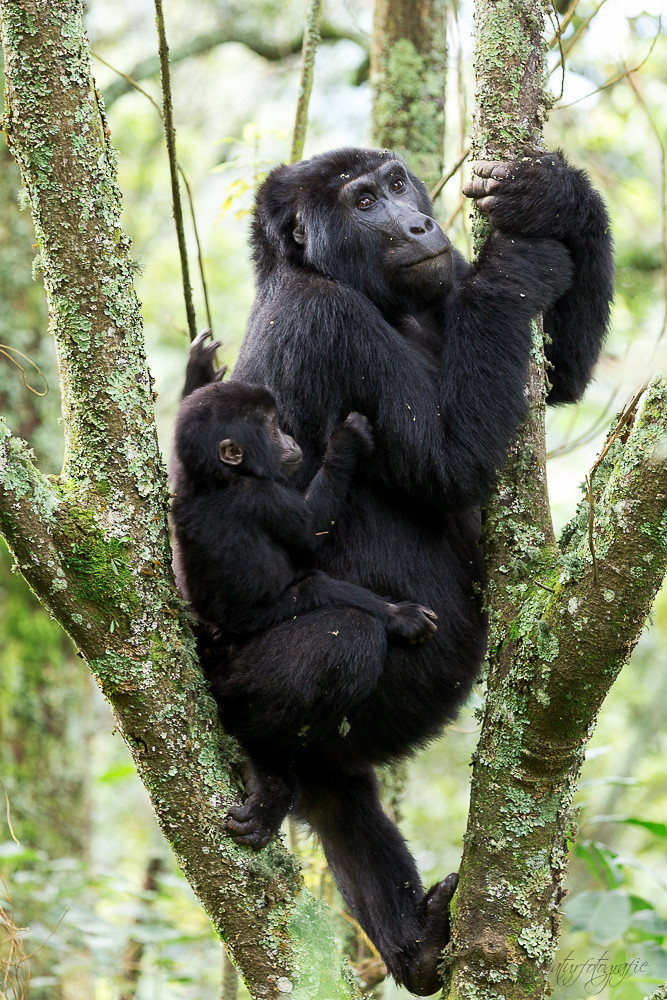
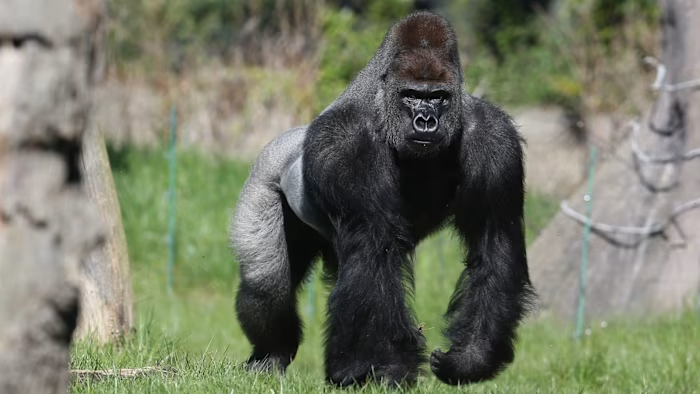
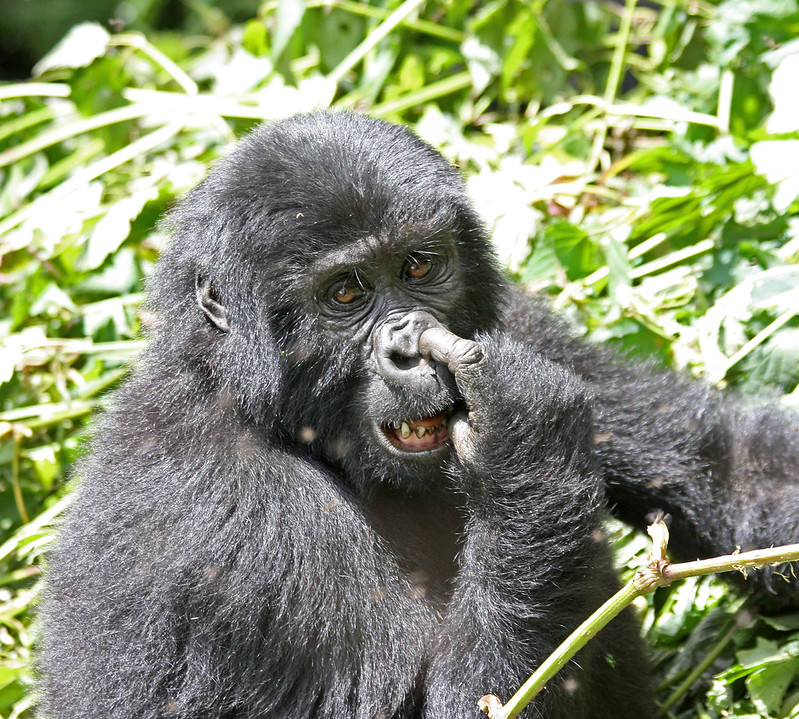
Trek through Bwindi’s mystical rainforest and meet the endangered mountain gorillas in their breathtaking natural home.
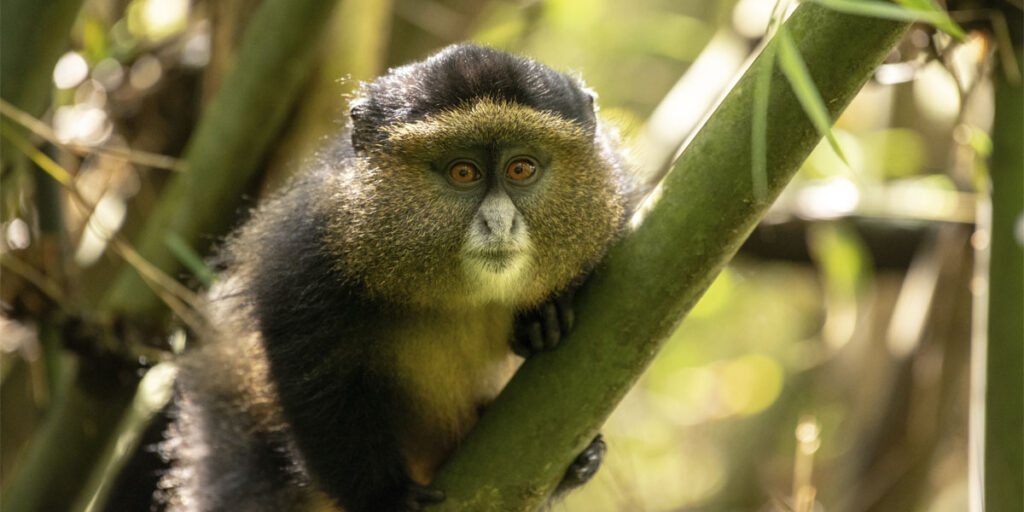
Encounter mountain gorillas and golden monkeys on Mgahinga’s misty volcanic trails, where culture and alpine wildlife thrive together.
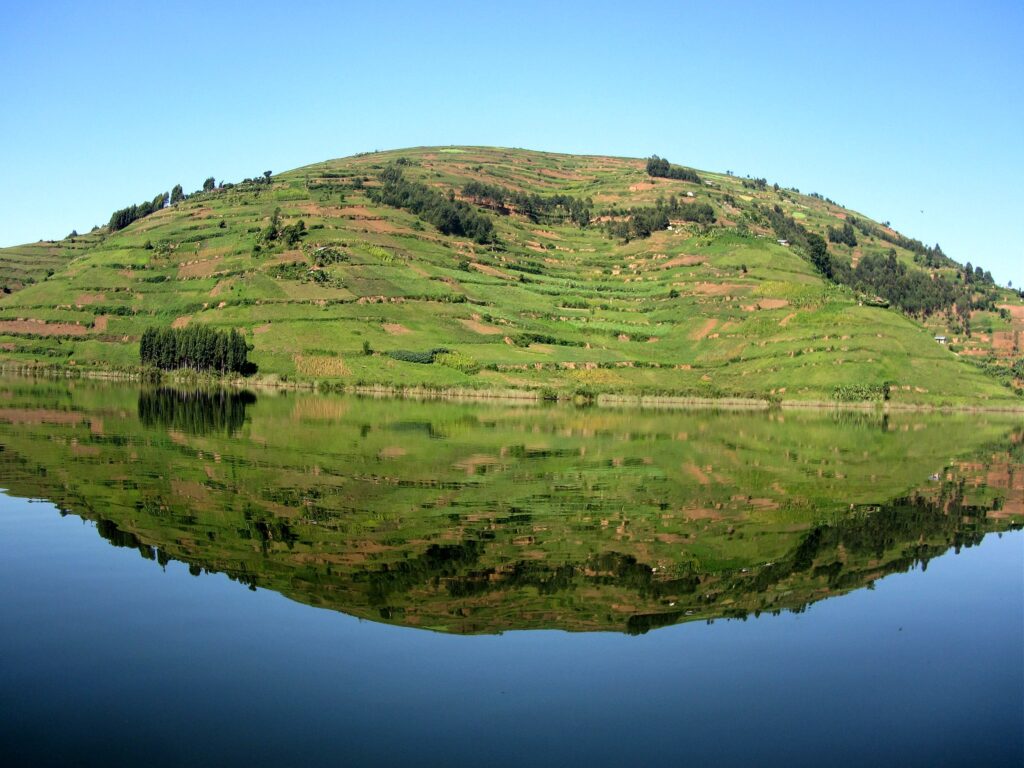
Unwind after your trek with a peaceful canoe ride across Lake Bunyonyi, Uganda’s most tranquil and scenic highland lake.
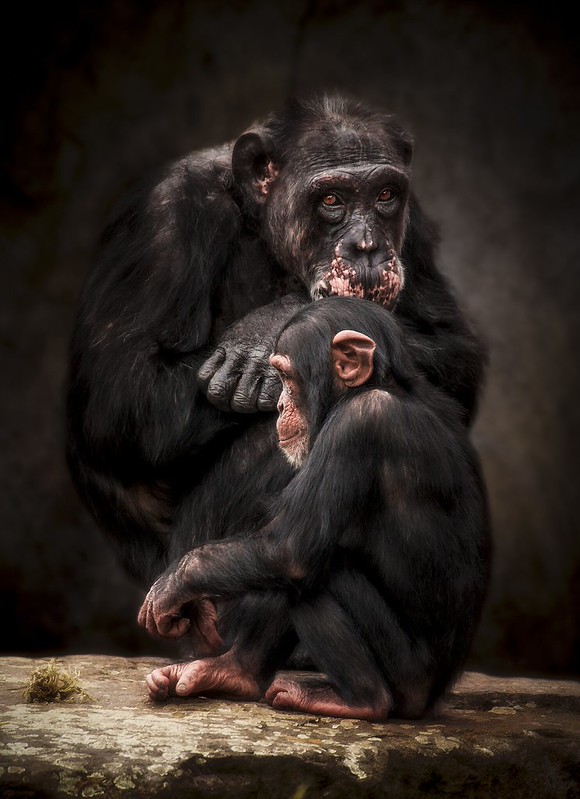
Enhance your gorilla trekking safari with an optional chimpanzee encounter in Uganda’s lush forests, adding depth and diversity to your primate adventure
Gorilla Trekking Tours in Uganda – Our Most Popular Itineraries.
Explore our gorilla trekking safaris for every traveler—solo, family, budget, or luxury. All tours include permits, transport, accommodation, meals, and park fees. Whether for a quick trip or a deeper adventure, we’ve got you covered.

Privacy Policy
Privacy Policy
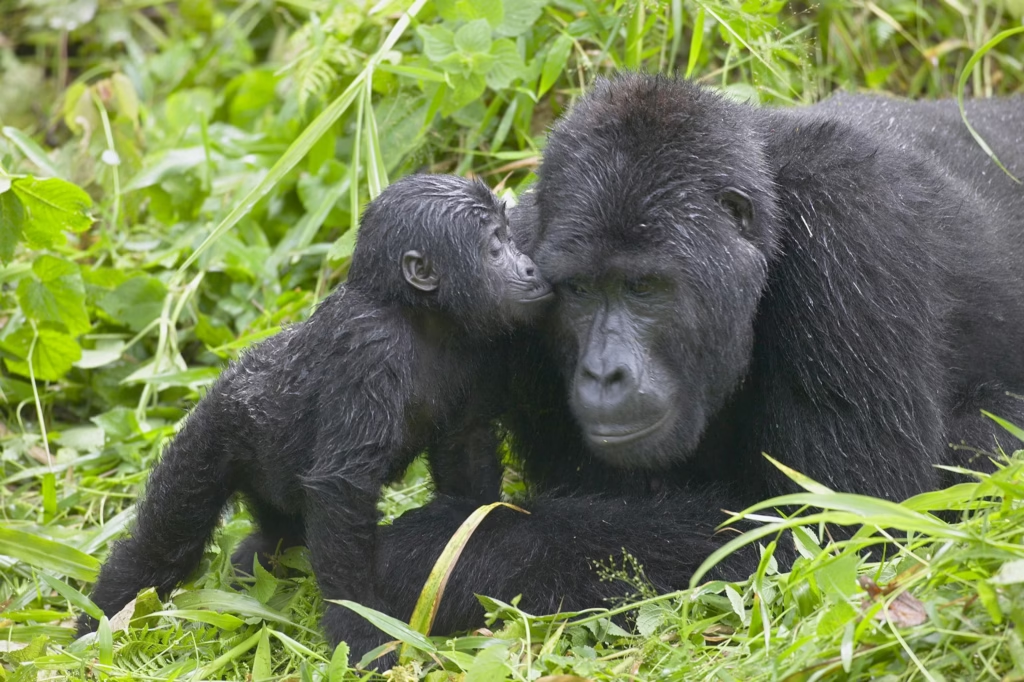
International Ethical Gorilla Tour Specialists — Uganda Gorilla Trekking
International Ethical Gorilla Tour Specialists — Uganda Gorilla Trekking
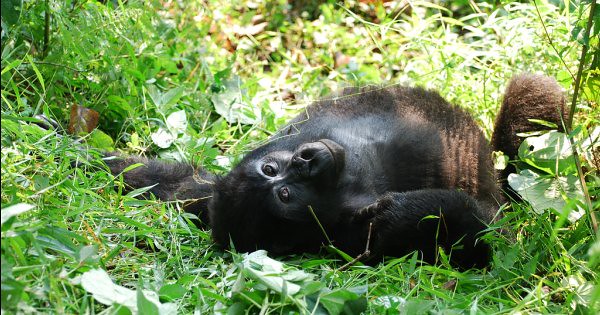
Bwindi Gorilla Trekking — The Four Sectors Explained
Bwindi Gorilla Trekking — The Four Sectors Explained
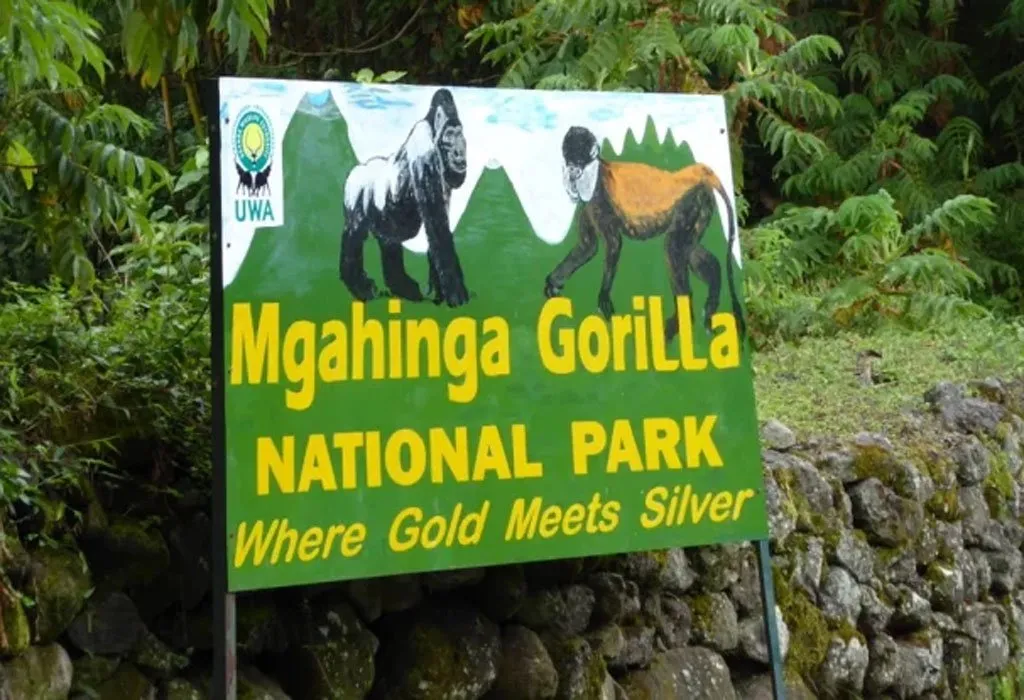
Trekking Gorillas in Mgahinga National Park
Trekking Gorillas in Mgahinga National Park
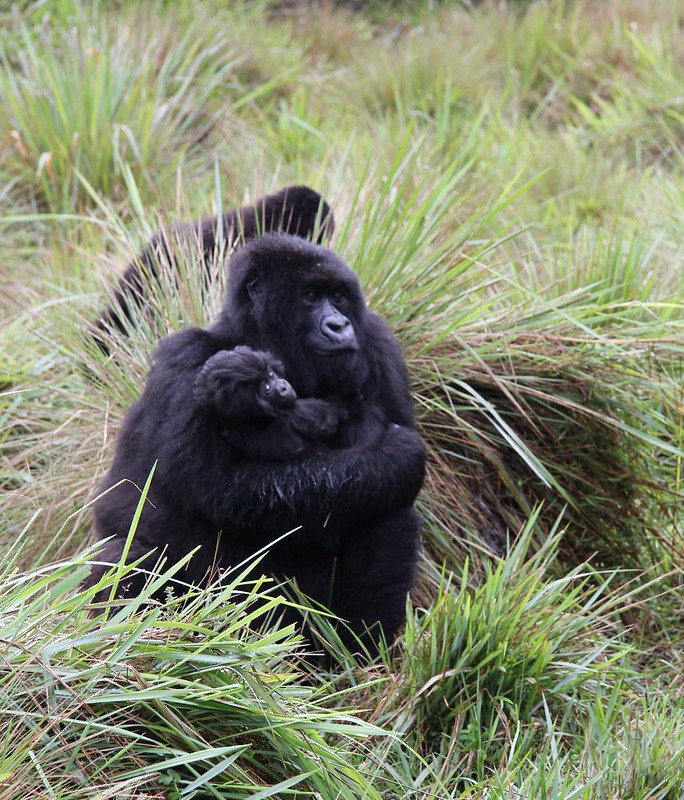
Uganda Gorilla Trekking Permits – Prices, Booking, & Travel Tips
Uganda Gorilla Trekking Permits – Prices, Booking, & Travel Tips
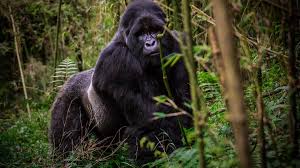
Uganda Gorilla Trekking Safaris
Uganda Gorilla Trekking Safaris
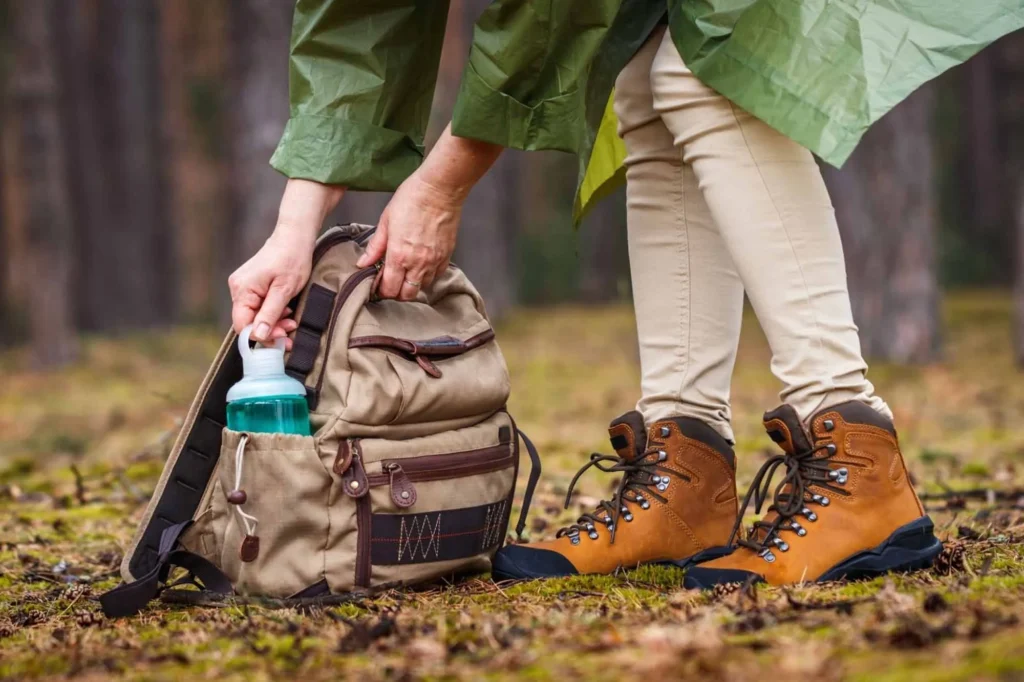
What to Pack for Gorilla Trekking in Uganda – Expert Checklist
What to Pack for Gorilla Trekking in Uganda – Expert Checklist
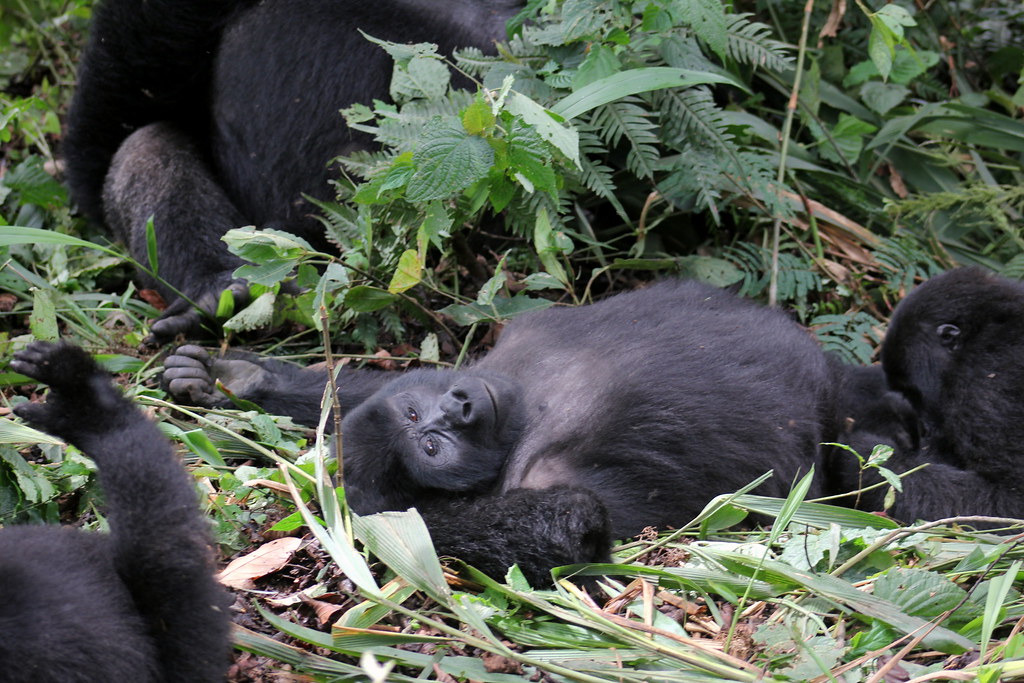
Best Time to Go Gorilla Trekking in Uganda – Weather & Seasons
Best Time to Go Gorilla Trekking in Uganda – Weather & Seasons
Gorilla Trekking Difficulty in Uganda – Fitness & Trail Guide
Gorilla Trekking Difficulty in Uganda – Fitness & Trail Guide
Gorilla Trekking Rules in Uganda – Safety, Respect & Ethics
Gorilla Trekking Rules in Uganda – Safety, Respect & Ethics
Best Lodges Near Bwindi & Mgahinga – Gorilla Trekking Hotels
Best Lodges Near Bwindi & Mgahinga – Gorilla Trekking Hotels
Gorilla Conservation in Uganda – Protecting the Mountain Giants
Gorilla Conservation in Uganda – Protecting the Mountain Giants
Travel News, Stories & Tips
Travel News, Stories & Tips
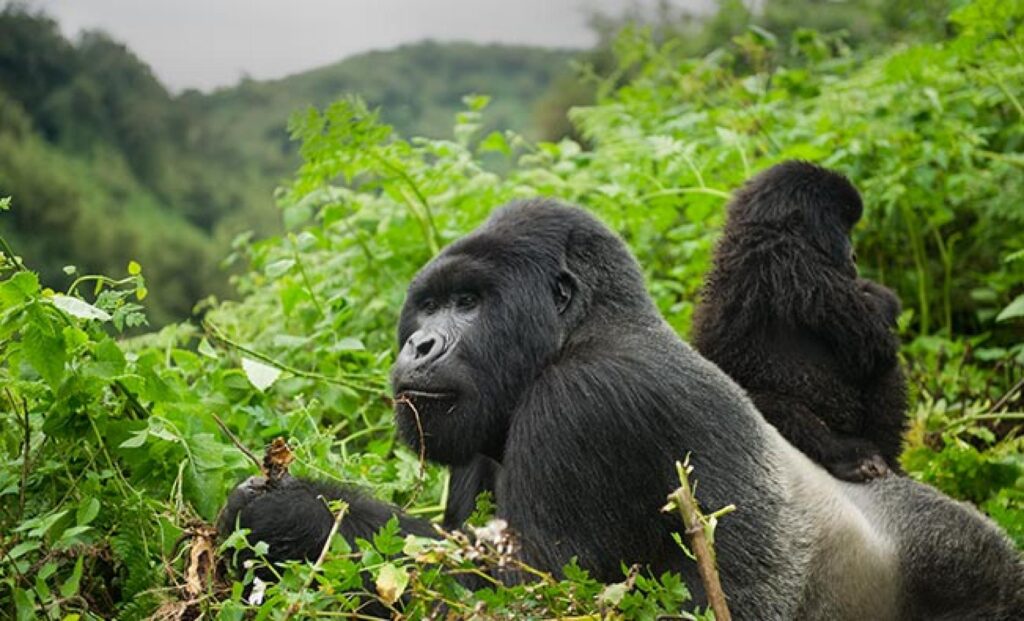
3-Day Bwindi Gorilla Trekking Safari
3-Day Bwindi Gorilla Trekking Safari
Gorilla Trekking in Africa – Uganda, Rwanda, Congo & Gabon
Gorilla Trekking in Africa – Uganda, Rwanda, Congo & Gabon
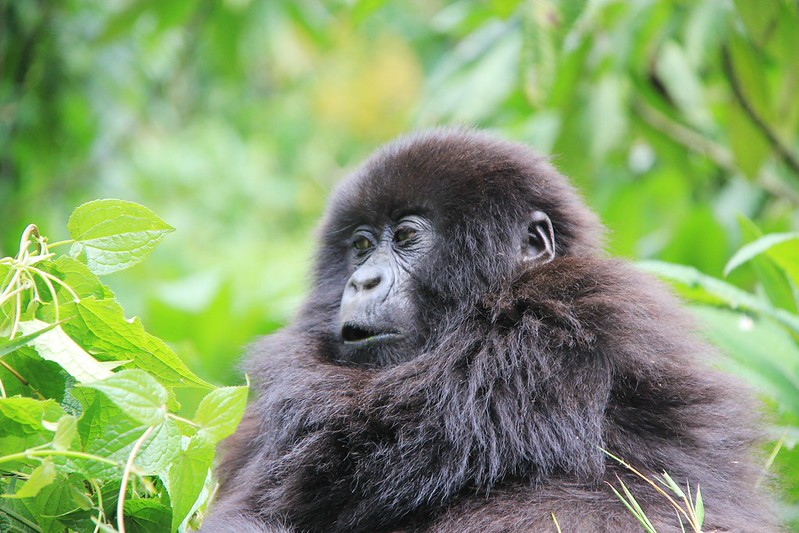
Rwanda Gorilla Trekking – Volcanoes National Park Safaris
Rwanda Gorilla Trekking – Volcanoes National Park Safaris
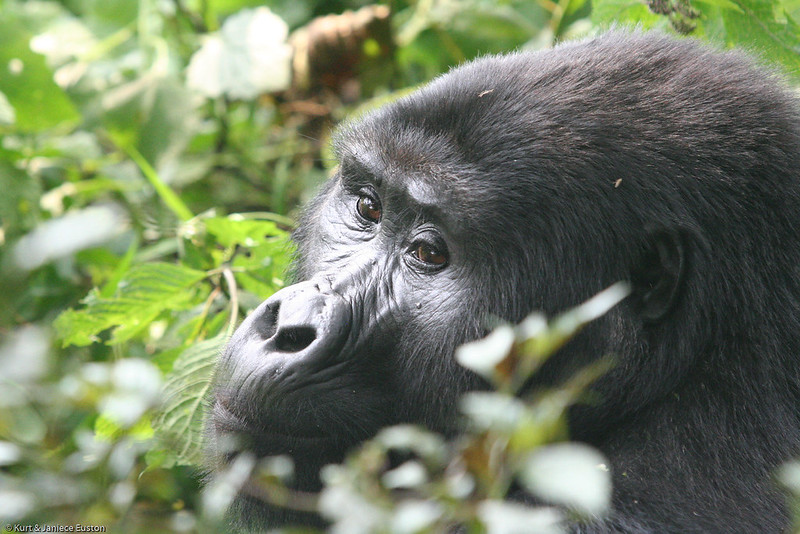
Gorilla Trekking in Congo – A Raw, Wild Experience in Virunga
Gorilla Trekking in Congo – A Raw, Wild Experience in Virunga
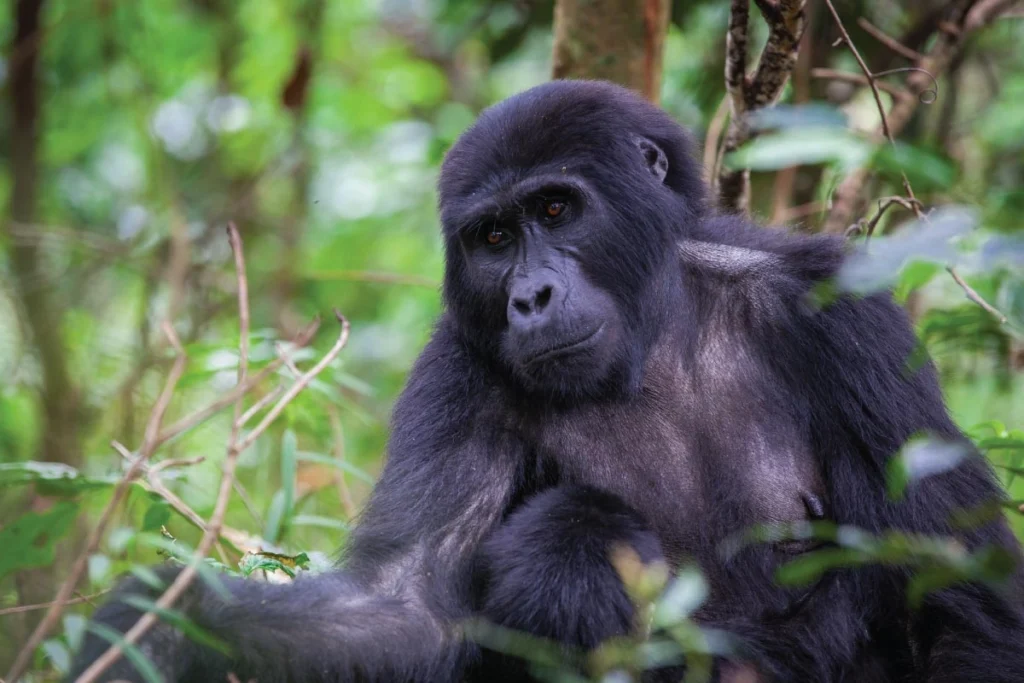
Gorilla Trekking in Gabon – Discover Africa’s Hidden Rainforest Jewel
Gorilla Trekking in Gabon – Discover Africa’s Hidden Rainforest Jewel
4-Day Uganda Gorilla Trekking Safari
4-Day Uganda Gorilla Trekking Safari
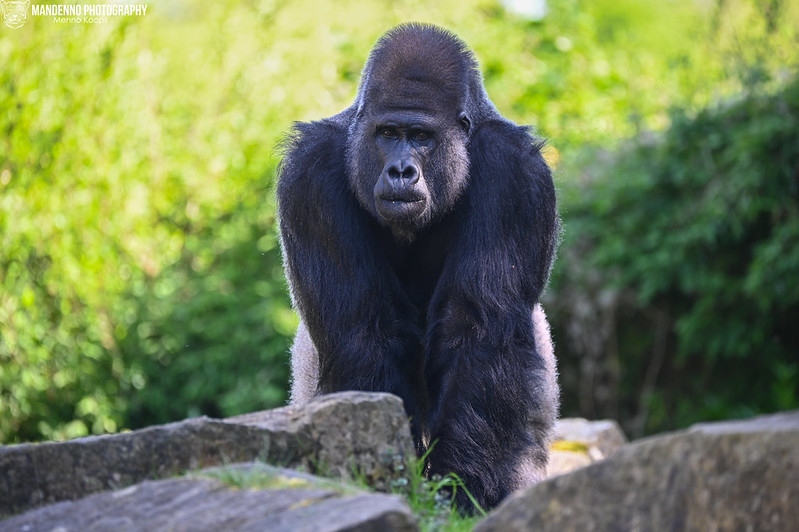
5-Day Gorilla Tracking and Wildlife Safari
5-Day Gorilla Tracking and Wildlife Safari
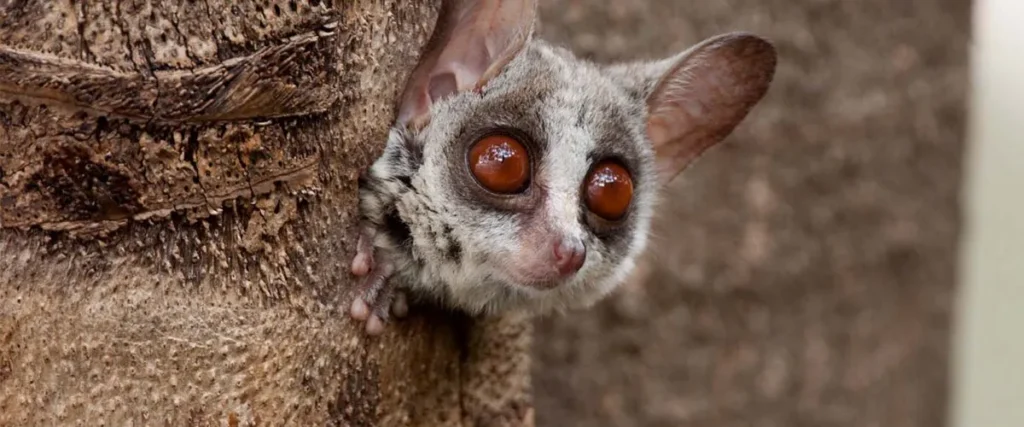
7-Day Uganda Primate Adventure & Wildlife Safari
7-Day Uganda Primate Adventure & Wildlife Safari
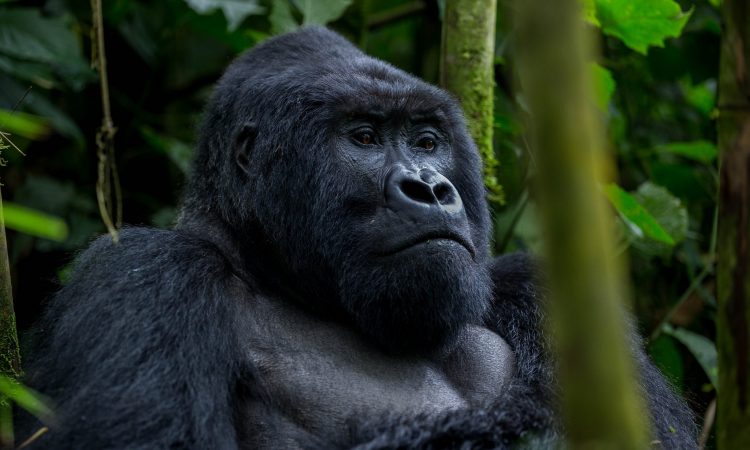
10-Day Gorilla Trekking & Big Five Safari in Uganda
10-Day Gorilla Trekking & Big Five Safari in Uganda
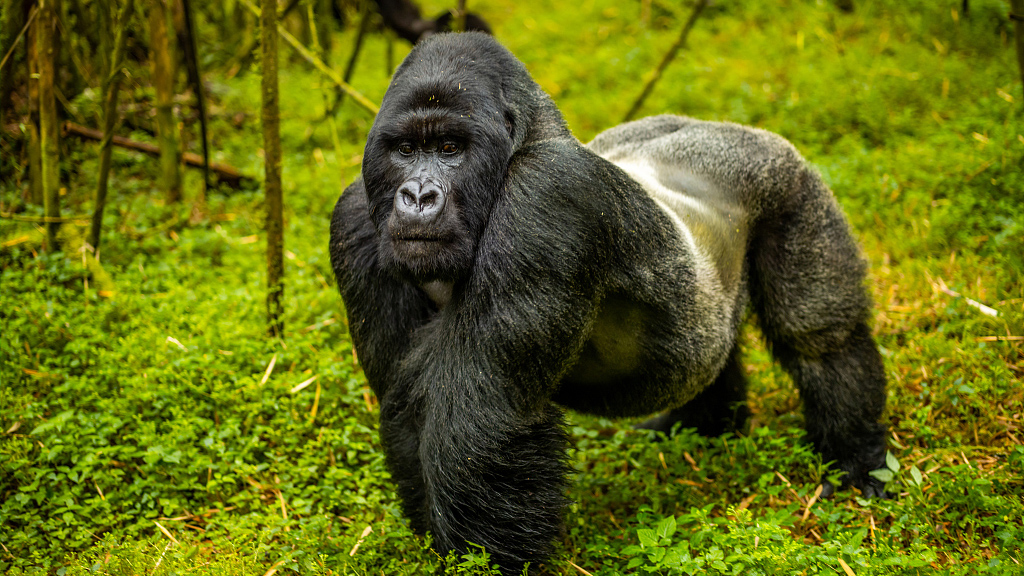
12-Day Uganda Gorilla Trekking, Chimp Tracking & Cultural Safari
12-Day Uganda Gorilla Trekking, Chimp Tracking & Cultural Safari
14-Day Best of Uganda Safari – Gorillas, Wildlife, Cultures
14-Day Best of Uganda Safari – Gorillas, Wildlife, Cultures
Gorilla Trekking for Veterans | Adventure & Healing
Gorilla Trekking for Veterans | Adventure & Healing

LGBTQ+ Friendly Gorilla Trekking | Inclusive Safaris
LGBTQ+ Friendly Gorilla Trekking | Inclusive Safaris
18+ Gorilla Trekking Uganda | Adults-Only Wild Adventures
18+ Gorilla Trekking Uganda | Adults-Only Wild Adventures
Discounted Gorilla Trekking for Bloggers & Photographers
Discounted Gorilla Trekking for Bloggers & Photographers
East Africa Gorilla Safaris Guide: Uganda, Rwanda & Congo
East Africa Gorilla Safaris Guide: Uganda, Rwanda & Congo
National Parks Guide
National Parks Guide
Uganda Gorilla Trekking FAQs & Travel Tips
Uganda Gorilla Trekking FAQs & Travel Tips
About Us
About Us
Contact
Contact
Bwindi Impenetrable National Park
Bwindi Impenetrable National Park
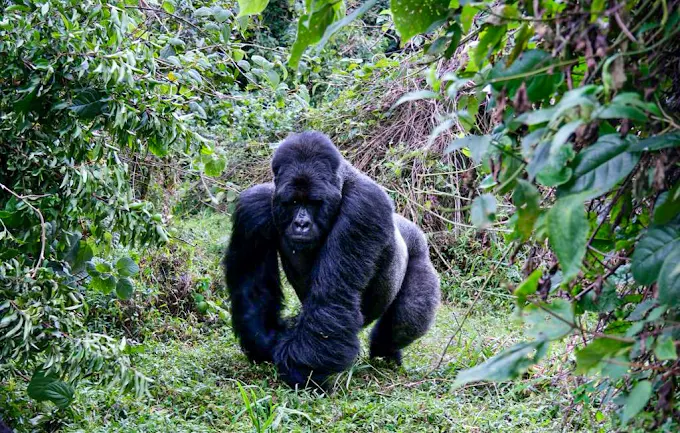
Mgahinga Gorilla National Park
Mgahinga Gorilla National Park
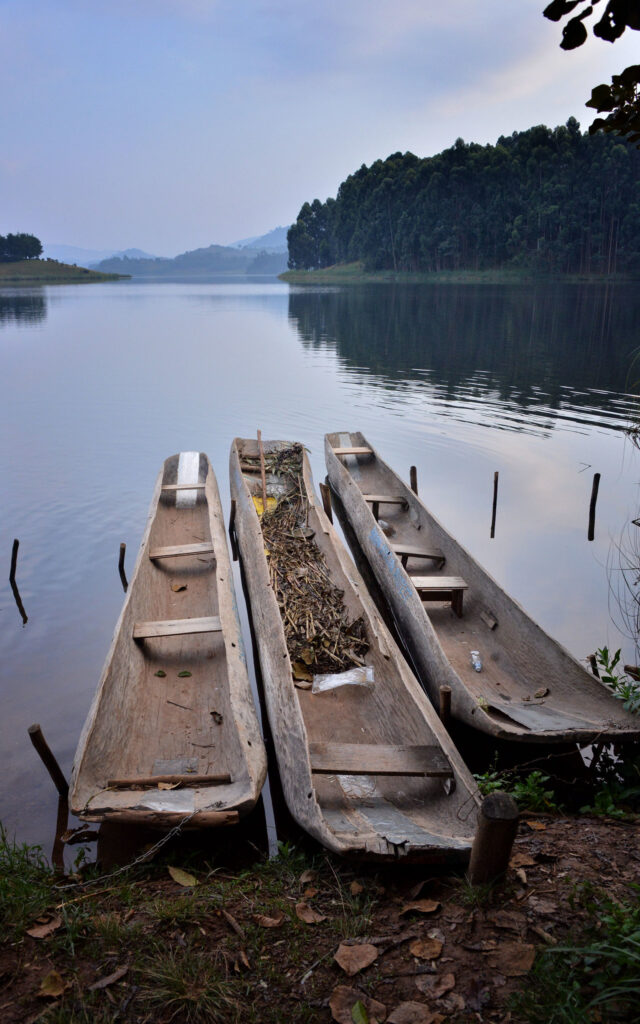
Bwindi vs. Mgahinga – Which One to Choose For Gorilla Trekking?
Bwindi vs. Mgahinga – Which One to Choose For Gorilla Trekking?
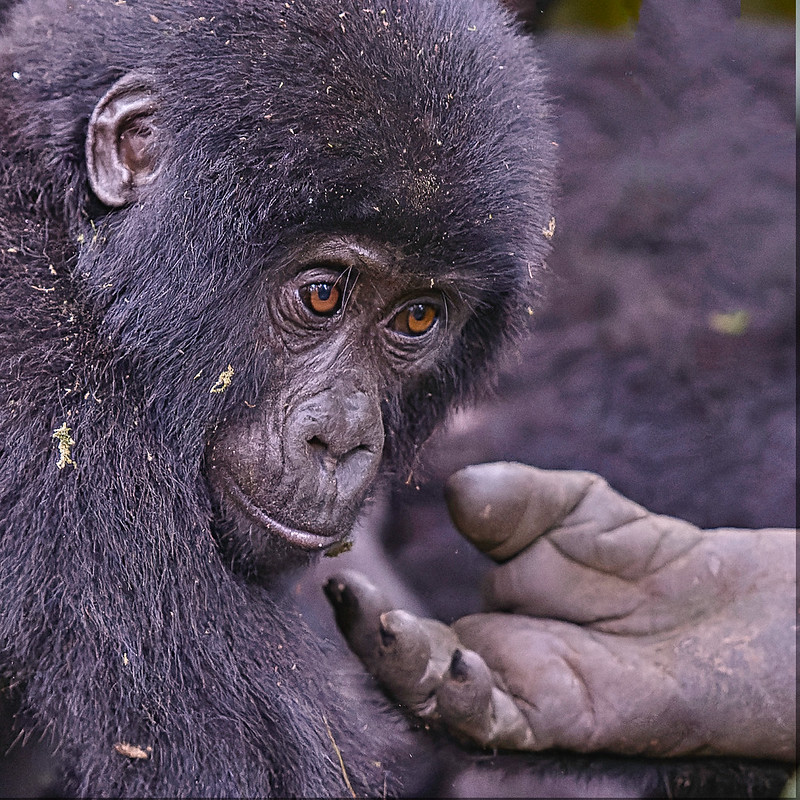
How to Stay Safe and Healthy While Traveling in Uganda
How to Stay Safe and Healthy While Traveling in Uganda
Queen Elizabeth National Park
Queen Elizabeth National Park
Kibale Forest National Park
Kibale Forest National Park

Murchison Falls National Park
Murchison Falls National Park
Uganda Visa & Border Crossings
Uganda Visa & Border Crossings
Routes, Tips & Travel Wisdom for Getting to Bwindi or Mgahinga
Routes, Tips & Travel Wisdom for Getting to Bwindi or Mgahinga
Cultural Etiquette & Language
Cultural Etiquette & Language
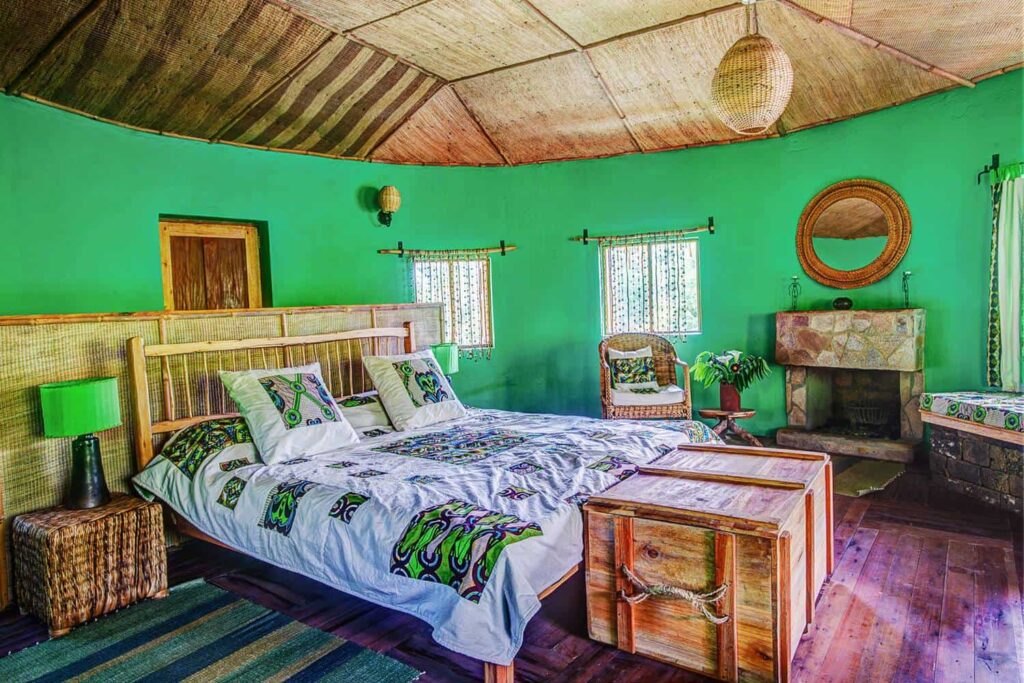
Accommodation Options: Lodges & Camps in Bwindi and Mgahinga
Accommodation Options: Lodges & Camps in Bwindi and Mgahinga
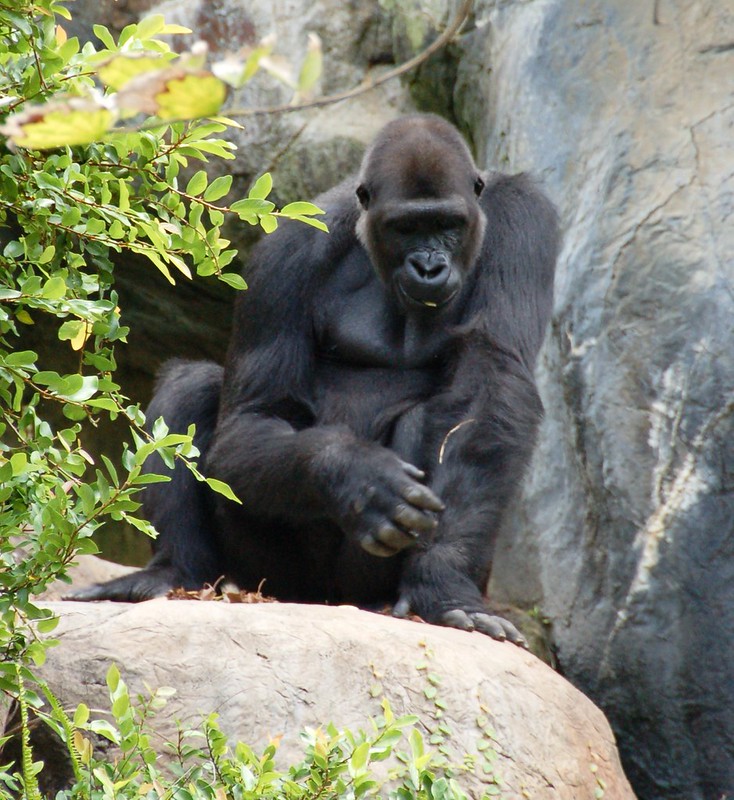
Gorilla Trekking in Rwanda vs Uganda
Gorilla Trekking in Rwanda vs Uganda
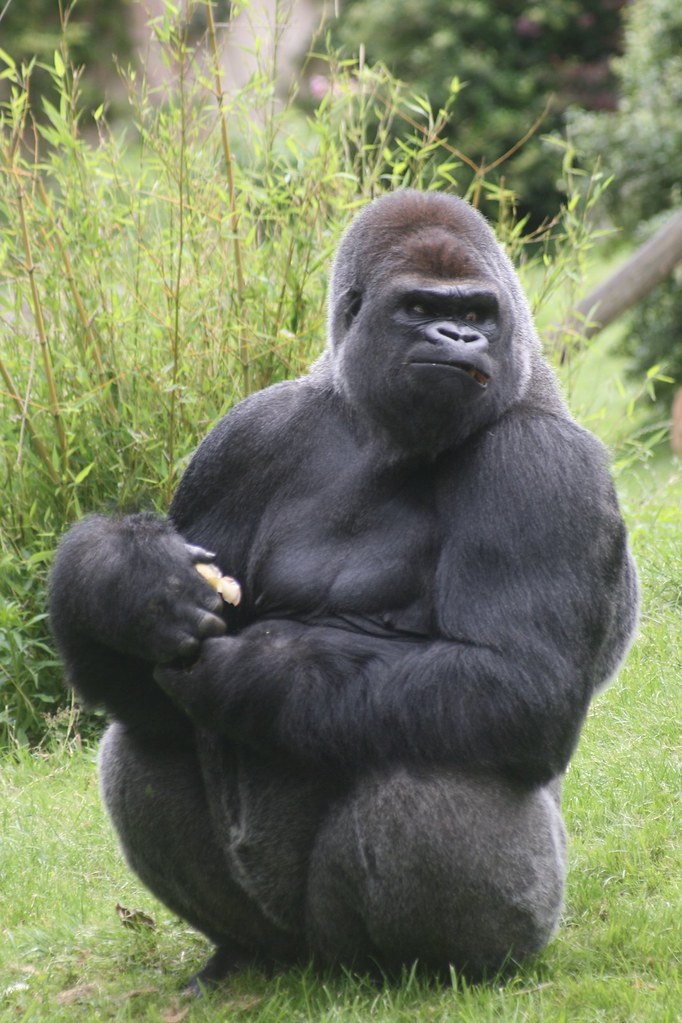
Why Choose Uganda for Gorilla Trekking?
Why Choose Uganda for Gorilla Trekking?
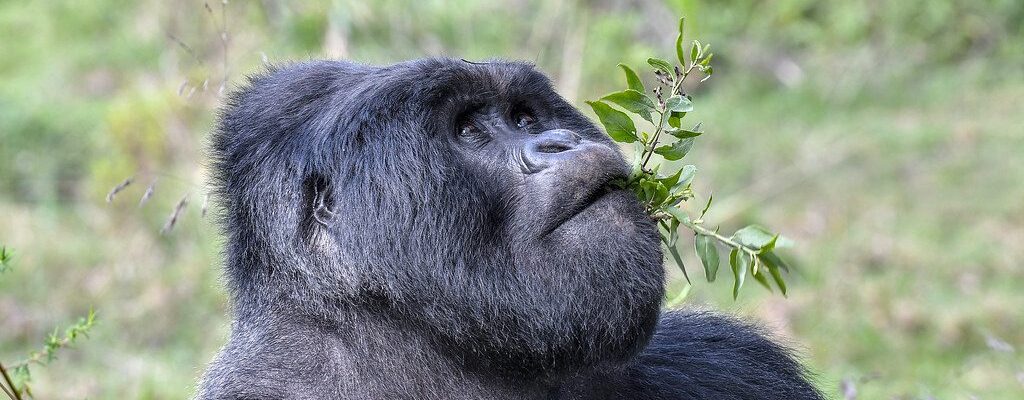
Protecting What You Came to See: Gorilla Conservation & Ethics
Protecting What You Came to See: Gorilla Conservation & Ethics
Travel Insurance for Gorilla Treks: Before You Go
Travel Insurance for Gorilla Treks: Before You Go
Terms & Conditions / Booking Policy
Terms & Conditions / Booking Policy
Trusted Gorilla Tour Operators / Companies.
Trusted Gorilla Tour Operators / Companies.
Uganda Tourist Attractions: Beyond National Parks.
Uganda Tourist Attractions: Beyond National Parks.
Lake Bunyonyi
Lake Bunyonyi
Key Species in Bwindi & Mgahinga
Key Species in Bwindi & Mgahinga
Gorillas
Gorillas
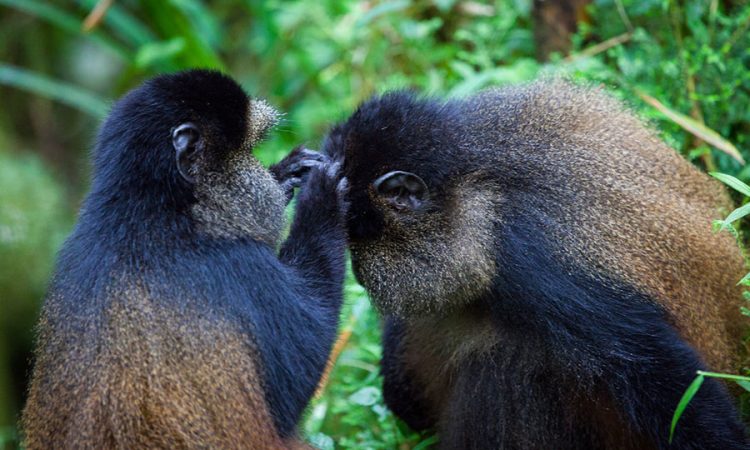
Golden Monkey
Golden Monkey
Chimpanzees
Chimpanzees
Dian Fossey
Dian Fossey
Mountain Gorillas
Mountain Gorillas
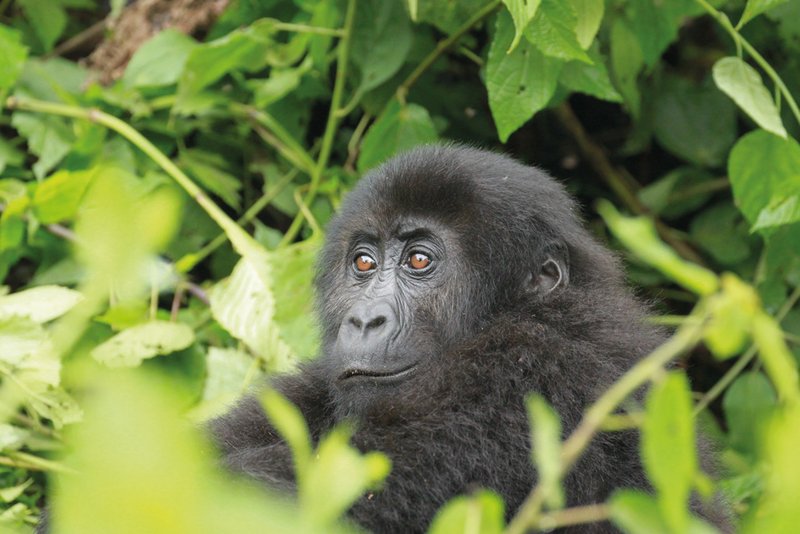
Cross River Gorillas
Cross River Gorillas
Eastern Lowland Gorillas
Eastern Lowland Gorillas
Western Lowland Gorillas
Western Lowland Gorillas
Gorilla Facts
Gorilla Facts
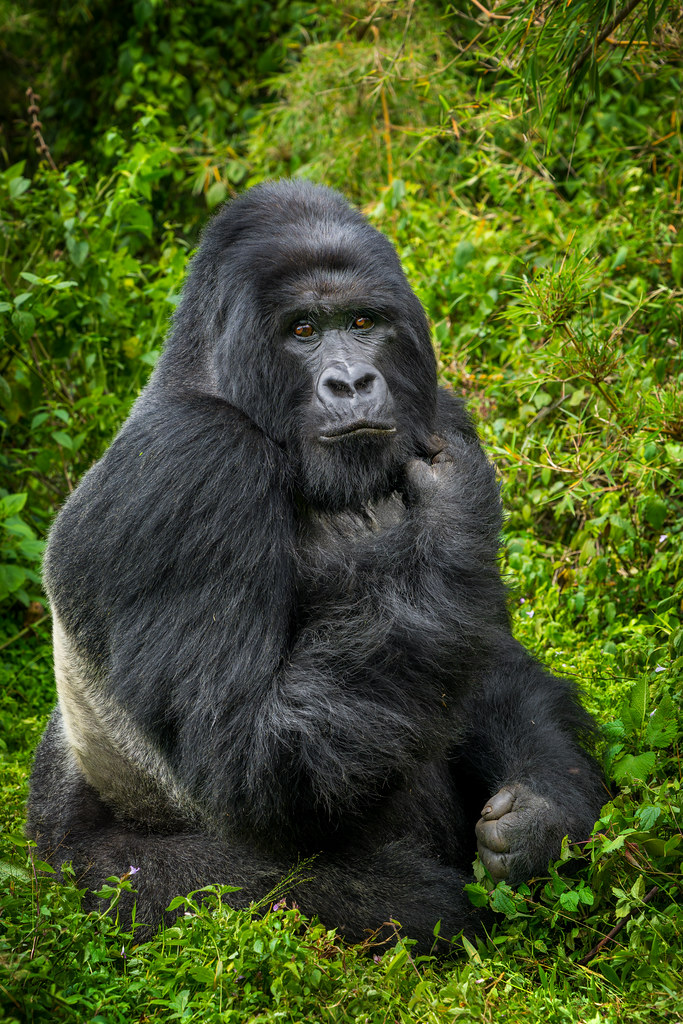
Silverback gorilla
Silverback gorilla
Gorilla families
Gorilla families
Gorilla Habituation
Gorilla Habituation
Souvenir & Crafts Shop
Souvenir & Crafts Shop
About Uganda
About Uganda
Dr. Gladys Kalema-Zikusoka — Prominent Conservationists(CTPH)
Dr. Gladys Kalema-Zikusoka — Prominent Conservationists(CTPH)
Gorillas in the Mist By Dian Fossey
Gorillas in the Mist By Dian Fossey
No One Loved Gorillas More: Dian Fossey: Letters from the Mist
No One Loved Gorillas More: Dian Fossey: Letters from the Mist
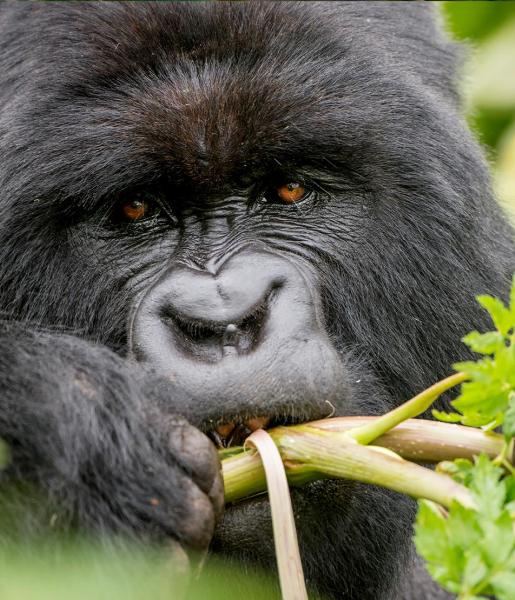
Gorilla Trekking From Kigali
Gorilla Trekking From Kigali
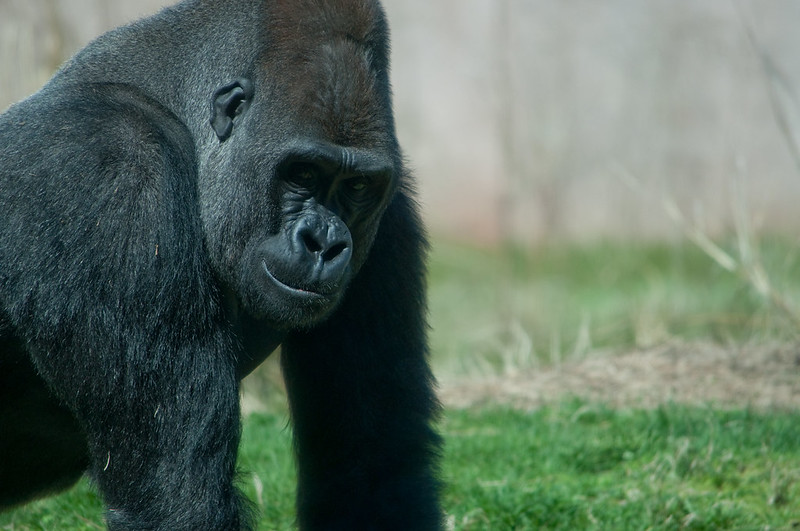
3-Day Fly-In Gorilla Safari to Bwindi – Luxury in the Mist
3-Day Fly-In Gorilla Safari to Bwindi – Luxury in the Mist
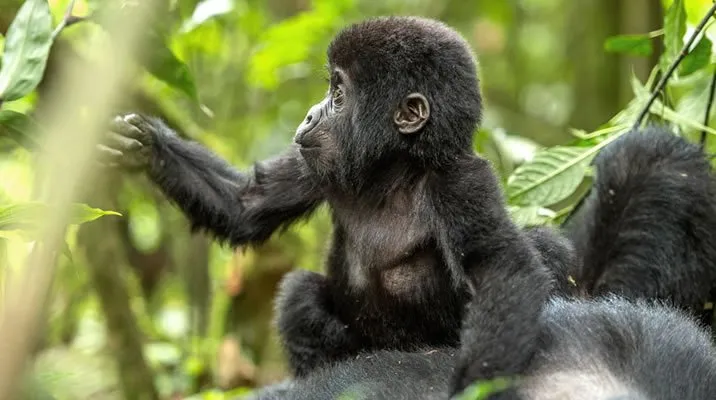
5-Day Fly-In Bwindi Gorilla & Wildlife Safari
5-Day Fly-In Bwindi Gorilla & Wildlife Safari
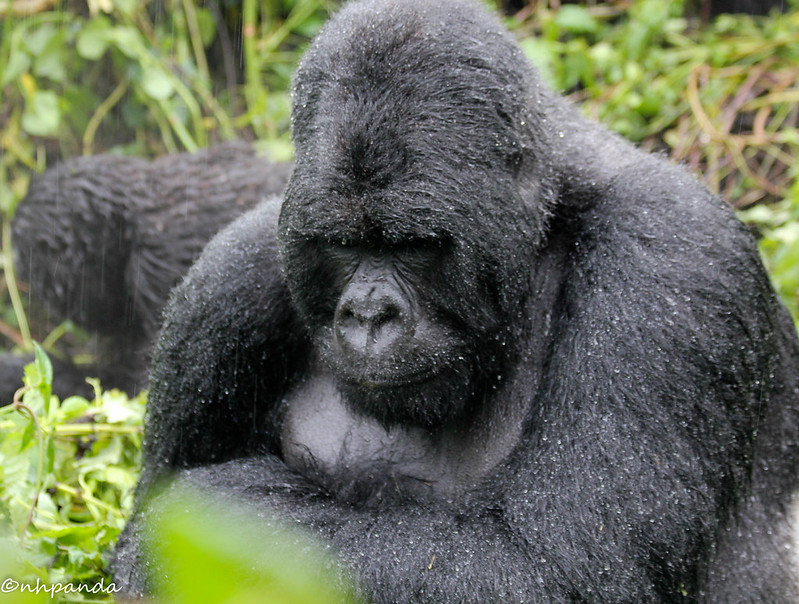
3-Day Gorilla Trekking Uganda via Kigali – Cross-Border Adventure
3-Day Gorilla Trekking Uganda via Kigali – Cross-Border Adventure
4-Day Gorilla Trekking & Batwa Culture Experience from Kigali
4-Day Gorilla Trekking & Batwa Culture Experience from Kigali
5-Day Kigali to Bwindi & Queen Elizabeth Safari
5-Day Kigali to Bwindi & Queen Elizabeth Safari
6-Day Double Gorilla Trek – Mgahinga and Bwindi
6-Day Double Gorilla Trek – Mgahinga and Bwindi
3-Day Gorilla Trek in Mgahinga via Kigali – Volcano Views and Gorillas
3-Day Gorilla Trek in Mgahinga via Kigali – Volcano Views and Gorillas
5-Day Kigali to Lake Bunyonyi & Bwindi Trekking Tour
5-Day Kigali to Lake Bunyonyi & Bwindi Trekking Tour
Red-tailed monkey
Red-tailed monkey
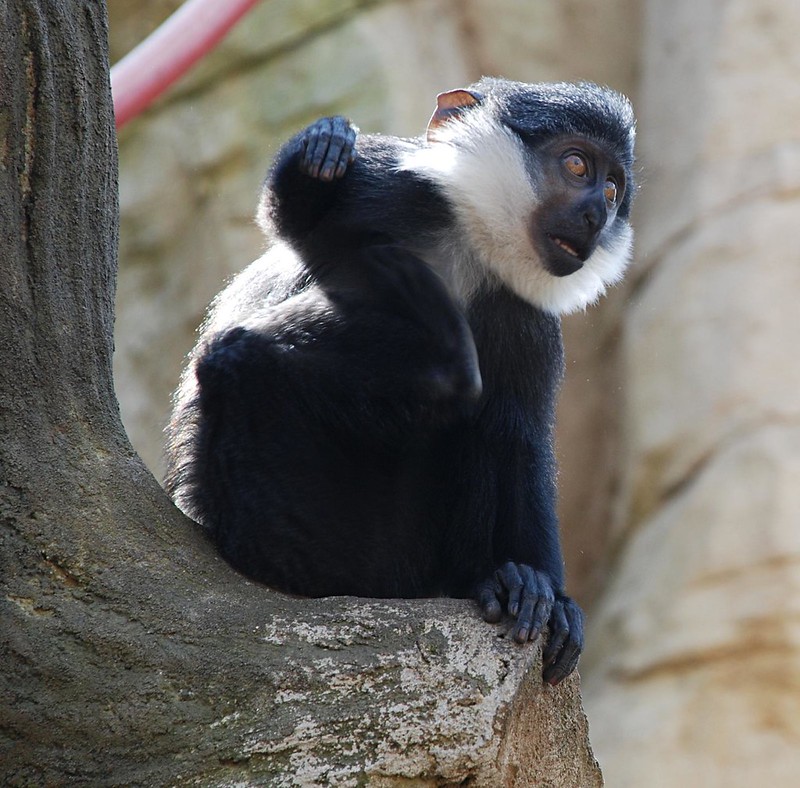
L’Hoest’s monkey
L’Hoest’s monkey
Blue monkeys
Blue monkeys
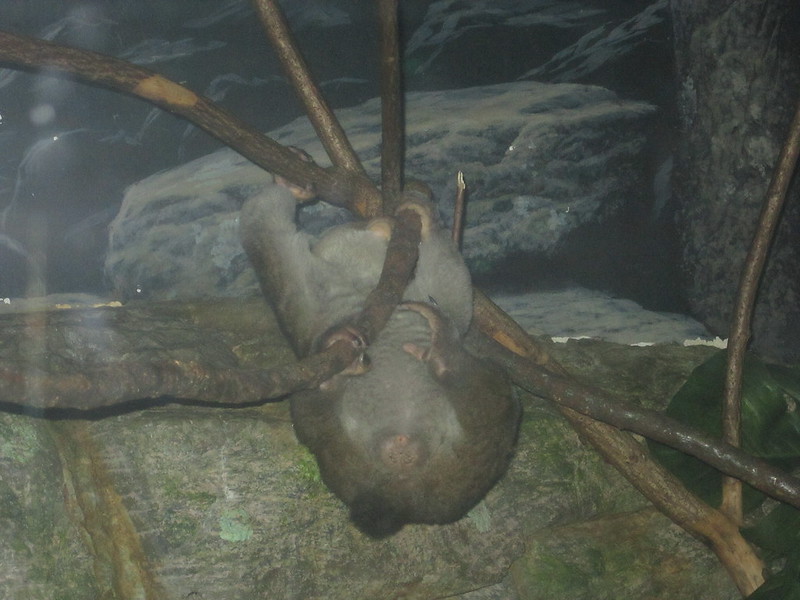
African Potto — Nocturnal Primate
African Potto — Nocturnal Primate
Demidoff’s Galago
Demidoff’s Galago
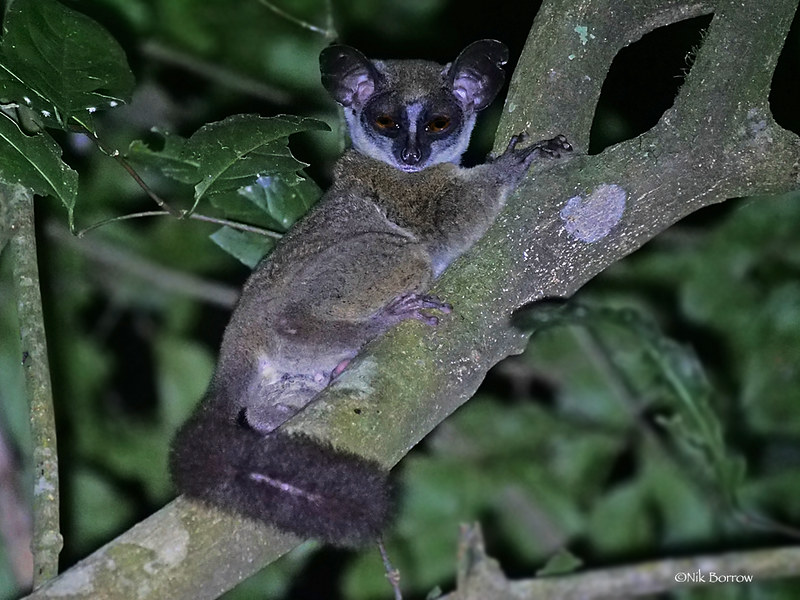
Spectacled Galago
Spectacled Galago
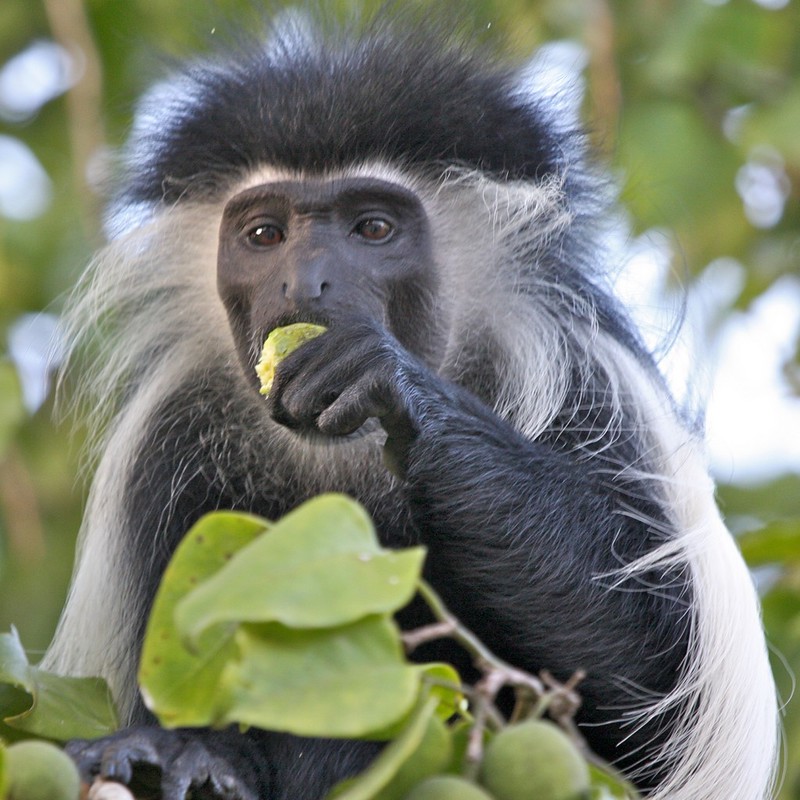
Black and White Colobus Monkeys
Black and White Colobus Monkeys
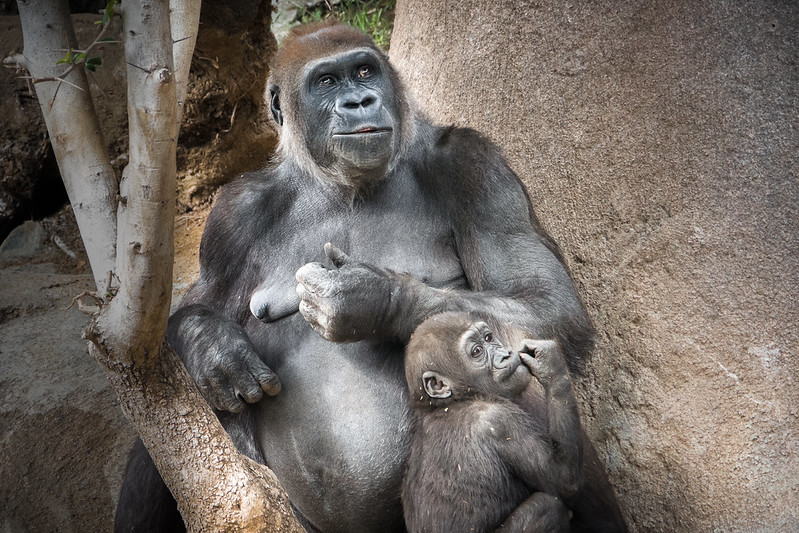
Primate Parks.
Primate Parks.
Wildlife Parks.
Wildlife Parks.
Lake Mutanda
Lake Mutanda
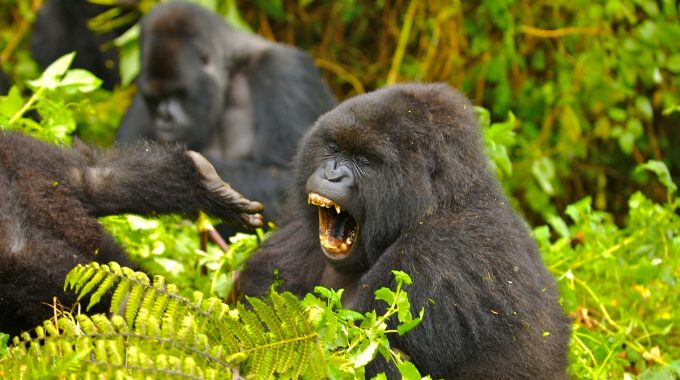
Rushaga Sector
Rushaga Sector
Nkuringo Sector
Nkuringo Sector
Buhoma Sector
Buhoma Sector
Ruhija Sector
Ruhija Sector
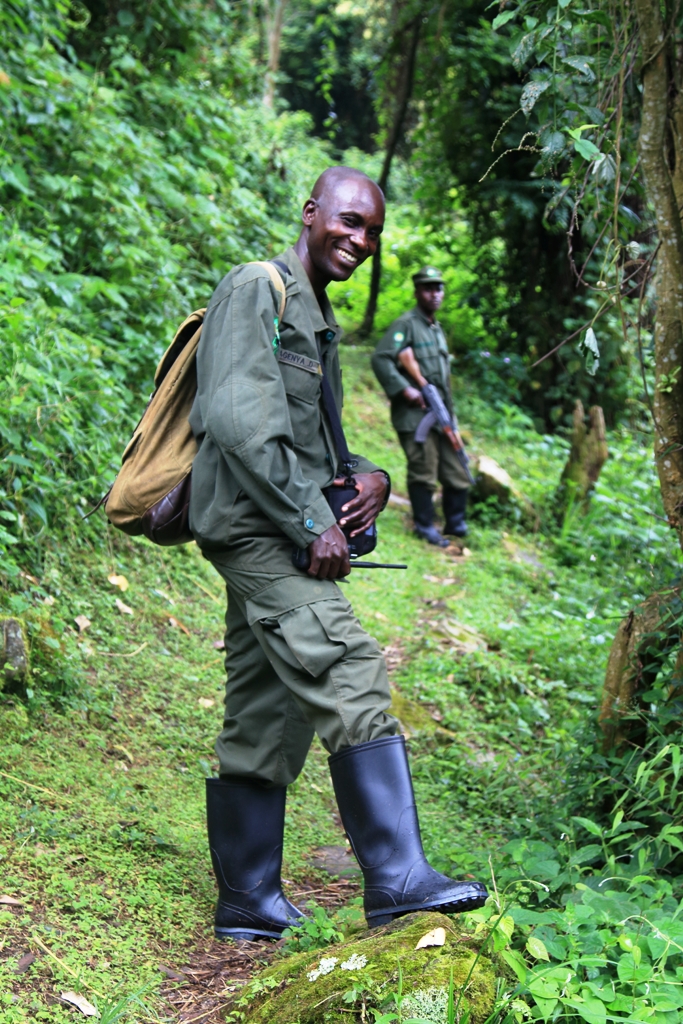
Bwindi FAQs Information
Bwindi FAQs Information
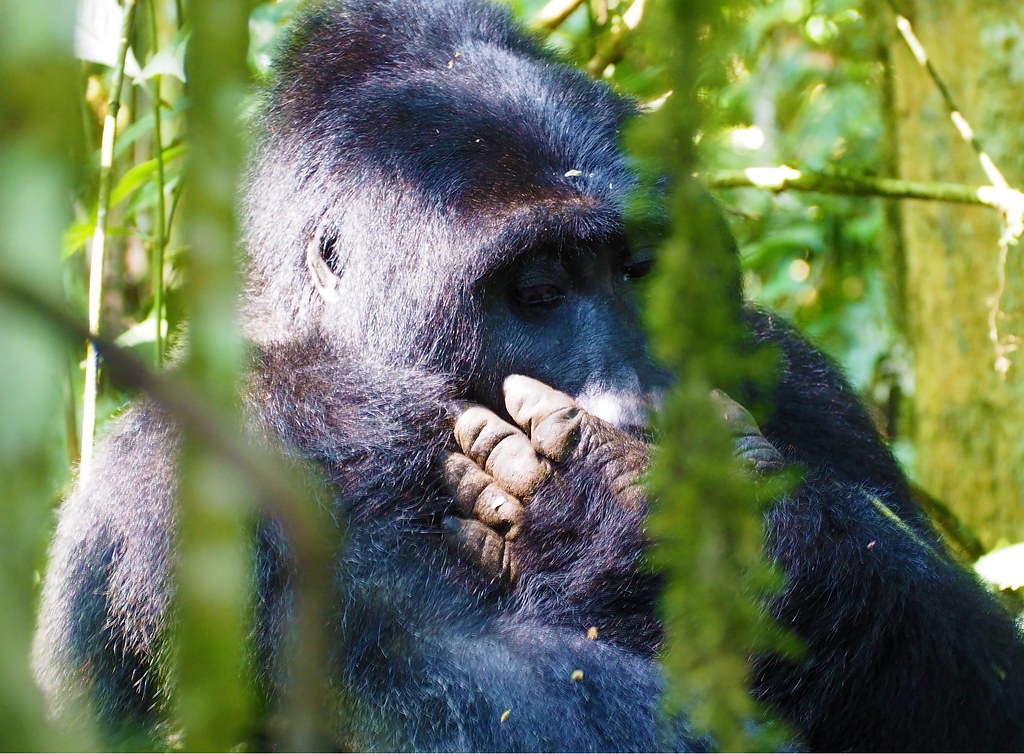
Bwindi History
Bwindi History
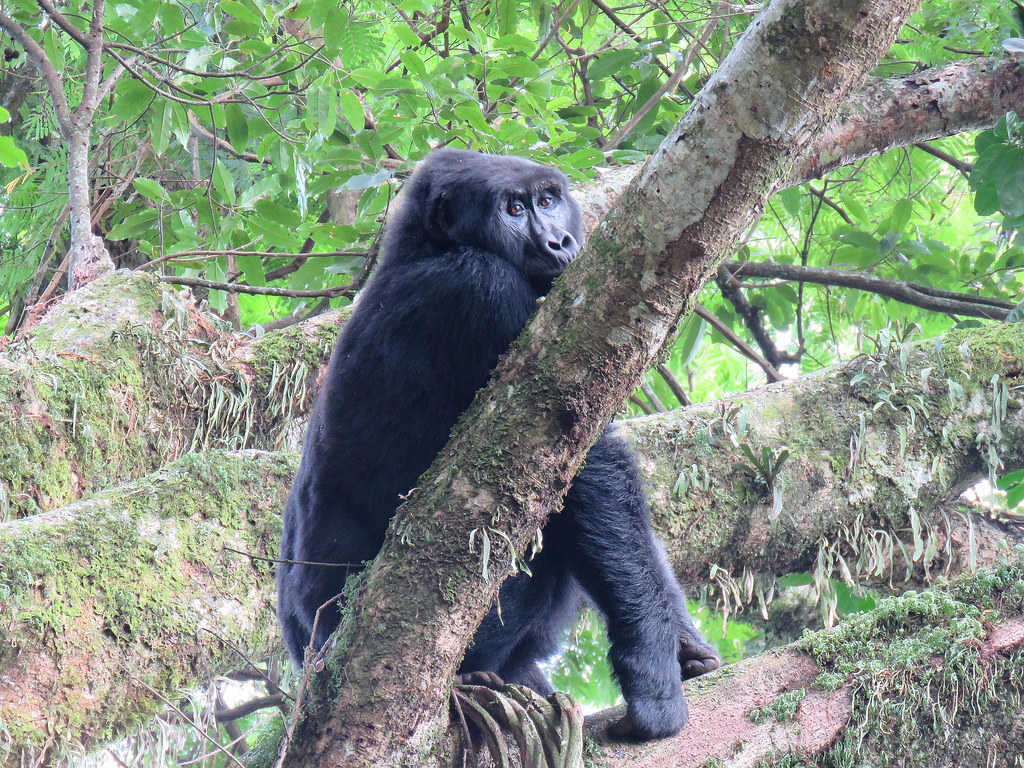
Bwindi Altitude
Bwindi Altitude
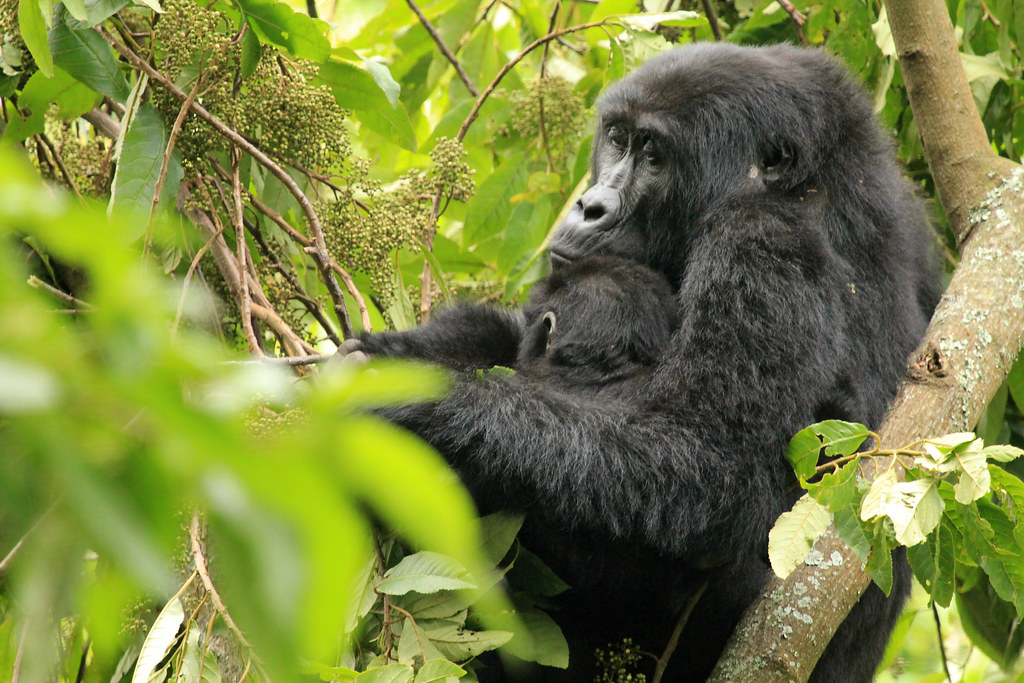
Bwindi Climate
Bwindi Climate
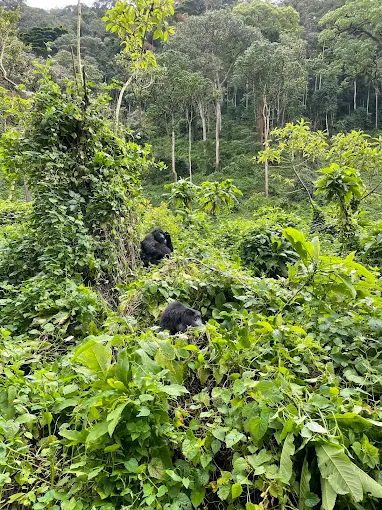
Bwindi Geography
Bwindi Geography
Getting There To Bwindi
Getting There To Bwindi
Bwindi Location
Bwindi Location
Bwindi Vegetation
Bwindi Vegetation
Bwindi Sectors
Bwindi Sectors
Community Tourism
Community Tourism
Buniga Forest Walk
Buniga Forest Walk
Nyundo Community Trails
Nyundo Community Trails
Rubuguri Village Walk
Rubuguri Village Walk
Birds
Birds
Batwa Pygmies
Batwa Pygmies
Things to Do
Things to Do
Age Limit for Gorilla Trekking
Age Limit for Gorilla Trekking
Virunga Massif Altitude & Acclimatization
Virunga Massif Altitude & Acclimatization
Cancellation of Gorilla Permits
Cancellation of Gorilla Permits
Bwindi Visitor Centres
Bwindi Visitor Centres
Gorilla Levy Funds
Gorilla Levy Funds
Ride 4 a Woman
Ride 4 a Woman
Self Drive to Bwindi Impenetrable National Park
Self Drive to Bwindi Impenetrable National Park
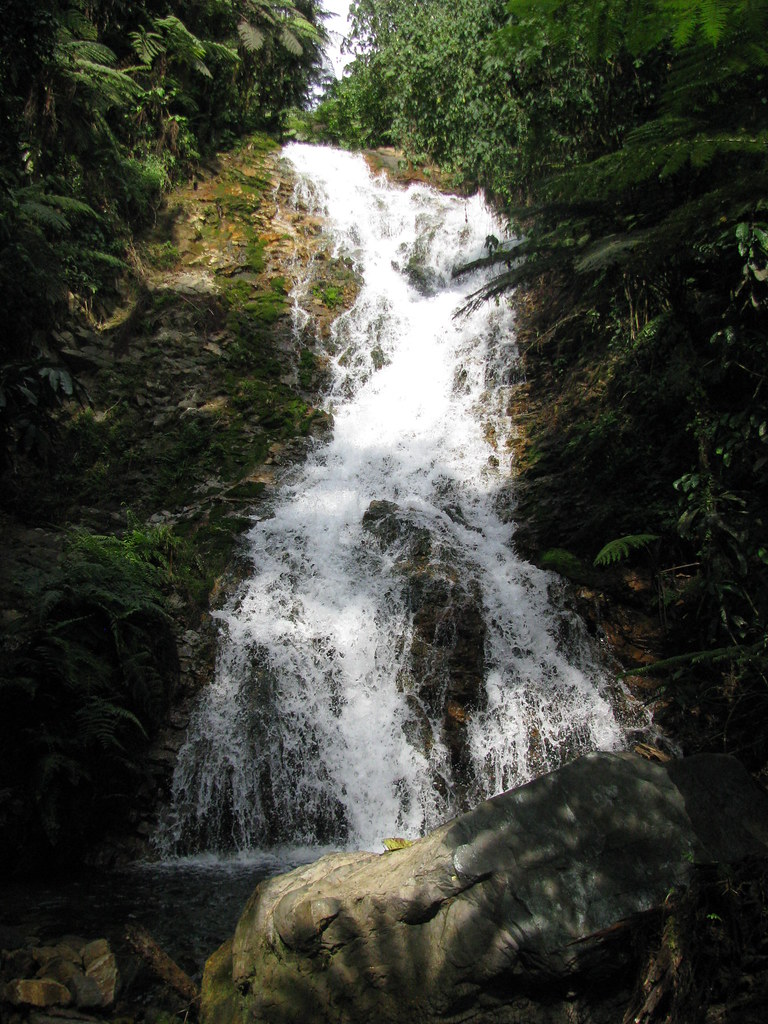
Bwindi Waterfalls
Bwindi Waterfalls
Towns
Towns
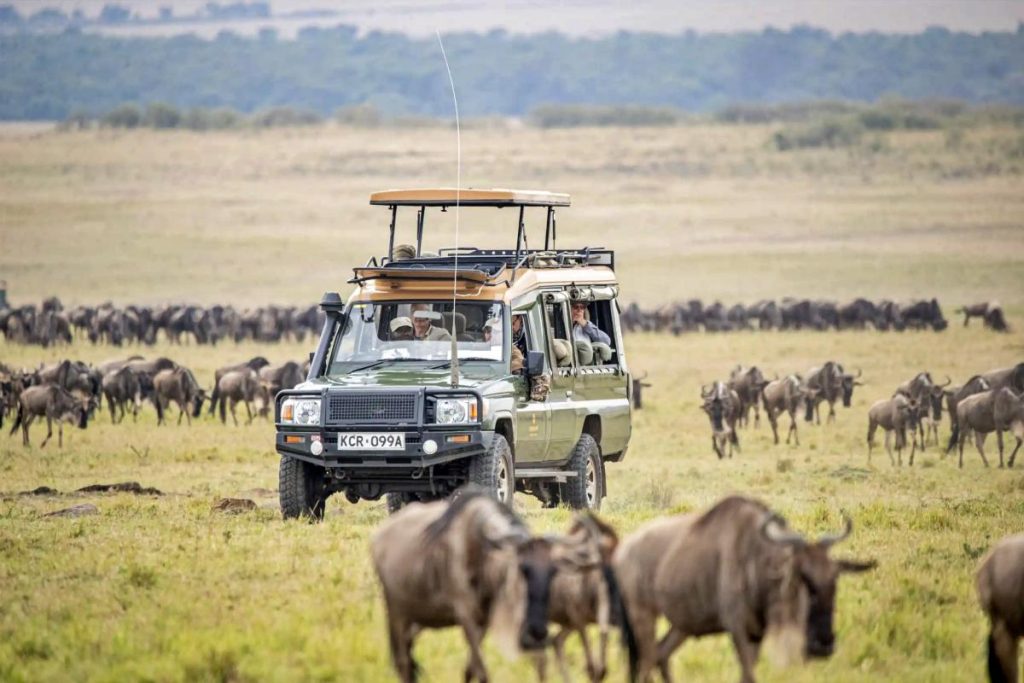
Kabale Uganda
Kabale Uganda
Kisoro
Kisoro
Kihihi
Kihihi
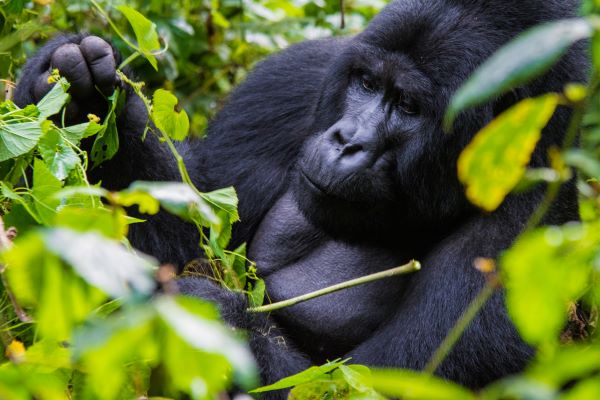
Butogota
Butogota
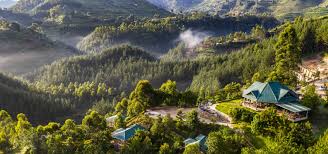
Rushaga Gorilla Haven
Rushaga Gorilla Haven
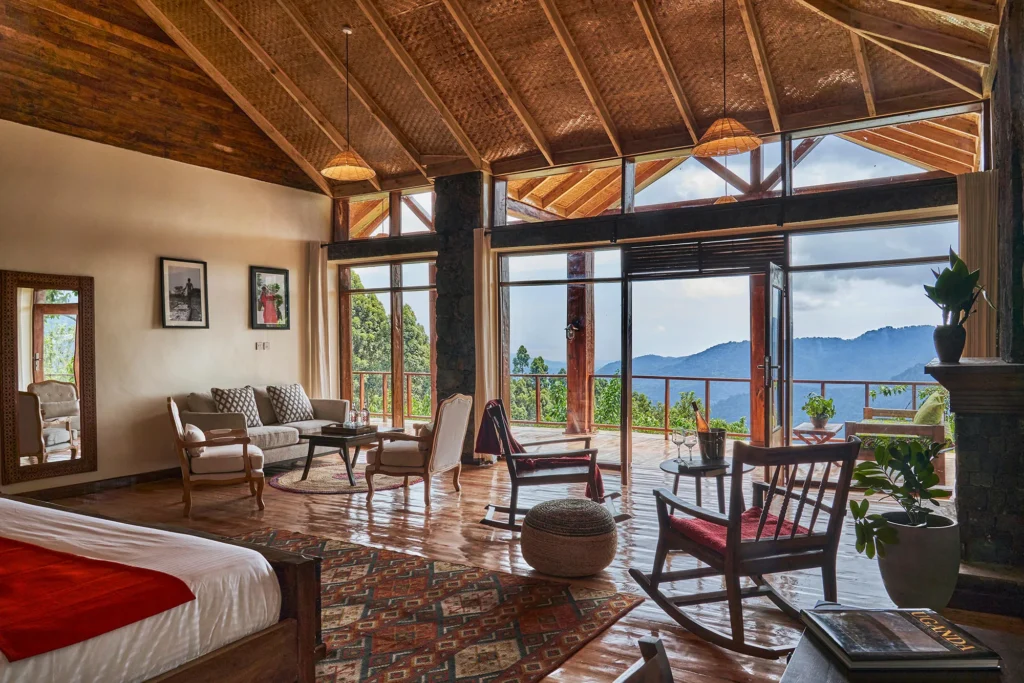
Bwindi Budget Lodges
Bwindi Budget Lodges
Bwindi Mid-ranges Lodges
Bwindi Mid-ranges Lodges
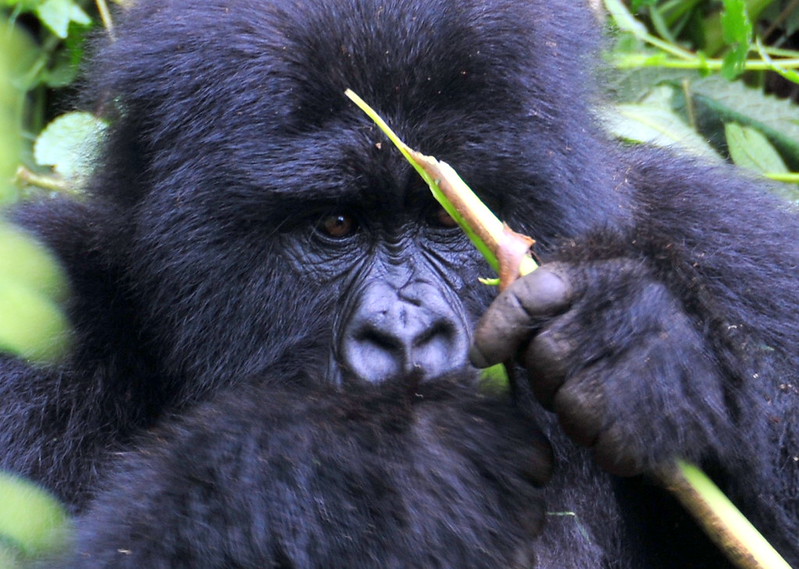
Bwindi Luxury Lodges
Bwindi Luxury Lodges
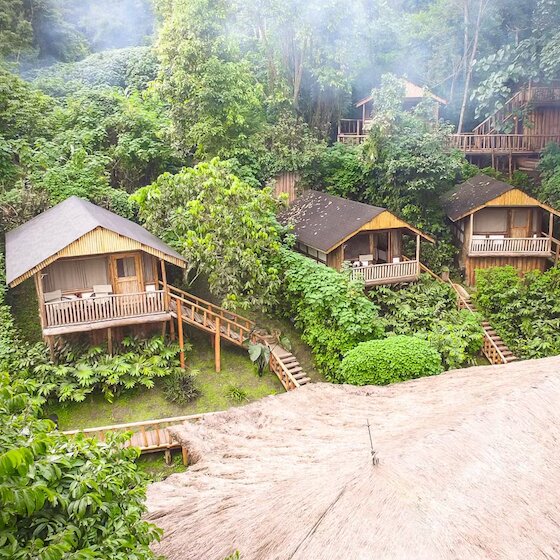
Bwindi High-end Lodges
Bwindi High-end Lodges
Trekkers Tarvern Cottages
Trekkers Tarvern Cottages
Buhoma Community
Buhoma Community
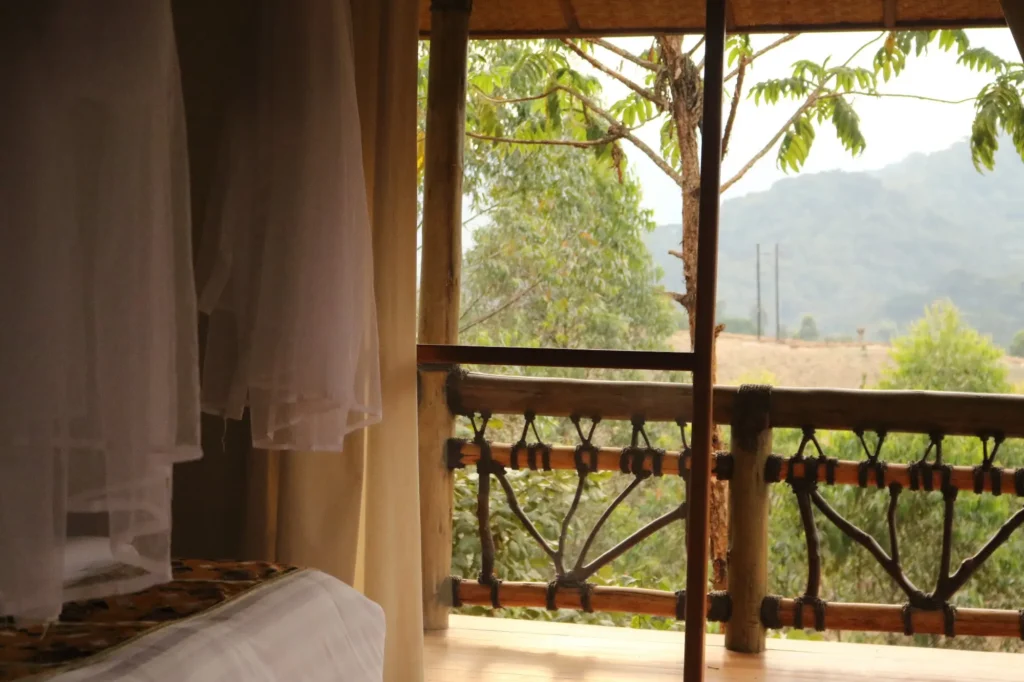
Ichumbi Gorilla Lodge
Ichumbi Gorilla Lodge
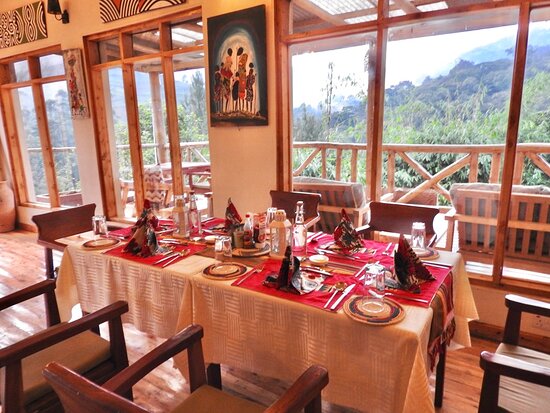
Bweza Gorilla lodge
Bweza Gorilla lodge
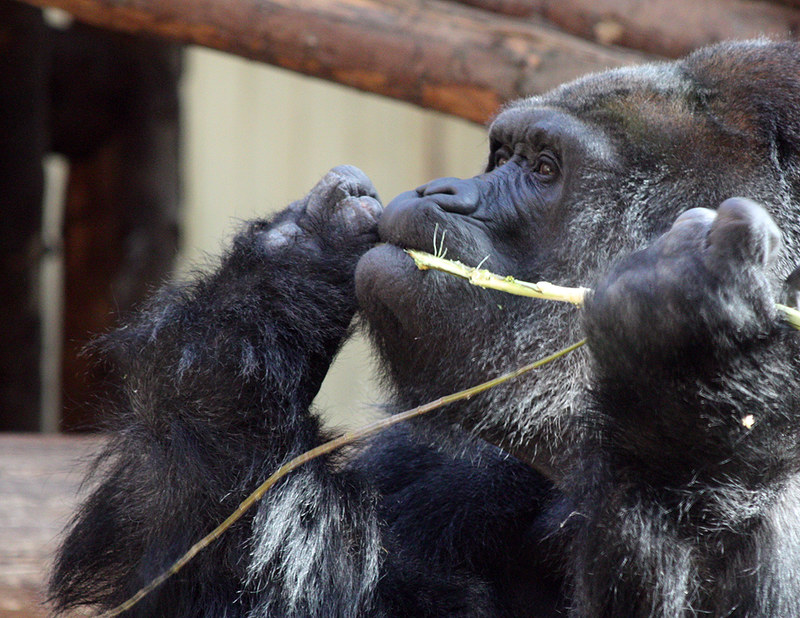
Gorilla Mist
Gorilla Mist
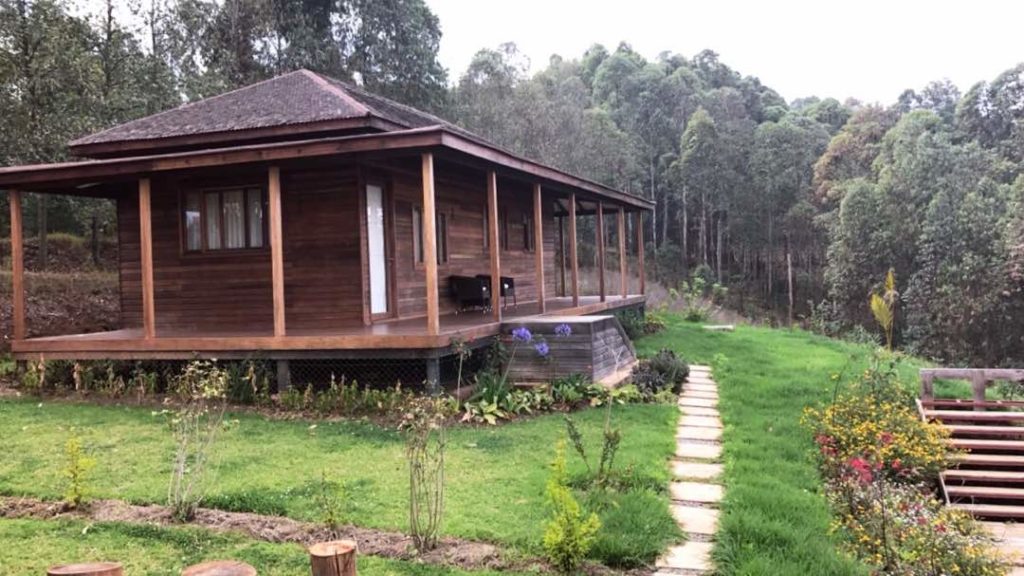
Arcadia Cottages
Arcadia Cottages
Bakiga Lodge
Bakiga Lodge
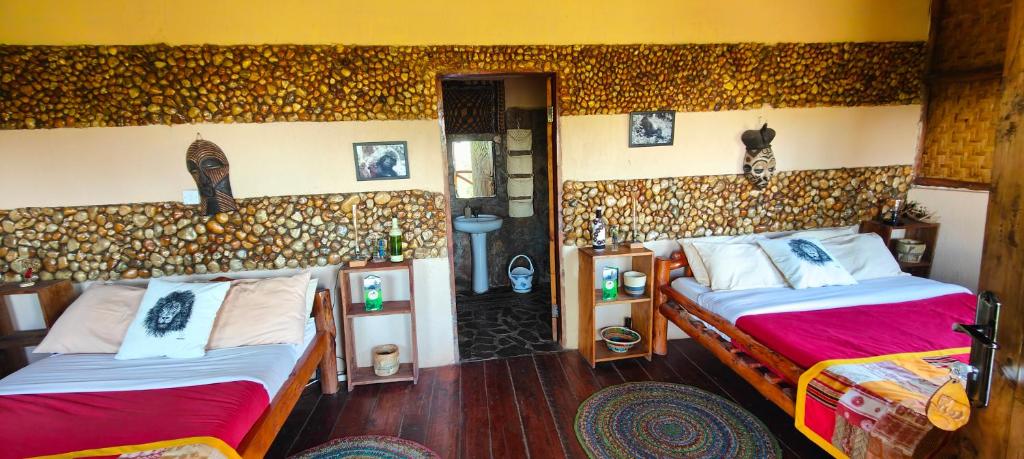
Agandi Uganda
Agandi Uganda
Four Gorillas Lodge
Four Gorillas Lodge
Mahogany Springs Lodge
Mahogany Springs Lodge
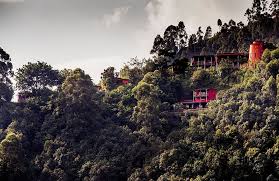
Chameleon Hill Lodge
Chameleon Hill Lodge
Gorilla leisure lodge
Gorilla leisure lodge
Clouds Gorilla Lodge
Clouds Gorilla Lodge
Nkuringo Lodge
Nkuringo Lodge
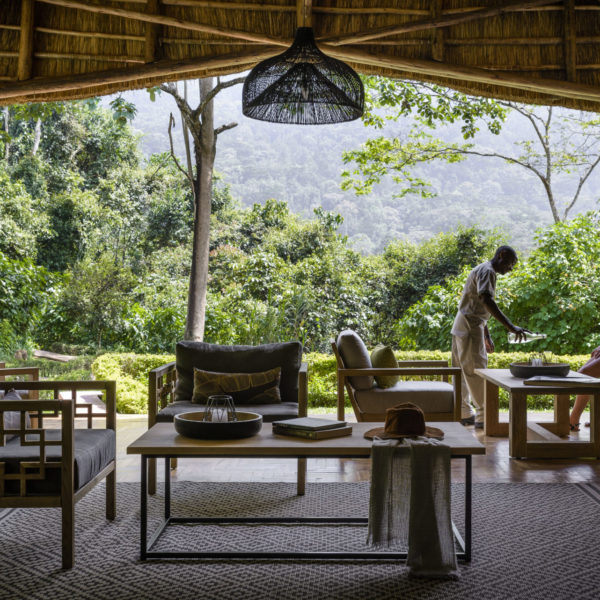
Sanctuary gorilla forest camp
Sanctuary gorilla forest camp
Bwindi Lodge
Bwindi Lodge
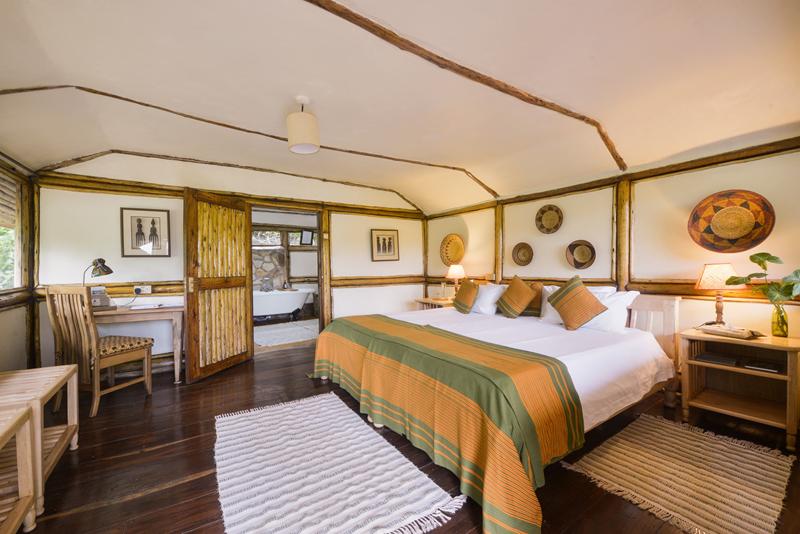
Buhoma lodge
Buhoma lodge
Rubuguri
Rubuguri
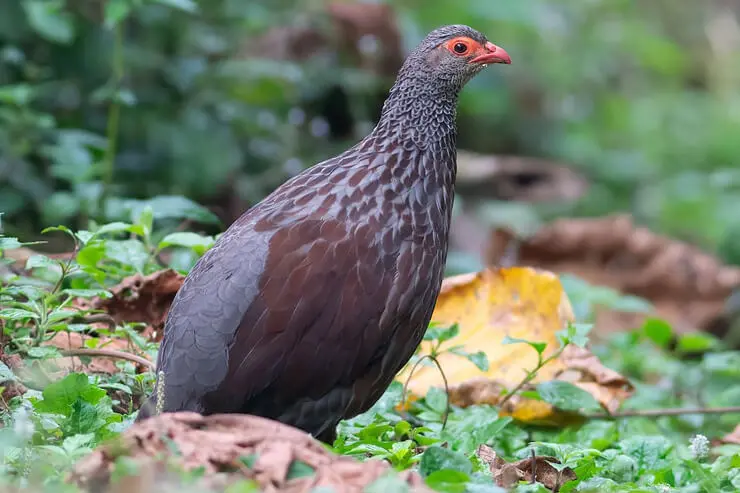
Birds of Hamurwa
Birds of Hamurwa
Mubare Gorilla Family | Buhoma, Bwindi Impenetrable Forest
Mubare Gorilla Family | Buhoma, Bwindi Impenetrable Forest
Habinyanja Gorilla Family | Buhoma Sector, Bwindi
Habinyanja Gorilla Family | Buhoma Sector, Bwindi
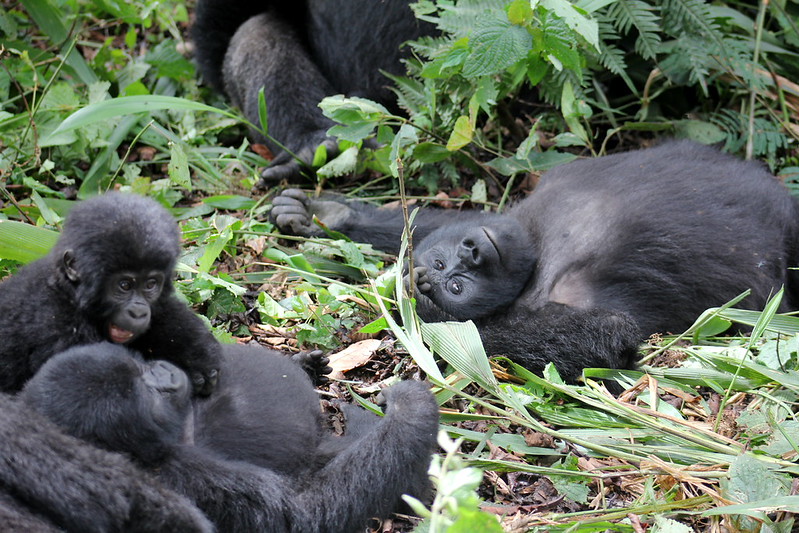
Rushegura Gorilla Family | Buhoma Sector, Bwindi
Rushegura Gorilla Family | Buhoma Sector, Bwindi
Bitukura Gorilla Family | Ruhija Sector, Bwindi — Four Silverbacks
Bitukura Gorilla Family | Ruhija Sector, Bwindi — Four Silverbacks
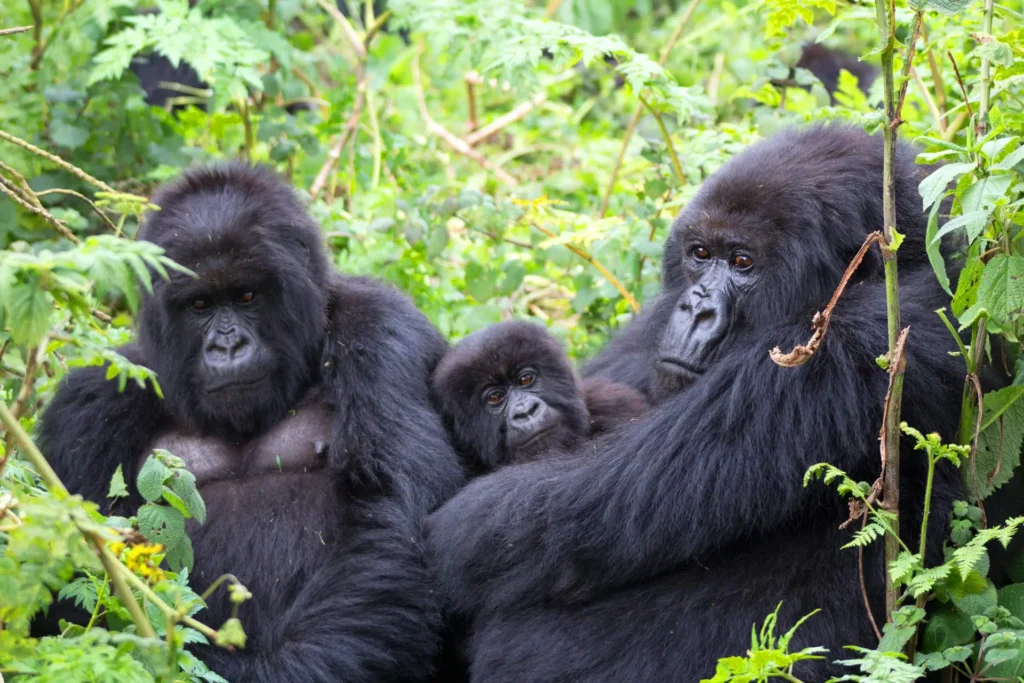
Oruzogo Gorilla Family | Ruhija Sector, Bwindi
Oruzogo Gorilla Family | Ruhija Sector, Bwindi
Kyaguliro Gorilla Family | Ruhija Sector, Bwindi — Research Group
Kyaguliro Gorilla Family | Ruhija Sector, Bwindi — Research Group
Nshongi Gorilla Family | Rushaga Sector, Bwindi — Largest Group
Nshongi Gorilla Family | Rushaga Sector, Bwindi — Largest Group
Mishaya Gorilla Family | Rushaga Sector, Bwindi
Mishaya Gorilla Family | Rushaga Sector, Bwindi
Bweza Gorilla Family | Rushaga Sector, Bwindi
Bweza Gorilla Family | Rushaga Sector, Bwindi
Kahungye Gorilla Family | Rushaga Sector, Bwindi
Kahungye Gorilla Family | Rushaga Sector, Bwindi
Busingye Gorilla Family | Rushaga Sector, Bwindi
Busingye Gorilla Family | Rushaga Sector, Bwindi
Mucunguzi Gorilla Family | Rushaga Sector, Bwindi
Mucunguzi Gorilla Family | Rushaga Sector, Bwindi
Rwigi Gorilla Family | Rushaga Sector, Bwindi
Rwigi Gorilla Family | Rushaga Sector, Bwindi
Nkuringo Gorilla Family | Nkuringo Sector, Bwindi — Most Dramatic Trek
Nkuringo Gorilla Family | Nkuringo Sector, Bwindi — Most Dramatic Trek
Bushaho Gorilla Family | Ruhija Sector, Bwindi
Bushaho Gorilla Family | Ruhija Sector, Bwindi
Nyakagezi Gorilla Family | Mgahinga Gorilla National Park
Nyakagezi Gorilla Family | Mgahinga Gorilla National Park
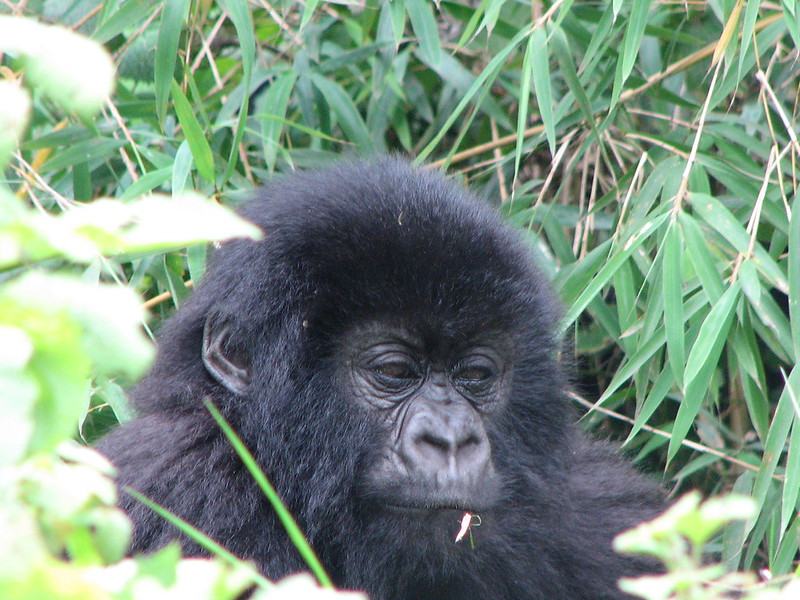
Non-Habituated Gorilla Groups
Non-Habituated Gorilla Groups
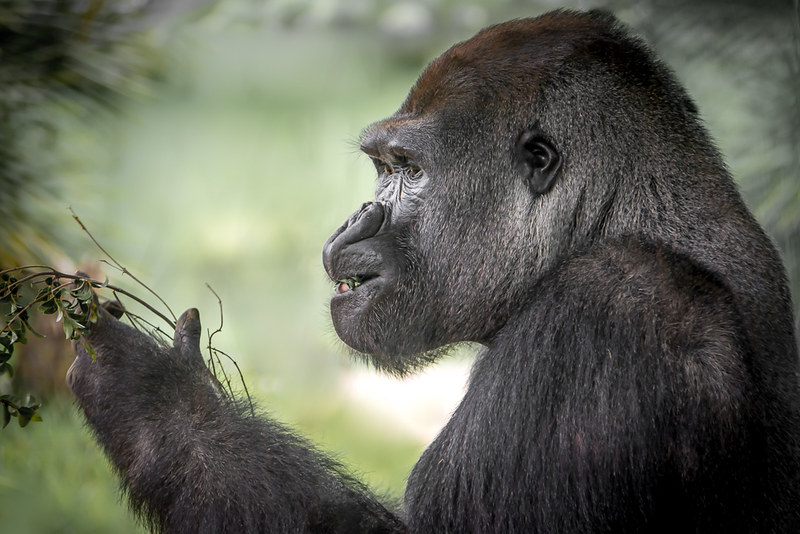
Bikingi Group (Rushaga)
Bikingi Group (Rushaga)
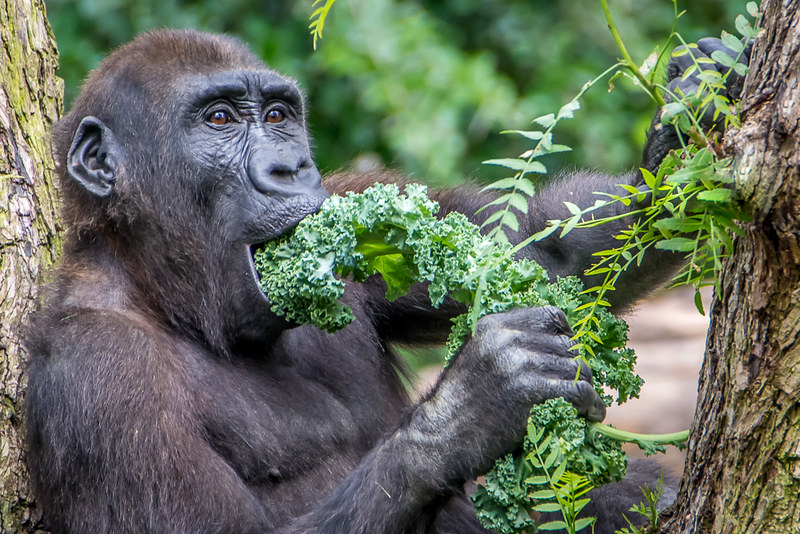
Bushabo (distinct from Bushaho)
Bushabo (distinct from Bushaho)
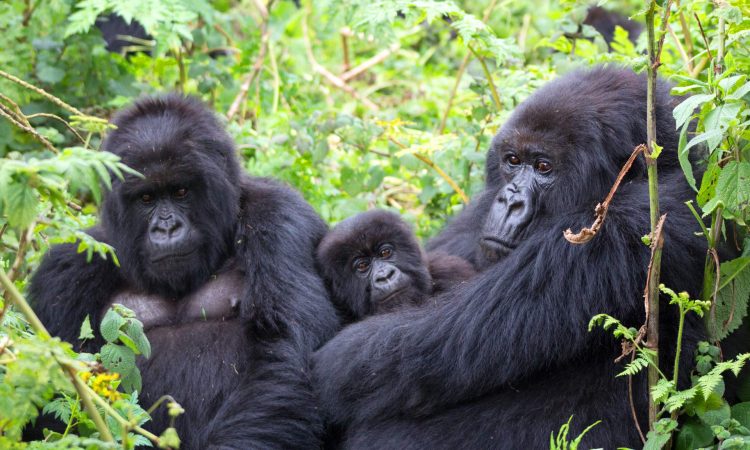
Tindatine Group
Tindatine Group

Mukiza A
Mukiza A
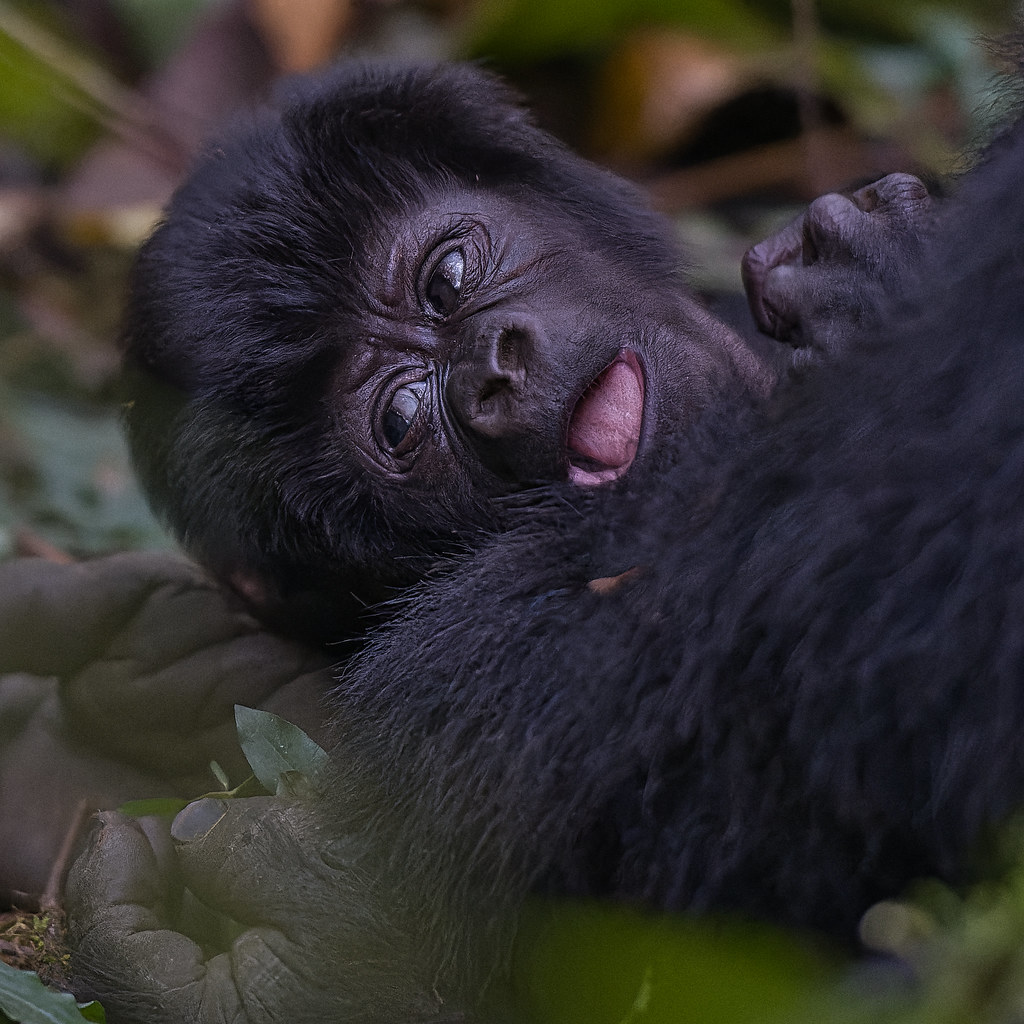
Kyaguliro A
Kyaguliro A
The Gorilla Habituation Experience
The Gorilla Habituation Experience
Bwindi Impenetrable Forest
Bwindi Impenetrable Forest
Mgahinga Climate
Mgahinga Climate
Mgahinga Geography & Geology
Mgahinga Geography & Geology
Mgahinga History
Mgahinga History
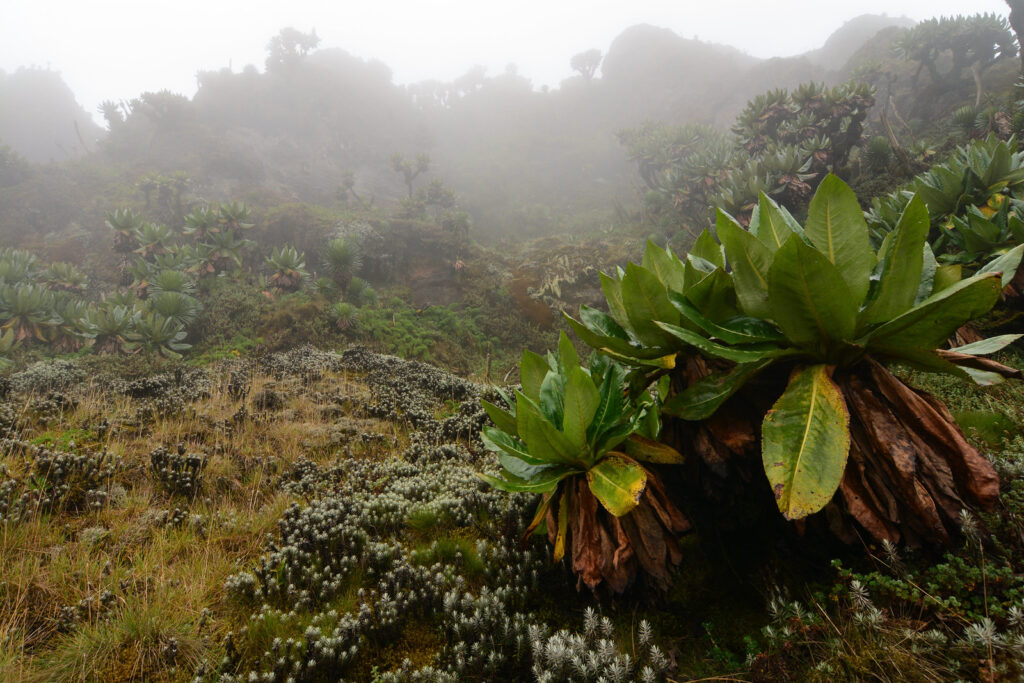
Mgahinga Vegetation
Mgahinga Vegetation
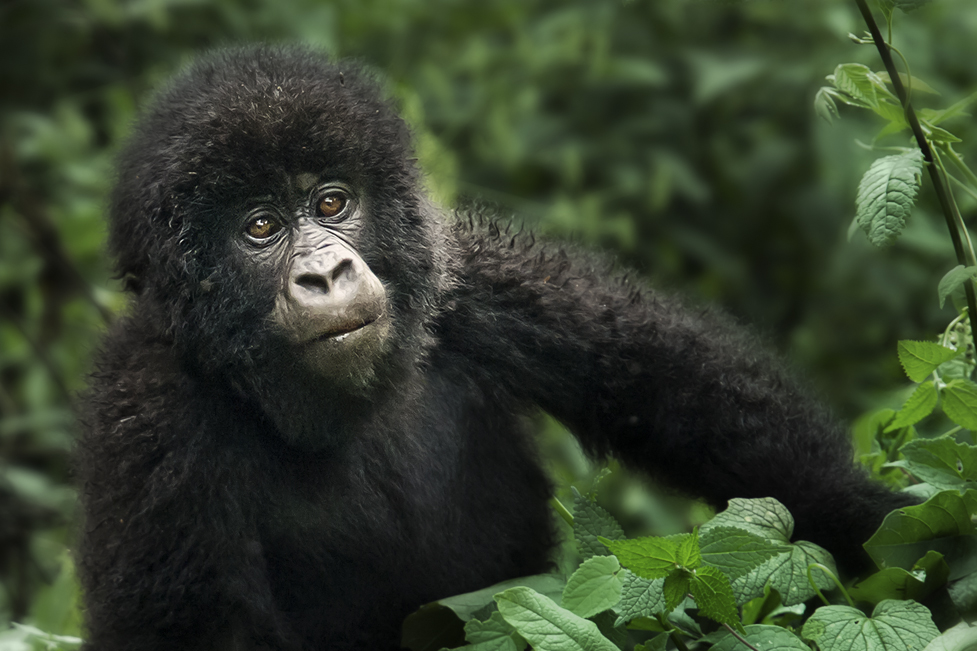
Ntebeko Visitor Centre
Ntebeko Visitor Centre
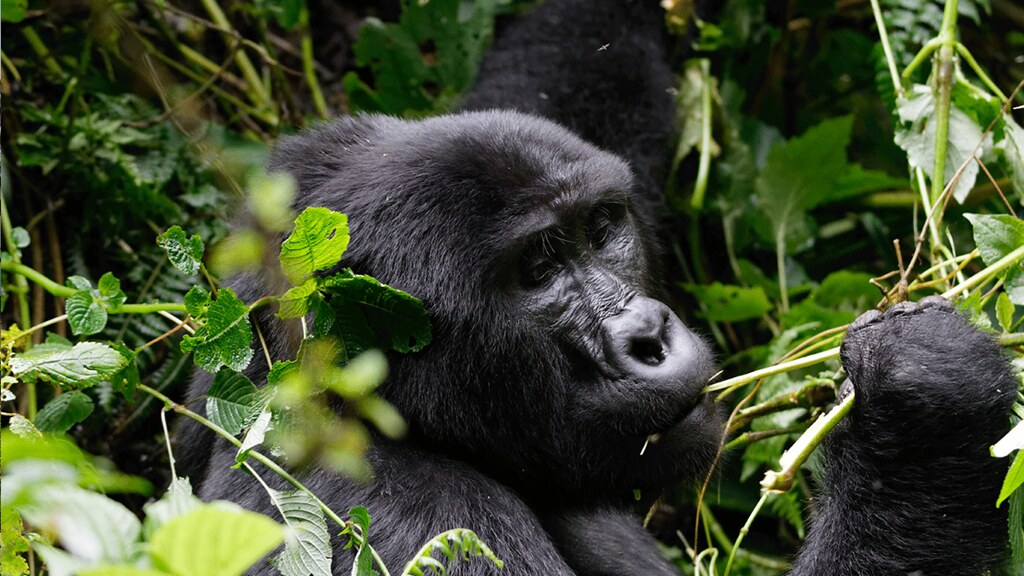
Mgahinga Biodiversity
Mgahinga Biodiversity
Virunga Massif
Virunga Massif
Echuya Forest
Echuya Forest
Garama Cave
Garama Cave
Virunga Volcanoes
Virunga Volcanoes
Mount Gahinga
Mount Gahinga
Mount Muhavura
Mount Muhavura
Mount Sabyinyo
Mount Sabyinyo
Lake Mulehe
Lake Mulehe
Lake Chahafi
Lake Chahafi
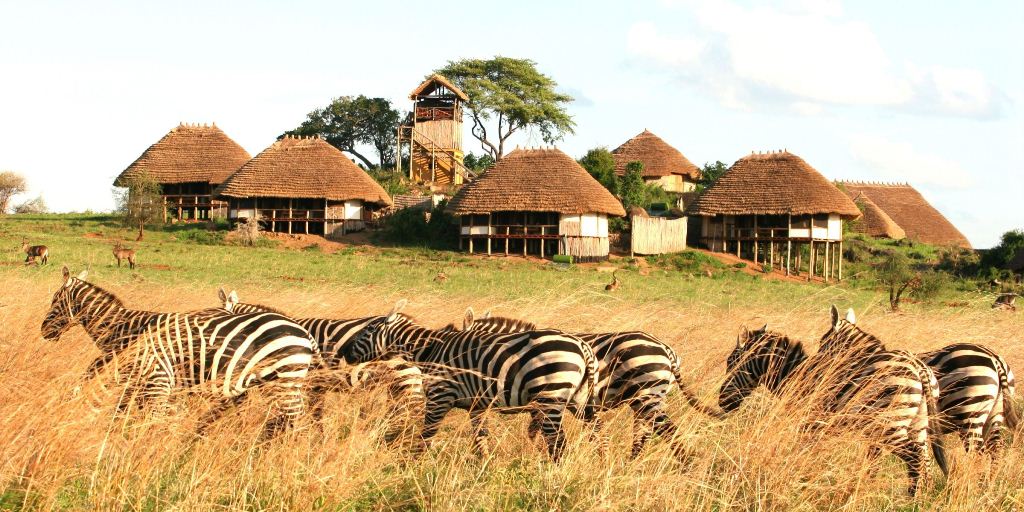
Kidepo Valley National Park
Kidepo Valley National Park
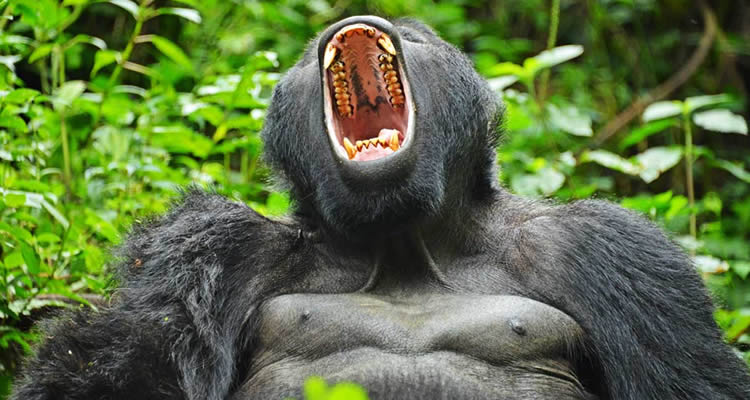
First Time Gorilla Trekking? Here’s Everything I Wish I Knew
First Time Gorilla Trekking? Here’s Everything I Wish I Knew
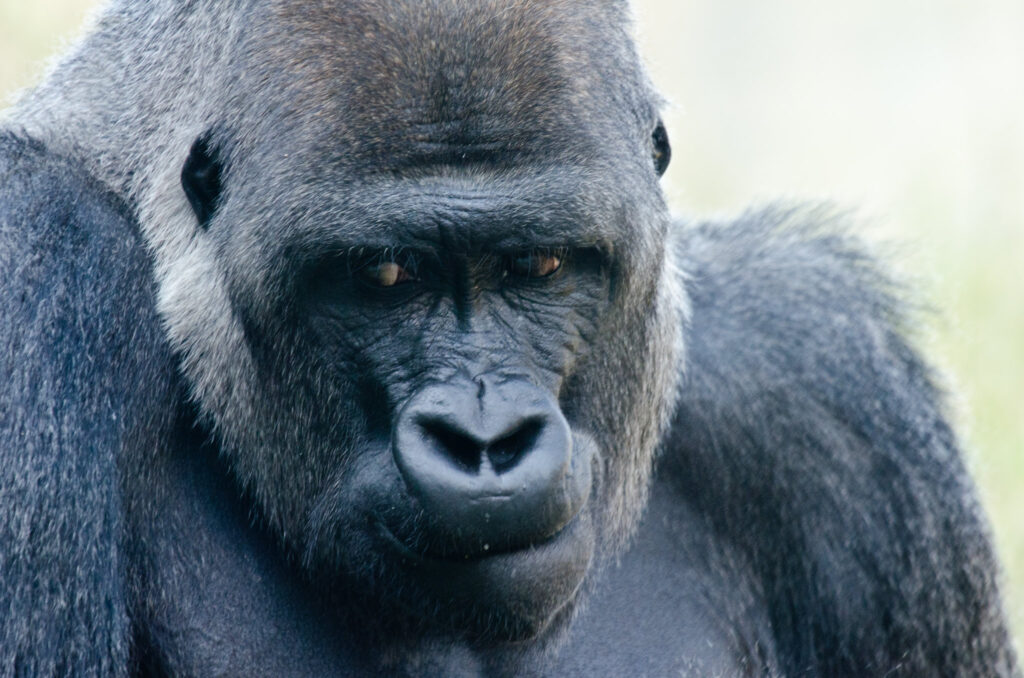
Step by Step: What Happens During a Gorilla Trekking Day
Step by Step: What Happens During a Gorilla Trekking Day
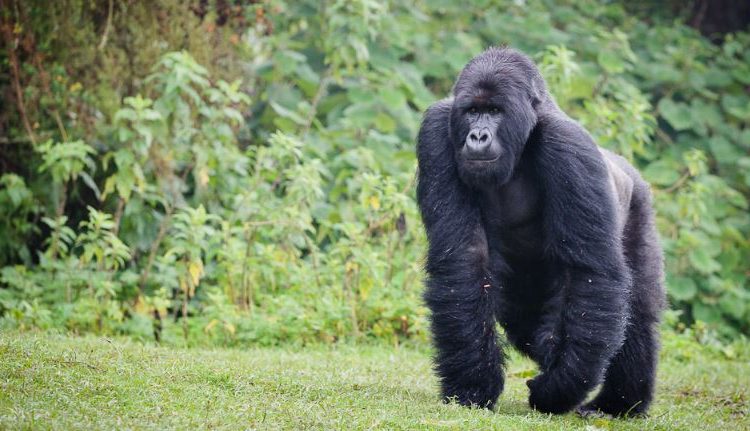
Gorilla Trekking vs. Gorilla Tracking – What’s the Real Difference?
Gorilla Trekking vs. Gorilla Tracking – What’s the Real Difference?
Beyond Gorillas: Other Wildlife You Can See During Your Trek
Beyond Gorillas: Other Wildlife You Can See During Your Trek
Chimpanzee Trekking in Uganda
Chimpanzee Trekking in Uganda
History of Uganda
History of Uganda
Geography and Natural Features
Geography and Natural Features
People and Ethnic Diversity
People and Ethnic Diversity
Culture and Traditions
Culture and Traditions
Language and Communication
Language and Communication
Religion and Spirituality
Religion and Spirituality
Tourism and Attractions
Tourism and Attractions
Economy and Livelihoods
Economy and Livelihoods
Climate and Seasons
Climate and Seasons
Political Structure and Leadership
Political Structure and Leadership
When is the best time to go gorilla trekking in Uganda?
When is the best time to go gorilla trekking in Uganda?
How much does a Uganda gorilla permit cost?
How much does a Uganda gorilla permit cost?
Where can I trek gorillas in Uganda?
Where can I trek gorillas in Uganda?
Can I request a specific gorilla family to visit?
Can I request a specific gorilla family to visit?
What if permits are sold out in my preferred sector?
What if permits are sold out in my preferred sector?
Can I trek with a medical condition or disability?
Can I trek with a medical condition or disability?
Do I need a tour operator, or can I go independently?
Do I need a tour operator, or can I go independently?
Is gorilla trekking different from gorilla tracking?
Is gorilla trekking different from gorilla tracking?
Do I need travel insurance for gorilla trekking?
Do I need travel insurance for gorilla trekking?
What’s the etiquette around porters — and how much should I tip?
What’s the etiquette around porters — and how much should I tip?
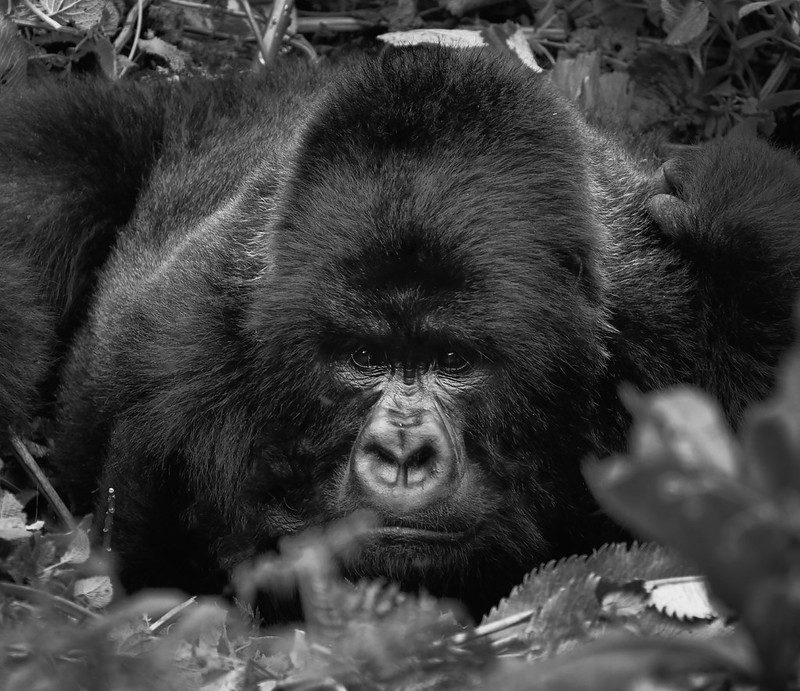
What happens on the day of a gorilla trek?
What happens on the day of a gorilla trek?
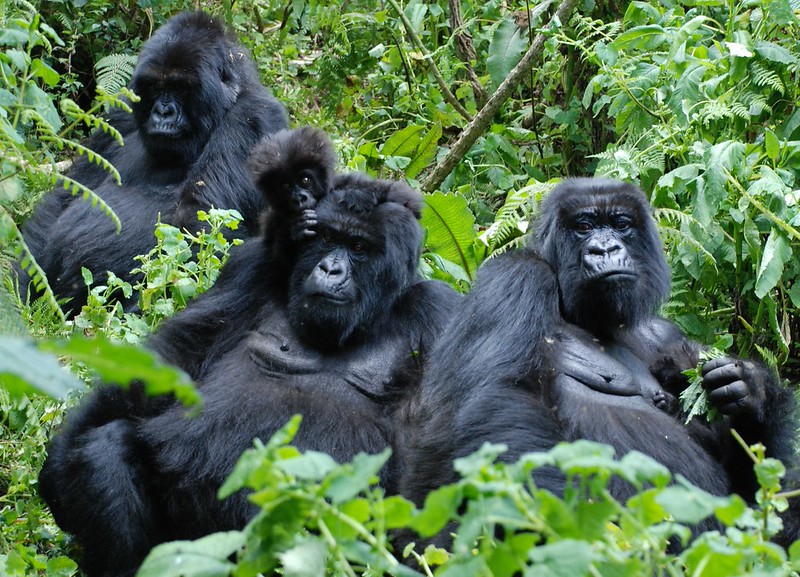
What should I pack for gorilla trekking?
What should I pack for gorilla trekking?
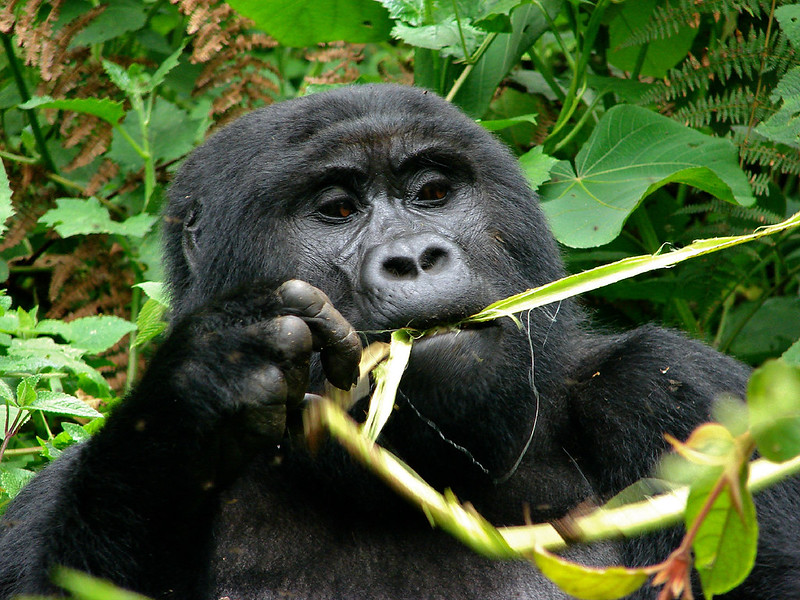
How difficult is gorilla trekking in Uganda?
How difficult is gorilla trekking in Uganda?
What’s the best way to prepare for the hike?
What’s the best way to prepare for the hike?
What happens if I don’t see gorillas?
What happens if I don’t see gorillas?
Are gorilla families aggressive or dangerous?
Are gorilla families aggressive or dangerous?
What are the signs a gorilla might feel threatened — and how should I respond?
What are the signs a gorilla might feel threatened — and how should I respond?
Should I hire a porter even if I’m fit?
Should I hire a porter even if I’m fit?
Can I use the restroom during a trek?
Can I use the restroom during a trek?
Can I revisit the same gorilla group another day?
Can I revisit the same gorilla group another day?
How can I give back after the trek?
How can I give back after the trek?
Are there activities to do after trekking?
Are there activities to do after trekking?
Can I see gorillas in the same area more than once?
Can I see gorillas in the same area more than once?
Can I bring a drone for filming?
Can I bring a drone for filming?
What are the photography rules while with the gorillas?
What are the photography rules while with the gorillas?
Can content creators get involved in gorilla conservation?
Can content creators get involved in gorilla conservation?
Can I film or vlog my entire trek?
Can I film or vlog my entire trek?
What permissions do I need to create content in the park?
What permissions do I need to create content in the park?
How are gorilla permit funds used?
How are gorilla permit funds used?
What’s the gorilla levy and who does it help?
What’s the gorilla levy and who does it help?
How does tourism impact gorilla conservation in Uganda?
How does tourism impact gorilla conservation in Uganda?
What is the Batwa Cultural Experience and is it respectful?
What is the Batwa Cultural Experience and is it respectful?
Can I volunteer or support local conservation groups?
Can I volunteer or support local conservation groups?
What if I get sick before the trek?
What if I get sick before the trek?
What health precautions should I take before trekking?
What health precautions should I take before trekking?
Is it safe to drink water in Bwindi or Mgahinga?
Is it safe to drink water in Bwindi or Mgahinga?
What kind of medical support is available near the parks?
What kind of medical support is available near the parks?
What cultural etiquette should I know when visiting nearby villages?
What cultural etiquette should I know when visiting nearby villages?
Are porters necessary — and how do I hire one?
Are porters necessary — and how do I hire one?
Responsible Tourism Policy
Responsible Tourism Policy
Blackback Gorillas
Blackback Gorillas
5-Day Uganda Primate Safari
5-Day Uganda Primate Safari
Shoebill stork
Shoebill stork
African Finfoot
African Finfoot
Nubian Woodpecker
Nubian Woodpecker
African Fish Eagle
African Fish Eagle
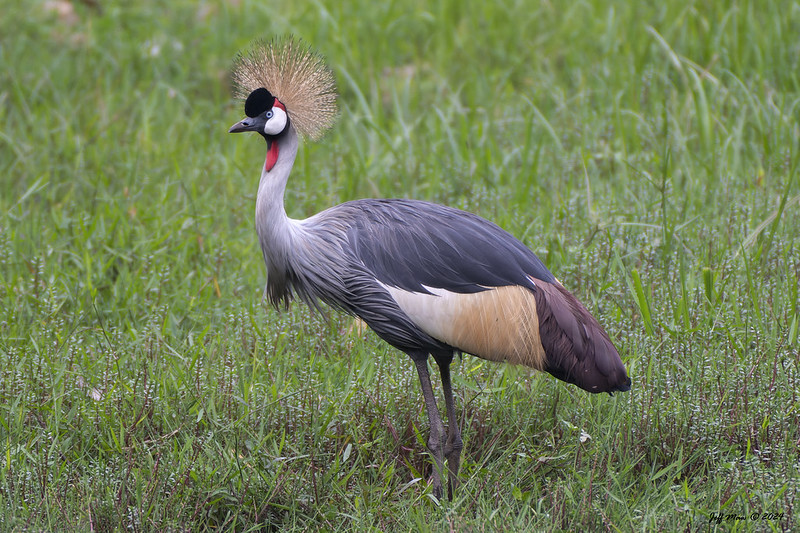
Grey Crowned Crane
Grey Crowned Crane
Language and Communication – Rwanda
Language and Communication – Rwanda
Religion and Spirituality – Rwanda
Religion and Spirituality – Rwanda
Political Structure and Leadership – Rwanda
Political Structure and Leadership – Rwanda
People and Ethnic Diversity – Rwanda
People and Ethnic Diversity – Rwanda
Tourism and Attractions – Rwanda
Tourism and Attractions – Rwanda
Culture and Traditions – Rwanda
Culture and Traditions – Rwanda
Economy and Livelihoods – Rwanda
Economy and Livelihoods – Rwanda
Geography and Natural Features – Rwanda
Geography and Natural Features – Rwanda
Climate and Seasons – Rwanda
Climate and Seasons – Rwanda
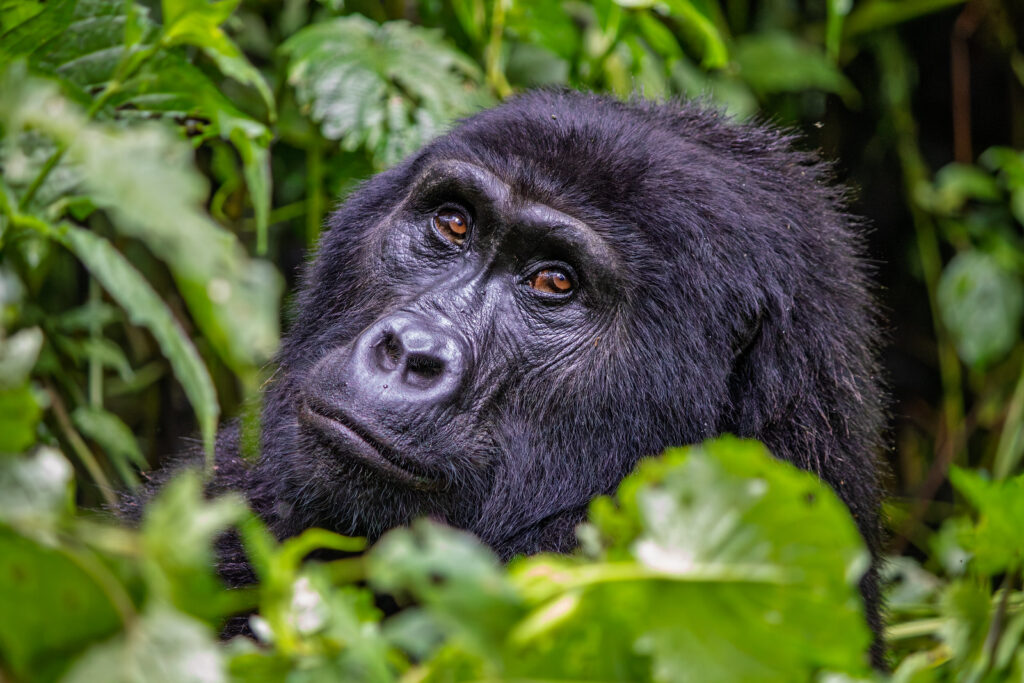
Why Uganda Gorilla Trekking Organisation
Why Uganda Gorilla Trekking Organisation
Gorilla Walking Stick – Handcarved Uganda Souvenir
Gorilla Walking Stick – Handcarved Uganda Souvenir
Gorilla Wood Carving – Handcrafted Bwindi Sculpture
Gorilla Wood Carving – Handcrafted Bwindi Sculpture
Gorilla Batik Print – Traditional Uganda Fabric Art
Gorilla Batik Print – Traditional Uganda Fabric Art
Gorilla Conservation Coffee – Uganda Single Origin Coffee
Gorilla Conservation Coffee – Uganda Single Origin Coffee
Gorilla Beaded Bracelet – Handmade Uganda Jewelry
Gorilla Beaded Bracelet – Handmade Uganda Jewelry
Gorilla T-Shirt – Uganda Wildlife Conservation Souvenir
Gorilla T-Shirt – Uganda Wildlife Conservation Souvenir
Sisal Woven Basket – Traditional Uganda Handcraft
Sisal Woven Basket – Traditional Uganda Handcraft
Banana Fiber Tote Bag – Eco-Friendly Uganda Craft
Banana Fiber Tote Bag – Eco-Friendly Uganda Craft
Karamojong Grass Basket – Uganda Tribal Craft
Karamojong Grass Basket – Uganda Tribal Craft
Barkcloth Handbag – UNESCO Heritage Uganda Craft
Barkcloth Handbag – UNESCO Heritage Uganda Craft
Barkcloth Wall Art – Traditional Uganda Home Decor
Barkcloth Wall Art – Traditional Uganda Home Decor
Kitenge Fabric Scarf – Colourful Uganda Textile
Kitenge Fabric Scarf – Colourful Uganda Textile
Kitenge African Dress – Traditional Uganda Fashion
Kitenge African Dress – Traditional Uganda Fashion
Beaded Necklace – Handmade Uganda Tribal Jewelry
Beaded Necklace – Handmade Uganda Tribal Jewelry
Beaded Earrings – Traditional Uganda Handmade Jewelry
Beaded Earrings – Traditional Uganda Handmade Jewelry
Batwa Craft Basket – Handwoven Pygmy Souvenir Uganda
Batwa Craft Basket – Handwoven Pygmy Souvenir Uganda
African Wooden Mask – Hand Carved Uganda Art
African Wooden Mask – Hand Carved Uganda Art
Wildlife Canvas Painting – Gorilla & Safari Art Uganda
Wildlife Canvas Painting – Gorilla & Safari Art Uganda
Gorilla Keychain – Handcarved Wood Uganda Souvenir
Gorilla Keychain – Handcarved Wood Uganda Souvenir
African Calabash Bowl – Decorated Gourd Uganda Craft
African Calabash Bowl – Decorated Gourd Uganda Craft
Ugandan Engoma Drum – Traditional Hand Drum Souvenir
Ugandan Engoma Drum – Traditional Hand Drum Souvenir
African Leather Sandals – Handmade Uganda Footwear
African Leather Sandals – Handmade Uganda Footwear
Papyrus Reed Mat – Traditional Uganda Woven Craft
Papyrus Reed Mat – Traditional Uganda Woven Craft
Barkcloth Wallet – Uganda UNESCO Heritage Craft
Barkcloth Wallet – Uganda UNESCO Heritage Craft
Kitenge Fabric Handbag – Handmade African Bag Uganda
Kitenge Fabric Handbag – Handmade African Bag Uganda
Ebony Wood Chess Set – Hand Carved African Chess Uganda
Ebony Wood Chess Set – Hand Carved African Chess Uganda
Bone Carved Pendant Necklace – Uganda Tribal Jewelry
Bone Carved Pendant Necklace – Uganda Tribal Jewelry
Copper Wire Beaded Jewelry – Handmade Uganda Craft
Copper Wire Beaded Jewelry – Handmade Uganda Craft
Papyrus Notebook Journal – Handmade Uganda Stationery
Papyrus Notebook Journal – Handmade Uganda Stationery
Uganda Rwenzori Mountain Tea – Single Estate Safari Tea
Uganda Rwenzori Mountain Tea – Single Estate Safari Tea
Rwenzori Natural Honey – Wild Uganda Forest Honey
Rwenzori Natural Honey – Wild Uganda Forest Honey
Uganda Vanilla Pods – Premium East African Vanilla
Uganda Vanilla Pods – Premium East African Vanilla
Gorilla Conservation Poster – Uganda Wildlife Print Art
Gorilla Conservation Poster – Uganda Wildlife Print Art
Raffia Woven Table Mat – Handmade Uganda Homeware
Raffia Woven Table Mat – Handmade Uganda Homeware
African Wooden Bowl – Hand Carved Uganda Homeware
African Wooden Bowl – Hand Carved Uganda Homeware
Ugandan Bead Anklet – Handmade African Ankle Jewelry
Ugandan Bead Anklet – Handmade African Ankle Jewelry
Gorilla Snow Globe – Uganda Wildlife Souvenir Gift
Gorilla Snow Globe – Uganda Wildlife Souvenir Gift
Kitenge Cushion Cover – African Print Uganda Home Decor
Kitenge Cushion Cover – African Print Uganda Home Decor
Uganda Ebola Travel Advisory — What It Actually Means for Your Safari
Uganda Ebola Travel Advisory — What It Actually Means for Your Safari
5-Day Gorilla Habituation Experience Safari
5-Day Gorilla Habituation Experience Safari
8-Day Murchison Falls & Gorilla Safari Uganda
8-Day Murchison Falls & Gorilla Safari Uganda
6-Day Gorilla and Chimpanzee Safari — Bwindi and Kibale
6-Day Gorilla and Chimpanzee Safari — Bwindi and Kibale
6-Day Luxury Honeymoon Gorilla Safari Uganda
6-Day Luxury Honeymoon Gorilla Safari Uganda
2-Day Express Gorilla Trek from Kigali to Bwindi
2-Day Express Gorilla Trek from Kigali to Bwindi
3-Day Budget Gorilla Safari Uganda
3-Day Budget Gorilla Safari Uganda
Solo Gorilla Safari Uganda — Designed for Single Travellers
Solo Gorilla Safari Uganda — Designed for Single Travellers
Double Primate Habituation Experience Safari Uganda
Double Primate Habituation Experience Safari Uganda
7-Day Queen Elizabeth and Gorilla Safari Uganda
7-Day Queen Elizabeth and Gorilla Safari Uganda
10-Day Kidepo Valley and Gorilla Safari Uganda
10-Day Kidepo Valley and Gorilla Safari Uganda
Gorilla Photography Safari Uganda — Bwindi and Beyond
Gorilla Photography Safari Uganda — Bwindi and Beyond
Uganda Birding and Gorilla Safari — Bwindi, Kibale and Queen Elizabeth
Uganda Birding and Gorilla Safari — Bwindi, Kibale and Queen Elizabeth
Family Gorilla Safari Uganda — Designed for Families with Children
Family Gorilla Safari Uganda — Designed for Families with Children
Cultural Heritage and Gorilla Safari Uganda
Cultural Heritage and Gorilla Safari Uganda
Uganda and Rwanda Combined Gorilla Safari
Uganda and Rwanda Combined Gorilla Safari
Dian Fossey Trail Gorilla Safari Uganda and Rwanda
Dian Fossey Trail Gorilla Safari Uganda and Rwanda
2-Day Mgahinga Gorilla Trek from Kigali
2-Day Mgahinga Gorilla Trek from Kigali
Tri-Country Gorilla Safari — Uganda, Rwanda and DR Congo
Tri-Country Gorilla Safari — Uganda, Rwanda and DR Congo
Classic 3-Park Uganda Safari — Murchison Falls, Queen Elizabeth and Bwindi
Classic 3-Park Uganda Safari — Murchison Falls, Queen Elizabeth and Bwindi
Queen Elizabeth National Park — Uganda Wildlife Safari Guide
Queen Elizabeth National Park — Uganda Wildlife Safari Guide
What Does a Gorilla Safari in Uganda Cost?
What Does a Gorilla Safari in Uganda Cost?
Gorilla Families in Rwanda — Volcanoes National Park
Gorilla Families in Rwanda — Volcanoes National Park
Sabyinyo Gorilla Family — Volcanoes National Park Rwanda
Sabyinyo Gorilla Family — Volcanoes National Park Rwanda
Amahoro Gorilla Family — Volcanoes National Park Rwanda
Amahoro Gorilla Family — Volcanoes National Park Rwanda
Agashya Gorilla Family — Volcanoes National Park Rwanda
Agashya Gorilla Family — Volcanoes National Park Rwanda
Hirwa Gorilla Family — Volcanoes National Park Rwanda
Hirwa Gorilla Family — Volcanoes National Park Rwanda
Kwitonda Gorilla Family — Volcanoes National Park Rwanda
Kwitonda Gorilla Family — Volcanoes National Park Rwanda
Susa Gorilla Family — Volcanoes National Park Rwanda
Susa Gorilla Family — Volcanoes National Park Rwanda
Umubano Gorilla Family — Volcanoes National Park Rwanda
Umubano Gorilla Family — Volcanoes National Park Rwanda
Ugenda Gorilla Family — Volcanoes National Park Rwanda
Ugenda Gorilla Family — Volcanoes National Park Rwanda
Bwenge Gorilla Family — Volcanoes National Park Rwanda
Bwenge Gorilla Family — Volcanoes National Park Rwanda
Titus Gorilla Family — Volcanoes National Park Rwanda
Titus Gorilla Family — Volcanoes National Park Rwanda
Ntambara Gorilla Family — Volcanoes National Park Rwanda
Ntambara Gorilla Family — Volcanoes National Park Rwanda
Karisimbi Gorilla Family — Volcanoes National Park Rwanda
Karisimbi Gorilla Family — Volcanoes National Park Rwanda
Gorilla Families in DRC — Virunga National Park
Gorilla Families in DRC — Virunga National Park
Gorilla Groups in Republic of Congo — Odzala-Kokoua National Park
Gorilla Groups in Republic of Congo — Odzala-Kokoua National Park
Rugendo Gorilla Family — Virunga National Park DRC
Rugendo Gorilla Family — Virunga National Park DRC
Gorilla Groups in Gabon — Where to Trek Western Lowland Gorillas
Gorilla Groups in Gabon — Where to Trek Western Lowland Gorillas
Humba Gorilla Family — Virunga National Park DRC
Humba Gorilla Family — Virunga National Park DRC
Gorilla Families in CAR — Dzanga-Sangha and Bai Hokou
Gorilla Families in CAR — Dzanga-Sangha and Bai Hokou
Mapuwa Gorilla Family — Virunga National Park DRC
Mapuwa Gorilla Family — Virunga National Park DRC
Gorilla Trekking in Cameroon — Western Lowland and Cross River Gorillas
Gorilla Trekking in Cameroon — Western Lowland and Cross River Gorillas
Munyaga Gorilla Family — Virunga National Park DRC
Munyaga Gorilla Family — Virunga National Park DRC
Kabirizi Gorilla Family — Virunga National Park DRC
Kabirizi Gorilla Family — Virunga National Park DRC
Gorillas in Equatorial Guinea — Monte Alén National Park
Gorillas in Equatorial Guinea — Monte Alén National Park
Lulengo Gorilla Family — Virunga National Park DRC
Lulengo Gorilla Family — Virunga National Park DRC
Cross River Gorillas in Nigeria — The World’s Rarest Gorilla Subspecies
Cross River Gorillas in Nigeria — The World’s Rarest Gorilla Subspecies
Gorillas in Angola — Conservation Status and Distribution
Gorillas in Angola — Conservation Status and Distribution
Gorilla Trekking in Rwanda
Gorilla Trekking in Rwanda
1-Day Rwanda Gorilla Trek from Kigali
1-Day Rwanda Gorilla Trek from Kigali
3-Day Rwanda Gorilla Trekking Safari
3-Day Rwanda Gorilla Trekking Safari
4-Day Rwanda Gorilla Trekking and Akagera Safari
4-Day Rwanda Gorilla Trekking and Akagera Safari
5-Day Rwanda Gorilla Trekking and Nyungwe Forest
5-Day Rwanda Gorilla Trekking and Nyungwe Forest
6-Day Best of Rwanda Safari
6-Day Best of Rwanda Safari
Gorilla Trekking in Congo
Gorilla Trekking in Congo
3-Day Congo Gorilla Trekking in Virunga
3-Day Congo Gorilla Trekking in Virunga
5-Day Congo Gorilla Trekking and Nyiragongo Hike
5-Day Congo Gorilla Trekking and Nyiragongo Hike
4-Day Congo Gorilla and Lake Kivu Safari
4-Day Congo Gorilla and Lake Kivu Safari
7-Day Eastern Congo Gorilla and Wildlife Safari
7-Day Eastern Congo Gorilla and Wildlife Safari
Buhoma Gorilla Trekking — Book the Classic Bwindi Sector
Buhoma Gorilla Trekking — Book the Classic Bwindi Sector
Nkuringo Gorilla Trekking — Book the Remote Southern Sector
Nkuringo Gorilla Trekking — Book the Remote Southern Sector
Rushaga Gorilla Trekking — Book the Most Gorilla Families in Bwindi
Rushaga Gorilla Trekking — Book the Most Gorilla Families in Bwindi
Ruhija Gorilla Trekking — Book the Highest and Richest Birding Sector
Ruhija Gorilla Trekking — Book the Highest and Richest Birding Sector
Murchison Falls National Park Uganda – Travel Detailed Guide
Background and Conservation Significance
Murchison Falls National Park was established in 1952 and forms part of the greater Murchison Falls Conservation Area, which includes Bugungu and Karuma Wildlife Reserves. The park has played a critical role in Uganda’s conservation history, particularly in restoring wildlife populations after periods of decline in the 1970s and 1980s.
Today, the park supports thriving populations of large mammals, birds, and aquatic life. Conservation efforts focus on habitat protection, anti-poaching measures, and community engagement. The Nile River serves as a lifeline, sustaining both wildlife and surrounding communities while maintaining one of Africa’s most important ecosystems.
Location and Accessibility
Murchison Falls National Park lies in northwestern Uganda, spanning districts such as Masindi, Nwoya, and Buliisa. It is approximately a 5 to 6-hour drive from Kampala, depending on the route taken.
Access routes vary in experience. The southern entrance via Masindi is the most commonly used, offering a gradual transition from cultivated land into wilderness. The northern sector, accessed via Paraa or through the Tangi gate, provides quicker access to prime game viewing areas.
Air travel offers a faster alternative, with scheduled and charter flights operating from Entebbe International Airport or Kajjansi Airstrip to airstrips such as Pakuba, Bugungu, or Chobe. This option suits travelers seeking a more time-efficient and comfortable journey.
The Murchison Falls Experience
At the heart of the park lies the iconic Murchison Falls. The Nile, which flows calmly across much of the park, suddenly narrows and crashes through a tight rock gap before dropping over 40 meters. The force of water creates a constant mist and thunderous roar that can be heard from a distance.
Visitors can experience the falls from both the top and the base. The top of the falls offers a close-up view of the water surging through the gorge, while the base provides a wider perspective of the cascading river. The hike between these viewpoints adds a physical and immersive dimension to the experience.
This natural feature defines the identity of the park and remains one of the most powerful waterfalls in the world.
Wildlife and Game Viewing
Murchison Falls National Park hosts a wide range of wildlife, making it one of Uganda’s top destinations for classic African safaris. The northern sector, in particular, supports large populations of animals due to its open savannah landscape.
Game drives reveal species such as elephants, lions, giraffes, buffalo, and antelopes. Rothschild’s giraffes are especially prominent here, making the park one of the best places in Africa to observe this subspecies. Lions are often seen resting in the shade or hunting in the early morning hours.
Leopards, though elusive, are present and occasionally spotted. Hyenas and jackals contribute to the predator population, while Uganda kobs dominate the grasslands.
The diversity of wildlife creates a balanced ecosystem, offering both predator-prey dynamics and varied viewing opportunities throughout the park.
The Nile River and Boat Safari
The Nile River adds a unique dimension to the safari experience. Boat cruises operate along the river, offering close-range viewing of wildlife that gathers along its banks.
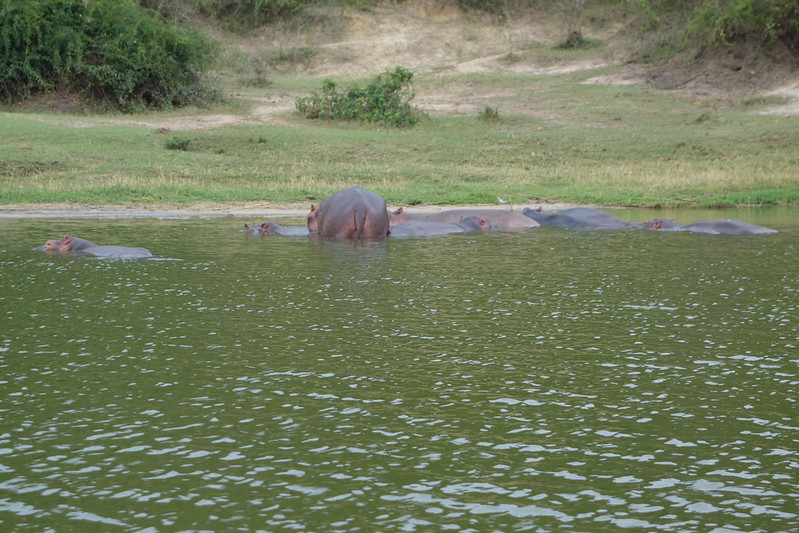
The most popular cruise travels upstream to the base of Murchison Falls. Along the way, visitors encounter large concentrations of hippos, Nile crocodiles, and a variety of bird species. Elephants and buffalo often come to drink, creating excellent viewing conditions.
A downstream cruise toward the Nile Delta offers a different perspective, focusing on birdlife and quieter landscapes. This area is known for sightings of the rare shoebill stork, making it a key attraction for bird enthusiasts.
The boat safari complements land-based game drives, providing a complete wildlife experience.
Birdlife and Biodiversity
Murchison Falls National Park is a major birding destination, with over 450 recorded bird species. The park’s varied habitats support a wide range of avian life, from water birds along the Nile to savannah and forest species.
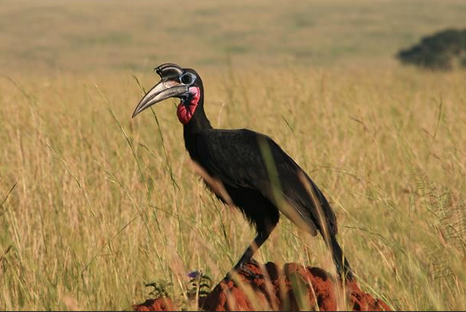
The shoebill stork remains the most sought-after species, often found in the delta region. Other notable birds include the Goliath heron, African fish eagle, saddle-billed stork, and Abyssinian ground hornbill.
The combination of water, woodland, and grassland ecosystems creates ideal conditions for bird diversity, attracting both casual observers and serious birdwatchers.
Chimpanzee Tracking in Budongo Forest
Budongo Forest, located within the southern part of the conservation area, offers chimpanzee tracking experiences. This forest is one of the largest natural forests in East Africa and supports a significant population of chimpanzees.
Tracking involves guided walks through dense forest, where visitors follow vocalizations and signs to locate chimpanzee groups. Once found, visitors observe their behavior, including feeding, grooming, and social interaction.
This activity adds a primate experience to the safari, complementing the savannah wildlife found in the main park.
Activities at or Around the Park
Murchison Falls National Park offers a range of activities that create a well-rounded safari experience. Game drives provide classic wildlife viewing across the northern plains, especially during early morning and late afternoon hours.
Boat cruises along the Nile offer close encounters with aquatic wildlife and access to the base of the falls. Nature walks and hikes, particularly around the top of the falls, allow for exploration on foot.
Chimpanzee tracking in Budongo Forest introduces a forest-based experience, while birdwatching can be enjoyed throughout the park.
Each activity highlights a different aspect of the park, from powerful landscapes to detailed wildlife observation.
Accommodation Options
The park offers a mix of luxury and midrange lodges, primarily located along the Nile River or within key wildlife areas. These lodges provide access to game drives, boat cruises, and other activities while maintaining comfort and scenic views.
Luxury properties often feature river-facing rooms, private decks, and high-end dining experiences. Midrange lodges provide comfortable accommodation with essential amenities, making the park accessible to a wider range of travelers.
The location of accommodation plays a role in the overall experience, particularly in relation to wildlife movement and activity access.
Best Time to Visit
Murchison Falls National Park can be visited throughout the year, but seasonal changes affect wildlife visibility and travel conditions.
The dry seasons, typically from December to February and June to September, offer the best game viewing conditions. During these months, vegetation is thinner, and animals gather around water sources, making them easier to spot.
The wet seasons bring greener landscapes and improved birdwatching opportunities. However, some roads may become challenging due to rain.
Each season offers a different perspective, allowing visitors to choose based on their interests.
What to Pack for a Safari
Packing for Murchison Falls requires attention to both climate and activity. Lightweight clothing in neutral colors works best for game drives, while comfortable walking shoes support hikes and forest walks.
Sun protection, including hats and sunscreen, is essential due to strong daytime heat. Insect repellent helps manage mosquitoes, especially near water and in forested areas.
A camera with good zoom capability enhances wildlife viewing, while binoculars provide additional detail during game drives and birdwatching.
Preparation ensures comfort and allows full focus on the safari experience.
Conservation and Community Impact
Tourism in Murchison Falls National Park contributes directly to conservation and community development. Revenue supports park management, wildlife protection, and infrastructure maintenance.
Local communities benefit through employment, cultural tourism, and shared revenue programs. This connection encourages conservation awareness and reduces pressure on natural resources.
The park represents a model where tourism and conservation work together to sustain both wildlife and livelihoods.
More Bwindi Information to Know.
Bwindi Impenetrable Forest is a mountainous rainforest in southwestern Uganda, home to endangered mountain gorillas. Its unique climate, rich vegetation, community tourism, and conservation efforts make it a vital and unforgettable destination.
Bwindi History
Bwindi History
Bwindi Altitude
Bwindi Altitude
Bwindi Climate
Bwindi Climate
Bwindi Geography
Bwindi Geography
Getting There To Bwindi
Getting There To Bwindi
Bwindi Location
Bwindi Location
Bwindi Vegetation
Bwindi Vegetation
Bwindi Sectors
Bwindi Sectors
Bwindi Visitor Centres
Bwindi Visitor Centres
Bwindi Waterfalls
Bwindi Waterfalls
Bwindi Impenetrable Forest
Bwindi Impenetrable Forest
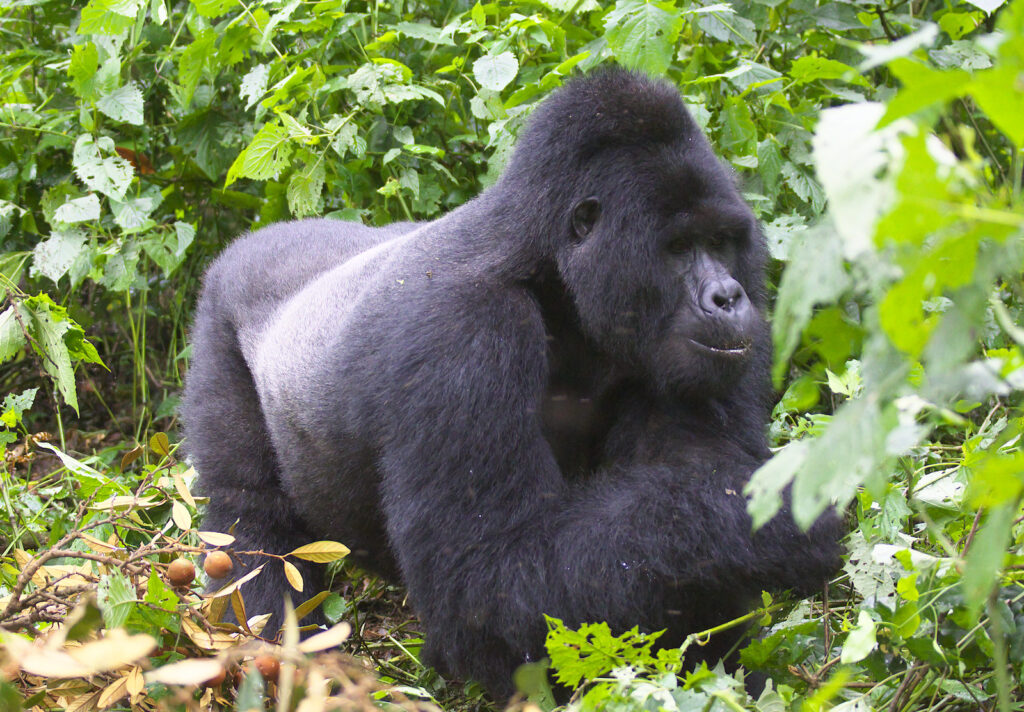
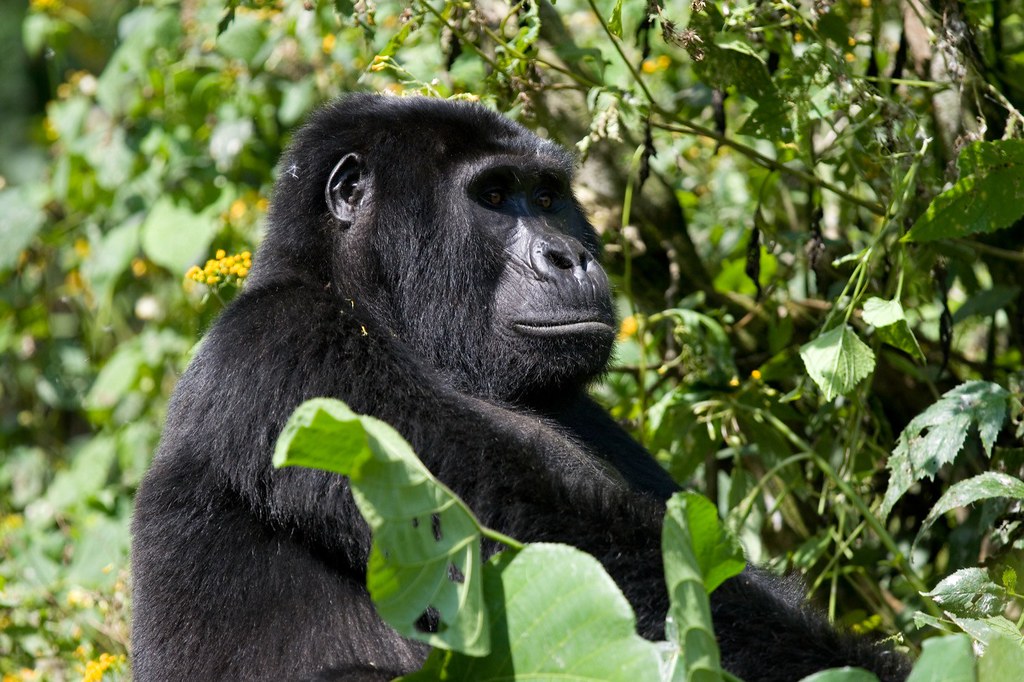
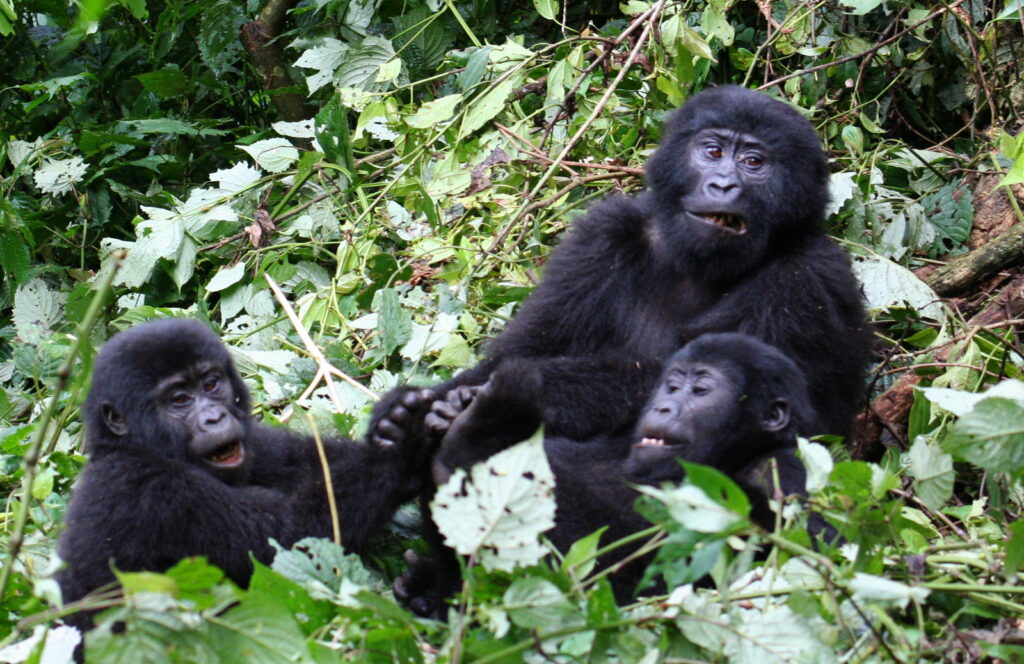
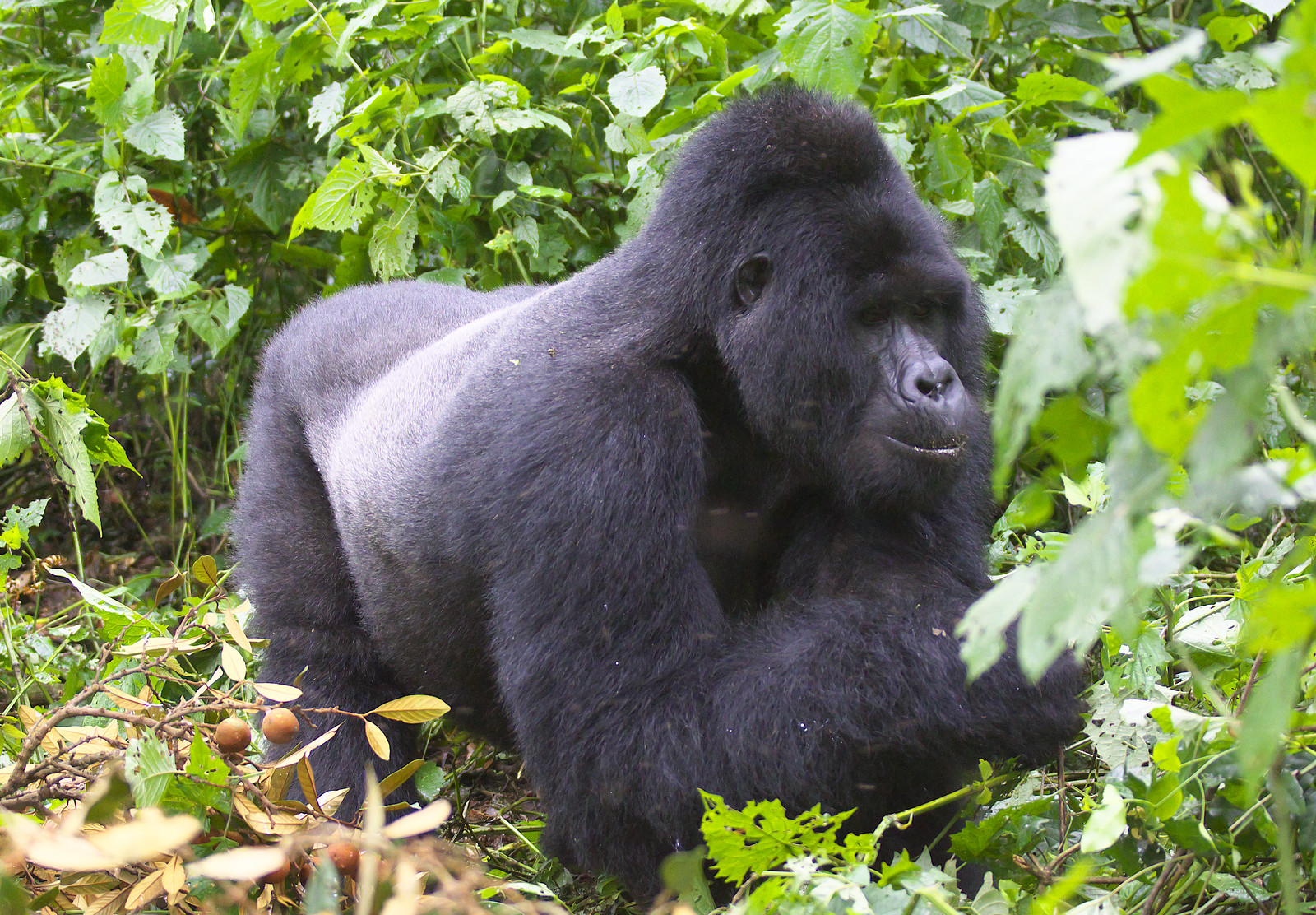
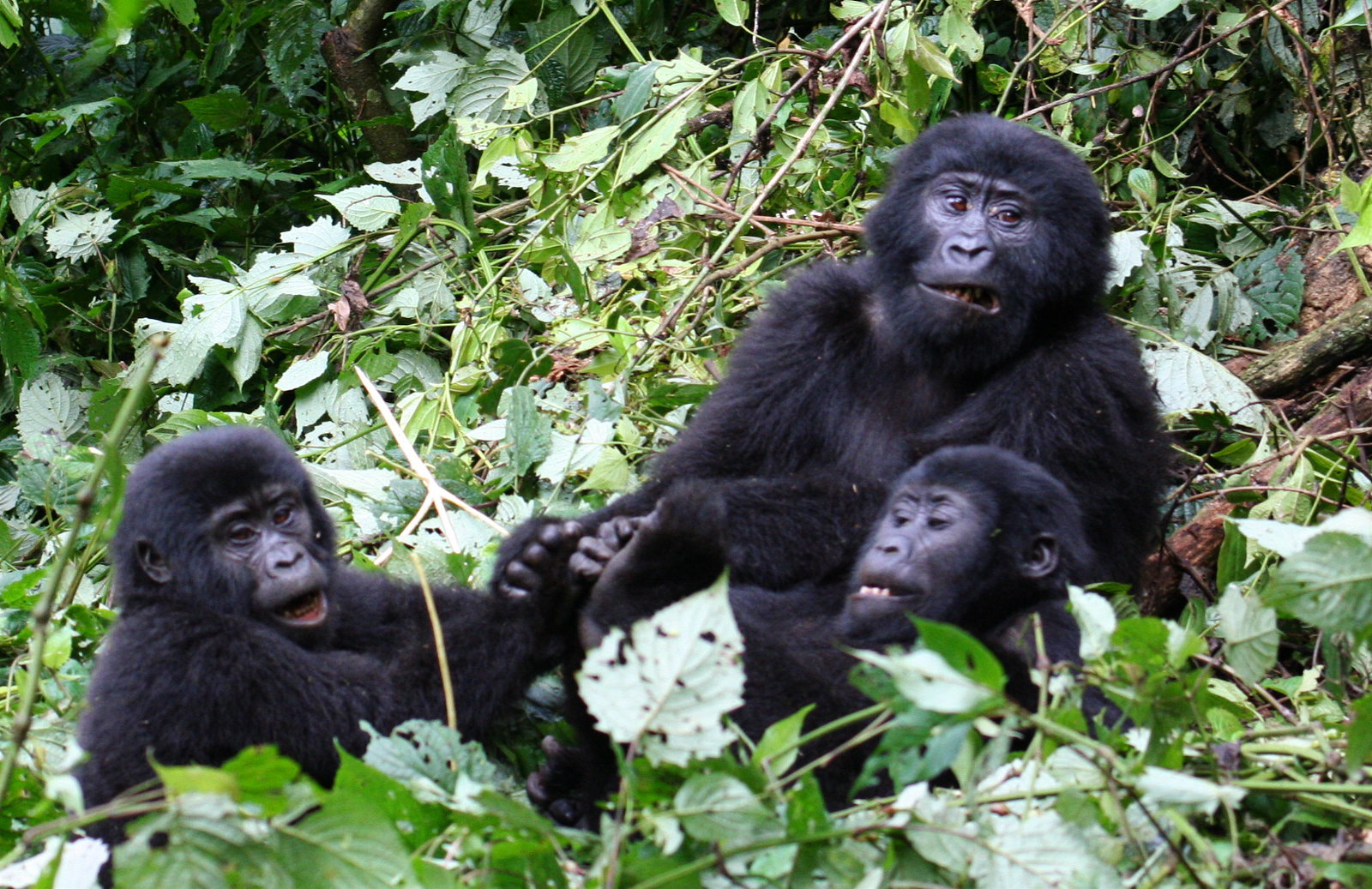
In the Realm of Giants – Bwindi & Mgahinga in Frames.
Wander through an elegant gallery capturing Uganda’s most exclusive gorilla sanctuaries, where ancient forests cradle the last mountain gorillas in a world of mist, mystery, and majesty.
Essential Planning Tips for Visiting Uganda’s National Parks.
Get ready for the wild heart of Africa with expert travel tips on when to visit, what to pack, where to go, and how to make the most of your safari across Uganda’s breathtaking national parks.
Why Uganda for Gorilla Trekking?
Uganda is not just a destination — it's the very soul of gorilla trekking. With over half of the world’s remaining mountain gorillas calling its misty forests home, Uganda offers the rarest encounters in their most authentic setting. Here, your journey is not rushed or crowded. Instead, you’re guided by experienced rangers through pristine jungles where gorillas live as they always have — wild, free, and magnificent
From insider travel insights to unforgettable trekking guides, our blog is your trusted path into Uganda’s wild heart — connecting you with mountain gorillas, breathtaking landscapes, and the soul-stirring adventures that make this land unlike any other.