
Where the soul of the forest whispers in the mist
Gorilla trekking is an exhilarating and unforgettable adventure, yet it demands that visitors be in good health to fully enjoy and safely navigate the experience. The rainforest trails, steep inclines, and humid conditions can be physically taxing, making physical fitness, stamina, and overall well being essential for a successful trek. Equally important are health precautions, which safeguard not only your own safety but also the wellbeing of the mountain gorillas, who are extremely vulnerable to human-borne illnesses such as colds, flu, and other respiratory infections.
Comprehensive health preparation includes ensuring that vaccinations are up to date, taking preventive measures against common diseases, maintaining proper hygiene, and building physical fitness prior to the trek. Even small steps, such as carrying hand sanitizer, dressing in breathable, protective clothing, and staying hydrated, contribute significantly to a safer and more comfortable journey. By planning carefully for your health, you maximize the likelihood of a rewarding and immersive encounter with these magnificent primates, while respecting and protecting the fragile rainforest ecosystem they call home.
Taking the right health precautions is particularly important given that the rainforest environment is humid, rugged, and often unpredictable. Trails can be steep, muddy, and overgrown, while sudden changes in weather can place additional stress on the body. By preparing both your body and mind in advance, managing any pre-existing medical conditions, and adhering to recommended medical guidelines, you can significantly reduce the risk of illness or injury during the trek.
These measures not only help prevent personal complications on the challenging trails but also play a critical role in safeguarding the mountain gorillas. Even minor human illnesses can be transmitted to these endangered animals, whose immune systems are not equipped to handle many common infections. Thoughtful preparation, fitness conditioning, and careful adherence to health protocols therefore support both your own wellbeing and the conservation of these majestic primates, ensuring that the encounter remains safe, responsible, and truly memorable.
So lace up your boots, grab your camera, and prepare to meet the wild — this is where your gorilla trekking dreams and unforgettable safari adventures truly begin.
Truly Iconic Highlights in Uganda

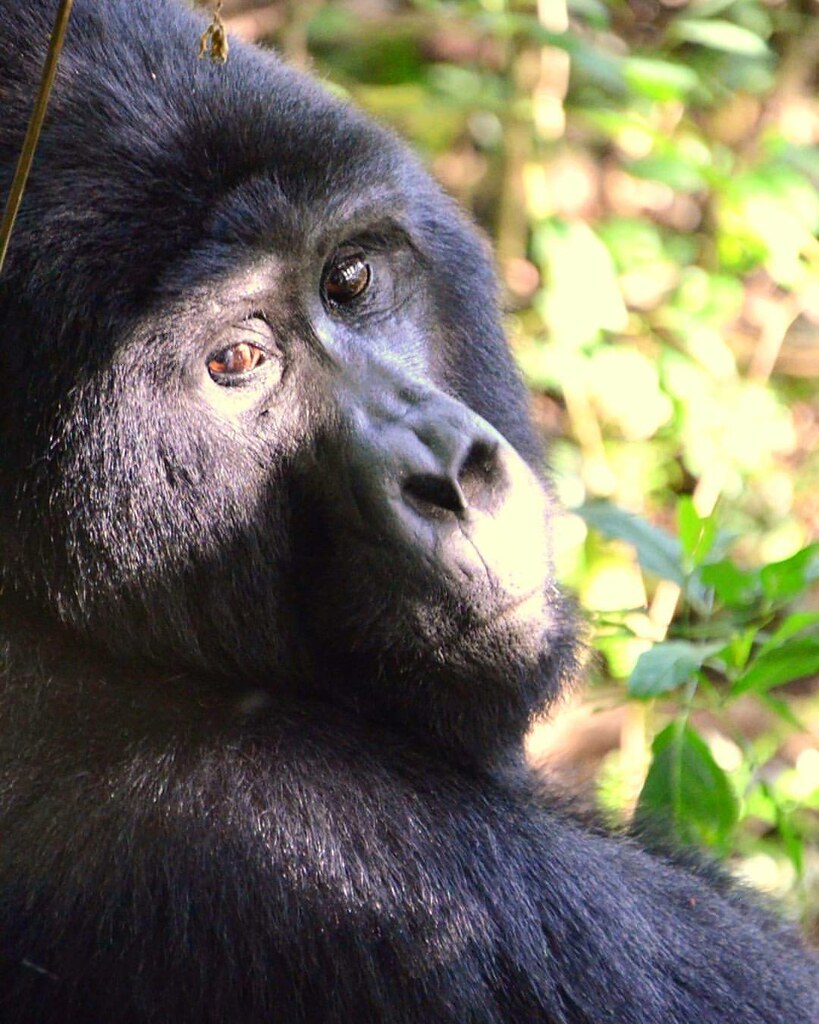
Trek through Bwindi’s mystical rainforest and meet the endangered mountain gorillas in their breathtaking natural home.
Encounter mountain gorillas and golden monkeys on Mgahinga’s misty volcanic trails, where culture and alpine wildlife thrive together.
Unwind after your trek with a peaceful canoe ride across Lake Bunyonyi, Uganda’s most tranquil and scenic highland lake.
Enhance your gorilla trekking safari with an optional chimpanzee encounter in Uganda’s lush forests, adding depth and diversity to your primate adventure
Gorilla Trekking Tours in Uganda – Our Most Popular Itineraries.
Explore our gorilla trekking safaris for every traveler—solo, family, budget, or luxury. All tours include permits, transport, accommodation, meals, and park fees. Whether for a quick trip or a deeper adventure, we’ve got you covered.
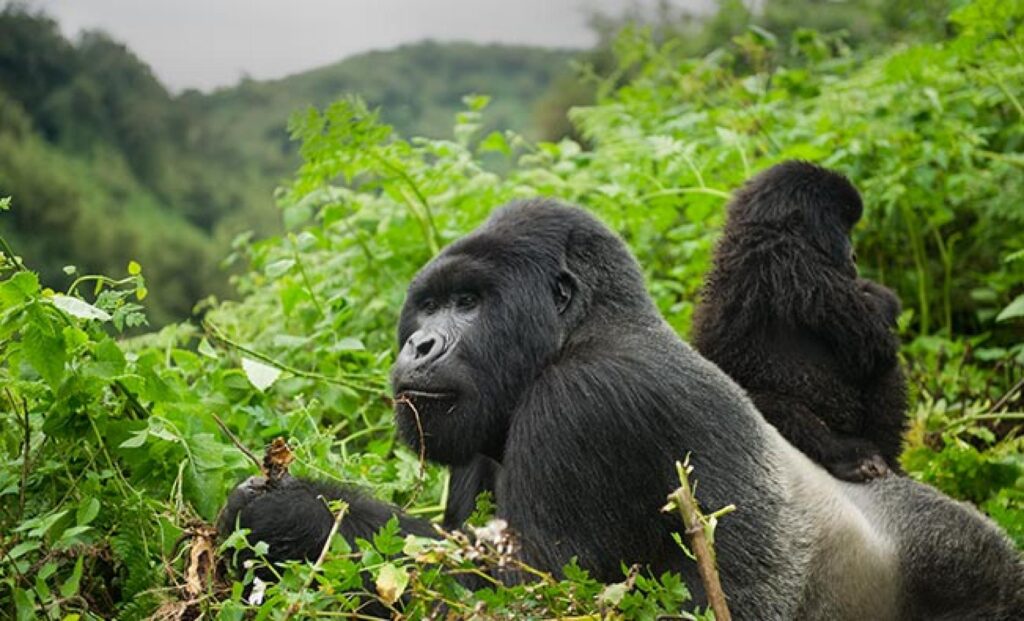
3-Day Bwindi Gorilla Trekking Safari
3-Day Bwindi Gorilla Trekking Safari
4-Day Uganda Gorilla Trekking Safari
4-Day Uganda Gorilla Trekking Safari
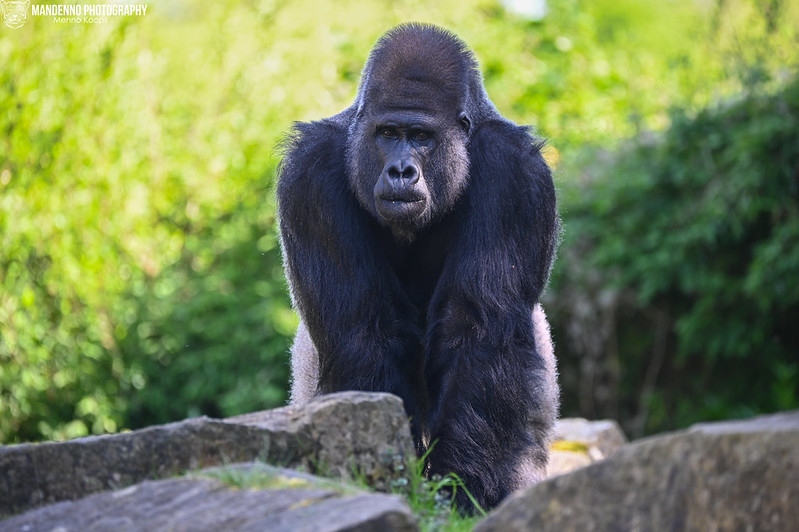
5-Day Gorilla Tracking and Wildlife Safari
5-Day Gorilla Tracking and Wildlife Safari
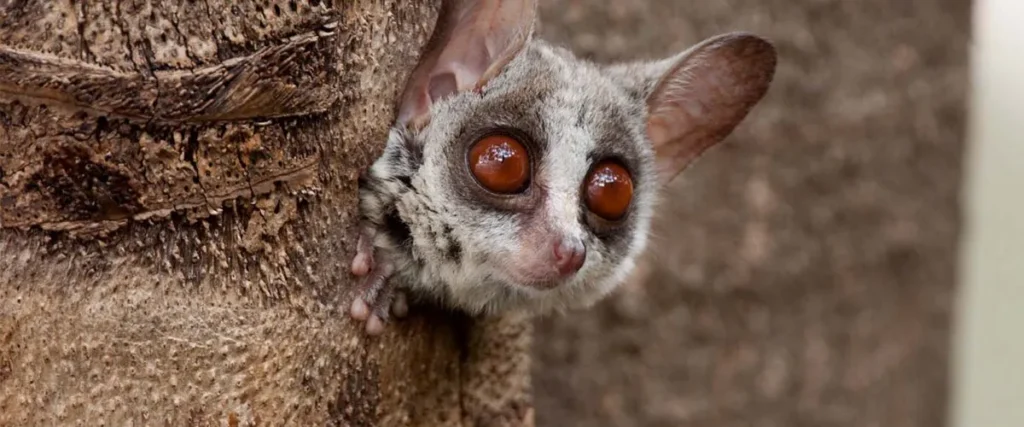
7-Day Uganda Primate Adventure & Wildlife Safari
7-Day Uganda Primate Adventure & Wildlife Safari
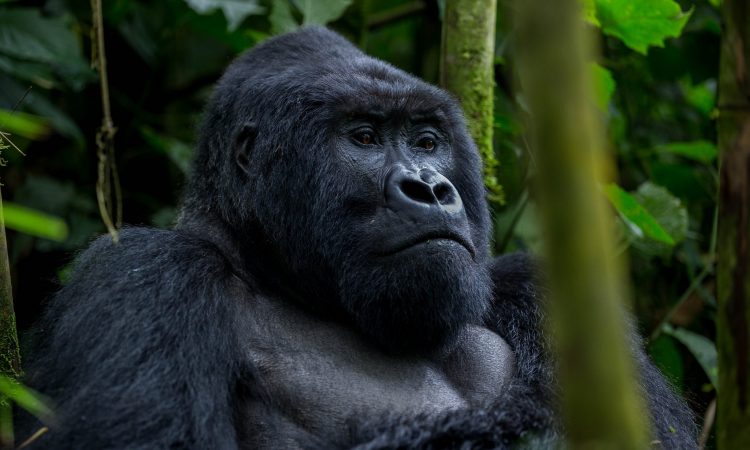
10-Day Gorilla Trekking & Big Five Safari in Uganda
10-Day Gorilla Trekking & Big Five Safari in Uganda
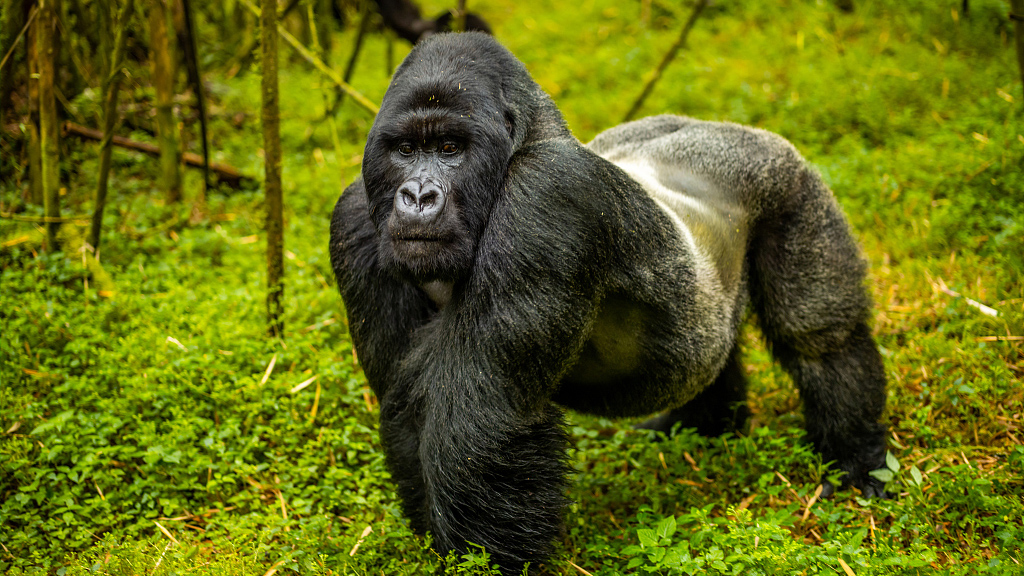
12-Day Uganda Gorilla Trekking, Chimp Tracking & Cultural Safari
12-Day Uganda Gorilla Trekking, Chimp Tracking & Cultural Safari
14-Day Best of Uganda Safari – Gorillas, Wildlife, Cultures
14-Day Best of Uganda Safari – Gorillas, Wildlife, Cultures
Preparing Your Health for a Safe Gorilla Trekking Experience
Health Precautions Before Trekking
Proper health preparation is essential for a safe and enjoyable gorilla trekking experience. Trekking through dense forests, steep slopes, and humid environments places both physical and biological demands on visitors, so taking proactive health precautions ensures personal safety and protects the gorillas from human-borne illnesses.
Vaccinations and Disease Prevention
Before a trek, all routine vaccinations should be current. This typically includes tetanus, hepatitis A and B, and yellow fever, which is often required for entry into Uganda, Rwanda, and the Democratic Republic of Congo. Because malaria is prevalent in many gorilla trekking regions, visitors should carry prescribed anti-malarial medication, use effective insect repellent, and wear protective clothing such as long sleeves and trousers to reduce mosquito exposure.
Travelers with pre-existing medical conditions—such as asthma, diabetes, hypertension, or heart disease—should consult a physician before the trek. Bringing personal medications, along with copies of prescriptions, allows guides or medical personnel to assist in case of emergencies. This ensures continuity of care even in remote forest locations where immediate access to clinics may be limited.
Fitness and Physical Preparation
Gorilla trekking is physically demanding. Trails often feature steep inclines, uneven terrain, muddy patches, and dense vegetation. Preparing with cardiovascular exercises, leg and core strengthening, and flexibility routines helps improve stamina and reduces fatigue during the trek. Moderate hikes prior to your trip can condition muscles for prolonged walking, steep climbs, and occasional crouching needed to navigate under low-hanging branches or thick undergrowth.
Mental preparation is equally vital. Trekking requires patience and calmness, especially when tracking gorillas that may move unpredictably. The ability to remain quiet, alert, and composed enhances both your safety and the welfare of the gorillas.
Hygiene and Preventative Measures
Mountain gorillas are extremely susceptible to human respiratory infections. Health precautions must therefore prioritize hygiene. Regular handwashing, using hand sanitizer, and avoiding close contact with sick individuals before the trek are essential. In some parks, wearing face masks is mandatory to prevent disease transmission. Visitors exhibiting symptoms such as coughing, fever, or flu-like conditions should postpone their trek to protect both themselves and the gorillas. Responsible trekking emphasizes conservation and the animals’ well-being over personal ambition.
Health Supplies and Trekking Gear
A small medical kit is recommended, including bandages, antiseptic wipes, blister pads, and any personal medications. Staying hydrated is critical; reusable water bottles allow you to carry enough water without generating plastic waste. Sun protection is also important for exposed trail sections, including sunscreen, hats, and sunglasses. Proper footwear—sturdy trekking boots with ankle support—is essential to prevent injuries on slippery or rugged terrain.
Carrying high-energy snacks such as nuts, dried fruit, or energy bars helps maintain blood sugar levels and endurance during long treks. A compact backpack ensures that essential items are easily accessible without burdening your movement through dense forest paths.
Additional Considerations
Visitors should also consider minor preventative measures like mosquito nets at lodges, wet-weather gear for sudden rain, and trekking poles for extra stability. Adequate rest before the trek, combined with proper nutrition, can significantly improve overall performance and enjoyment.
Taking these health precautions before trekking not only safeguards your own well-being but also ensures that your presence does not inadvertently harm the mountain gorillas, contributing to a responsible, ethical, and fulfilling trekking experience.
More Gorilla Trekking Information to Know.
Gorilla trekking goes far beyond just the hike — it’s a deep, emotional journey into the heart of Africa’s last wild rainforests. Knowing the right timing, permits, fitness tips, and park details can turn your experience from good to unforgettable.
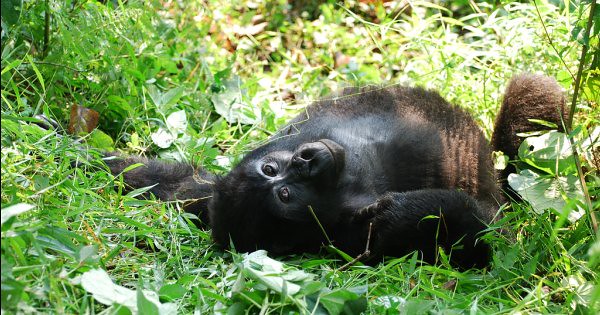
Bwindi Gorilla Trekking — The Four Sectors Explained
Bwindi Gorilla Trekking — The Four Sectors Explained
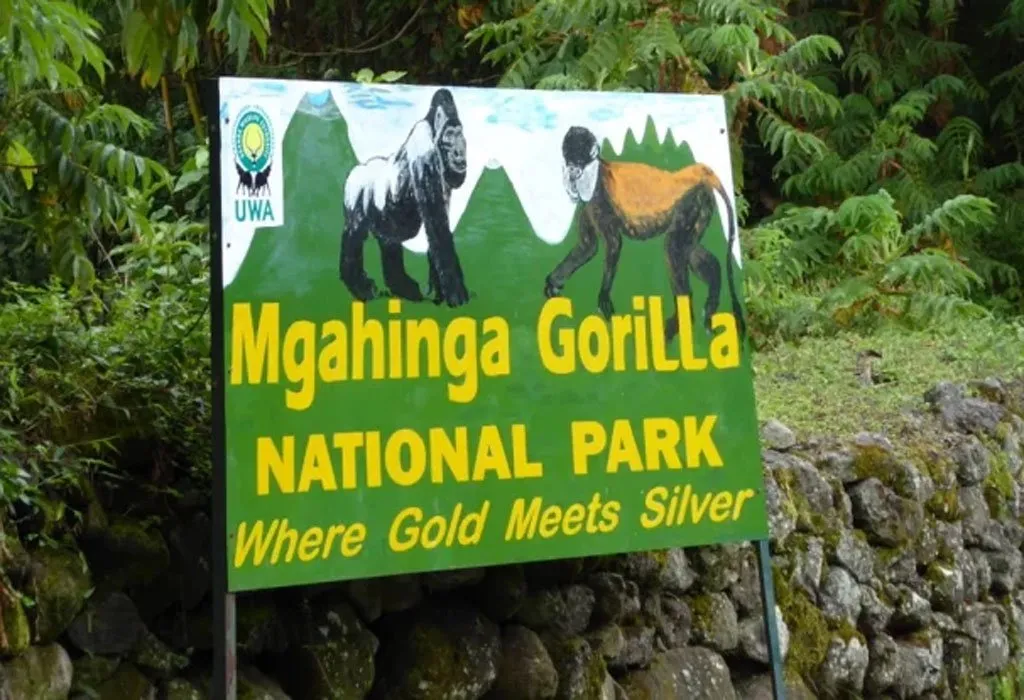
Trekking Gorillas in Mgahinga National Park
Trekking Gorillas in Mgahinga National Park
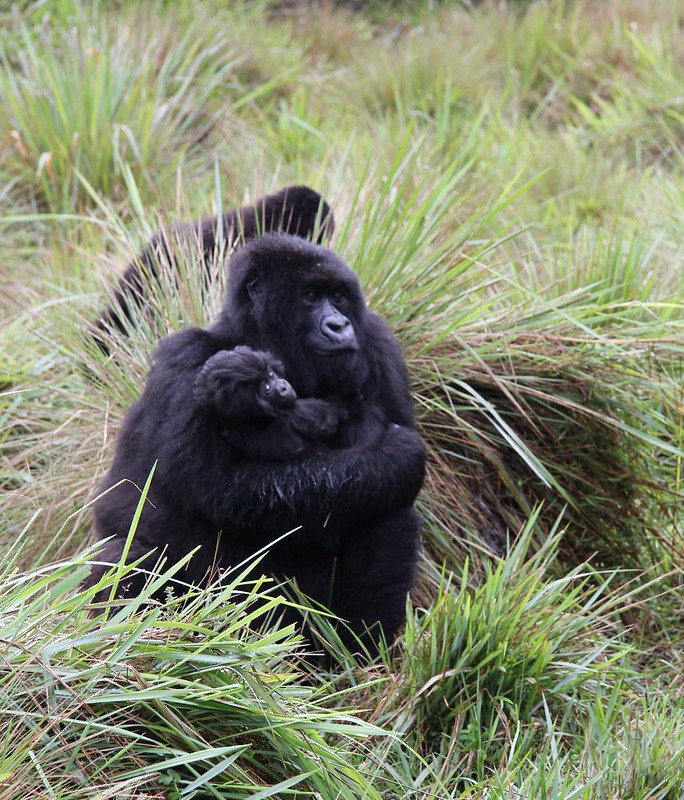
Uganda Gorilla Trekking Permits – Prices, Booking, & Travel Tips
Uganda Gorilla Trekking Permits – Prices, Booking, & Travel Tips
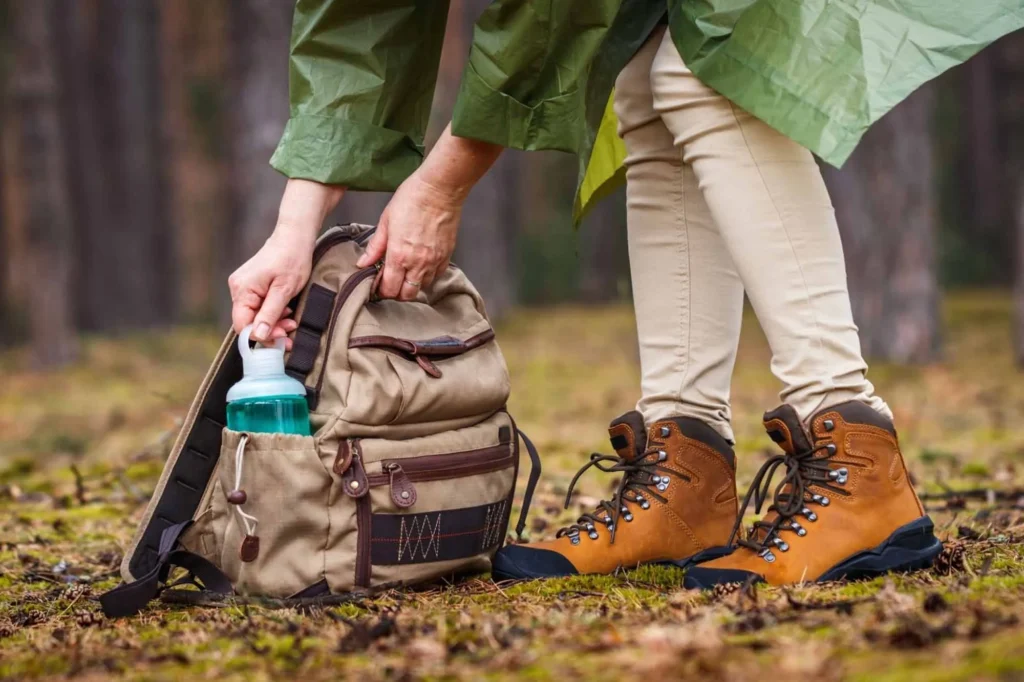
What to Pack for Gorilla Trekking in Uganda – Expert Checklist
What to Pack for Gorilla Trekking in Uganda – Expert Checklist
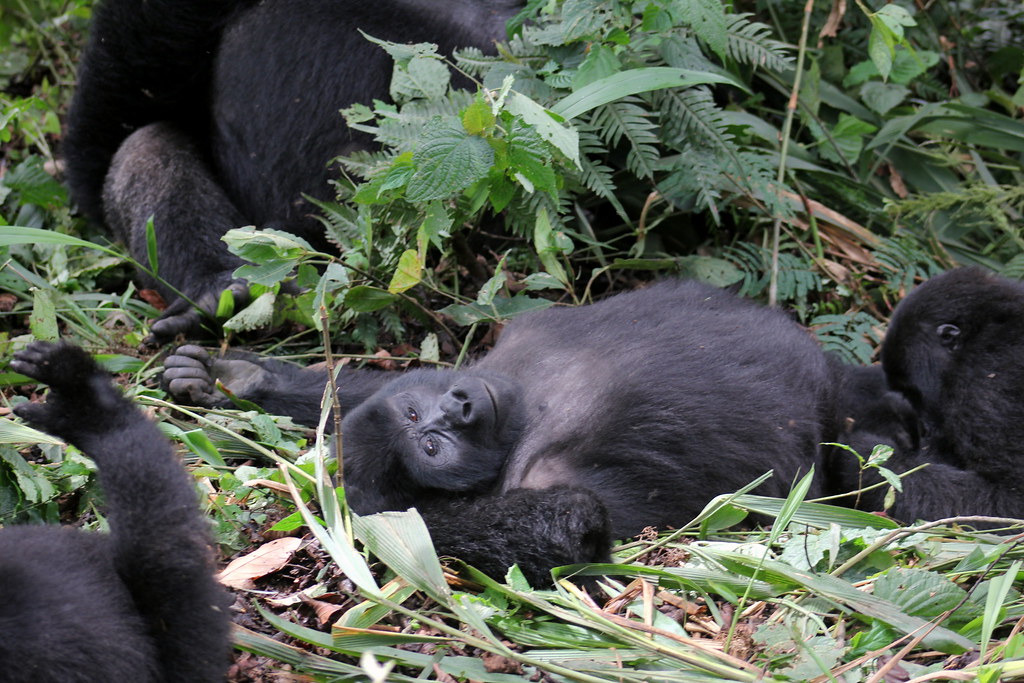
Best Time to Go Gorilla Trekking in Uganda – Weather & Seasons
Best Time to Go Gorilla Trekking in Uganda – Weather & Seasons
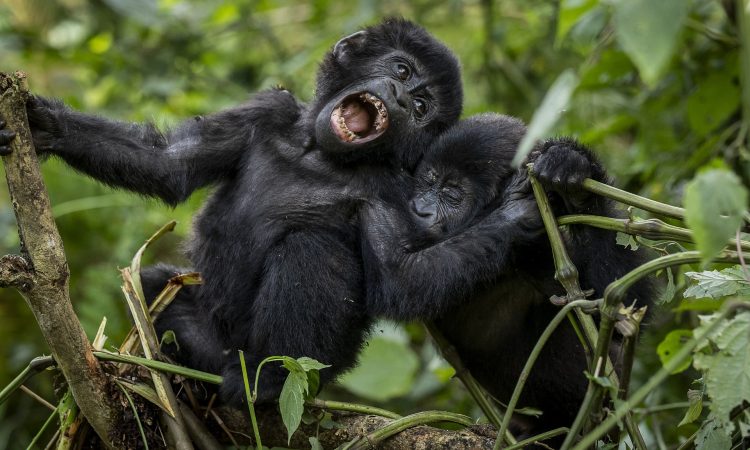
Gorilla Trekking Difficulty in Uganda – Fitness & Trail Guide
Gorilla Trekking Difficulty in Uganda – Fitness & Trail Guide
Gorilla Trekking Rules in Uganda – Safety, Respect & Ethics
Gorilla Trekking Rules in Uganda – Safety, Respect & Ethics
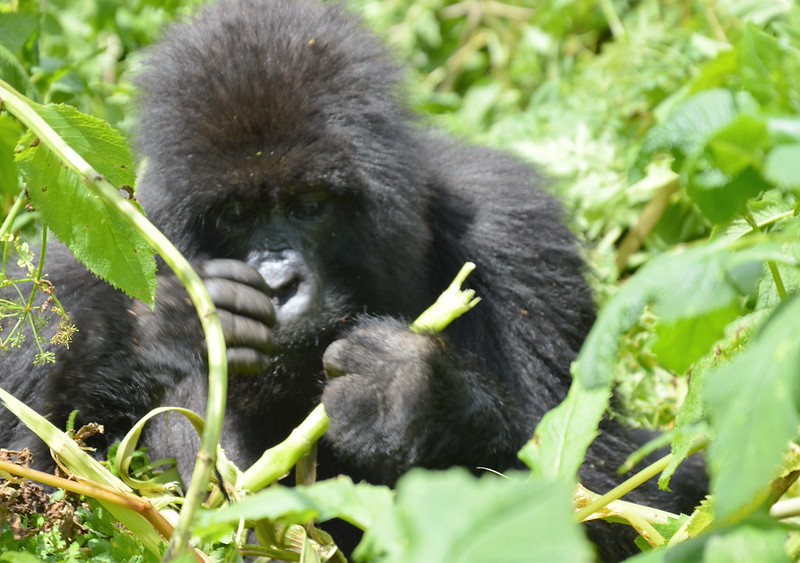
Gorilla Conservation in Uganda – Protecting the Mountain Giants
Gorilla Conservation in Uganda – Protecting the Mountain Giants
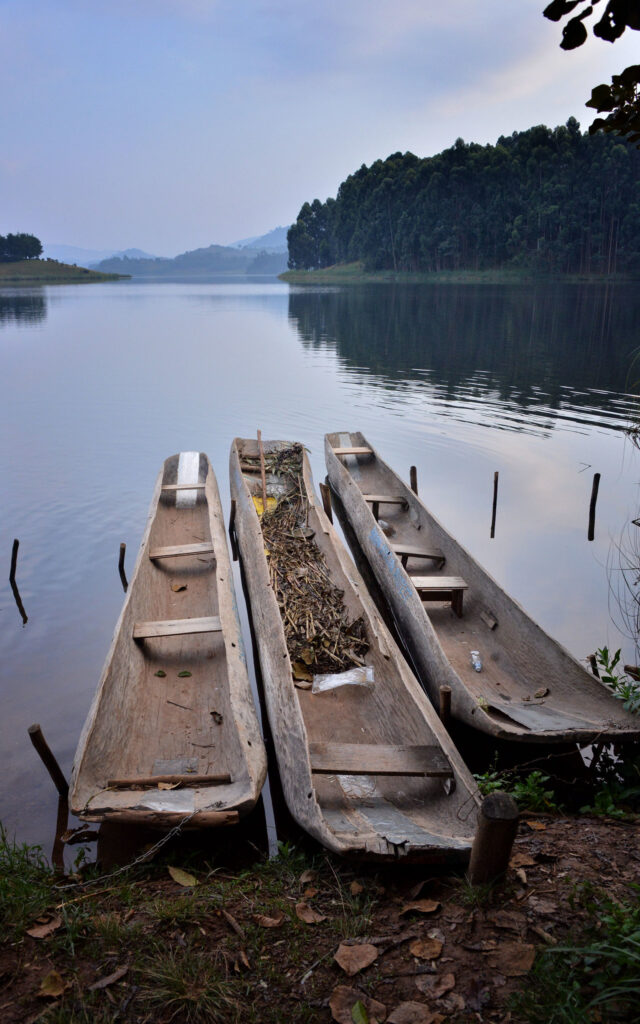
Bwindi vs. Mgahinga – Which One to Choose For Gorilla Trekking?
Bwindi vs. Mgahinga – Which One to Choose For Gorilla Trekking?
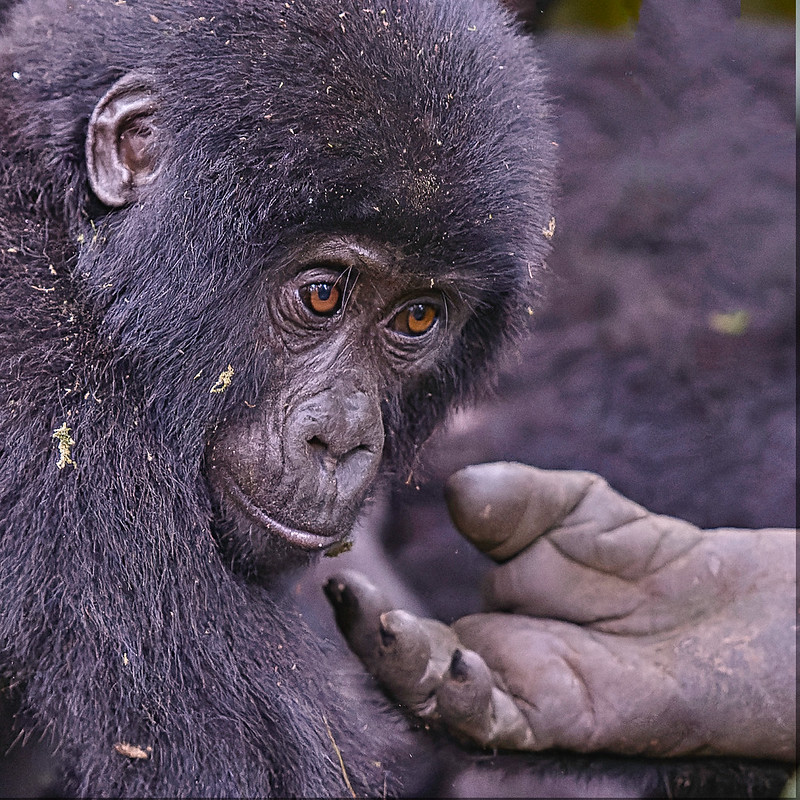
How to Stay Safe and Healthy While Traveling in Uganda
How to Stay Safe and Healthy While Traveling in Uganda
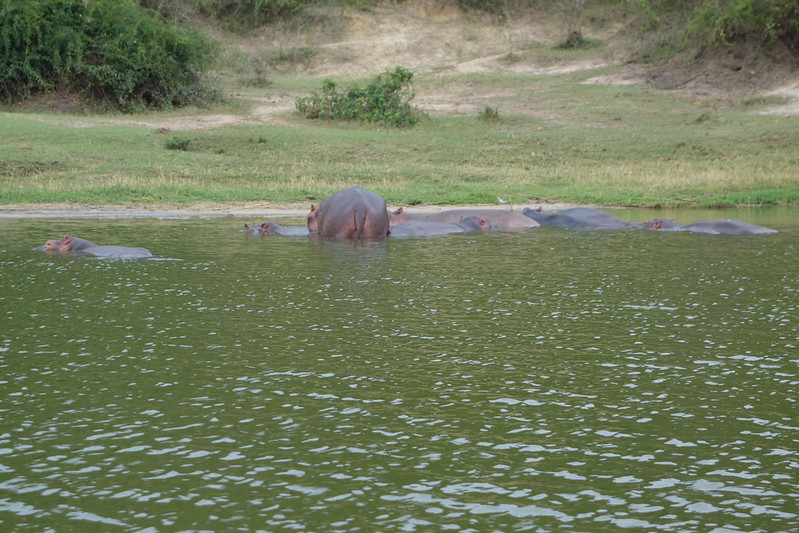
Routes, Tips & Travel Wisdom for Getting to Bwindi or Mgahinga
Routes, Tips & Travel Wisdom for Getting to Bwindi or Mgahinga
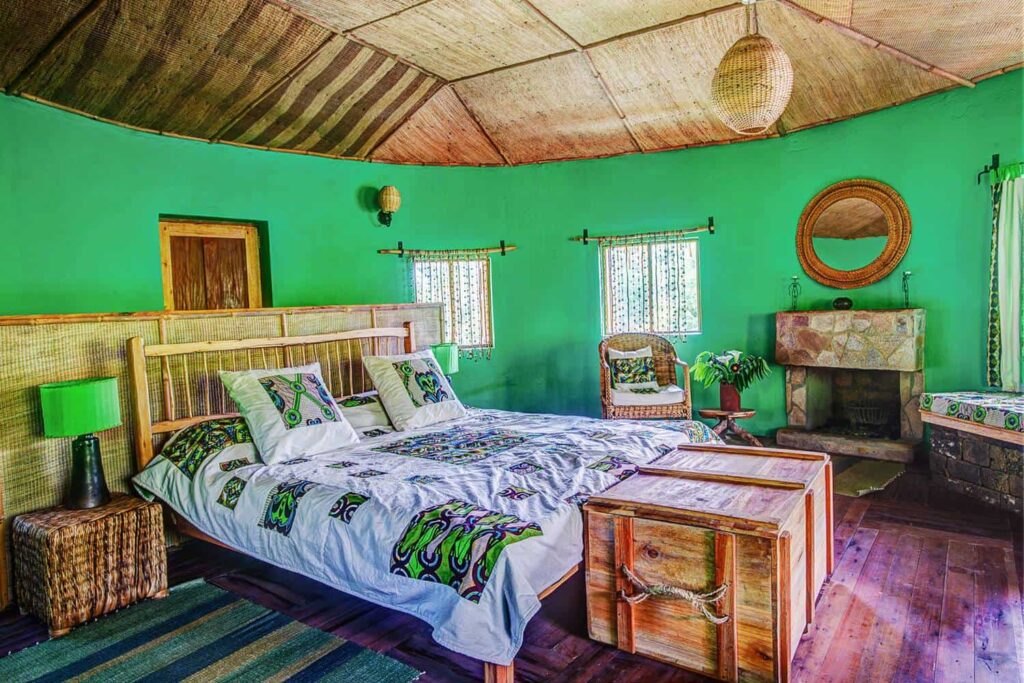
Accommodation Options: Lodges & Camps in Bwindi and Mgahinga
Accommodation Options: Lodges & Camps in Bwindi and Mgahinga
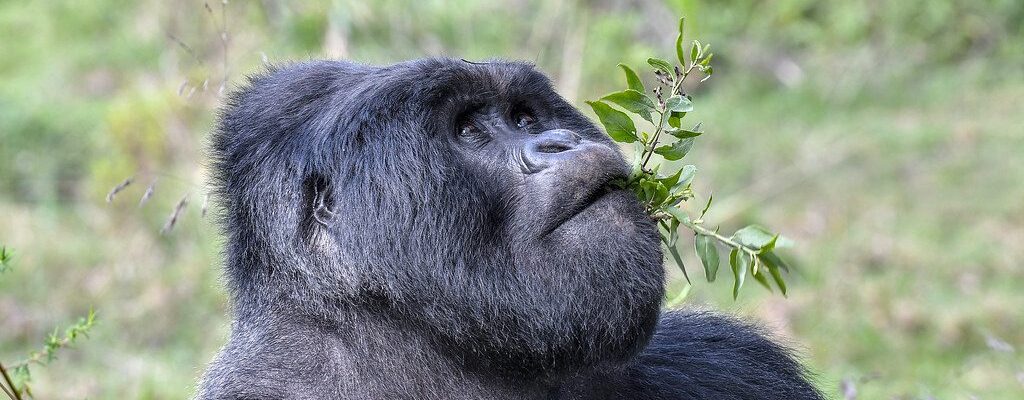
Protecting What You Came to See: Gorilla Conservation & Ethics
Protecting What You Came to See: Gorilla Conservation & Ethics
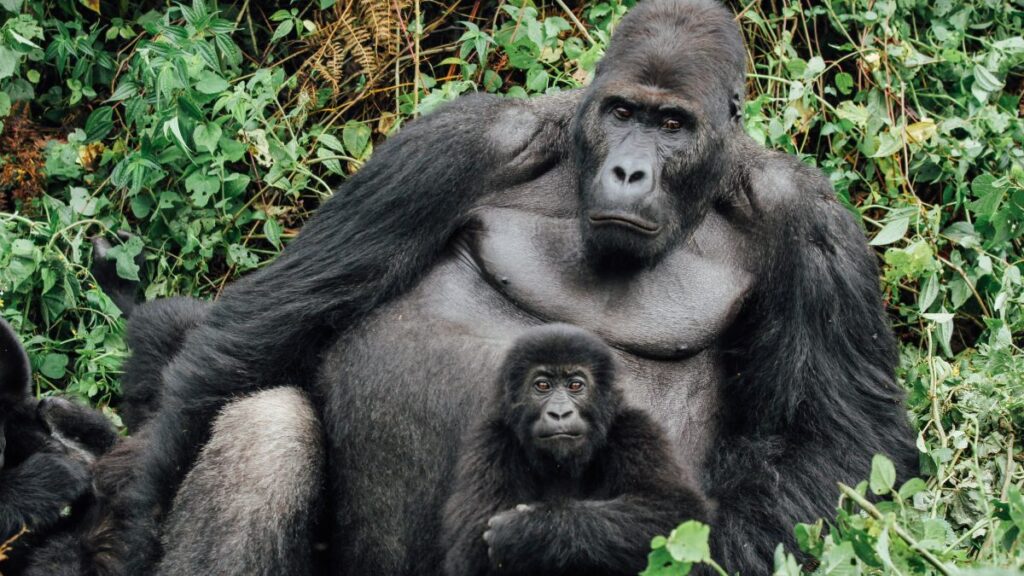
Travel Insurance for Gorilla Treks: Before You Go
Travel Insurance for Gorilla Treks: Before You Go
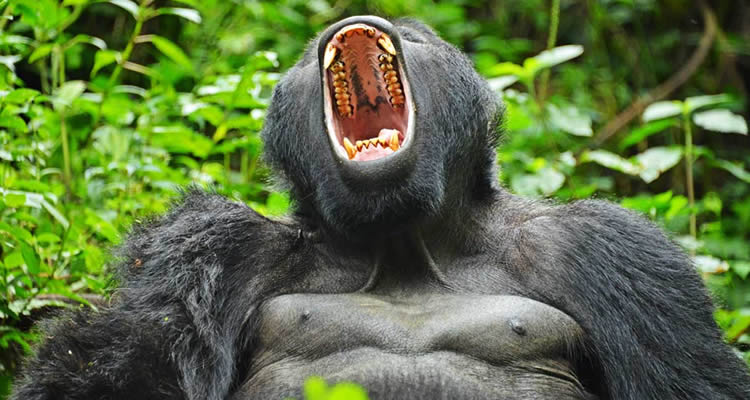
First Time Gorilla Trekking? Here’s Everything I Wish I Knew
First Time Gorilla Trekking? Here’s Everything I Wish I Knew
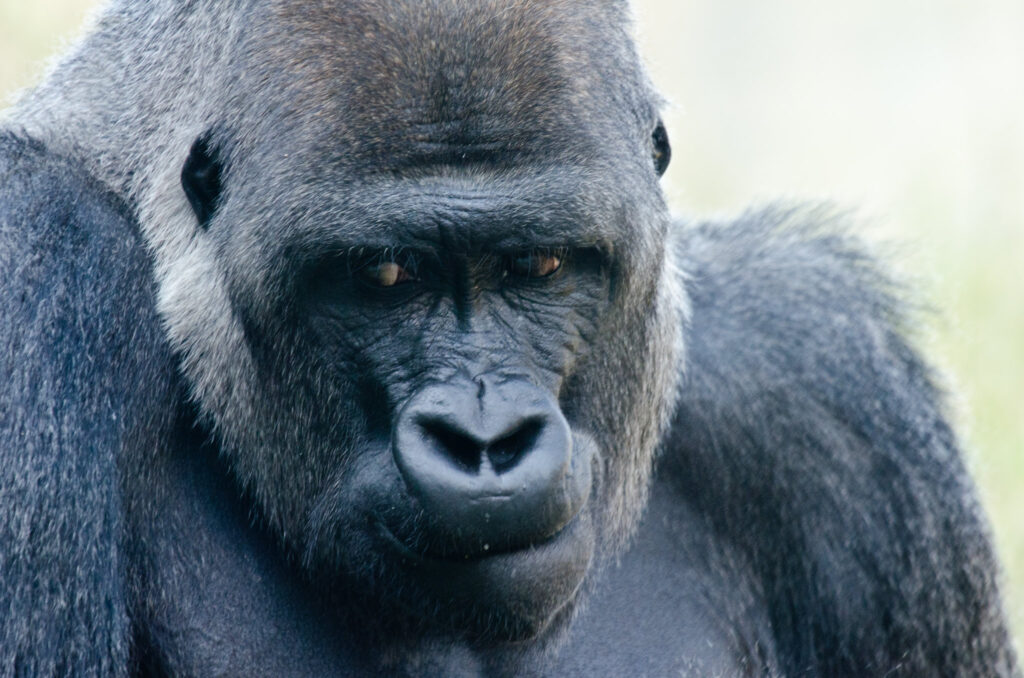
Step by Step: What Happens During a Gorilla Trekking Day
Step by Step: What Happens During a Gorilla Trekking Day
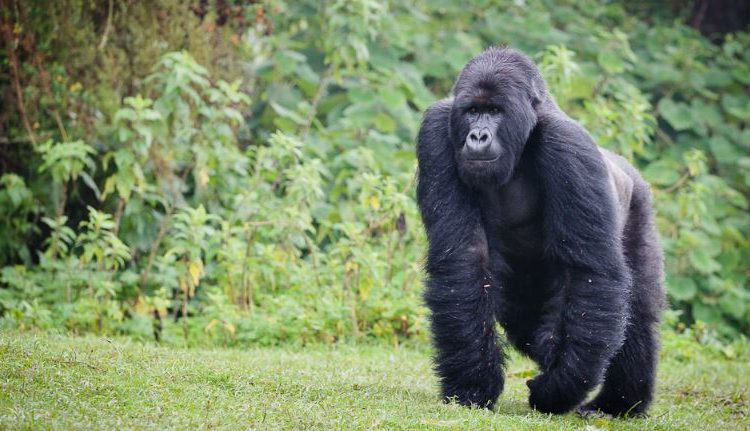
Gorilla Trekking vs. Gorilla Tracking – What’s the Real Difference?
Gorilla Trekking vs. Gorilla Tracking – What’s the Real Difference?
Beyond Gorillas: Other Wildlife You Can See During Your Trek
Beyond Gorillas: Other Wildlife You Can See During Your Trek
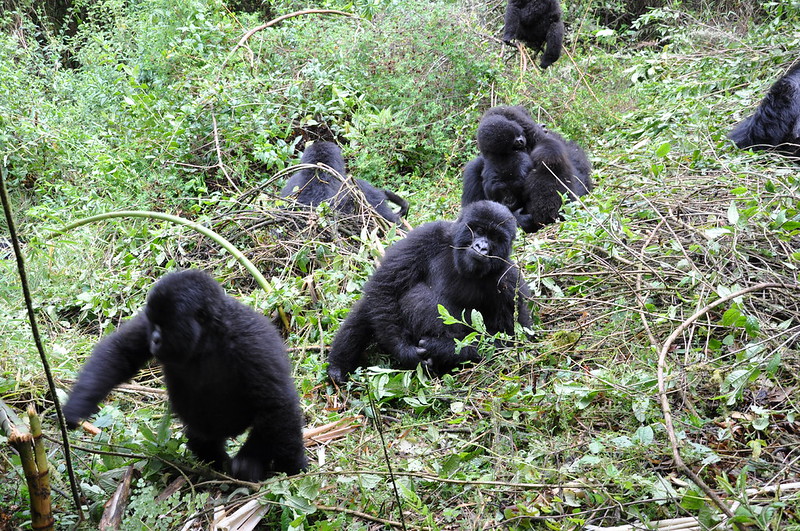
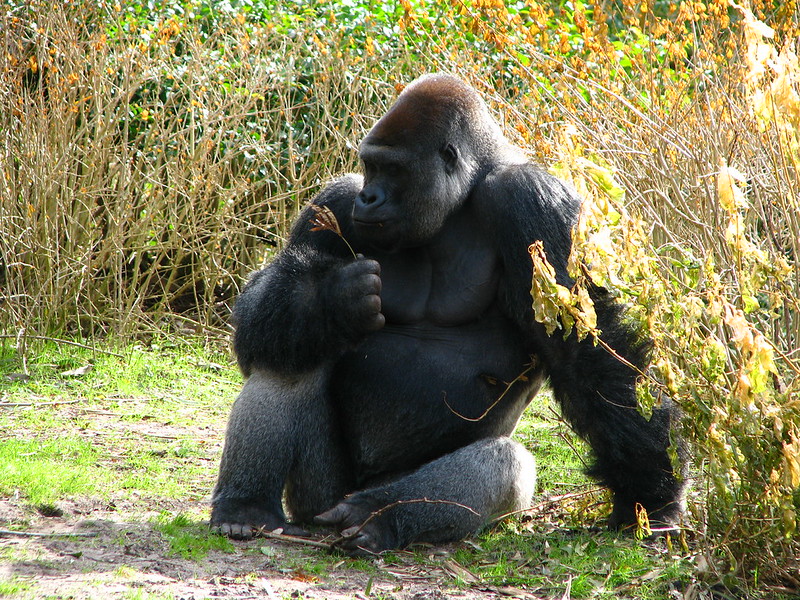
In the Realm of Giants – Bwindi & Mgahinga in Frames.
Wander through an elegant gallery capturing Uganda’s most exclusive gorilla sanctuaries, where ancient forests cradle the last mountain gorillas in a world of mist, mystery, and majesty.
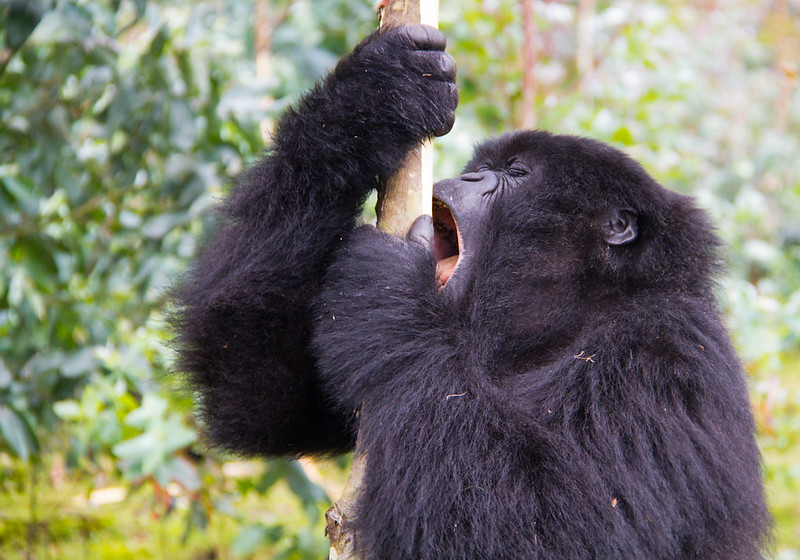
Essential Planning Tips for Visiting Uganda’s National Parks.
Get ready for the wild heart of Africa with expert travel tips on when to visit, what to pack, where to go, and how to make the most of your safari across Uganda’s breathtaking national parks.
Why Uganda for Gorilla Trekking?
Uganda is not just a destination — it's the very soul of gorilla trekking. With over half of the world’s remaining mountain gorillas calling its misty forests home, Uganda offers the rarest encounters in their most authentic setting. Here, your journey is not rushed or crowded. Instead, you’re guided by experienced rangers through pristine jungles where gorillas live as they always have — wild, free, and magnificent
From insider travel insights to unforgettable trekking guides, our blog is your trusted path into Uganda’s wild heart — connecting you with mountain gorillas, breathtaking landscapes, and the soul-stirring adventures that make this land unlike any other.