
Where the soul of the forest whispers in the mist
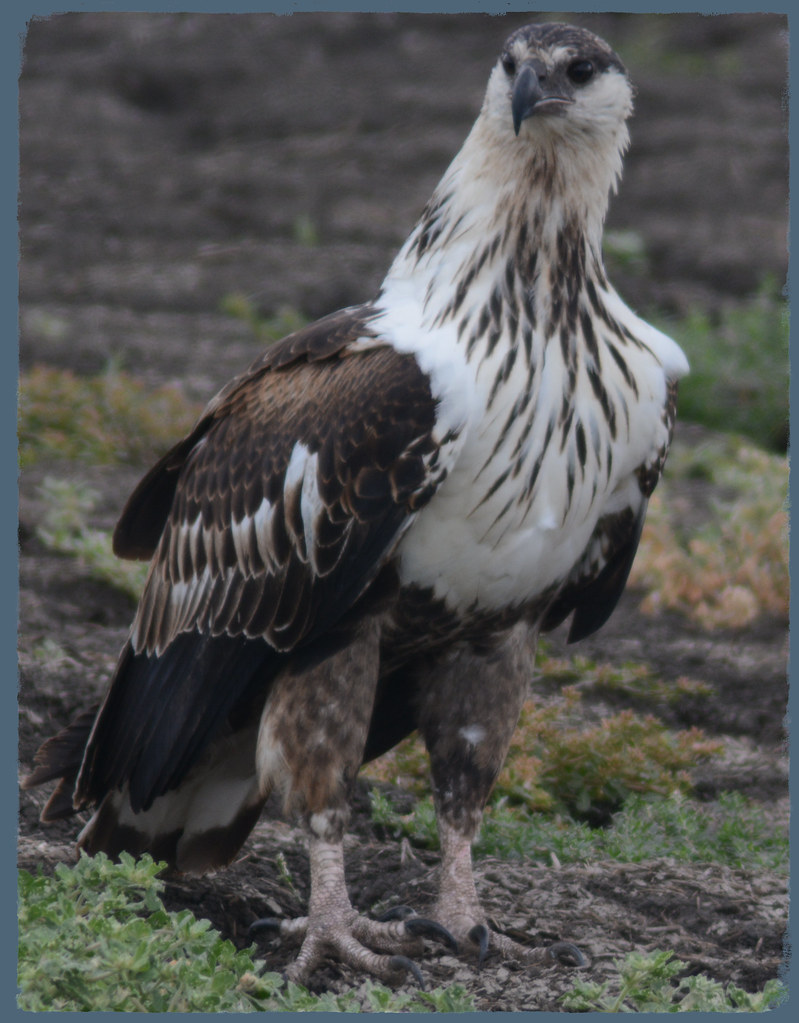
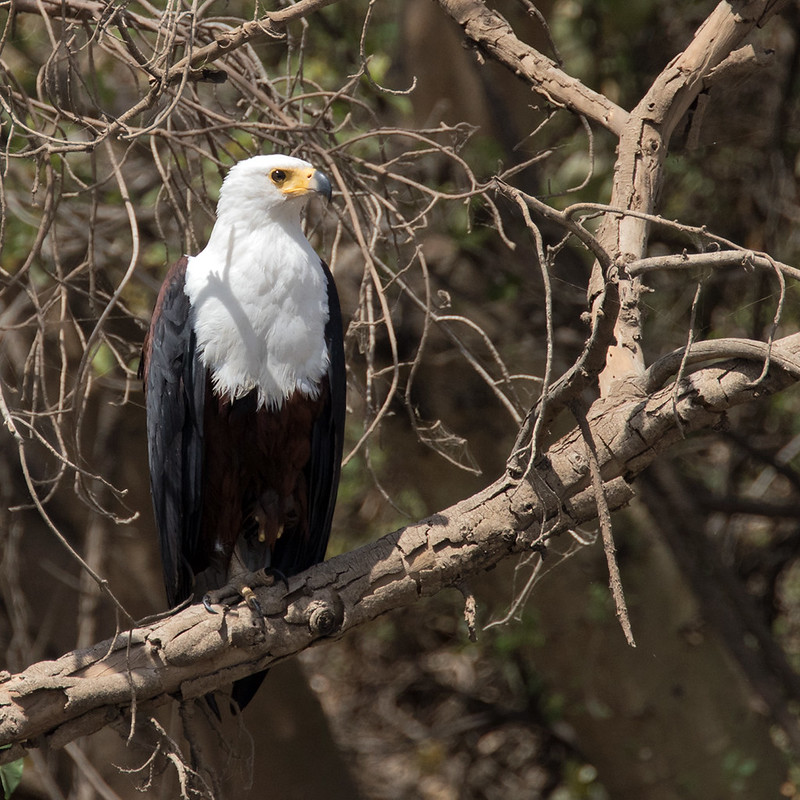
The African Fish Eagle is far more than a formidable bird of prey; it is an emblem of Africa’s waterways, a living symbol that brings vitality and grandeur to rivers, lakes, and wetlands. Its striking appearance—bright white head, rich chestnut body, and expansive black wings—makes it instantly recognizable, even from a considerable distance.
Yet it is not just its appearance that captivates. The African Fish Eagle’s iconic call, a resonant, rolling cry that echoes across open water and forest edges, has become synonymous with the soundscape of Africa itself. For many travelers, the first time they hear this call is deeply moving, evoking a sense of awe and connection to the continent’s untamed beauty. Whether perched on a riverbank, gliding over a shimmering lake, or swooping to snatch a fish from the water’s surface, the African Fish Eagle embodies both power and grace, leaving an enduring impression that defines the African wilderness experience.
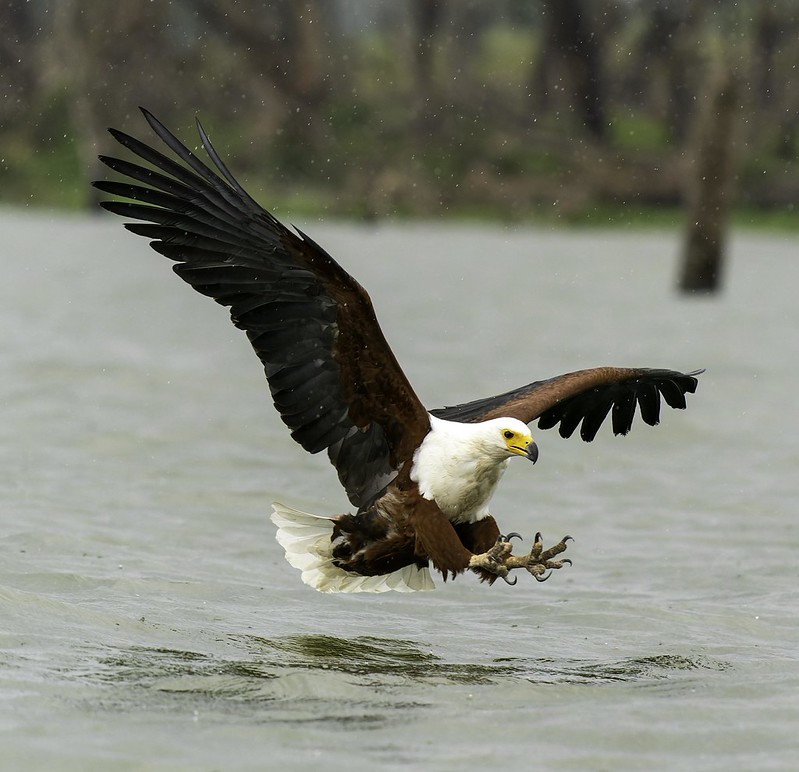
This extraordinary bird thrives at the intersection of water and wilderness, inhabiting environments that range from expansive freshwater lakes and winding rivers to seasonally flooded plains. The African Fish Eagle is exquisitely adapted to an aquatic hunting lifestyle, combining elegance with lethal precision. It can glide effortlessly over open water, wings outstretched, before diving with remarkable speed and accuracy to snatch fish from the surface.
Beyond its striking hunting prowess, the African Fish Eagle serves a crucial ecological role. By regulating fish populations, it contributes to the balance of aquatic ecosystems and acts as a visible indicator of environmental health. Its widespread presence across much of sub-Saharan Africa stands as a testament to the richness and resilience of these waterways, even as habitat degradation, pollution, and human activity increasingly challenge these fragile habitats. Observing this eagle in its natural setting is not merely a visual spectacle; it is a reminder of the interconnectedness of life, the subtle rhythms of nature, and the enduring vitality of Africa’s aquatic landscapes.
So lace up your boots, grab your camera, and prepare to meet the wild — this is where your gorilla trekking dreams and unforgettable safari adventures truly begin.
Truly Iconic Highlights in Uganda

Trek through Bwindi’s mystical rainforest and meet the endangered mountain gorillas in their breathtaking natural home.
Encounter mountain gorillas and golden monkeys on Mgahinga’s misty volcanic trails, where culture and alpine wildlife thrive together.
Unwind after your trek with a peaceful canoe ride across Lake Bunyonyi, Uganda’s most tranquil and scenic highland lake.
Enhance your gorilla trekking safari with an optional chimpanzee encounter in Uganda’s lush forests, adding depth and diversity to your primate adventure
Gorilla Trekking Tours in Uganda – Our Most Popular Itineraries.
Explore our gorilla trekking safaris for every traveler—solo, family, budget, or luxury. All tours include permits, transport, accommodation, meals, and park fees. Whether for a quick trip or a deeper adventure, we’ve got you covered.
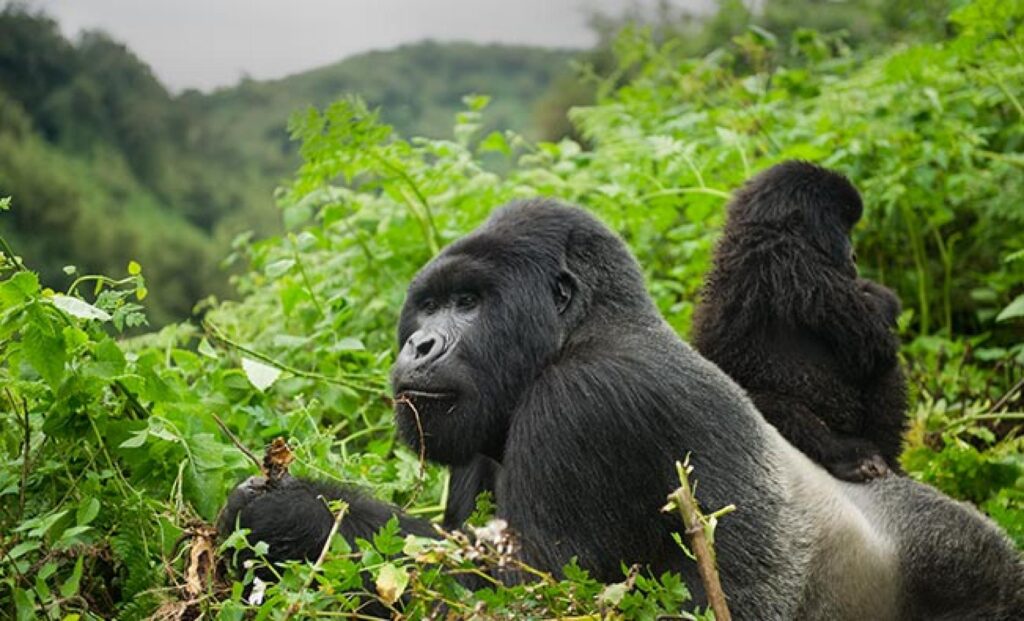
3-Day Bwindi Gorilla Trekking Safari
3-Day Bwindi Gorilla Trekking Safari
4-Day Uganda Gorilla Trekking Safari
4-Day Uganda Gorilla Trekking Safari
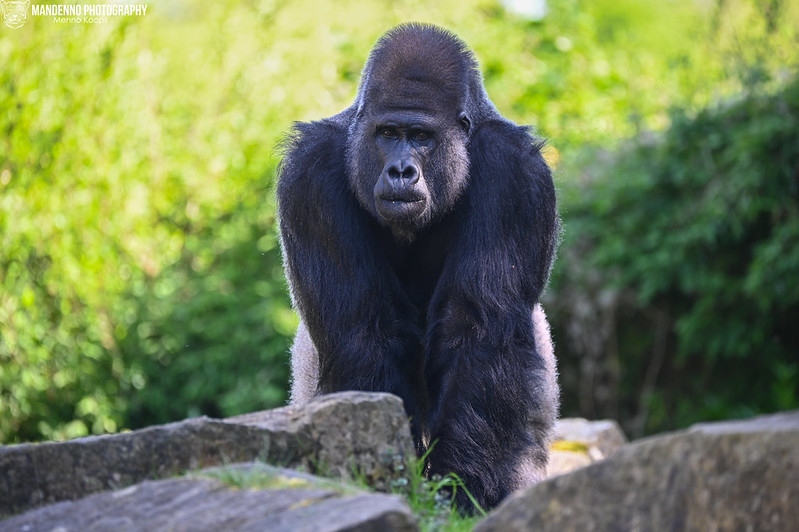
5-Day Gorilla Tracking and Wildlife Safari
5-Day Gorilla Tracking and Wildlife Safari
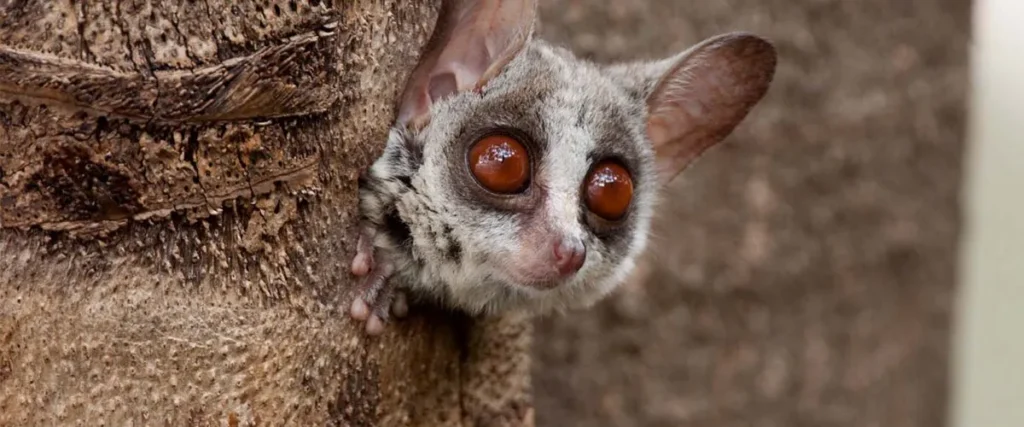
7-Day Uganda Primate Adventure & Wildlife Safari
7-Day Uganda Primate Adventure & Wildlife Safari
10-Day Gorilla Trekking & Big Five Safari in Uganda
10-Day Gorilla Trekking & Big Five Safari in Uganda
12-Day Uganda Gorilla Trekking, Chimp Tracking & Cultural Safari
12-Day Uganda Gorilla Trekking, Chimp Tracking & Cultural Safari
14-Day Best of Uganda Safari – Gorillas, Wildlife, Cultures
14-Day Best of Uganda Safari – Gorillas, Wildlife, Cultures
African Fish Eagle, The Voice and Spirit of Africa’s Great Waters
Scientific Classification and Distinctive Physical Traits
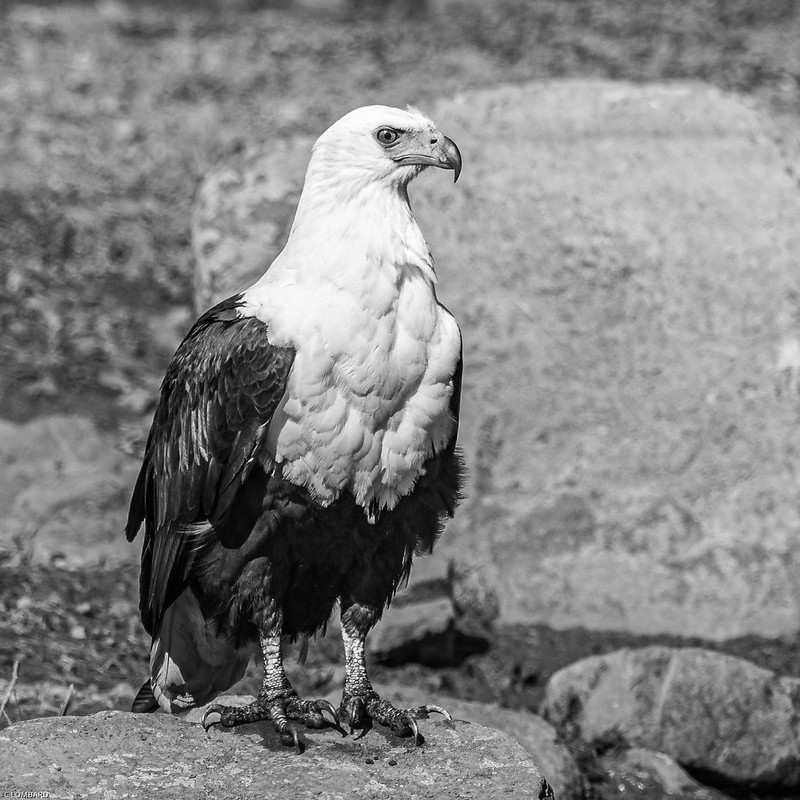
The African Fish Eagle, Haliaeetus vocifer, is a member of the sea eagle family, yet it is primarily a freshwater hunter rather than a coastal bird. Its striking appearance makes it one of the most instantly recognizable raptors in Africa. The head, neck, and upper chest are a vivid, snowy white, sharply contrasting with the rich, dark brown of the wings and body. Its piercing yellow eyes convey alertness and intelligence, while the robust, hooked beak is perfectly designed to seize and hold slippery prey.
Adult eagles have an imposing wingspan that often exceeds two meters, allowing them to glide gracefully over rivers and lakes with minimal effort. Sexual dimorphism is evident, with females noticeably larger than males, giving them an advantage in capturing prey. The eagle’s talons are uniquely adapted with rough, spiky pads, enabling it to firmly grasp wriggling fish, a vital adaptation that demonstrates the species’ mastery of aquatic hunting.
Habitat and Distribution Across Africa
The African Fish Eagle thrives wherever freshwater ecosystems provide abundant fish. It is widely distributed across sub-Saharan Africa, frequenting major lakes such as Victoria, Tanganyika, and Malawi, as well as rivers including the Nile, Zambezi, and Okavango. Wetlands, reservoirs, and occasionally freshwater coastal lagoons also host these eagles when prey is plentiful.
Ideal habitats feature tall trees, rocky outcrops, or other elevated perches near water, which serve as vantage points for hunting and nesting. While the species is adaptable and relatively widespread, local populations can decline rapidly if water quality deteriorates, fish stocks diminish, or nesting sites are destroyed. Its dependence on healthy aquatic ecosystems highlights its role as an ecological indicator.
Diet and Hunting Techniques
Fish dominate the African Fish Eagle’s diet, with tilapia and catfish among its most common prey. Hunting is typically performed from above, with the eagle soaring high, scanning the water below, and then swooping down with talons extended just beneath the surface to snatch its target. Unlike ospreys, it rarely dives completely underwater, relying instead on speed, precision, and expert timing to secure its meal.
In addition to fish, African Fish Eagles are opportunistic predators. They may hunt waterbirds, scavenge carrion, or engage in kleptoparasitism by stealing prey from other birds. This versatility allows them to survive across a wide range of habitats and conditions, from pristine lakes to heavily fished rivers.
Breeding and Nesting Behavior
African Fish Eagles are strongly territorial and frequently mate for life. Breeding pairs maintain large territories along waterways, aggressively defending them against intruders. Their nests are massive, carefully constructed from sticks and lined with softer materials like grass and leaves, and can grow to enormous sizes over successive seasons, sometimes weighing hundreds of kilograms.
Females typically lay one to three eggs per season, with an incubation period of approximately six weeks. Both parents participate in chick-rearing, though the female handles most of the incubation while the male provides a steady supply of food. Juveniles fledge after roughly ten weeks, yet they may remain dependent on parental care for several more months as they learn to hunt and navigate their aquatic environment.
Cultural Significance and Symbolism
The African Fish Eagle holds deep cultural resonance across Africa. Its distinctive call and majestic presence have inspired folklore, music, national symbols, and local storytelling. It is the national bird of countries including Zambia, Zimbabwe, and South Sudan, representing ideals such as strength, freedom, vigilance, and resilience.
For safari-goers and river cruise travelers, witnessing an African Fish Eagle perched above a lake or swooping gracefully for a fish often becomes an unforgettable moment, embodying the essence of Africa’s wilderness in a single, awe-inspiring sight.
Conservation Status and Environmental Threats
Currently classified as a species of least concern, the African Fish Eagle’s overall survival is stable. However, localized threats persist, including pollution, overfishing, habitat degradation, and the loss of mature nesting trees. Human interventions such as dams and water diversion can alter river flows and reduce fish availability, impacting breeding success and long-term population health.
Protecting freshwater ecosystems benefits not only African Fish Eagles but the countless other species dependent on these habitats. Conservation measures focused on sustainable water management, habitat preservation, and pollution control are essential to ensure this iconic bird continues to thrive across its natural range.
Prime Locations for Observation
Some of the best sites for observing African Fish Eagles include Uganda’s Lake Victoria and Murchison Falls National Park, Botswana’s Okavango Delta, Zambia’s Lower Zambezi, Tanzania’s Lake Manyara, and Kenya’s Rift Valley lakes. Early morning and late afternoon are particularly rewarding, as eagles are most active in hunting and vocalizing during these times. Observers may witness the dramatic sight of a fish eagle gliding over water before diving with lightning speed to capture prey.
Ecological and Symbolic Importance
The African Fish Eagle is more than just a predator; it serves as a sentinel of Africa’s freshwater ecosystems. Its presence indicates healthy rivers, lakes, and wetlands. Observing or hearing this bird in the wild connects people to the vitality of aquatic habitats and the broader natural world. As an emblem of wilderness, resilience, and ecological balance, the African Fish Eagle reminds us of the intertwined fates of species, people, and the water systems on which all life depends.
More Gorilla Trekking Information to Know.
Gorilla trekking goes far beyond just the hike — it’s a deep, emotional journey into the heart of Africa’s last wild rainforests. Knowing the right timing, permits, fitness tips, and park details can turn your experience from good to unforgettable.
Bwindi Gorilla Trekking — The Four Sectors Explained
Bwindi Gorilla Trekking — The Four Sectors Explained
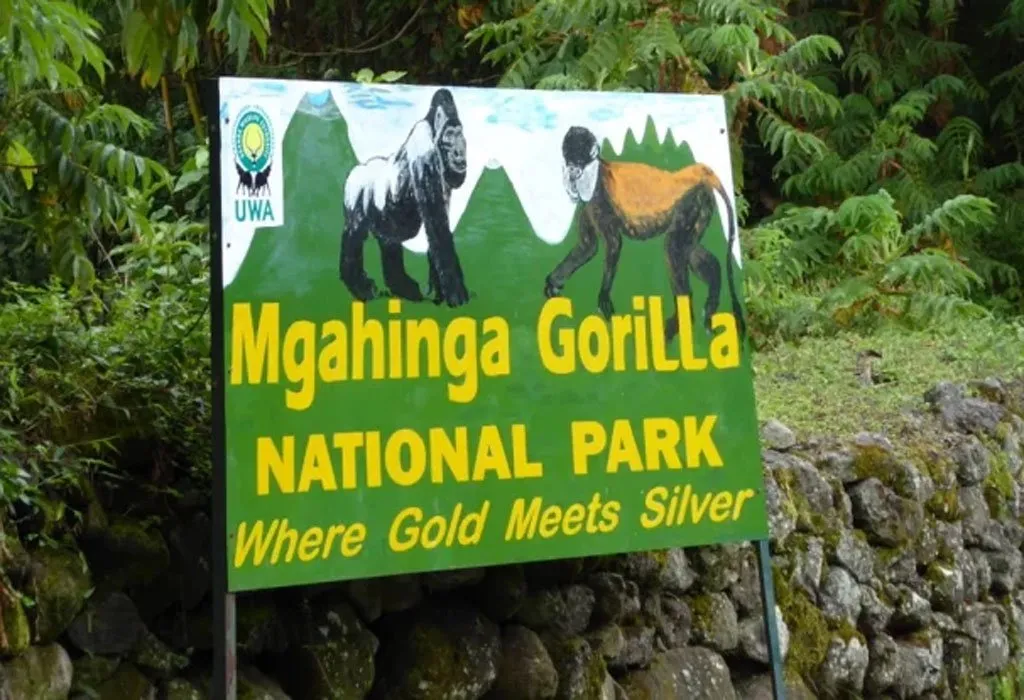
Trekking Gorillas in Mgahinga National Park
Trekking Gorillas in Mgahinga National Park
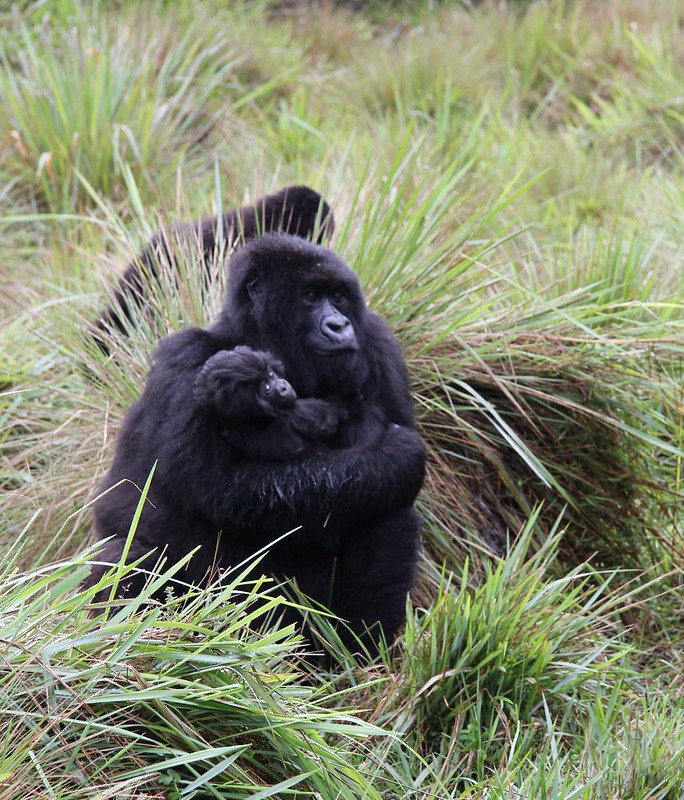
Uganda Gorilla Trekking Permits – Prices, Booking, & Travel Tips
Uganda Gorilla Trekking Permits – Prices, Booking, & Travel Tips

What to Pack for Gorilla Trekking in Uganda – Expert Checklist
What to Pack for Gorilla Trekking in Uganda – Expert Checklist
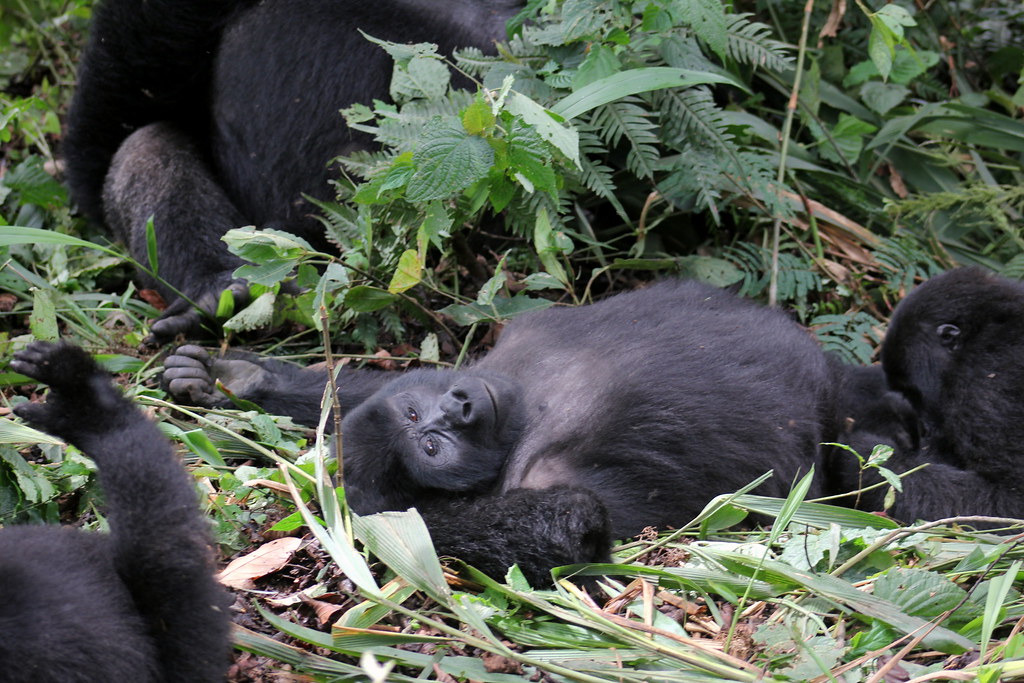
Best Time to Go Gorilla Trekking in Uganda – Weather & Seasons
Best Time to Go Gorilla Trekking in Uganda – Weather & Seasons
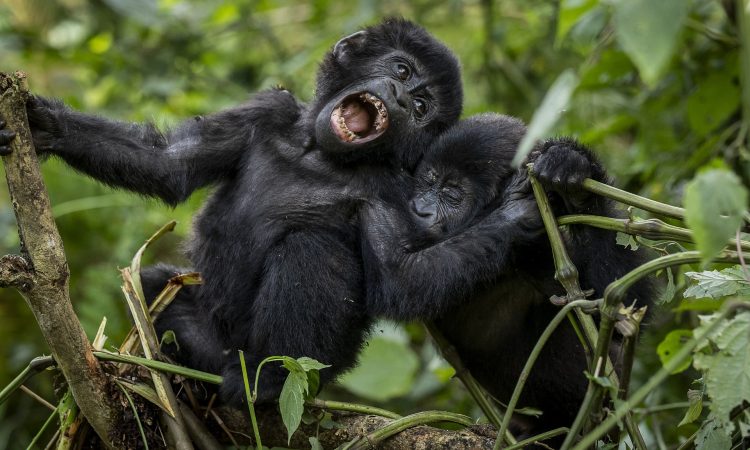
Gorilla Trekking Difficulty in Uganda – Fitness & Trail Guide
Gorilla Trekking Difficulty in Uganda – Fitness & Trail Guide
Gorilla Trekking Rules in Uganda – Safety, Respect & Ethics
Gorilla Trekking Rules in Uganda – Safety, Respect & Ethics
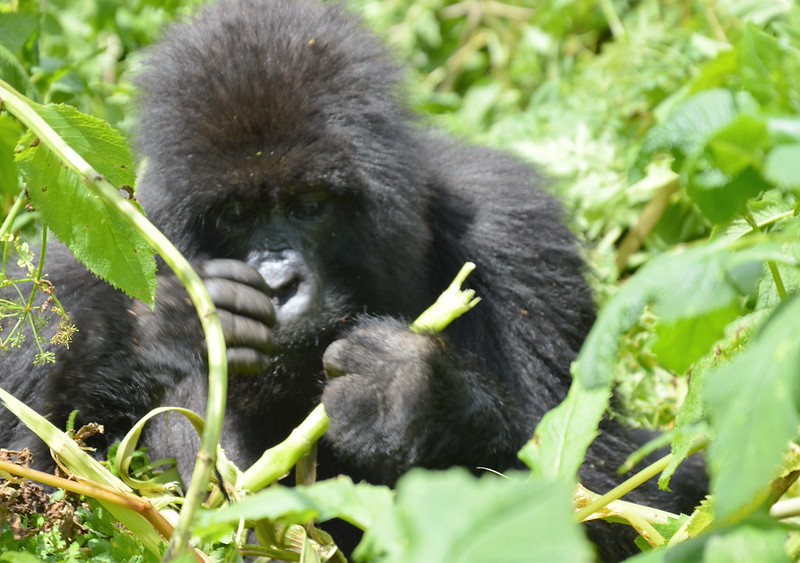
Gorilla Conservation in Uganda – Protecting the Mountain Giants
Gorilla Conservation in Uganda – Protecting the Mountain Giants
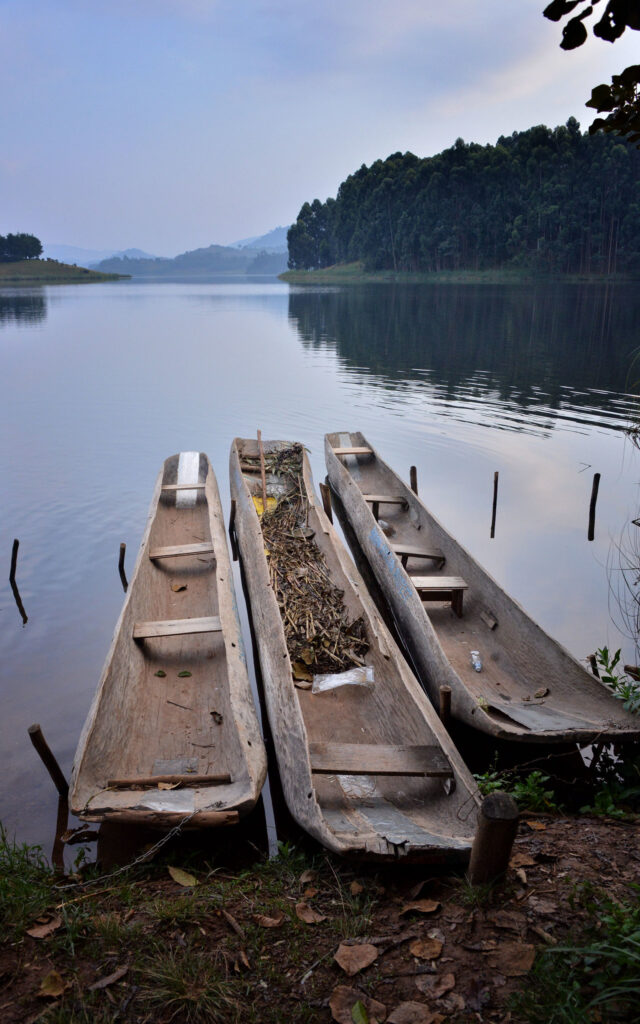
Bwindi vs. Mgahinga – Which One to Choose For Gorilla Trekking?
Bwindi vs. Mgahinga – Which One to Choose For Gorilla Trekking?
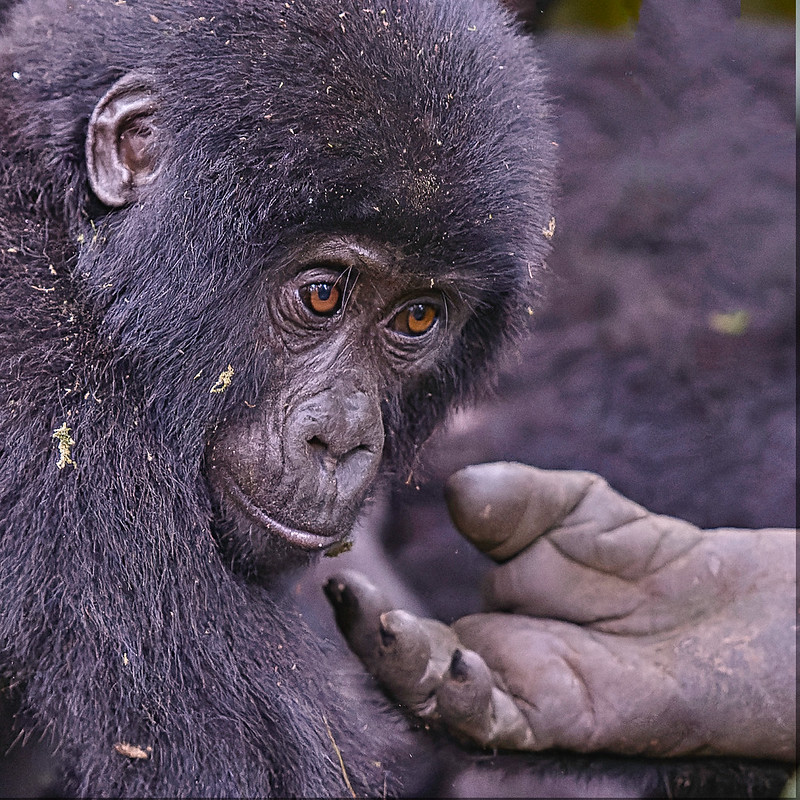
How to Stay Safe and Healthy While Traveling in Uganda
How to Stay Safe and Healthy While Traveling in Uganda
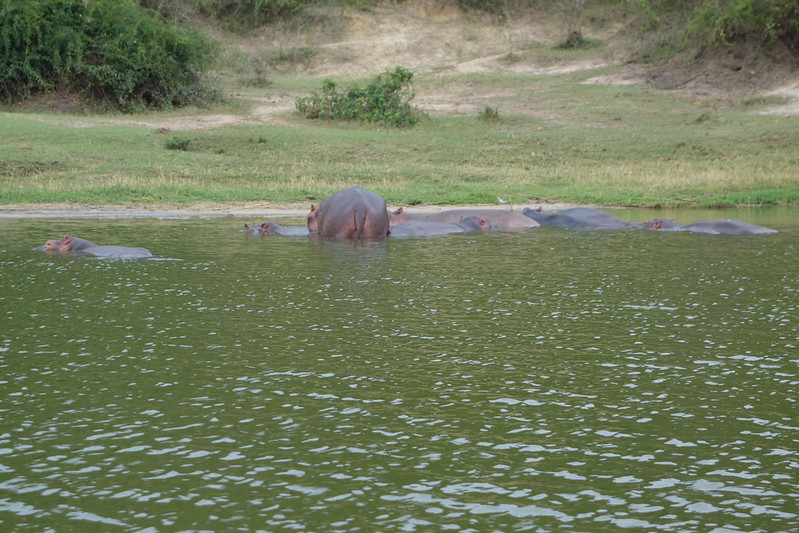
Routes, Tips & Travel Wisdom for Getting to Bwindi or Mgahinga
Routes, Tips & Travel Wisdom for Getting to Bwindi or Mgahinga

Accommodation Options: Lodges & Camps in Bwindi and Mgahinga
Accommodation Options: Lodges & Camps in Bwindi and Mgahinga
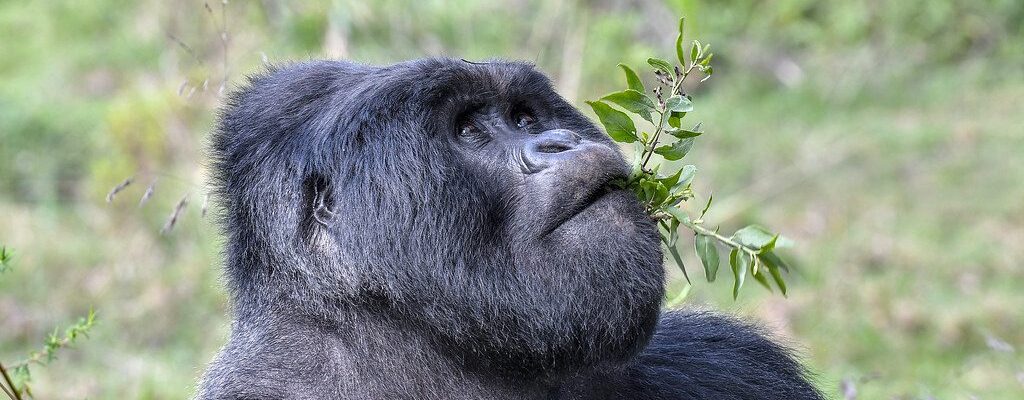
Protecting What You Came to See: Gorilla Conservation & Ethics
Protecting What You Came to See: Gorilla Conservation & Ethics
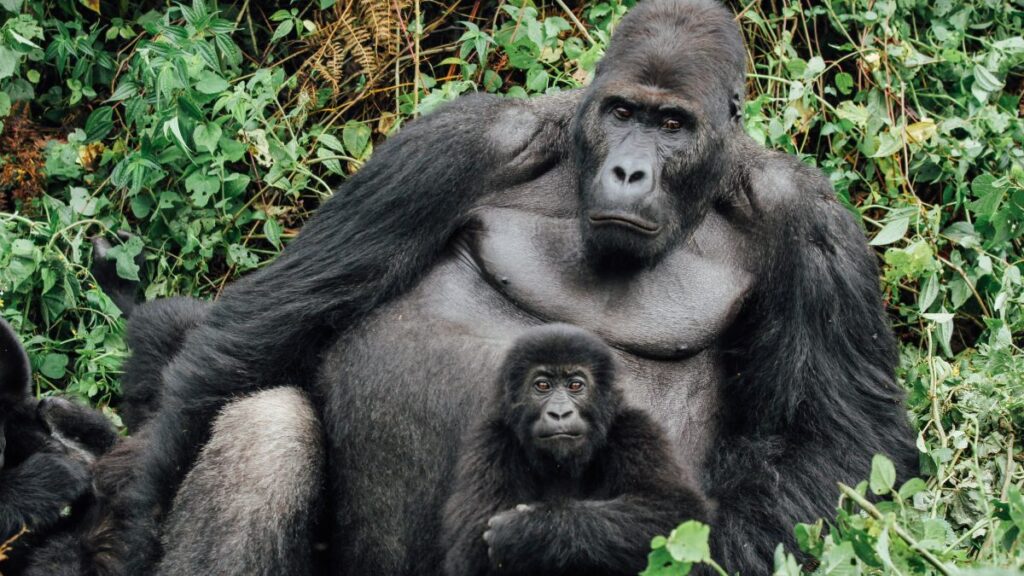
Travel Insurance for Gorilla Treks: Before You Go
Travel Insurance for Gorilla Treks: Before You Go
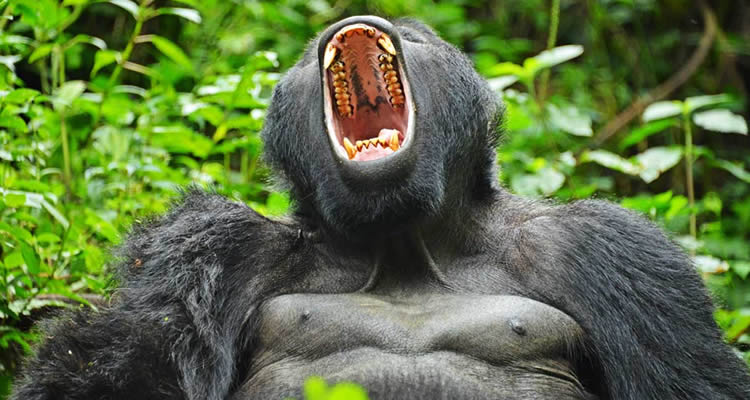
First Time Gorilla Trekking? Here’s Everything I Wish I Knew
First Time Gorilla Trekking? Here’s Everything I Wish I Knew
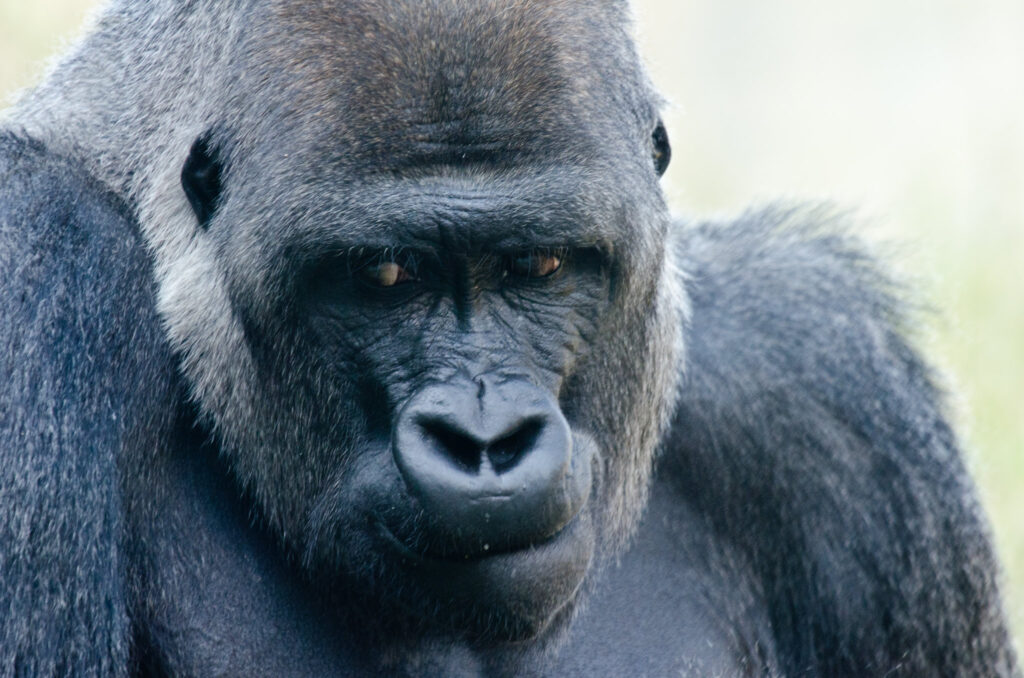
Step by Step: What Happens During a Gorilla Trekking Day
Step by Step: What Happens During a Gorilla Trekking Day
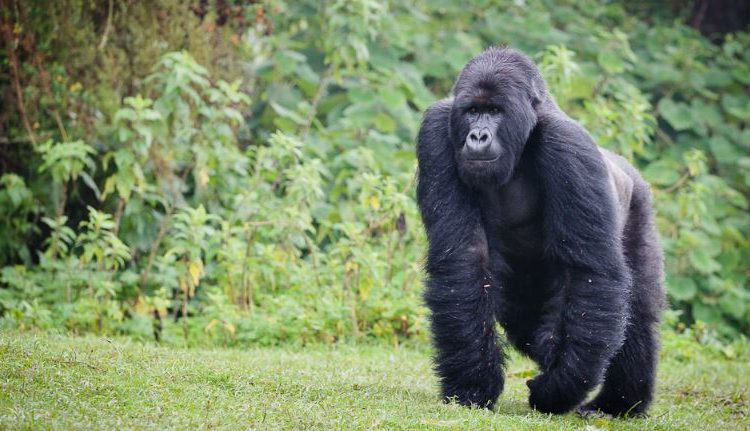
Gorilla Trekking vs. Gorilla Tracking – What’s the Real Difference?
Gorilla Trekking vs. Gorilla Tracking – What’s the Real Difference?
Beyond Gorillas: Other Wildlife You Can See During Your Trek
Beyond Gorillas: Other Wildlife You Can See During Your Trek
In the Realm of Giants – Bwindi & Mgahinga in Frames.
Wander through an elegant gallery capturing Uganda’s most exclusive gorilla sanctuaries, where ancient forests cradle the last mountain gorillas in a world of mist, mystery, and majesty.
Essential Planning Tips for Visiting Uganda’s National Parks.
Get ready for the wild heart of Africa with expert travel tips on when to visit, what to pack, where to go, and how to make the most of your safari across Uganda’s breathtaking national parks.
Why Uganda for Gorilla Trekking?
Uganda is not just a destination — it's the very soul of gorilla trekking. With over half of the world’s remaining mountain gorillas calling its misty forests home, Uganda offers the rarest encounters in their most authentic setting. Here, your journey is not rushed or crowded. Instead, you’re guided by experienced rangers through pristine jungles where gorillas live as they always have — wild, free, and magnificent
From insider travel insights to unforgettable trekking guides, our blog is your trusted path into Uganda’s wild heart — connecting you with mountain gorillas, breathtaking landscapes, and the soul-stirring adventures that make this land unlike any other.