
Where the soul of the forest whispers in the mist
Across Africa and around the world, conservation has evolved into a shared responsibility rather than a mission limited to scientists or governments. Today, travelers, wildlife enthusiasts, and everyday individuals play an increasingly active role in protecting fragile ecosystems, endangered species, and the communities that depend on them. This shift reflects a growing awareness that meaningful preservation requires collaboration at every level, from grassroots initiatives to global partnerships.
Volunteering with or supporting reputable conservation organizations offers a powerful way to move beyond passive observation and become part of tangible solutions. Whether contributing time in the field, offering professional skills, providing financial support, or advocating for responsible tourism and environmental policies, individuals can create measurable impact. Such involvement transforms travel into purpose, turning curiosity into stewardship and admiration into action.
For many individuals, the motivation to volunteer or support conservation arises after witnessing environmental pressure firsthand. Encountering endangered species in shrinking habitats, observing fragile ecosystems under strain, or meeting communities that coexist closely with wildlife can spark a powerful desire to contribute in a meaningful way. These experiences often transform admiration into responsibility, encouraging people to seek practical avenues for positive impact.
In response, conservation organizations have developed structured and ethical programs that channel this goodwill effectively. Modern initiatives are designed to balance ecosystem protection with education, scientific research, and tangible community benefits. Volunteers and supporters are guided by clear frameworks that prioritize sustainability, cultural sensitivity, and long-term outcomes rather than short-term visibility.
So lace up your boots, grab your camera, and prepare to meet the wild — this is where your gorilla trekking dreams and unforgettable safari adventures truly begin.
Truly Iconic Highlights in Uganda

Trek through Bwindi’s mystical rainforest and meet the endangered mountain gorillas in their breathtaking natural home.
Encounter mountain gorillas and golden monkeys on Mgahinga’s misty volcanic trails, where culture and alpine wildlife thrive together.
Unwind after your trek with a peaceful canoe ride across Lake Bunyonyi, Uganda’s most tranquil and scenic highland lake.
Enhance your gorilla trekking safari with an optional chimpanzee encounter in Uganda’s lush forests, adding depth and diversity to your primate adventure
Gorilla Trekking Tours in Uganda – Our Most Popular Itineraries.
Explore our gorilla trekking safaris for every traveler—solo, family, budget, or luxury. All tours include permits, transport, accommodation, meals, and park fees. Whether for a quick trip or a deeper adventure, we’ve got you covered.
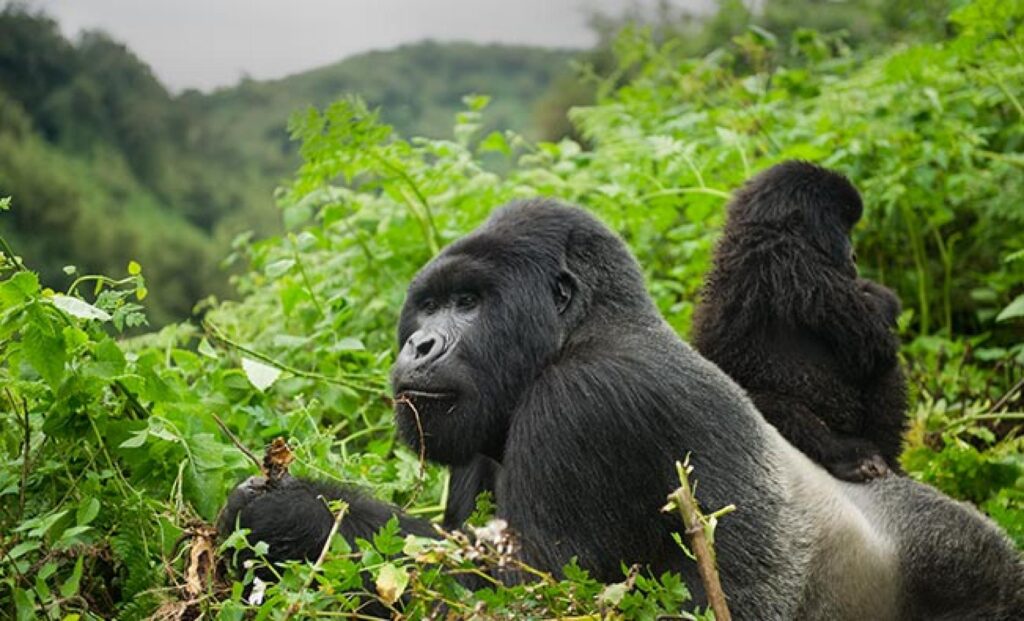
3-Day Bwindi Gorilla Trekking Safari
3-Day Bwindi Gorilla Trekking Safari
4-Day Uganda Gorilla Trekking Safari
4-Day Uganda Gorilla Trekking Safari
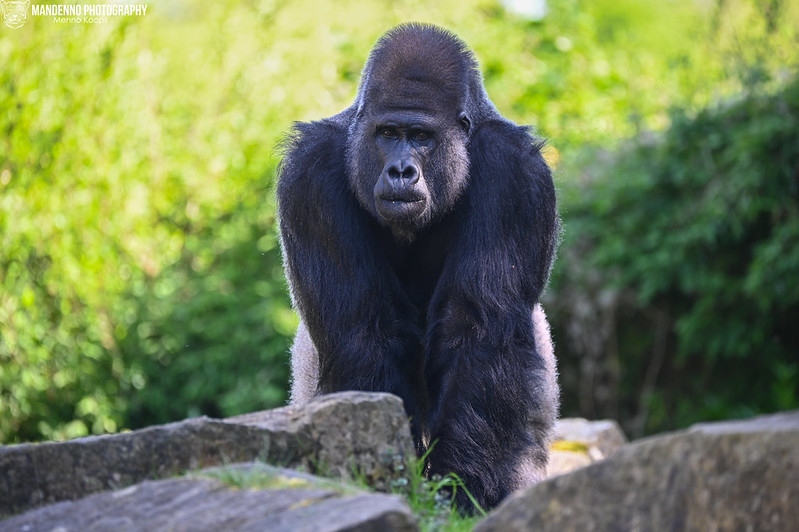
5-Day Gorilla Tracking and Wildlife Safari
5-Day Gorilla Tracking and Wildlife Safari
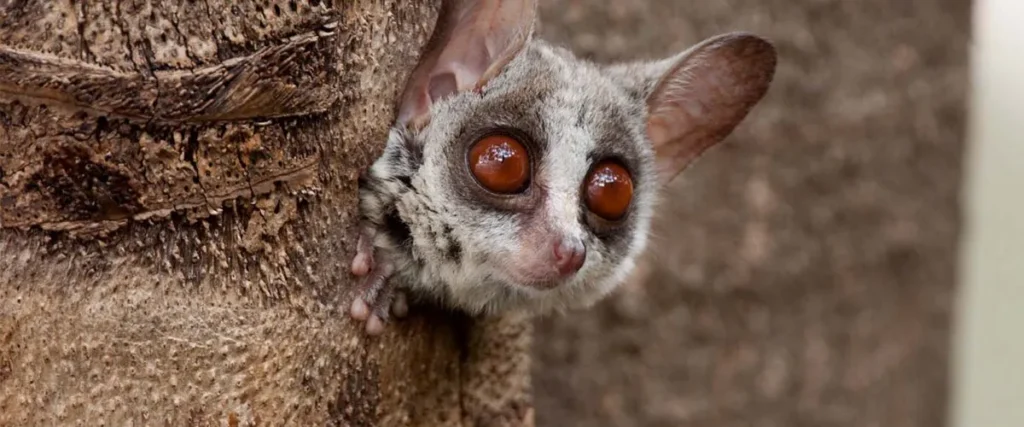
7-Day Uganda Primate Adventure & Wildlife Safari
7-Day Uganda Primate Adventure & Wildlife Safari
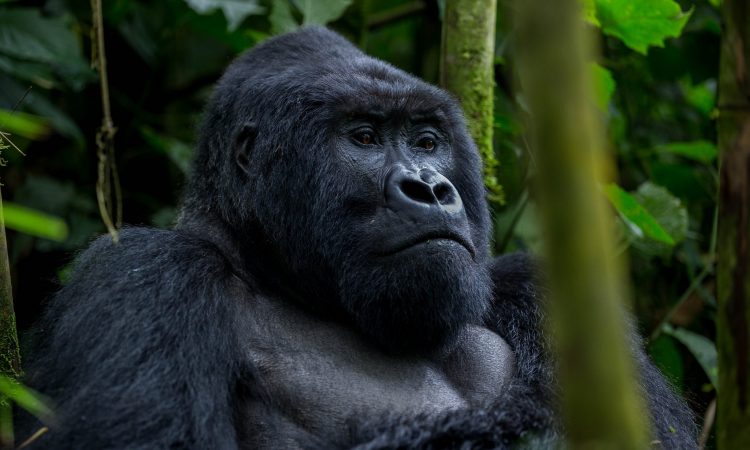
10-Day Gorilla Trekking & Big Five Safari in Uganda
10-Day Gorilla Trekking & Big Five Safari in Uganda
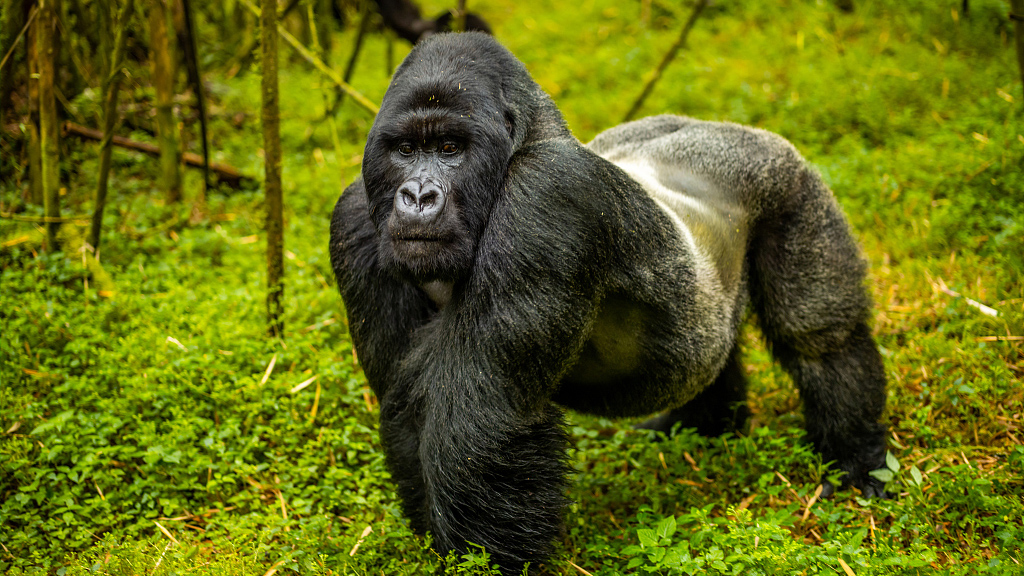
12-Day Uganda Gorilla Trekking, Chimp Tracking & Cultural Safari
12-Day Uganda Gorilla Trekking, Chimp Tracking & Cultural Safari
14-Day Best of Uganda Safari – Gorillas, Wildlife, Cultures
14-Day Best of Uganda Safari – Gorillas, Wildlife, Cultures
Giving Back to the Wild – Volunteering and Supporting Conservation Efforts
Volunteering in Conservation Projects
Volunteering in conservation projects provides a direct and practical way for individuals to contribute to environmental protection. Rather than observing from a distance, volunteers become part of daily operations that sustain ecosystems and wildlife populations. Tasks can range from wildlife monitoring and habitat restoration to assisting with research, environmental education, and eco tourism coordination. Structured programs typically include orientation sessions, field training, and supervision to ensure that volunteer efforts align with scientific goals and ethical standards.
Across Africa, conservation volunteering often centers around species and habitats that face increasing pressure from habitat loss, poaching, and climate change. In countries such as Uganda, Kenya, and Tanzania, projects may focus on primate conservation in forest ecosystems, big cat monitoring in savannah reserves, bird surveys in wetlands, or marine protection along coastal areas. Volunteers might accompany rangers on patrols, assist researchers with data collection, help plant indigenous trees, or support community outreach initiatives designed to promote sustainable practices.
Responsible conservation programs place animal welfare and ecological integrity above tourist appeal. This means volunteers are rarely allowed direct physical interaction with wildlife. Instead, emphasis is placed on observation, research support, and habitat management. Clear objectives, measurable outcomes, and collaboration with local authorities ensure that volunteer involvement strengthens long term conservation strategies rather than creating short lived impressions.
Short Term and Long Term Volunteering
Short term volunteering suits travelers who want to contribute meaningfully during a visit without committing to extended stays. These placements typically last from several days to a few weeks. Activities may include assisting with biodiversity surveys, supporting environmental education workshops in local schools, or participating in habitat clean up and restoration work. Although brief, short term volunteers contribute valuable labor and often bring fresh perspectives that energize ongoing projects. Their participation also increases awareness, expanding the network of individuals who advocate for conservation after returning home.
Long term volunteering involves a deeper level of engagement and responsibility. Programs lasting several months or more often require specialized skills or professional qualifications. Research assistants may help analyze wildlife movement patterns, veterinary volunteers may support health monitoring initiatives, and conservation managers may assist with planning and data reporting. In protected areas such as Serengeti National Park or forest reserves near Bwindi Impenetrable National Park, continuity is essential for tracking long term ecological trends. Extended placements allow volunteers to integrate into local teams, build trust within communities, and contribute to sustained capacity development.
Supporting Conservation Without Field Volunteering
Direct field participation is not the only path to meaningful impact. Financial support remains one of the most powerful ways to strengthen conservation initiatives. Donations fund ranger patrols, scientific research, anti poaching operations, habitat restoration, and education programs that engage surrounding communities. Transparent organizations provide clear breakdowns of how funds are allocated, ensuring accountability and measurable outcomes.
Symbolic animal adoptions, research sponsorships, and contributions toward land acquisition for protected areas offer additional avenues for involvement. Regular contributions, even modest ones, provide stable funding streams that allow conservation groups to plan beyond immediate operational needs. This consistency supports infrastructure improvements, equipment purchases, and staff training that might otherwise be unattainable.
Skills Based and Remote Support
Conservation organizations often require professional expertise beyond fieldwork. Skills in web development, graphic design, accounting, legal compliance, communications, and fundraising are critical for maintaining operational stability and public engagement. Remote volunteers can assist with website optimization, donor management systems, grant writing, data visualization, or strategic marketing campaigns.
This form of contribution strengthens organizations structurally. Improved digital presence increases global awareness, accurate financial management builds donor confidence, and effective storytelling attracts sustainable partnerships. Professionals who align their career skills with conservation goals create lasting impact without necessarily traveling to project sites.
Community Based Conservation Support
Effective conservation depends on the inclusion and empowerment of local communities. Community based initiatives recognize that people living alongside wildlife must benefit from its protection. Supporting programs that promote sustainable agriculture, alternative livelihoods, eco tourism enterprises, and environmental education creates economic incentives tied directly to conservation success.
In regions surrounding protected areas such as Maasai Mara National Reserve, collaborative conservancy models share tourism revenue with local landowners. This approach reduces human wildlife conflict, encourages habitat preservation, and strengthens long term stewardship. Education initiatives further cultivate environmental awareness among younger generations, embedding conservation values within community identity.
Choosing Ethical and Responsible Organizations
Careful selection of conservation partners is essential. Ethical organizations operate transparently, publish clear financial reports, collaborate with local stakeholders, and adhere to established scientific standards. They outline volunteer responsibilities realistically, avoid exploitative wildlife encounters, and emphasize sustainable outcomes rather than superficial experiences.
Prospective supporters benefit from reviewing independent assessments, verifying organizational affiliations, and understanding how projects measure success. Responsible conservation relies on partnership, cultural sensitivity, and long term planning. Aligning with credible groups ensures that contributions, whether financial, professional, or physical, translate into tangible ecological and social benefits.
Conservation Support Through Travel Decisions
Travel choices themselves can reinforce conservation objectives. Selecting lodges, tour operators, and experiences that actively invest in habitat protection and community initiatives channels tourism revenue into meaningful action. Many safari properties near Serengeti National Park and Bwindi Impenetrable National Park allocate a portion of guest fees toward wildlife monitoring, anti poaching units, and local education projects.
Asking informed questions about conservation contributions, waste management practices, and community partnerships transforms travelers into engaged participants. Each decision, from accommodation selection to excursion booking, becomes part of a broader system that supports environmental protection and responsible development.
More Gorilla Trekking Information to Know.
Gorilla trekking goes far beyond just the hike — it’s a deep, emotional journey into the heart of Africa’s last wild rainforests. Knowing the right timing, permits, fitness tips, and park details can turn your experience from good to unforgettable.
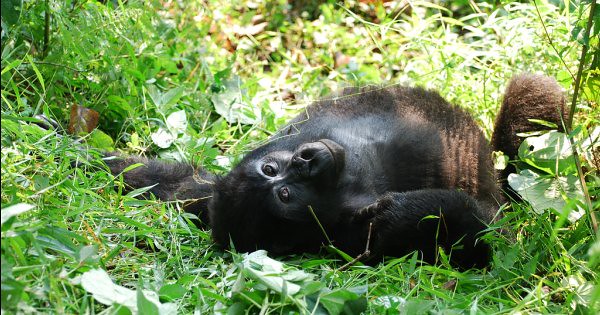
Bwindi Gorilla Trekking — The Four Sectors Explained
Bwindi Gorilla Trekking — The Four Sectors Explained
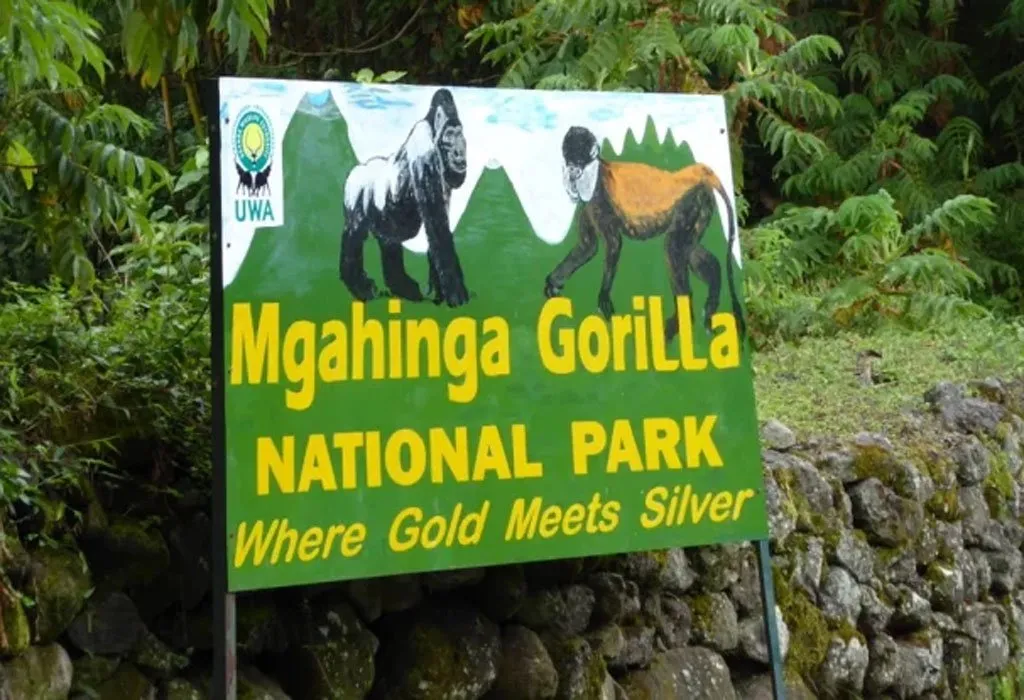
Trekking Gorillas in Mgahinga National Park
Trekking Gorillas in Mgahinga National Park
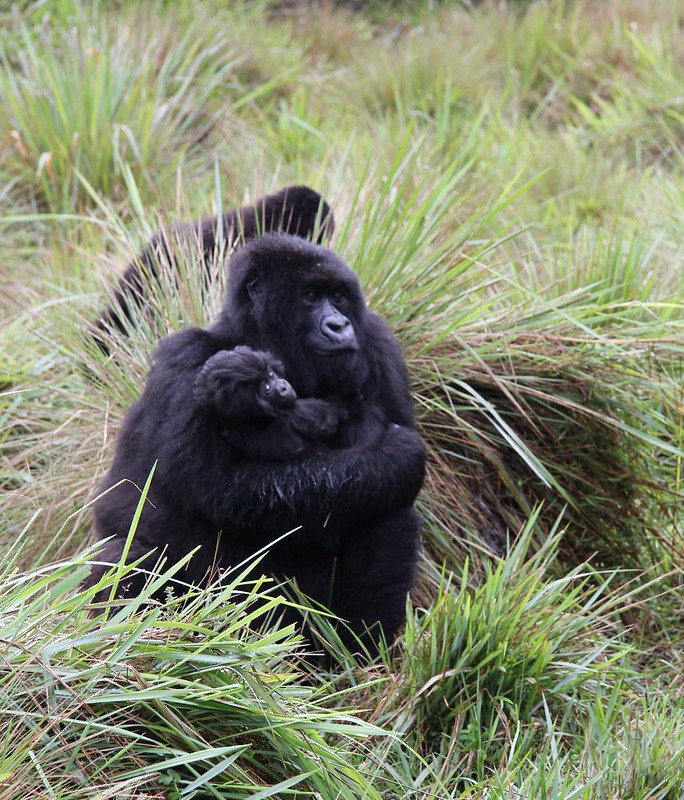
Uganda Gorilla Trekking Permits – Prices, Booking, & Travel Tips
Uganda Gorilla Trekking Permits – Prices, Booking, & Travel Tips
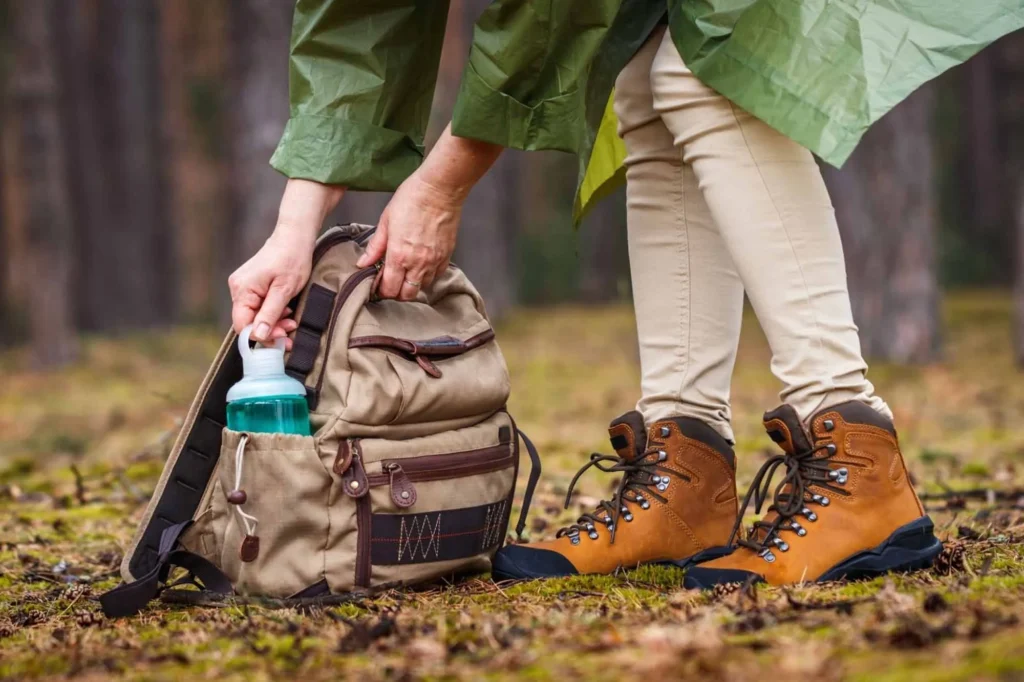
What to Pack for Gorilla Trekking in Uganda – Expert Checklist
What to Pack for Gorilla Trekking in Uganda – Expert Checklist
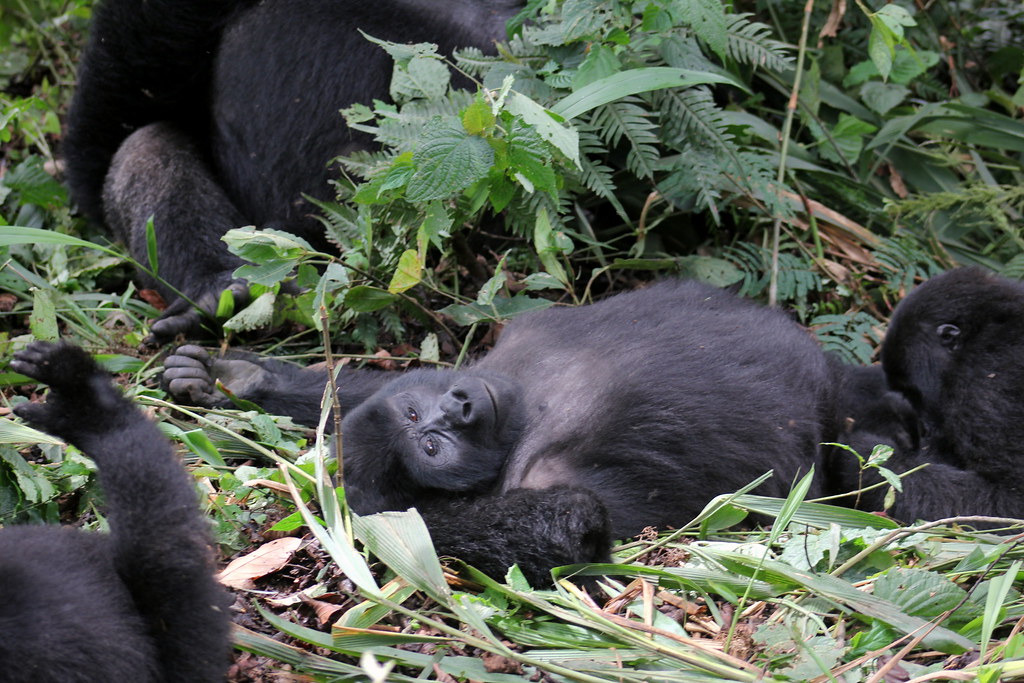
Best Time to Go Gorilla Trekking in Uganda – Weather & Seasons
Best Time to Go Gorilla Trekking in Uganda – Weather & Seasons
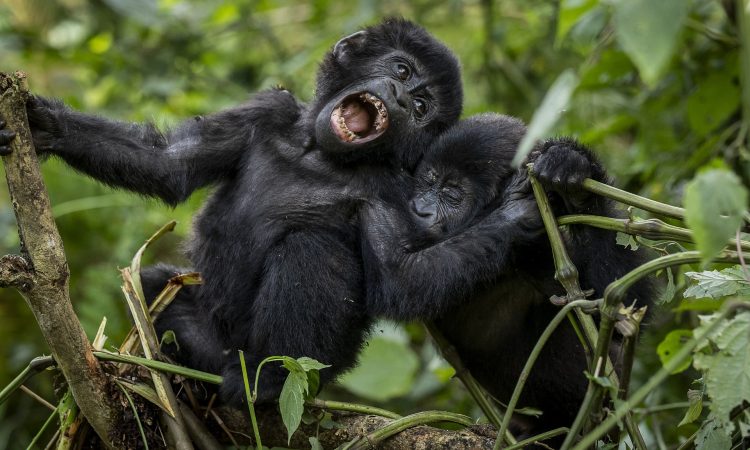
Gorilla Trekking Difficulty in Uganda – Fitness & Trail Guide
Gorilla Trekking Difficulty in Uganda – Fitness & Trail Guide
Gorilla Trekking Rules in Uganda – Safety, Respect & Ethics
Gorilla Trekking Rules in Uganda – Safety, Respect & Ethics
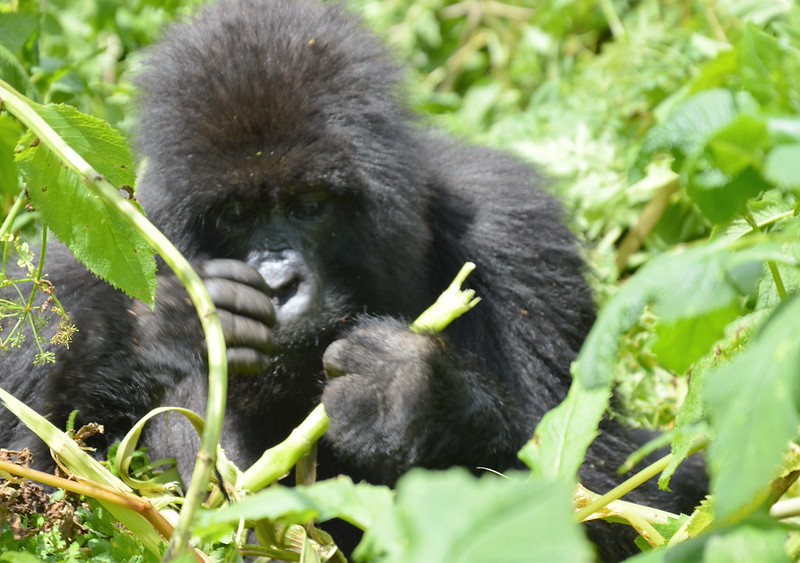
Gorilla Conservation in Uganda – Protecting the Mountain Giants
Gorilla Conservation in Uganda – Protecting the Mountain Giants
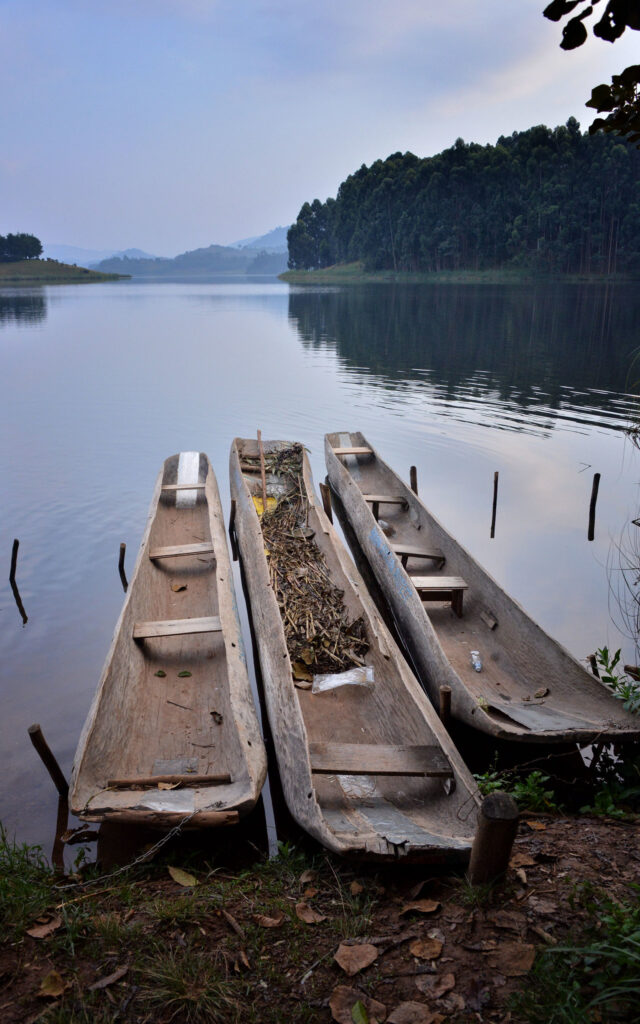
Bwindi vs. Mgahinga – Which One to Choose For Gorilla Trekking?
Bwindi vs. Mgahinga – Which One to Choose For Gorilla Trekking?
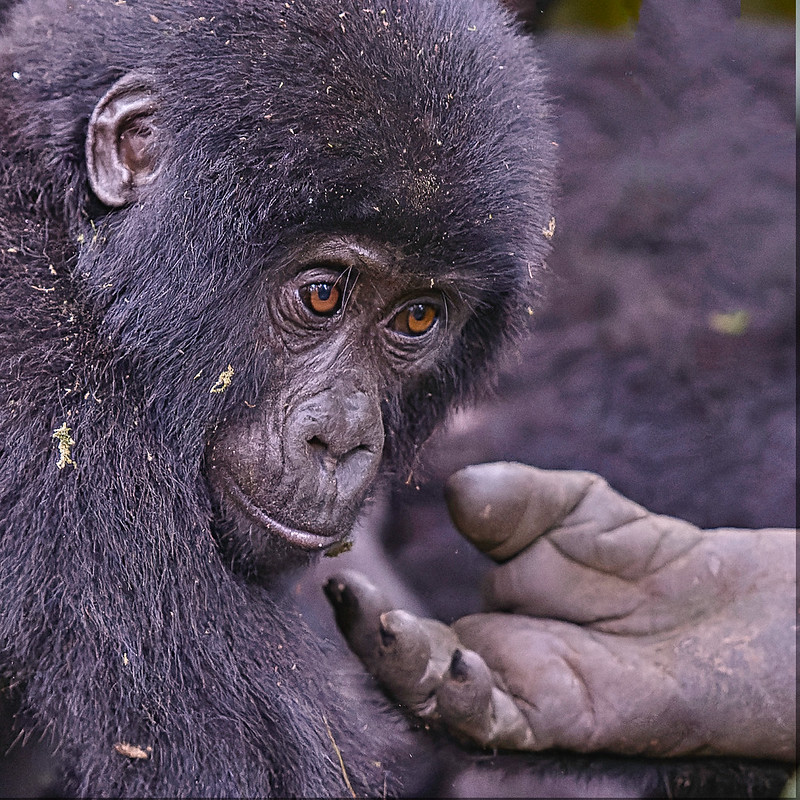
How to Stay Safe and Healthy While Traveling in Uganda
How to Stay Safe and Healthy While Traveling in Uganda
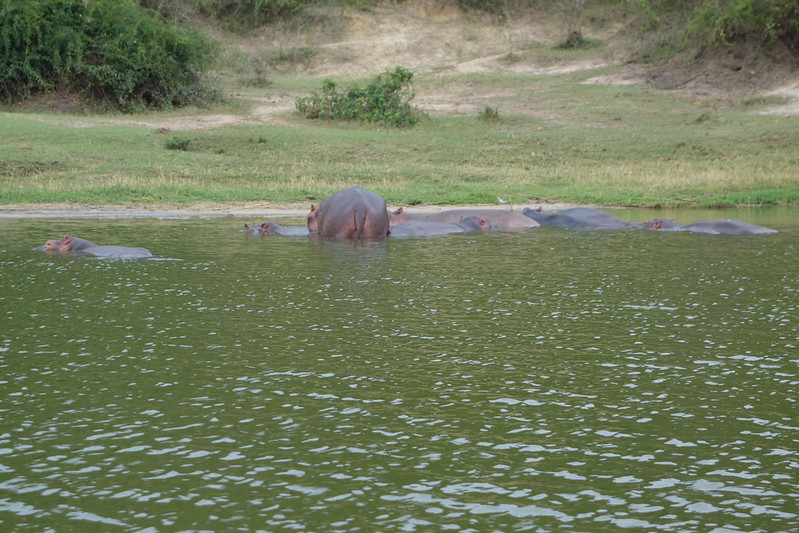
Routes, Tips & Travel Wisdom for Getting to Bwindi or Mgahinga
Routes, Tips & Travel Wisdom for Getting to Bwindi or Mgahinga

Accommodation Options: Lodges & Camps in Bwindi and Mgahinga
Accommodation Options: Lodges & Camps in Bwindi and Mgahinga
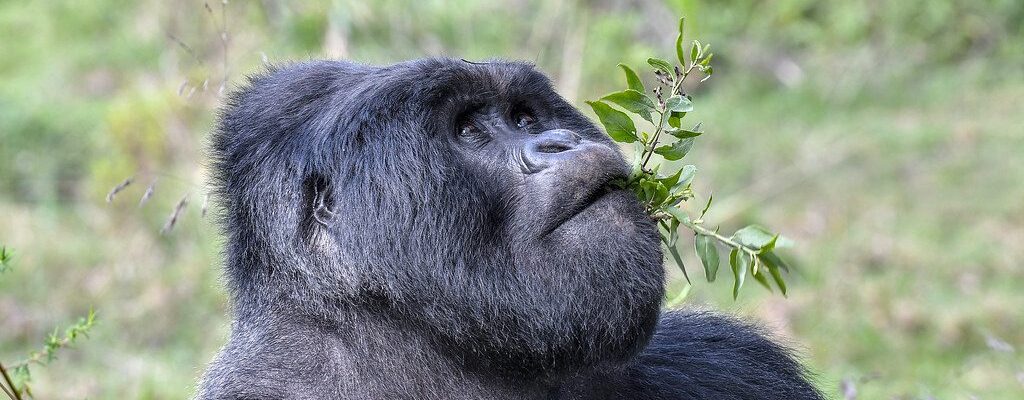
Protecting What You Came to See: Gorilla Conservation & Ethics
Protecting What You Came to See: Gorilla Conservation & Ethics
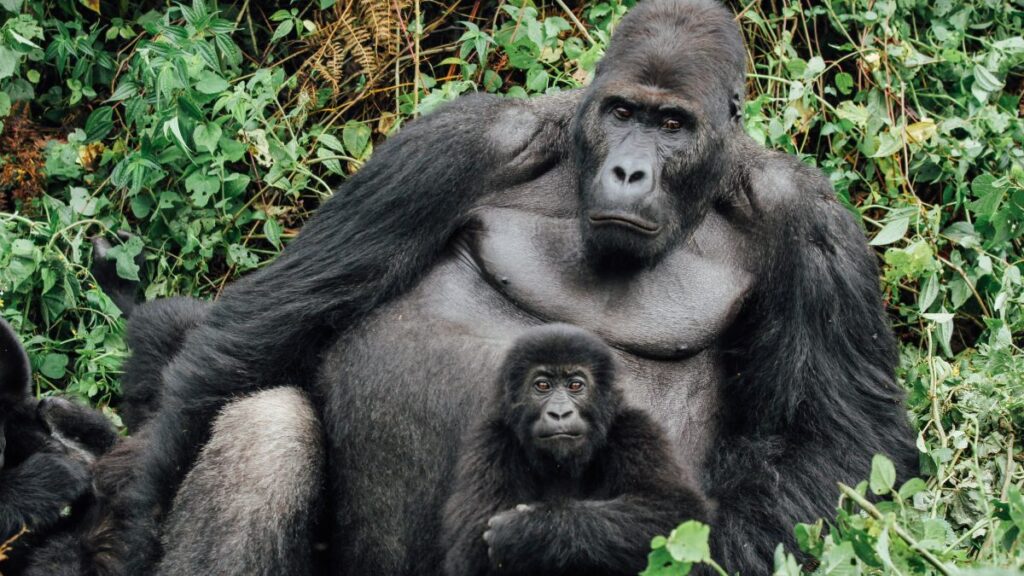
Travel Insurance for Gorilla Treks: Before You Go
Travel Insurance for Gorilla Treks: Before You Go

First Time Gorilla Trekking? Here’s Everything I Wish I Knew
First Time Gorilla Trekking? Here’s Everything I Wish I Knew
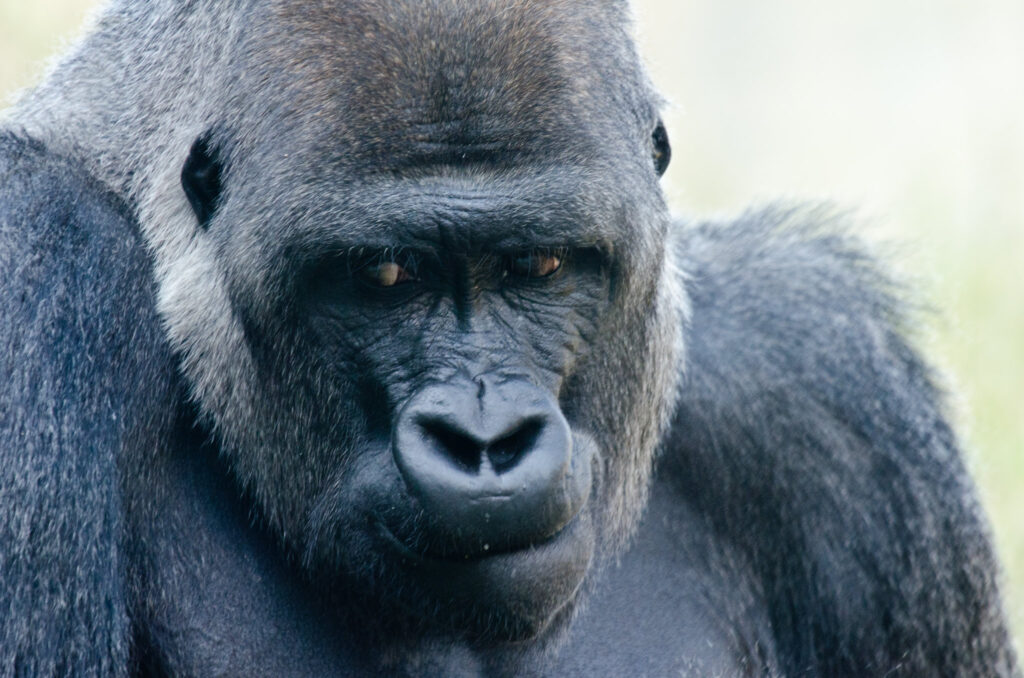
Step by Step: What Happens During a Gorilla Trekking Day
Step by Step: What Happens During a Gorilla Trekking Day
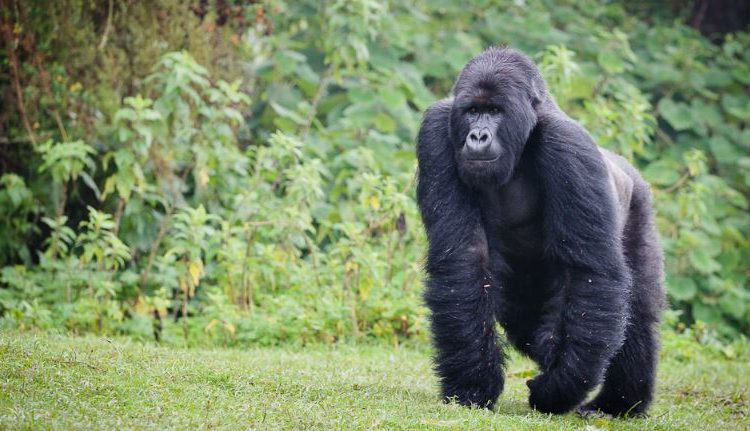
Gorilla Trekking vs. Gorilla Tracking – What’s the Real Difference?
Gorilla Trekking vs. Gorilla Tracking – What’s the Real Difference?
Beyond Gorillas: Other Wildlife You Can See During Your Trek
Beyond Gorillas: Other Wildlife You Can See During Your Trek
In the Realm of Giants – Bwindi & Mgahinga in Frames.
Wander through an elegant gallery capturing Uganda’s most exclusive gorilla sanctuaries, where ancient forests cradle the last mountain gorillas in a world of mist, mystery, and majesty.
Essential Planning Tips for Visiting Uganda’s National Parks.
Get ready for the wild heart of Africa with expert travel tips on when to visit, what to pack, where to go, and how to make the most of your safari across Uganda’s breathtaking national parks.
Why Uganda for Gorilla Trekking?
Uganda is not just a destination — it's the very soul of gorilla trekking. With over half of the world’s remaining mountain gorillas calling its misty forests home, Uganda offers the rarest encounters in their most authentic setting. Here, your journey is not rushed or crowded. Instead, you’re guided by experienced rangers through pristine jungles where gorillas live as they always have — wild, free, and magnificent
From insider travel insights to unforgettable trekking guides, our blog is your trusted path into Uganda’s wild heart — connecting you with mountain gorillas, breathtaking landscapes, and the soul-stirring adventures that make this land unlike any other.