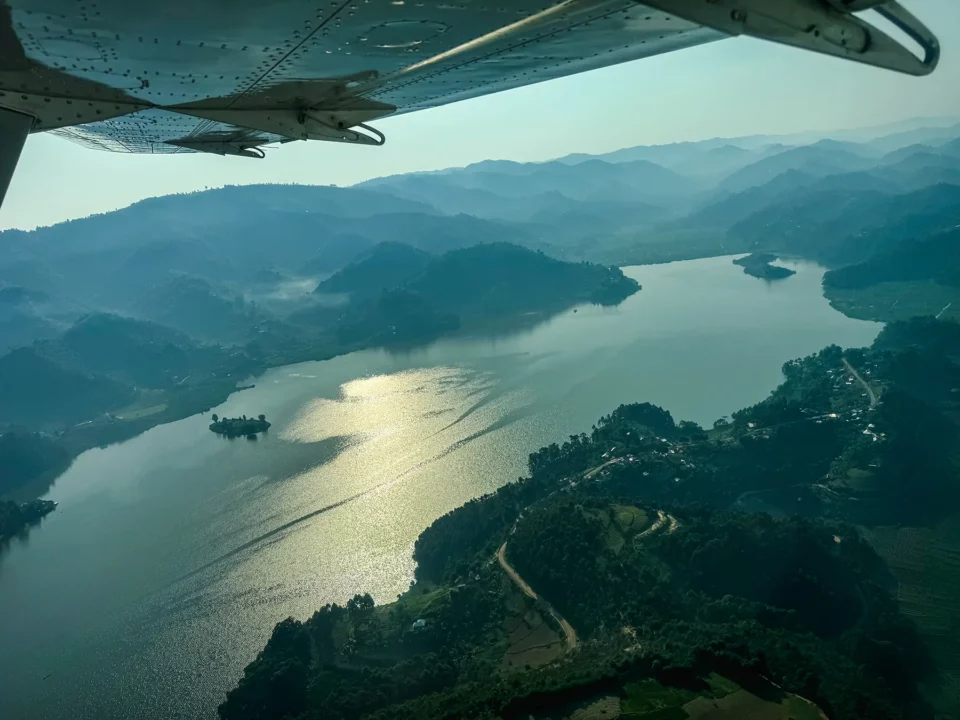
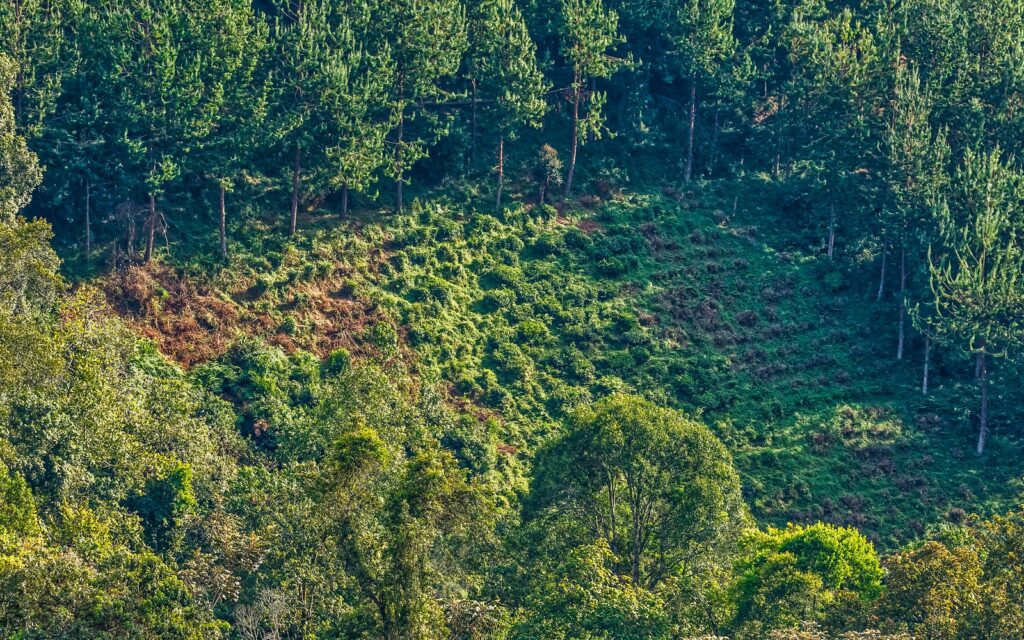
Bwindi Impenetrable National Park sits dramatically along the rugged edge of the Albertine Rift Valley in southwestern Uganda, and its altitude plays a defining role in the park’s landscape, climate, and wildlife. The park ranges from approximately 1,160 meters (3,800 feet) to 2,607 meters (8,553 feet) above sea level, creating one of the most ecologically diverse rainforests in East Africa. This wide elevation range shapes everything from forest structure to trekking conditions, making altitude a key factor in planning a gorilla safari.
Bwindi’s elevation is not just a geographical detail—it directly influences how the forest feels, how wildlife behaves, and how visitors experience the park. The higher you go, the cooler the air becomes, the thicker the vegetation grows, and the more physically demanding the terrain feels. Understanding Bwindi’s altitude helps travelers prepare properly and appreciate why this forest is so unique.
Why Bwindi’s Altitude Is Unique
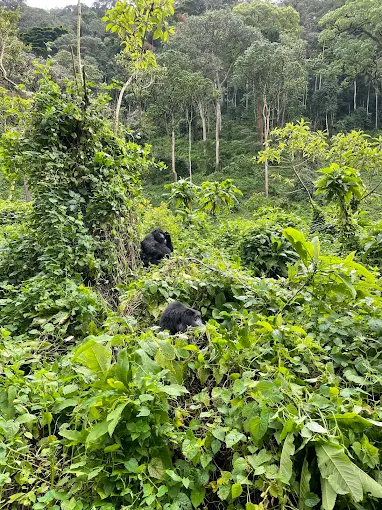
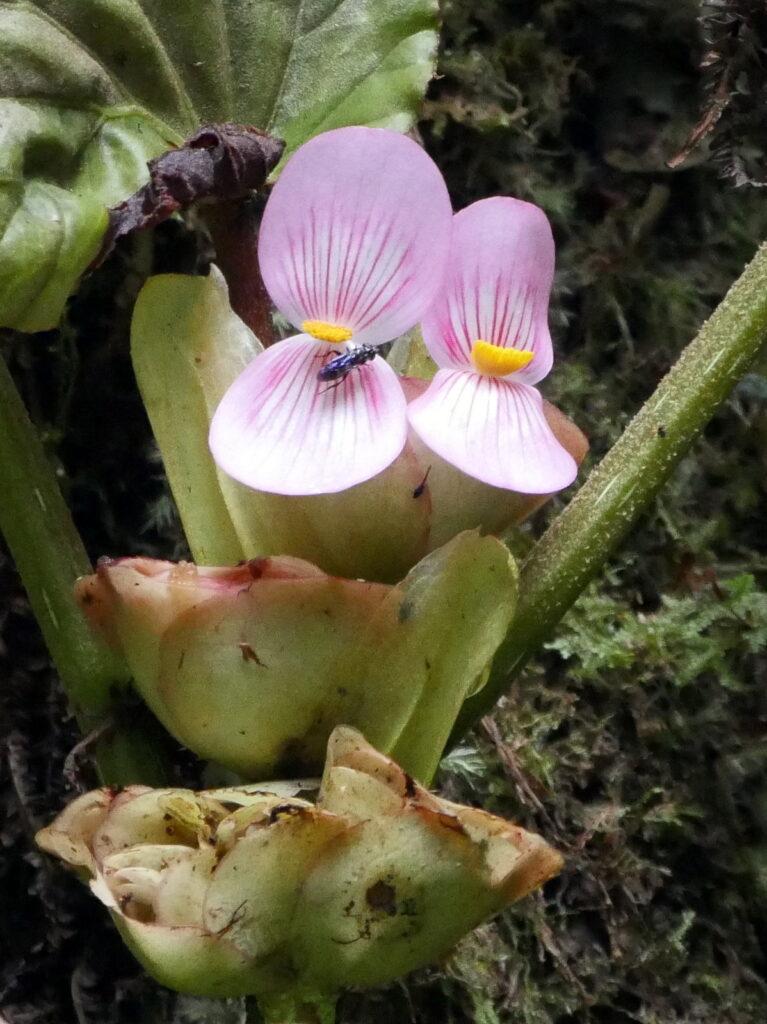
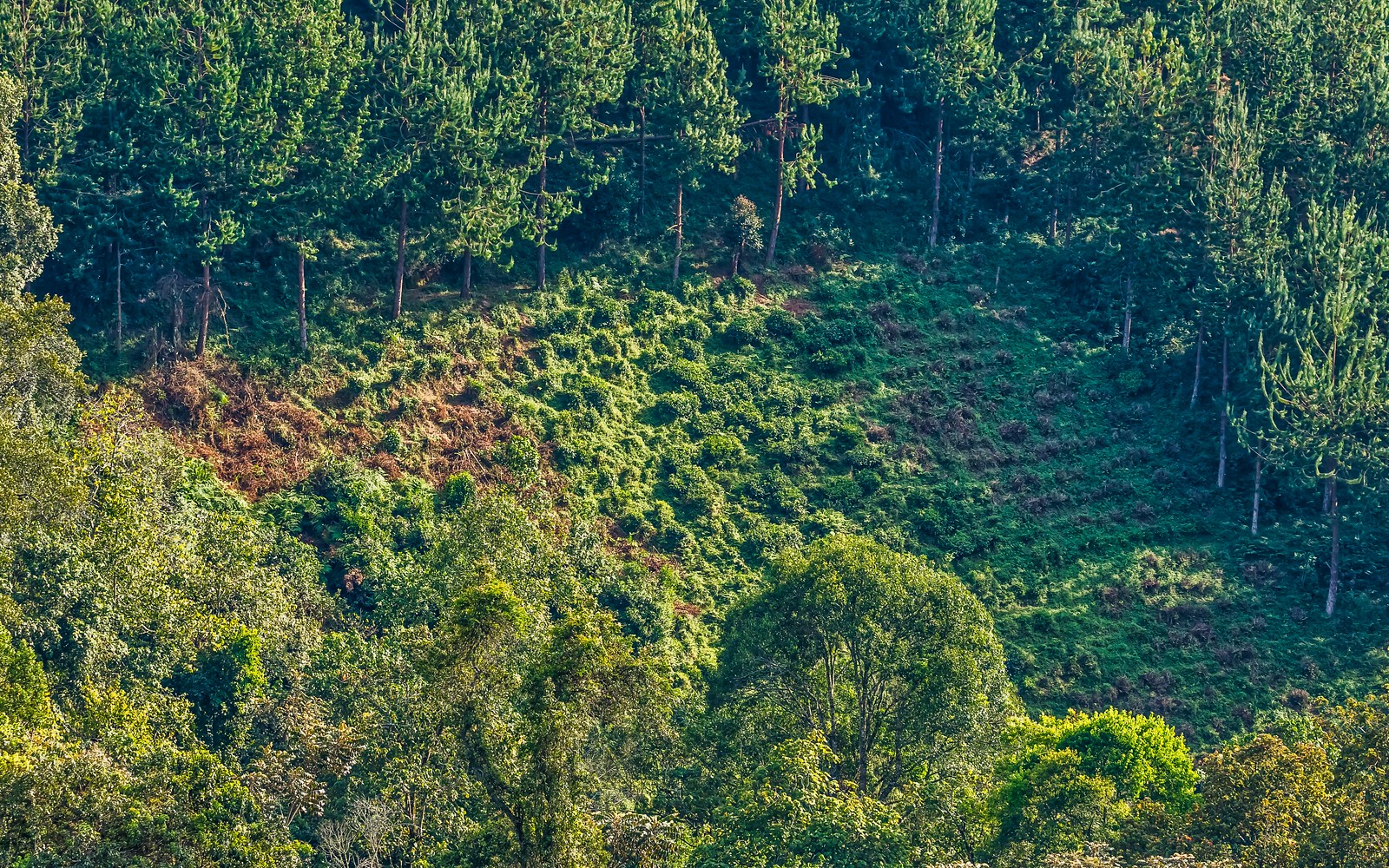
Bwindi’s varied altitude creates distinct ecological zones within a relatively compact area. Lower elevations support dense lowland rainforest with towering trees and thick undergrowth, while higher elevations transition into montane forest characterized by shorter trees, moss-covered branches, ferns, and bamboo zones. This vertical diversity allows many plant and animal species to coexist within the same forest.
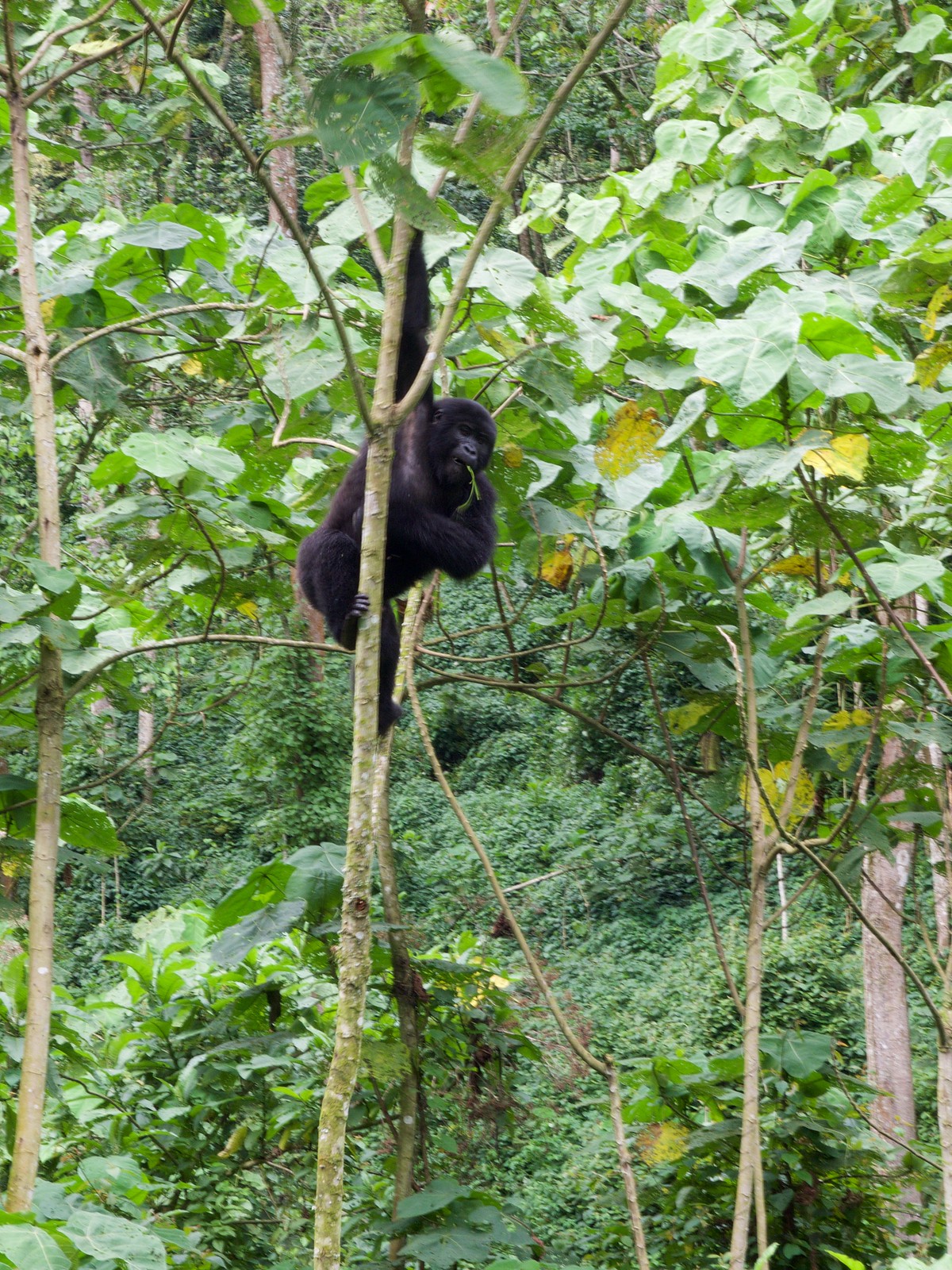
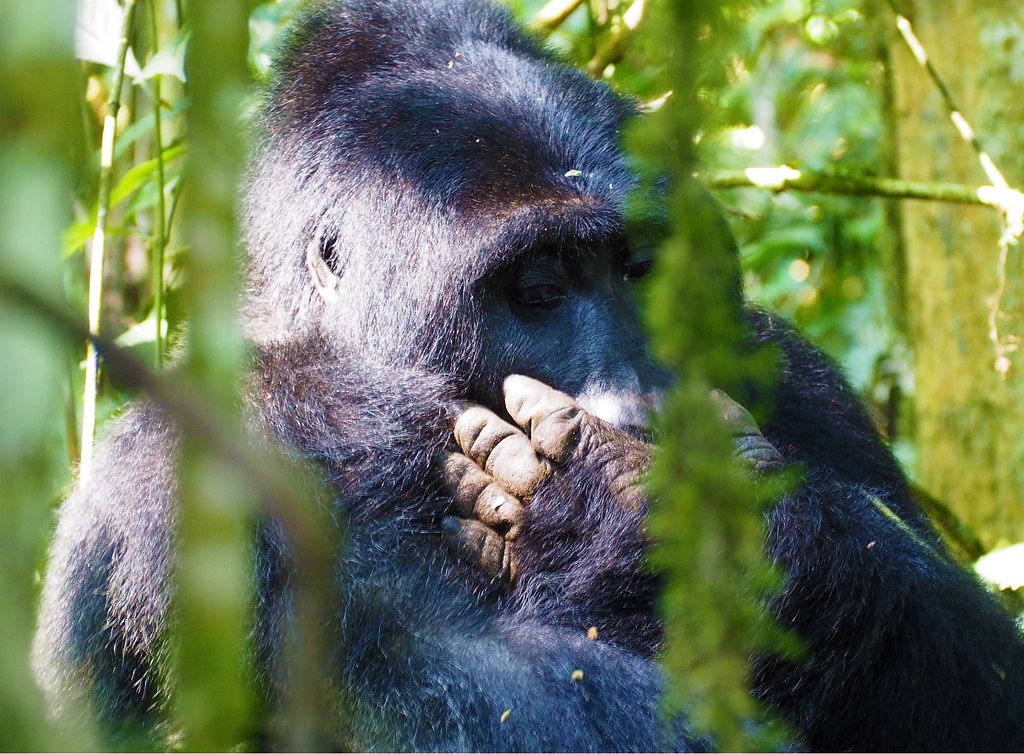
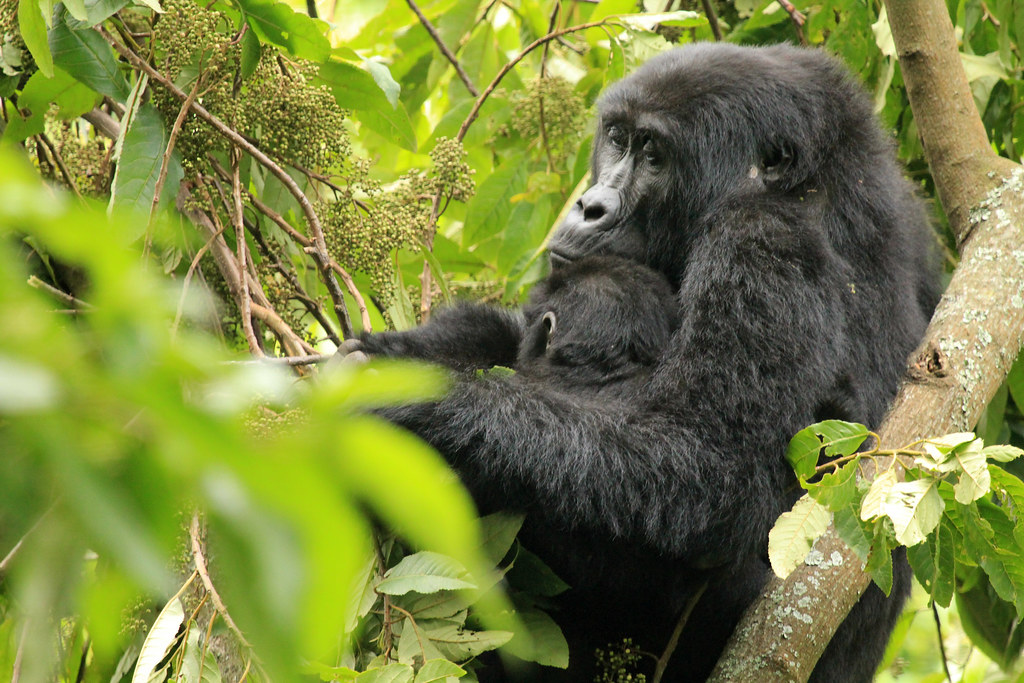
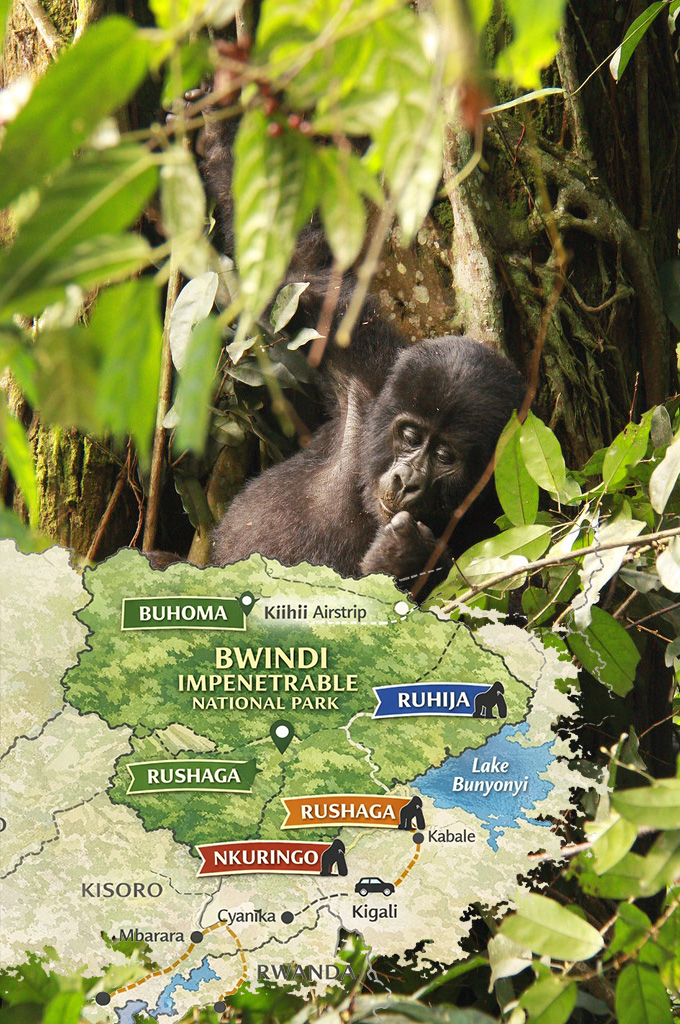
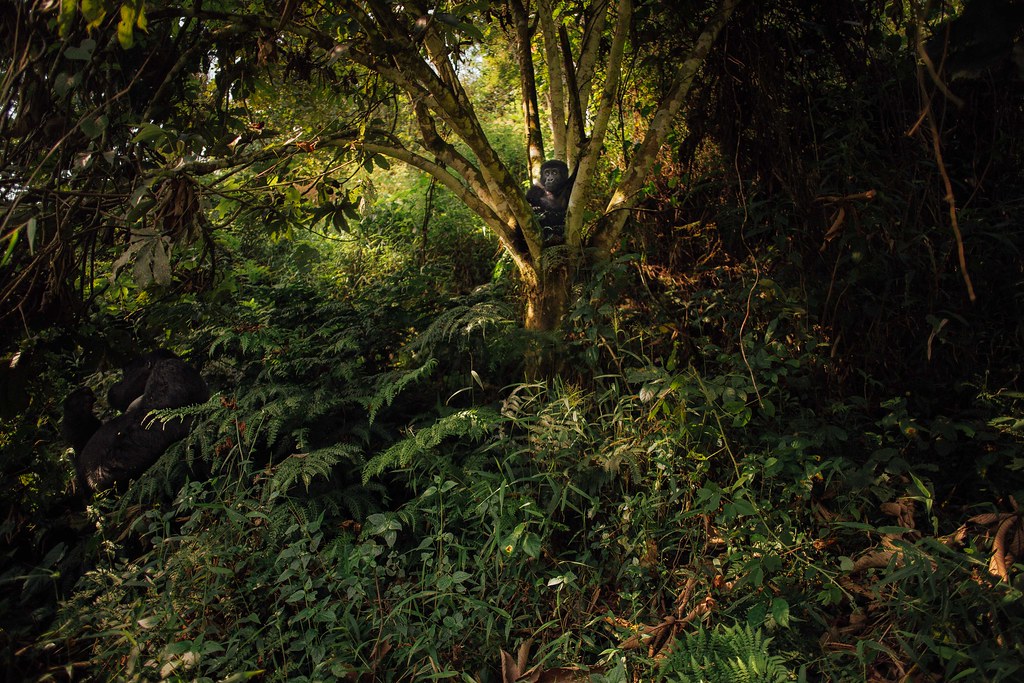
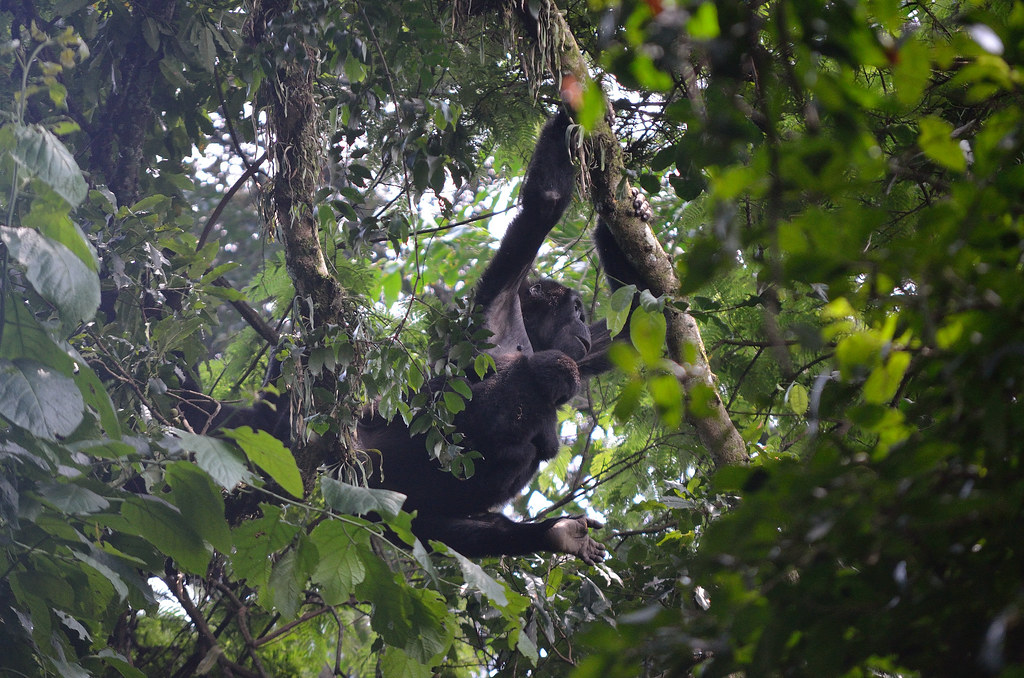
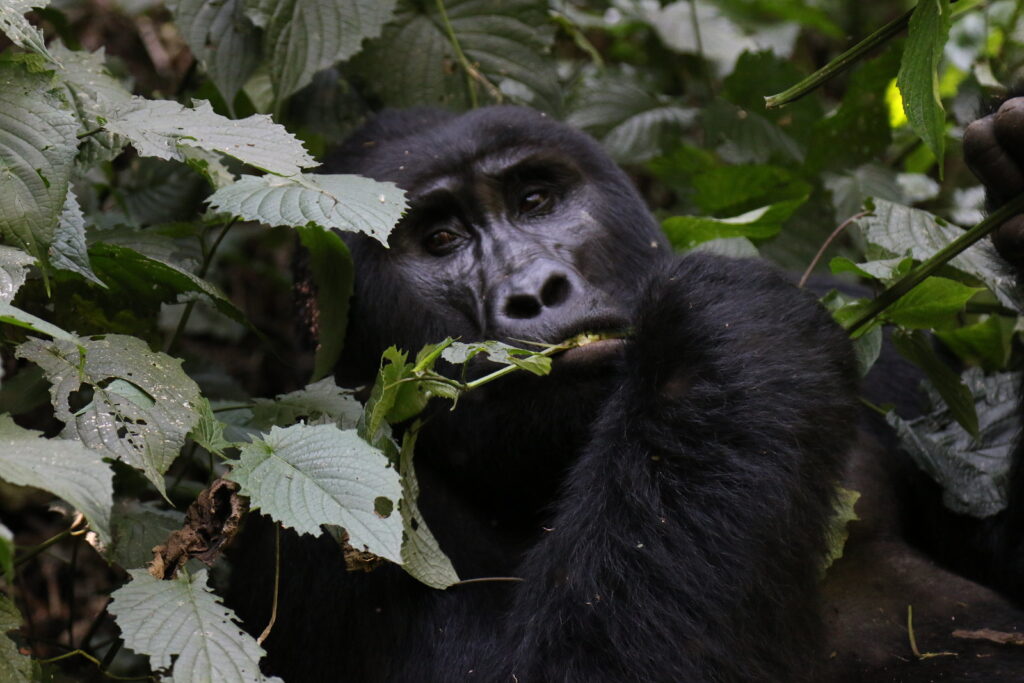
The altitude is also a major reason Bwindi supports nearly half of the world’s remaining mountain gorillas. These gorillas prefer the cooler, moist conditions found between 1,900 and 2,600 meters, where food sources such as bamboo shoots, wild celery, and forest herbs are abundant. The combination of elevation, rainfall, and vegetation creates an ideal habitat that has allowed gorilla populations to survive and recover.
How Altitude Affects Gorilla Trekking
Altitude plays a significant role in how challenging a gorilla trek can be. Trekking conditions vary depending on the sector—Ruhija and Nkuringo are generally higher and steeper, while Buhoma and parts of Rushaga sit at slightly lower elevations. Higher-altitude sectors often involve longer climbs, steeper slopes, and cooler temperatures, which can be physically demanding even for active travelers.
At higher elevations, the air contains slightly less oxygen, and some visitors may feel breathless more quickly, especially during steep ascents. This is why it’s recommended to arrive in Bwindi at least one night before trekking to allow your body time to adjust. Moving at a steady pace, staying hydrated, and using a porter if needed can make a significant difference to your comfort and overall experience.
Altitude, Weather, and Trekking Conditions
Bwindi’s elevation gives the park a cooler and wetter climate compared to much of Uganda. Daytime temperatures typically range between 7°C and 20°C (45°F to 68°F) in higher areas, while lower elevations are slightly warmer. Rainfall can occur at any time of year, with heavier rains usually falling between March–May and September–November.
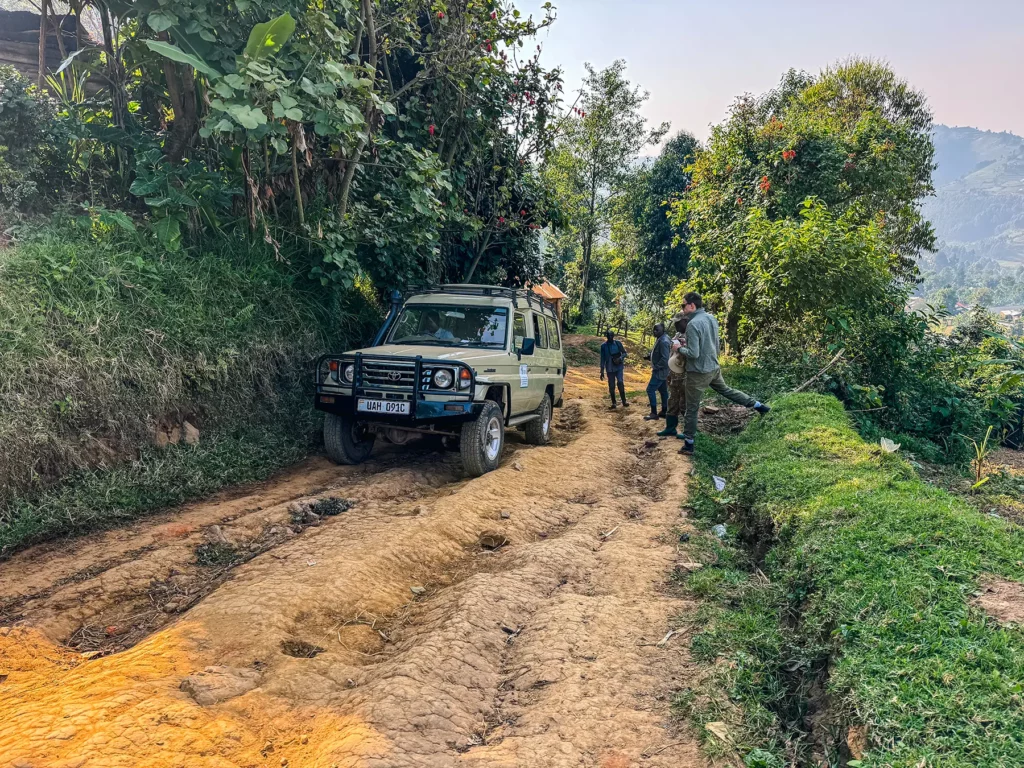
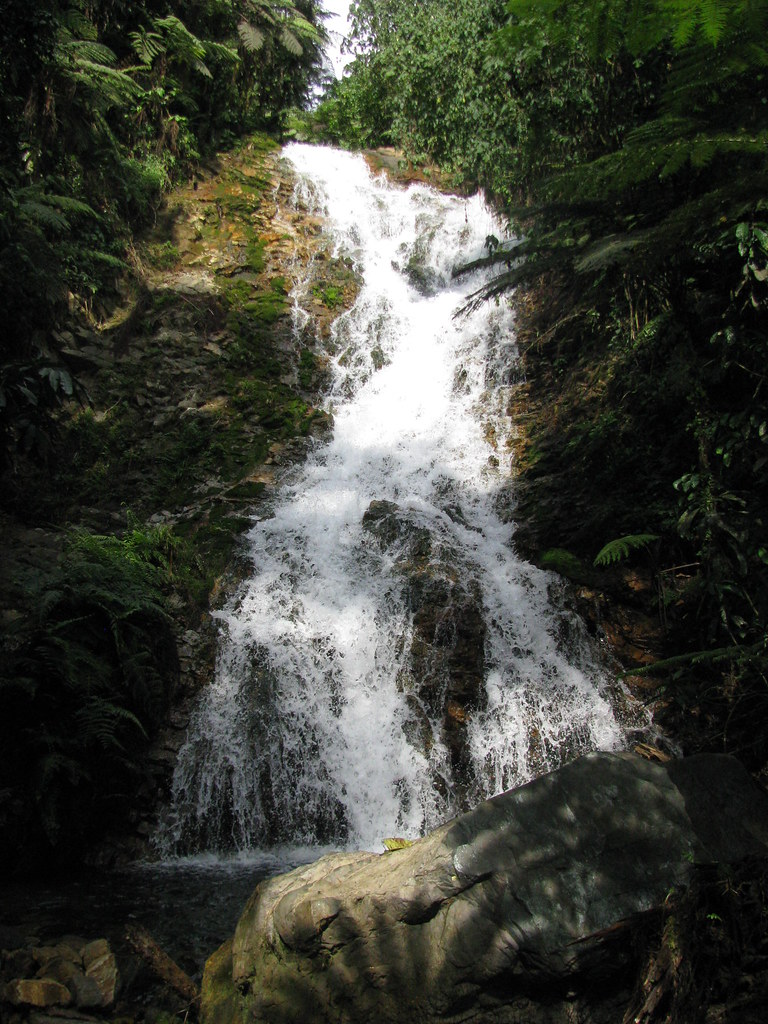
Frequent rain and steep terrain mean that trails can be muddy and slippery, adding to the physical challenge of trekking. However, this same moisture keeps the forest permanently green and vibrant, supporting rich biodiversity and dramatic scenery. Mist often settles over the hills, giving Bwindi its iconic, ancient rainforest atmosphere.
Why Bwindi’s Altitude Matters to Visitors
Bwindi’s altitude shapes every aspect of the park—from its plant life and wildlife to trekking difficulty and weather patterns. It explains why the forest feels cooler, denser, and more rugged than many other safari destinations. For visitors, understanding altitude helps with packing, fitness preparation, and choosing the most suitable trekking sector.
Ultimately, Bwindi’s elevation is what gives the park its wild character and ecological importance. Whether trekking through lower forest valleys or climbing misty mountain slopes, the altitude adds depth, challenge, and beauty to every gorilla trekking experience in this remarkable rainforest.