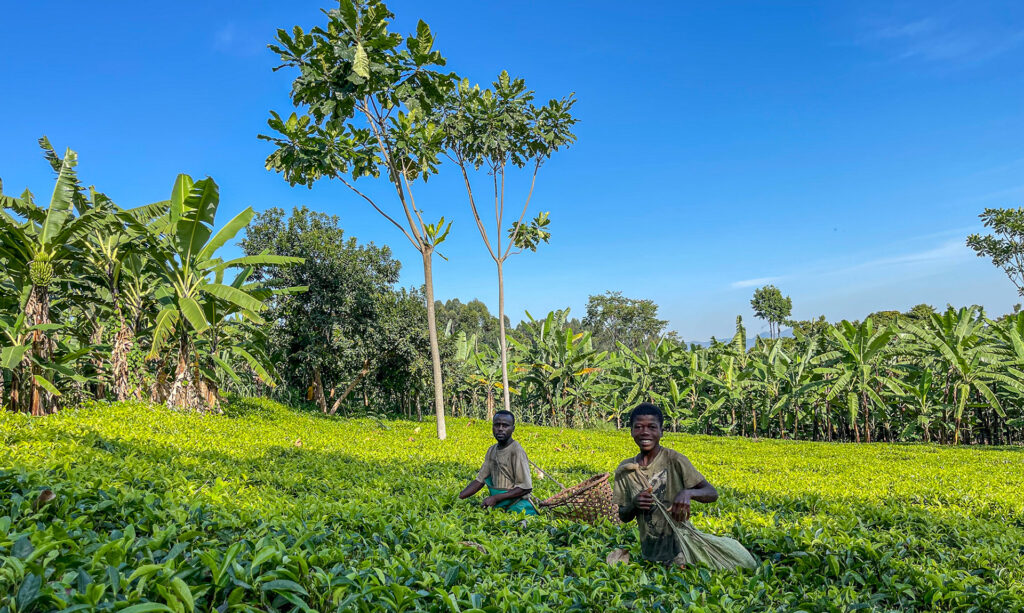
Uganda’s economy is not just measured in numbers and exports—it’s written in the soil tilled by farmers, the ideas shaped by entrepreneurs, and the everyday choices made by families trying to build a better tomorrow. As one of the fastest-growing economies in East Africa, Uganda carries a dual identity: it is a land of abundant natural wealth and a people-powered nation fueled by ambition, community, and hard work. From urban technology hubs to rural homesteads, the economic life of Uganda tells a story of resilience in the face of challenge and a collective vision for growth.
While Uganda still grapples with issues like poverty, youth unemployment, and infrastructure gaps, its economy has shown steady growth over the years, largely driven by agriculture, services, trade, and more recently, oil exploration. Yet beyond formal sectors and economic reports, Uganda’s strength lies in its people—millions who wake up each day to earn, create, and contribute in ways that are as diverse as the land itself.
Agriculture: The Backbone of Livelihoods
Agriculture remains the heart of Uganda’s economy, employing over 70% of the population and supporting countless households across both rural and peri-urban areas. Uganda’s fertile soils and favorable climate make it ideal for growing a wide variety of crops, including coffee, maize, bananas, tea, sugarcane, beans, and groundnuts. Coffee, in particular, is a key export product and a major source of income for smallholder farmers, especially in regions like Bugisu, Ankole, and parts of the west.
Beyond crops, livestock farming and fisheries also provide sustenance and income to many communities. Women play a crucial role in Uganda’s agricultural sector—not just in planting and harvesting, but in managing local food markets and household economies. However, the sector still faces challenges such as limited access to modern tools, land disputes, unpredictable weather patterns, and post-harvest losses. As such, government efforts and NGO support have been increasing in the areas of agricultural extension, irrigation, and value addition to help farmers move beyond subsistence.
Urban Growth and Informal Hustles
In the cities—particularly Kampala, Uganda’s economic engine—the informal economy thrives. Streets are alive with market vendors, boda boda (motorcycle taxi) riders, tailors, hawkers, barbers, and small café owners all contributing to the country’s dynamic urban livelihood. These informal jobs may not always be captured in statistics, but they sustain millions of Ugandans and form the beating heart of the country’s working class.
Entrepreneurship is rising fast, with many young people turning to self-employment in fashion, food delivery, tech, entertainment, and e-commerce. Mobile money has transformed business transactions, giving people a chance to earn, save, and transfer funds even in remote areas. At the same time, digital tools and youth innovation hubs are enabling startups to take shape despite limited capital. This fast-growing urban economy reflects the spirit of Ugandans: adaptive, innovative, and always striving forward.
Natural Resources and Emerging Industries
Uganda is also home to valuable natural resources—fertile land, fresh water, minerals, and oil reserves. Recent discoveries of oil in the Albertine Graben region have positioned Uganda as a future oil-producing nation, with infrastructure development (pipelines, refineries, and roads) already underway. If well-managed, this could significantly boost national revenue and create jobs in energy, construction, and services.
Other promising sectors include tourism, manufacturing, renewable energy, and ICT. The service industry, including finance, telecommunications, and real estate, has seen consistent growth. Foreign direct investment continues to flow in, though issues of corruption, bureaucracy, and access to credit remain challenges to overcome. Still, with a young and growing population, Uganda has the potential to transform these resources into long-term development—if inclusive, transparent policies take root.
The Human Side of Livelihoods
At the heart of Uganda’s economy is a powerful human story—millions of individuals waking up each day with hope, resilience, and dreams. In the villages, livelihoods are shaped by seasons, harvests, and local cooperatives. In towns, they are built on small savings groups, daily sales, and community support. In cities, they depend on side hustles, shared ideas, and sheer determination. For women, youth, and rural families, earning a living is not just about income—it’s about dignity, security, and the possibility of a better future.
Education and vocational training are becoming essential pathways for transforming livelihoods. While formal employment opportunities remain limited, many Ugandans are choosing to skill up in practical areas such as tailoring, carpentry, IT, farming innovations, and beauty services. NGOs, community groups, and faith-based organizations are also deeply involved in supporting economic empowerment through microfinance, entrepreneurship training, and market access.