People and Ethnic Diversity – Rwanda
Rwanda People and Ethnic Diversity Guide
People and Ethnic Diversity – Rwanda Rwanda People and Ethnic Diversity Guide Rwanda is often described as one of Africa’s most socially unified nations.
People and Ethnic Diversity – Rwanda Rwanda People and Ethnic Diversity Guide Rwanda is often described as one of Africa’s most socially unified nations.
Rwanda is often described as one of Africa’s most socially unified nations. The population shares a common language, Kinyarwanda, and a long history shaped by centralized governance, clan systems, and shared cultural traditions. Unlike many African countries with dozens of ethnic languages and fragmented identities, Rwanda’s demographic structure is relatively cohesive, contributing to a strong national identity.
Historically, Rwandan society was organized around social categories that later became politically sensitive during the colonial and post-colonial periods. In modern Rwanda, national policy emphasizes unity, shared citizenship, and collective development rather than ethnic distinction. Understanding Rwanda’s people requires examining historical structures, cultural continuity, and contemporary identity.
So lace up your boots, grab your camera, and prepare to meet the wild — this is where your gorilla trekking dreams and unforgettable safari adventures truly begin.

Before colonial rule, Rwandan society was structured under a centralized monarchy. Social categories commonly referred to as Hutu, Tutsi, and Twa existed, primarily linked to socio-economic roles rather than rigid ethnic separation.
Colonial administration altered these categories by formalizing identity distinctions, which later contributed to political tensions in the 20th century. Modern Rwanda has since moved away from official ethnic identification in public documentation.
The Twa are a small indigenous minority traditionally associated with forest-dwelling and pottery-making communities. Today, the Twa population remains small and faces socio-economic challenges.
Community-based tourism initiatives near Volcanoes National Park sometimes include cultural experiences designed to preserve traditional knowledge while supporting livelihoods.
Following the 1994 Genocide against the Tutsi, Rwanda adopted policies aimed at promoting unity and reconciliation. The emphasis shifted toward a shared national identity centered on citizenship rather than ethnic classification.
Educational programs, memorial institutions, and community initiatives reinforce this unified framework. Public discourse avoids ethnic labeling, focusing instead on collective responsibility and national development.
Rwanda has one of the highest population densities in Africa. Most citizens live in rural areas, although urbanization is increasing, particularly in Kigali.
The population is relatively young, with a large percentage under the age of 30. Youth employment, entrepreneurship, and education reforms are central to national development planning.
Despite modernization, traditional practices remain influential. Shared customs such as Intore dance, communal farming traditions, storytelling, and cattle symbolism continue to shape cultural life across the country.
Language plays a central unifying role. Kinyarwanda connects communities across regions and social backgrounds, reinforcing social cohesion.
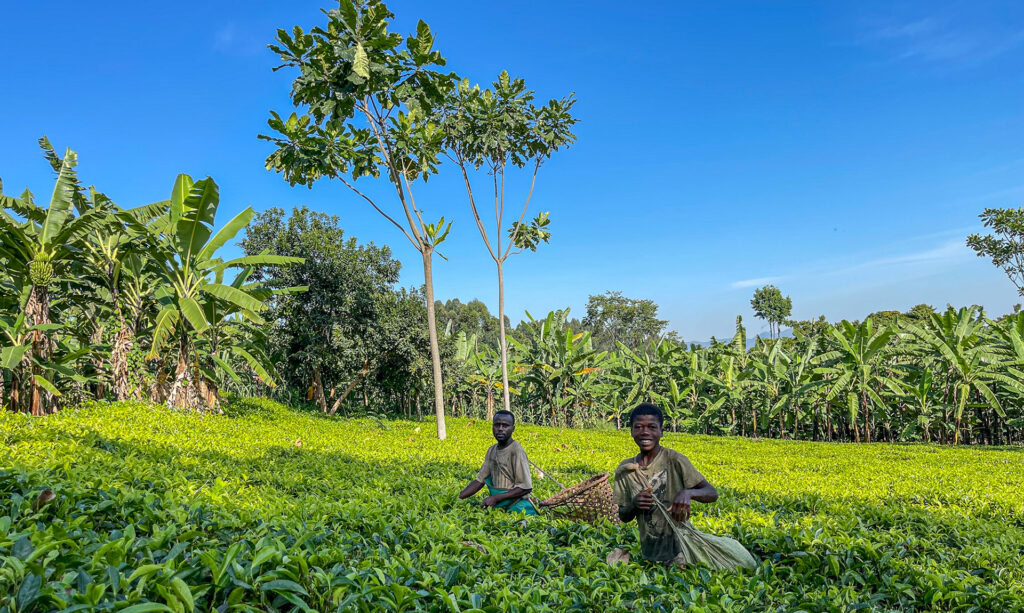
Rural livelihoods remain closely linked to agriculture and cooperative models. In contrast, urban centers have diversified into services, technology, and business development.
Rwanda’s development strategy aims to balance modernization with cultural preservation, ensuring that economic growth supports social stability.
While Rwanda promotes a unified national identity, regional variations in dialect, livelihood patterns, and local traditions exist. Western highland communities differ geographically and economically from eastern savannah regions such as those surrounding Akagera National Park.
However, these variations operate within a broader framework of national cohesion.
Modern Rwanda emphasizes gender equality, youth empowerment, and social accountability. Women hold significant representation in government, and civic participation remains structured around community engagement.
The country’s people reflect resilience, adaptability, and a strong collective ethos rooted in history and transformation.
From insider travel insights to unforgettable trekking guides, our blog is your trusted path into Uganda’s wild heart — connecting you with mountain gorillas, breathtaking landscapes, and the soul-stirring adventures that make this land unlike any other.