Why Start Gorilla Trekking from Kigali
Starting from Kigali offers a logistical advantage that many travelers overlook when planning a gorilla safari. The road network is efficient, border crossings are straightforward when pre-arranged, and the distance to key trekking sectors is significantly shorter compared to flying into Entebbe.
Kigali to Volcanoes National Park takes about 2.5 hours by road. More importantly, Kigali to southern Bwindi sectors such as Rushaga or Nkuringo takes roughly 4–5 hours, making Uganda gorilla trekking accessible without the long 8–10 hour drive from Entebbe. This makes Kigali the best entry point for travelers who want to combine cost savings with efficiency.
Gorilla Trekking Destinations from Kigali
Volcanoes National Park (Rwanda)
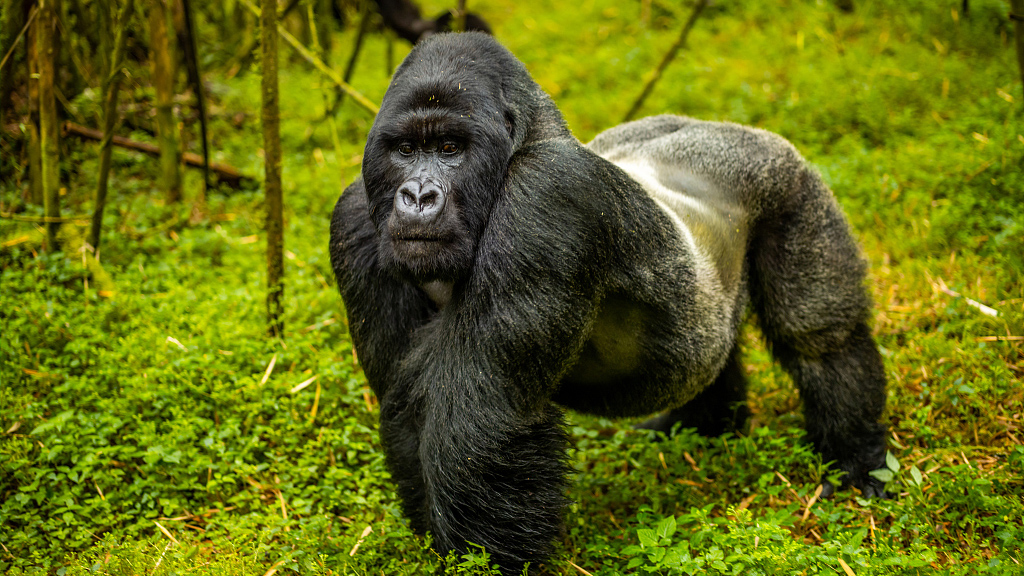
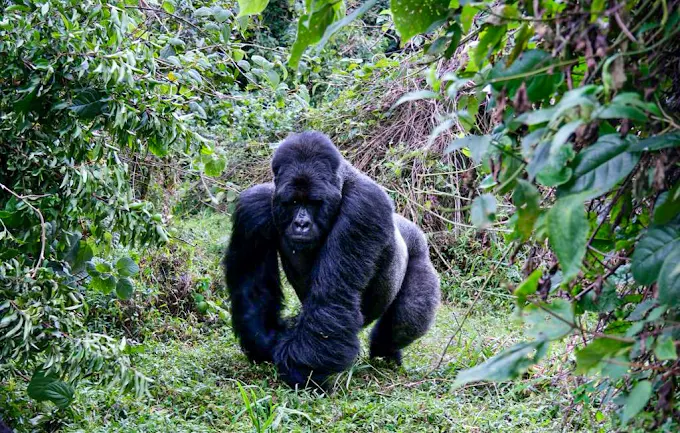
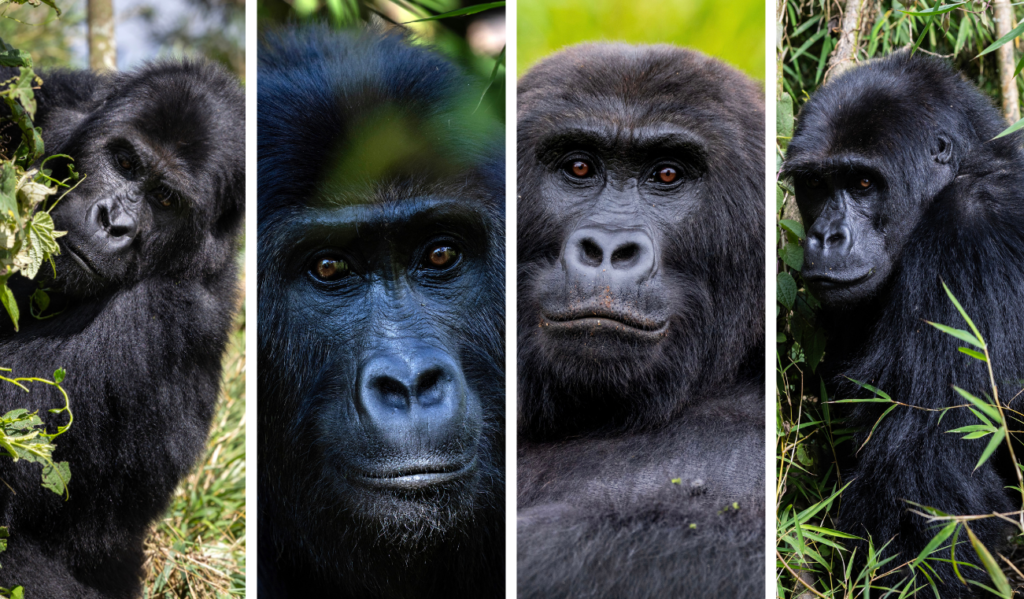
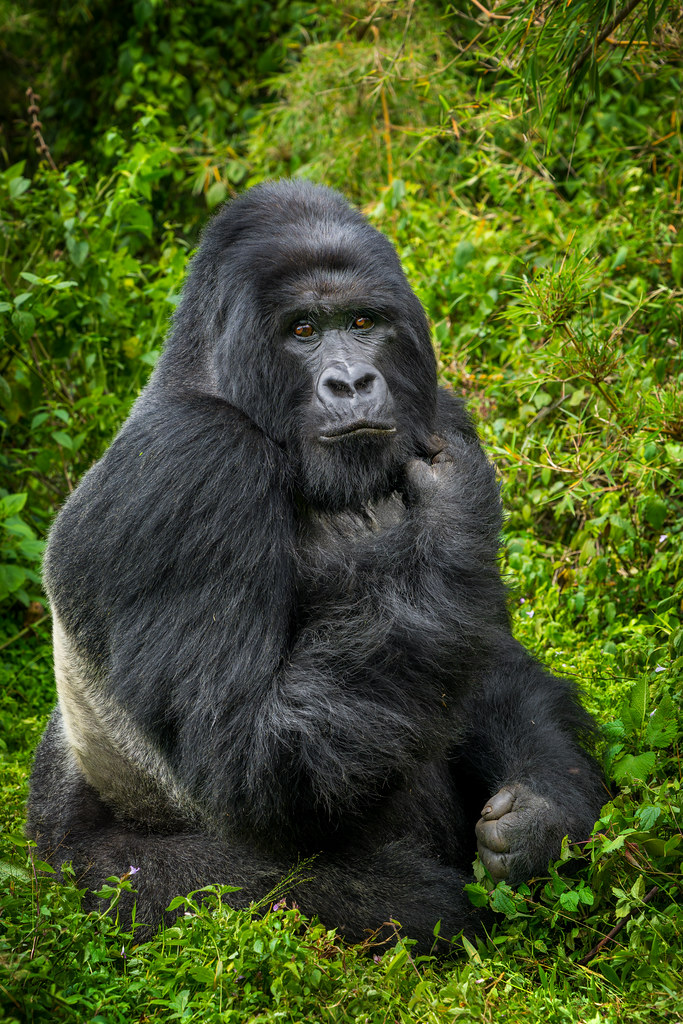
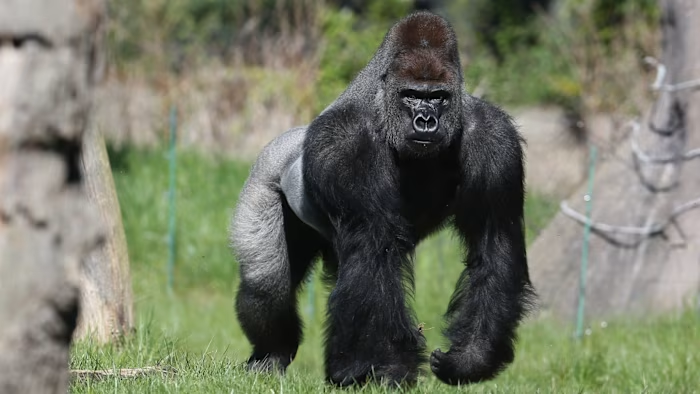
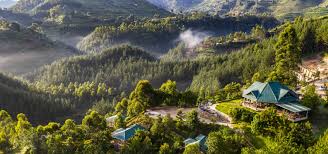
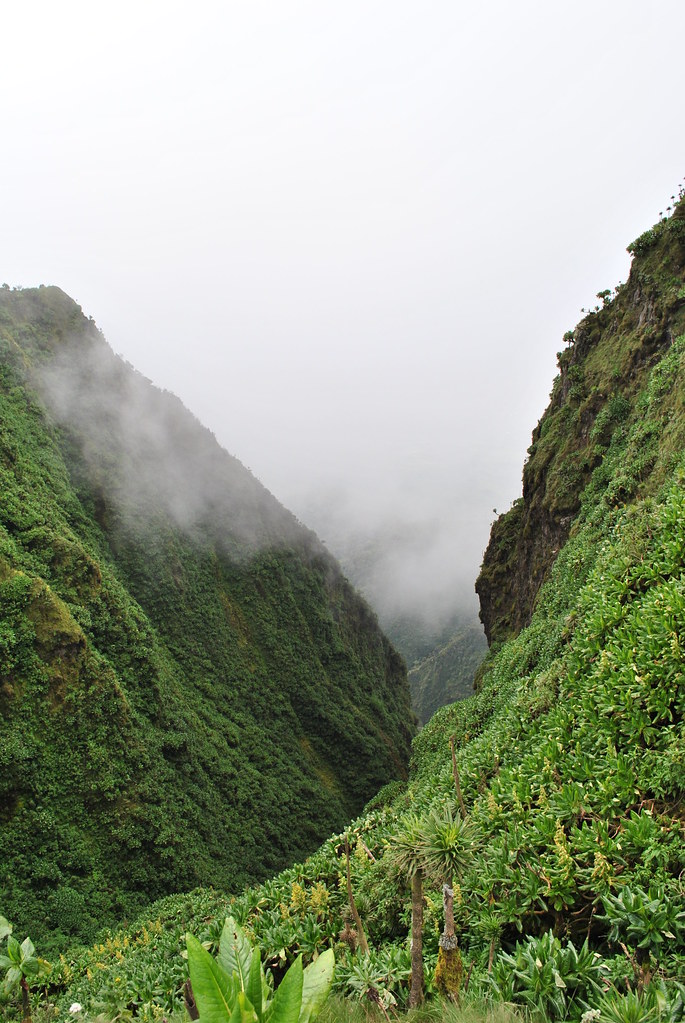
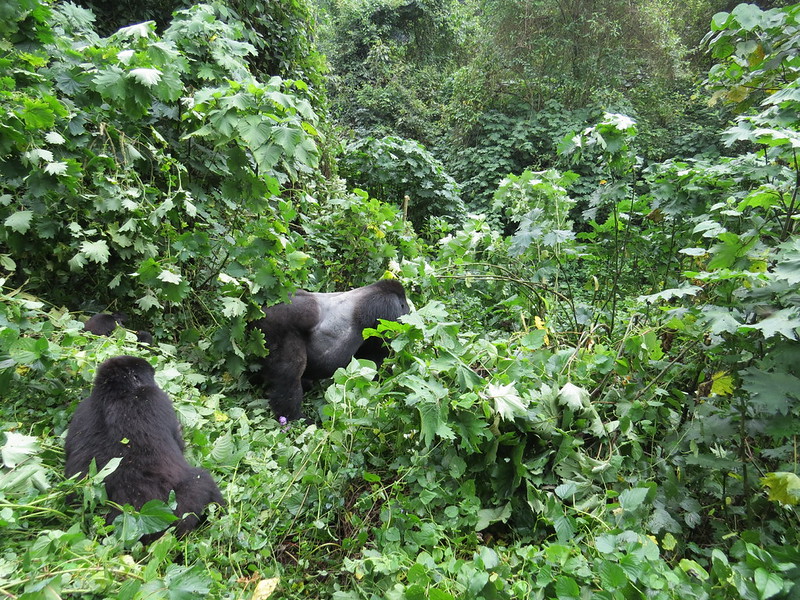
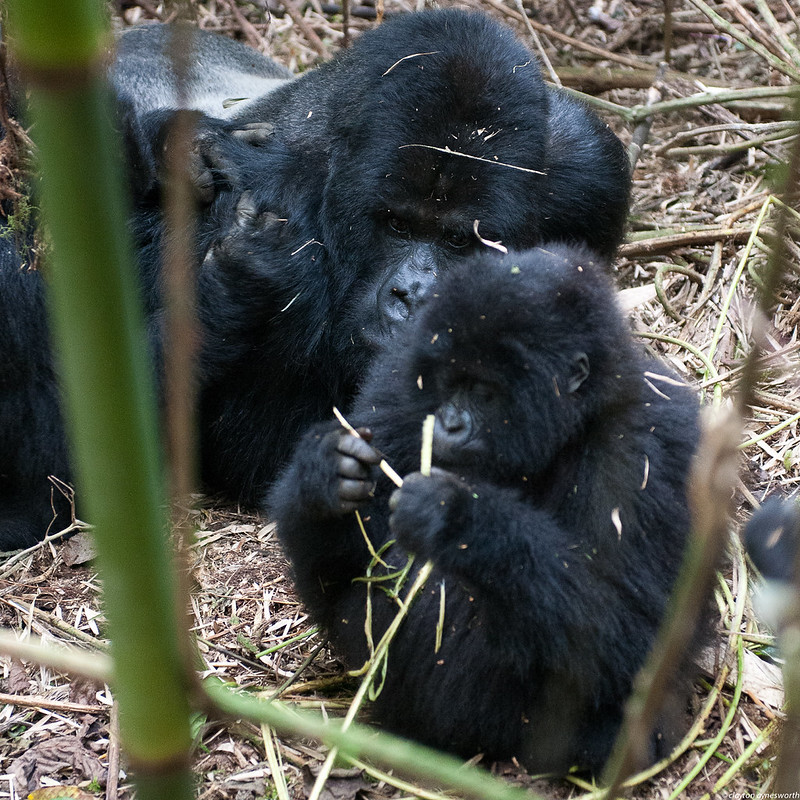
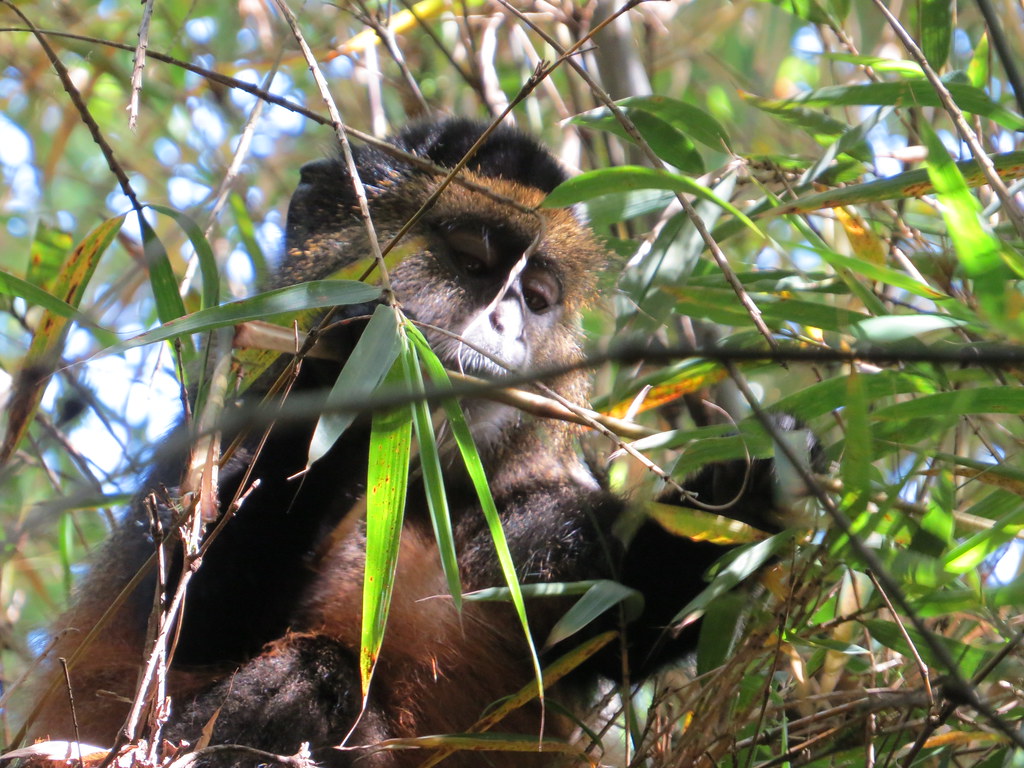
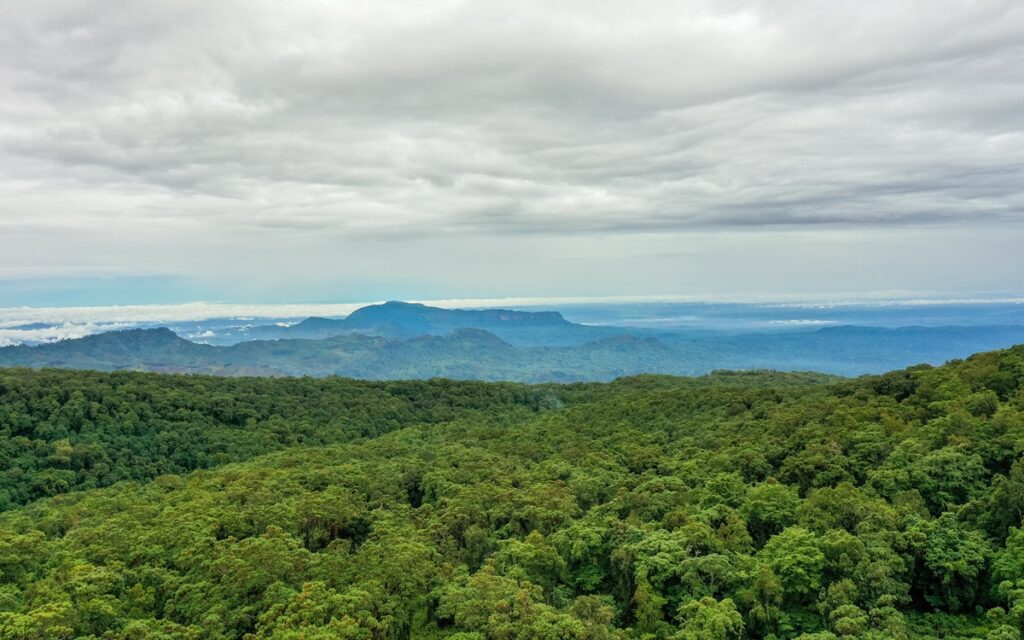
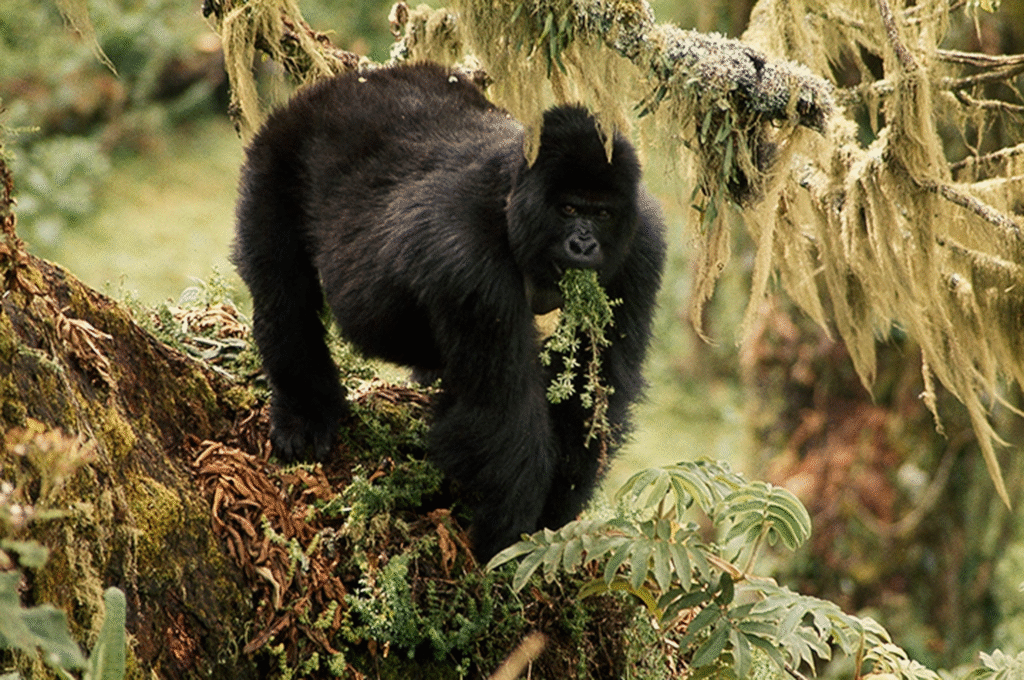
Volcanoes National Park is Rwanda’s flagship gorilla trekking destination. It lies within the Virunga Massif and offers well-organized trekking experiences with relatively shorter hiking times in some sectors. The terrain varies from bamboo forests to dense rainforest, and the overall experience feels structured and premium.
Rwanda focuses on high-end tourism. The trekking system is efficient, guides are highly trained, and access is simple from Kigali. This destination suits travelers looking for a luxury gorilla trekking experience with minimal logistical complexity.
Bwindi Impenetrable National Park (Uganda)
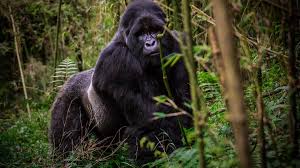
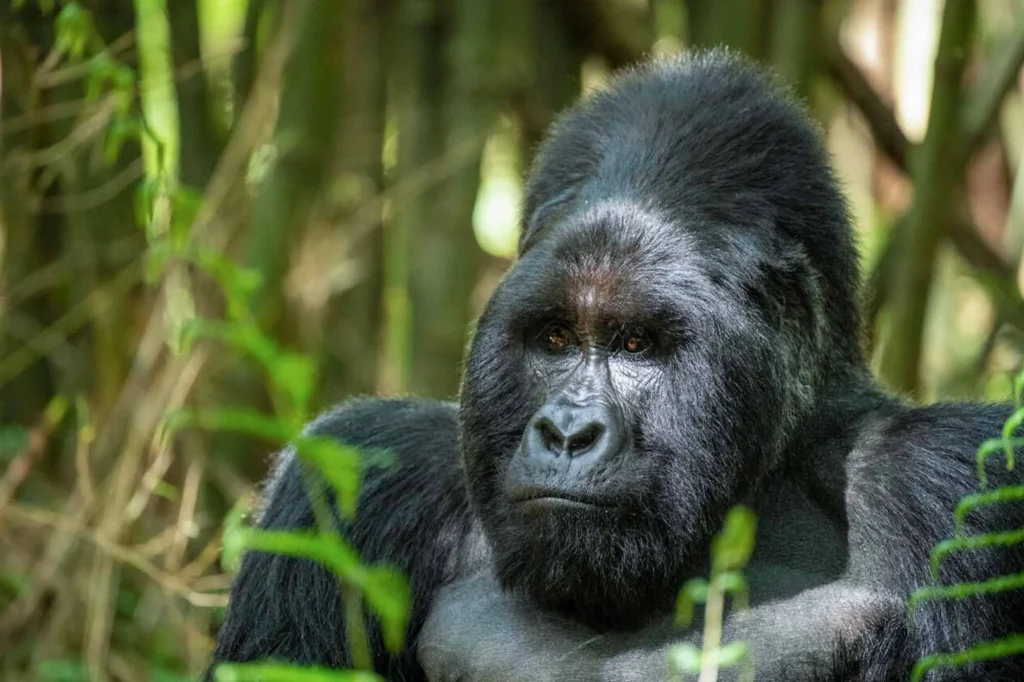
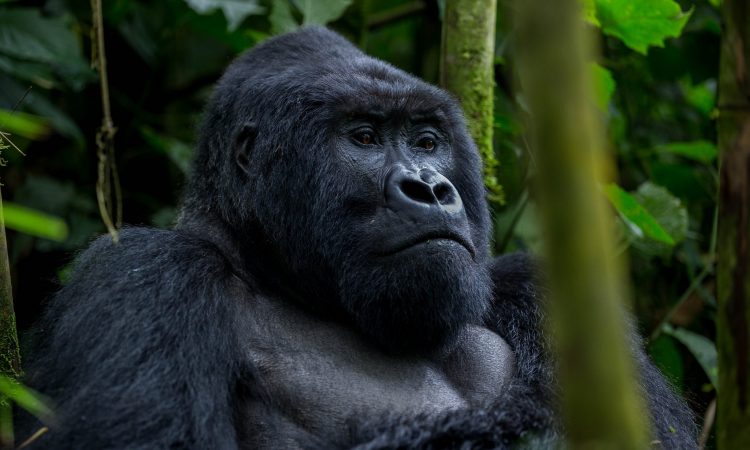
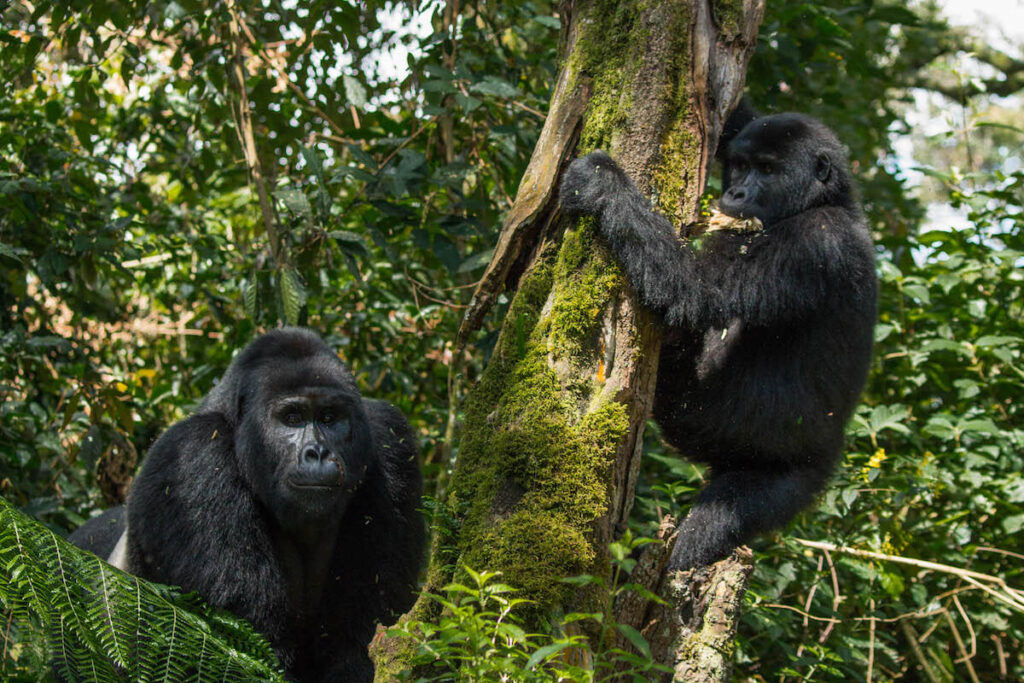
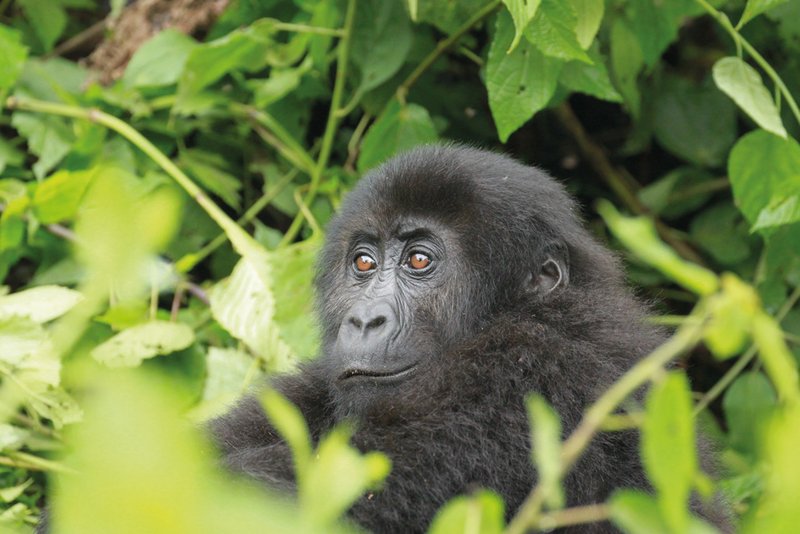
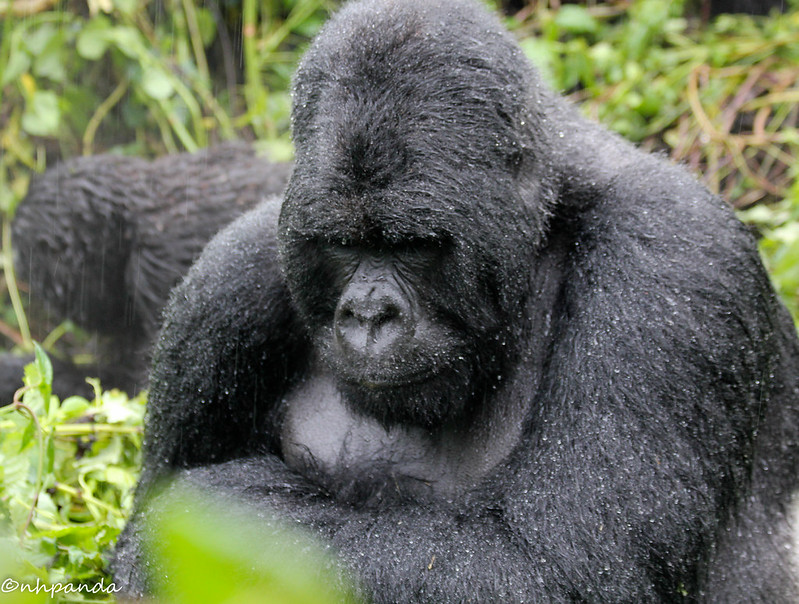
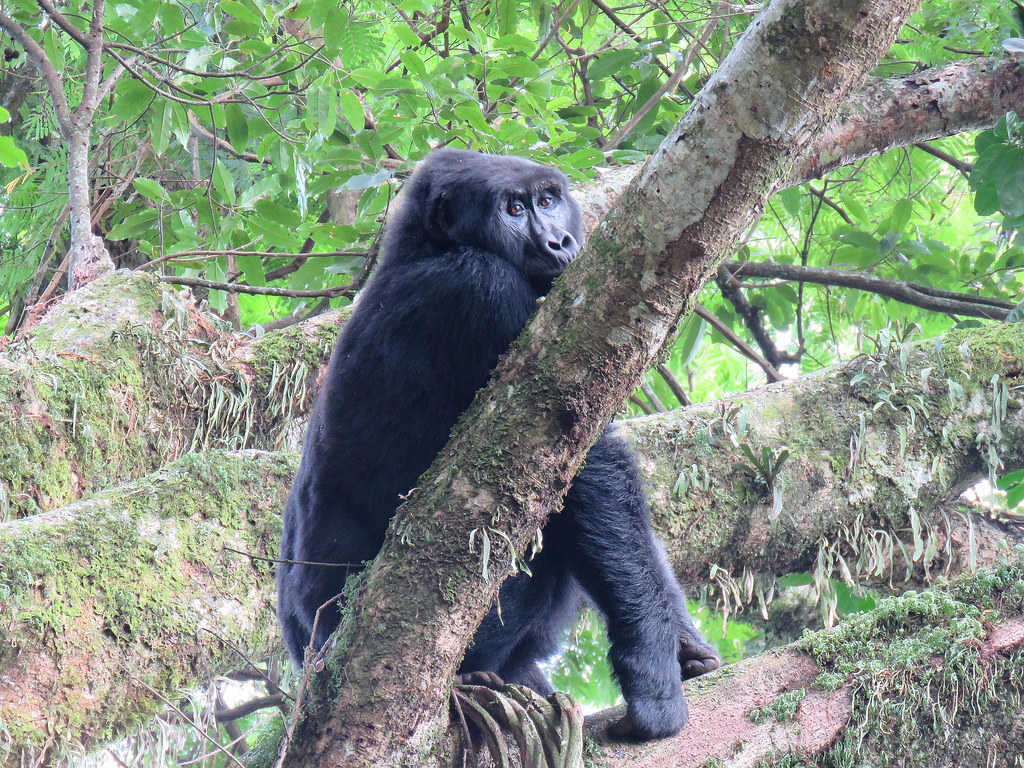
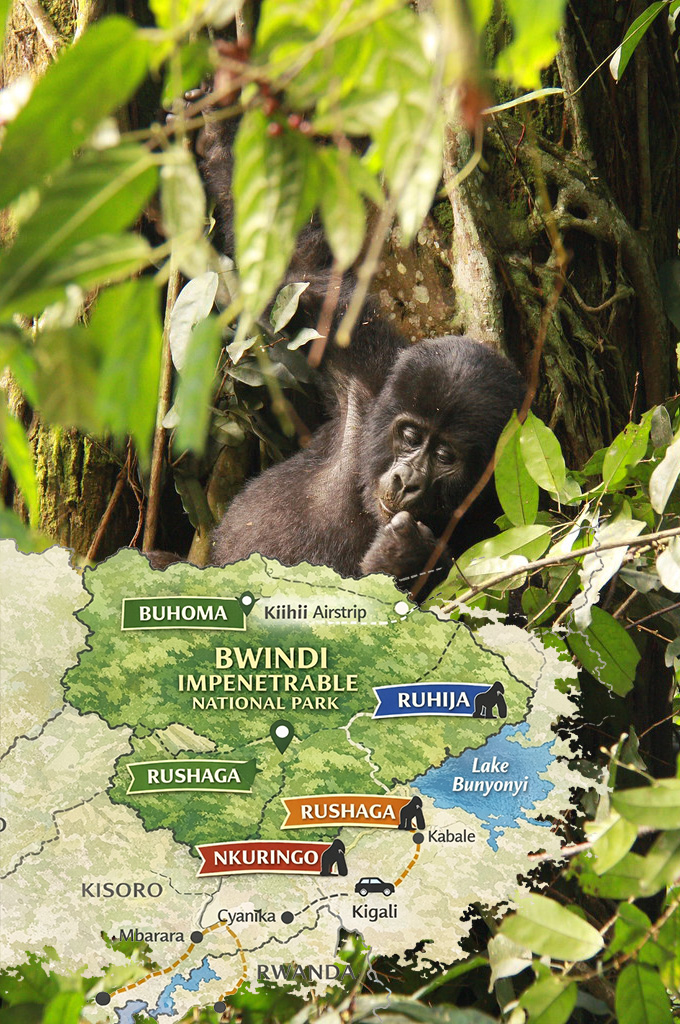
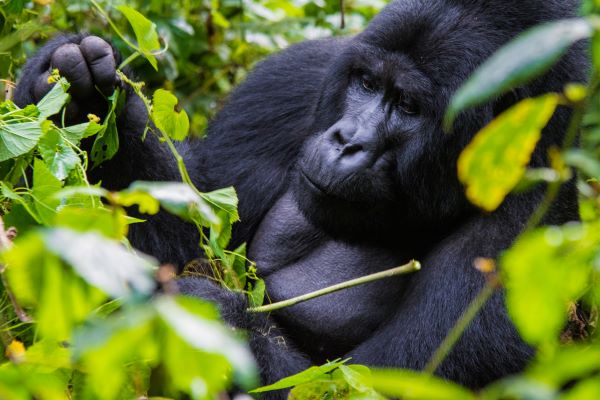
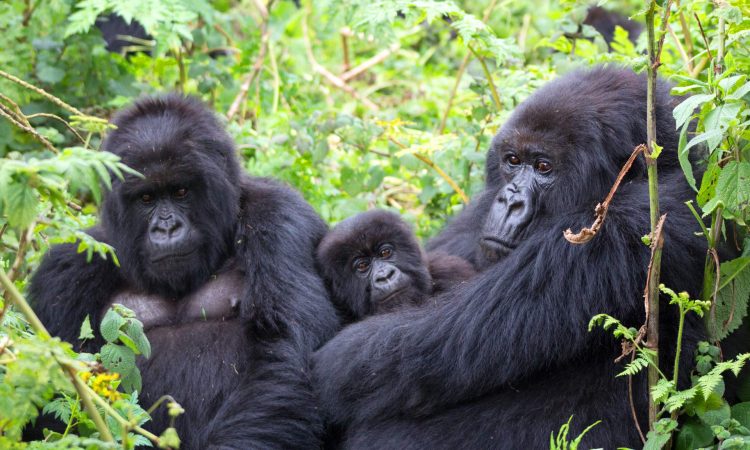
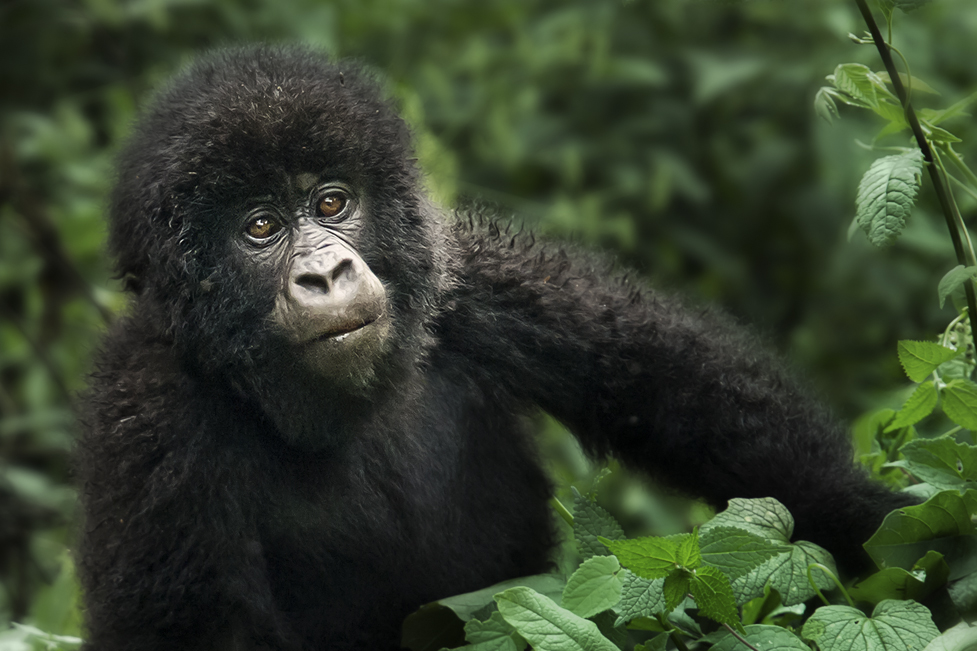
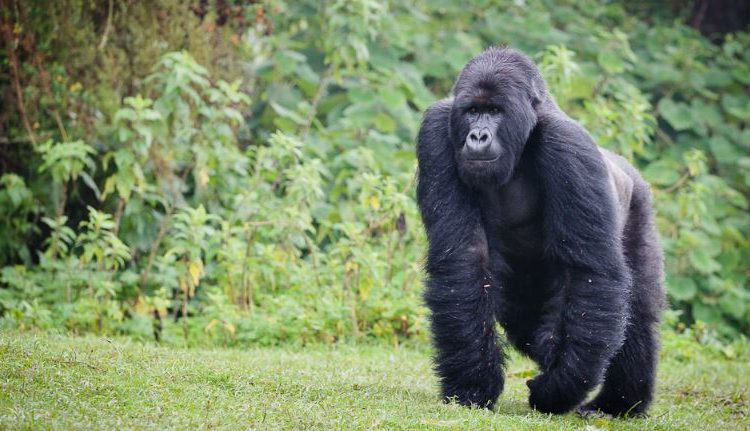
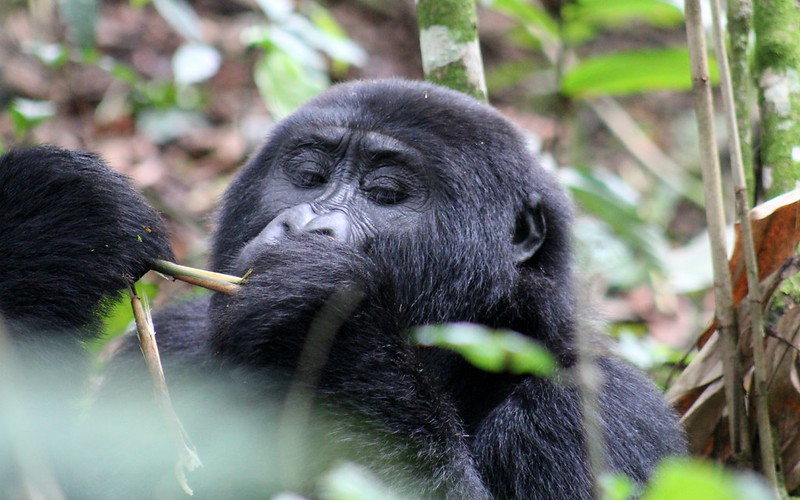
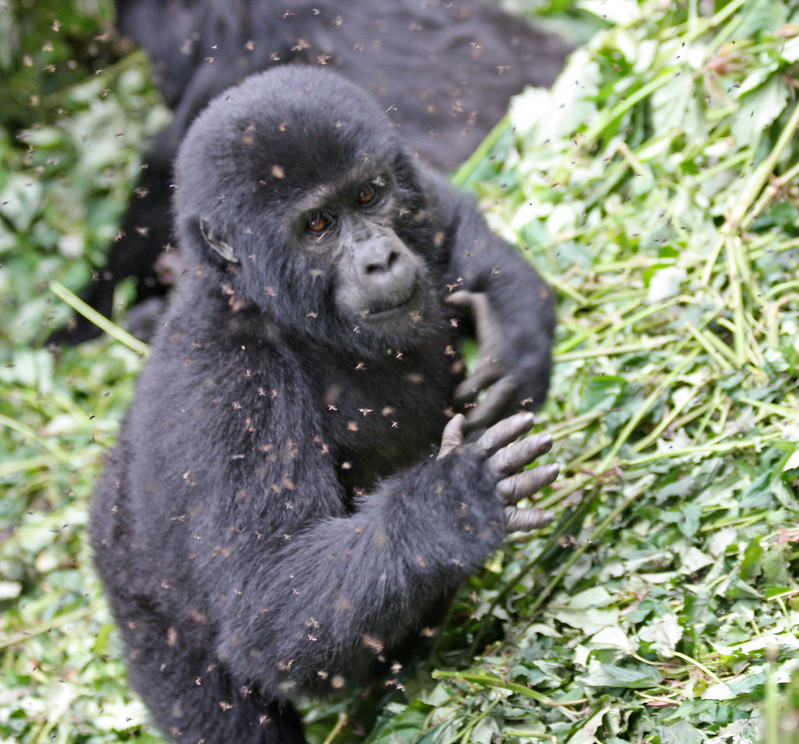
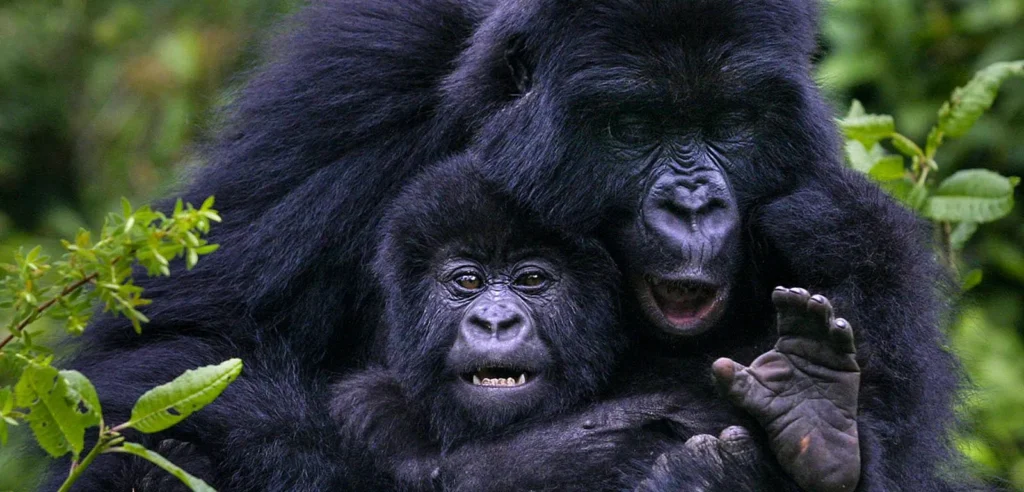
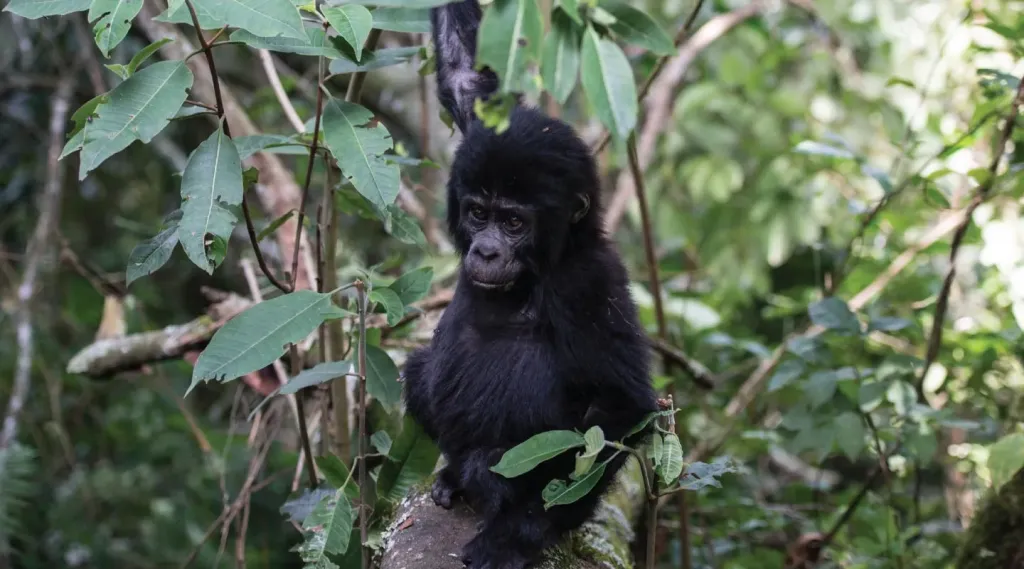
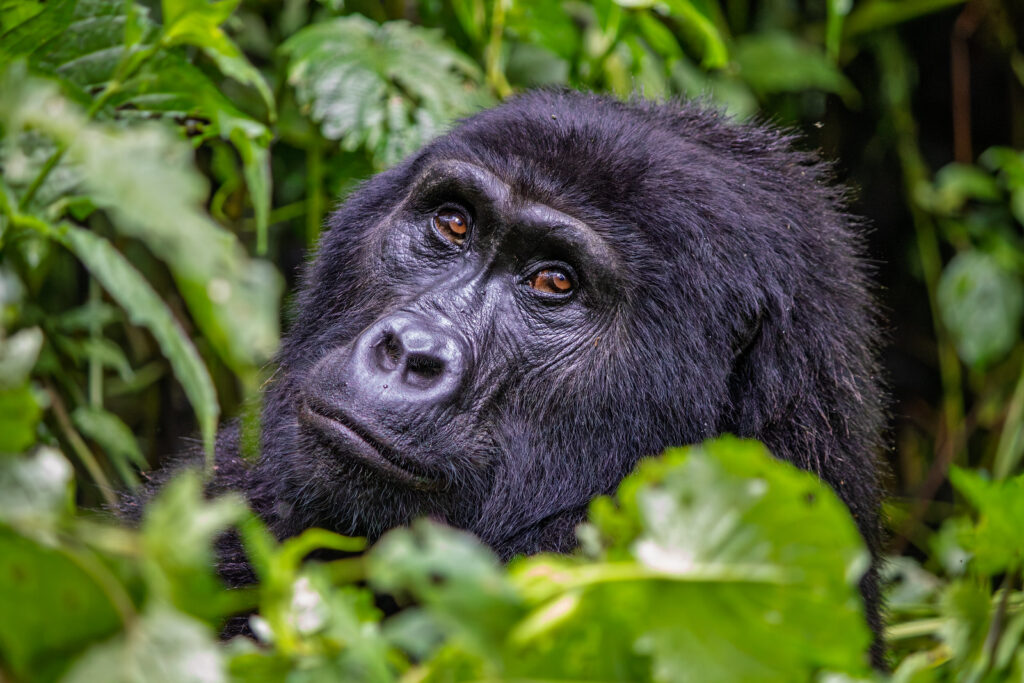
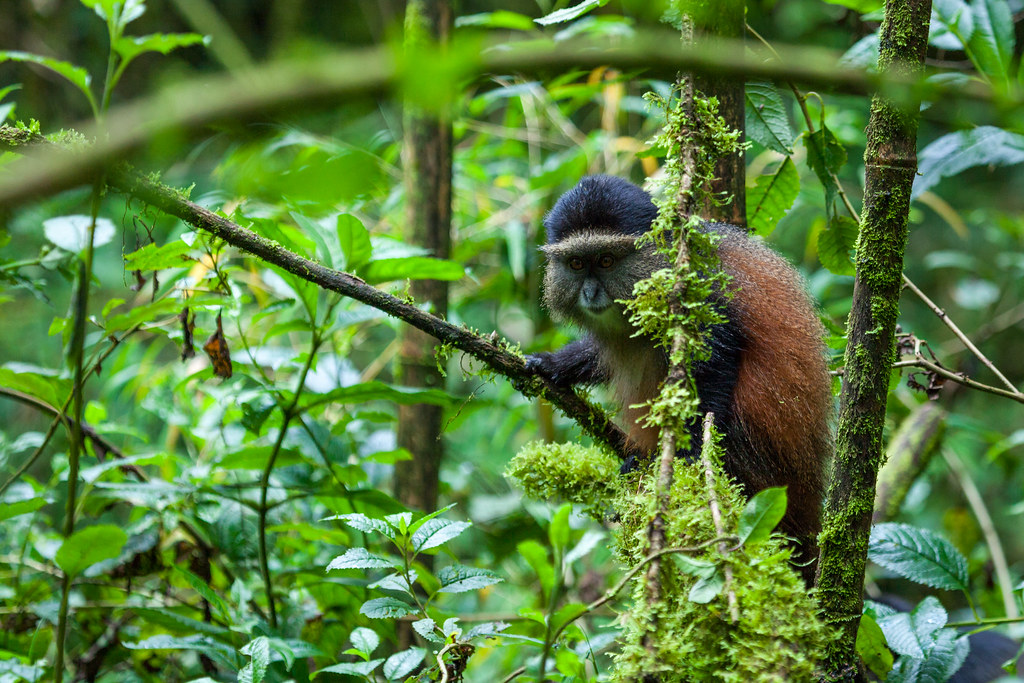
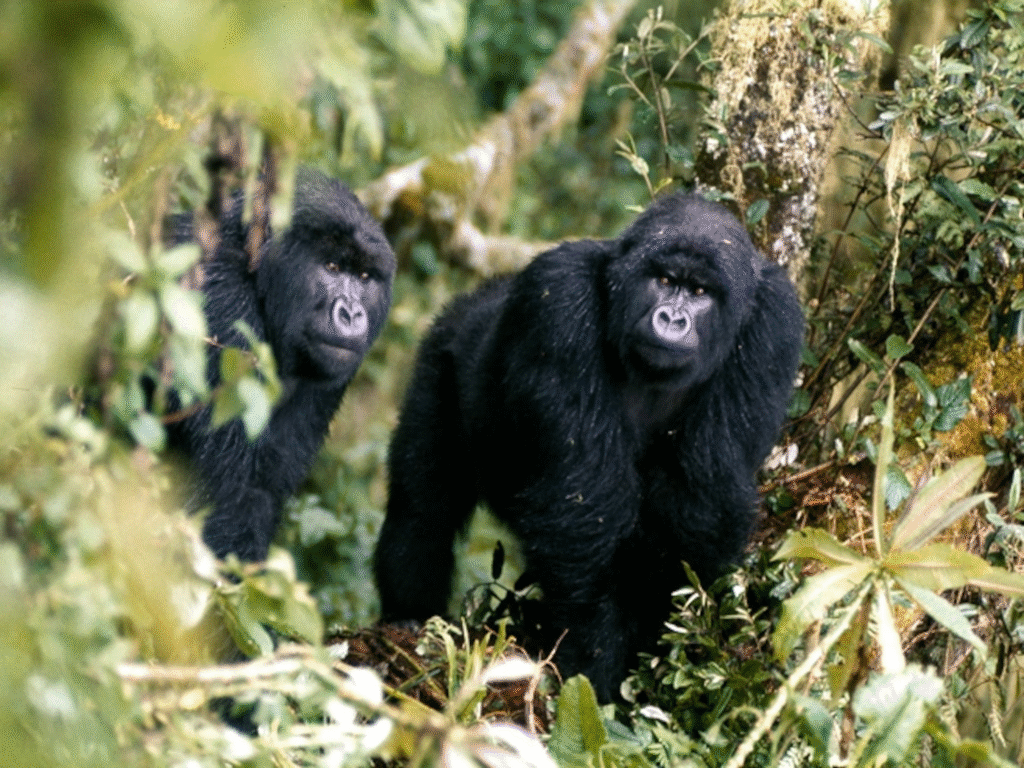
Bwindi offers a more diverse and immersive trekking experience. It has over half of the world’s remaining mountain gorillas, spread across multiple sectors including Rushaga, Nkuringo, Buhoma, and Ruhija. From Kigali, the southern sectors (Rushaga and Nkuringo) are the most accessible.
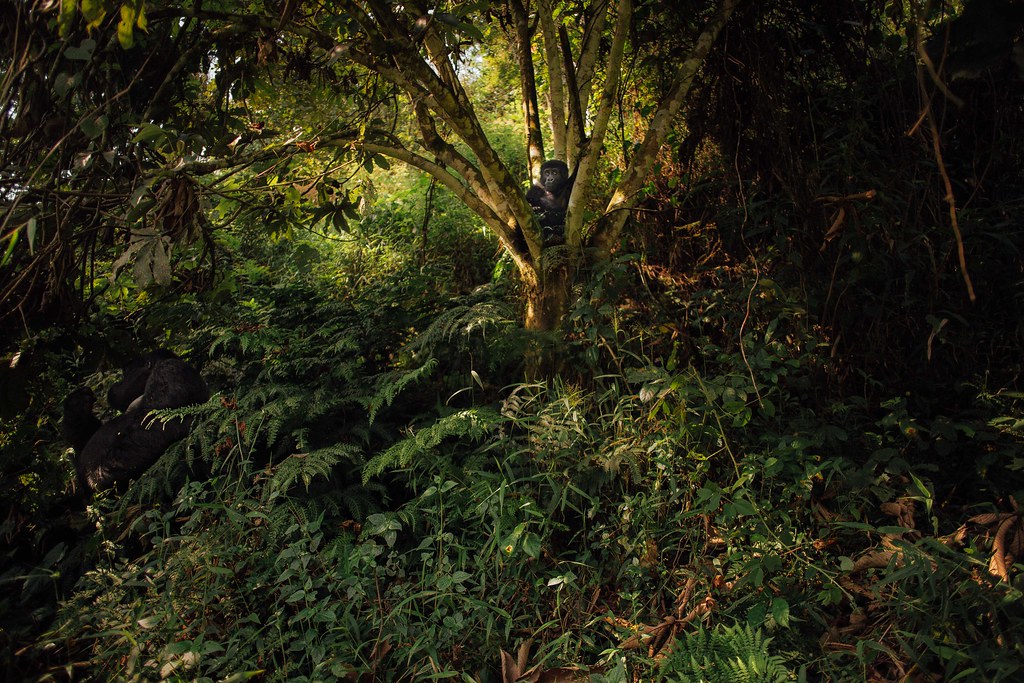
The forest in Bwindi is denser and trekking can be more physically demanding. However, it offers more gorilla families, greater permit availability, and the unique option of gorilla habituation experiences. Bwindi is ideal for travelers who want depth, variety, and better value.
Uganda vs Rwanda: Which is Better from Kigali
Choosing between Uganda and Rwanda depends on priorities rather than distance, since both are accessible from Kigali.
Rwanda offers simplicity, shorter treks in some cases, and a more refined experience. Uganda offers more variety, lower permit costs, and a deeper wilderness feel. Travelers who prioritize comfort and time often choose Rwanda, while those focused on value and extended safari experiences tend to choose Uganda.
Gorilla Trekking Permits
Permits are the most important part of planning your gorilla safari. Without a confirmed permit, trekking is not possible.
In Rwanda, a gorilla permit costs approximately $1,500 per person. In Uganda, the standard gorilla trekking permit is about $800, while the gorilla habituation experience costs around $1,500.
Permits are issued by Rwanda Development Board (RDB) and Uganda Wildlife Authority (UWA). Booking should be done well in advance, especially during peak seasons, as availability is limited and demand is high.
Travel Route from Kigali to Gorilla Parks
Kigali to Volcanoes National Park
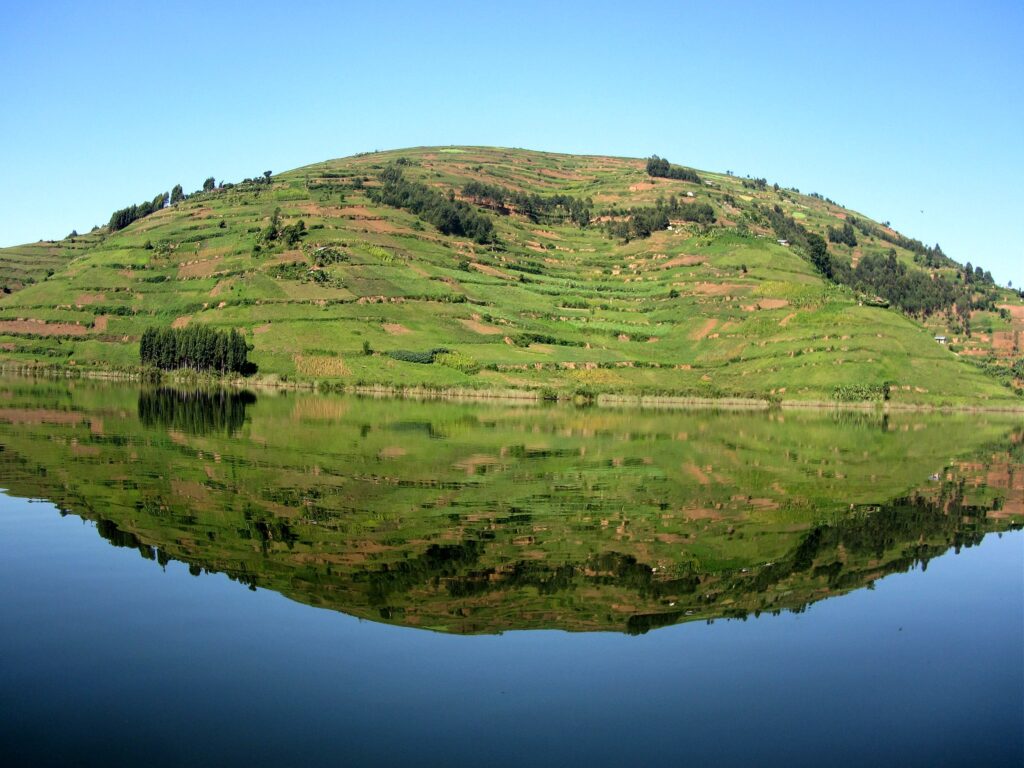
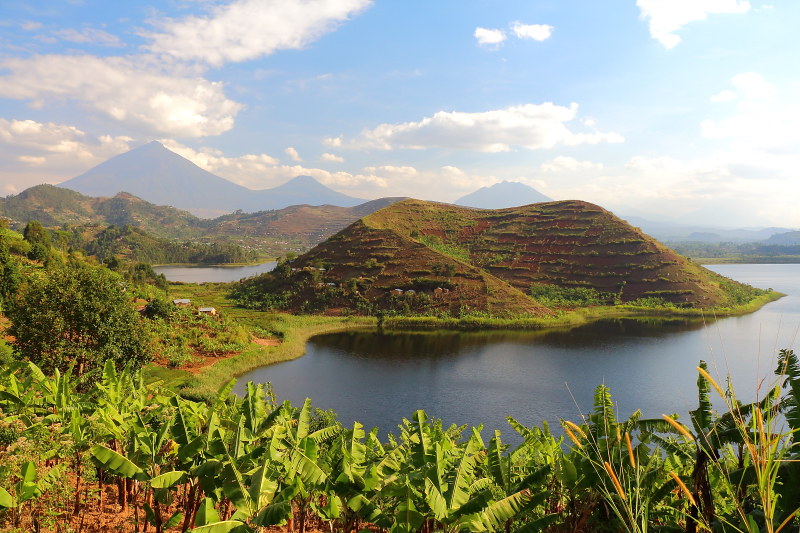
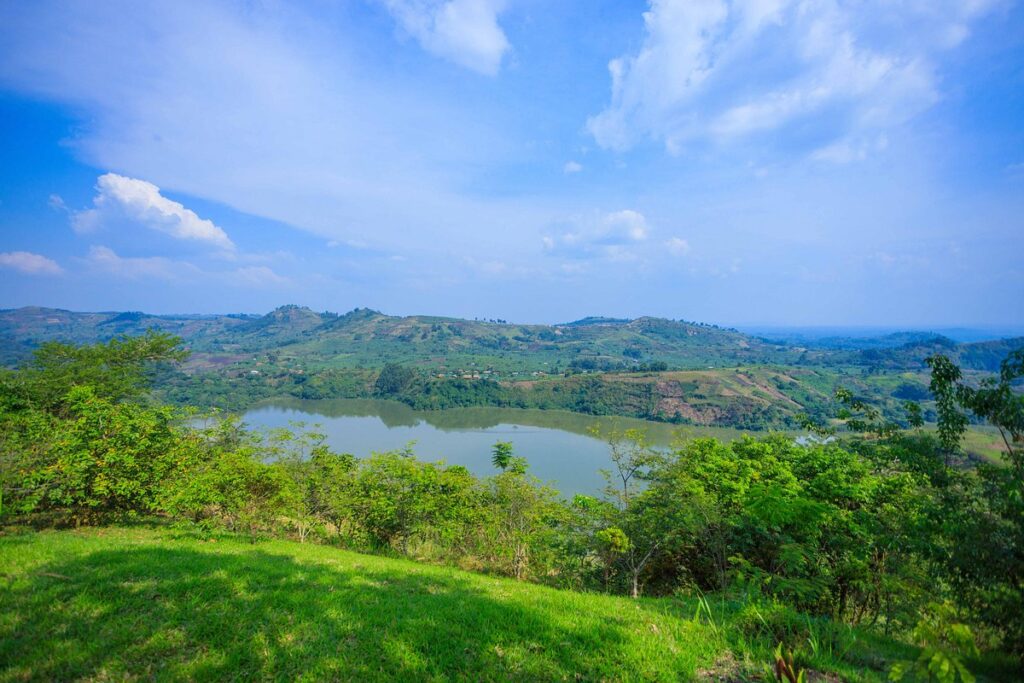
The journey from Kigali to Volcanoes National Park is straightforward. The drive takes around 2 to 3 hours through Rwanda’s scenic countryside. The roads are well maintained, and the route passes through rolling hills and rural landscapes.
Kigali to Bwindi (Uganda)
Traveling from Kigali to Bwindi involves crossing the Rwanda–Uganda border, usually via Cyanika or Katuna. The journey takes about 4 to 5 hours depending on the sector.
Rushaga and Nkuringo are the closest sectors to Kigali. Border crossing is smooth when documents and permits are arranged in advance. Most travelers combine this route with a short Kigali city tour before departure.
The Gorilla Trekking Experience
Pre-Trek Briefing
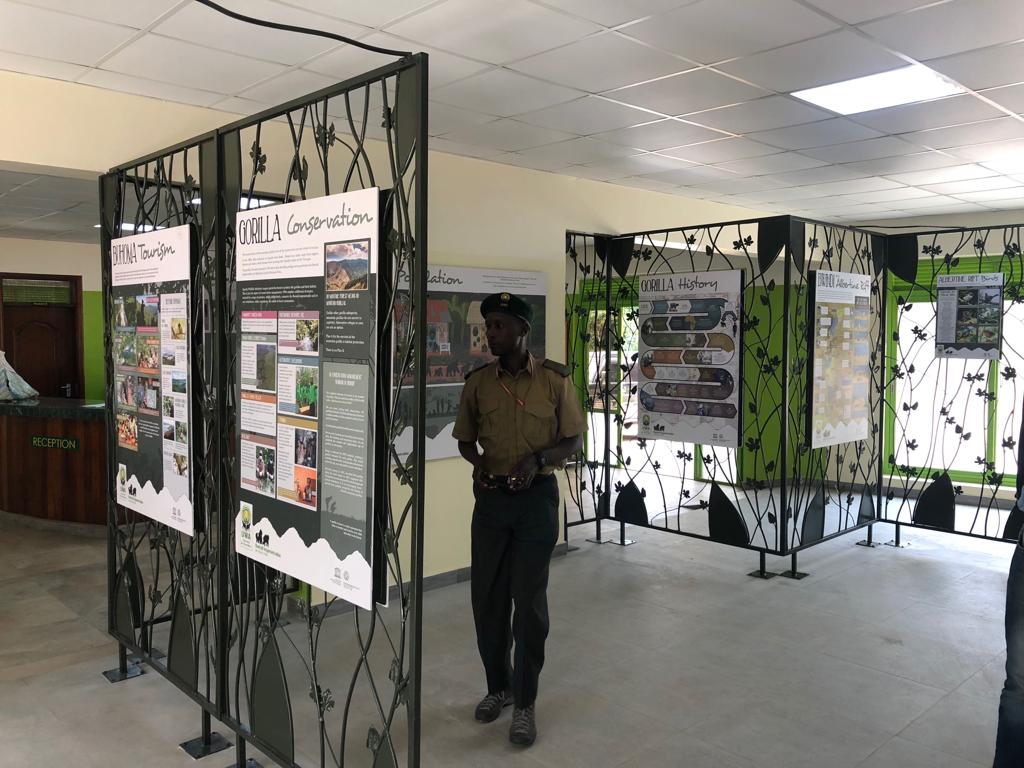
The day begins early at the park headquarters. Rangers provide a briefing on trekking rules, safety guidelines, and group allocation. Each group is assigned a specific gorilla family based on fitness levels and tracking conditions.
The Trek
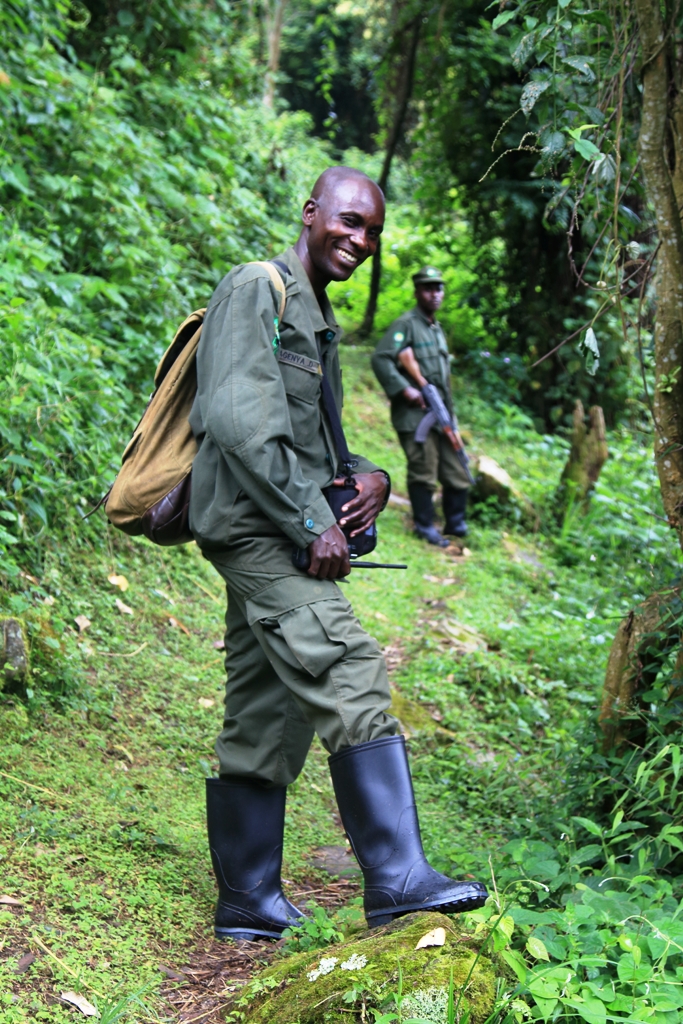
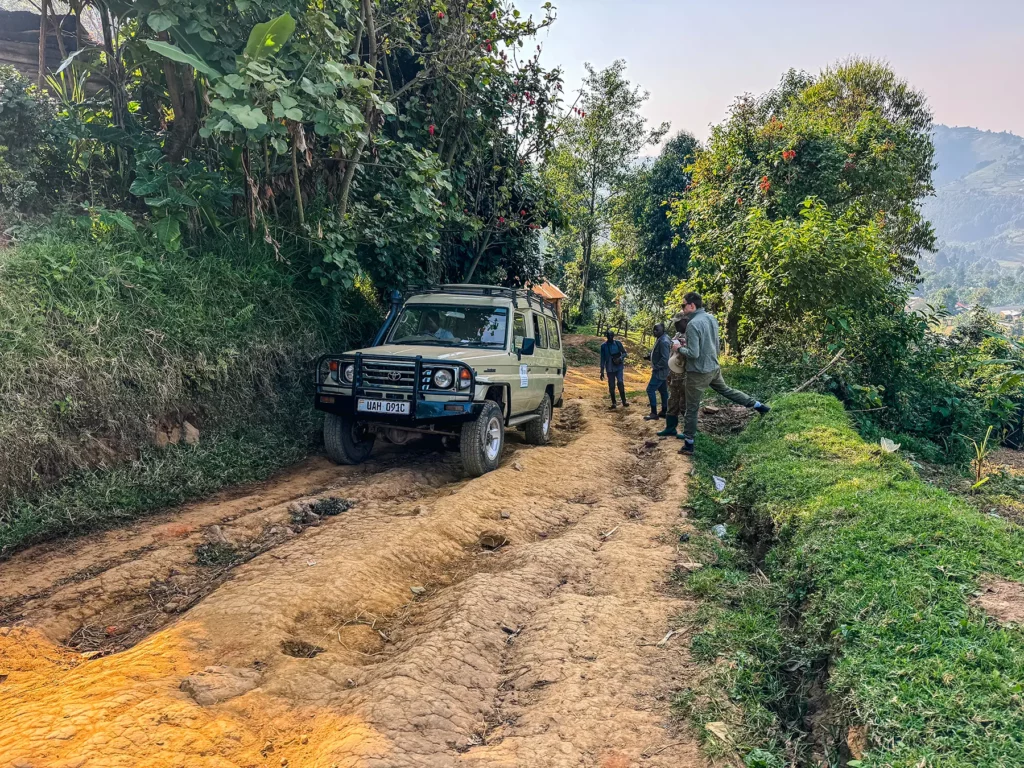
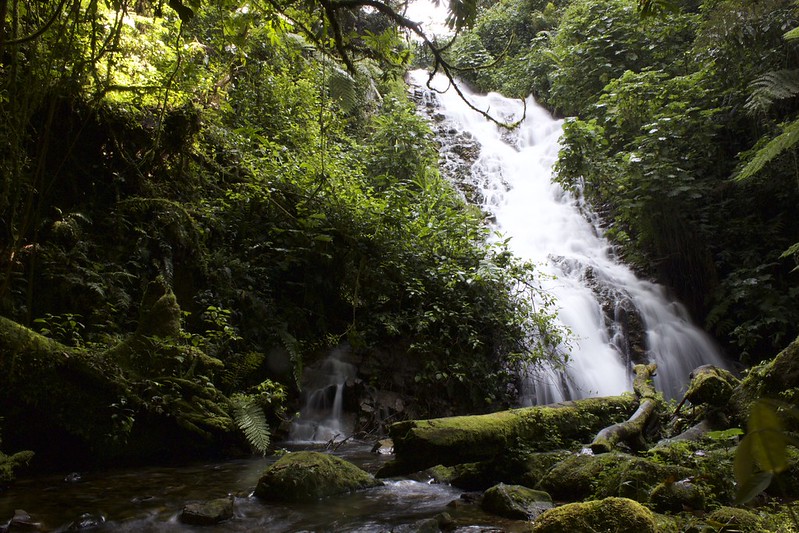
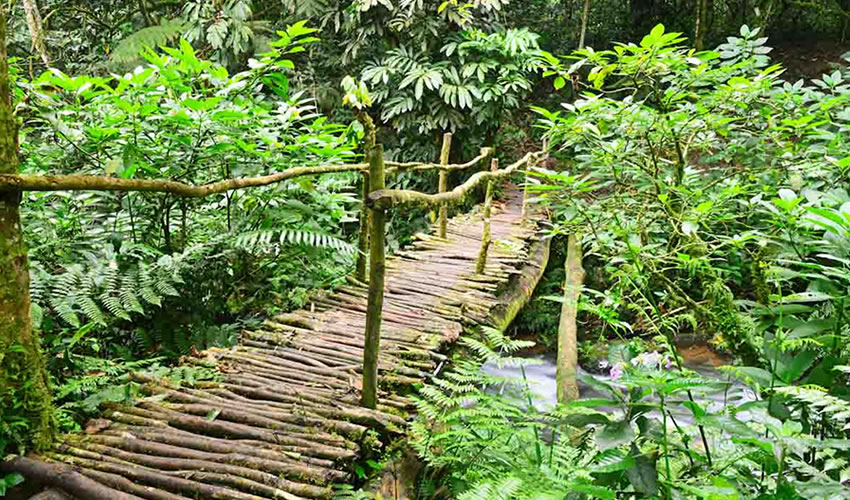
The trek can take anywhere from 1 to 6 hours depending on the location of the gorilla family. The terrain includes steep slopes, thick vegetation, and sometimes muddy trails. Guides and trackers move ahead to locate the gorillas and direct the group.
Time with the Gorillas
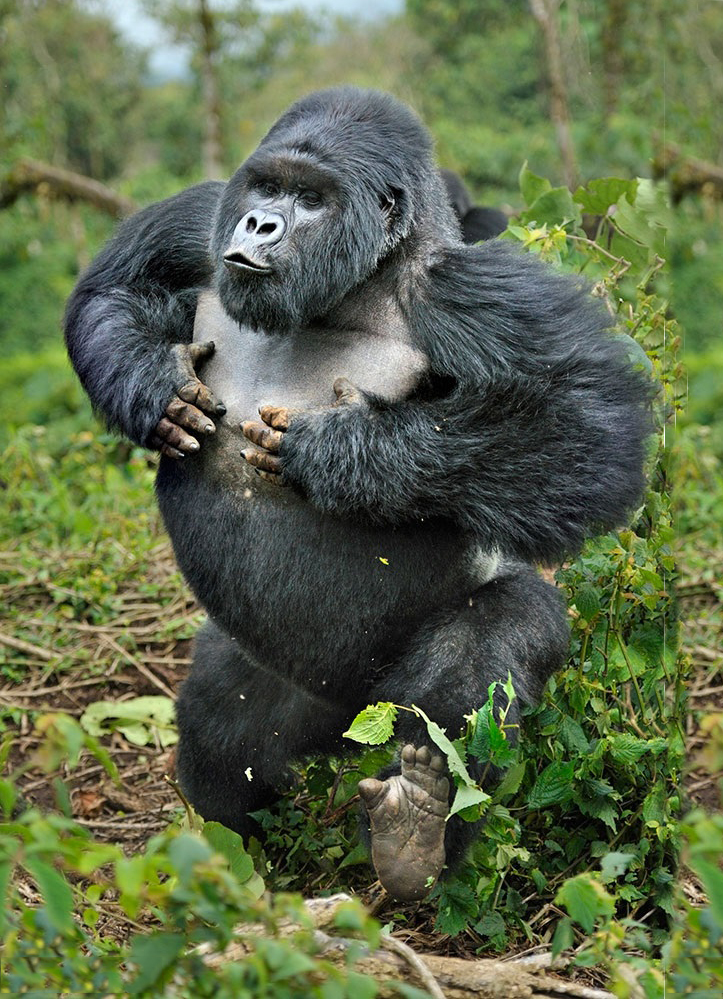
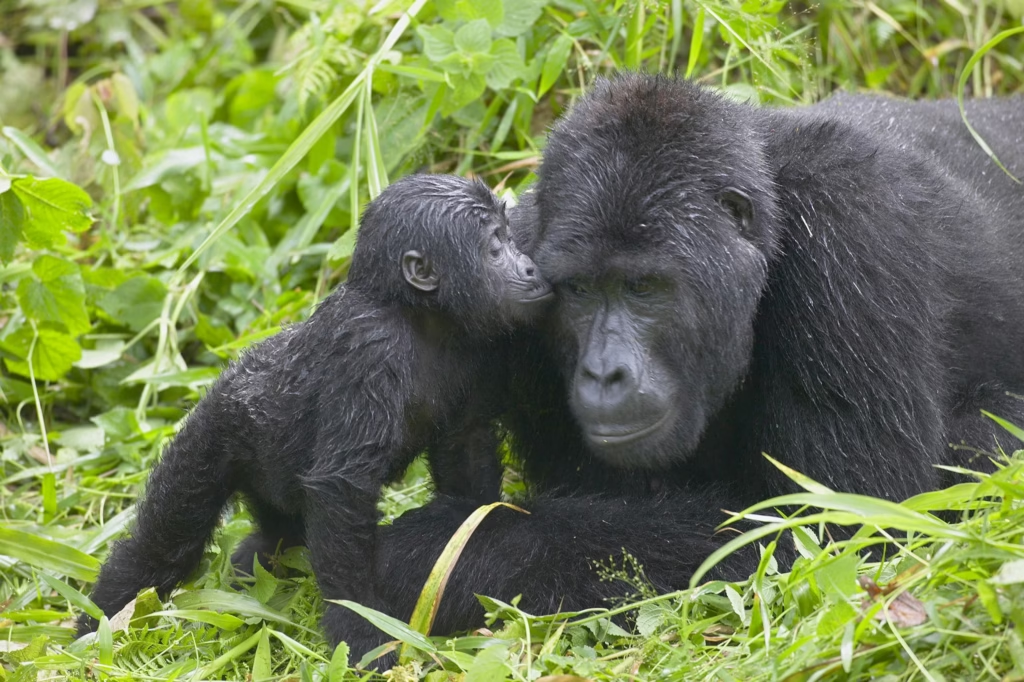
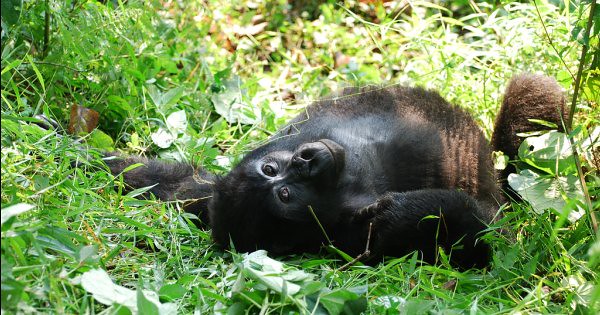
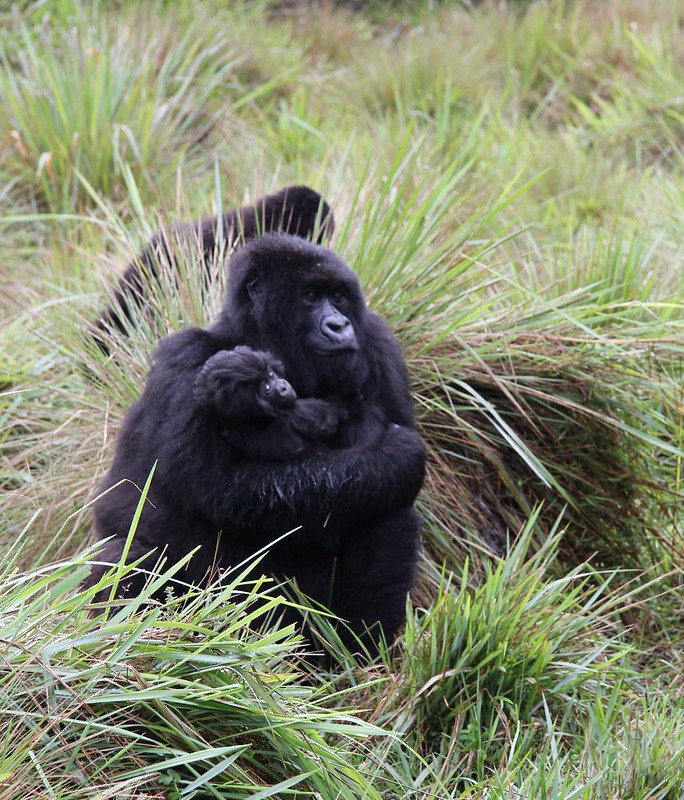
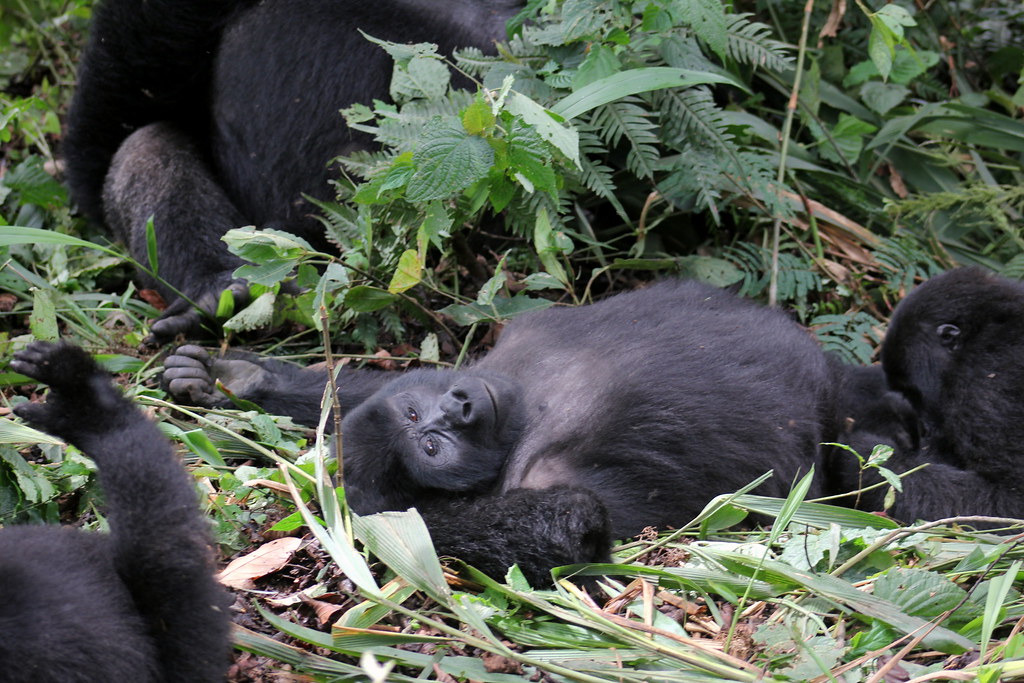
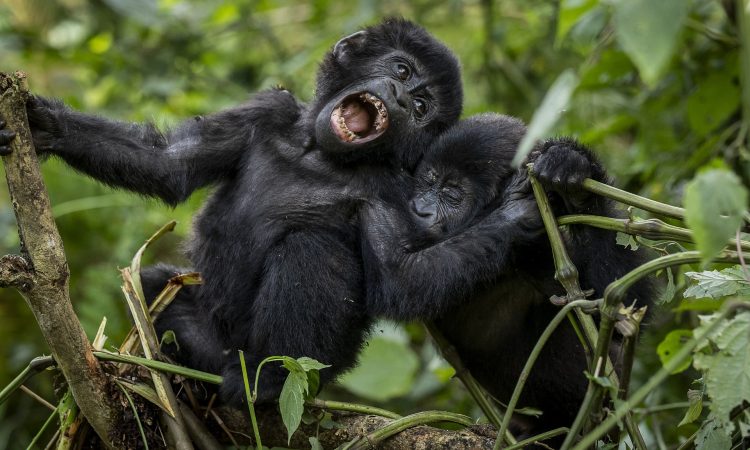
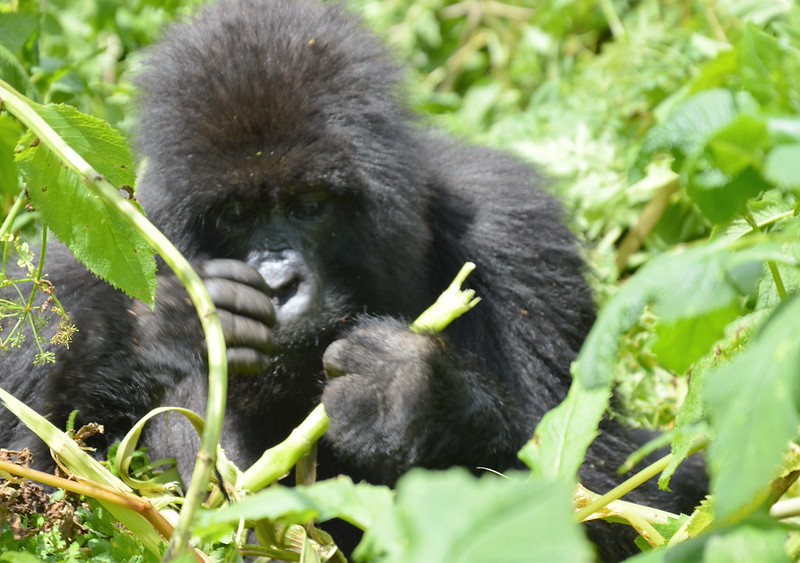
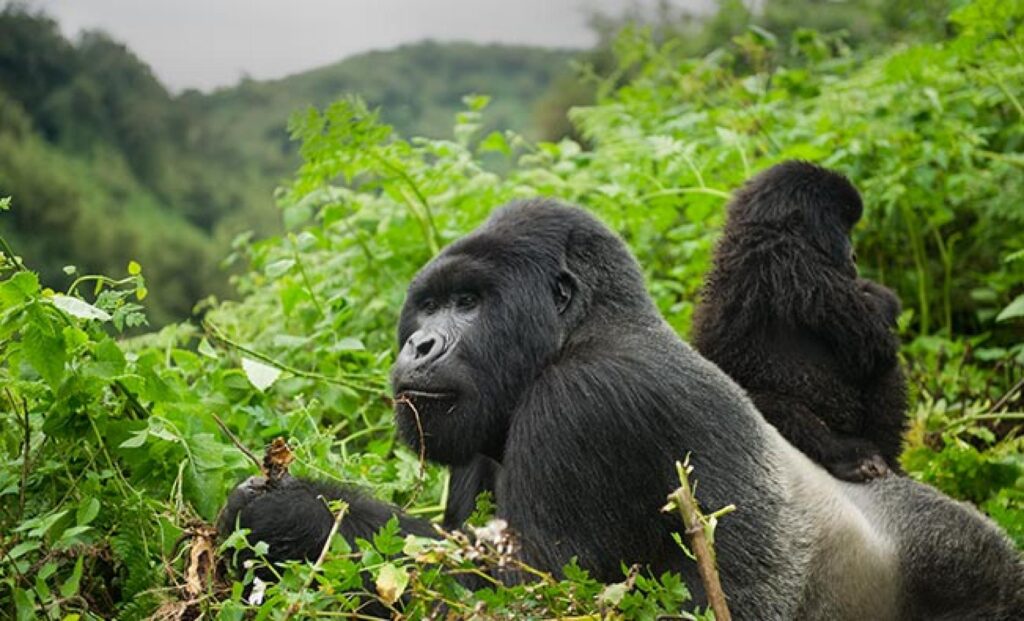
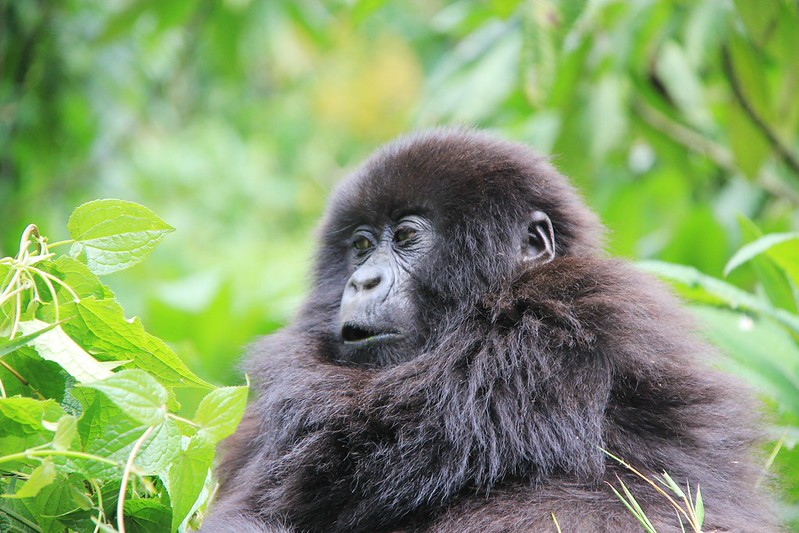
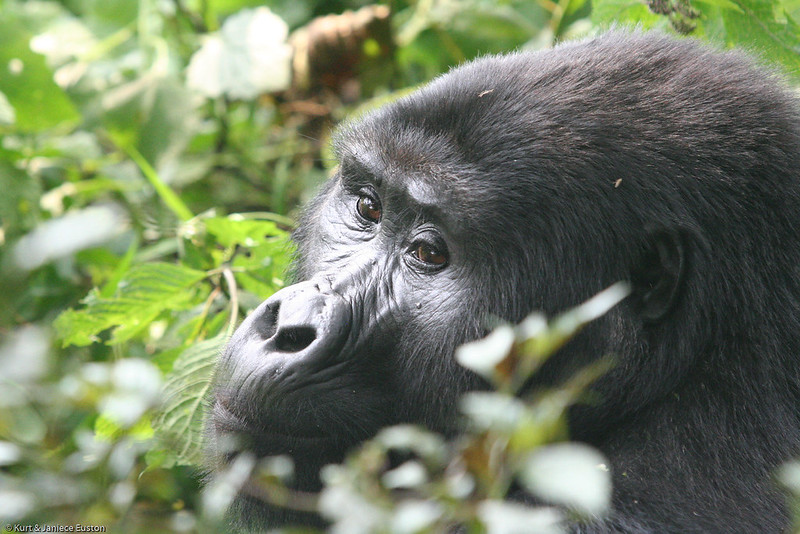
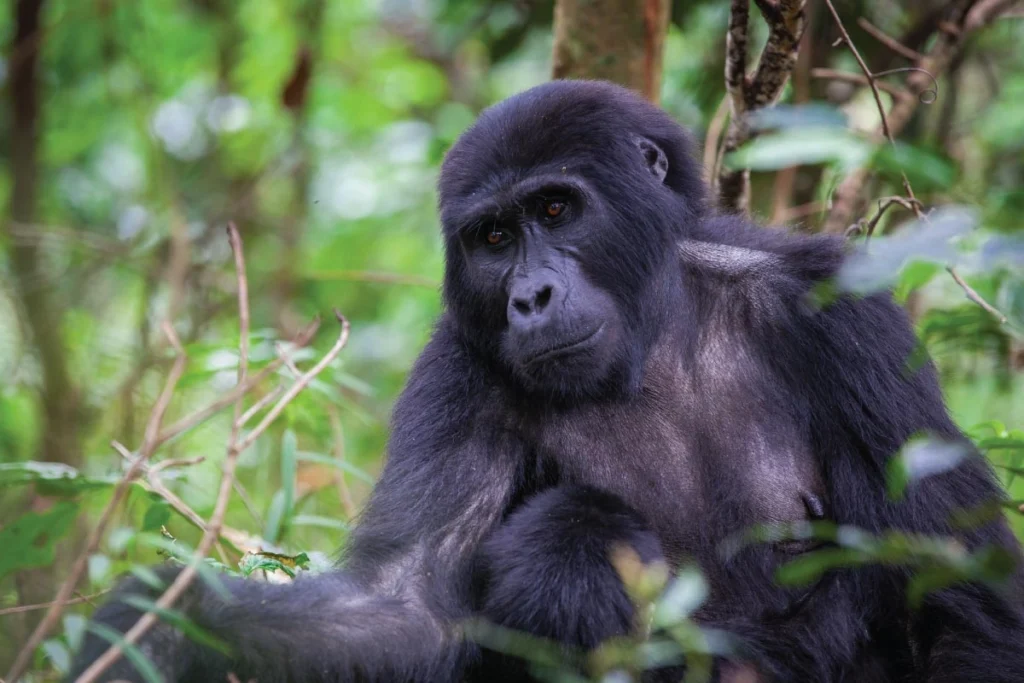
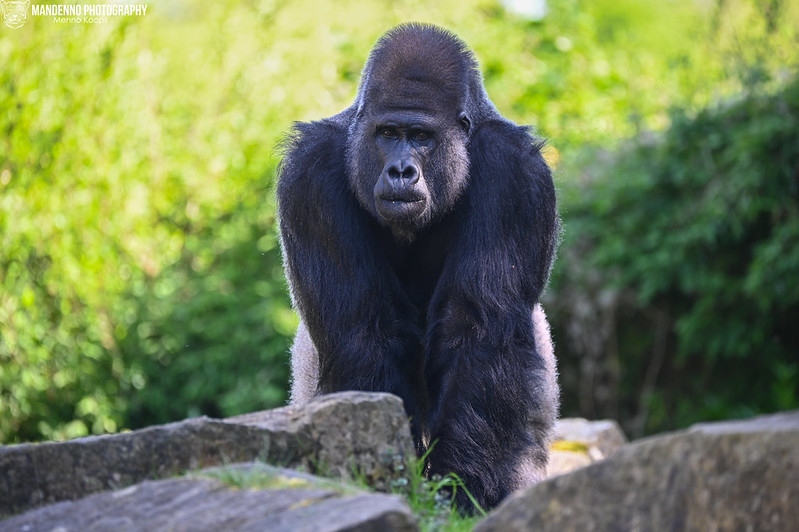
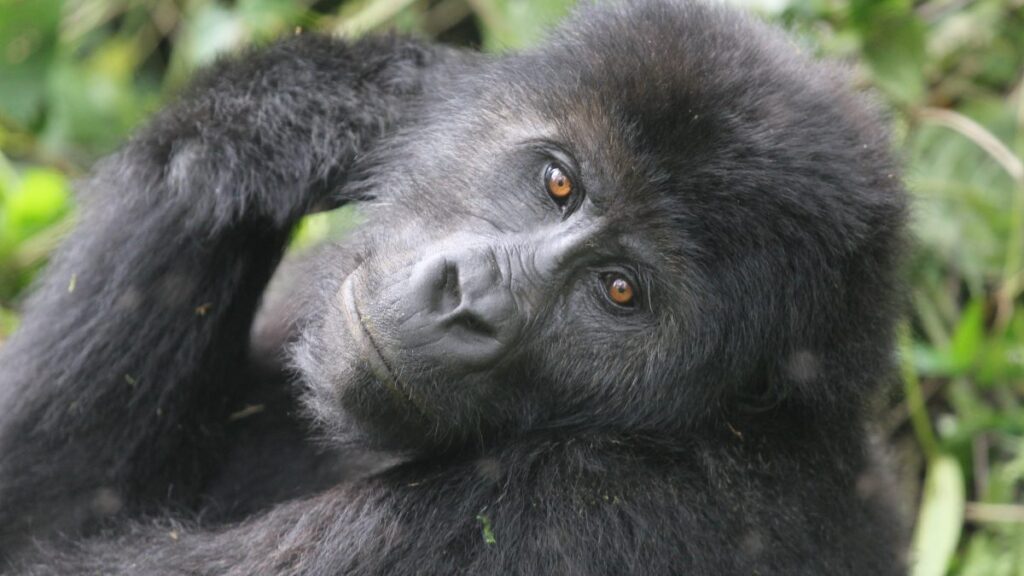
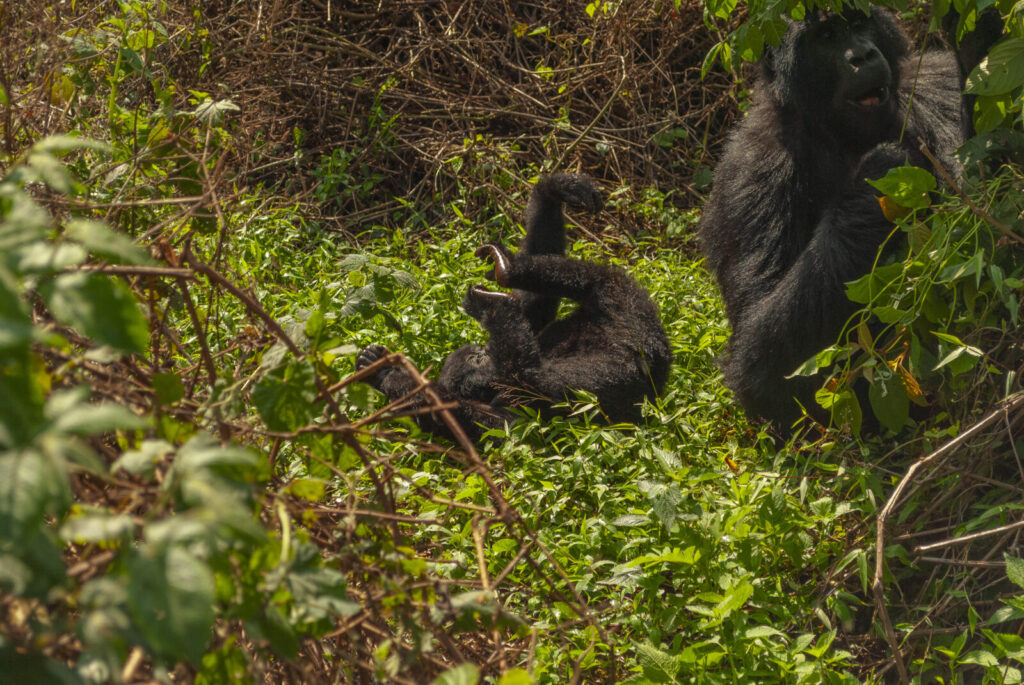
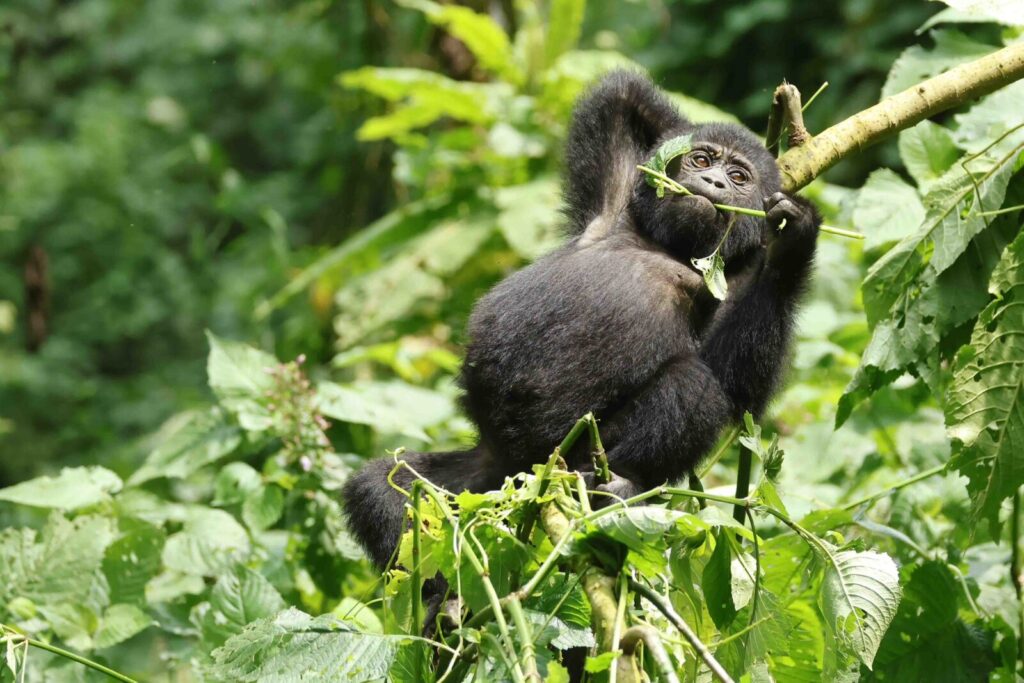
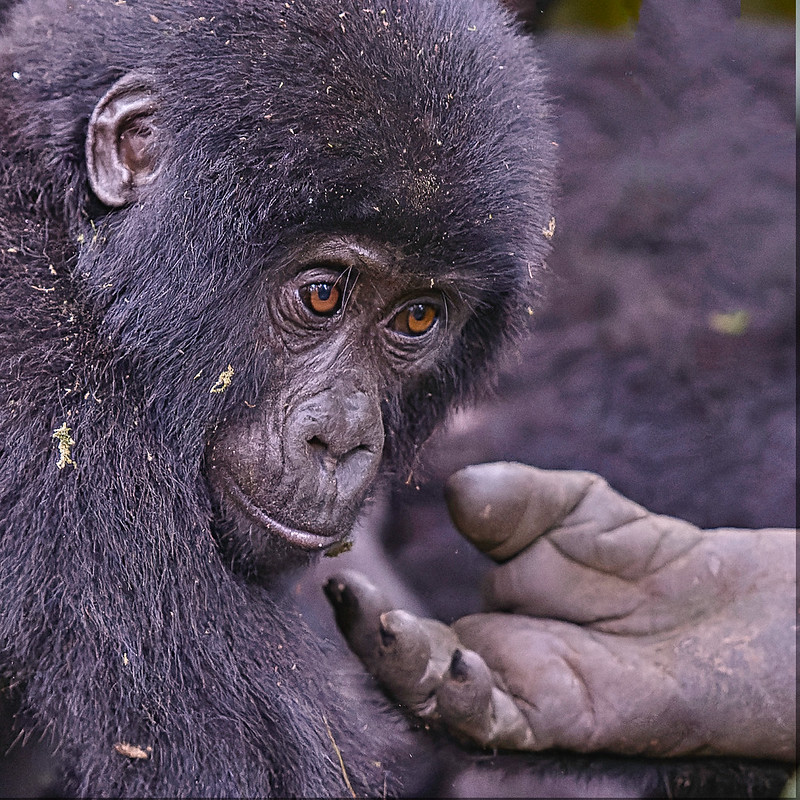
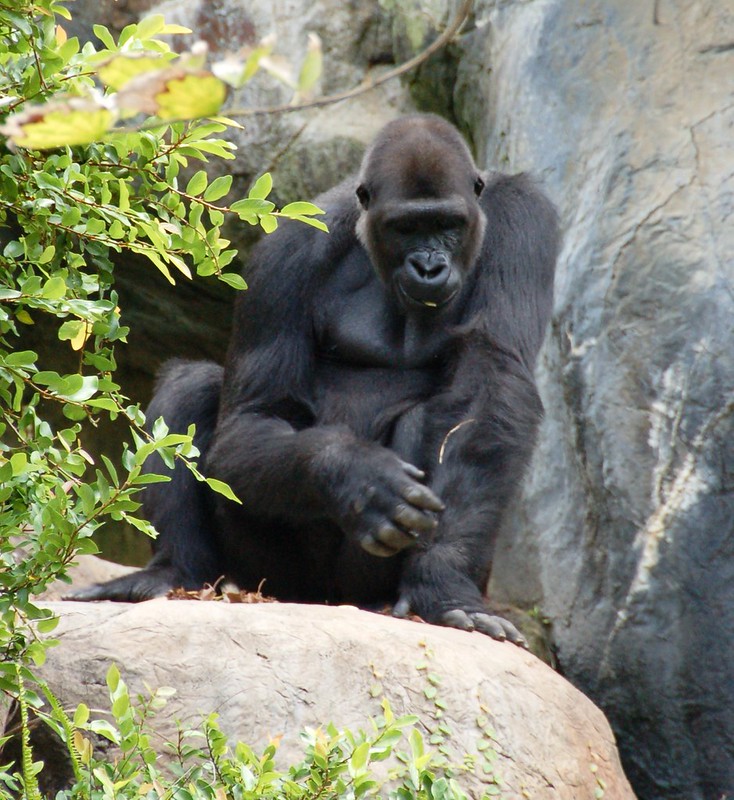
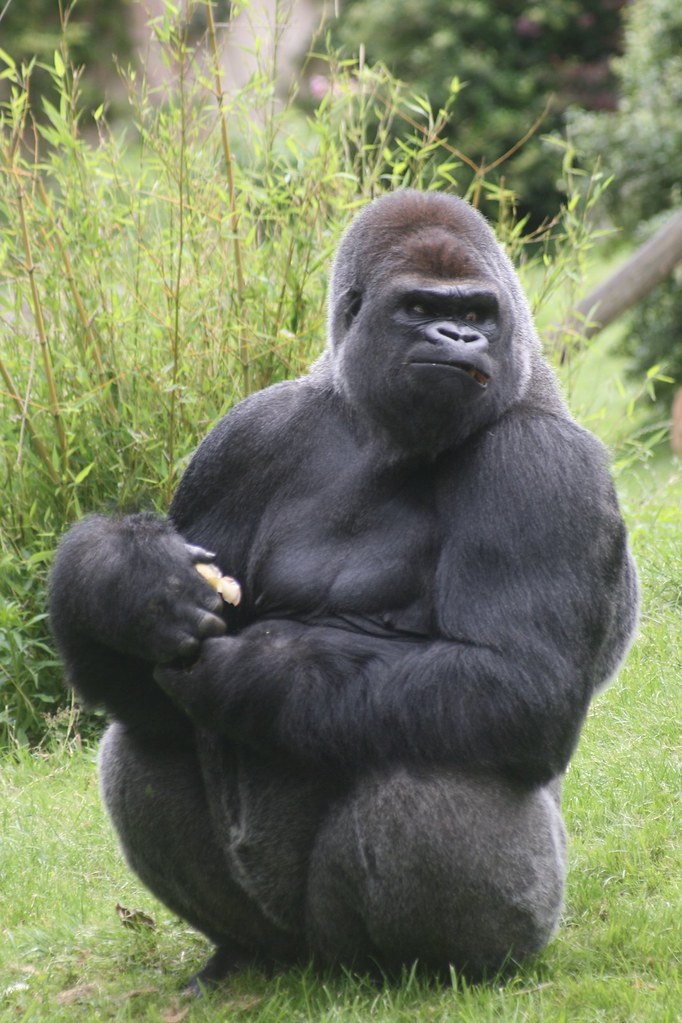
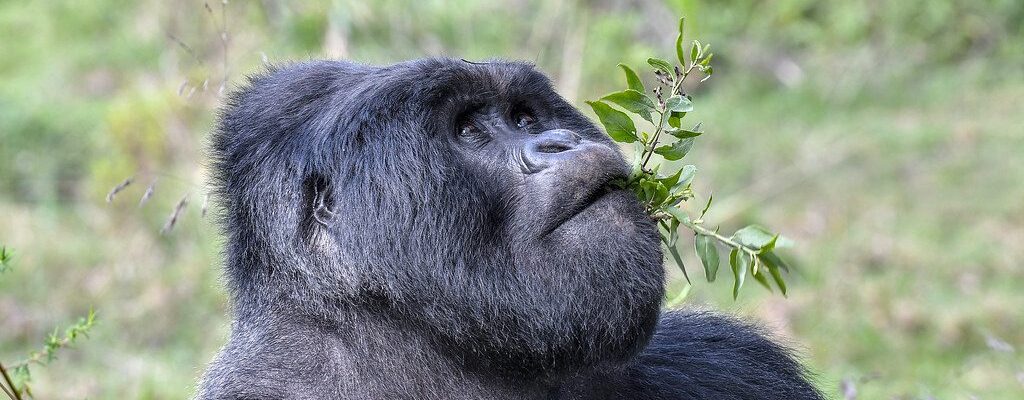
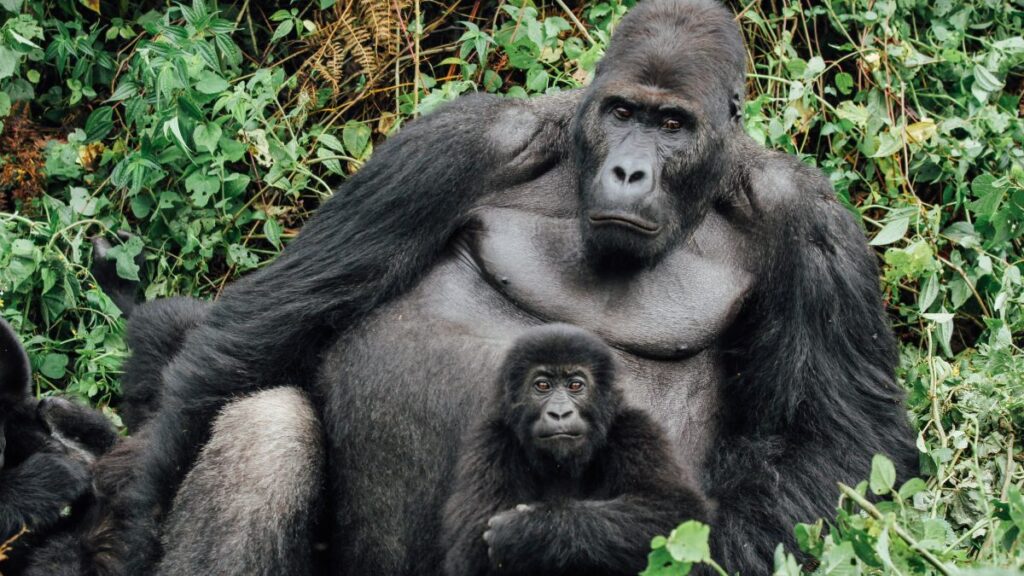
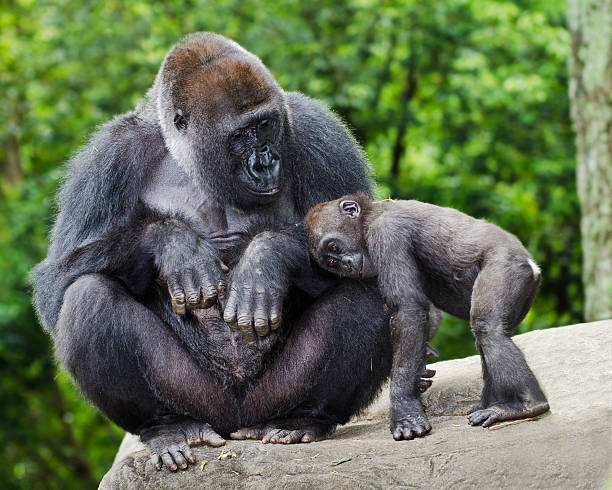
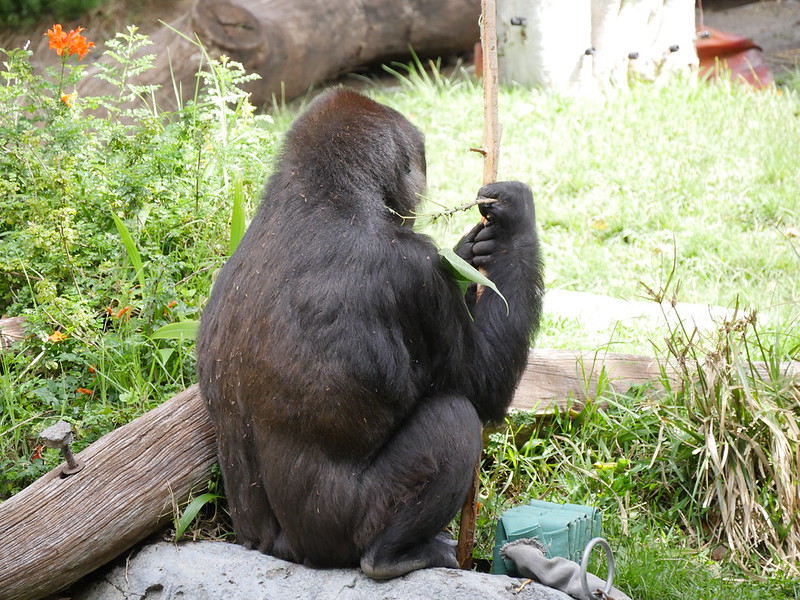
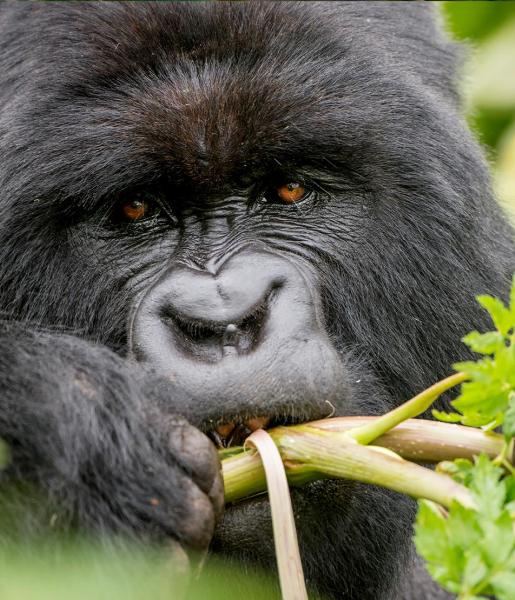
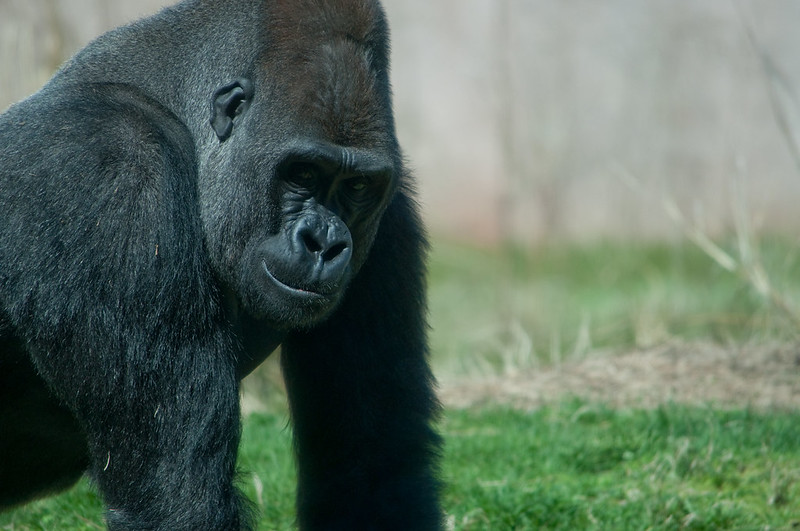
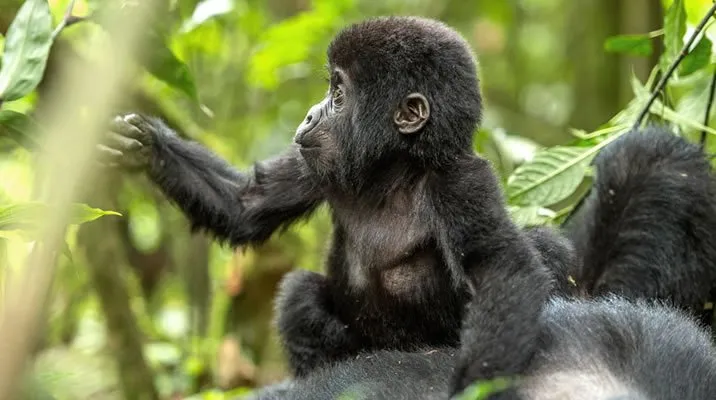
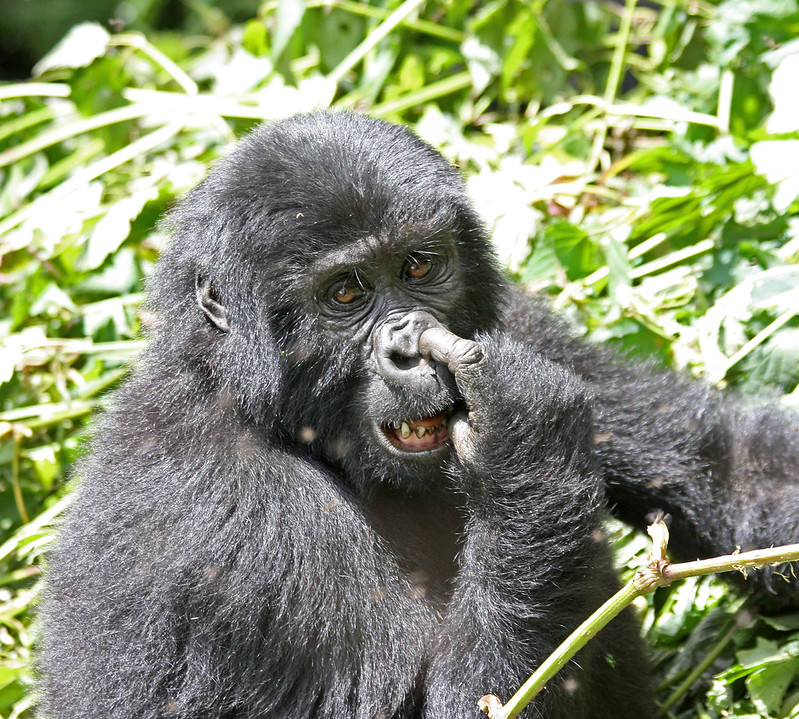
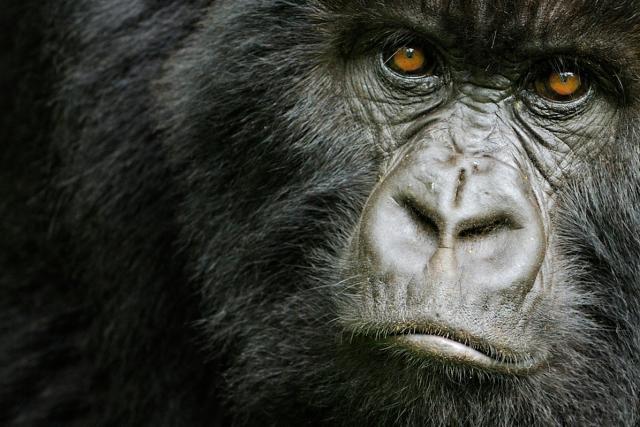
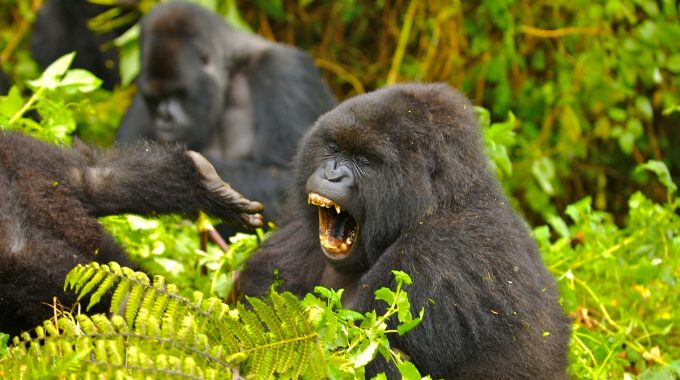
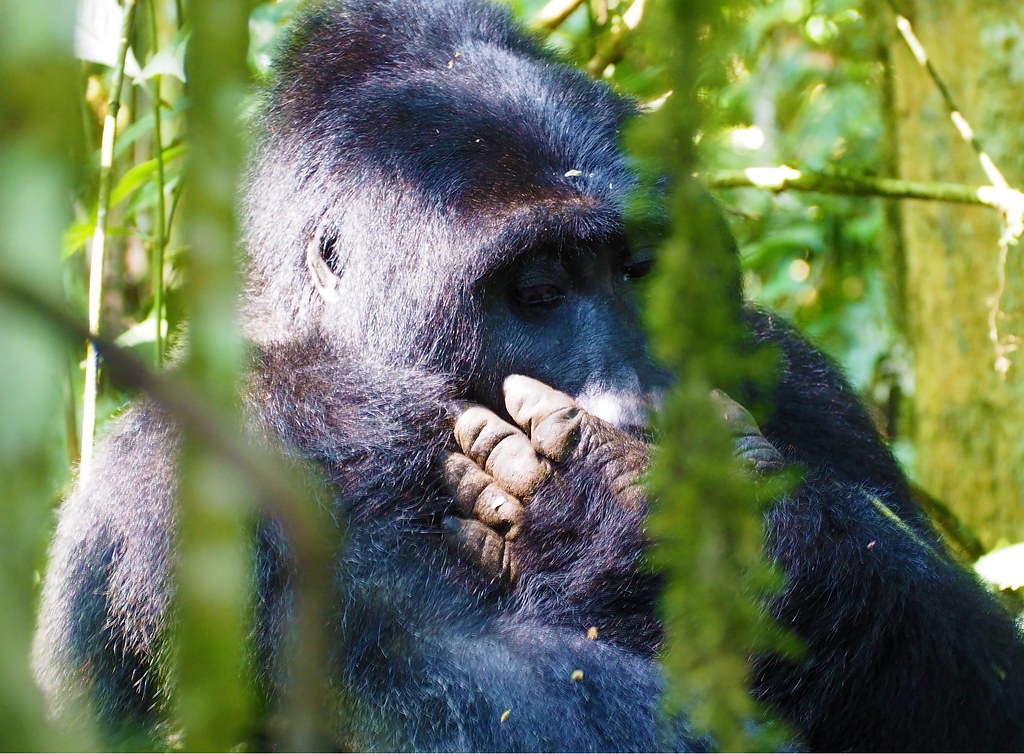
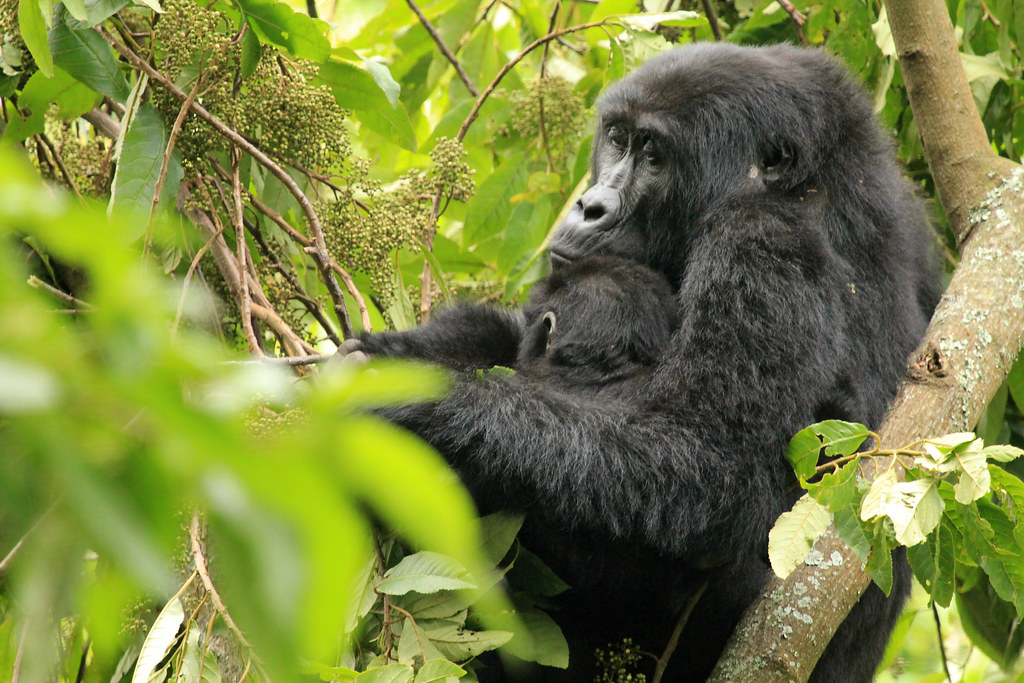
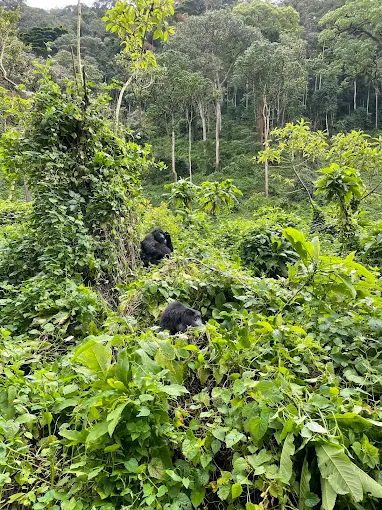
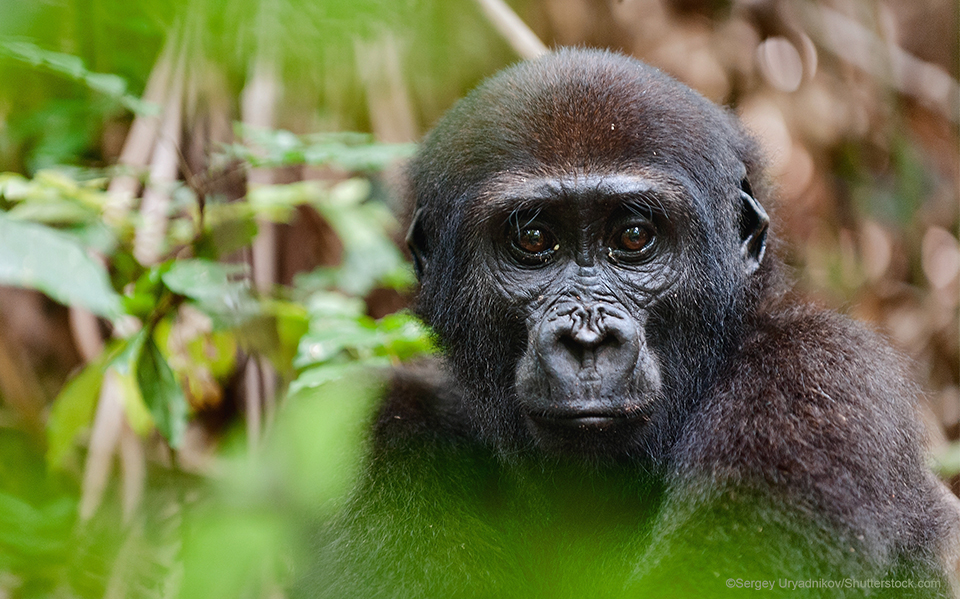
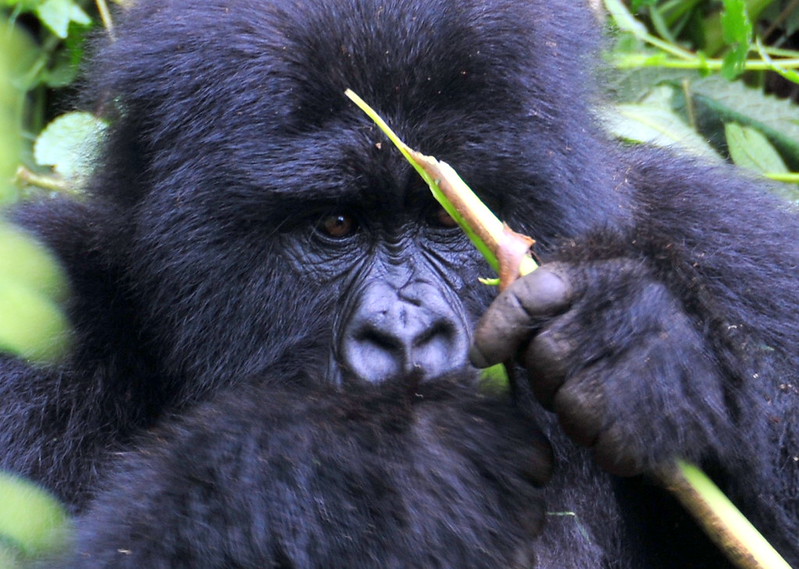
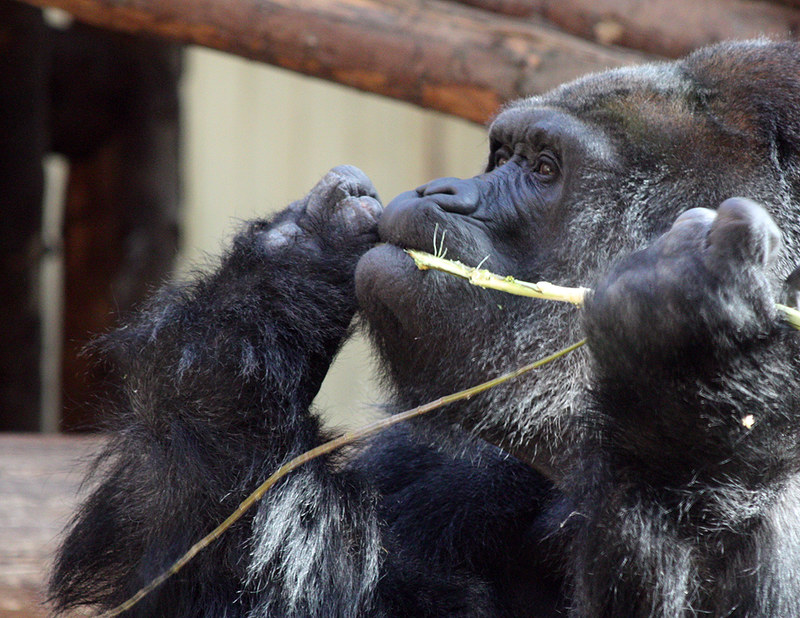
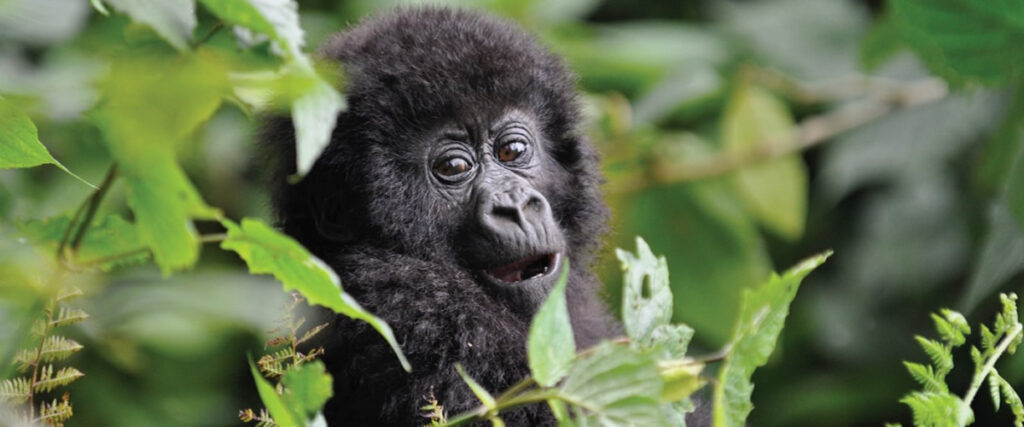
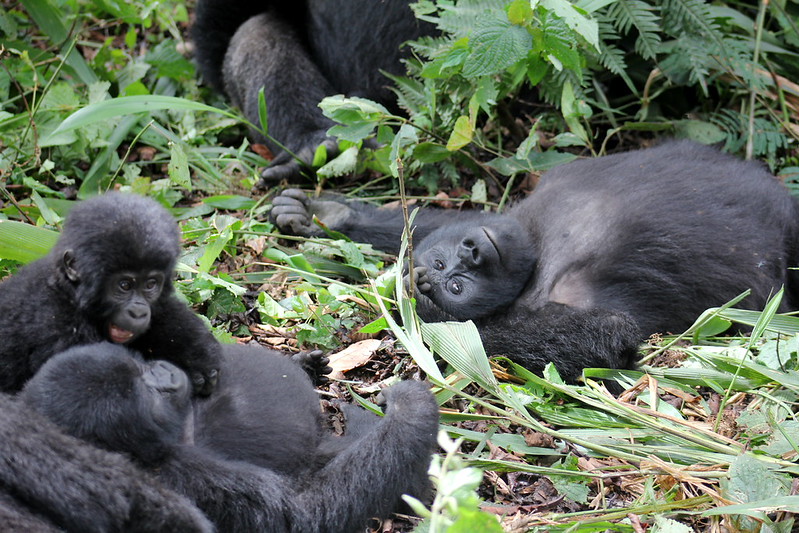
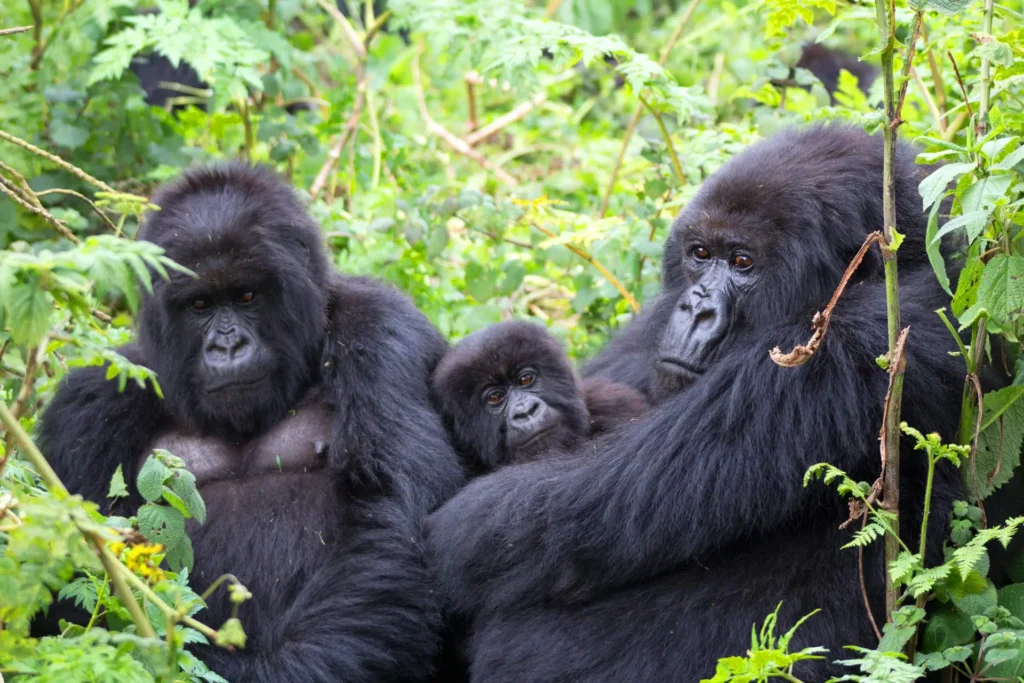
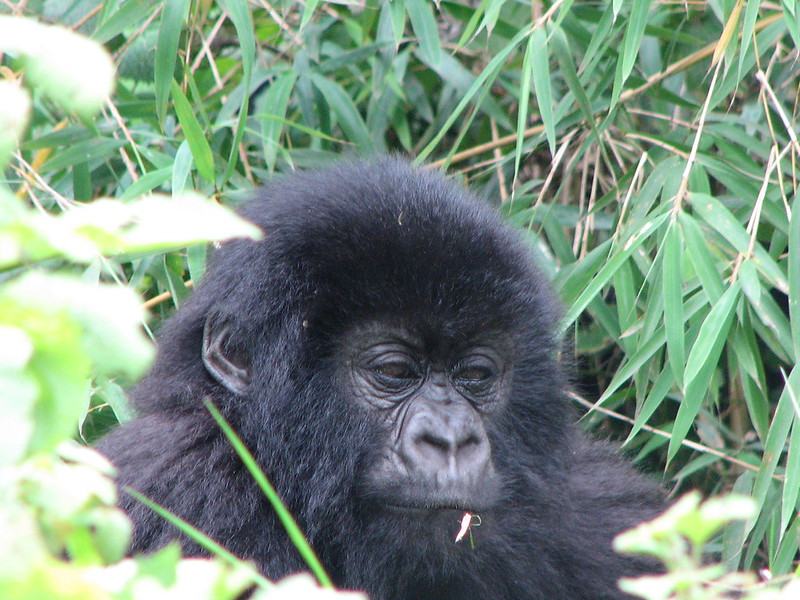
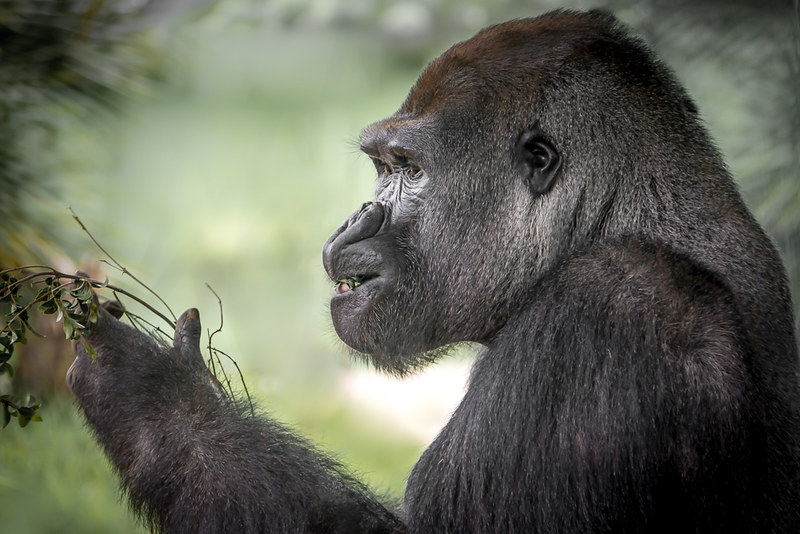
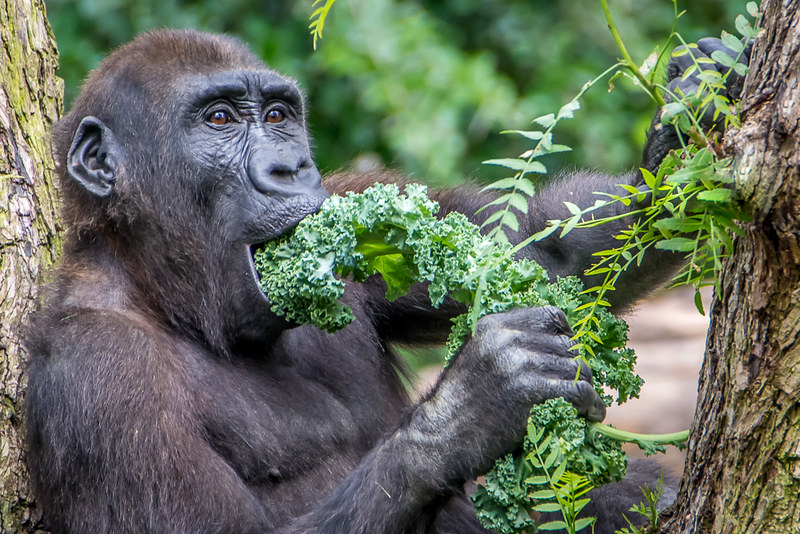
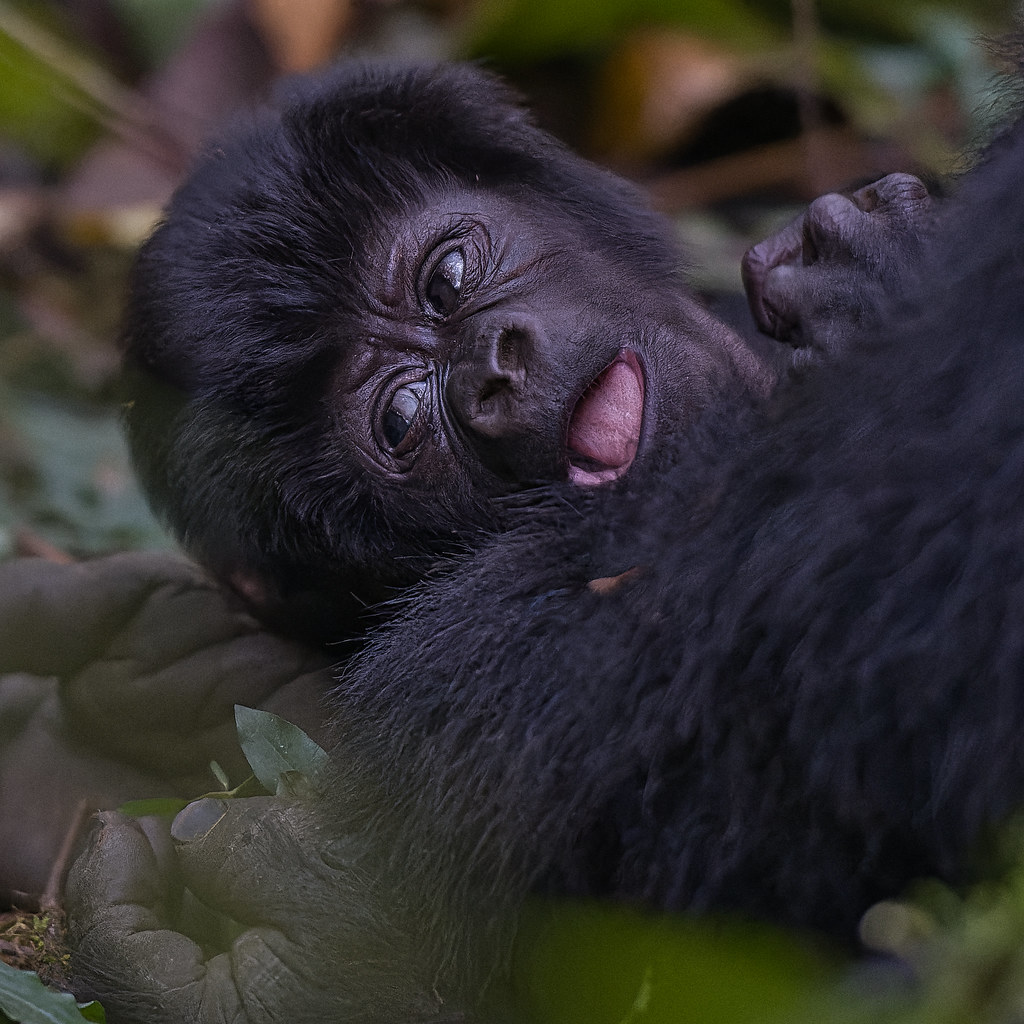
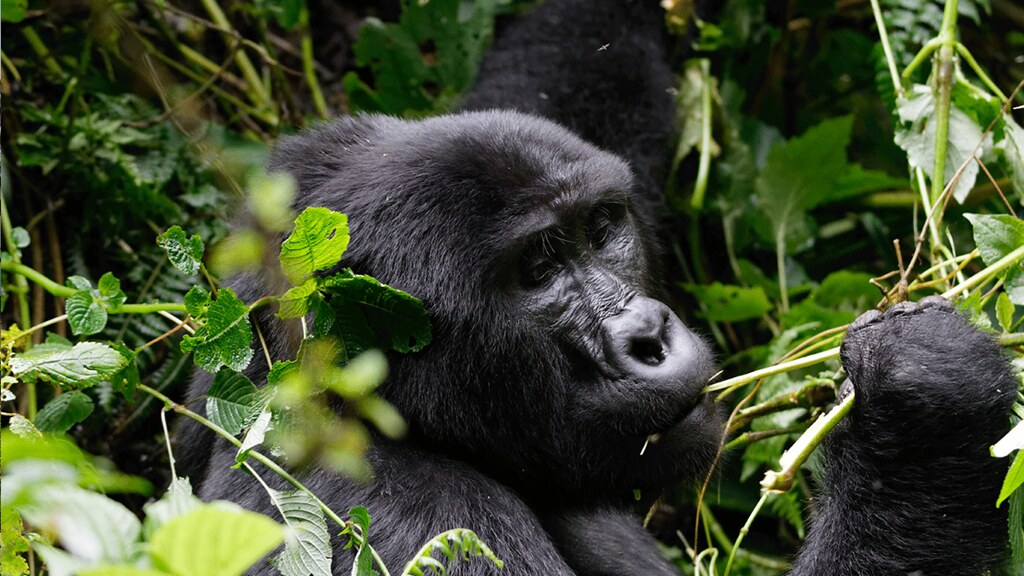
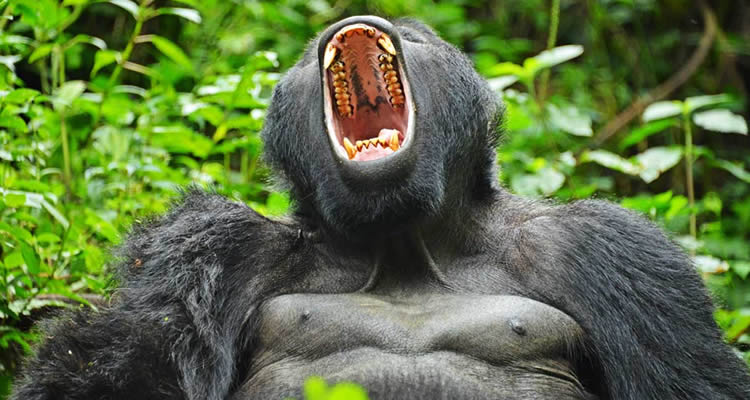
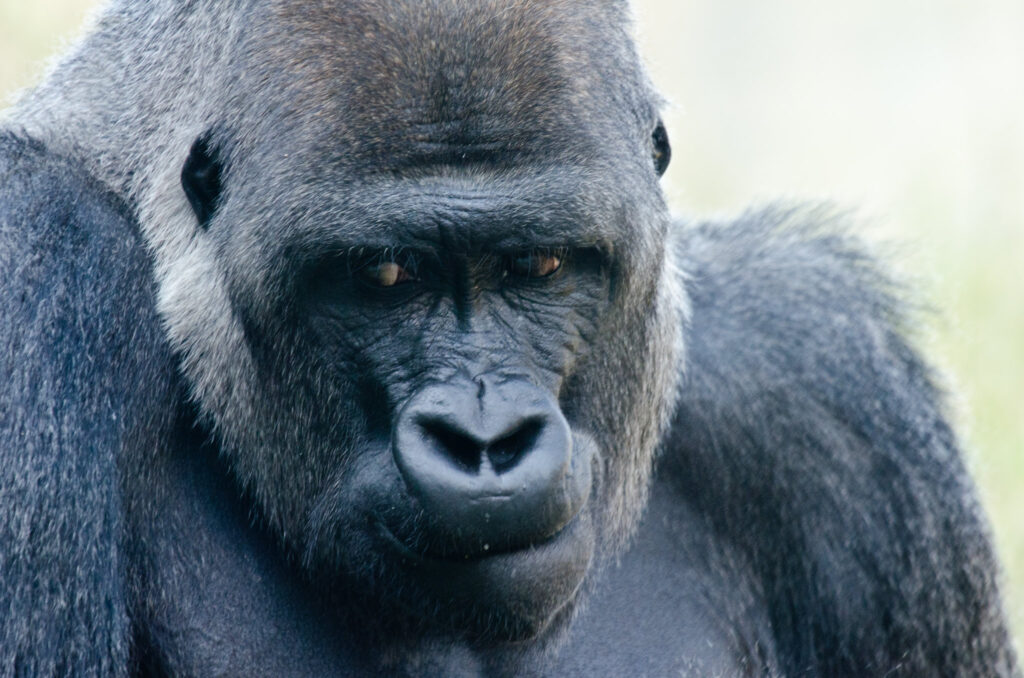
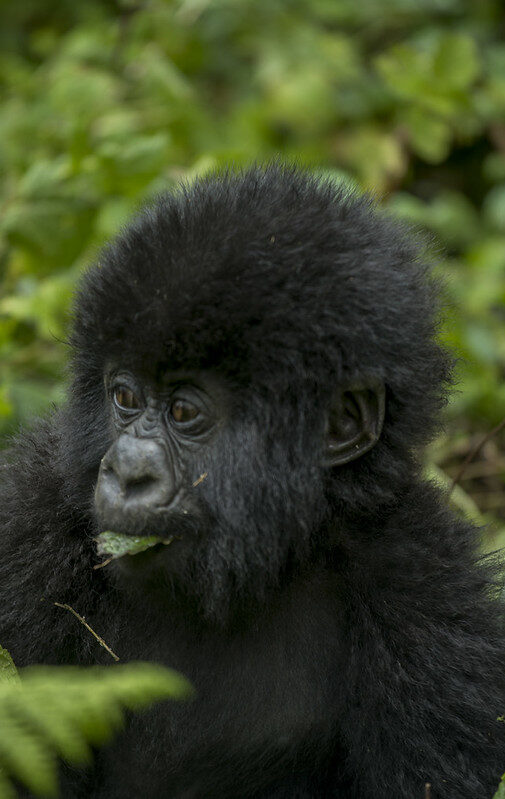
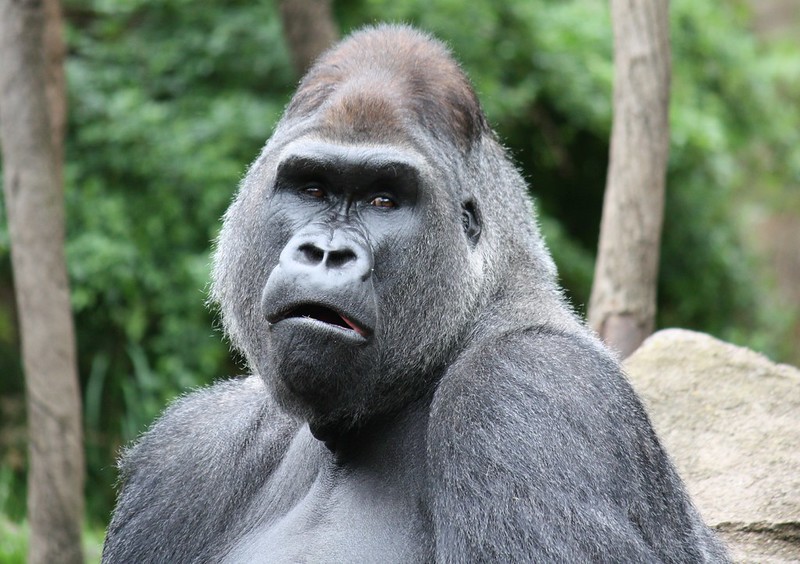
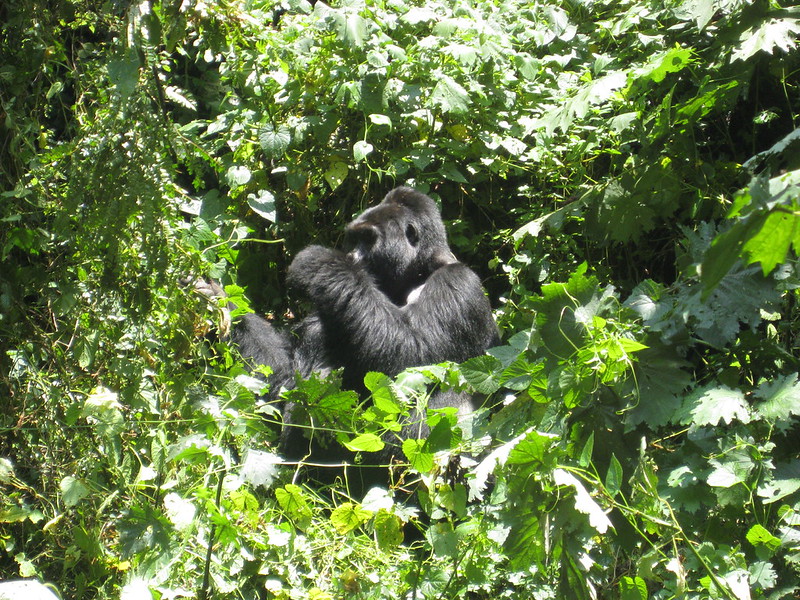
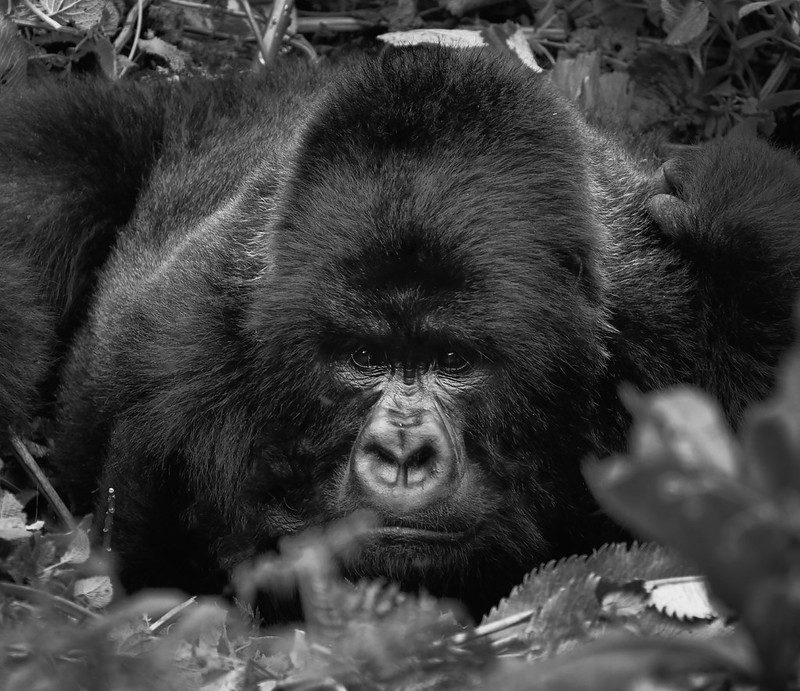
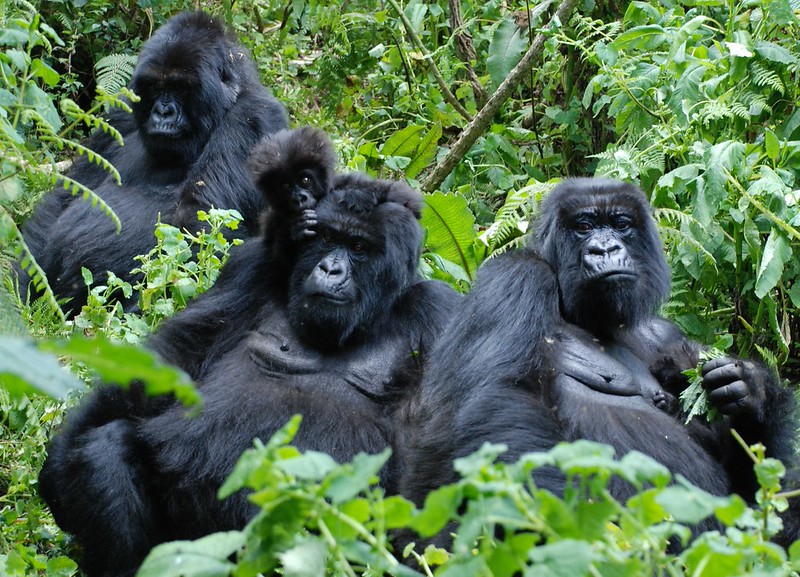
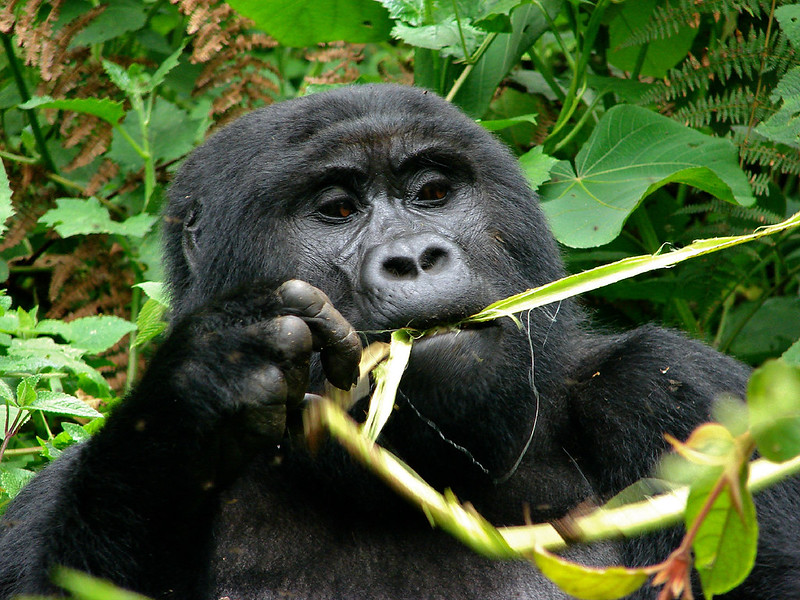
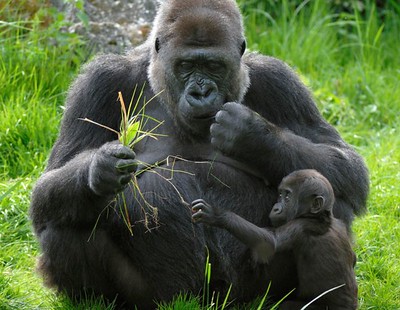
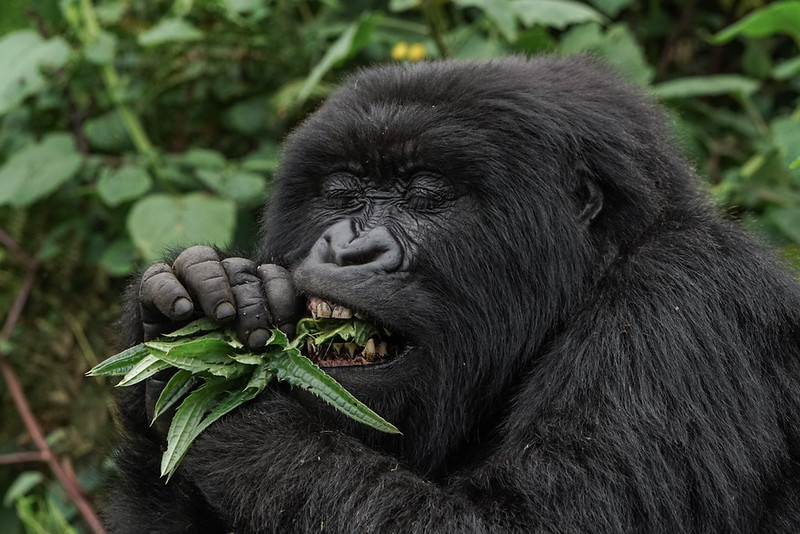
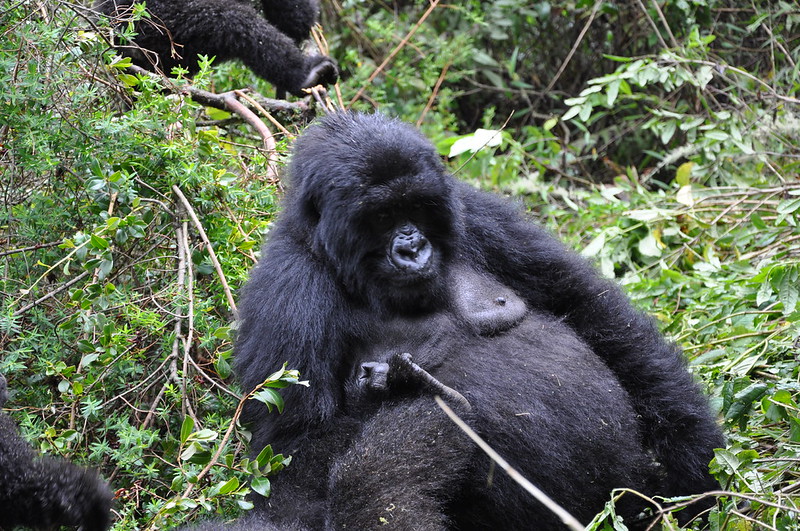
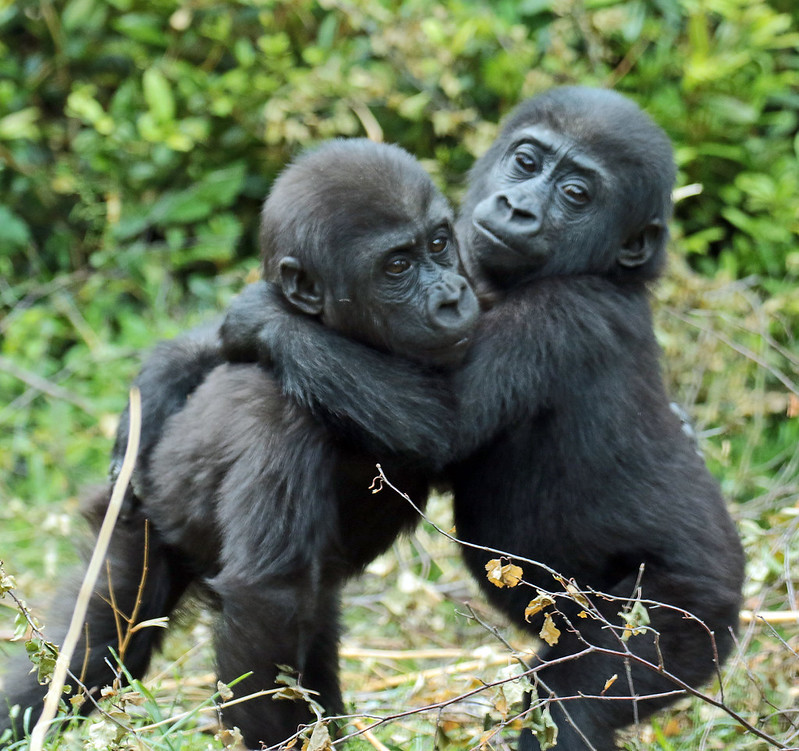
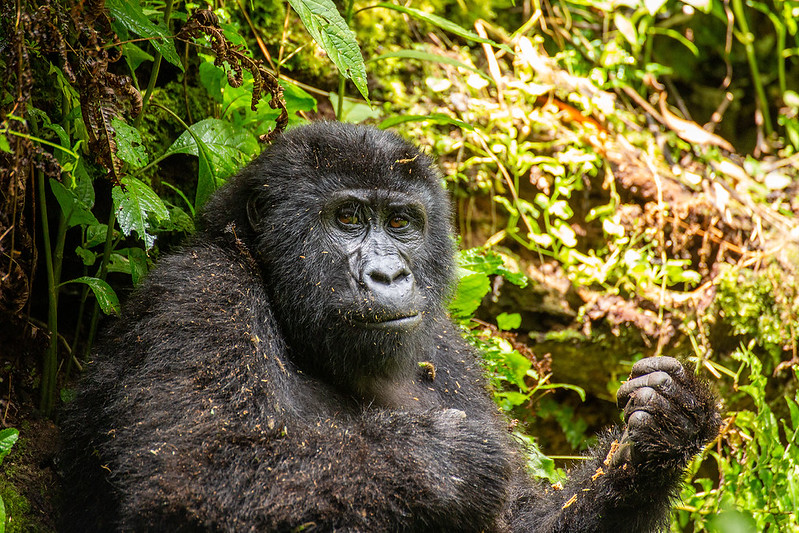
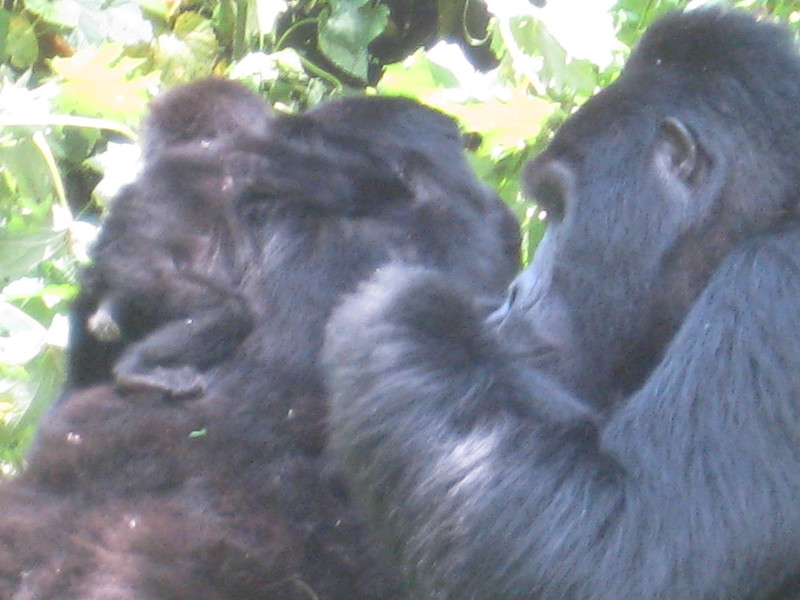
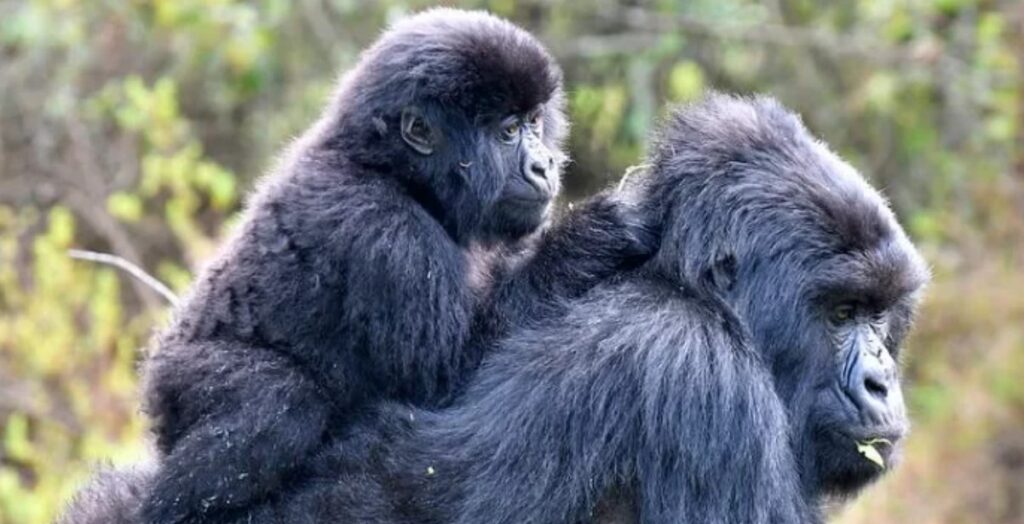
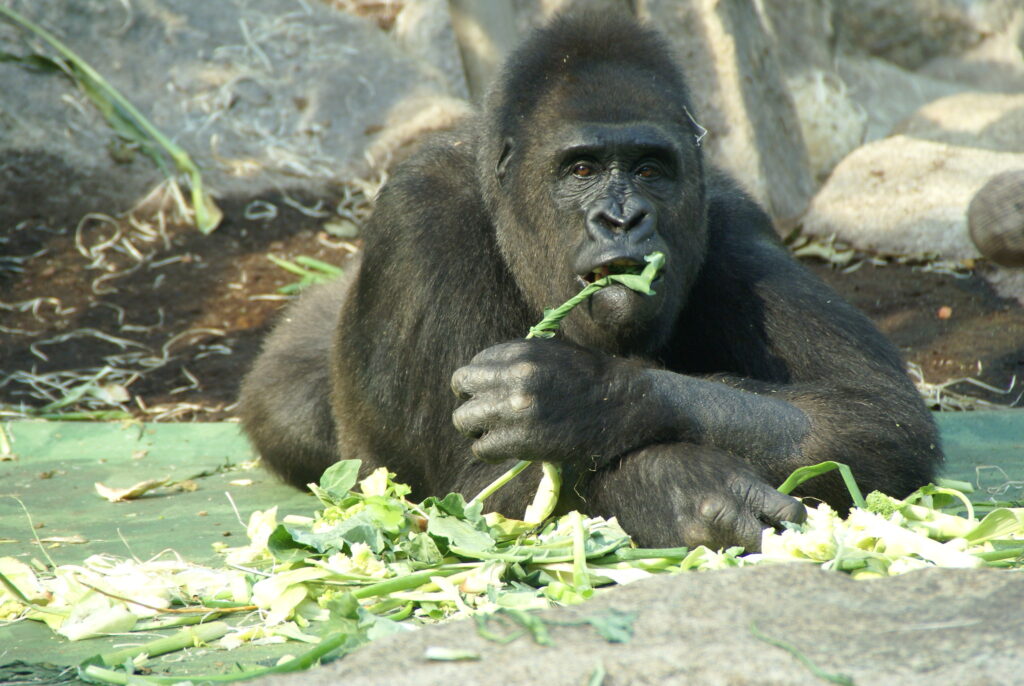
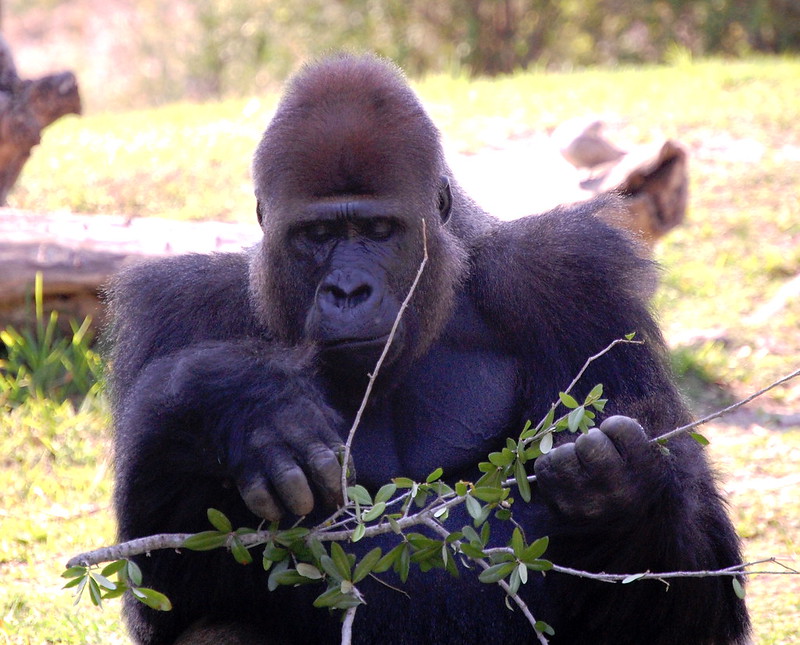
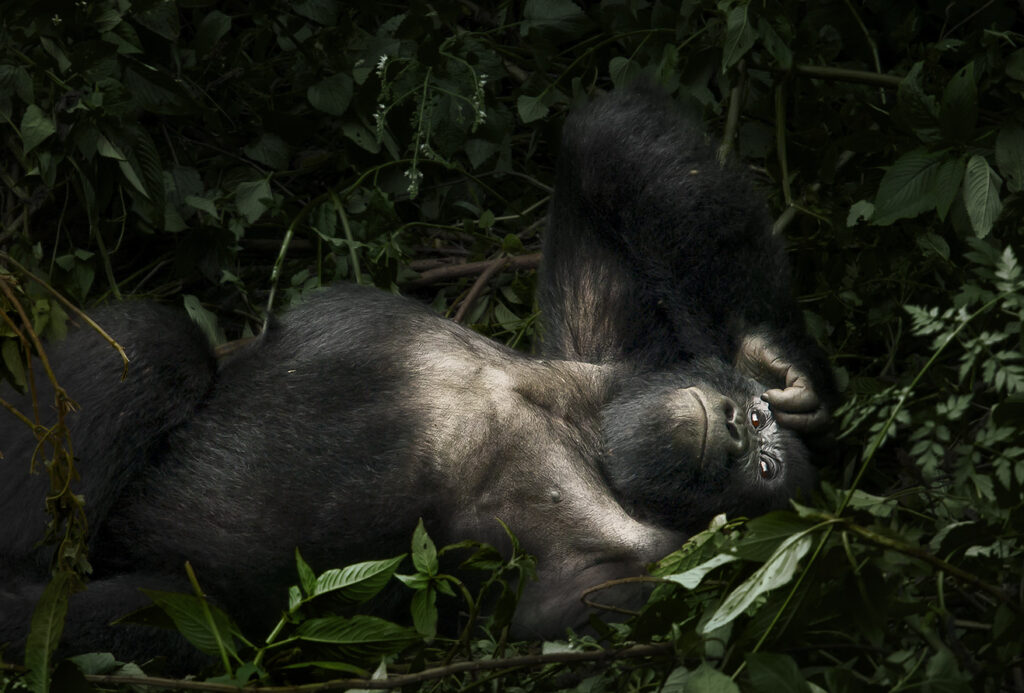
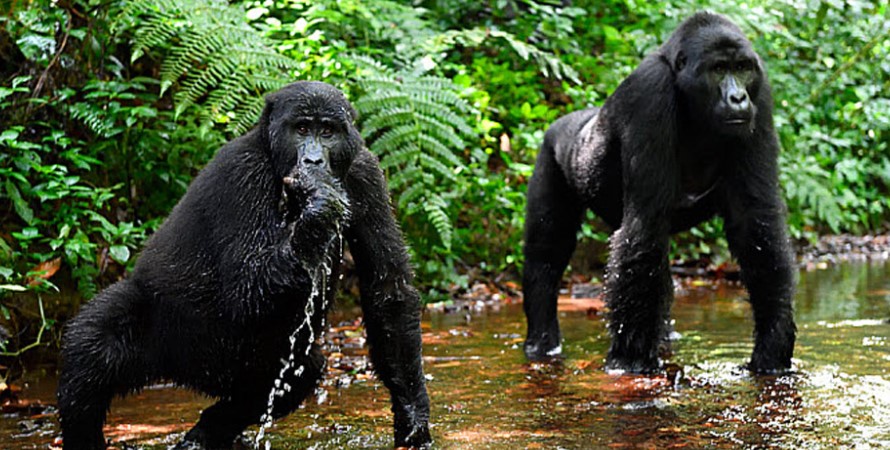
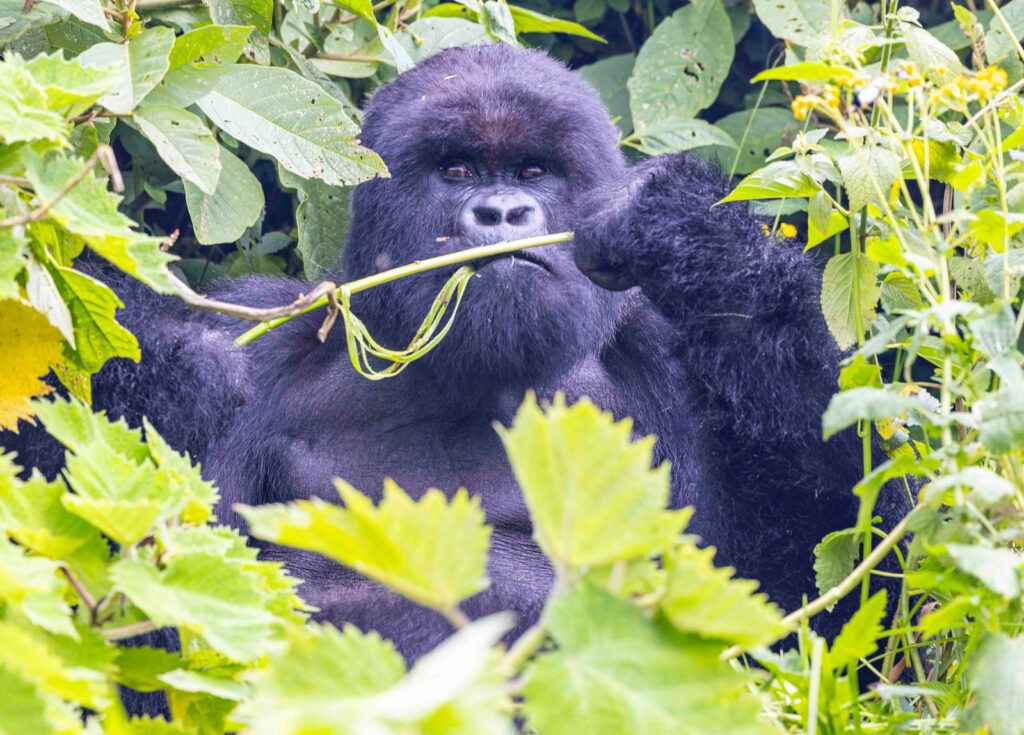
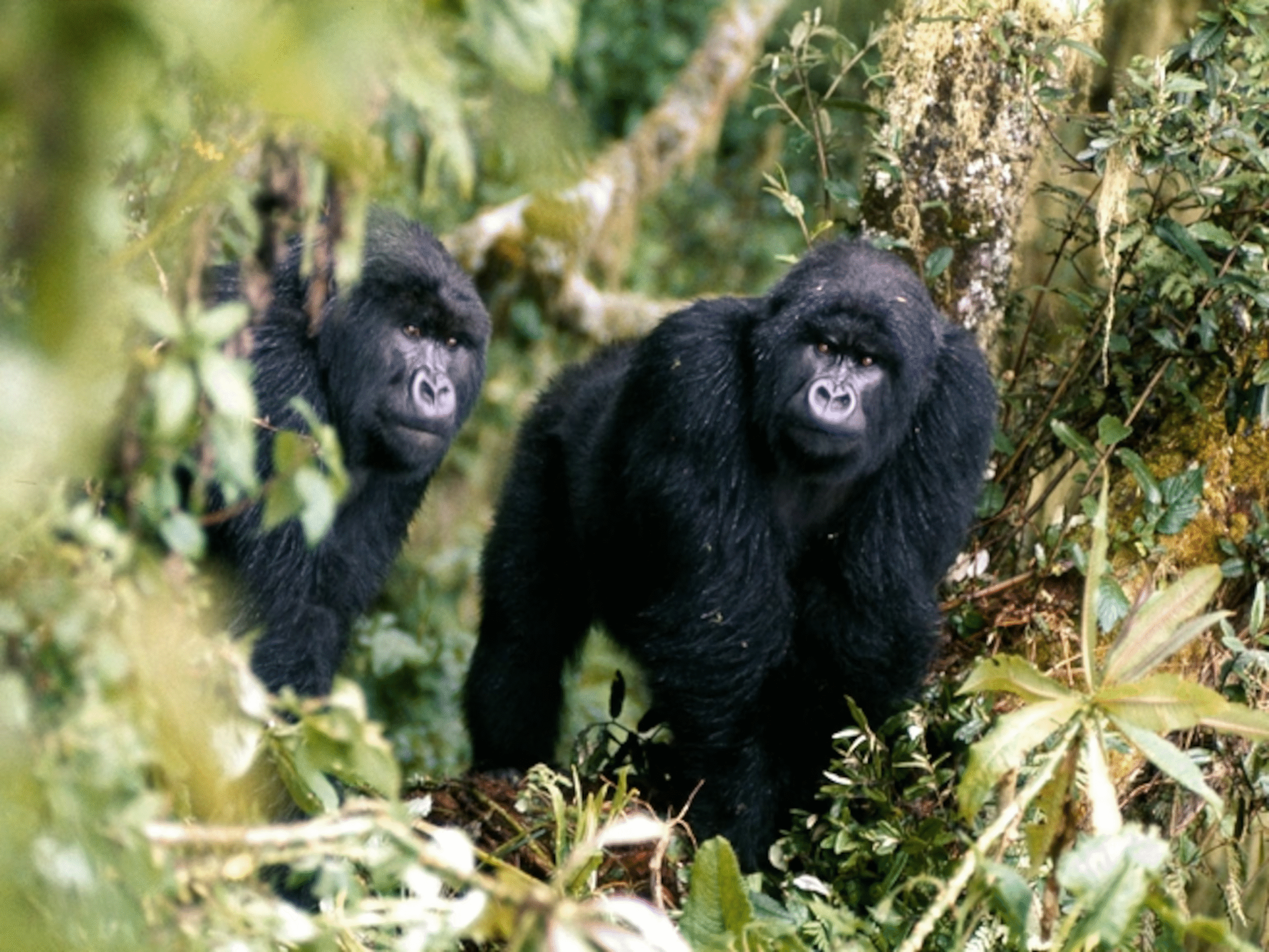
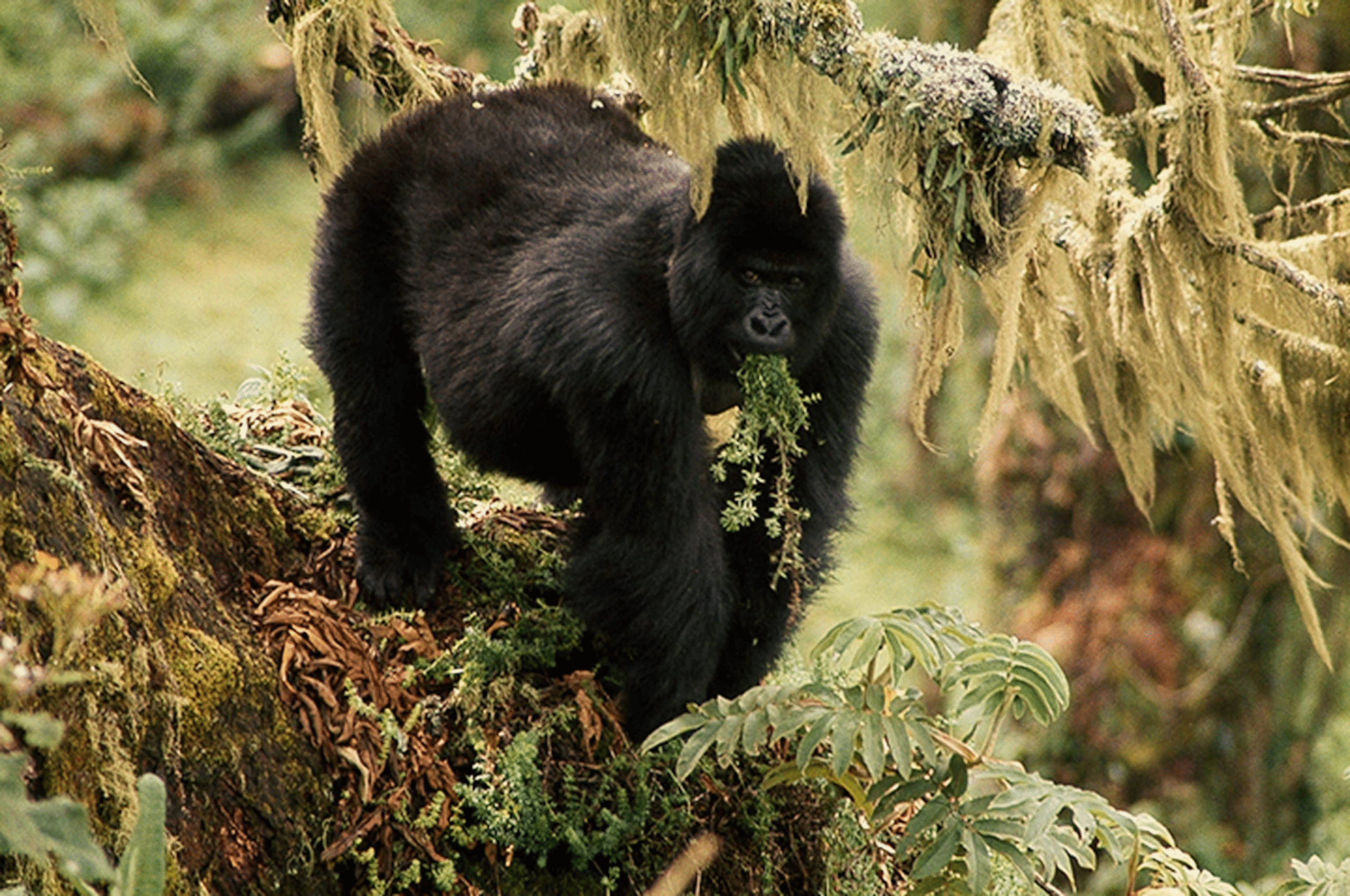
Once the gorillas are found, visitors spend one hour observing them. This is the most powerful part of the experience. You watch family interactions, feeding behavior, and social dynamics at close range, typically within a few meters.
Trekking Difficulty and Fitness
Gorilla trekking is physically demanding, especially in Bwindi where the terrain is steeper and denser. Travelers should have a reasonable level of fitness. However, guides adjust the pace, and porters are available to assist with carrying bags and navigating difficult sections.
Choosing the right sector and gorilla family can significantly influence the level of difficulty.
What to Pack for Gorilla Trekking
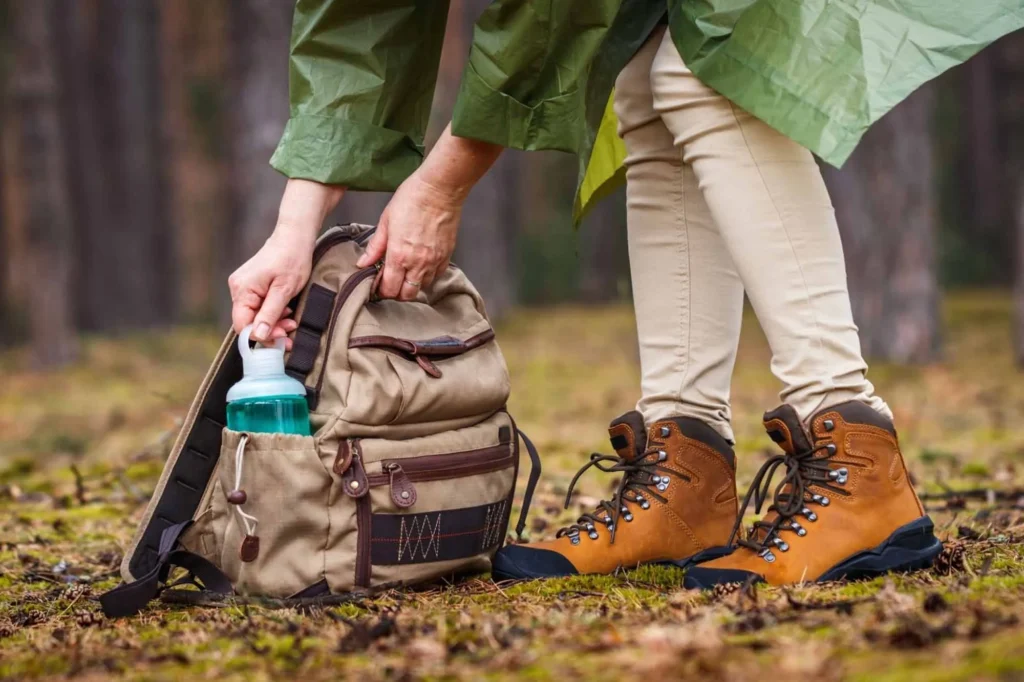
Packing correctly makes a major difference in comfort during the trek. You need sturdy hiking boots, long-sleeved clothing, waterproof gear, and gloves for handling vegetation. The forest environment is humid, and sudden rain is common.
A small backpack, drinking water, snacks, and insect repellent are essential. Neutral-colored clothing works best to blend into the environment.
Best Time for Gorilla Trekking from Kigali
Gorilla trekking is available year-round, but conditions vary with the seasons.
The dry seasons, from June to September and December to February, offer easier hiking conditions with less mud. The rainy seasons, from March to May and October to November, bring heavier vegetation and fewer crowds, which can enhance the experience for some travelers.
Permit availability and pricing remain constant, but demand increases in peak months.
Combining Gorilla Trekking with Other Experiences
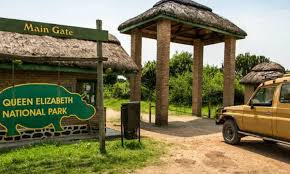
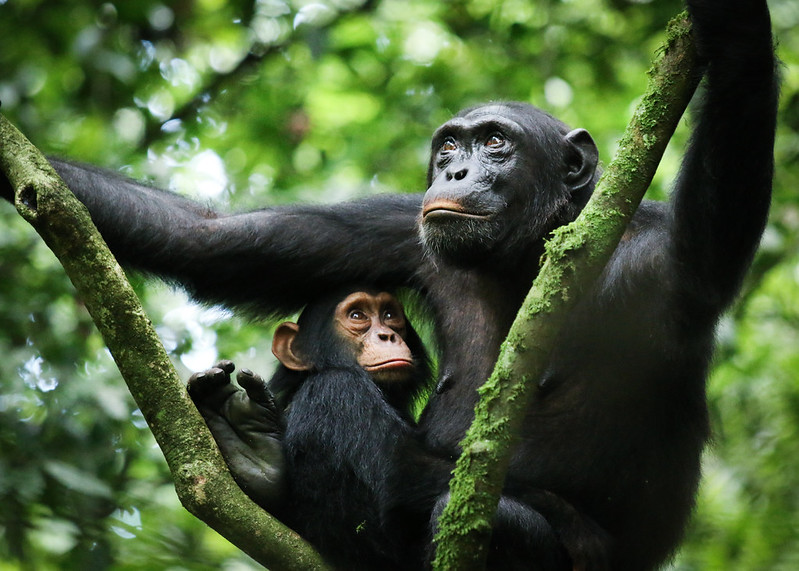
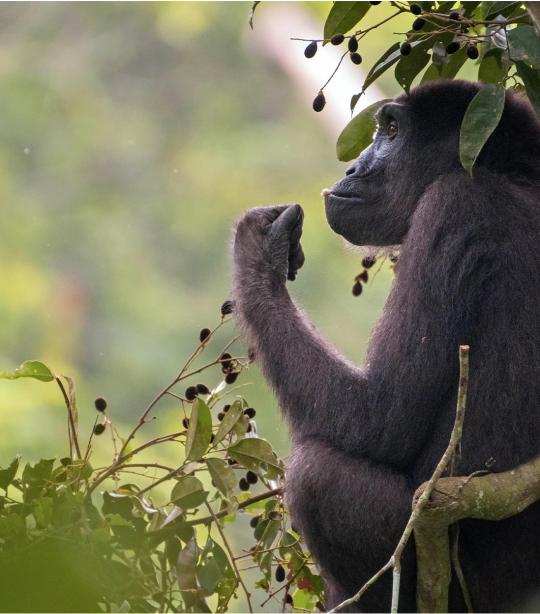
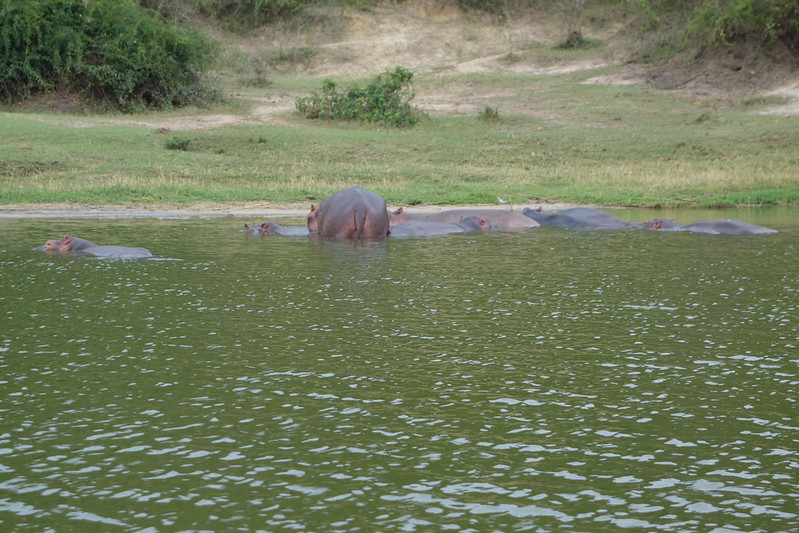
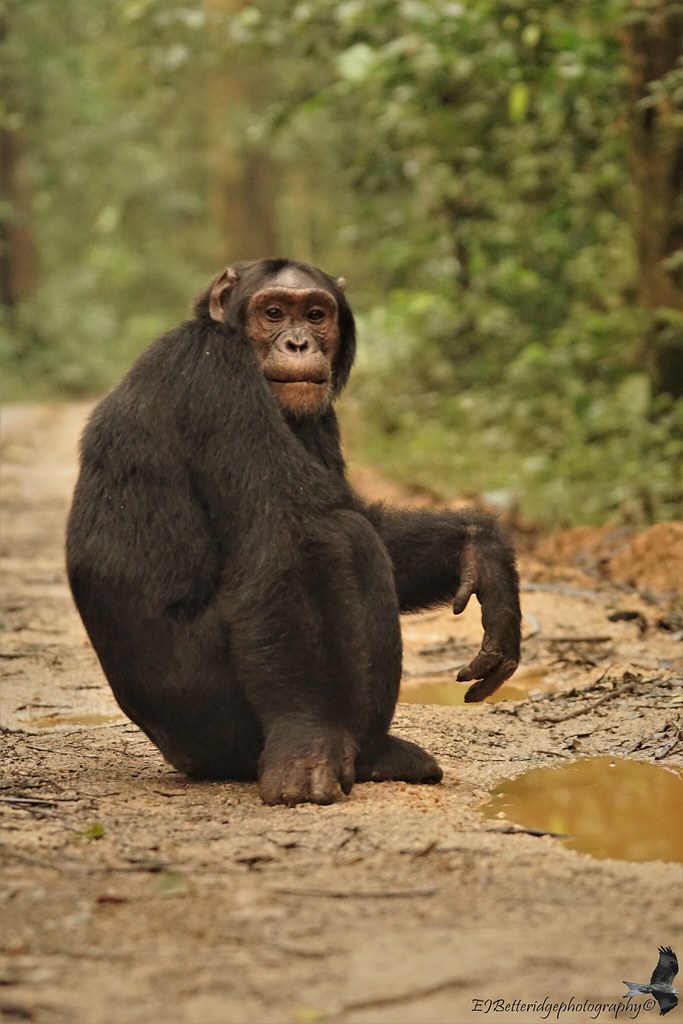
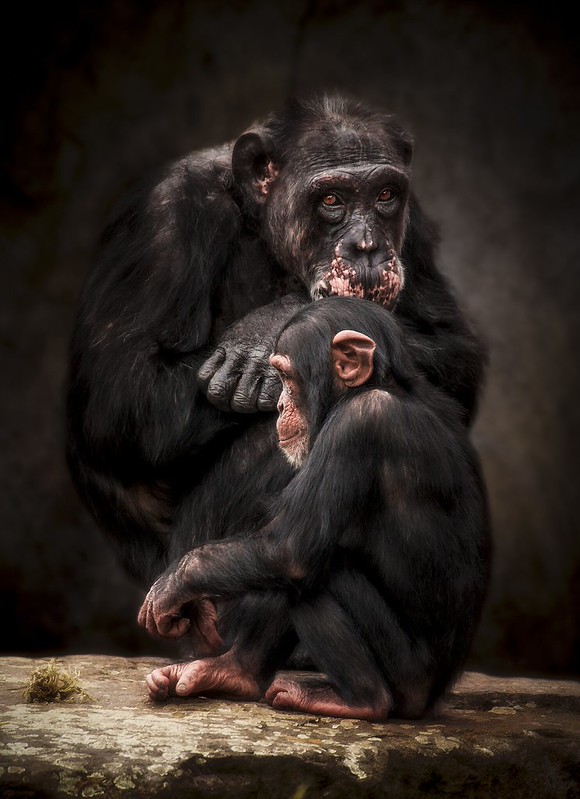
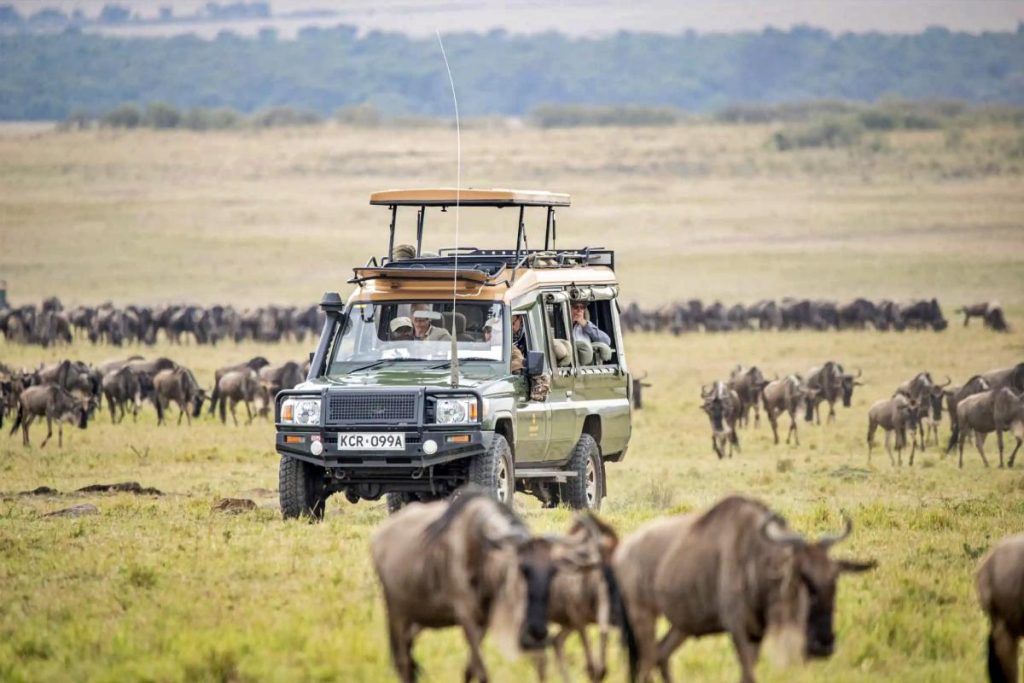
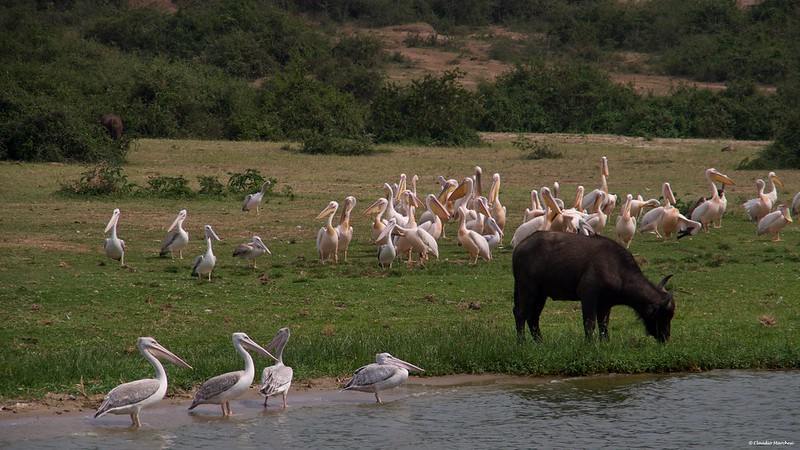
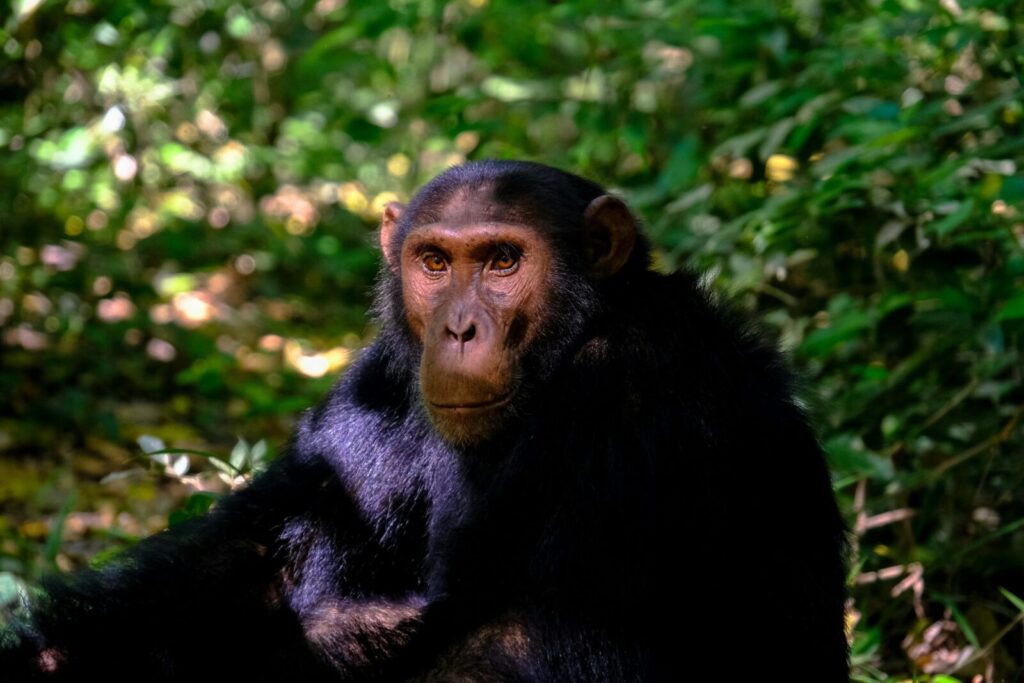
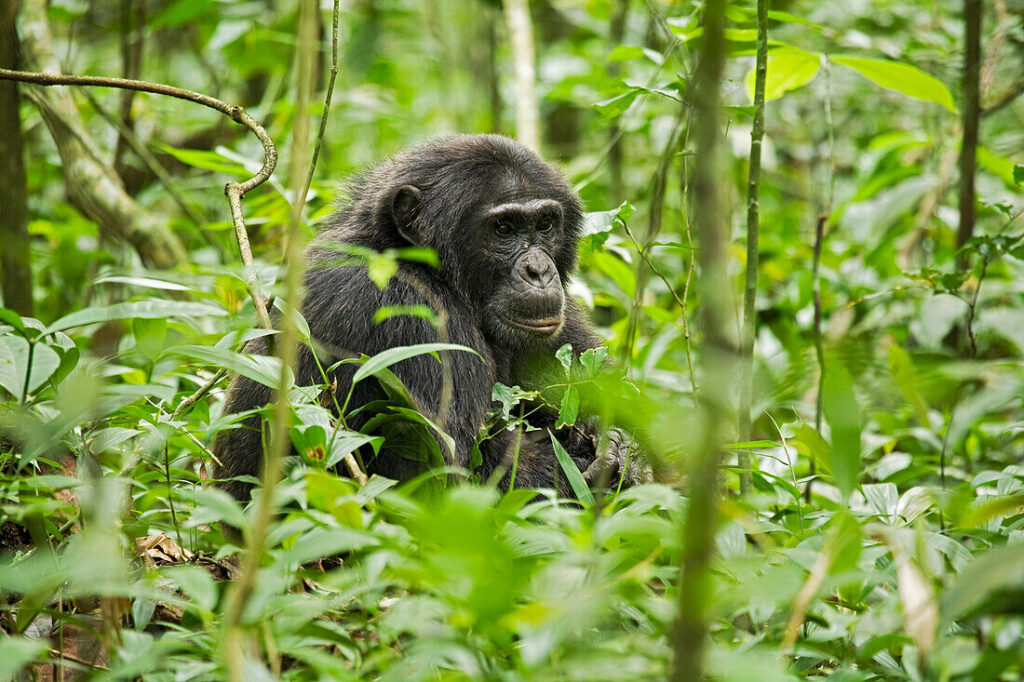
Starting from Kigali allows easy extension into a broader safari itinerary. Travelers can combine gorilla trekking with wildlife safaris in Queen Elizabeth National Park, chimpanzee tracking in Kibale Forest, or a cultural experience in Rwanda.
This flexibility makes Kigali a strong hub for multi-country safaris across Uganda and Rwanda.
Planning Your Gorilla Trekking Safari
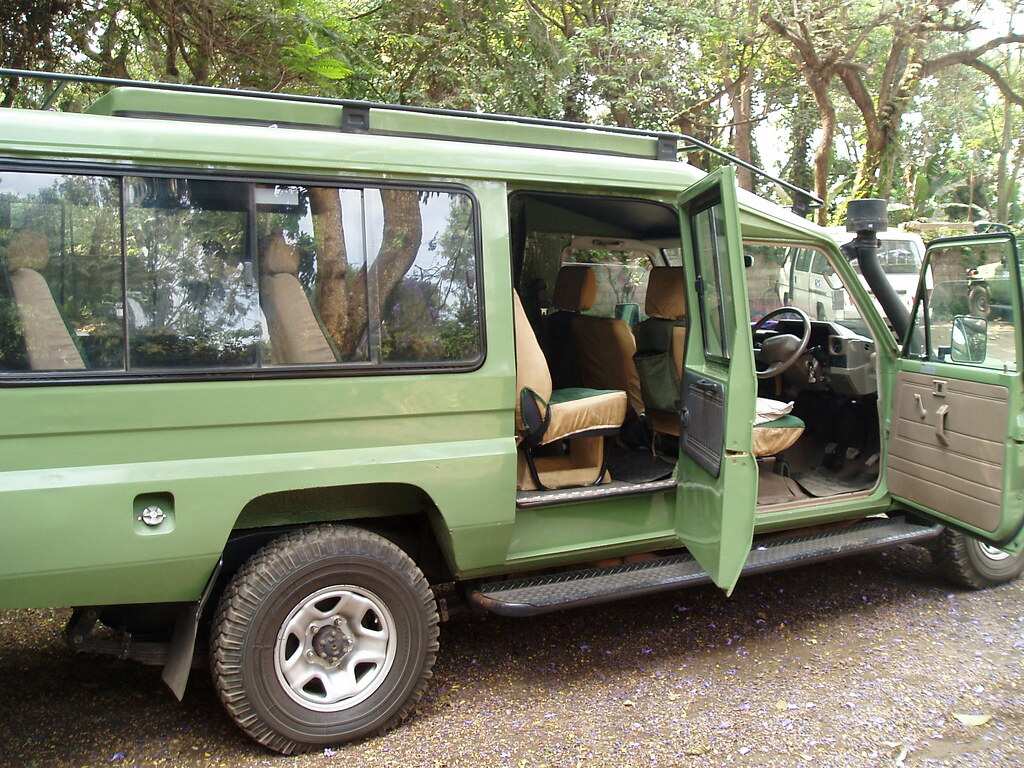
Planning requires coordination of permits, accommodation, transport, and border logistics. Booking through an experienced operator ensures correct permit allocation, appropriate lodge selection, and efficient routing.
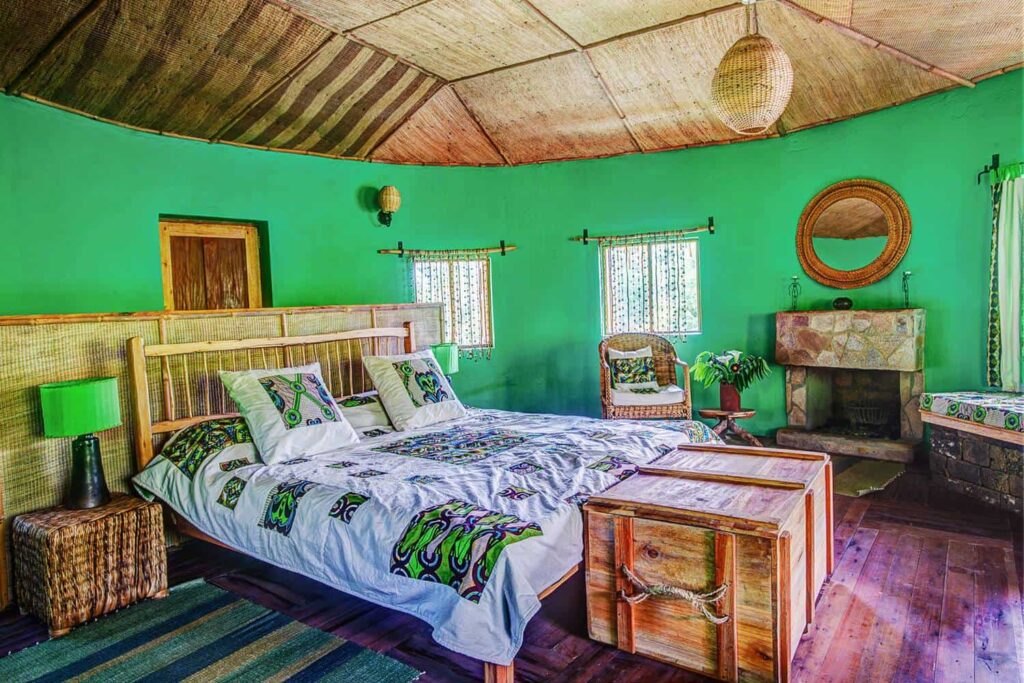
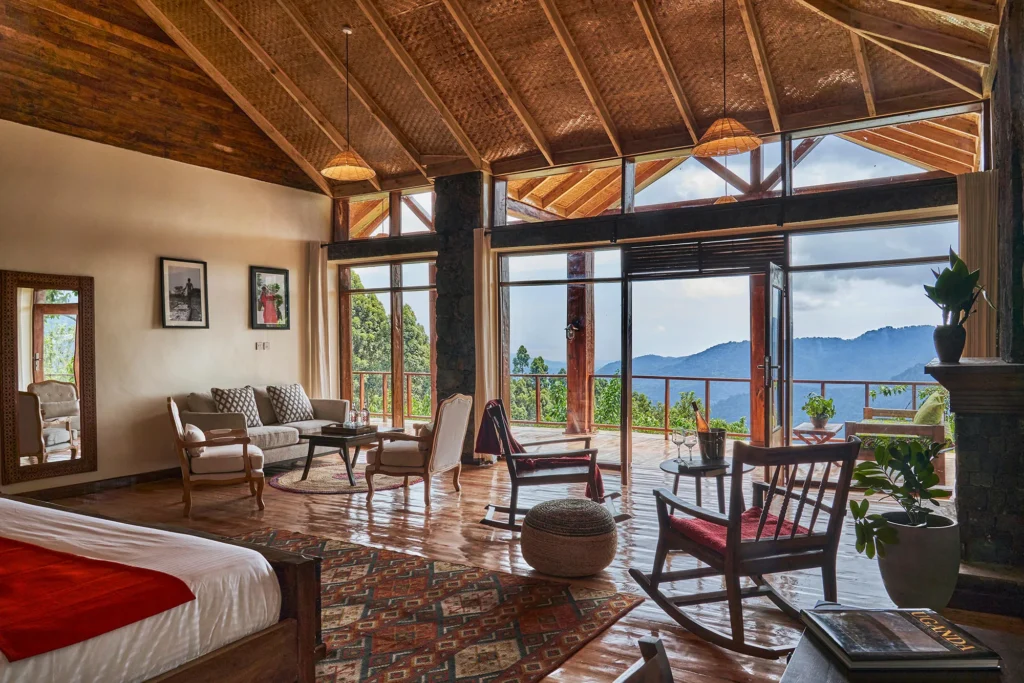
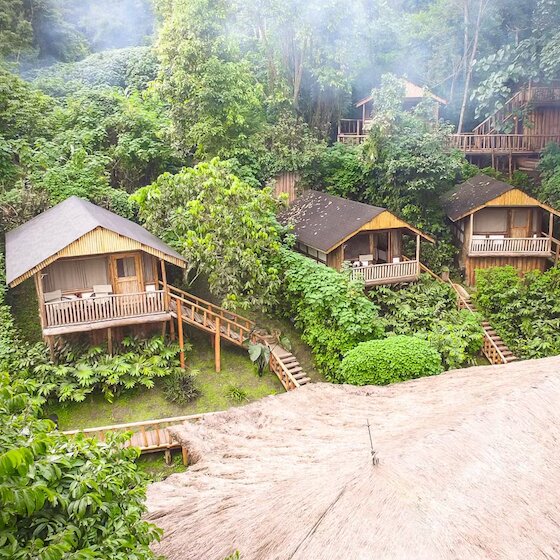
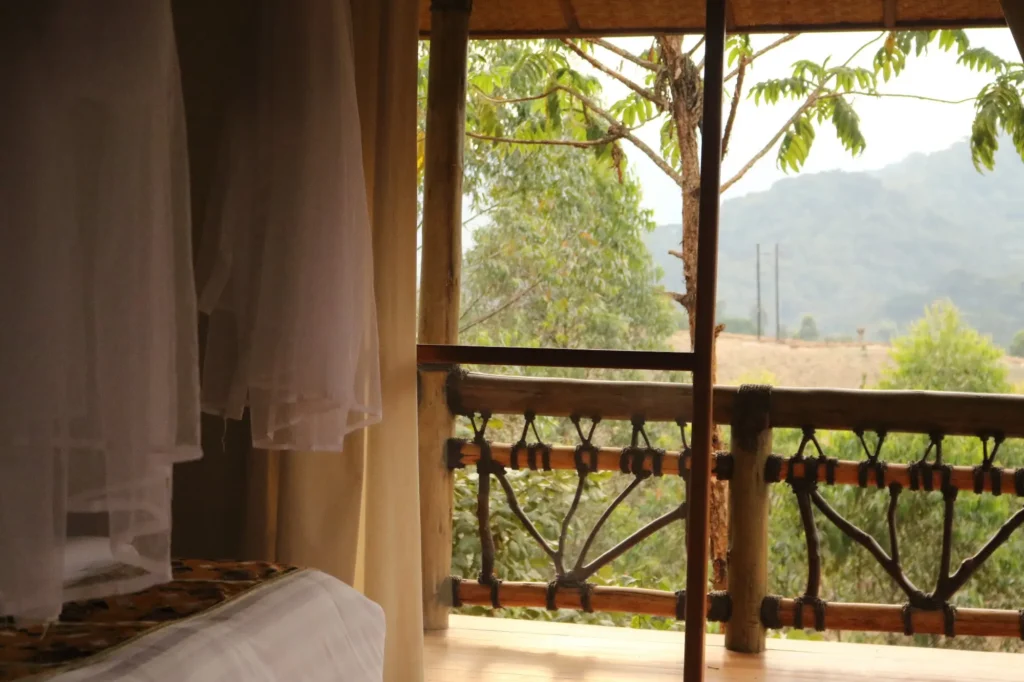
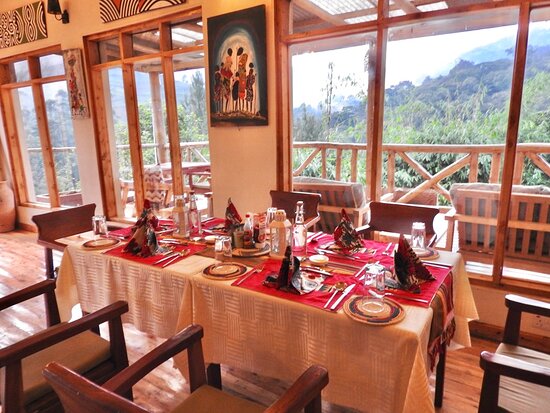
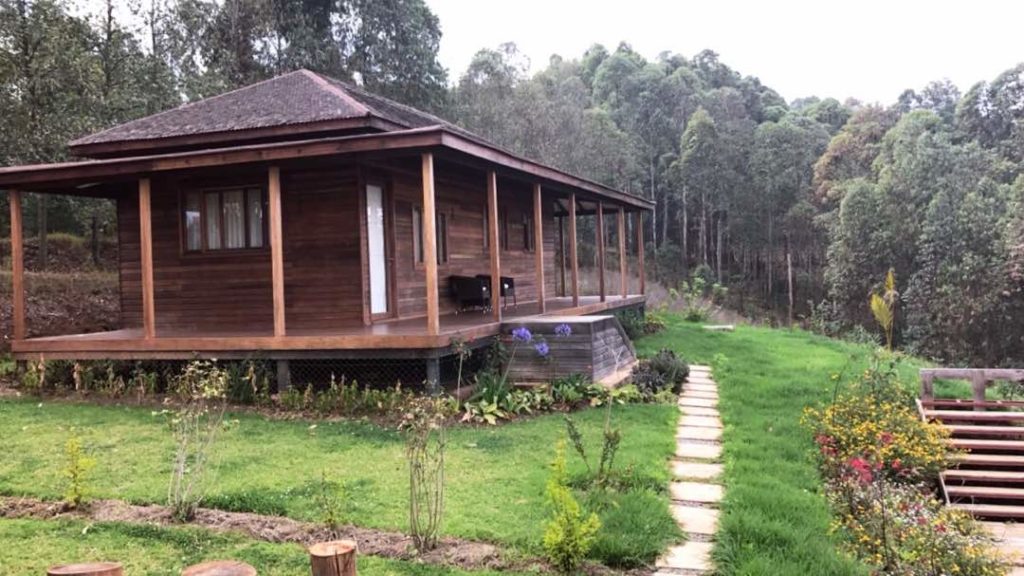
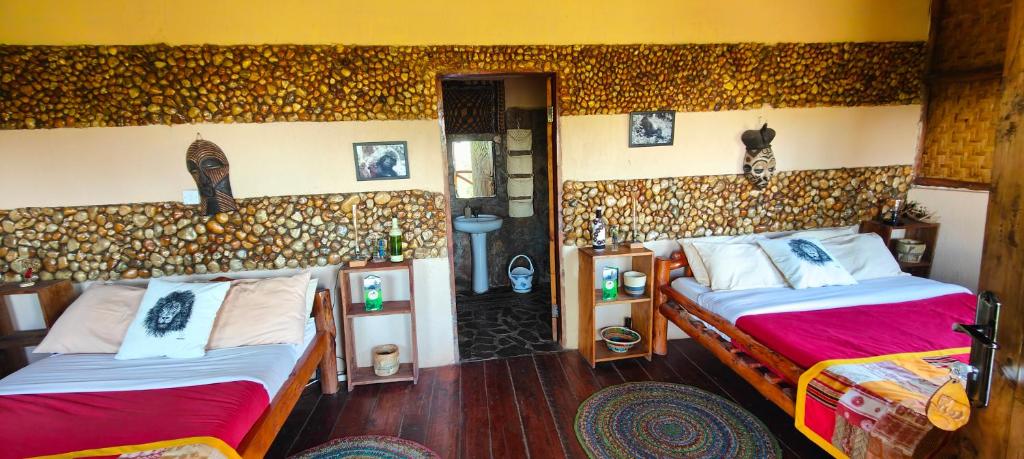
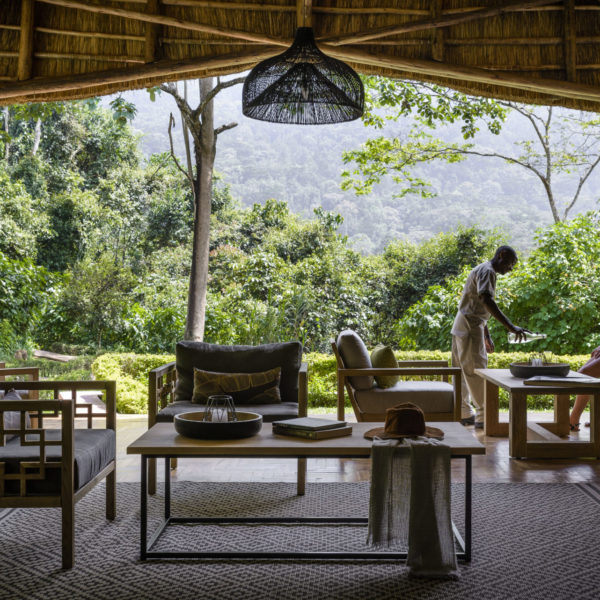
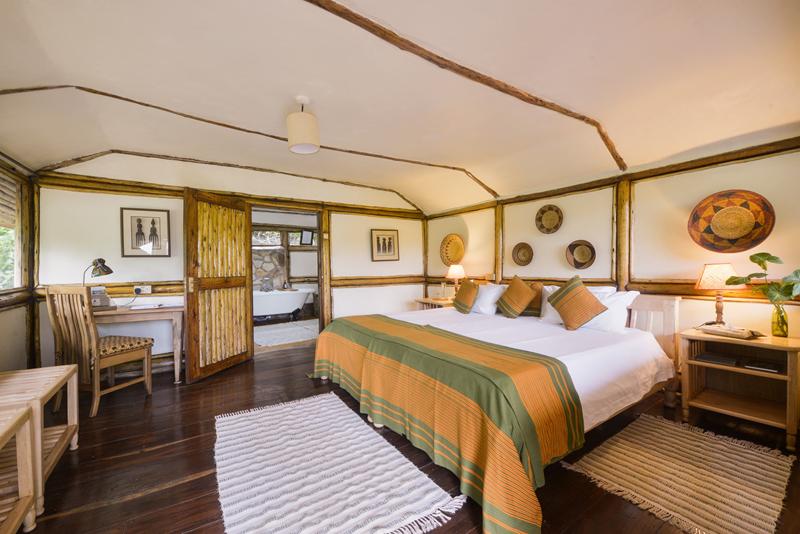
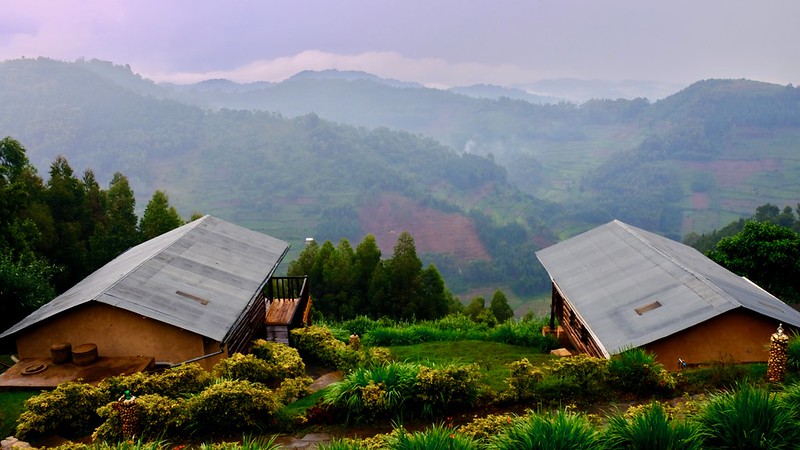
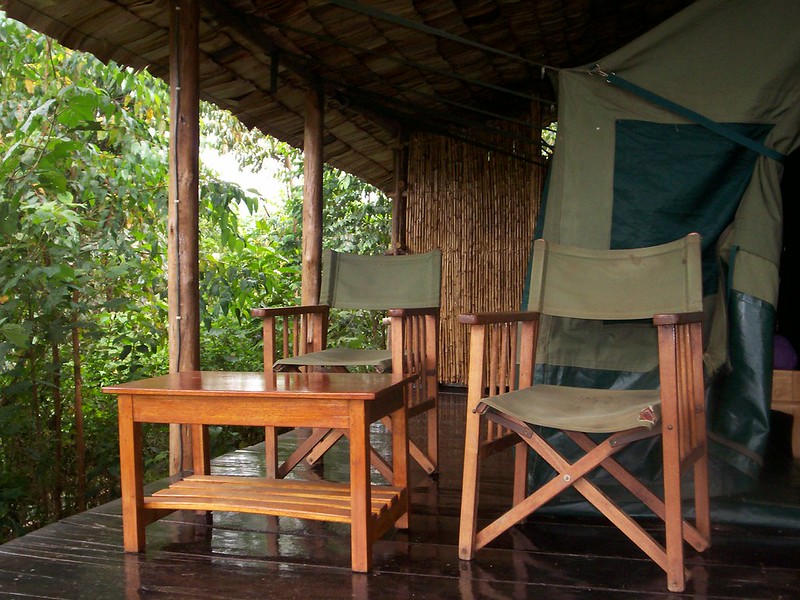
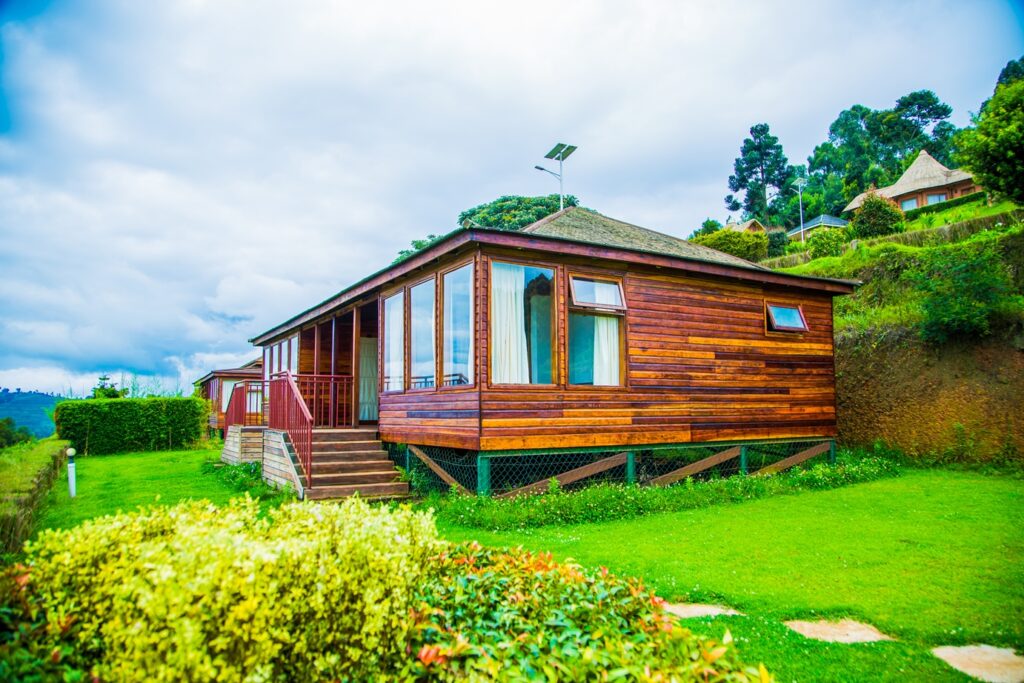
Accommodation ranges from midrange lodges in Bwindi to high-end properties near Volcanoes National Park. Choosing the right lodge depends on trekking sector and travel style.