
Where the soul of the forest whispers in the mist
The Nshongi Gorilla Family is one of the most remarkable mountain gorilla groups in the world — not merely because of their size, but because of what their story reveals about the resilience and complexity of gorilla society. Habituated in 2009 as part of Uganda Wildlife Authority’s expansion of gorilla tourism into the Rushaga sector, the Nshongi family grew rapidly into the largest habituated gorilla group in Bwindi, at their peak numbering more than 36 individuals — an extraordinary figure by any measure. They are named after the Nshongi River, which flows through their home range in the southern reaches of Bwindi Impenetrable National Park.
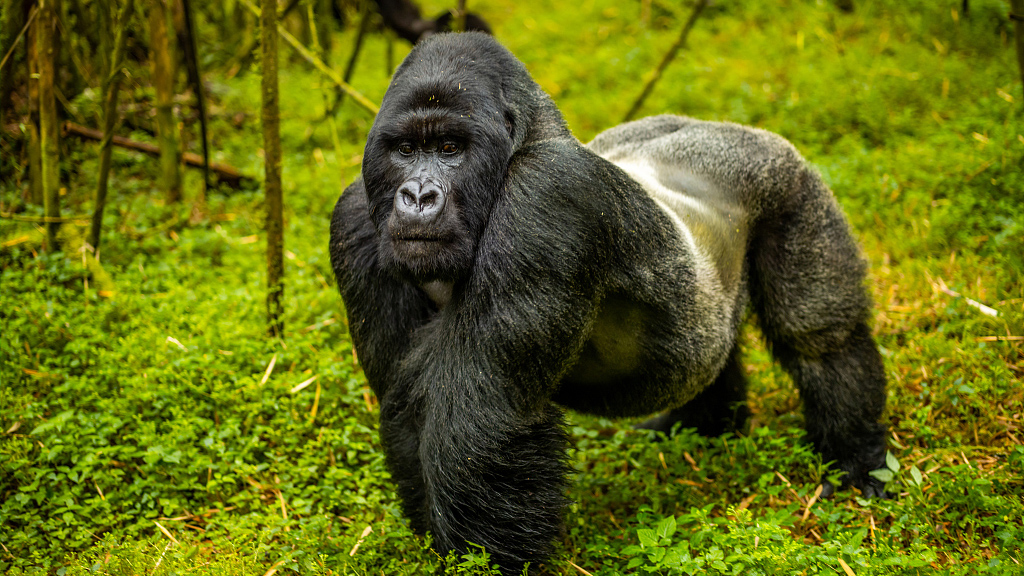
The sheer size of the Nshongi family created natural internal tensions as multiple silverbacks matured and competed for dominance and breeding rights. The group underwent a series of documented splits: the Mishaya family broke away in 2010 under the aggressive silverback Mishaya, and the Bweza family separated in 2012. Despite these fissions, the core Nshongi group retained a large membership and continues to offer one of the most spectacular gorilla encounters available anywhere in Africa. Visiting a group of this size means witnessing multiple layers of gorilla social interaction simultaneously — juveniles playing, mothers nursing, blackbacks testing their authority, and the commanding presence of the dominant silverback maintaining order.
Today the Nshongi family numbers between 20 and 25 individuals, still among the largest habituated groups in Bwindi. The encounter is genuinely different from smaller family visits — the sheer activity level, the movement across the forest floor, and the variety of behaviours visible in a single hour make this one of the most photographically rich and emotionally overwhelming gorilla encounters available. Permits for the Nshongi family are among the most popular issued for the Rushaga sector, and advance booking is strongly recommended.
Trekking to the Nshongi family begins at the Rushaga park trailhead, located in the southern part of Bwindi near the town of Kisoro. The terrain in Rushaga is moderately demanding — a series of steep ridgelines and valley crossings through dense forest undergrowth. Trek duration typically ranges from two to five hours depending on the family’s overnight position, and the effort is invariably rewarded. Rangers and trackers who have followed this family since habituation know their patterns well and are adept at positioning the group to allow clear, unobstructed viewing for the eight permitted visitors.
So lace up your boots, grab your camera, and prepare to meet the wild — this is where your gorilla trekking dreams and unforgettable safari adventures truly begin.
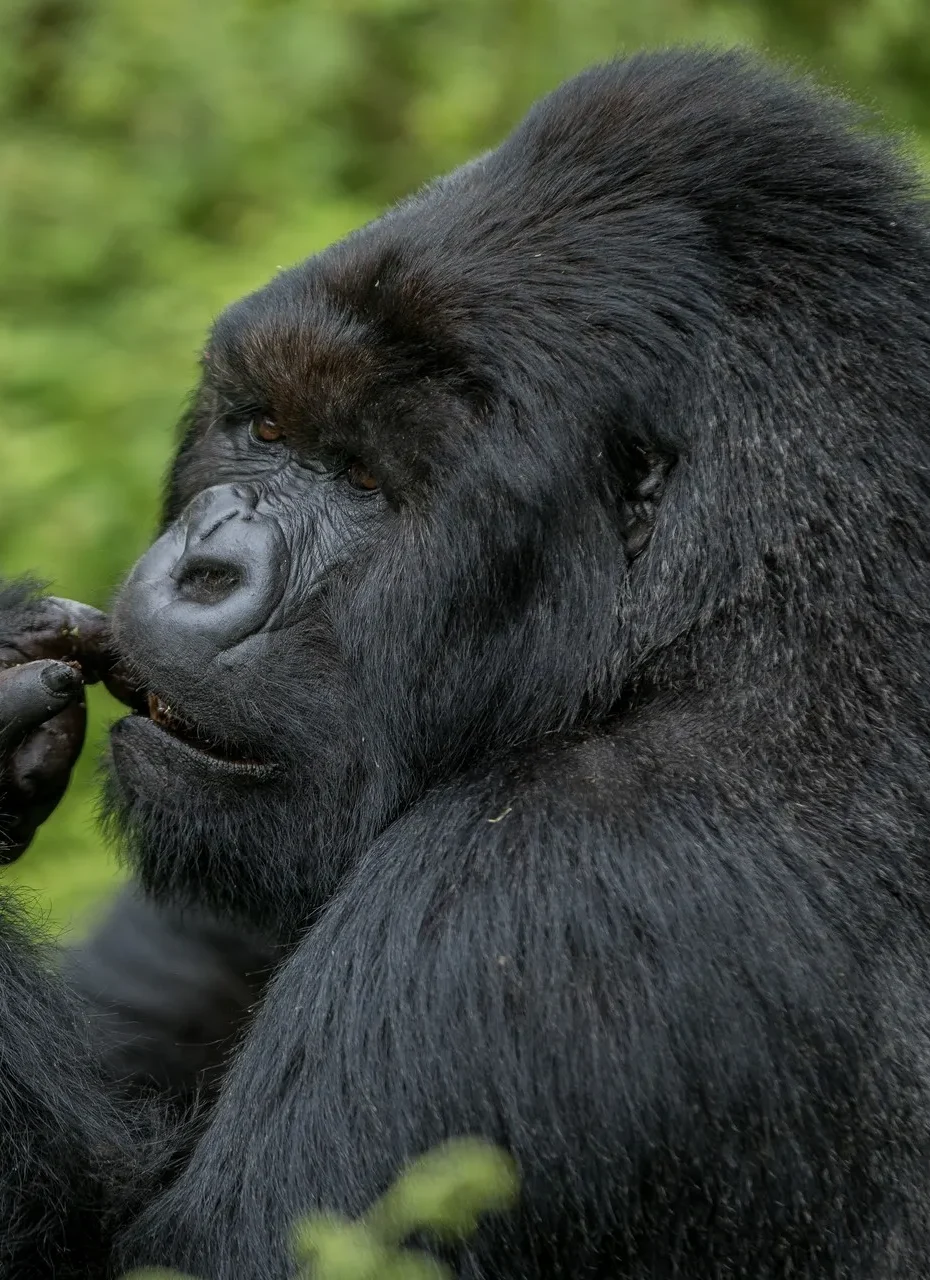
Truly Iconic Highlights in Uganda

Trek through Bwindi’s mystical rainforest and meet the endangered mountain gorillas in their breathtaking natural home.
Encounter mountain gorillas and golden monkeys on Mgahinga’s misty volcanic trails, where culture and alpine wildlife thrive together.
Unwind after your trek with a peaceful canoe ride across Lake Bunyonyi, Uganda’s most tranquil and scenic highland lake.
Enhance your gorilla trekking safari with an optional chimpanzee encounter in Uganda’s lush forests, adding depth and diversity to your primate adventure
Gorilla Trekking Tours in Uganda – Our Most Popular Itineraries.
Explore our gorilla trekking safaris for every traveler—solo, family, budget, or luxury. All tours include permits, transport, accommodation, meals, and park fees. Whether for a quick trip or a deeper adventure, we’ve got you covered.
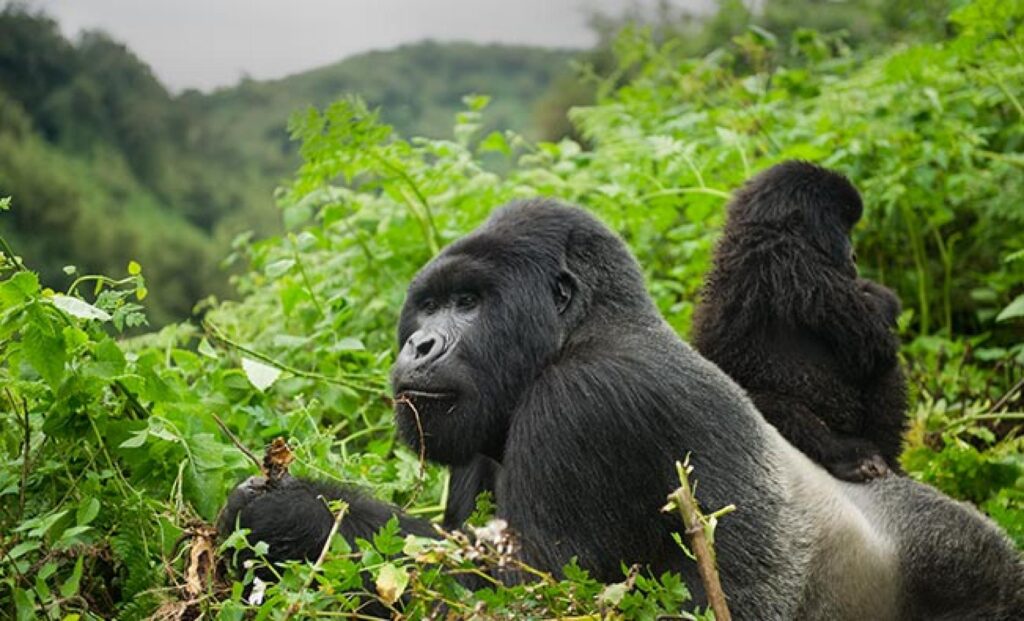
3-Day Bwindi Gorilla Trekking Safari
3-Day Bwindi Gorilla Trekking Safari
4-Day Uganda Gorilla Trekking Safari
4-Day Uganda Gorilla Trekking Safari
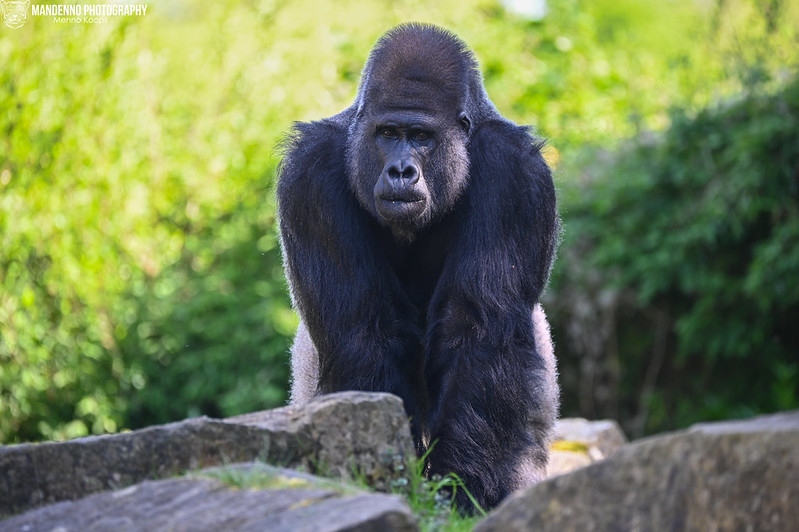
5-Day Gorilla Tracking and Wildlife Safari
5-Day Gorilla Tracking and Wildlife Safari
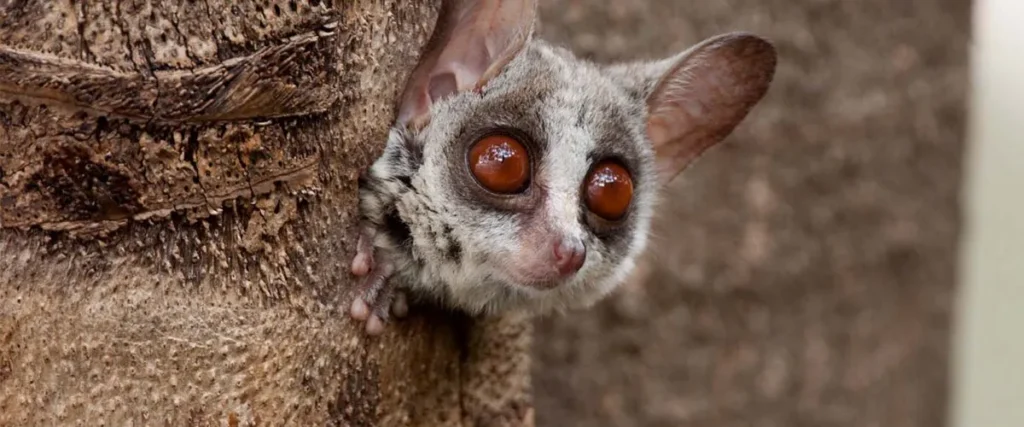
7-Day Uganda Primate Adventure & Wildlife Safari
7-Day Uganda Primate Adventure & Wildlife Safari
10-Day Gorilla Trekking & Big Five Safari in Uganda
10-Day Gorilla Trekking & Big Five Safari in Uganda
12-Day Uganda Gorilla Trekking, Chimp Tracking & Cultural Safari
12-Day Uganda Gorilla Trekking, Chimp Tracking & Cultural Safari
14-Day Best of Uganda Safari – Gorillas, Wildlife, Cultures
14-Day Best of Uganda Safari – Gorillas, Wildlife, Cultures
A DETAILED STUDY OF THE NSHONGI FAMILY – RUSHAGA SECTOR
The Nshongi Gorilla Family: Complete Guide
History: The Largest Gorilla Group in Bwindi
The Nshongi Gorilla Family was habituated in 2009 as part of Uganda Wildlife Authority’s major expansion of gorilla trekking into the Rushaga sector of southern Bwindi. Named after the Nshongi River that flows through their home range, this family grew rapidly to become the largest habituated mountain gorilla group ever recorded — at their peak, more than 36 individuals lived and moved together as a single social unit. That figure is extraordinary: most gorilla families number between 8 and 20 individuals, and a 36-member group represents an exceptional concentration of gorilla social activity in one place.
The sheer size of the Nshongi family generated internal pressure as multiple silverbacks matured. Two significant splits occurred: the Mishaya family broke away in 2010, led by the aggressive silverback Mishaya, and the Bweza family separated in 2012 under silverback Bweza. Despite these fissions, the core Nshongi group remains one of the largest habituated families in Bwindi, currently numbering between 20 and 25 individuals — still a remarkable group by any standard, and still among the most impressive gorilla encounters available in Africa.
What Makes Nshongi Unique
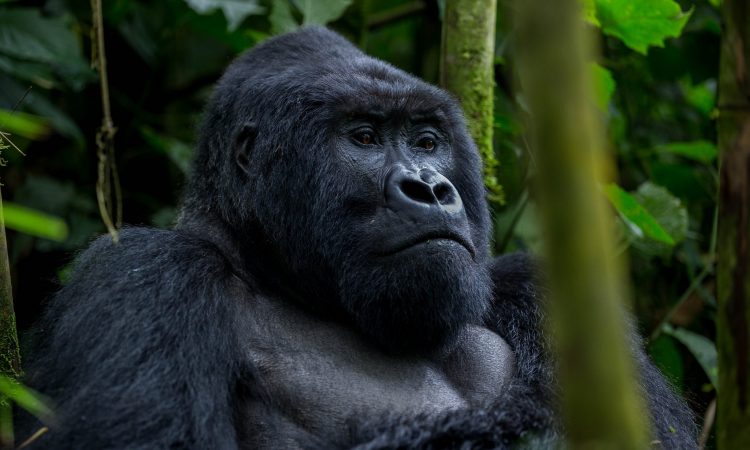
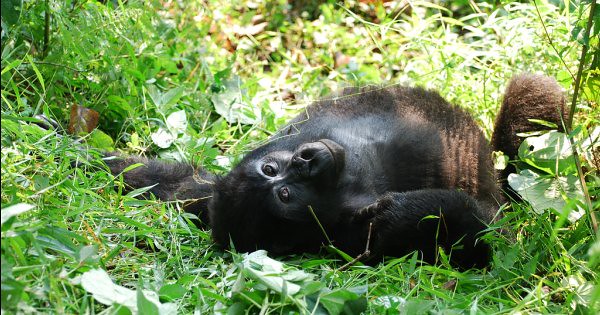
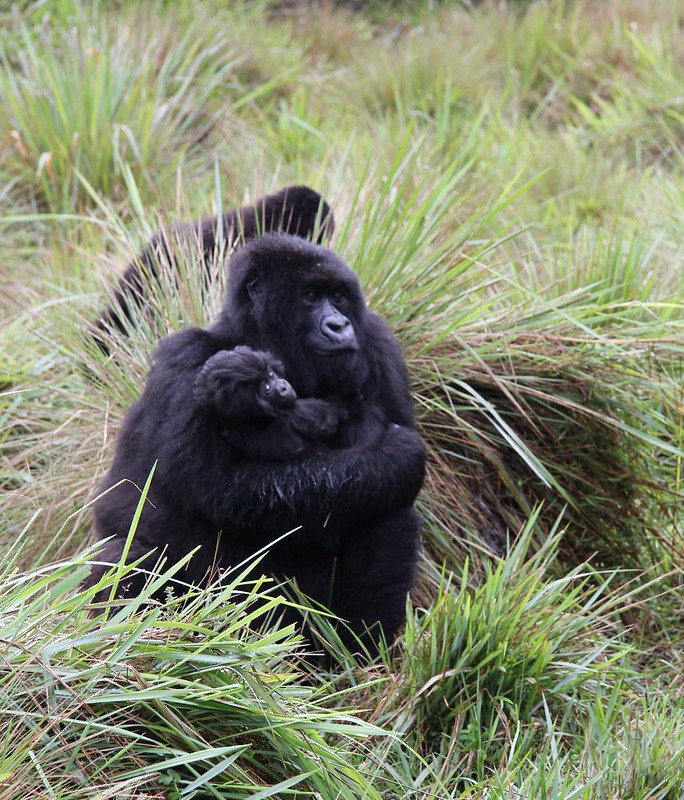
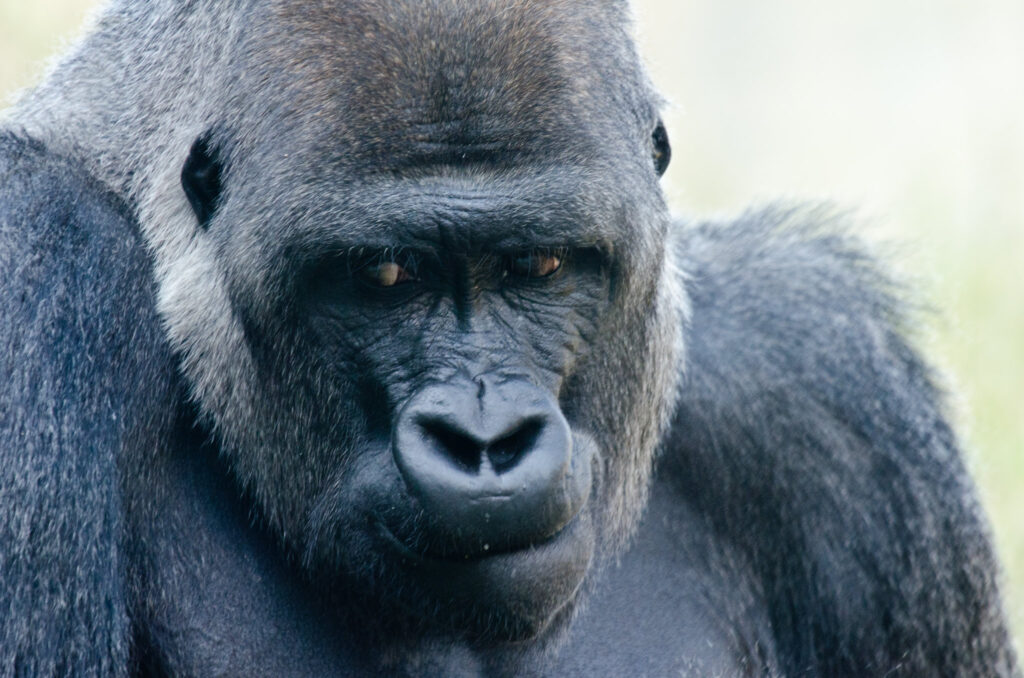
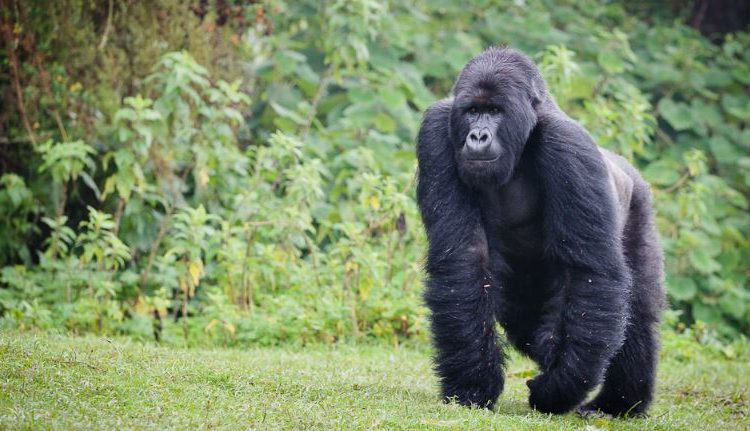
Visiting a group of 20-plus mountain gorillas in the wild is a categorically different experience from visiting a smaller family. With Nshongi, the forest comes alive in a way that is almost overwhelming at first — movement in every direction, vocalisations from multiple individuals simultaneously, the sounds of vegetation being torn and processed for food echoing through the trees. The dominant silverback centres the activity, but around him the social world of a large gorilla family plays out in real time: female hierarchies, juvenile play groups, blackbacks positioning themselves carefully relative to the dominant male, infants nursing or sleeping in their mothers’ arms.
Experienced gorilla trekkers who have visited multiple families in Bwindi and Rwanda frequently describe the Nshongi encounter as the most visually complex and socially rich of any group they have seen. The family’s large size means there is always something happening, always a new interaction to observe, always another layer of gorilla life to unpeel within the permitted hour.
The Trek to Rushaga
Nshongi treks depart from the Rushaga sector headquarters in southern Bwindi, near the town of Kisoro. The terrain in Rushaga is moderately challenging: steep ridgelines, dense undergrowth, valley crossings, and the altitude — between 1,800 and 2,400 metres — that makes sustained exertion feel slightly harder than at sea level. Trek duration to reach the Nshongi family varies between two and five hours. Rangers who have tracked this group since their 2009 habituation have an intimate knowledge of their movement patterns through the Rushaga forest, and even on days when the family has moved far from their overnight position, efficient tracking usually results in contact within four hours.
The hour with the Nshongi family demands a certain stillness of mind to fully absorb. The instinct is to watch everything at once — to swivel between the silverback eating bark in one direction and the juveniles chasing each other in another and the mother nursing her infant in a third. Experienced guides help trekkers settle their attention by pointing out the most significant interactions and explaining what they mean within gorilla social biology. By the end of the hour, most visitors have moved from overwhelm to a deep, focused appreciation of individual gorillas — their faces, their postures, their relationships to each other.
Best Time to Trek
Rushaga treks run year-round. Peak demand is June–August and December–February (dry seasons). The wet seasons offer better permit availability and a forest experience of extraordinary lushness. Rushaga’s higher altitude means it is cooler and more frequently misted than Buhoma — bring warm layers even in the dry season, particularly for the early morning departure.
Practical Information
Nshongi permits are $800 USD per person (2025/2026). This is one of the most popular families in Rushaga — book at least six months ahead for peak season. Moderate to challenging difficulty. Porters strongly recommended given the terrain and altitude. Rushaga accommodation ranges from community guesthouses to mid-range and luxury lodges. Kisoro town, 30 minutes from Rushaga, also offers accommodation options and is a convenient base for travellers combining Bwindi with Mgahinga Gorilla National Park.
More Gorilla Trekking Information to Know.
Gorilla trekking goes far beyond just the hike — it’s a deep, emotional journey into the heart of Africa’s last wild rainforests. Knowing the right timing, permits, fitness tips, and park details can turn your experience from good to unforgettable.
Bwindi Gorilla Trekking — The Four Sectors Explained
Bwindi Gorilla Trekking — The Four Sectors Explained
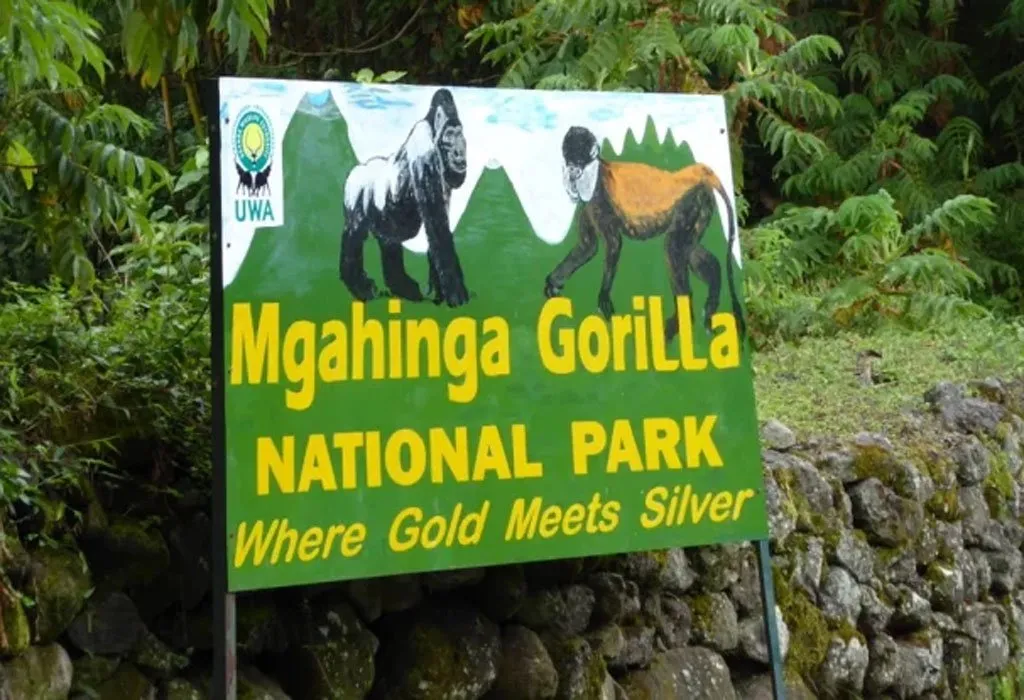
Trekking Gorillas in Mgahinga National Park
Trekking Gorillas in Mgahinga National Park
Uganda Gorilla Trekking Permits – Prices, Booking, & Travel Tips
Uganda Gorilla Trekking Permits – Prices, Booking, & Travel Tips
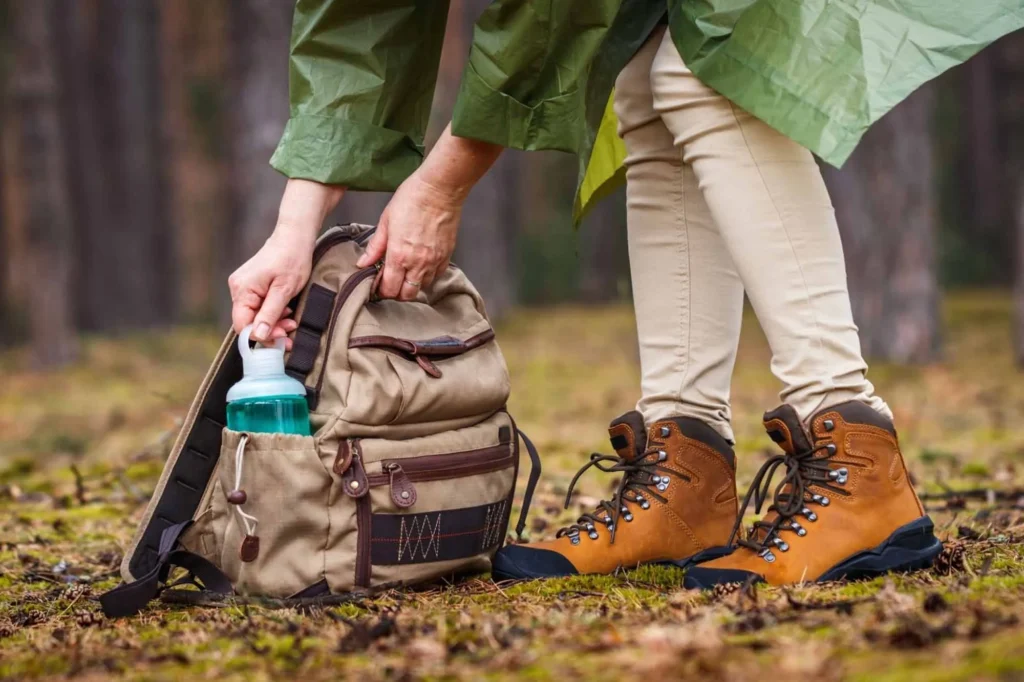
What to Pack for Gorilla Trekking in Uganda – Expert Checklist
What to Pack for Gorilla Trekking in Uganda – Expert Checklist
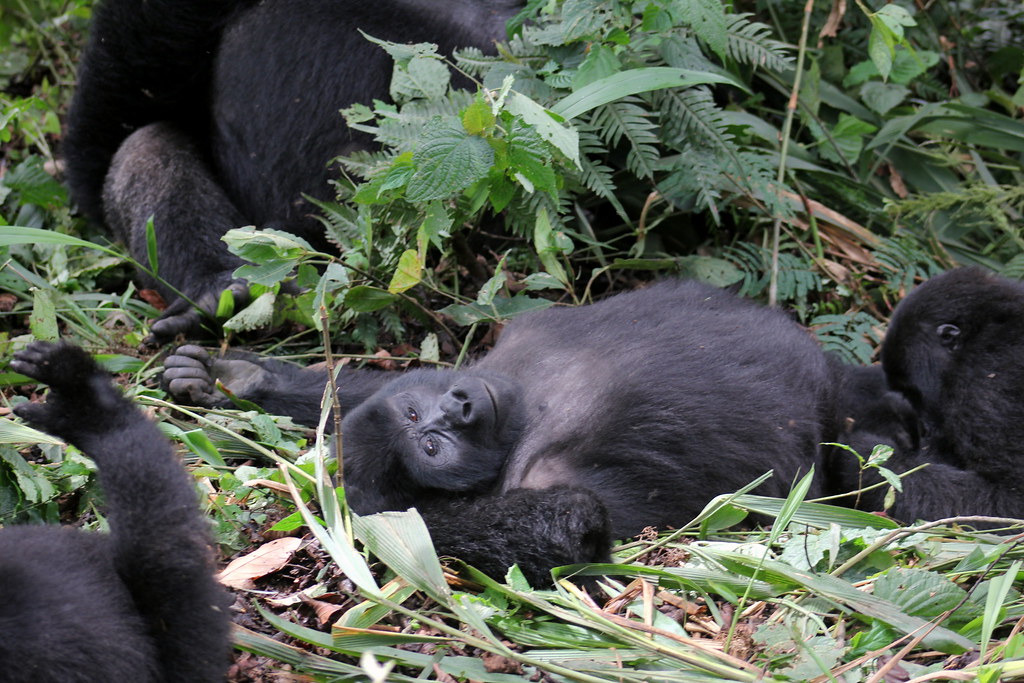
Best Time to Go Gorilla Trekking in Uganda – Weather & Seasons
Best Time to Go Gorilla Trekking in Uganda – Weather & Seasons
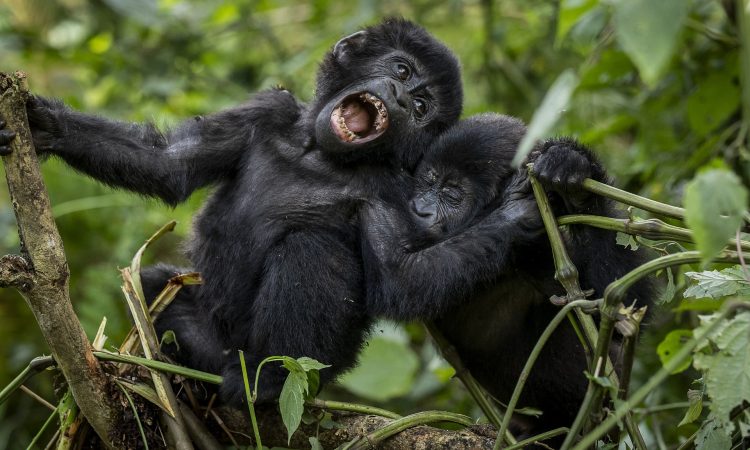
Gorilla Trekking Difficulty in Uganda – Fitness & Trail Guide
Gorilla Trekking Difficulty in Uganda – Fitness & Trail Guide
Gorilla Trekking Rules in Uganda – Safety, Respect & Ethics
Gorilla Trekking Rules in Uganda – Safety, Respect & Ethics
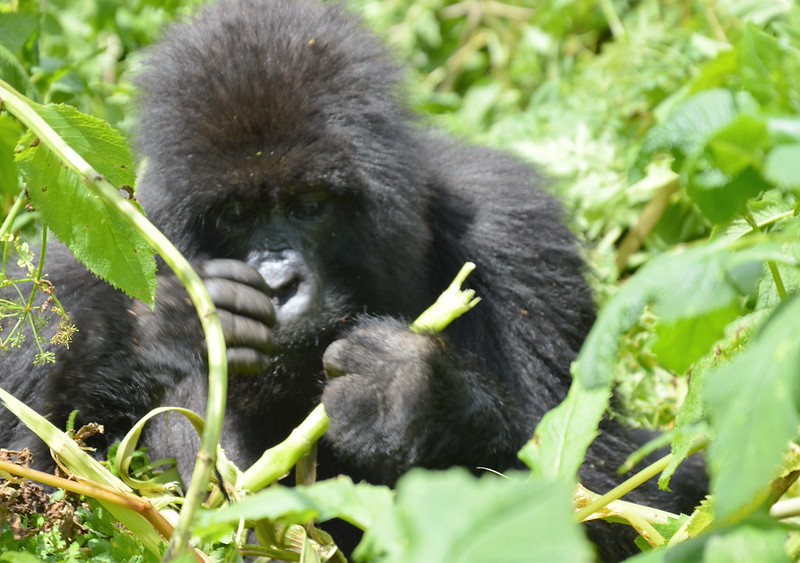
Gorilla Conservation in Uganda – Protecting the Mountain Giants
Gorilla Conservation in Uganda – Protecting the Mountain Giants
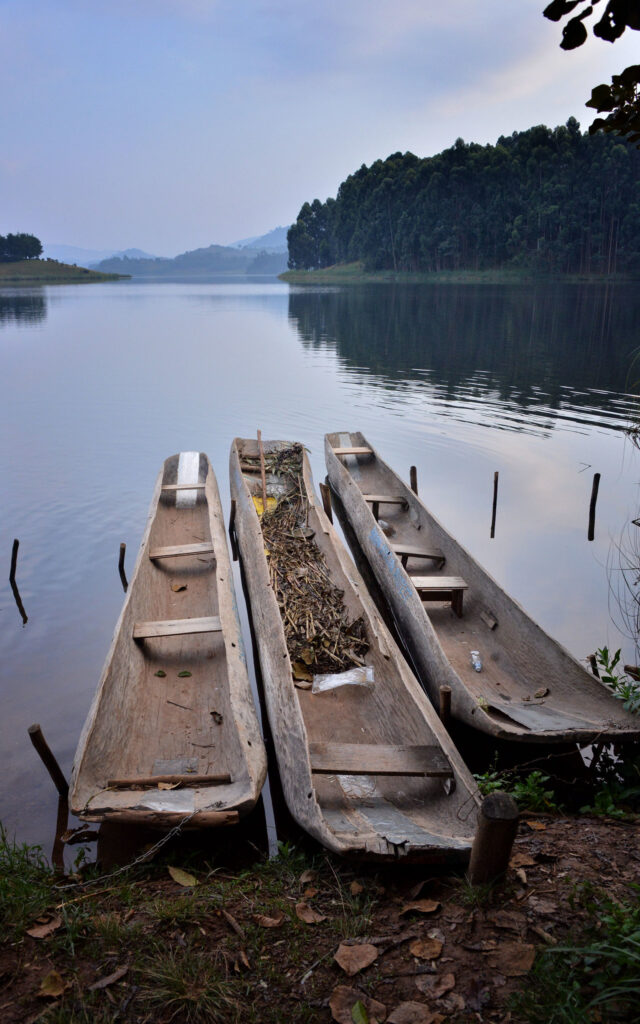
Bwindi vs. Mgahinga – Which One to Choose For Gorilla Trekking?
Bwindi vs. Mgahinga – Which One to Choose For Gorilla Trekking?
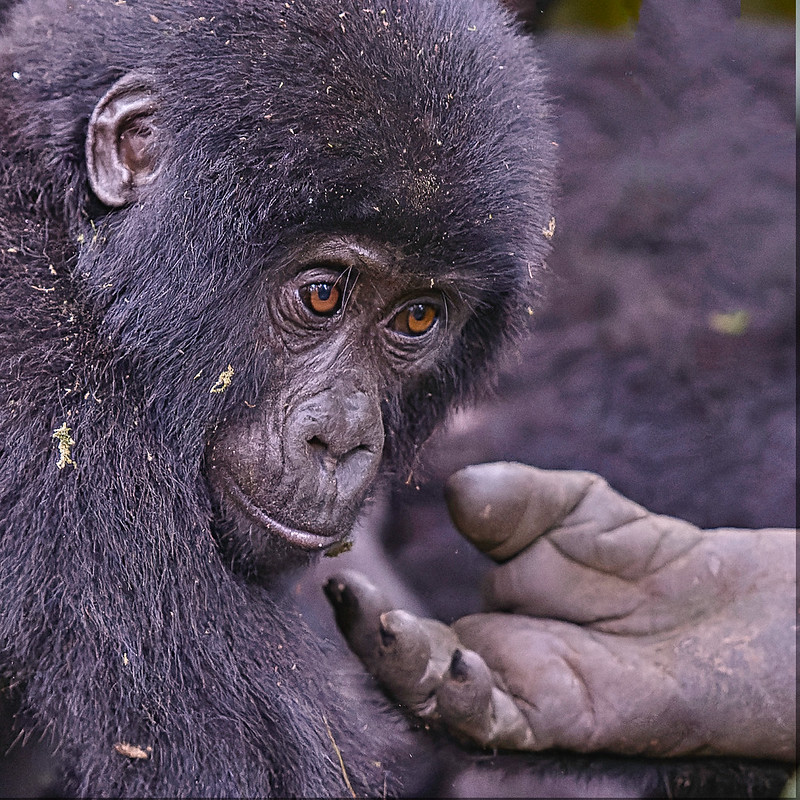
How to Stay Safe and Healthy While Traveling in Uganda
How to Stay Safe and Healthy While Traveling in Uganda
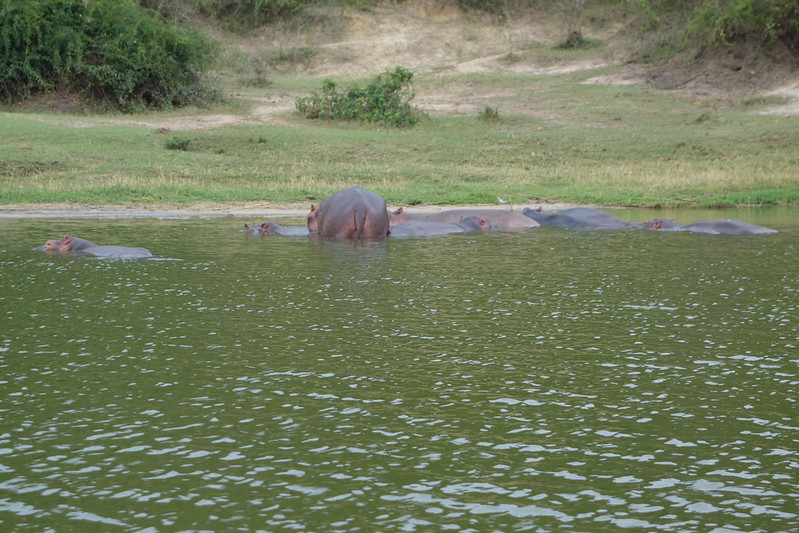
Routes, Tips & Travel Wisdom for Getting to Bwindi or Mgahinga
Routes, Tips & Travel Wisdom for Getting to Bwindi or Mgahinga
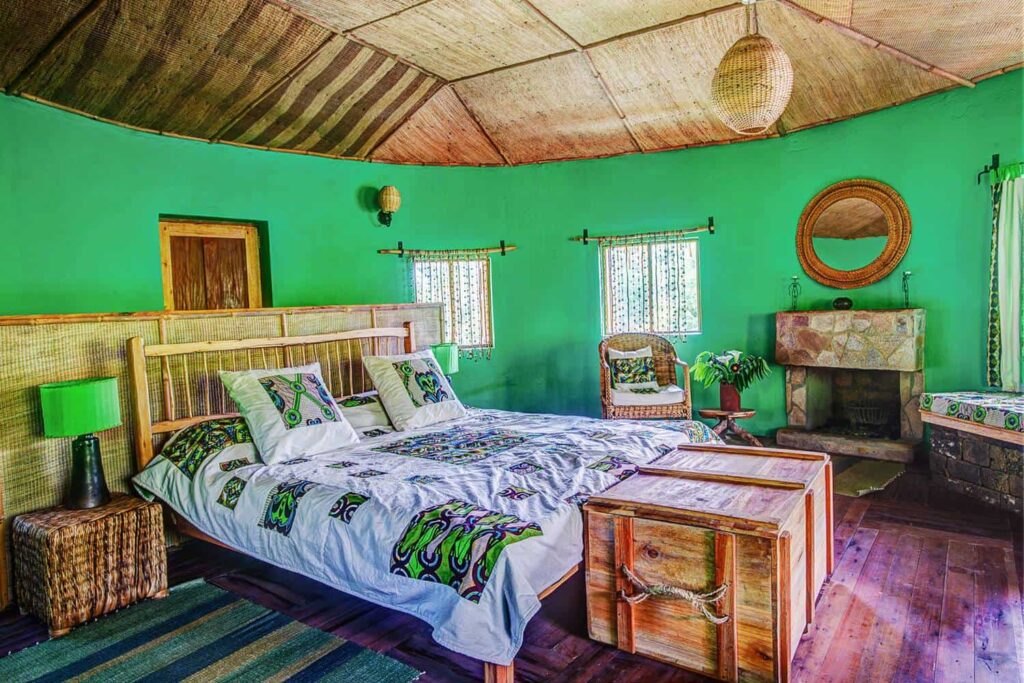
Accommodation Options: Lodges & Camps in Bwindi and Mgahinga
Accommodation Options: Lodges & Camps in Bwindi and Mgahinga
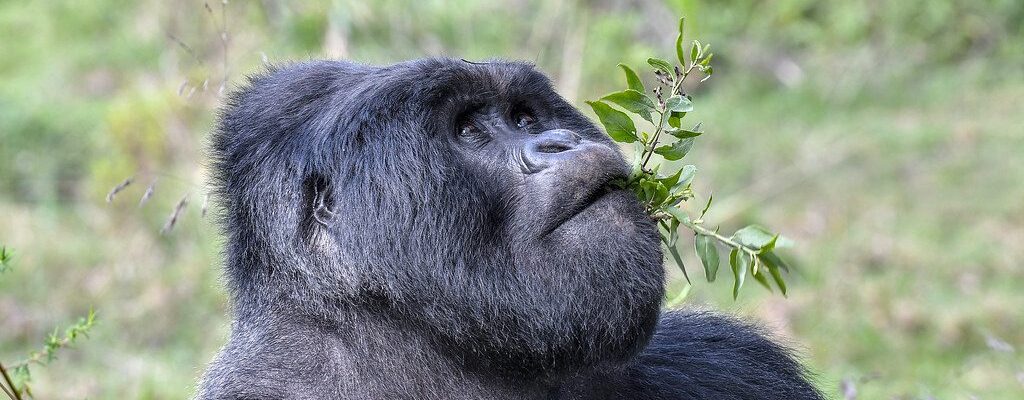
Protecting What You Came to See: Gorilla Conservation & Ethics
Protecting What You Came to See: Gorilla Conservation & Ethics
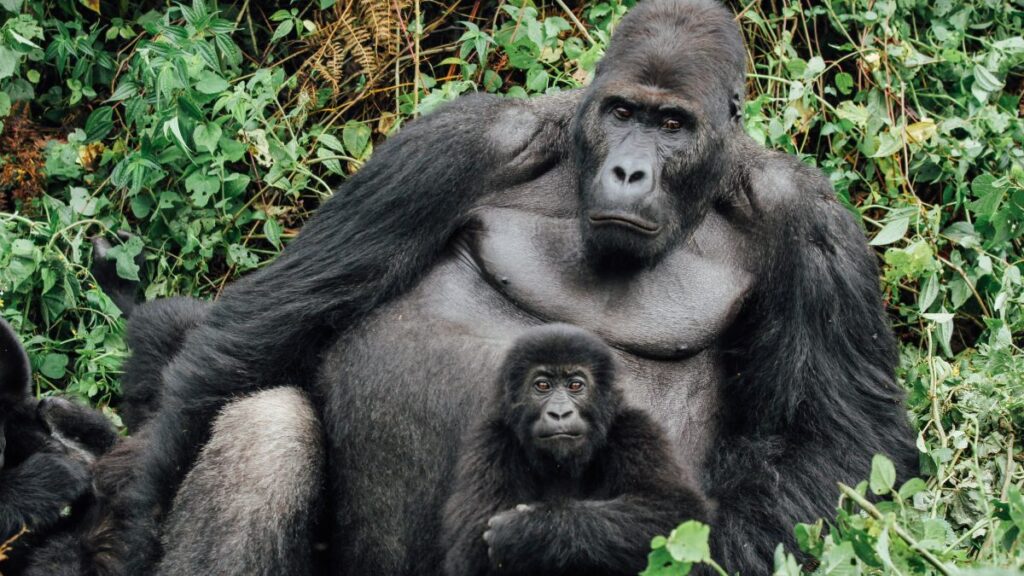
Travel Insurance for Gorilla Treks: Before You Go
Travel Insurance for Gorilla Treks: Before You Go
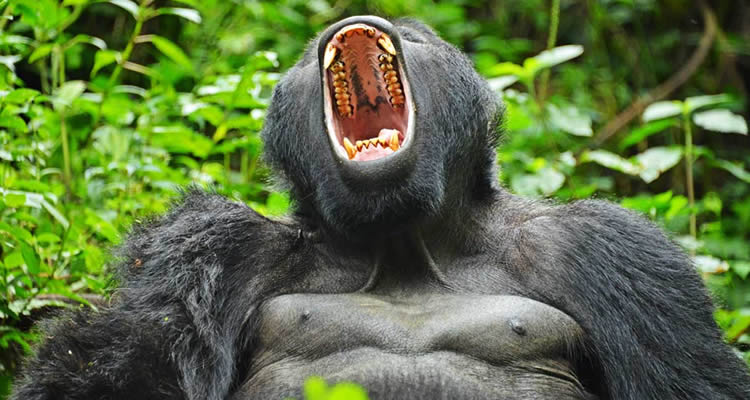
First Time Gorilla Trekking? Here’s Everything I Wish I Knew
First Time Gorilla Trekking? Here’s Everything I Wish I Knew
Step by Step: What Happens During a Gorilla Trekking Day
Step by Step: What Happens During a Gorilla Trekking Day
Gorilla Trekking vs. Gorilla Tracking – What’s the Real Difference?
Gorilla Trekking vs. Gorilla Tracking – What’s the Real Difference?
Beyond Gorillas: Other Wildlife You Can See During Your Trek
Beyond Gorillas: Other Wildlife You Can See During Your Trek
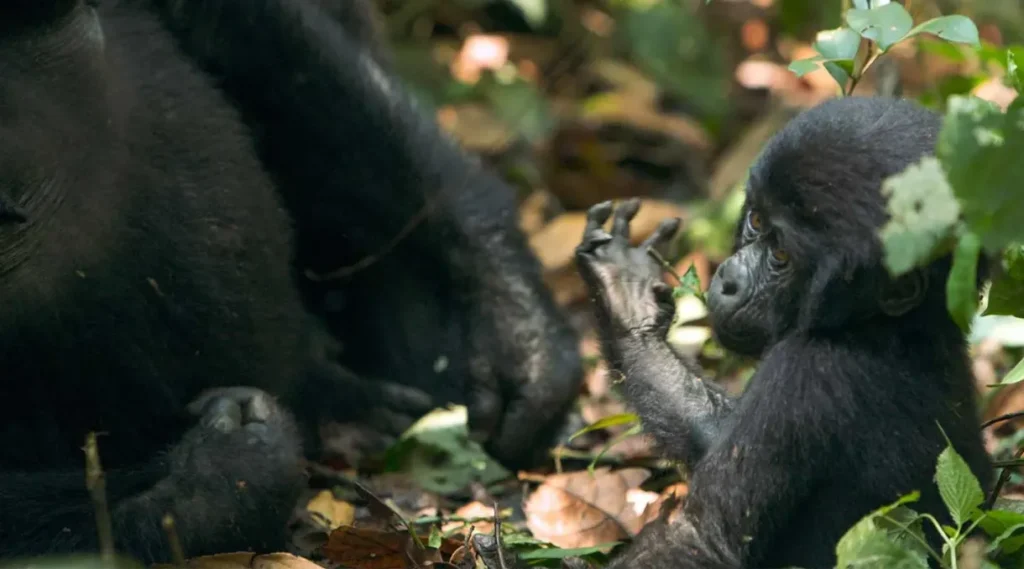
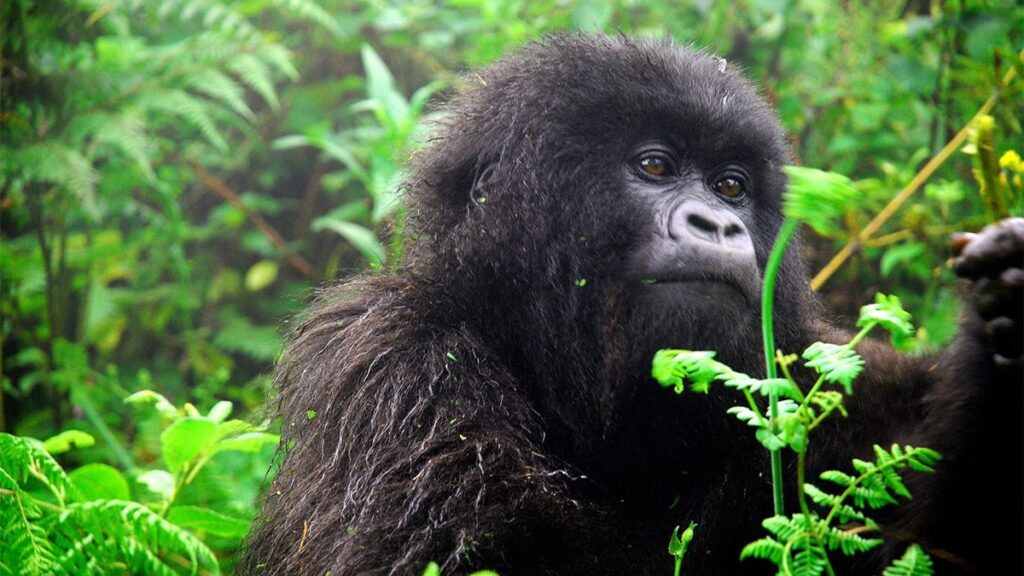
In the Realm of Giants – Bwindi & Mgahinga in Frames.
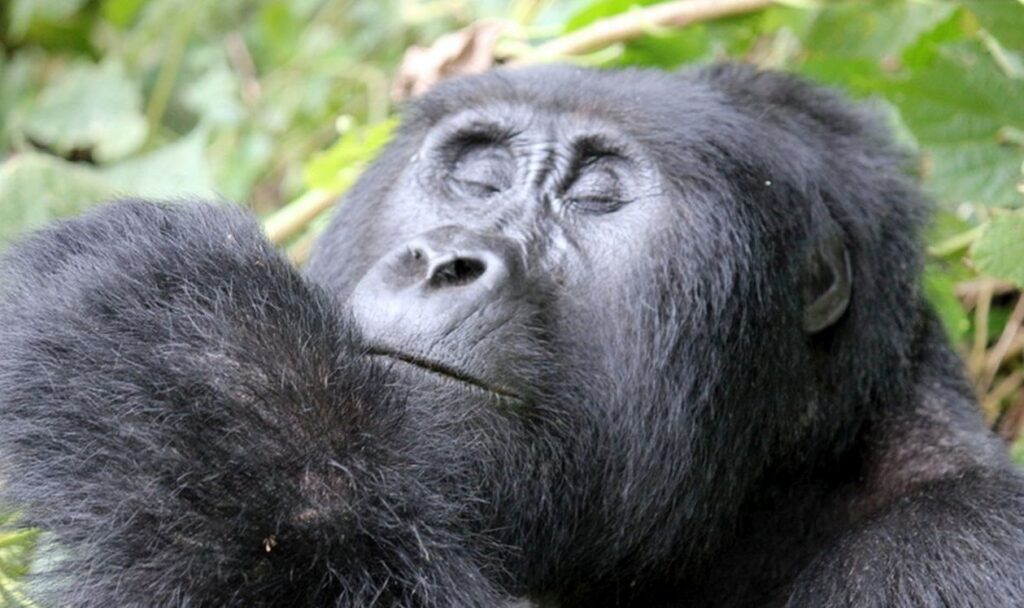
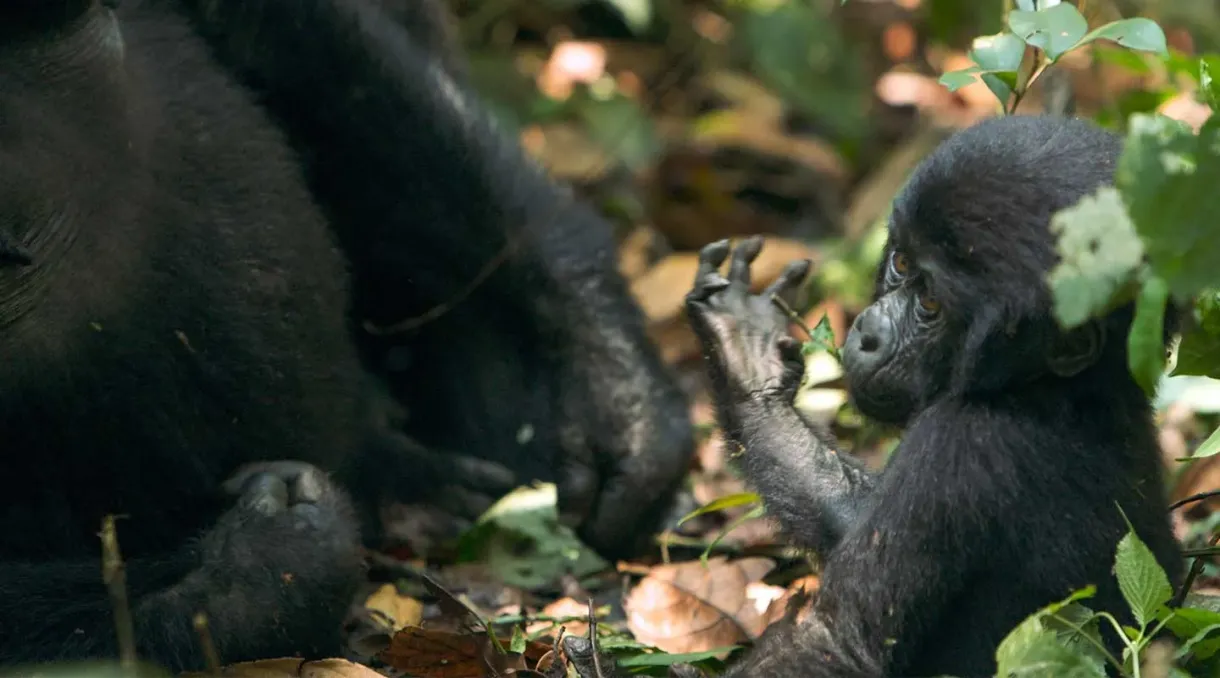
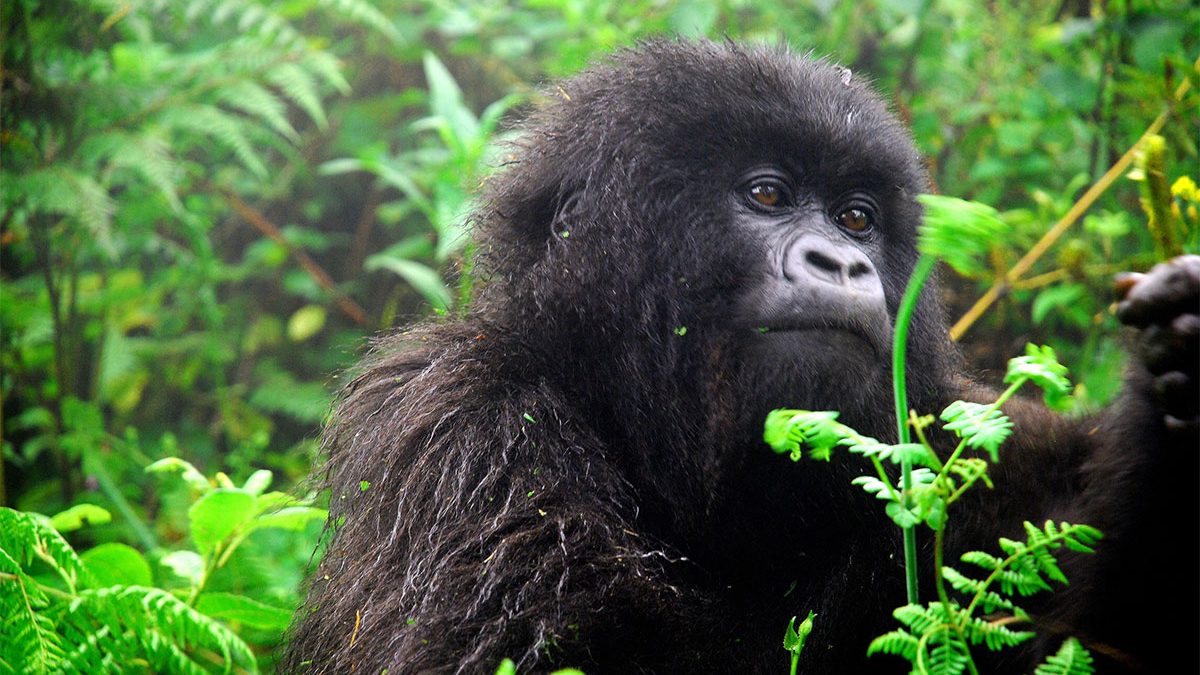
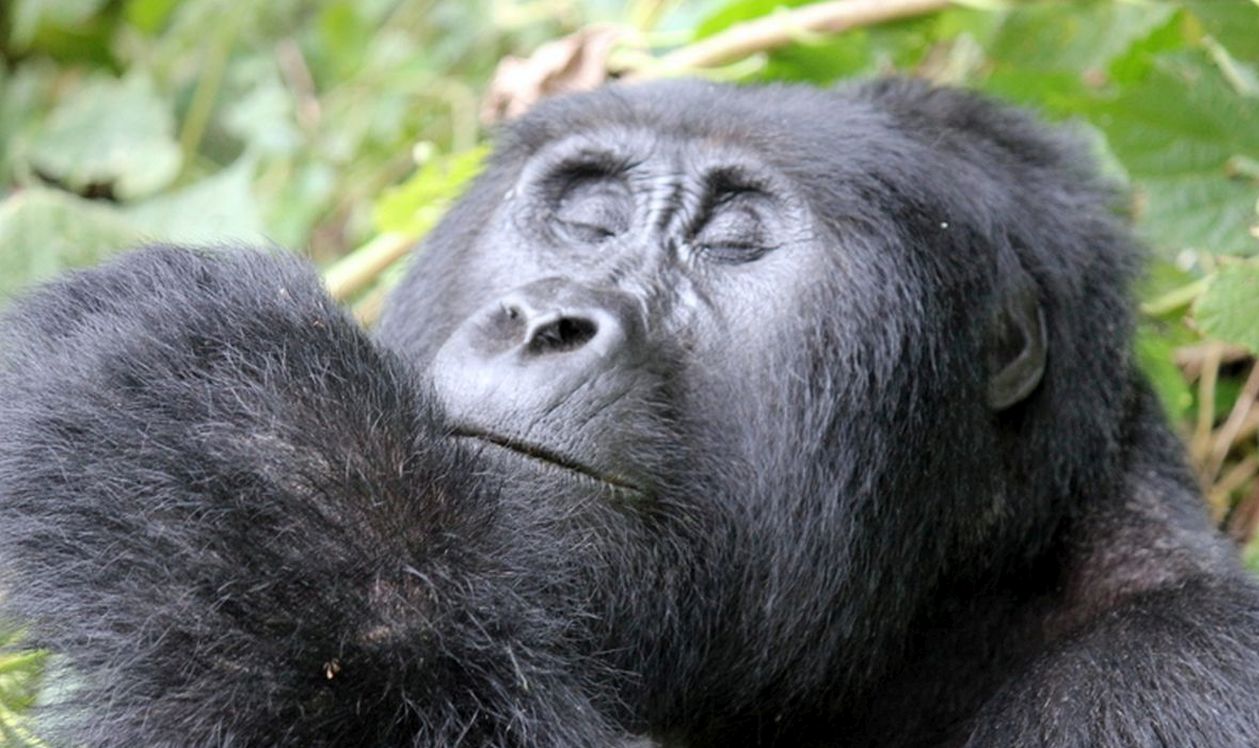
Wander through an elegant gallery capturing Uganda’s most exclusive gorilla sanctuaries, where ancient forests cradle the last mountain gorillas in a world of mist, mystery, and majesty.
Essential Planning Tips for Visiting Uganda’s National Parks.
Get ready for the wild heart of Africa with expert travel tips on when to visit, what to pack, where to go, and how to make the most of your safari across Uganda’s breathtaking national parks.
Why Uganda for Gorilla Trekking?
Uganda is not just a destination — it's the very soul of gorilla trekking. With over half of the world’s remaining mountain gorillas calling its misty forests home, Uganda offers the rarest encounters in their most authentic setting. Here, your journey is not rushed or crowded. Instead, you’re guided by experienced rangers through pristine jungles where gorillas live as they always have — wild, free, and magnificent
From insider travel insights to unforgettable trekking guides, our blog is your trusted path into Uganda’s wild heart — connecting you with mountain gorillas, breathtaking landscapes, and the soul-stirring adventures that make this land unlike any other.