
Where the soul of the forest whispers in the mist
The Mubare Gorilla Family holds a unique place in Uganda’s conservation history as the very first gorilla group to be habituated for tourism in Bwindi Impenetrable National Park. Habituation began in 1991 under the guidance of the Uganda Wildlife Authority, making the Mubare family the pioneers of what would become one of the world’s most celebrated wildlife tourism experiences. Their home in the Buhoma sector, on the northern edge of Bwindi, is where gorilla trekking in Uganda was born — and their story is inseparable from that legacy.
The group was named after the Mubare Hill in the Buhoma area, a landscape feature that locals had long used as a geographic anchor. In the early years of habituation, the dominant silverback was the legendary Ruhondeza, who led the family for over two decades. Ruhondeza became a symbol of gorilla tourism in Uganda — photographed thousands of times, beloved by guides and tourists alike. He passed away in August 2012 at an estimated age of 58, one of the oldest silverbacks on record. Leadership passed to the current dominant silverback Kanyonyi, who has maintained the group’s calm and approachable temperament.
Today, the Mubare family numbers around 11 individuals, including juveniles, females, blackbacks, and the dominant silverback. Despite being a smaller family, they offer an intimate and deeply rewarding trekking experience. Their long history of human contact means they are exceptionally relaxed around visitors, allowing for the kind of close, extended observation that every gorilla trekker dreams of. Trekking the Mubare family is not just a wildlife encounter — it is a meeting with history.
Trekking to the Mubare family typically begins at the Buhoma trailhead, where rangers brief visitors before heading into the forest. The terrain in Buhoma is relatively moderate compared to other sectors — a mix of open forest paths and gentle ridgeline trails — making it one of the more accessible treks in Bwindi. Trek duration varies between one and four hours depending on where the family has moved overnight, and the hour spent in their presence is always unhurried and profound. The Mubare family tends to feed in small clearings and rest in dense undergrowth, giving trackers a variety of viewing angles throughout the visit.
So lace up your boots, grab your camera, and prepare to meet the wild — this is where your gorilla trekking dreams and unforgettable safari adventures truly begin.
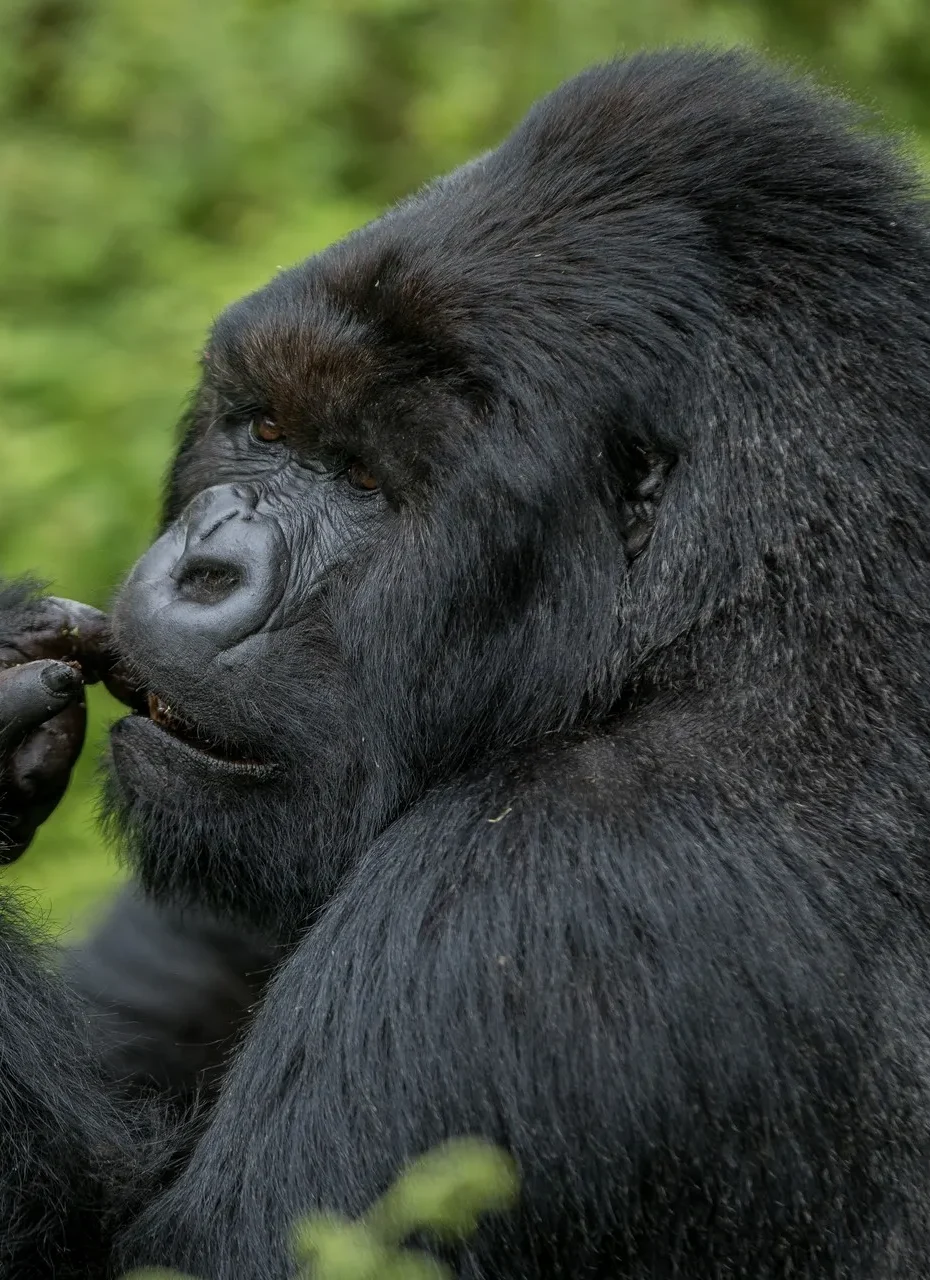
Truly Iconic Highlights in Uganda

Trek through Bwindi’s mystical rainforest and meet the endangered mountain gorillas in their breathtaking natural home.
Encounter mountain gorillas and golden monkeys on Mgahinga’s misty volcanic trails, where culture and alpine wildlife thrive together.
Unwind after your trek with a peaceful canoe ride across Lake Bunyonyi, Uganda’s most tranquil and scenic highland lake.
Enhance your gorilla trekking safari with an optional chimpanzee encounter in Uganda’s lush forests, adding depth and diversity to your primate adventure
Gorilla Trekking Tours in Uganda – Our Most Popular Itineraries.
Explore our gorilla trekking safaris for every traveler—solo, family, budget, or luxury. All tours include permits, transport, accommodation, meals, and park fees. Whether for a quick trip or a deeper adventure, we’ve got you covered.
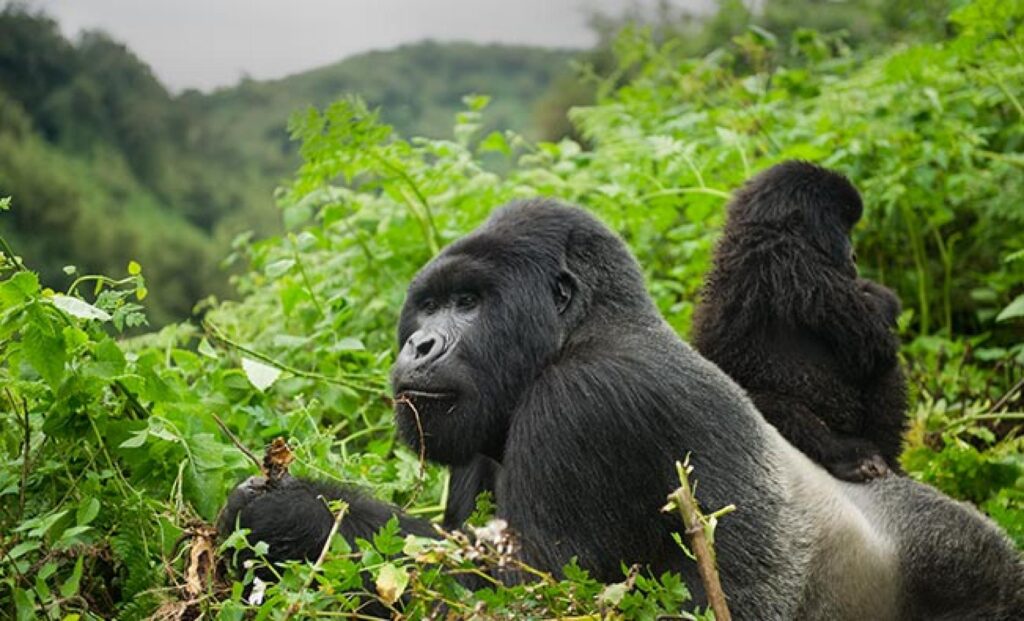
3-Day Bwindi Gorilla Trekking Safari
3-Day Bwindi Gorilla Trekking Safari
4-Day Uganda Gorilla Trekking Safari
4-Day Uganda Gorilla Trekking Safari
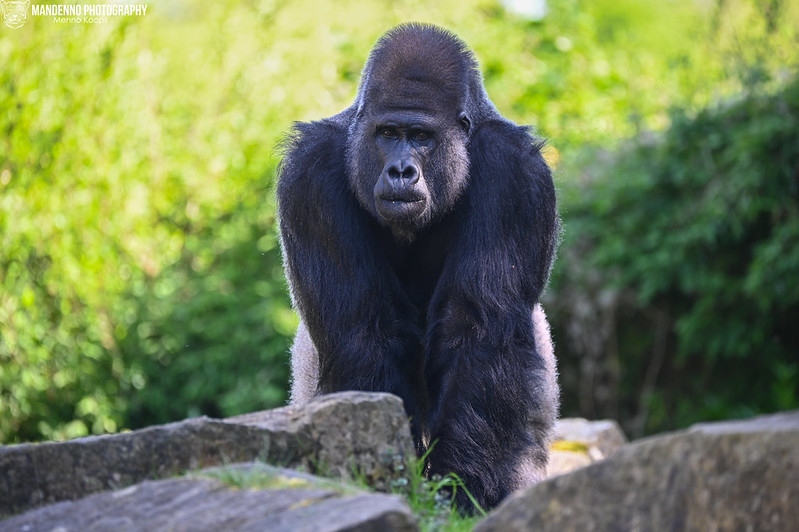
5-Day Gorilla Tracking and Wildlife Safari
5-Day Gorilla Tracking and Wildlife Safari
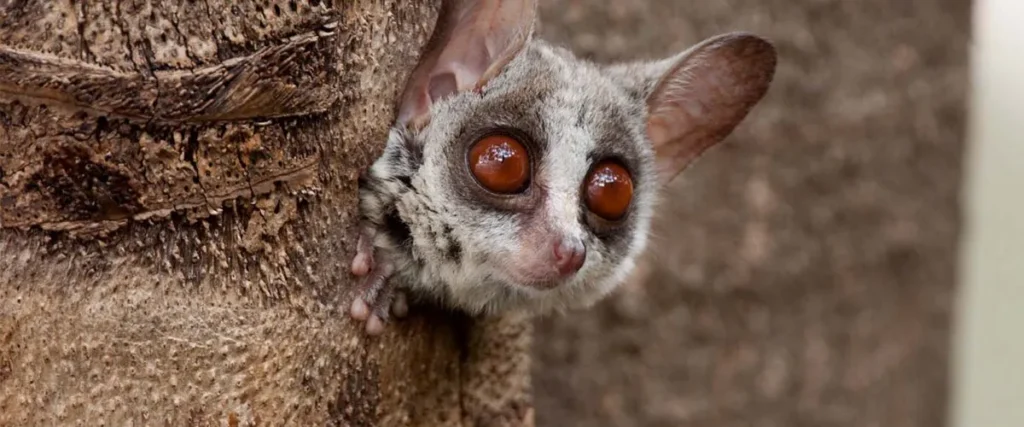
7-Day Uganda Primate Adventure & Wildlife Safari
7-Day Uganda Primate Adventure & Wildlife Safari
10-Day Gorilla Trekking & Big Five Safari in Uganda
10-Day Gorilla Trekking & Big Five Safari in Uganda
12-Day Uganda Gorilla Trekking, Chimp Tracking & Cultural Safari
12-Day Uganda Gorilla Trekking, Chimp Tracking & Cultural Safari
14-Day Best of Uganda Safari – Gorillas, Wildlife, Cultures
14-Day Best of Uganda Safari – Gorillas, Wildlife, Cultures
A DETAILED STUDY OF THE MUBARE FAMILY – BUHOMA SECTOR
The Mubare Gorilla Family: Complete Guide
History and Habituation
The Mubare Gorilla Family stands as a landmark in African conservation history. In 1991, the Uganda Wildlife Authority began the habituation process with this group in the Buhoma sector of Bwindi Impenetrable National Park — making them the first mountain gorilla family ever opened to tourism in Uganda. The early years of habituation required rangers to spend months quietly following the group, retreating whenever individuals showed stress, gradually reducing the distance until the gorillas accepted a calm human presence as part of their world. By the time Mubare opened for trekking, the template they established — eight visitors per day, one hour maximum contact, strict health and distance protocols — became the standard that every subsequent gorilla family in Uganda would follow.
The Silverback Legacy: Ruhondeza and Kanyonyi
For over two decades, the Mubare family was led by silverback Ruhondeza — one of the most photographed and recognised mountain gorillas in the world. Estimated to be around 58 years old at the time of his death in August 2012, Ruhondeza was among the oldest silverbacks ever recorded in the wild. His passing was mourned not only by conservation staff who had known him for twenty years, but by travellers from around the world who had sat in his quiet, powerful presence during a trek. Leadership passed to Kanyonyi, who has maintained the group’s calm character and their reputation as one of the most relaxed gorilla families in Bwindi. Under Kanyonyi, the family has continued to thrive at a stable size of approximately 11 individuals.
Family Composition and Social Structure
The Mubare family today includes the dominant silverback Kanyonyi, several adult females, blackback males, juveniles, and infants. At 11 members, they are one of the smaller habituated groups in Bwindi — but size is not the measure of a great gorilla encounter. What Mubare offers is extraordinary depth of observation. With fewer individuals moving through the forest, each gorilla receives more focused attention during the permitted hour. You will notice which females are closest to Kanyonyi, which juveniles are testing the boundaries of their independence, which blackbacks are beginning to develop the silver saddle that marks their transition to full silverback status. The social choreography of this family, played out slowly in the dappled light of Buhoma’s forest, is one of the richest wildlife experiences on Earth.
The Trek Experience
Trekking the Mubare family begins at the Buhoma park headquarters, where visitors gather for the morning briefing. Rangers explain the protocols — maintain seven metres distance from the gorillas, do not eat or drink in their presence, do not use flash photography, cough or sneeze into your elbow and turn away, and follow the lead guide’s instructions at all times. The briefing also introduces the specific family being visited, giving trekkers a sense of who they are about to meet. After the briefing, the group sets off into the forest.
The Buhoma trails used to reach the Mubare family vary in difficulty depending on the family’s overnight position. On short days, the gorillas are found within an hour of walking — a gentle introduction to the forest that feels almost effortless. On longer days, the trail descends into river valleys and climbs back out through dense undergrowth, and the walk itself becomes a meaningful part of the experience. Buhoma’s terrain is generally considered moderate by Bwindi standards: fewer of the steep escarpment sections that characterise the Nkuringo sector, and well-maintained trails that have carried trekkers for over thirty years.
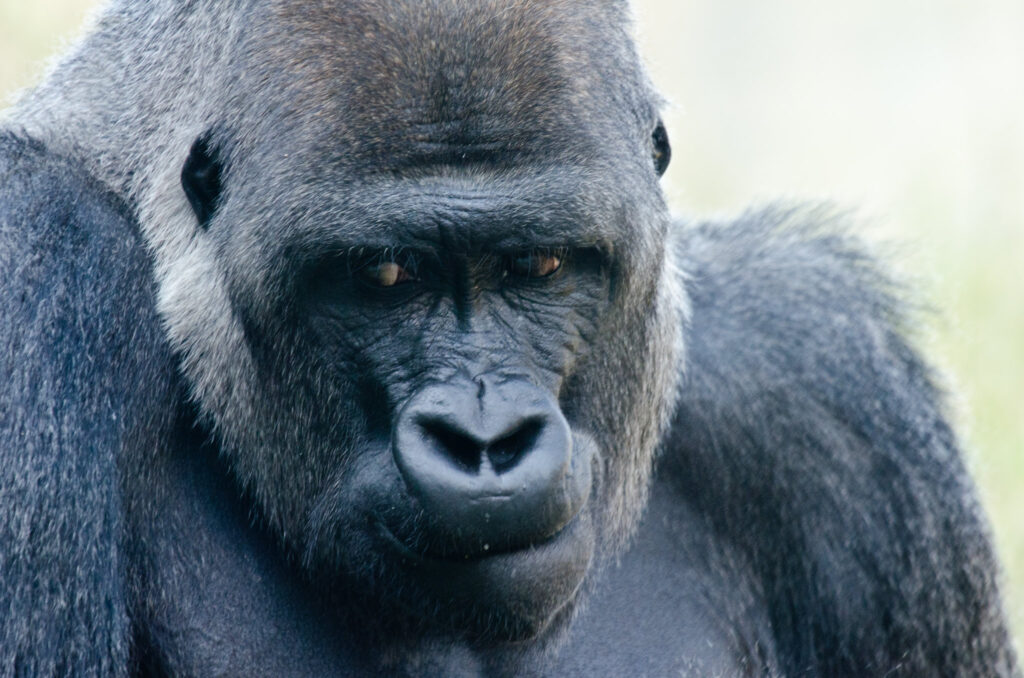
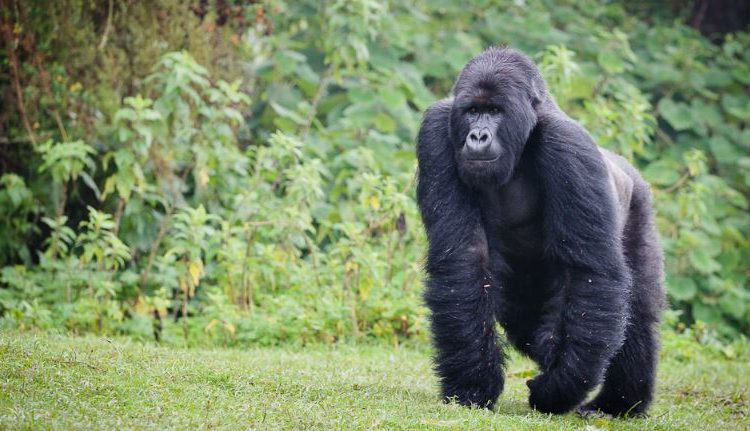
The hour with the Mubare family is when everything slows down. Kanyonyi typically feeds or rests at the centre of the group’s activity, his presence anchoring the family’s movements. Around him, females tend their infants, juveniles chase each other through the undergrowth, and the whole living social system of mountain gorilla life unfolds at walking pace, arm’s reach away. Guides interpret behaviour throughout the hour, pointing out nursing positions, play signals, and the subtle vocalisations — rumbles, belches, grunts — that gorillas use to communicate contentment and maintain contact within the group.
Best Time to Trek the Mubare Family
The Mubare family can be trekked year-round. The most popular seasons are the two dry periods — June to August and December to February — when trails are firmer, vegetation slightly less dense, and photographic light cleaner in the mornings. However, the wet seasons (March to May and September to November) have genuine advantages: the forest is at its most lush and green, gorilla density near water sources can be higher, and permit availability is better. The Mubare family has been trekked consistently through every season for over thirty years, and experienced trackers know their movement patterns in all weather conditions.
Practical Information
Permits for the Mubare family are $800 USD per person (Uganda Wildlife Authority 2025/2026 pricing). Booking well in advance is essential, especially for the June–August and December–February peak seasons. The trek is classified as moderate difficulty and suitable for visitors of average fitness. Walking sticks are available at the trailhead. Porters can be hired at the park entrance to carry your daypack and provide physical support on steep sections — hiring a porter directly supports the local Buhoma community. Waterproof boots, long trousers, and lightweight gloves are recommended regardless of season. The Buhoma sector has the widest range of accommodation in Bwindi, from community guesthouses to luxury forest lodges, all within easy reach of the park headquarters.
More Gorilla Trekking Information to Know.
Gorilla trekking goes far beyond just the hike — it’s a deep, emotional journey into the heart of Africa’s last wild rainforests. Knowing the right timing, permits, fitness tips, and park details can turn your experience from good to unforgettable.
Bwindi Gorilla Trekking — The Four Sectors Explained
Bwindi Gorilla Trekking — The Four Sectors Explained
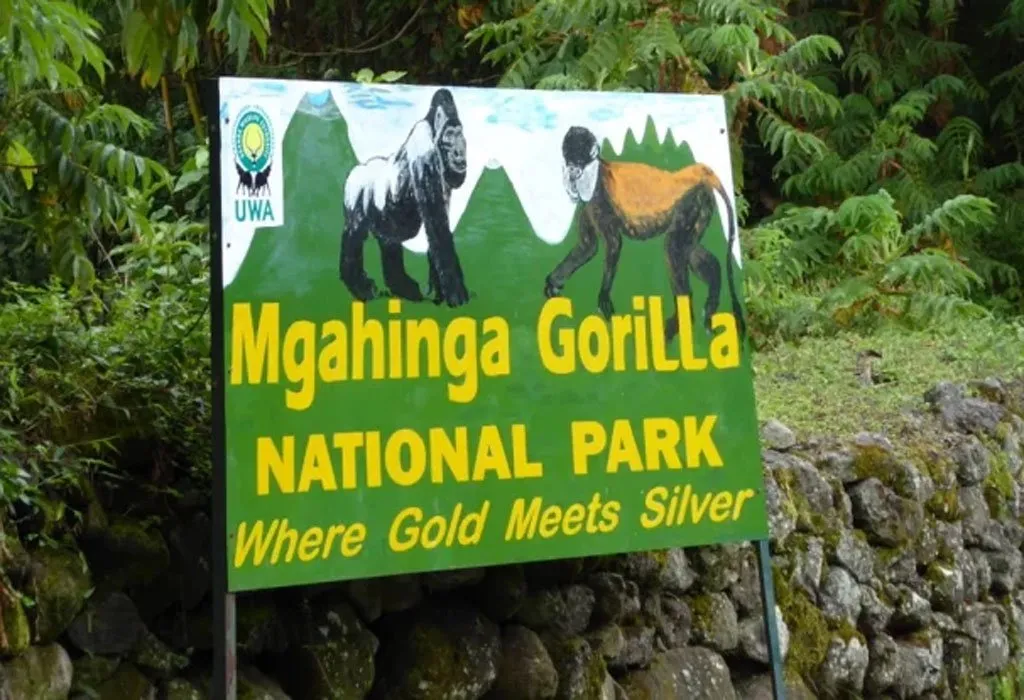
Trekking Gorillas in Mgahinga National Park
Trekking Gorillas in Mgahinga National Park
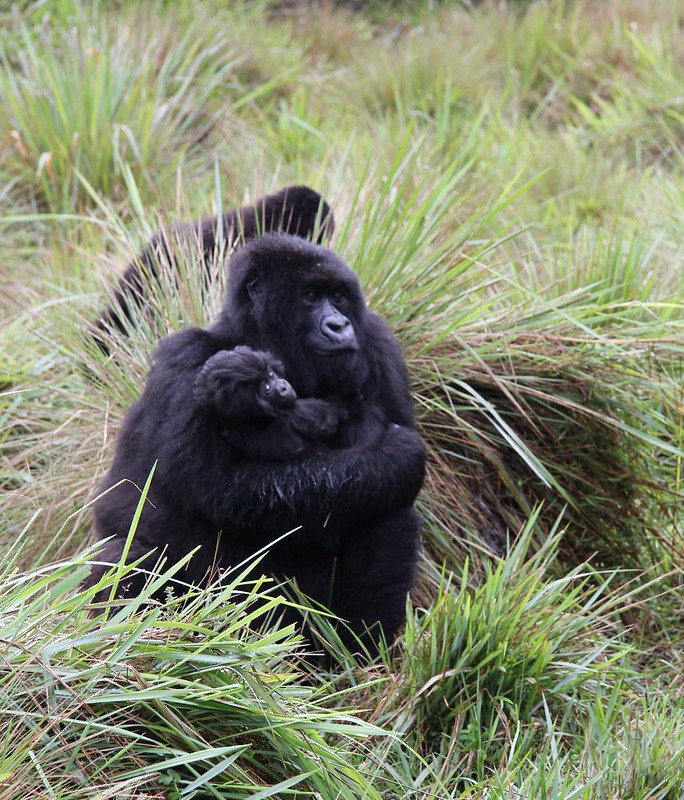
Uganda Gorilla Trekking Permits – Prices, Booking, & Travel Tips
Uganda Gorilla Trekking Permits – Prices, Booking, & Travel Tips
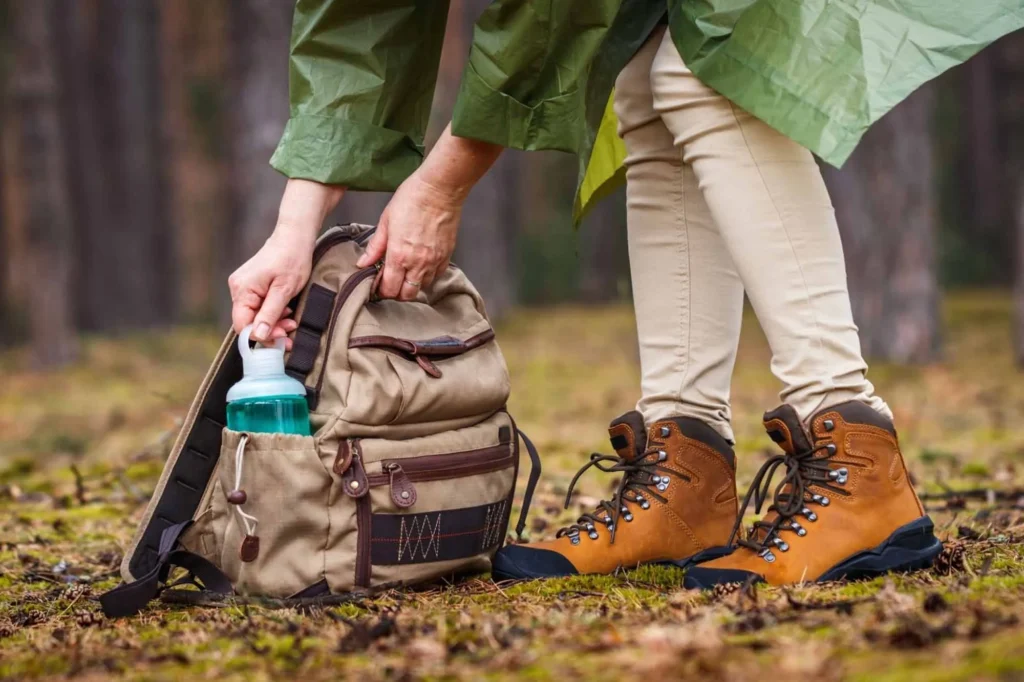
What to Pack for Gorilla Trekking in Uganda – Expert Checklist
What to Pack for Gorilla Trekking in Uganda – Expert Checklist
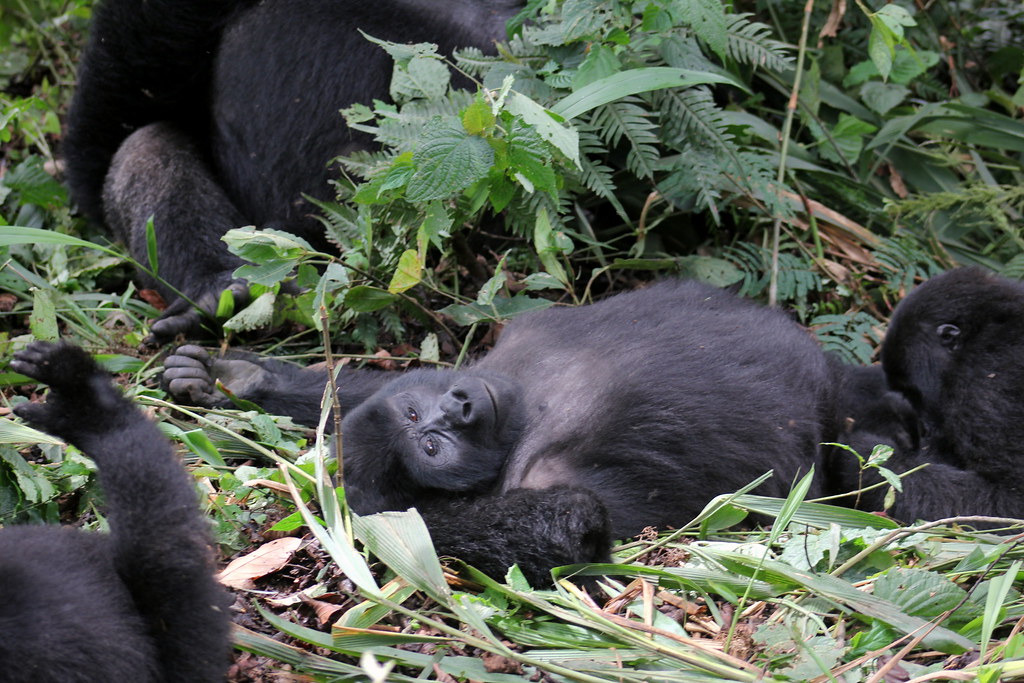
Best Time to Go Gorilla Trekking in Uganda – Weather & Seasons
Best Time to Go Gorilla Trekking in Uganda – Weather & Seasons
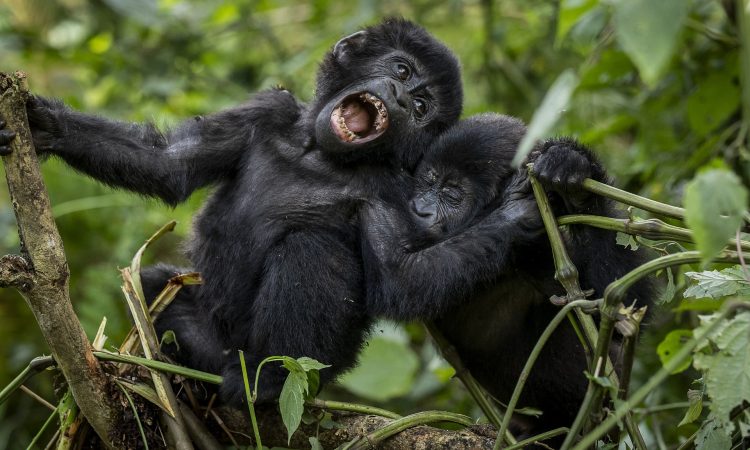
Gorilla Trekking Difficulty in Uganda – Fitness & Trail Guide
Gorilla Trekking Difficulty in Uganda – Fitness & Trail Guide
Gorilla Trekking Rules in Uganda – Safety, Respect & Ethics
Gorilla Trekking Rules in Uganda – Safety, Respect & Ethics
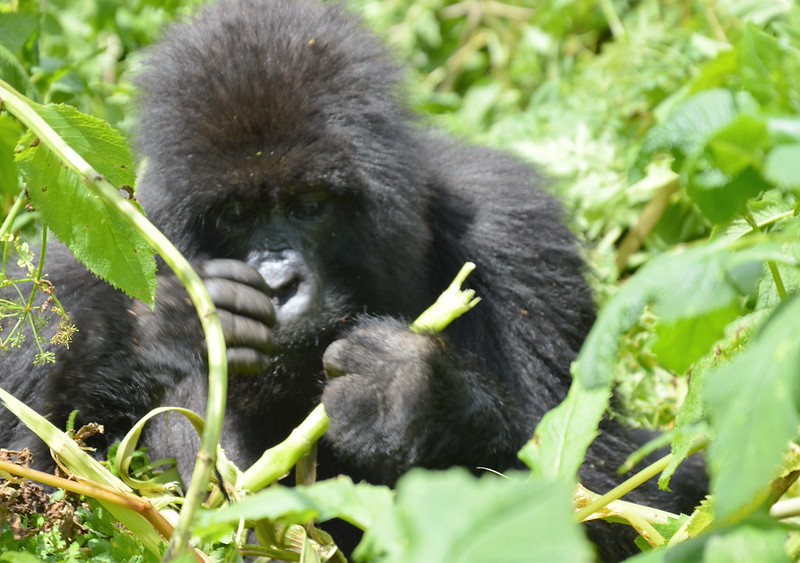
Gorilla Conservation in Uganda – Protecting the Mountain Giants
Gorilla Conservation in Uganda – Protecting the Mountain Giants
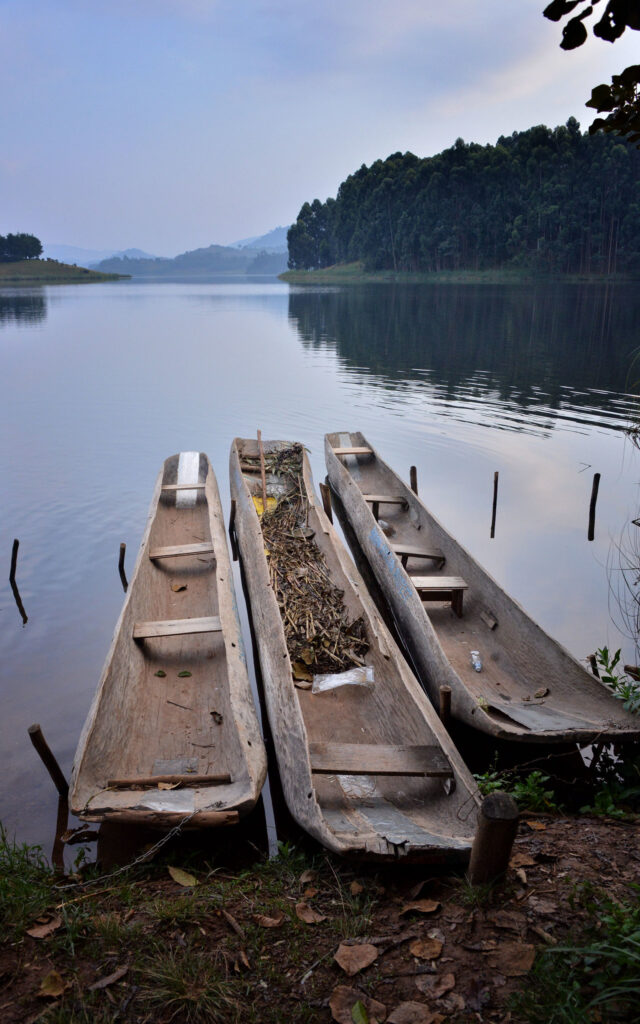
Bwindi vs. Mgahinga – Which One to Choose For Gorilla Trekking?
Bwindi vs. Mgahinga – Which One to Choose For Gorilla Trekking?
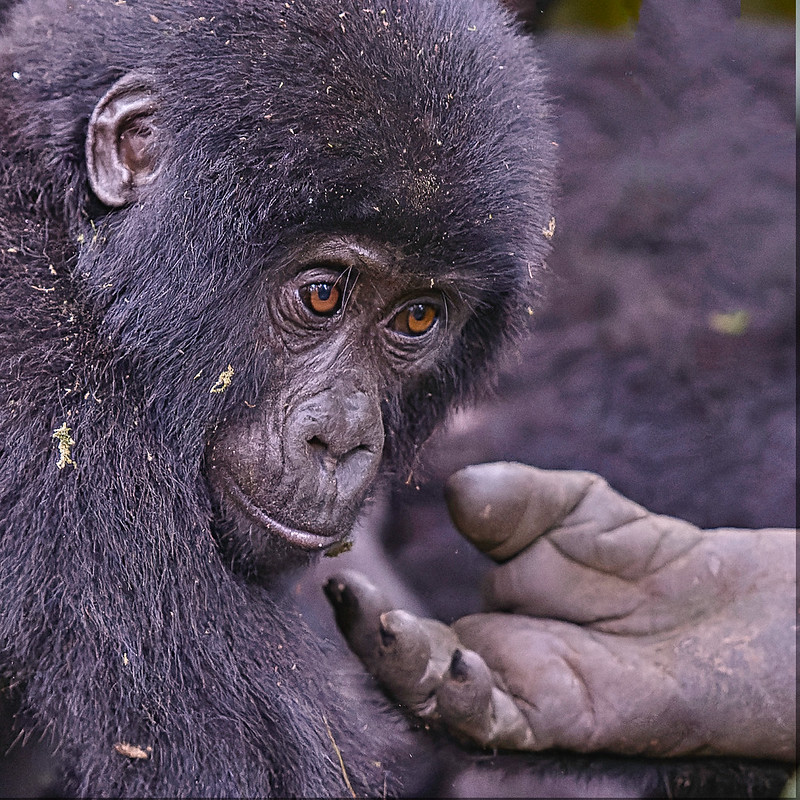
How to Stay Safe and Healthy While Traveling in Uganda
How to Stay Safe and Healthy While Traveling in Uganda
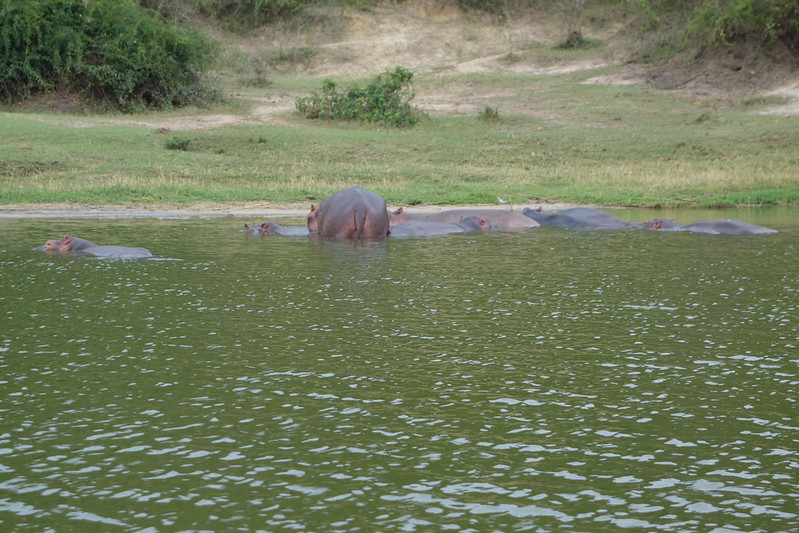
Routes, Tips & Travel Wisdom for Getting to Bwindi or Mgahinga
Routes, Tips & Travel Wisdom for Getting to Bwindi or Mgahinga
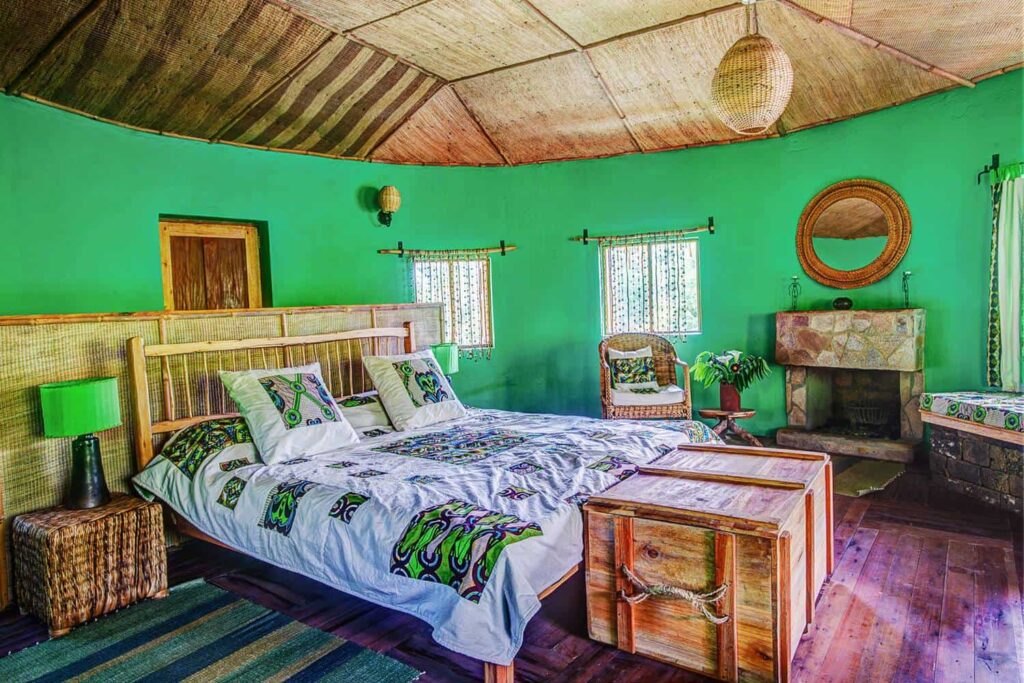
Accommodation Options: Lodges & Camps in Bwindi and Mgahinga
Accommodation Options: Lodges & Camps in Bwindi and Mgahinga
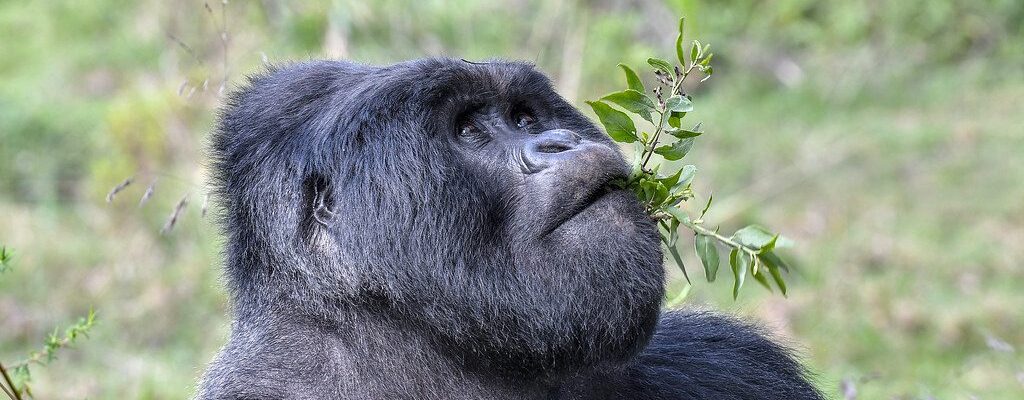
Protecting What You Came to See: Gorilla Conservation & Ethics
Protecting What You Came to See: Gorilla Conservation & Ethics
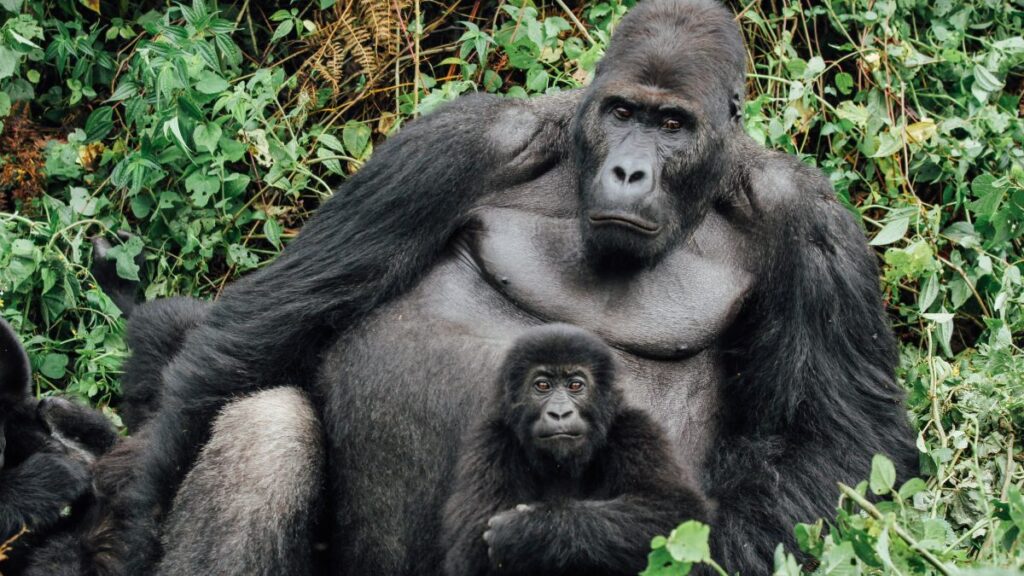
Travel Insurance for Gorilla Treks: Before You Go
Travel Insurance for Gorilla Treks: Before You Go
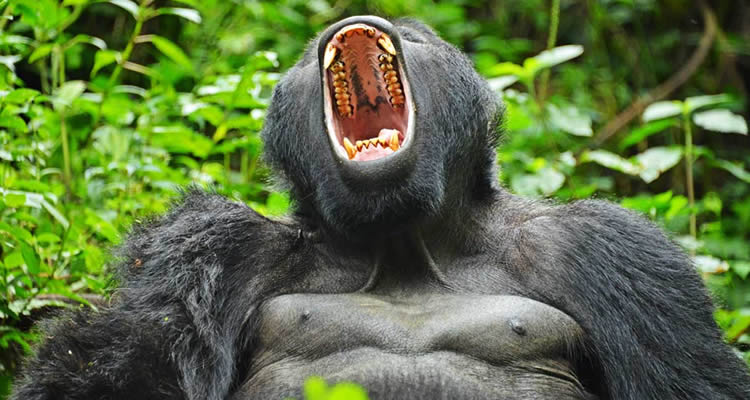
First Time Gorilla Trekking? Here’s Everything I Wish I Knew
First Time Gorilla Trekking? Here’s Everything I Wish I Knew
Step by Step: What Happens During a Gorilla Trekking Day
Step by Step: What Happens During a Gorilla Trekking Day
Gorilla Trekking vs. Gorilla Tracking – What’s the Real Difference?
Gorilla Trekking vs. Gorilla Tracking – What’s the Real Difference?
Beyond Gorillas: Other Wildlife You Can See During Your Trek
Beyond Gorillas: Other Wildlife You Can See During Your Trek
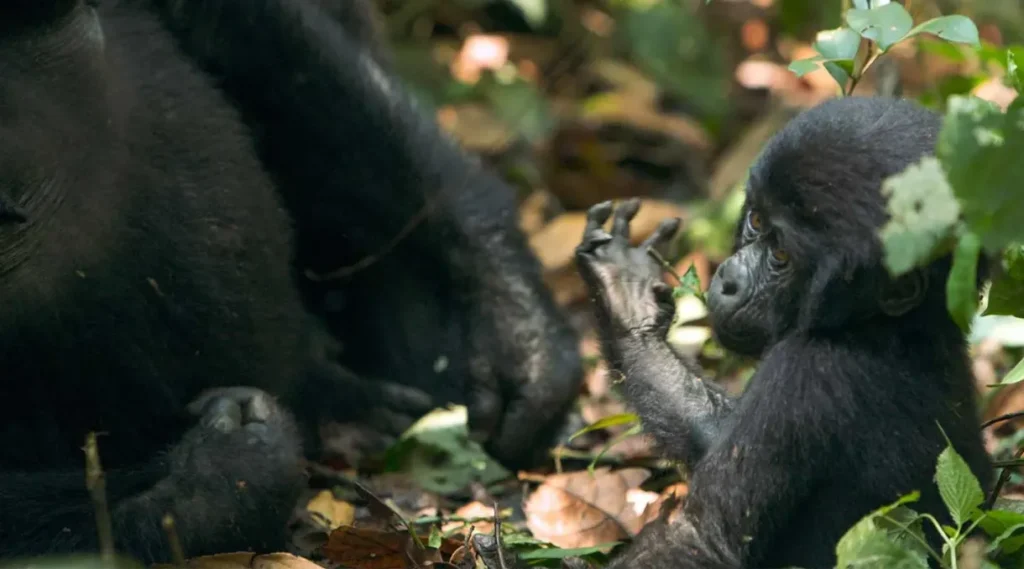
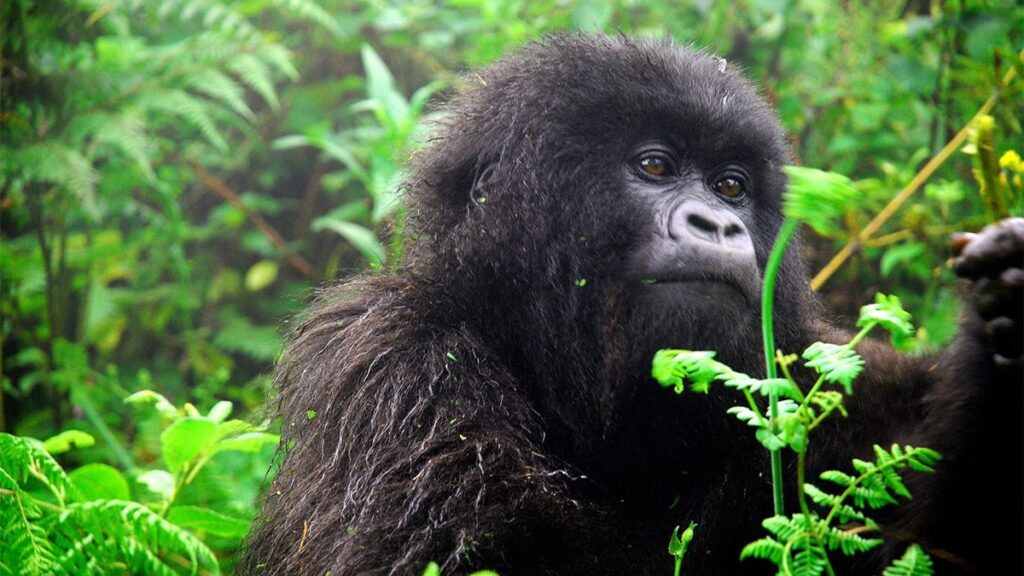
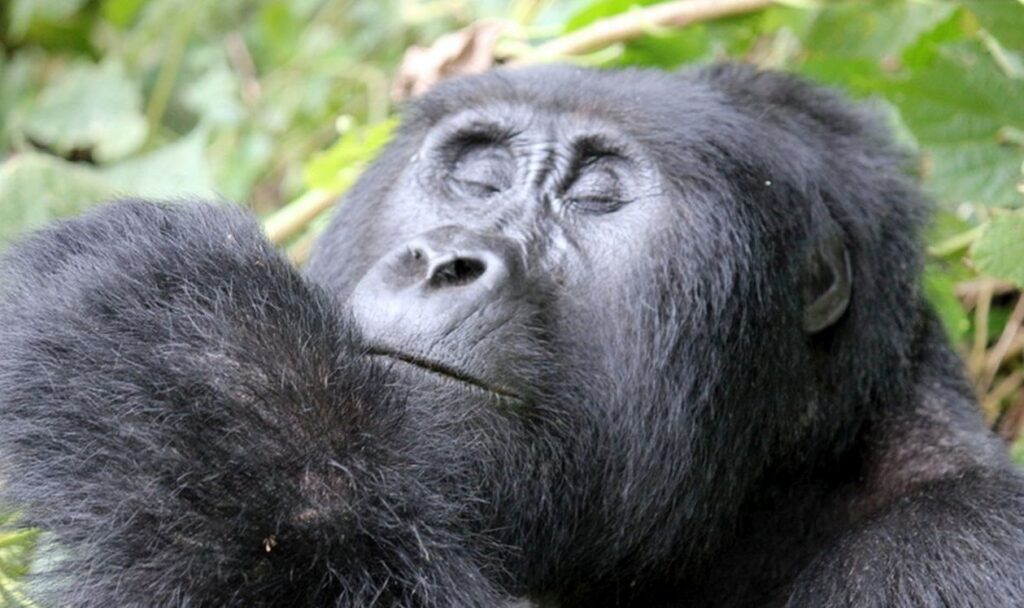
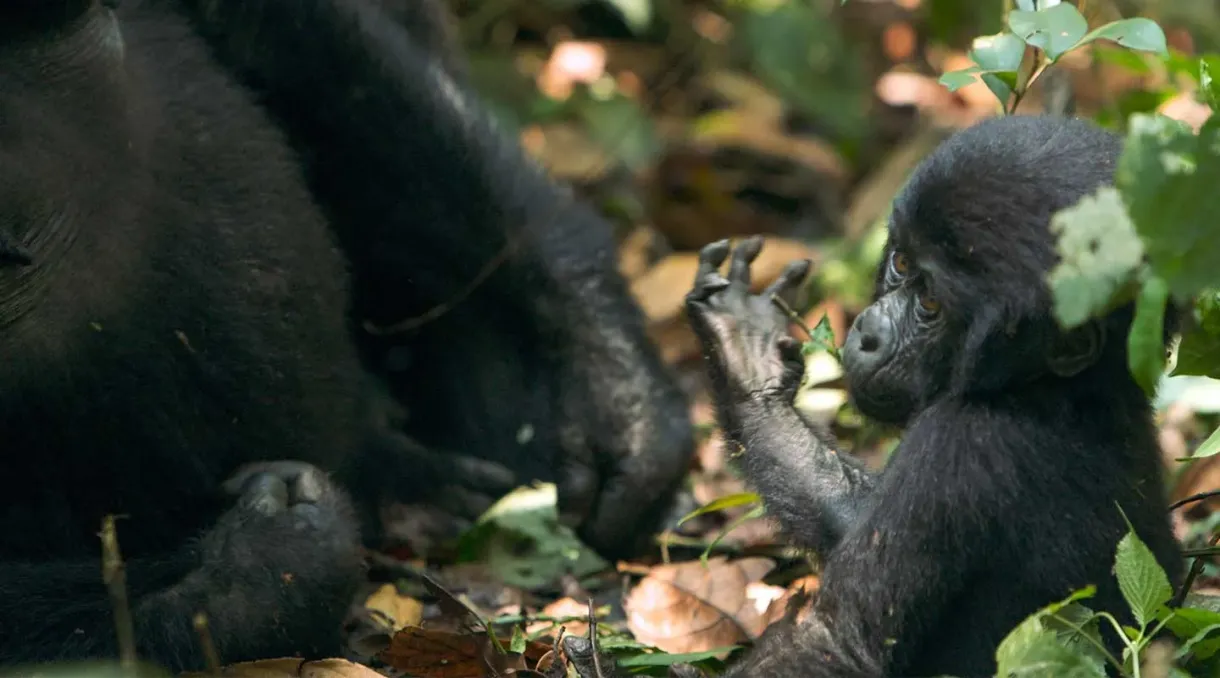
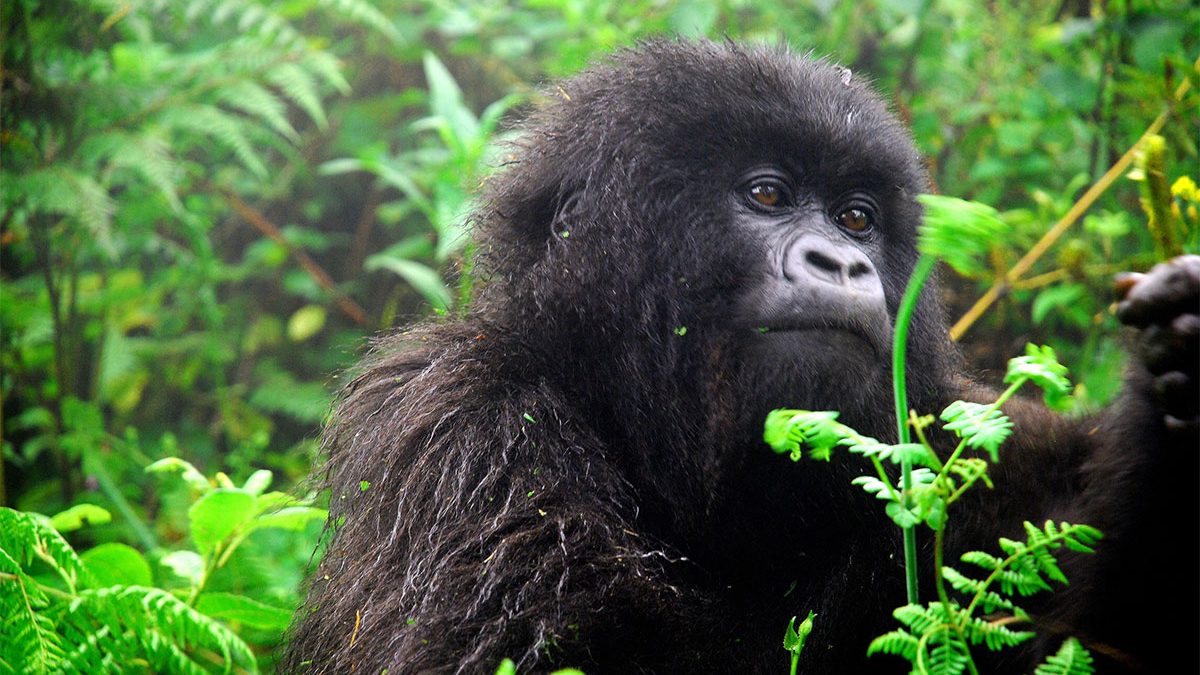
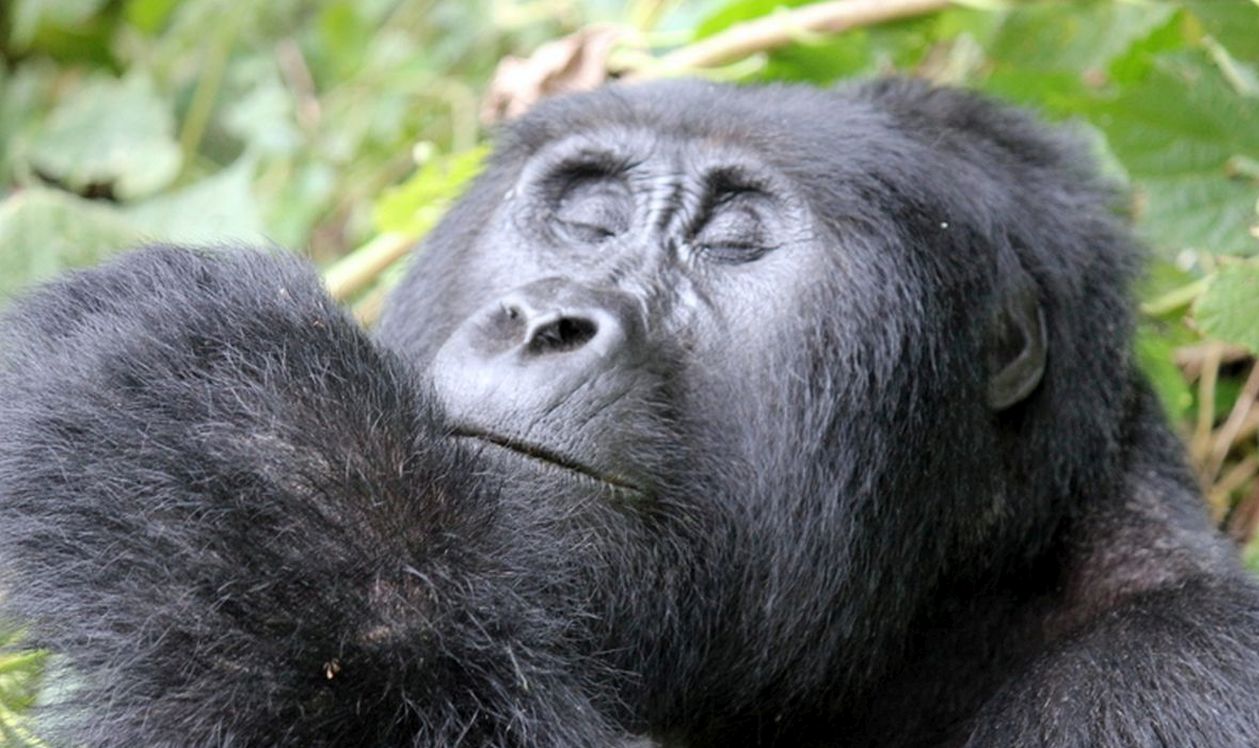
In the Realm of Giants – Bwindi & Mgahinga in Frames.
Wander through an elegant gallery capturing Uganda’s most exclusive gorilla sanctuaries, where ancient forests cradle the last mountain gorillas in a world of mist, mystery, and majesty.
Essential Planning Tips for Visiting Uganda’s National Parks.
Get ready for the wild heart of Africa with expert travel tips on when to visit, what to pack, where to go, and how to make the most of your safari across Uganda’s breathtaking national parks.
Why Uganda for Gorilla Trekking?
Uganda is not just a destination — it's the very soul of gorilla trekking. With over half of the world’s remaining mountain gorillas calling its misty forests home, Uganda offers the rarest encounters in their most authentic setting. Here, your journey is not rushed or crowded. Instead, you’re guided by experienced rangers through pristine jungles where gorillas live as they always have — wild, free, and magnificent
From insider travel insights to unforgettable trekking guides, our blog is your trusted path into Uganda’s wild heart — connecting you with mountain gorillas, breathtaking landscapes, and the soul-stirring adventures that make this land unlike any other.