
Where the soul of the forest whispers in the mist
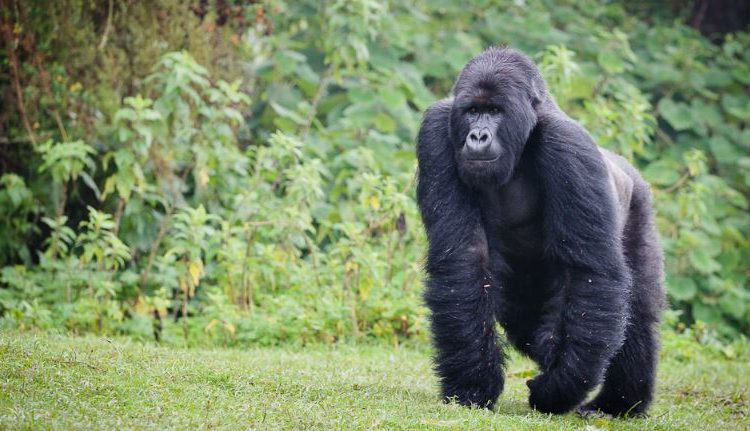
The Bitukura Gorilla Family is one of the most scientifically fascinating and visually spectacular gorilla groups available for trekking in Uganda’s Bwindi Impenetrable National Park. What makes Bitukura exceptional — and genuinely unusual in gorilla biology — is the presence of four silverbacks within a single cohesive family unit. This multi-male structure is extremely rare in mountain gorilla society, where groups are typically led by a single dominant male who either drives out maturing sons or tolerates them in clearly subordinate roles. The Bitukura family’s multi-silverback organisation has made them the subject of ongoing research interest, as their internal social management challenges many previously held assumptions about gorilla group structure.
The group is trekked from the Ruhija sector, the easternmost gorilla trekking zone in Bwindi, which sits at higher altitude and experiences cooler, cloudier conditions than the southern or northern sectors. Bitukura numbers approximately 13 individuals, and during a single one-hour visit it is genuinely possible to observe the dynamic interactions between the four silverbacks — who defers to whom, how space is negotiated, and the subtle body-language signals through which dominant status is communicated and maintained. These interactions, occurring in real time against a backdrop of old-growth Afro-montane forest, constitute a level of gorilla social observation rarely available in any other location on Earth.
The Bitukura family has been habituated for tourism since the Ruhija sector was opened to visitors, and their comfort with human observers is well-established. The trek to reach them typically takes two to four hours through Ruhija’s dense forest, and the reward — entering the presence of a four-silverback family in the wild — is an experience that consistently reduces experienced wildlife travellers to awed silence.
Trekking the Bitukura family is organised from the Ruhija park sector headquarters, which is accessible from Kabale town. The terrain in Ruhija is demanding but different in character from the steep escarpments of Nkuringo — here the challenge comes from the density of the vegetation and the altitude, which at over 2,000 metres can cause some visitors to find exertion slightly harder than expected. The cold morning temperatures in Ruhija also make warm layering essential, even in the dry season. Travellers who combine the Bitukura trek with birding in the Ruhija area — one of the best birding zones in all of East Africa — have one of the richest wildlife days possible on the continent.
So lace up your boots, grab your camera, and prepare to meet the wild — this is where your gorilla trekking dreams and unforgettable safari adventures truly begin.
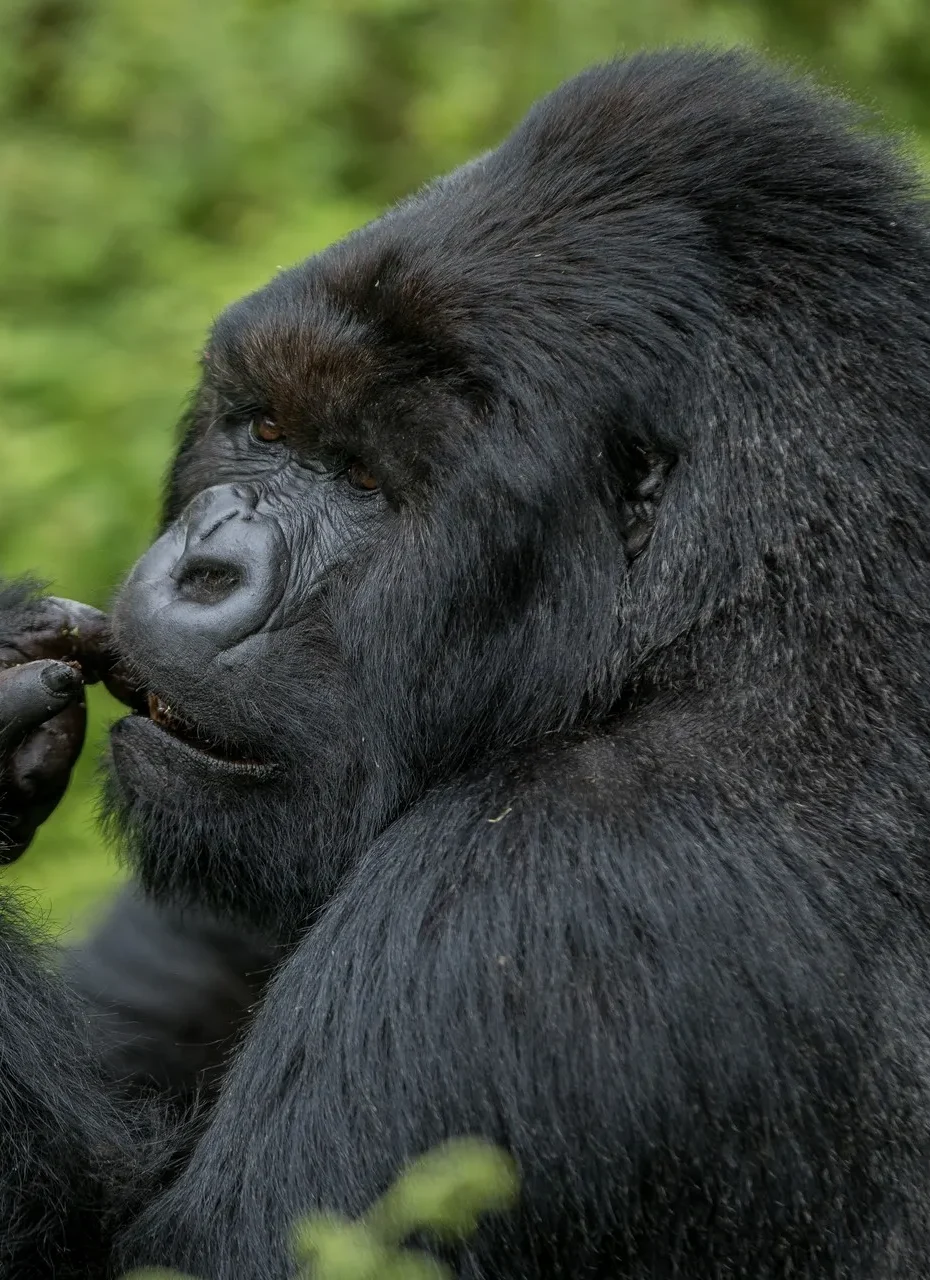
Truly Iconic Highlights in Uganda

Trek through Bwindi’s mystical rainforest and meet the endangered mountain gorillas in their breathtaking natural home.
Encounter mountain gorillas and golden monkeys on Mgahinga’s misty volcanic trails, where culture and alpine wildlife thrive together.
Unwind after your trek with a peaceful canoe ride across Lake Bunyonyi, Uganda’s most tranquil and scenic highland lake.
Enhance your gorilla trekking safari with an optional chimpanzee encounter in Uganda’s lush forests, adding depth and diversity to your primate adventure
Gorilla Trekking Tours in Uganda – Our Most Popular Itineraries.
Explore our gorilla trekking safaris for every traveler—solo, family, budget, or luxury. All tours include permits, transport, accommodation, meals, and park fees. Whether for a quick trip or a deeper adventure, we’ve got you covered.
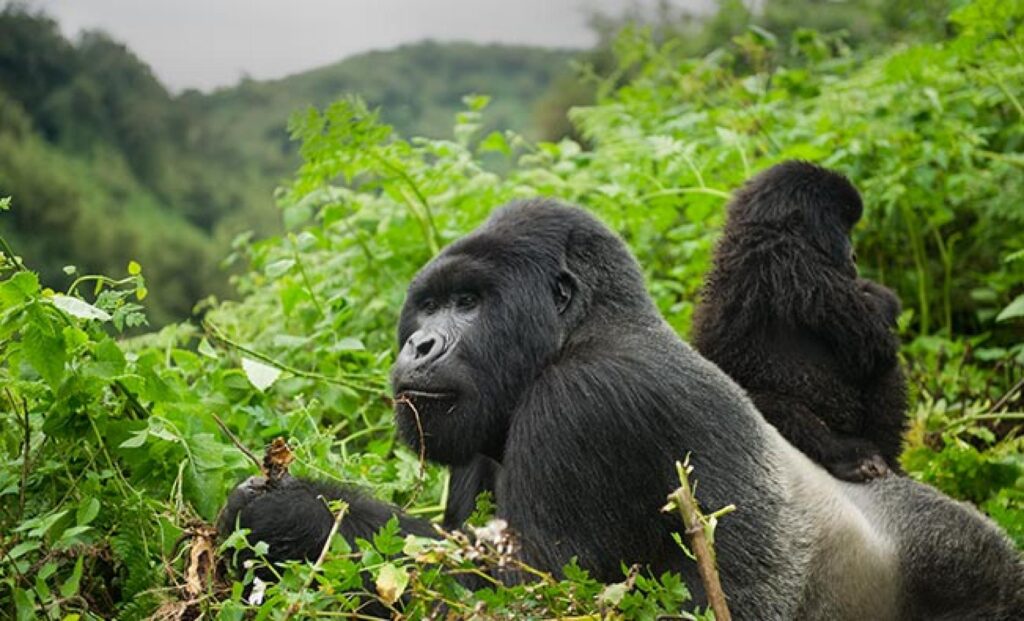
3-Day Bwindi Gorilla Trekking Safari
3-Day Bwindi Gorilla Trekking Safari
4-Day Uganda Gorilla Trekking Safari
4-Day Uganda Gorilla Trekking Safari
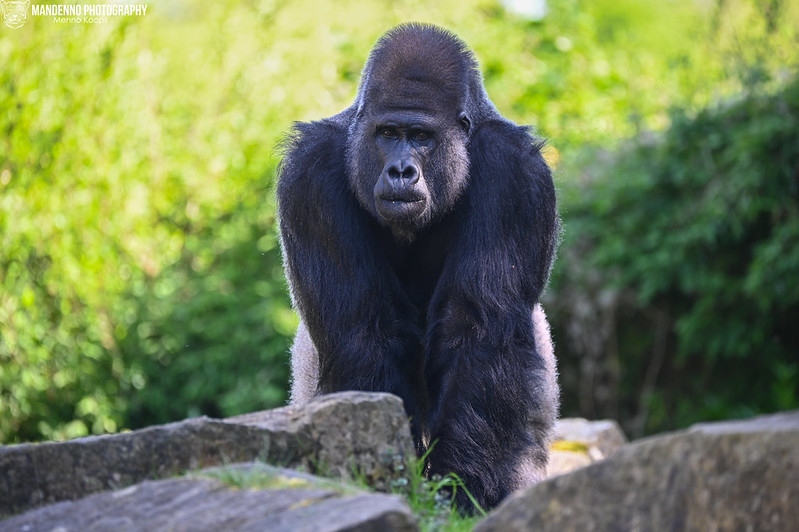
5-Day Gorilla Tracking and Wildlife Safari
5-Day Gorilla Tracking and Wildlife Safari
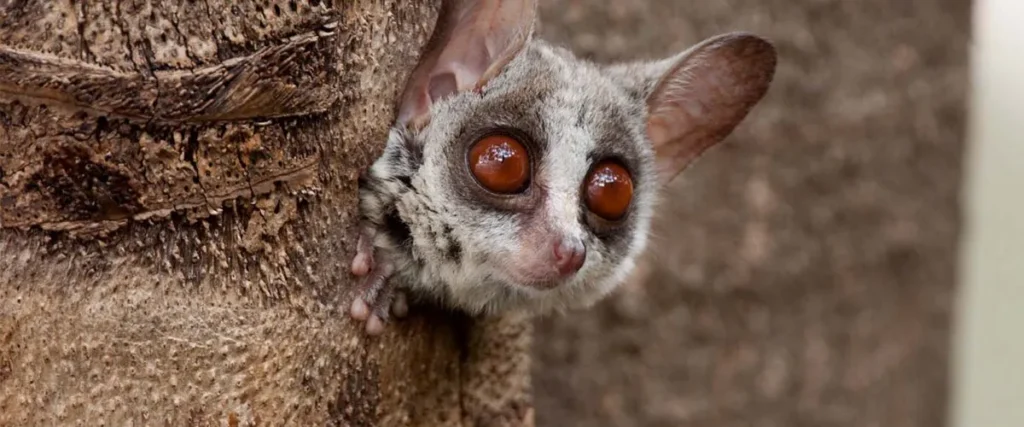
7-Day Uganda Primate Adventure & Wildlife Safari
7-Day Uganda Primate Adventure & Wildlife Safari
10-Day Gorilla Trekking & Big Five Safari in Uganda
10-Day Gorilla Trekking & Big Five Safari in Uganda
12-Day Uganda Gorilla Trekking, Chimp Tracking & Cultural Safari
12-Day Uganda Gorilla Trekking, Chimp Tracking & Cultural Safari
14-Day Best of Uganda Safari – Gorillas, Wildlife, Cultures
14-Day Best of Uganda Safari – Gorillas, Wildlife, Cultures
A DETAILED STUDY OF THE BITUKURA FAMILY – RUHIJA SECTOR
The Bitukura Gorilla Family: Complete Guide
History and the Four-Silverback Phenomenon
The Bitukura Gorilla Family is one of the most scientifically distinctive mountain gorilla groups anywhere in the world. What makes them exceptional is a fact that experienced gorilla researchers still find remarkable: this family contains four silverbacks coexisting within a single cohesive social unit. In standard mountain gorilla biology, groups are typically led by one dominant silverback who may tolerate one or two subordinate males but whose reproductive and directional authority is clear and unchallenged. A four-silverback family challenges this model in ways that have made Bitukura the subject of ongoing research interest since their habituation.
The Bitukura family is trekked from the Ruhija sector in eastern Bwindi — the park’s highest and most remote trekking zone. They number approximately 13 individuals, including the four silverbacks, adult females, and juveniles at various stages of development. Their habituation opened Ruhija to gorilla trekking, adding a genuinely distinctive product to Uganda’s gorilla tourism portfolio: the chance to observe multi-silverback gorilla social dynamics in the wild, from close proximity, for a full hour.
Four Silverbacks: What It Means to Watch Them
During a Bitukura encounter, the presence of four silverbacks creates a social environment of extraordinary complexity and visual interest. The dominant male’s authority is established, but the interactions between the dominant silverback and the three subordinate males — spatial positioning, avoidance gestures, the careful choreography of proximity to females — are constantly visible and interpretable. These are not four males in open conflict: mountain gorillas that remain together have developed social protocols for managing competition. But the tensions and negotiations that underlie those protocols are legible to a trained eye, and the rangers who guide Bitukura treks are expert at pointing out what is happening and why.
Researchers who have studied the Bitukura family use their data to understand how and why multi-male structures arise, how they are maintained, and what advantages they might confer on the group — greater collective protection, for instance, or increased genetic diversity. For trekkers, the academic framing matters less than the direct experience: four massive silverbacks in the same frame, navigating the ancient social protocols of gorilla family life, is one of the most extraordinary wildlife spectacles available anywhere on Earth.
The Ruhija Trek Experience
Bitukura treks depart from the Ruhija sector headquarters, accessible from Kabale town approximately two to three hours by road. Ruhija is Bwindi’s highest and coldest sector — temperatures at dawn, when trekking begins, can be significantly below 10 degrees Celsius even in the dry season. Warm base layers and a waterproof outer shell are essential, as is gear that can handle rapid temperature changes as physical exertion warms you during the trek.
The terrain in Ruhija is different from the southern sectors — less characterised by the dramatic steep escarpments of Nkuringo or the open valley crossings of Rushaga, and more defined by dense vegetation, bamboo stands, and the old-growth forest of high-altitude Bwindi. Trek duration to reach the Bitukura family varies between two and four hours. The forest here has a quality of stillness and age that feels different from other parts of Bwindi — heavier, more silent, more ancient.
The hour with the Bitukura family is dense with observation opportunity. Four silverbacks, nine or more other individuals, and the complex social dynamics that bind them into a single functioning unit: there is more to watch here than in almost any other gorilla family encounter in Uganda. Guides are essential for making sense of what is happening, and the best Ruhija rangers bring a depth of knowledge about this specific family that turns the hour from wildlife watching into something closer to a documentary encounter with individual animals whose histories are known and told.
Ruhija Birding Bonus
The Ruhija sector is one of East Africa’s premier birding destinations, with more Albertine Rift endemic bird species recorded here than in any other part of Bwindi. Travellers who arrive a day early or stay a day late can combine gorilla trekking with specialist birding in an area where species like the African green broadbill, Shelley’s crimsonwing, and Grauer’s warbler are found in reliable numbers. This combination — great apes and endemic birds in a remote, high-altitude forest — makes Ruhija one of Uganda’s most rewarding multi-day wildlife destinations.
Best Time to Trek
June–August and December–February dry seasons are most popular. Ruhija’s high altitude makes it colder and wetter than other sectors, and even dry season mornings require warm clothing. Wet season visits offer better availability and extraordinary forest atmosphere — mist in the bamboo, rain on the old-growth canopy — but more challenging trail conditions.
Practical Information
Bitukura permits are $800 USD per person (2025/2026). Advance booking essential — four-silverback encounters are a known draw for dedicated gorilla trekkers worldwide. Moderate to challenging difficulty; the altitude and cold add challenge beyond the physical terrain. Porters available at Ruhija headquarters. Limited but comfortable accommodation available near Ruhija; Kabale town (2–3 hours) offers additional options.
More Gorilla Trekking Information to Know.
Gorilla trekking goes far beyond just the hike — it’s a deep, emotional journey into the heart of Africa’s last wild rainforests. Knowing the right timing, permits, fitness tips, and park details can turn your experience from good to unforgettable.
Bwindi Gorilla Trekking — The Four Sectors Explained
Bwindi Gorilla Trekking — The Four Sectors Explained
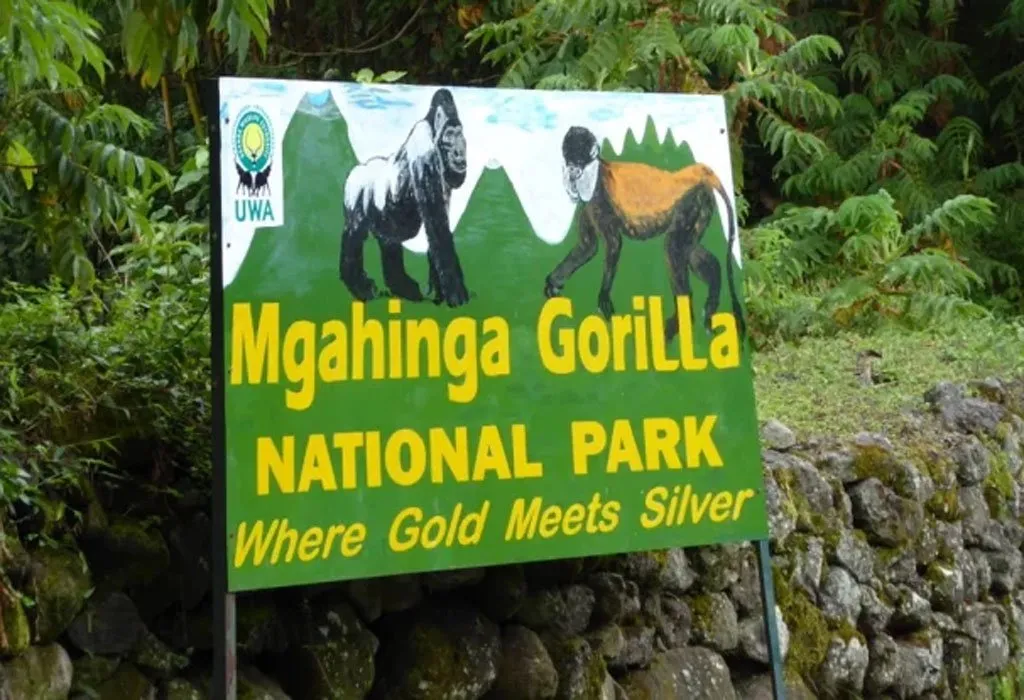
Trekking Gorillas in Mgahinga National Park
Trekking Gorillas in Mgahinga National Park
Uganda Gorilla Trekking Permits – Prices, Booking, & Travel Tips
Uganda Gorilla Trekking Permits – Prices, Booking, & Travel Tips

What to Pack for Gorilla Trekking in Uganda – Expert Checklist
What to Pack for Gorilla Trekking in Uganda – Expert Checklist
Best Time to Go Gorilla Trekking in Uganda – Weather & Seasons
Best Time to Go Gorilla Trekking in Uganda – Weather & Seasons
Gorilla Trekking Difficulty in Uganda – Fitness & Trail Guide
Gorilla Trekking Difficulty in Uganda – Fitness & Trail Guide
Gorilla Trekking Rules in Uganda – Safety, Respect & Ethics
Gorilla Trekking Rules in Uganda – Safety, Respect & Ethics
Gorilla Conservation in Uganda – Protecting the Mountain Giants
Gorilla Conservation in Uganda – Protecting the Mountain Giants
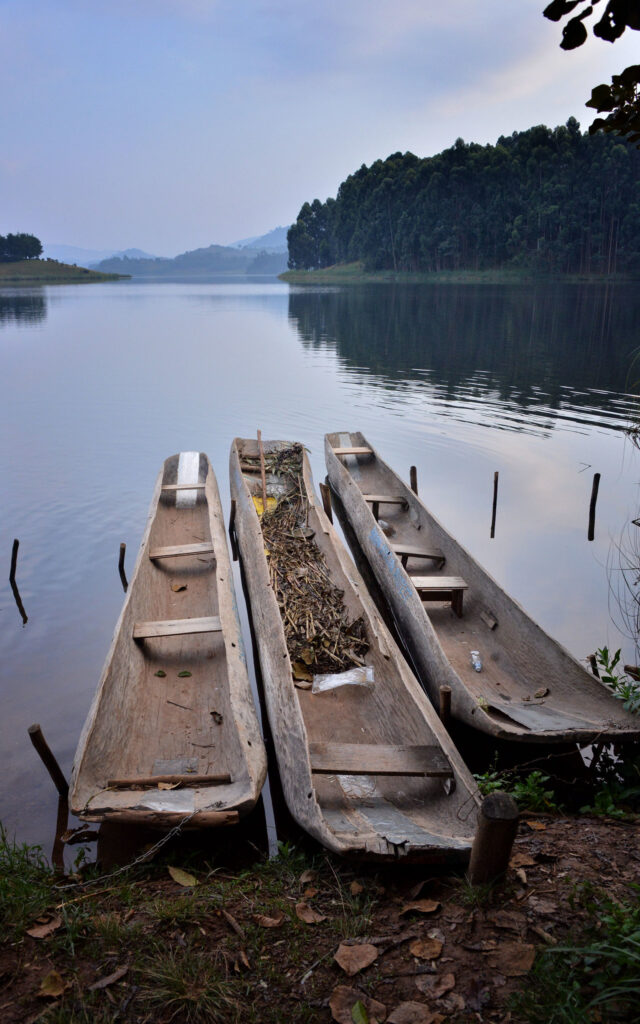
Bwindi vs. Mgahinga – Which One to Choose For Gorilla Trekking?
Bwindi vs. Mgahinga – Which One to Choose For Gorilla Trekking?
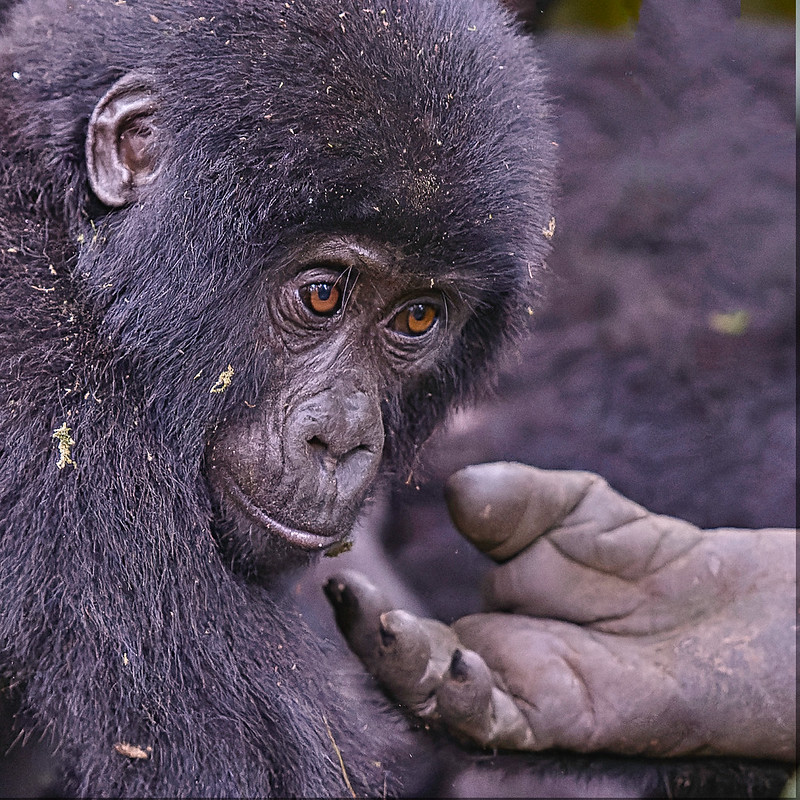
How to Stay Safe and Healthy While Traveling in Uganda
How to Stay Safe and Healthy While Traveling in Uganda
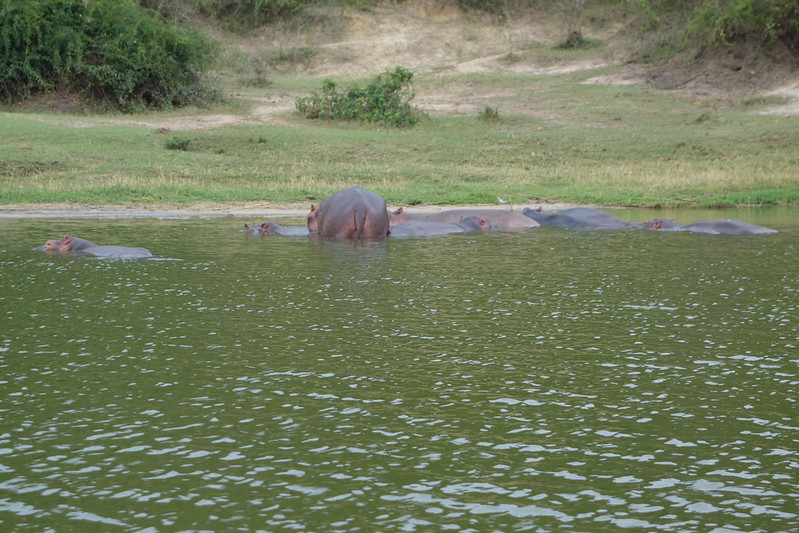
Routes, Tips & Travel Wisdom for Getting to Bwindi or Mgahinga
Routes, Tips & Travel Wisdom for Getting to Bwindi or Mgahinga
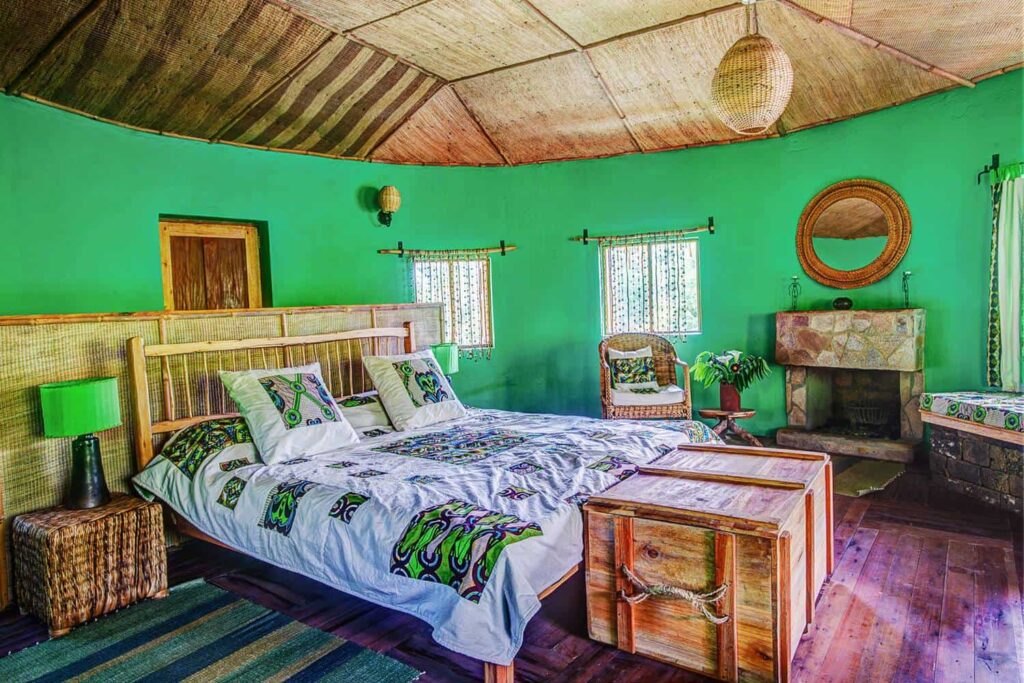
Accommodation Options: Lodges & Camps in Bwindi and Mgahinga
Accommodation Options: Lodges & Camps in Bwindi and Mgahinga
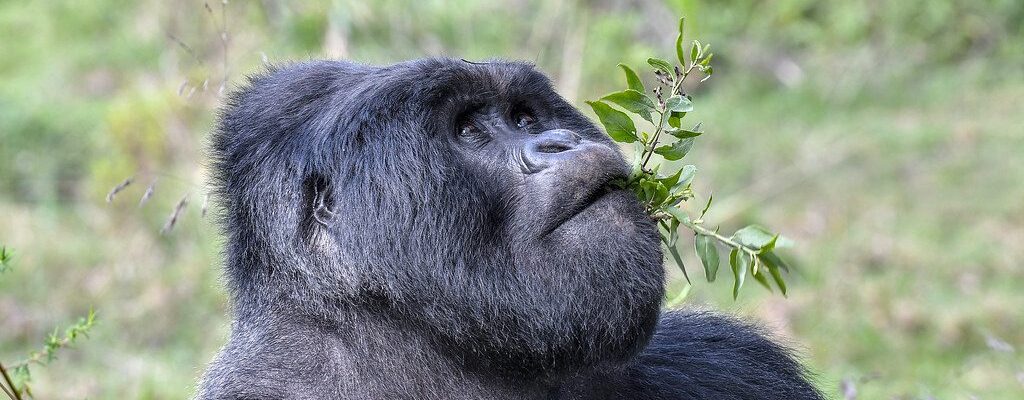
Protecting What You Came to See: Gorilla Conservation & Ethics
Protecting What You Came to See: Gorilla Conservation & Ethics
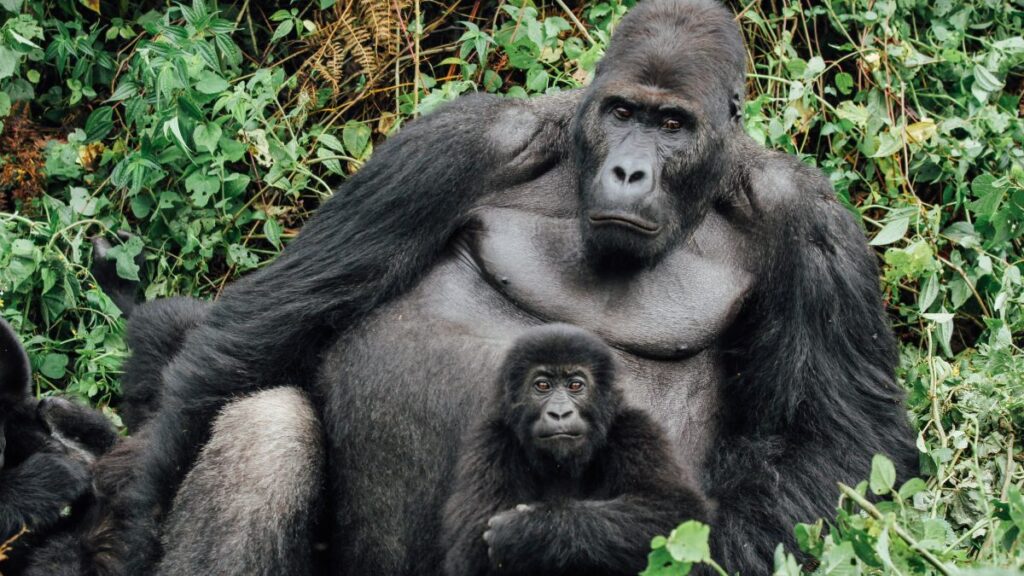
Travel Insurance for Gorilla Treks: Before You Go
Travel Insurance for Gorilla Treks: Before You Go
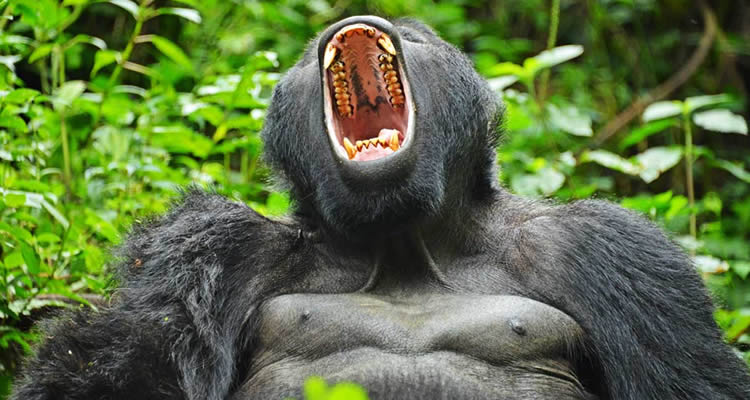
First Time Gorilla Trekking? Here’s Everything I Wish I Knew
First Time Gorilla Trekking? Here’s Everything I Wish I Knew
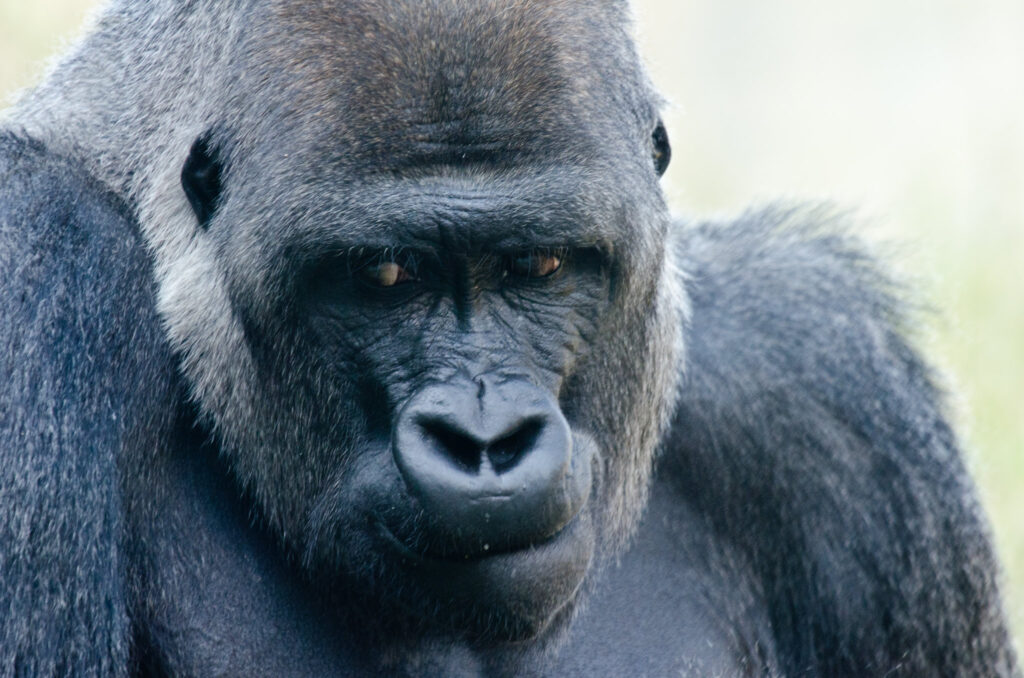
Step by Step: What Happens During a Gorilla Trekking Day
Step by Step: What Happens During a Gorilla Trekking Day
Gorilla Trekking vs. Gorilla Tracking – What’s the Real Difference?
Gorilla Trekking vs. Gorilla Tracking – What’s the Real Difference?
Beyond Gorillas: Other Wildlife You Can See During Your Trek
Beyond Gorillas: Other Wildlife You Can See During Your Trek
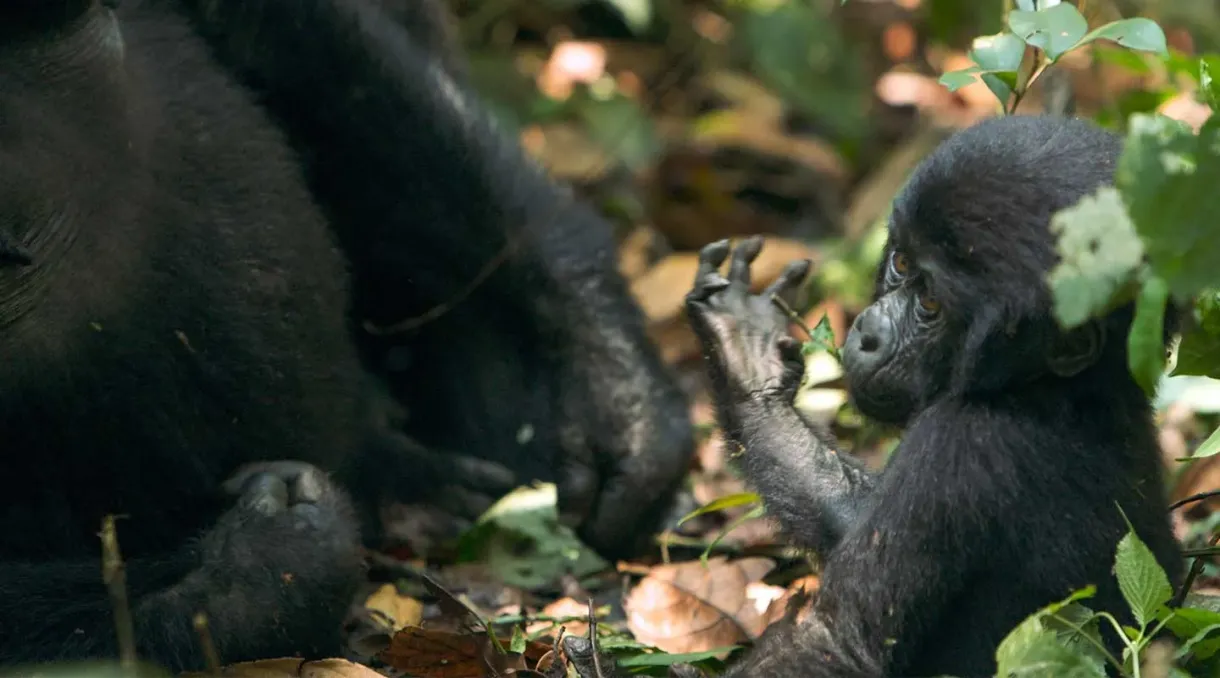
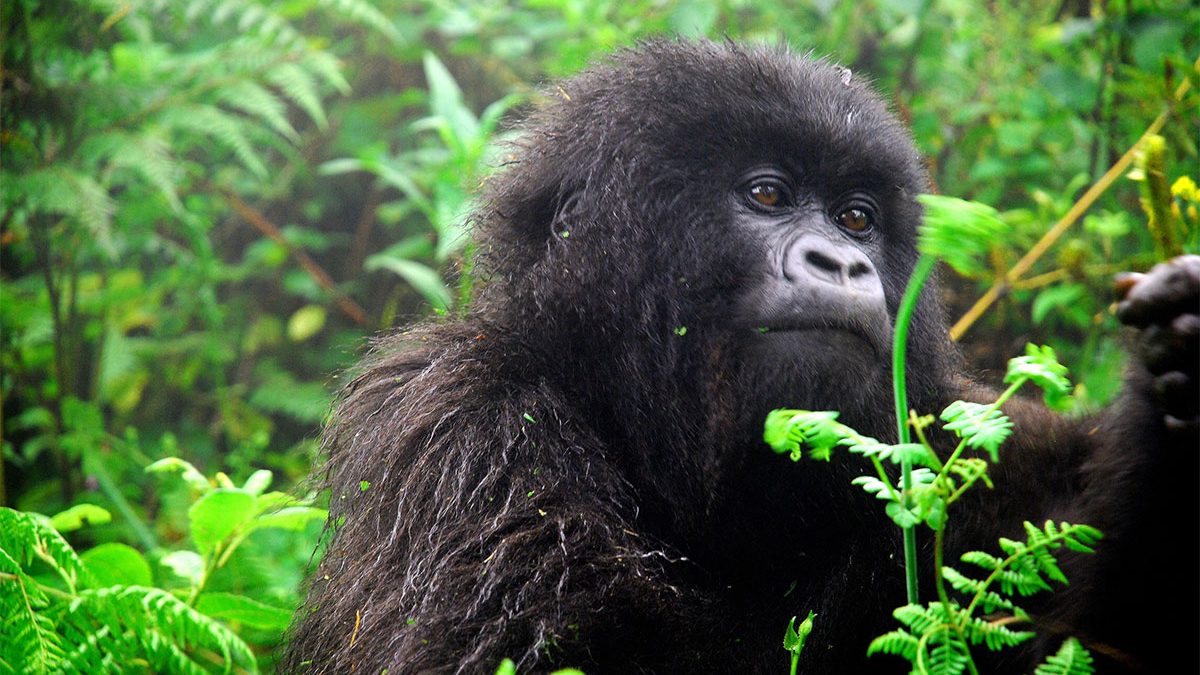
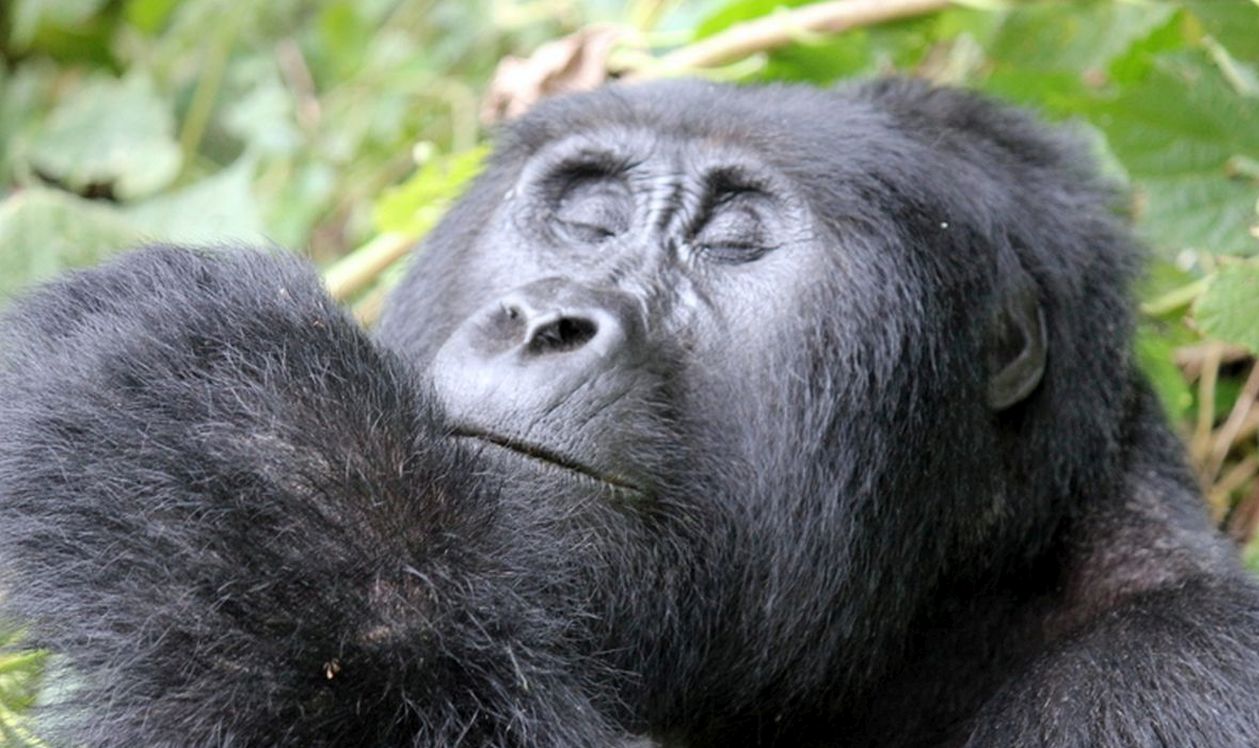
In the Realm of Giants – Bwindi & Mgahinga in Frames.
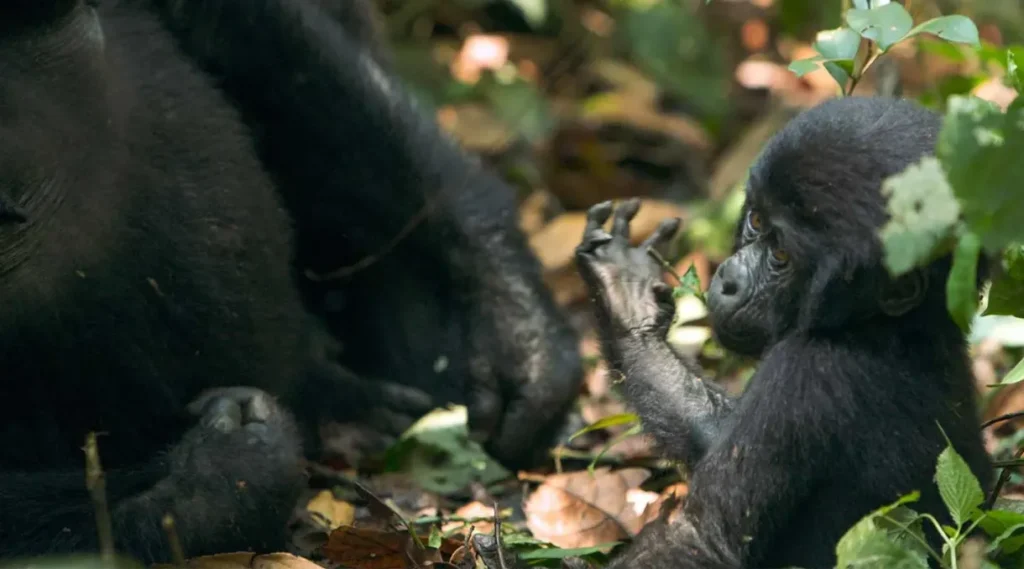
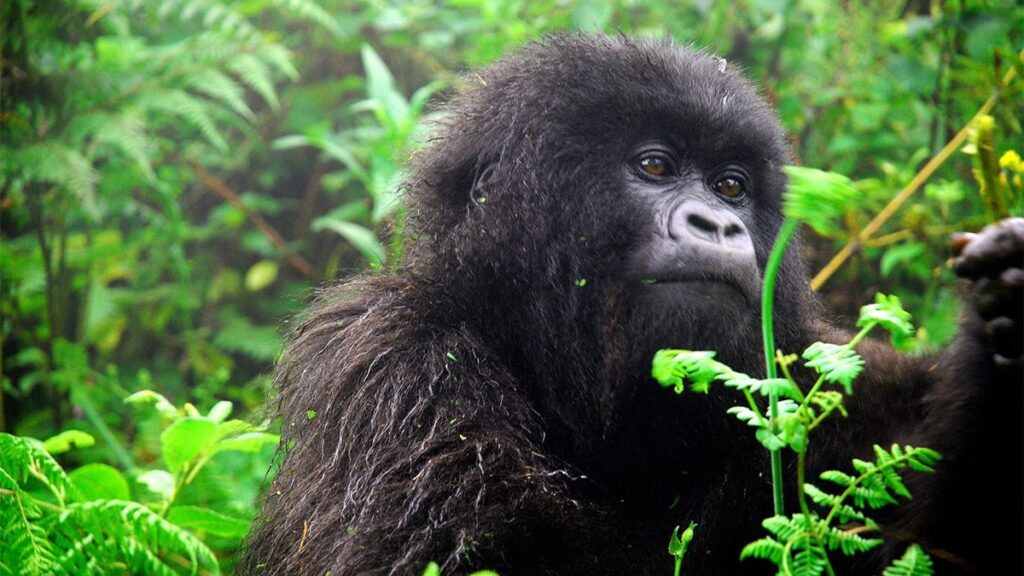
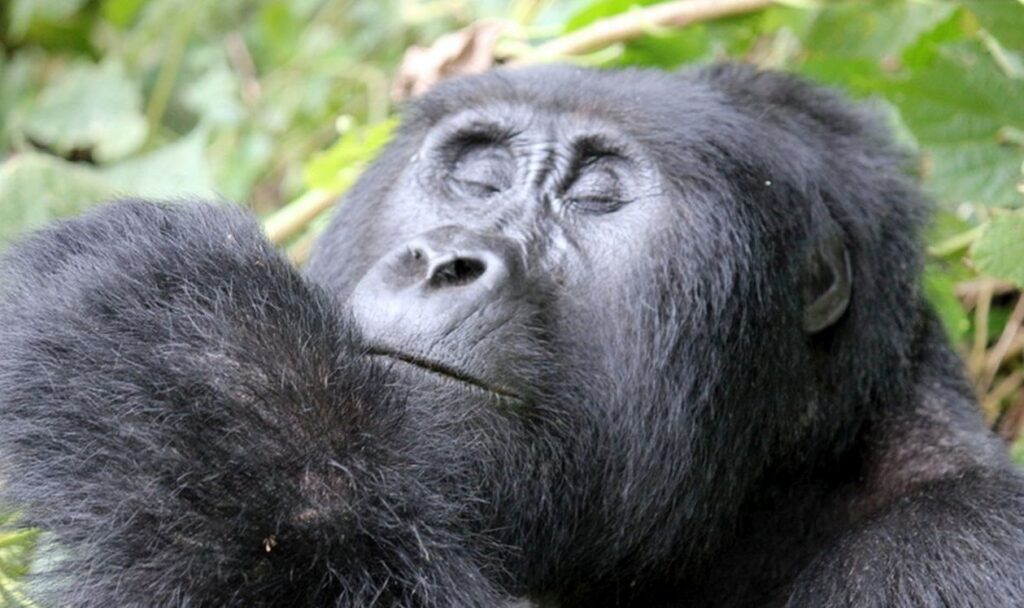
Wander through an elegant gallery capturing Uganda’s most exclusive gorilla sanctuaries, where ancient forests cradle the last mountain gorillas in a world of mist, mystery, and majesty.
Essential Planning Tips for Visiting Uganda’s National Parks.
Get ready for the wild heart of Africa with expert travel tips on when to visit, what to pack, where to go, and how to make the most of your safari across Uganda’s breathtaking national parks.
Why Uganda for Gorilla Trekking?
Uganda is not just a destination — it's the very soul of gorilla trekking. With over half of the world’s remaining mountain gorillas calling its misty forests home, Uganda offers the rarest encounters in their most authentic setting. Here, your journey is not rushed or crowded. Instead, you’re guided by experienced rangers through pristine jungles where gorillas live as they always have — wild, free, and magnificent
From insider travel insights to unforgettable trekking guides, our blog is your trusted path into Uganda’s wild heart — connecting you with mountain gorillas, breathtaking landscapes, and the soul-stirring adventures that make this land unlike any other.