
Where the soul of the forest whispers in the mist
Gorilla conservation in Uganda stands as one of Africa’s most remarkable wildlife success stories, achieved through a combination of stringent protection policies, active community involvement, and carefully managed sustainable tourism. While the highest concentrations of mountain gorillas are found in Bwindi Impenetrable National Park and Mgahinga Gorilla National Park, conservation initiatives extend across Uganda’s broader network of protected areas, including Queen Elizabeth National Park, to safeguard critical habitats and maintain ecological balance. Programs such as anti-poaching patrols, habitat restoration, and community education have not only stabilized gorilla populations but have also fostered local stewardship, ensuring that surrounding communities benefit from ecotourism activities like Gorilla Trekking in Mgahinga. These collective efforts help preserve the delicate ecosystems that support a wide variety of species, protect the rich biodiversity of Uganda’s forests, and secure the long-term survival of the country’s iconic mountain gorillas.
Queen Elizabeth National Park, Uganda’s most visited savannah park, lies in the western region of the country between Lake George and Lake Edward and spans approximately 1,978 square kilometers. Renowned for its strikingly diverse landscapes—ranging from open savannah and wetlands to crater lakes and pockets of tropical forest—the park supports over 95 mammal species and more than 600 bird species, making it one of Africa’s most biodiverse protected areas. Although it is not a primary destination for gorilla trekking, Queen Elizabeth National Park plays a vital role in Uganda’s wider conservation network, with forested areas such as Kyambura Gorge providing critical wildlife corridors and supporting primate populations. These connections help maintain ecological balance across the region and indirectly support the survival of gorillas in Mgahinga and Bwindi, highlighting how integrated conservation efforts link Uganda’s savannahs, forests, and mountain ecosystems while offering visitors both classic wildlife experiences and insight into the broader environmental context of gorilla trekking in the country.
So lace up your boots, grab your camera, and prepare to meet the wild — this is where your gorilla trekking dreams and unforgettable safari adventures truly begin.
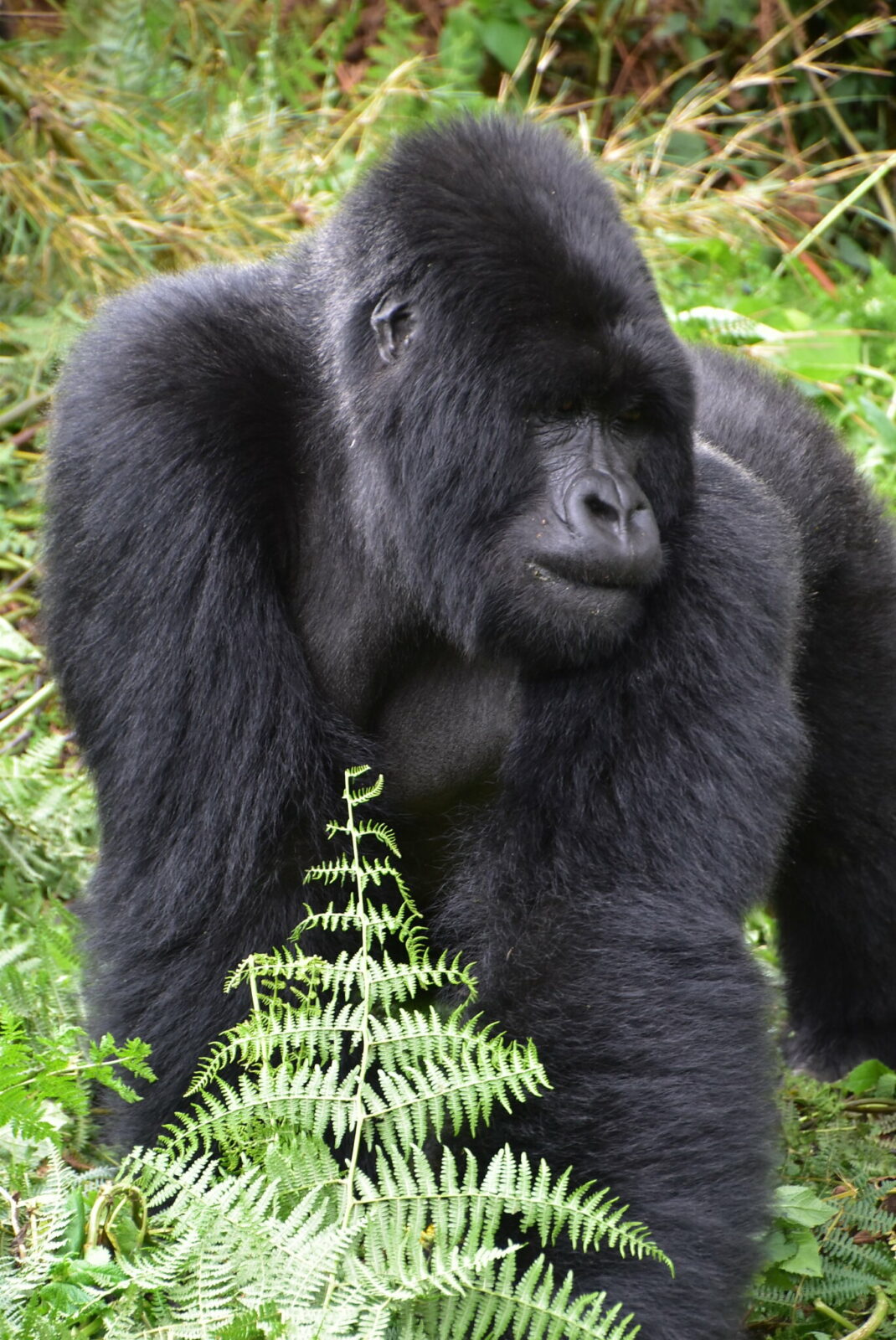
Truly Iconic Highlights in Uganda

Trek through Bwindi’s mystical rainforest and meet the endangered mountain gorillas in their breathtaking natural home.
Encounter mountain gorillas and golden monkeys on Mgahinga’s misty volcanic trails, where culture and alpine wildlife thrive together.
Unwind after your trek with a peaceful canoe ride across Lake Bunyonyi, Uganda’s most tranquil and scenic highland lake.
Enhance your gorilla trekking safari with an optional chimpanzee encounter in Uganda’s lush forests, adding depth and diversity to your primate adventure
Queen Elizabeth National Park and Gorilla Conservation in Uganda
Mountain Gorillas in Uganda
Uganda is home to nearly half of the world’s remaining mountain gorillas, found exclusively in Bwindi Impenetrable National Park and Mgahinga Gorilla National Park. These endangered primates live in high altitude forests and depend on intact habitats for survival.
Gorilla conservation in Uganda focuses on protecting these habitats, monitoring gorilla families, preventing poaching, and minimizing human wildlife conflict. Conservation success has led to a steady increase in gorilla numbers over the past decades.
Conservation Strategies Protecting the Mountain Giants
Uganda’s gorilla conservation strategy is built on several key pillars:
Habitat Protection
National parks such as Bwindi, Mgahinga, and Queen Elizabeth are legally protected areas managed by the Uganda Wildlife Authority. Strict anti encroachment and anti poaching measures help preserve forests and wildlife.
Community Involvement
Local communities play a vital role in conservation. Revenue sharing programs ensure that a portion of tourism income supports schools, health centers, and infrastructure, reducing reliance on forest resources.
Veterinary and Research Programs
Organizations such as the Gorilla Doctors provide medical care to injured or sick gorillas. Continuous research helps track gorilla health, behavior, and population trends.
Sustainable Tourism
Gorilla trekking permits are carefully regulated, limiting visitor numbers and enforcing strict guidelines. This reduces stress on gorillas while generating funds for conservation.
Queen Elizabeth National Park and Sustainable Tourism
Queen Elizabeth National Park is a model for sustainable tourism in Uganda. Activities such as game drives, boat cruises on the Kazinga Channel, chimpanzee tracking in Kyambura Gorge, and cultural community visits generate revenue that supports conservation efforts nationwide.
Tourism in Queen Elizabeth helps reduce pressure on gorilla parks by diversifying attractions, encouraging visitors to explore multiple destinations while supporting conservation across Uganda.
Biodiversity Conservation Beyond Gorillas
Protecting mountain gorillas also means protecting entire ecosystems. Queen Elizabeth National Park supports elephants, lions, leopards, buffaloes, hippos, and countless bird species. Conserving these ecosystems ensures water security, climate regulation, and sustainable livelihoods for surrounding communities.
Gorilla conservation in Uganda benefits from this broader approach, where protecting one species strengthens the survival of many others.
Challenges Facing Gorilla Conservation in Uganda
Despite success, gorilla conservation faces ongoing challenges including habitat loss, climate change, disease transmission, and population pressure around protected areas. Parks like Queen Elizabeth face human wildlife conflict, which requires constant community engagement and adaptive management strategies.
Continued investment in conservation, education, and responsible tourism is essential to protect Uganda’s mountain giants for future generations.
The Future of Gorilla Conservation in Uganda
The future of gorilla conservation in Uganda remains hopeful. Strong government commitment, international partnerships, and community driven conservation continue to yield positive results. Integrating major parks like Queen Elizabeth National Park into national conservation planning ensures a connected and resilient protected area network.
By protecting forests, supporting communities, and promoting sustainable tourism, Uganda stands as a global leader in conserving mountain gorillas.
More Queen Elizabeth National Park Information to Know.
Queen Elizabeth National Park is a vast savannah and wetland ecosystem in western Uganda, renowned for its diverse wildlife, crater lakes, and the Kazinga Channel. Its rich biodiversity, varied landscapes, community tourism initiatives, and strong conservation efforts make it one of Uganda’s most important and unforgettable national parks.
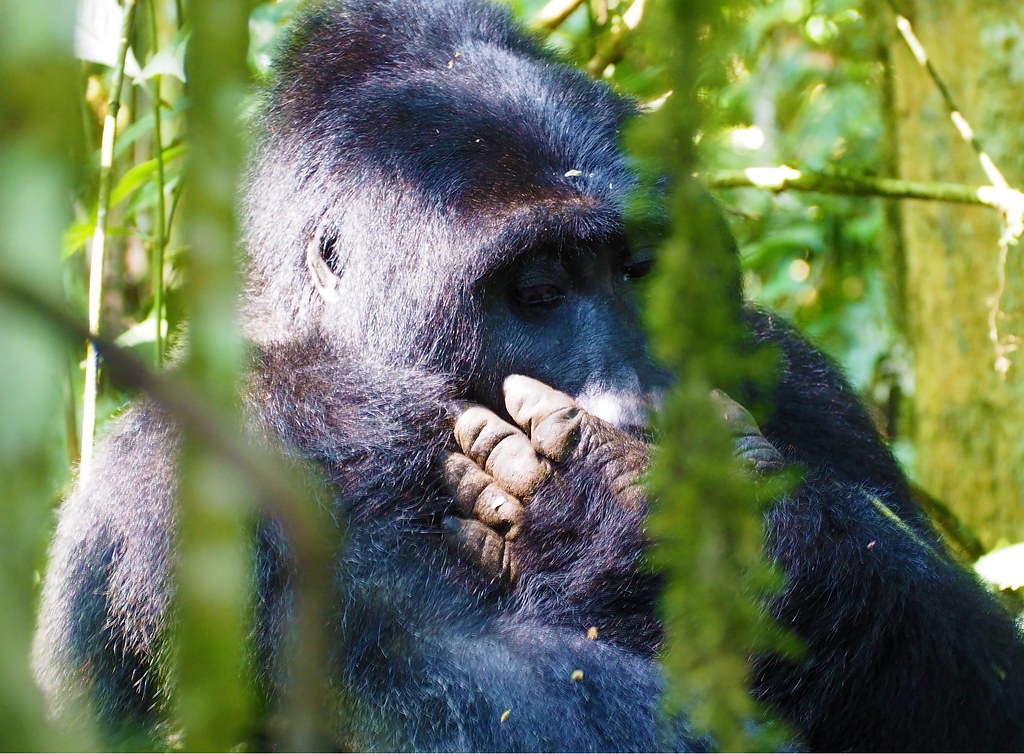
Bwindi History
Bwindi History
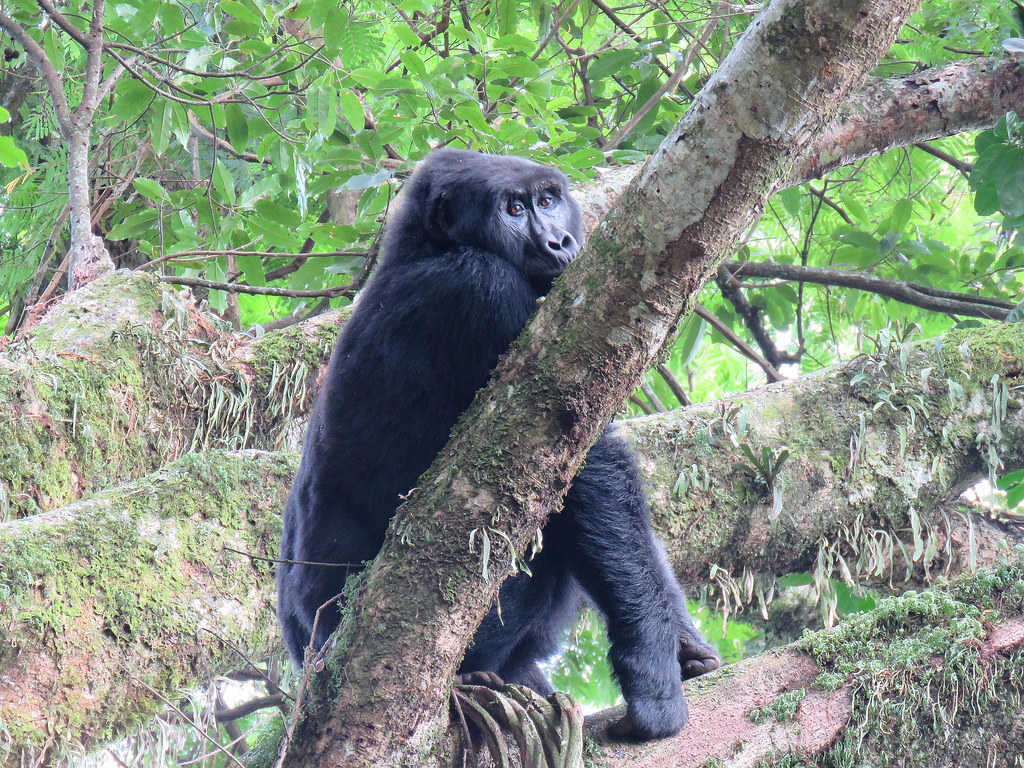
Bwindi Altitude
Bwindi Altitude
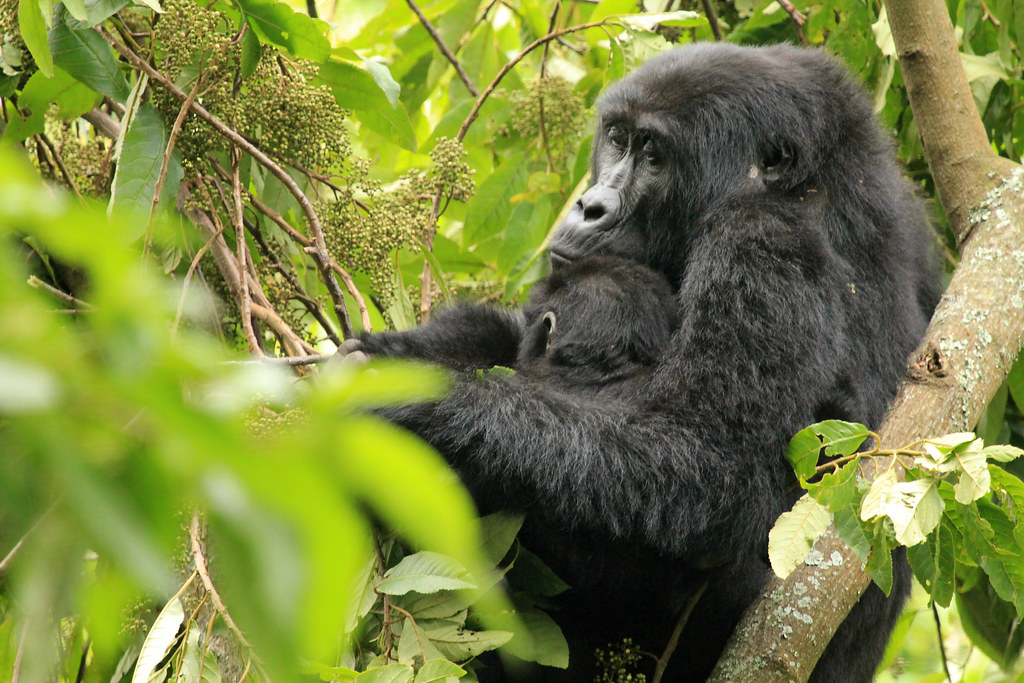
Bwindi Climate
Bwindi Climate
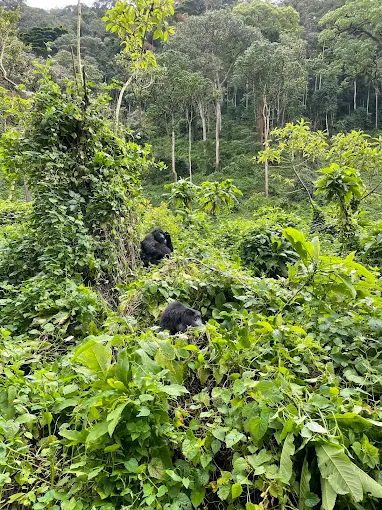
Bwindi Geography
Bwindi Geography
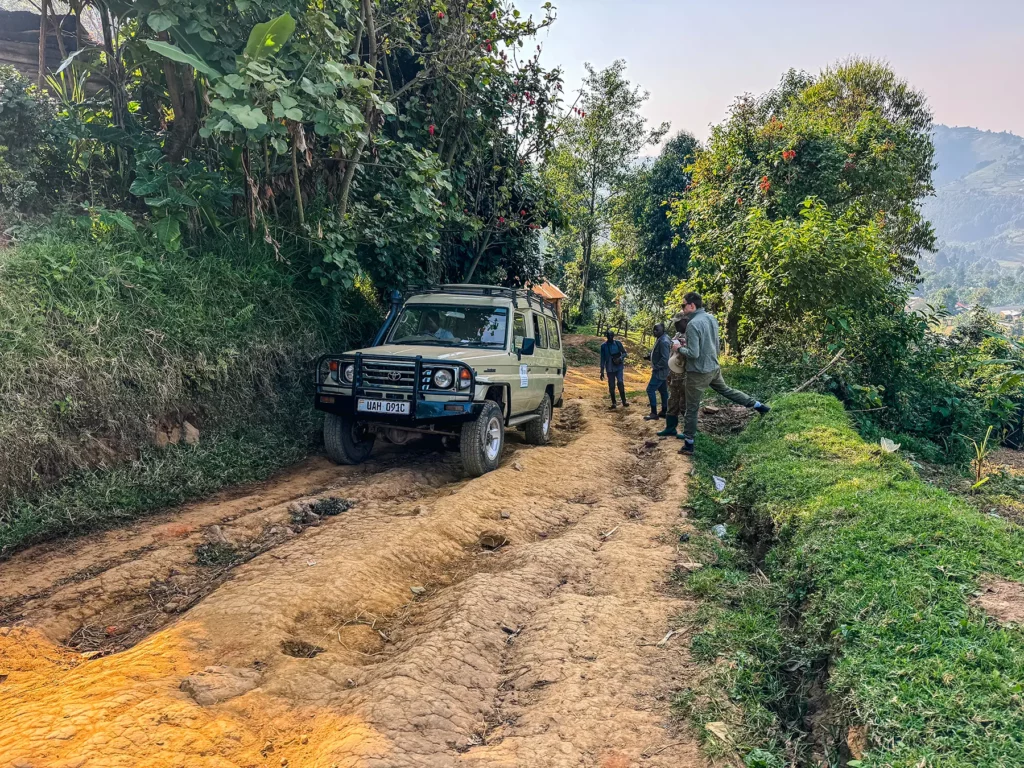
Getting There To Bwindi
Getting There To Bwindi
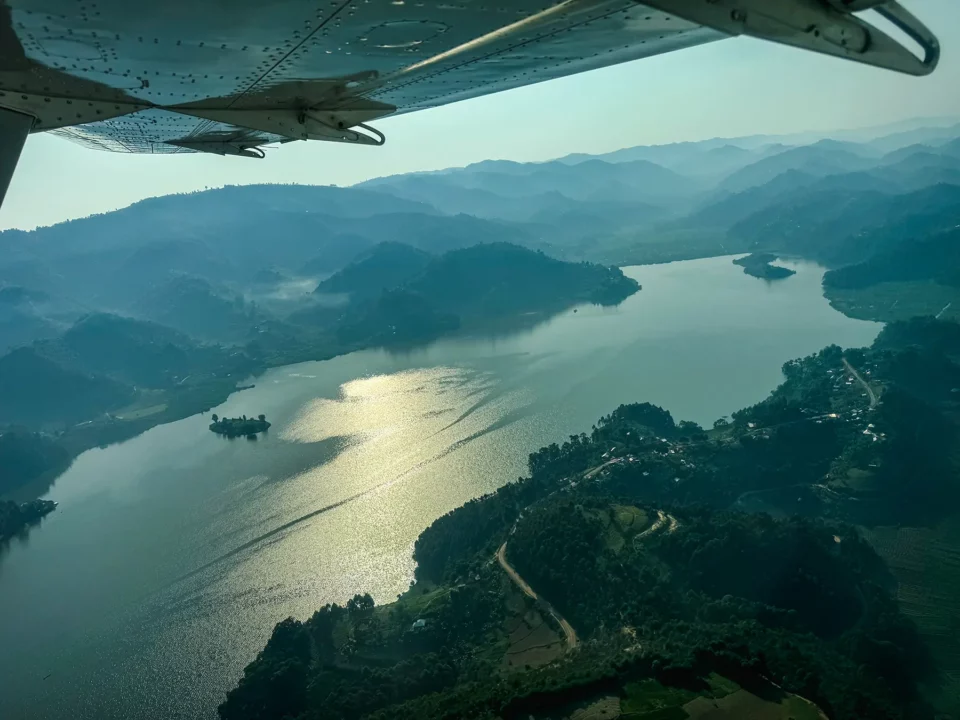
Bwindi Location
Bwindi Location
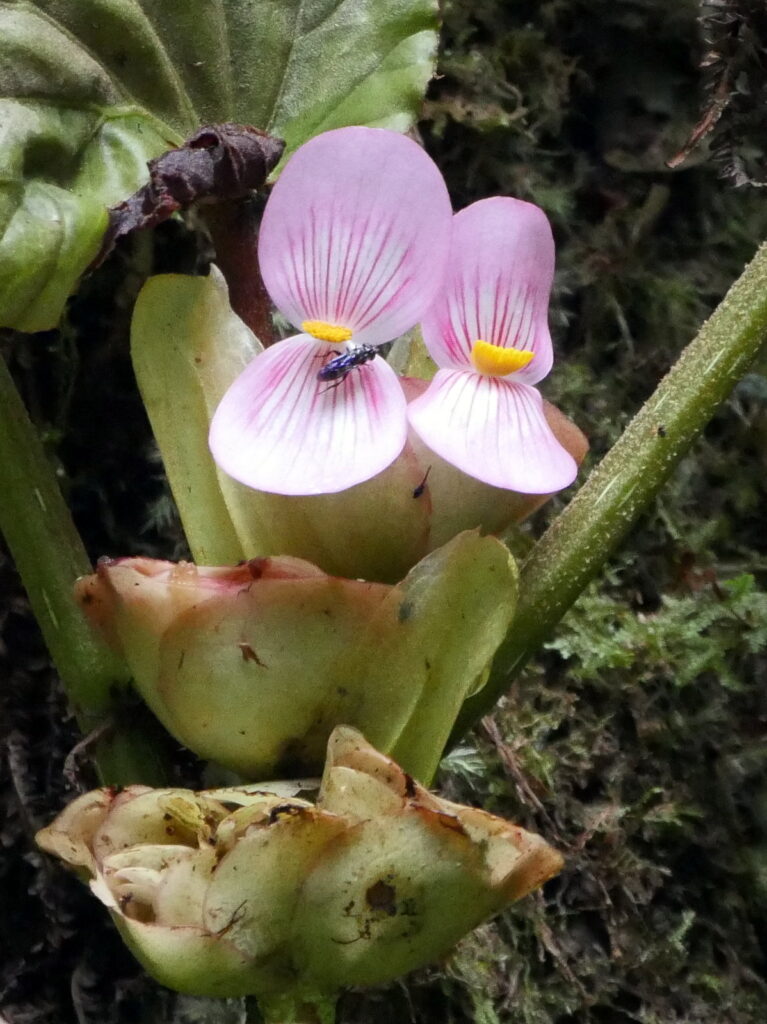
Bwindi Vegetation
Bwindi Vegetation
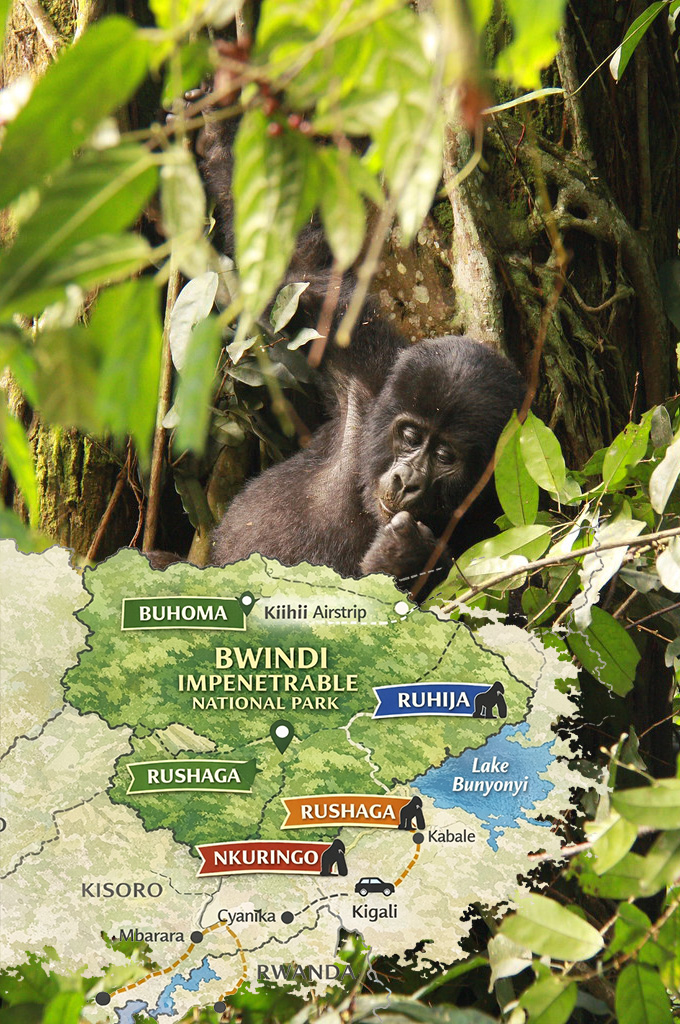
Bwindi Sectors
Bwindi Sectors
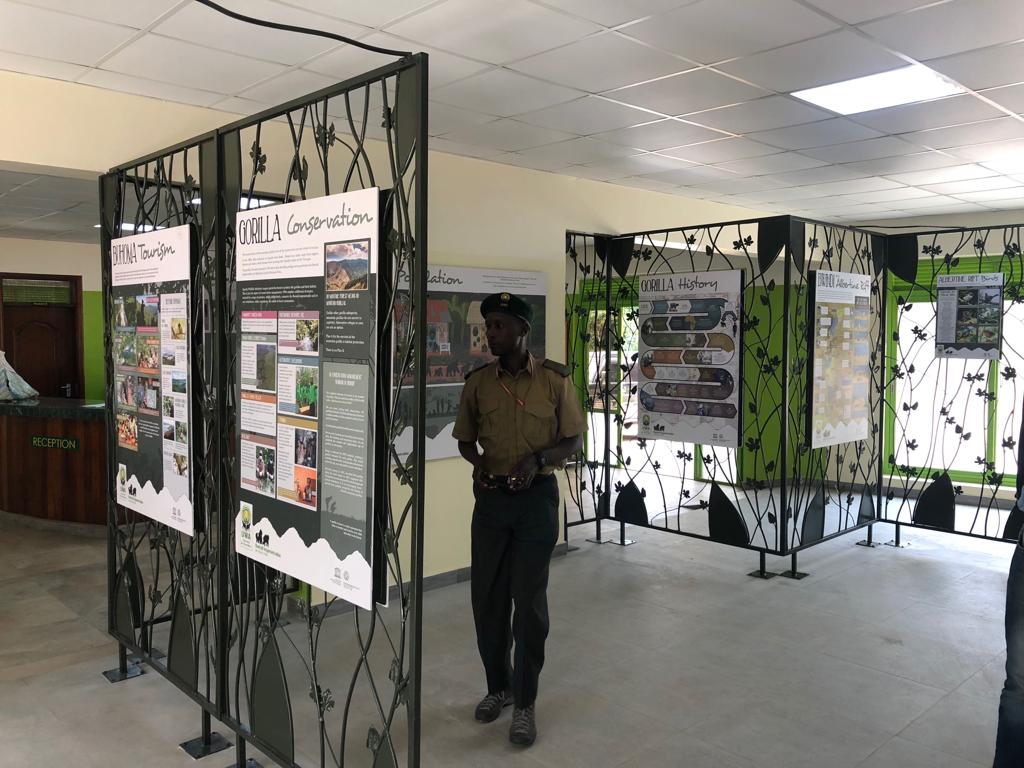
Bwindi Visitor Centres
Bwindi Visitor Centres
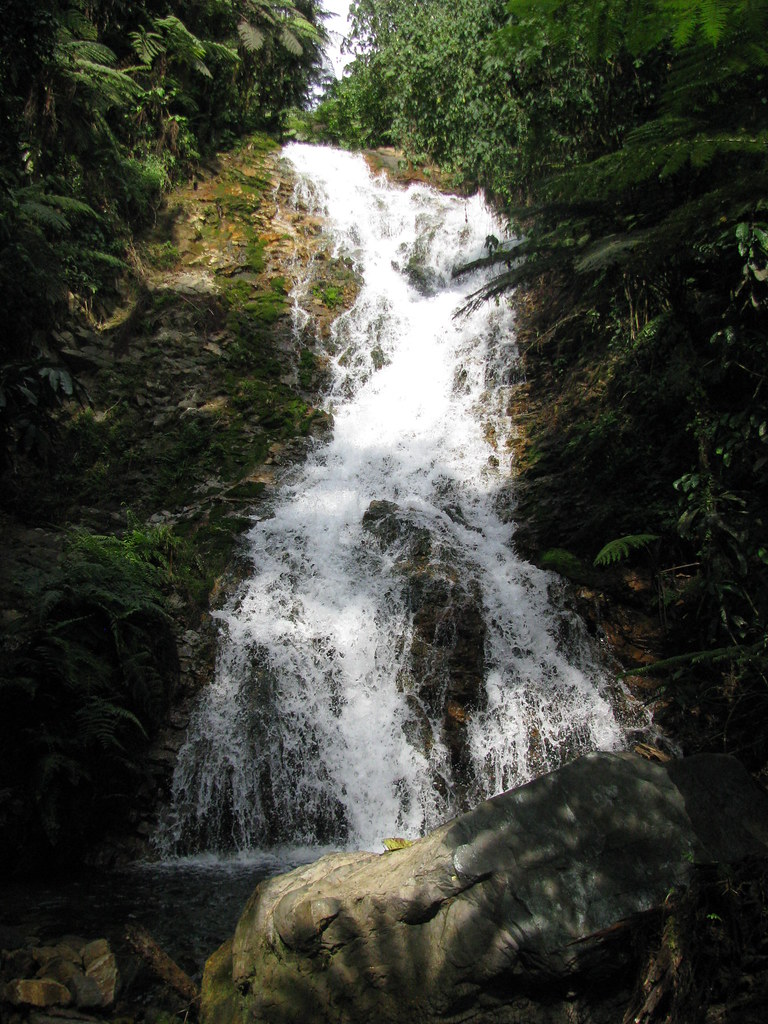
Bwindi Waterfalls
Bwindi Waterfalls
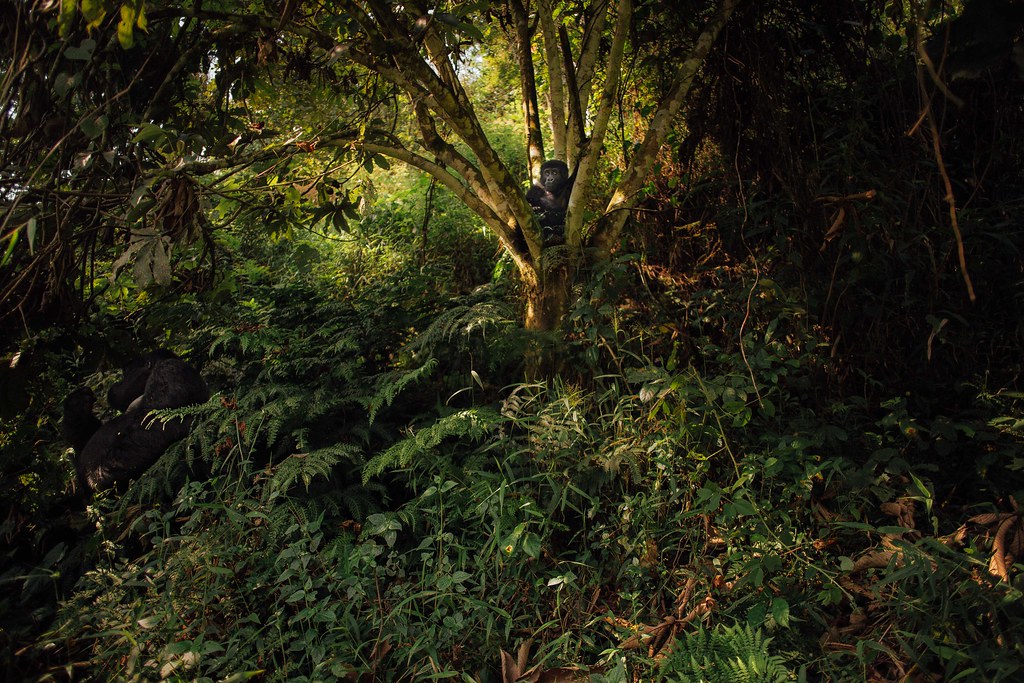
Bwindi Impenetrable Forest
Bwindi Impenetrable Forest
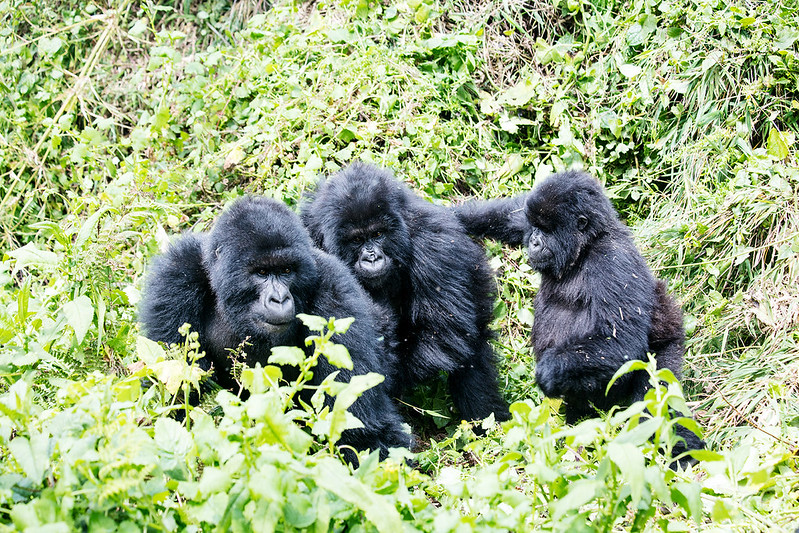
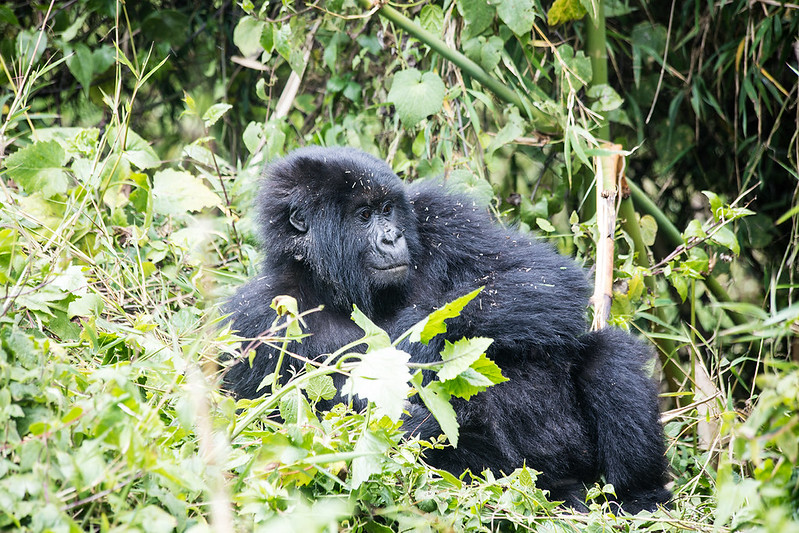
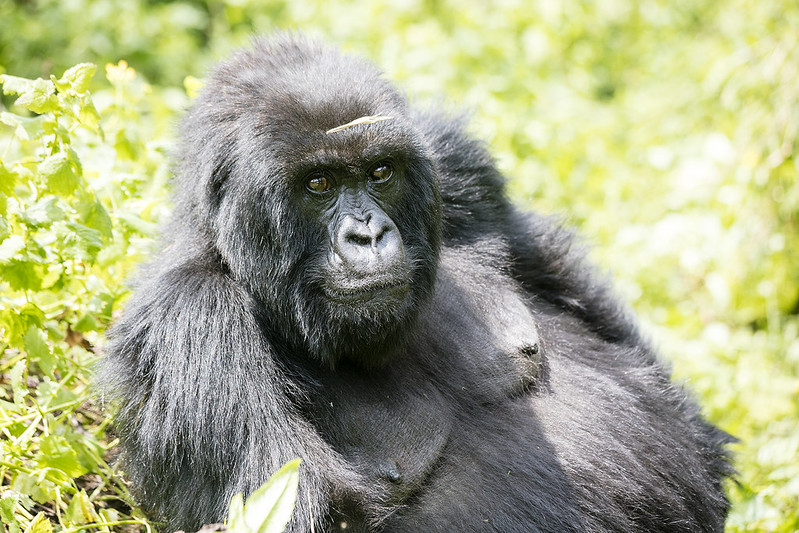
In the Realm of Giants – Bwindi & Mgahinga in Frames.
Wander through an elegant gallery capturing Uganda’s most exclusive gorilla sanctuaries, where ancient forests cradle the last mountain gorillas in a world of mist, mystery, and majesty.
Essential Planning Tips for Visiting Uganda’s National Parks.
Get ready for the wild heart of Africa with expert travel tips on when to visit, what to pack, where to go, and how to make the most of your safari across Uganda’s breathtaking national parks.
Why Uganda for Gorilla Trekking?
Uganda is not just a destination — it's the very soul of gorilla trekking. With over half of the world’s remaining mountain gorillas calling its misty forests home, Uganda offers the rarest encounters in their most authentic setting. Here, your journey is not rushed or crowded. Instead, you’re guided by experienced rangers through pristine jungles where gorillas live as they always have — wild, free, and magnificent
From insider travel insights to unforgettable trekking guides, our blog is your trusted path into Uganda’s wild heart — connecting you with mountain gorillas, breathtaking landscapes, and the soul-stirring adventures that make this land unlike any other.