Tourism and Attractions – Rwanda
Rwanda Tourism and Attractions Guide
Tourism and Attractions – Rwanda Rwanda Tourism and Attractions Guide Rwanda has positioned itself as one of Africa’s most focused and conservation-driven tourism destinations.
Tourism and Attractions – Rwanda Rwanda Tourism and Attractions Guide Rwanda has positioned itself as one of Africa’s most focused and conservation-driven tourism destinations.
Rwanda has positioned itself as one of Africa’s most focused and conservation-driven tourism destinations. Known as the “Land of a Thousand Hills,” the country combines mountain gorilla encounters, Big Five safaris, ancient rainforests, and scenic lakes within a compact and accessible landscape. Its tourism model emphasizes sustainability, high-value experiences, and community participation.
Unlike mass tourism destinations, Rwanda prioritizes controlled visitor numbers, environmental protection, and infrastructure quality. The result is a destination that blends wilderness immersion with organized logistics, clean cities, and strong safety standards. Tourism plays a significant role in the national economy and conservation funding.
So lace up your boots, grab your camera, and prepare to meet the wild — this is where your gorilla trekking dreams and unforgettable safari adventures truly begin.
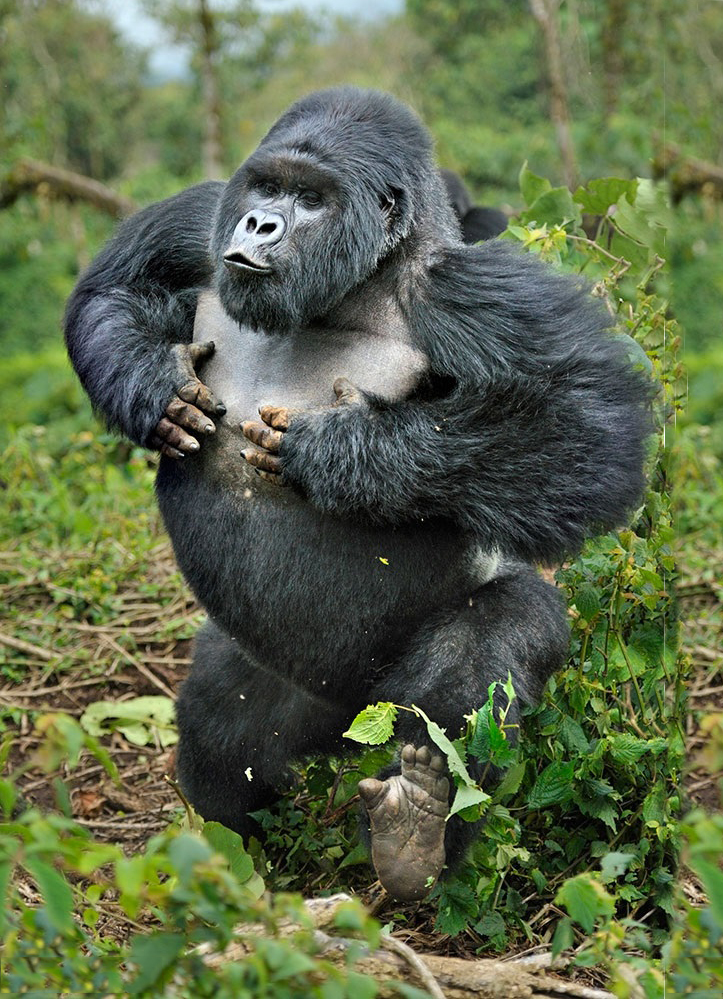

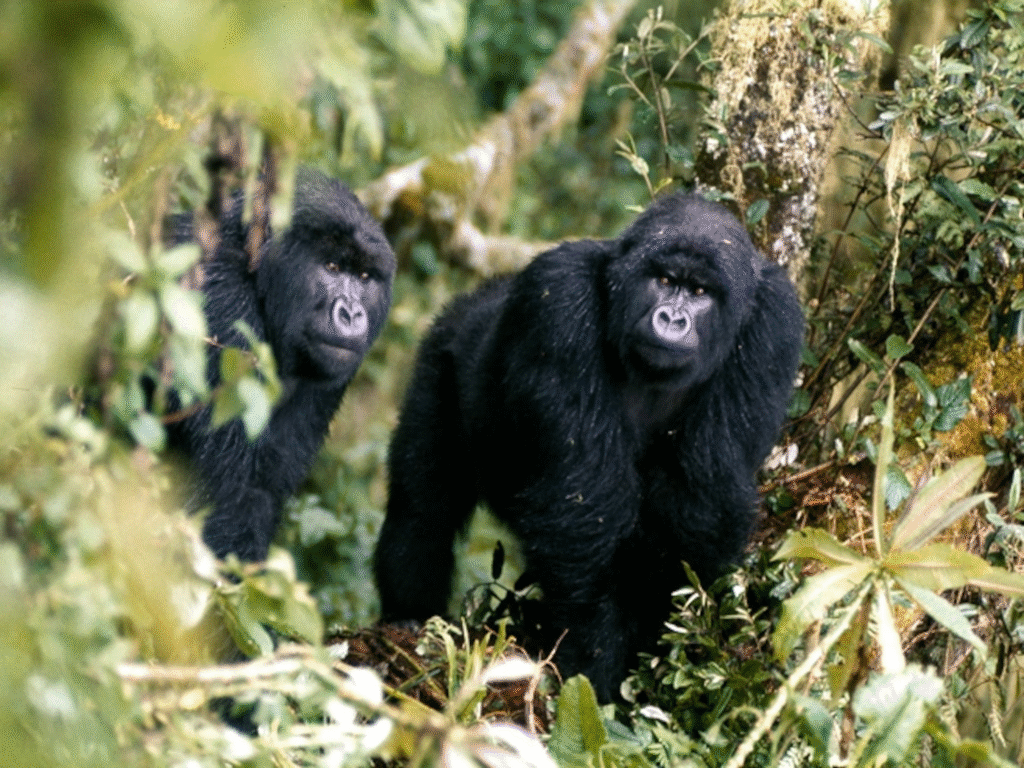
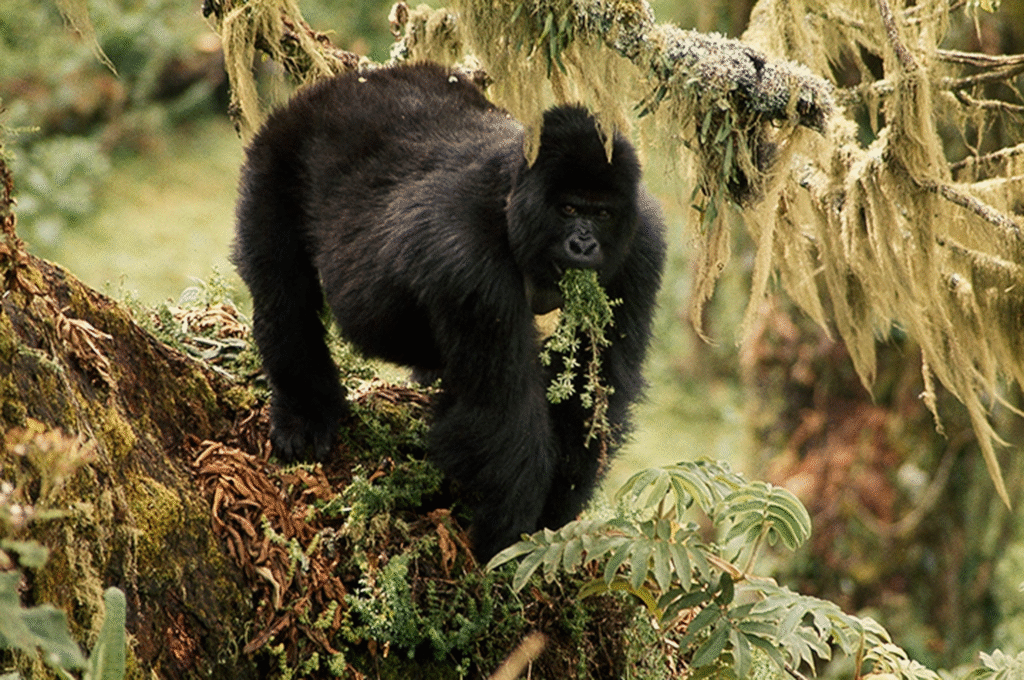
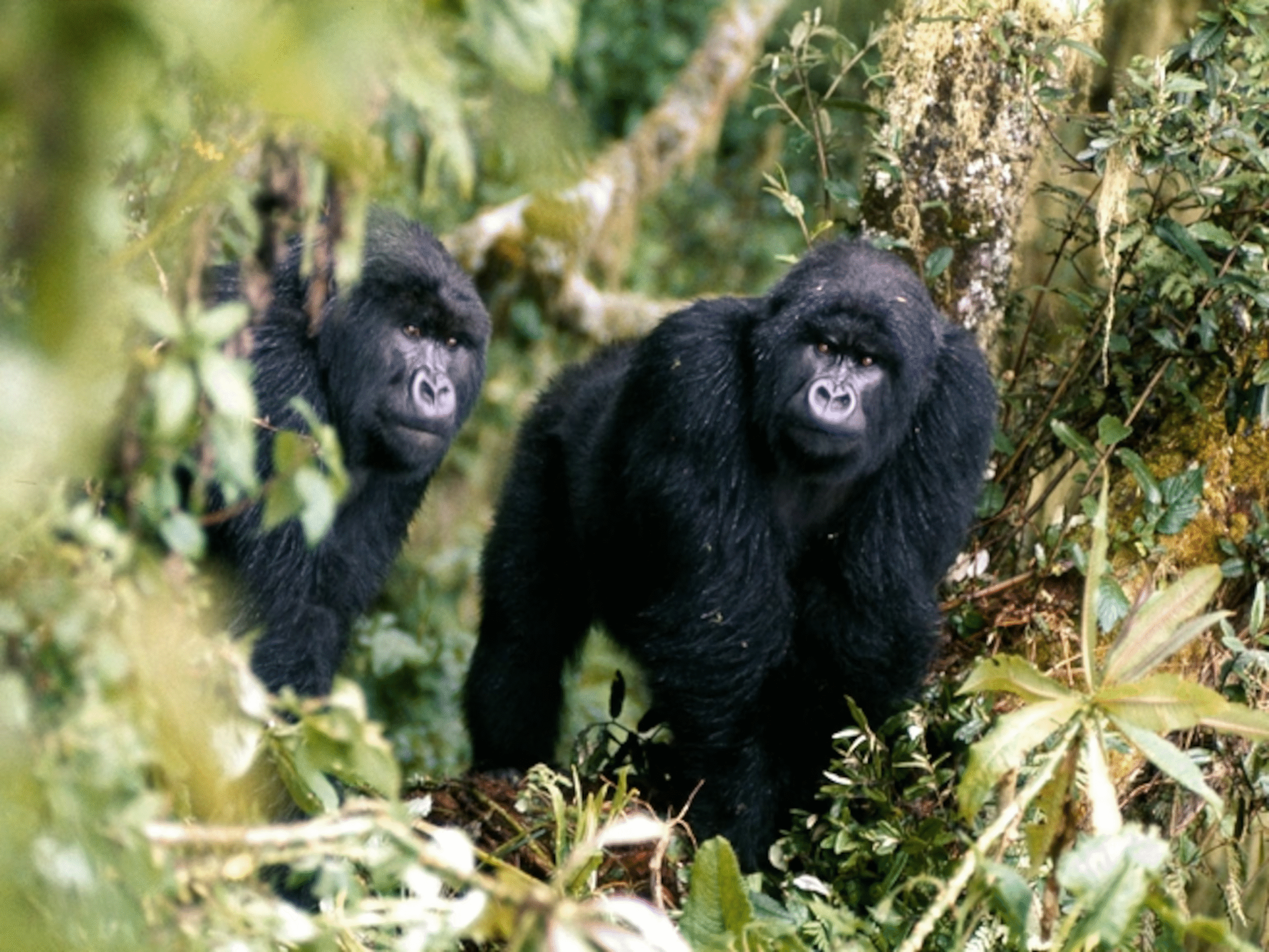
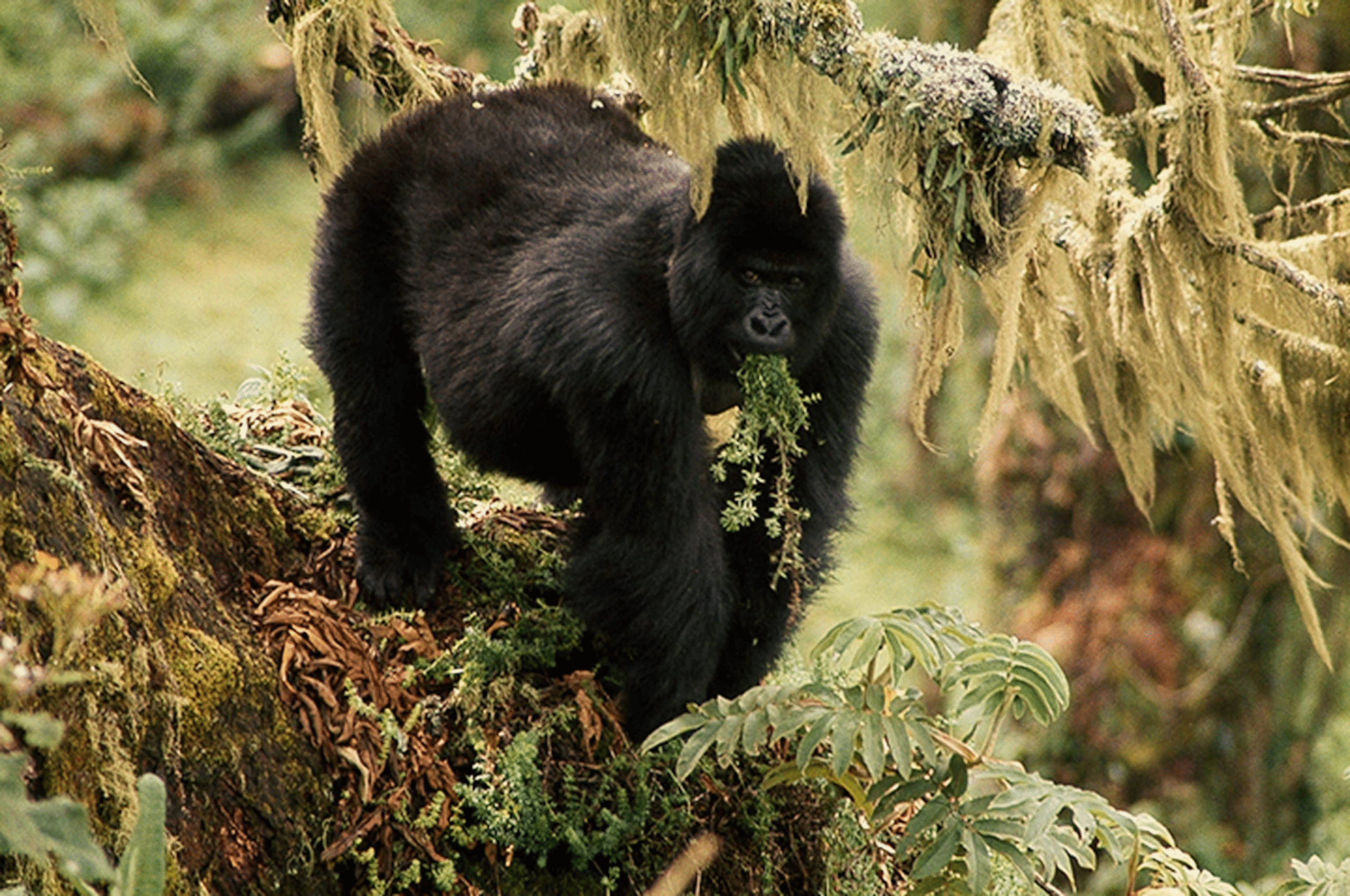
Volcanoes National Park is Rwanda’s flagship attraction. Located in the northwest near the Virunga Mountains, the park protects endangered mountain gorillas.
Gorilla trekking involves guided hikes through montane forest to spend one regulated hour with a habituated gorilla family. The experience is physically demanding but globally recognized as one of Africa’s most profound wildlife encounters.
The park also offers golden monkey tracking, volcano hiking, and cultural village visits.
Akagera National Park lies in eastern Rwanda and represents the country’s savannah ecosystem. Following wildlife reintroduction programs, the park now supports lions, rhinos, elephants, buffalo, and leopards.
Game drives and boat safaris on Lake Ihema provide classic safari experiences within a less crowded environment compared to larger East African reserves.
Nyungwe National Park protects one of Africa’s oldest rainforests. The park is renowned for chimpanzee tracking and canopy walk experiences suspended above dense forest.
Nyungwe’s biodiversity includes multiple primate species, birdlife, waterfalls, and hiking trails. The park forms a crucial watershed divide between the Congo and Nile basins.
Lake Kivu stretches along Rwanda’s western border and provides a tranquil contrast to forest and safari adventures. Towns such as Rubavu offer lakeside relaxation, boat excursions, and swimming.
The lake region is ideal for combining nature with leisure travel.
Kigali serves as Rwanda’s gateway city. Known for cleanliness, organization, and safety, Kigali blends modern infrastructure with cultural depth.
Attractions include:
The city plays a major role in Rwanda’s growing conference tourism sector.
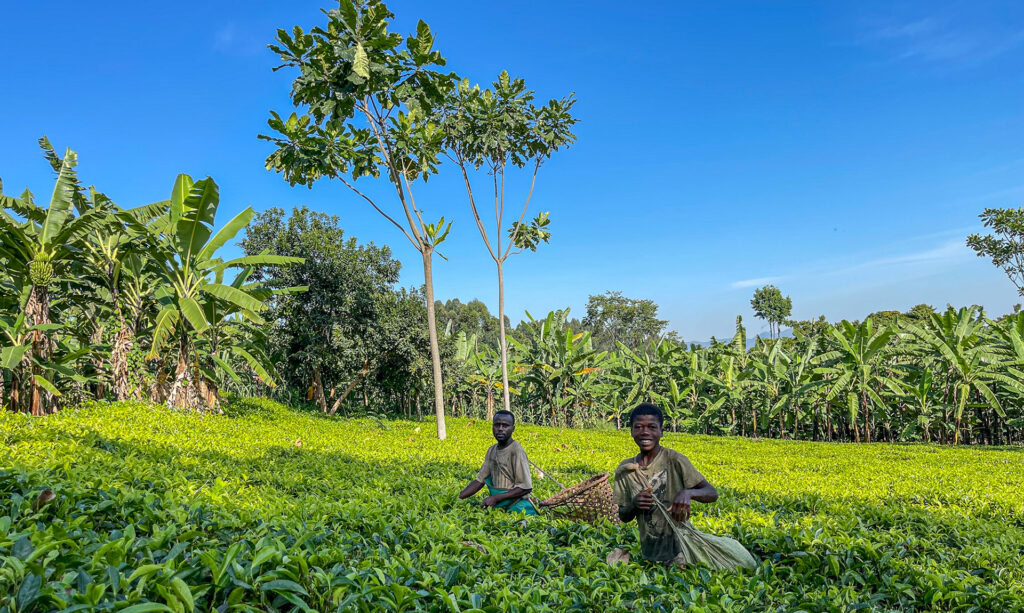
Cultural performances, artisan cooperatives, and rural community visits provide insight into Rwanda’s heritage. Traditional dance, basket weaving, and storytelling reflect deep-rooted identity.
Many tourism programs integrate community revenue-sharing models, reinforcing Rwanda’s conservation-based tourism philosophy.
Rwanda’s tourism strategy focuses on:
Permit revenues from gorilla trekking contribute directly to conservation and local development initiatives.
Rwanda offers:
Within a few hours, visitors can move from volcanic rainforest to savannah plains or lakeside retreats.
From insider travel insights to unforgettable trekking guides, our blog is your trusted path into Uganda’s wild heart — connecting you with mountain gorillas, breathtaking landscapes, and the soul-stirring adventures that make this land unlike any other.