Culture and Traditions – Rwanda
Exploring Rwanda’s Culture, Customs and History
Rwanda Culture and Traditions is part of the living cultural heritage that makes Uganda one of Africa’s most rewarding destinations for curious travellers.
Rwanda Culture and Traditions is part of the living cultural heritage that makes Uganda one of Africa’s most rewarding destinations for curious travellers.
Rwanda’s culture is deeply rooted in community values, respect, resilience, and a strong sense of national identity. Despite its small size, the country maintains a rich cultural heritage shaped by centuries of monarchy, oral tradition, cattle-based social systems, and post-independence transformation. Today, Rwanda balances preserved traditions with modern development, creating a society that feels both historically grounded and forward-looking.
Unlike many African countries with dozens of ethnic languages, Rwanda is culturally unified under one primary language, Kinyarwanda, and a shared national identity. Traditions are expressed through dance, music, storytelling, craftsmanship, ceremonies, and community practices that continue to influence everyday life across both rural and urban areas.
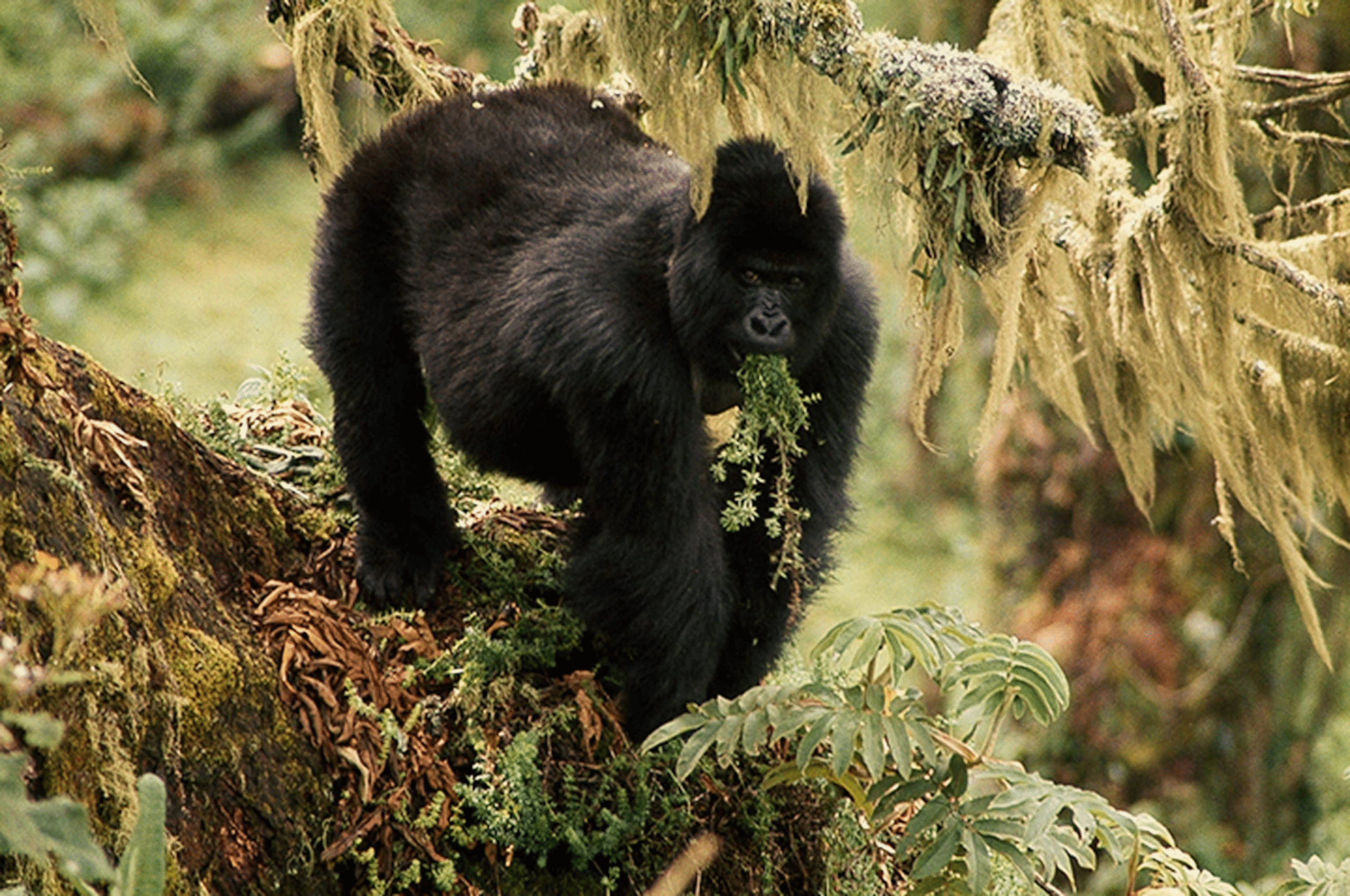
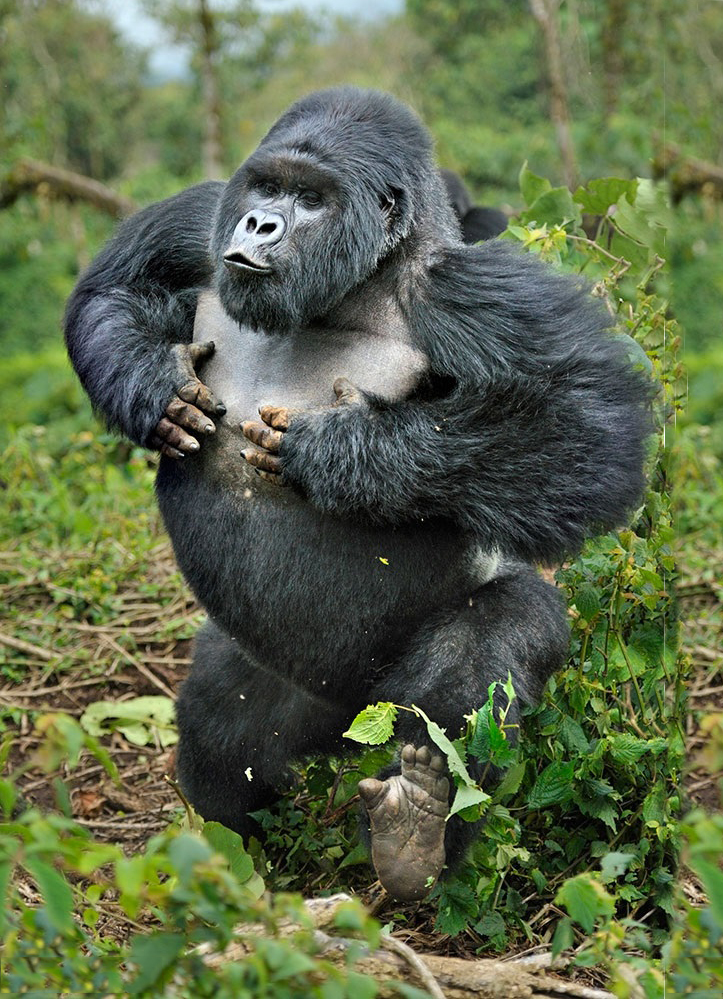
So lace up your boots, grab your camera, and prepare to meet the wild — this is where your gorilla trekking dreams and unforgettable safari adventures truly begin.

Community lies at the center of Rwandan culture. The concept of collective responsibility remains strong, reflected in national initiatives like Umuganda — a monthly community service day held on the last Saturday of each month. Citizens participate in cleaning, infrastructure repair, and environmental conservation.
Respect for elders, authority, and family hierarchy also shapes social behavior. Greetings are formal and polite, and hospitality toward guests is considered a cultural duty.
One of Rwanda’s most iconic traditions is the Intore dance, historically performed for the royal court. The dance is characterized by powerful leaps, rhythmic footwork, and grass wigs worn by male dancers to symbolize strength and bravery.
Traditional music relies heavily on drums, particularly the ingoma drum, along with string instruments and vocal harmonies. Performances often tell stories of kingship, cattle culture, and warrior pride.
Cultural villages near Volcanoes National Park frequently showcase these performances for visitors interested in heritage experiences.
Historically, cattle symbolized wealth, status, and social connection in Rwanda. Even today, cattle imagery remains present in art, poetry, and ceremonies. The long-horned Ankole cattle are admired for their elegance and cultural significance.
Traditional praise poems often describe cattle in poetic detail, reflecting their central role in pre-colonial society.
Traditional Rwandan marriage ceremonies involve formal negotiations between families, gift exchanges, and community celebration. The process emphasizes unity between extended families rather than just individuals.
Modern weddings may blend traditional elements with contemporary practices, but respect for custom remains strong, particularly in rural communities.
Rwanda’s primary language is Kinyarwanda, spoken nationwide. French and English are also official languages, with English increasingly dominant in business and education.
This linguistic unity contributes to Rwanda’s strong national cohesion compared to many other multi-ethnic African states.
Handwoven baskets known as agaseke are among Rwanda’s most recognized crafts. These intricately designed pieces symbolize peace and prosperity and are often given as gifts.
Other traditional crafts include pottery, wood carving, beadwork, and woven mats. Many cooperatives across Rwanda support women artisans, linking cultural preservation with economic empowerment.
Rwandan cuisine reflects agricultural abundance. Staple foods include plantains, beans, sweet potatoes, cassava, and maize. Isombe (cassava leaves), brochettes (grilled meat skewers), and ugali-style dishes are common.
Meals are typically communal and emphasize sharing. Hospitality remains a cornerstone of food culture.
Modern Rwanda promotes unity and national rebuilding through cultural education, heritage preservation, and responsible tourism. Museums, memorial sites, and cultural centers play a role in preserving history while supporting reconciliation and development.
Kigali, the capital, reflects this balance — traditional values coexist with contemporary architecture, technology growth, and international engagement.
Experiencing Rwandan Culture as a Visitor
Travelers can experience culture through:
Rwanda’s culture is not staged — it is lived daily. Visitors who engage respectfully often find it to be one of the country’s most enriching dimensions.
From insider travel insights to unforgettable trekking guides, our blog is your trusted path into Uganda’s wild heart — connecting you with mountain gorillas, breathtaking landscapes, and the soul-stirring adventures that make this land unlike any other.