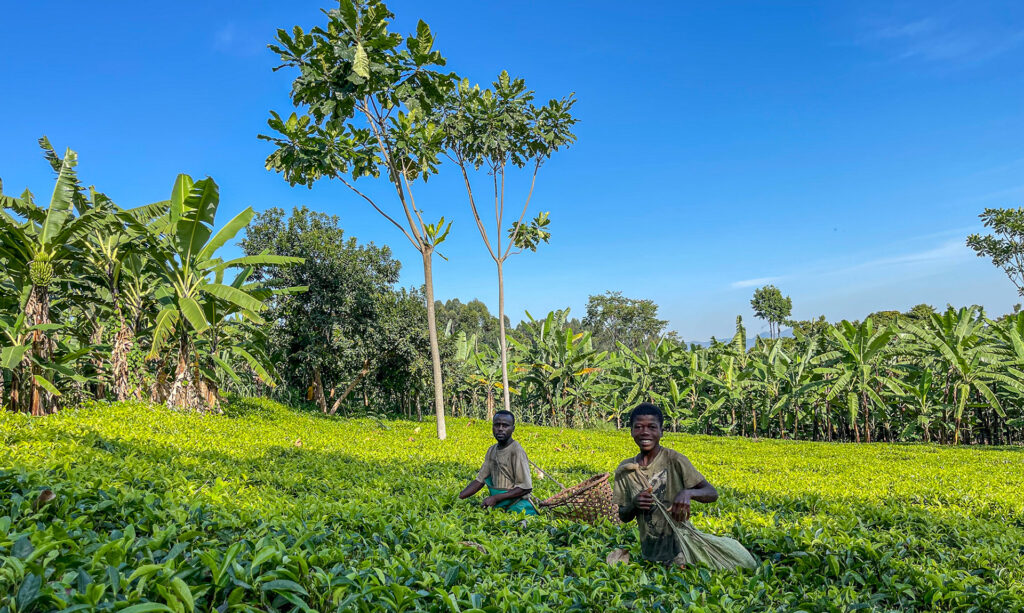
In the heart of Africa, where the landscapes are as varied as the skies are wide, lies Uganda—a country not only blessed by nature but deeply enriched by the diversity of its people. Uganda’s most powerful story is not just written in its lakes, forests, or wildlife—it lives in the hearts, customs, and languages of its citizens. Home to over 56 officially recognized ethnic groups, Uganda stands as one of the most culturally diverse nations on the African continent. This rich human mosaic stretches across kingdoms, tribes, clans, and communities, each with its own language, heritage, beliefs, and traditions that continue to shape the country’s identity.
This diversity doesn’t divide Uganda—it defines it. From the rhythmic drumbeats of Buganda to the cattle songs of the Karimojong, from the storytelling firesides of Ankole to the vibrant marketplaces of Busoga, every culture contributes a unique thread to the national fabric. Uganda’s ethnic richness is not just about numbers or statistics—it’s about a deep, living expression of who the people are, where they come from, and how they continue to grow together, sometimes through difficulty, often with resilience, and always with a shared hope for unity.
Ethnic Groups: A Living Tapestry of Tradition and Language
Uganda’s population is composed of four main ethnolinguistic groups: Bantu, Nilotic, Central Sudanic, and Nilo-Hamitic peoples. The Bantu, who make up the majority, dominate the southern and western parts of the country. They include major communities such as the Baganda, Banyankole, Bakiga, Basoga, and Banyarwanda, each with a rich oral tradition, highly organized clan systems, and centuries-old kingdoms like the powerful Buganda Kingdom.
The Nilotic peoples, including the Acholi, Lango, Alur, and Jopadhola, primarily inhabit the northern region and are known for their warrior heritage, music, and communal societies. Their roots are deep, with customs shaped by generations of migration, resilience through conflict, and reverence for ancestral spirits. In the east, the Iteso and Karamojong represent the Ateker-speaking communities—pastoralist groups deeply connected to cattle as a cultural symbol of wealth, identity, and honor. Meanwhile, in the northwestern corner near the South Sudanese border, smaller Central Sudanic and Nilo-Hamitic groups add further complexity to Uganda’s social landscape, such as the Lugbara, Madi, and Kakwa, each preserving unique languages and cross-border histories.
Languages are an essential part of identity, and Uganda recognizes over 40 indigenous languages, although English and Swahili serve as official national languages. Luganda is widely spoken, especially in central regions, acting almost as a unifying lingua franca in informal settings. These languages are more than communication tools—they are carriers of history, humor, wisdom, and worldview. From lullabies to proverbs, they reflect how deeply culture is embedded in daily life.
Cultural Practices, Unity, and a Changing Social Landscape
Despite the differences among Uganda’s ethnic groups, there is a remarkable undercurrent of shared values: deep respect for elders, communal care, storytelling, music, and a powerful connection to land and ancestry. Traditional ceremonies—whether it’s a royal coronation in Buganda, a marriage negotiation in Ankole, or a circumcision rite among the Bagisu—still hold significant importance, even as modernization transforms urban lifestyles.
Uganda’s post-independence era brought a renewed focus on national unity and identity, particularly after periods of political upheaval in the 1970s and 1980s. Today, the younger generation is growing up in a society where inter-ethnic marriages, urban migration, and globalization are blending traditional boundaries. Cities like Kampala, Gulu, and Mbale are melting pots of culture, food, fashion, and language, where modern Ugandan identity is being rewritten by youth who honor their heritage but also embrace new cultural expressions.
At the same time, the restoration of traditional kingdoms—like Buganda, Bunyoro, Tooro, and Busoga—has helped many Ugandans reconnect with ancestral pride and cultural roots. These institutions, while mostly symbolic, play crucial roles in cultural preservation, conflict resolution, and even local development initiatives. The continued existence of these traditional systems alongside a democratic republic speaks to Uganda’s ability to merge the old and the new, maintaining balance in a complex society.