
Where the soul of the forest whispers in the mist
A gorilla safari experience is one of the most remarkable journeys available in Africa — a rare combination of mountain gorilla trekking in ancient rainforests and Big Five game drives across open savannah. No other safari puts you face to face with the world’s largest primates one day and watching lions hunt at dawn the next.
This type of safari usually begins with mountain gorilla tracking in Uganda or Rwanda, followed by wildlife exploration in destinations such as Kenya’s Masai Mara or Tanzania’s Serengeti. The contrast between forest and savannah creates a complete safari experience that includes both intimate wildlife moments and large-scale ecosystems.
So lace up your boots, grab your camera, and prepare to meet the wild — this is where your gorilla trekking dreams and unforgettable safari adventures truly begin.
Truly Iconic Highlights in Uganda

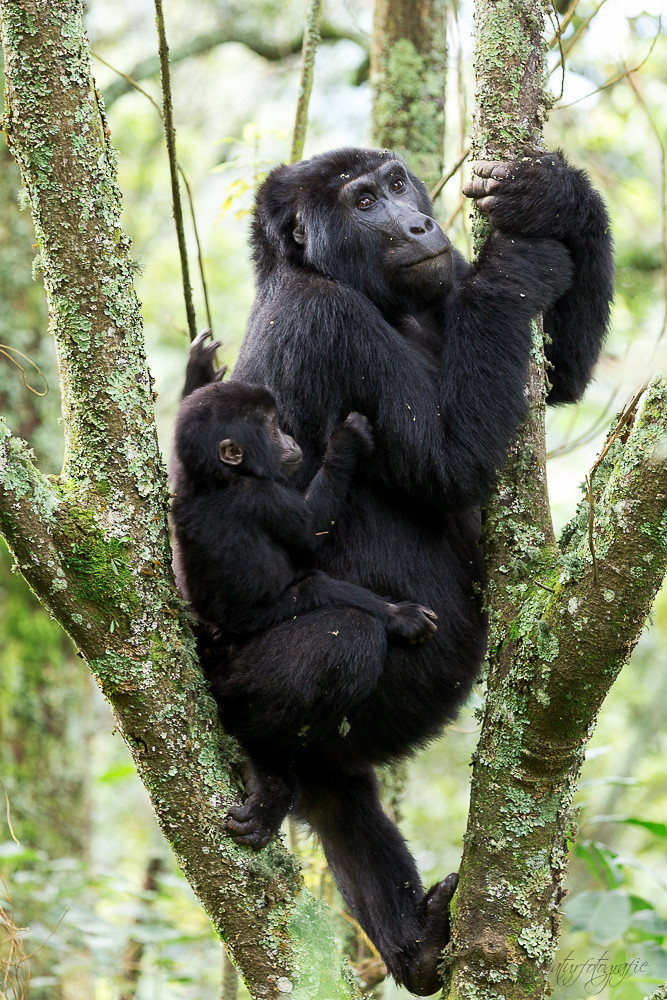
Trek through Bwindi’s mystical rainforest and meet the endangered mountain gorillas in their breathtaking natural home.
Encounter mountain gorillas and golden monkeys on Mgahinga’s misty volcanic trails, where culture and alpine wildlife thrive together.
Unwind after your trek with a peaceful canoe ride across Lake Bunyonyi, Uganda’s most tranquil and scenic highland lake.
Enhance your gorilla trekking safari with an optional chimpanzee encounter in Uganda’s lush forests, adding depth and diversity to your primate adventure
Gorilla Trekking Tours in Uganda – Our Most Popular Itineraries.
Explore our gorilla trekking safaris for every traveler—solo, family, budget, or luxury. All tours include permits, transport, accommodation, meals, and park fees. Whether for a quick trip or a deeper adventure, we’ve got you covered.
3-Day Bwindi Gorilla Trekking Safari
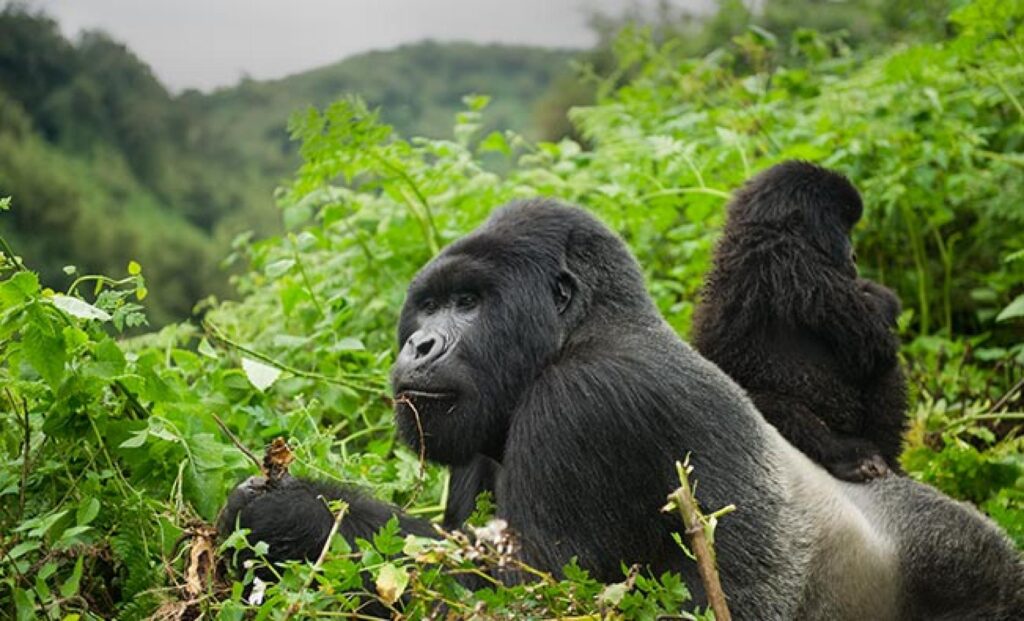
3-Day Bwindi Gorilla Trekking Safari
4-Day Uganda Gorilla Trekking Safari
4-Day Uganda Gorilla Trekking Safari
5-Day Gorilla Tracking and Wildlife Safari
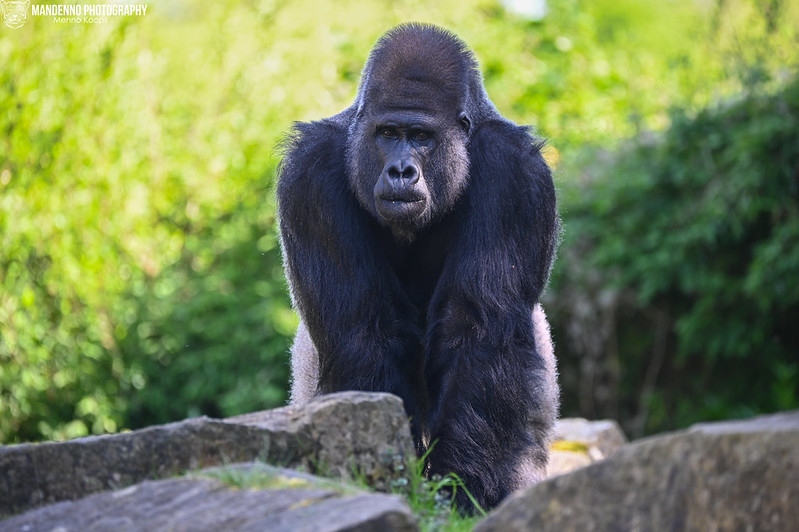
5-Day Gorilla Tracking and Wildlife Safari
7-Day Uganda Primate Adventure & Wildlife Safari
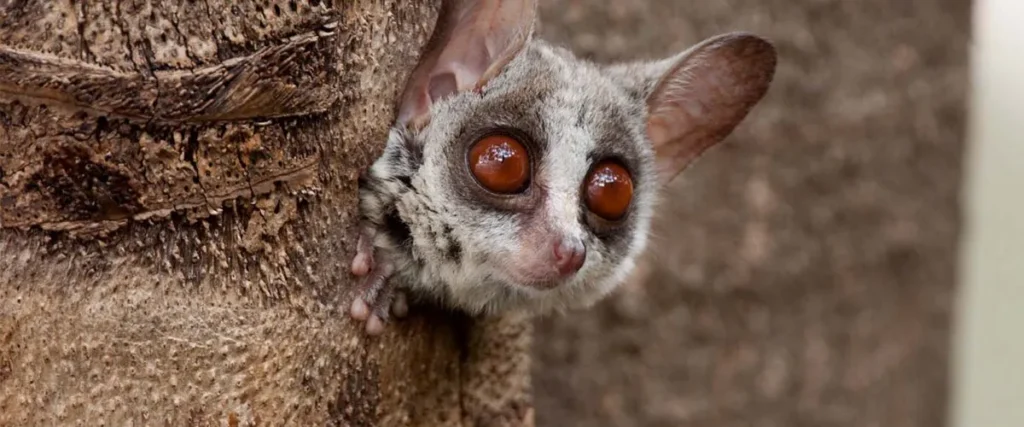
7-Day Uganda Primate Adventure & Wildlife Safari
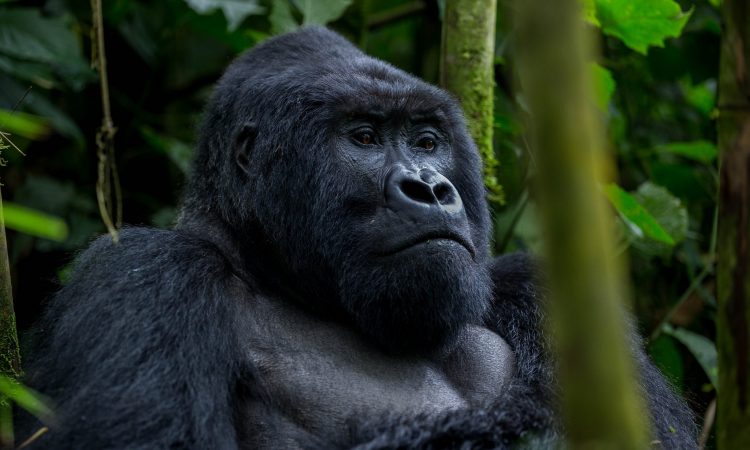
10-Day Gorilla Trekking & Big Five Safari in Uganda
10-Day Gorilla Trekking & Big Five Safari in Uganda
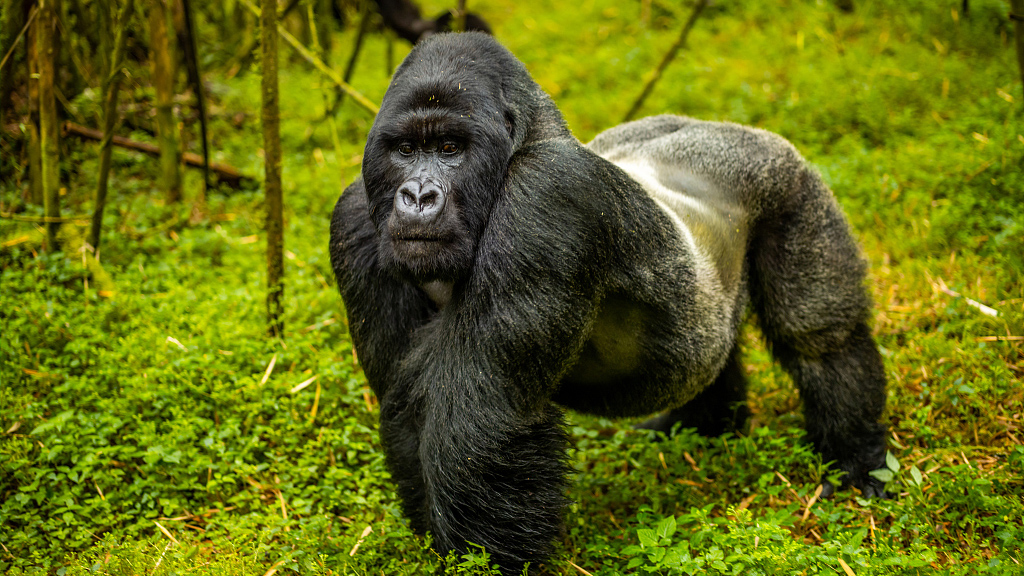
12-Day Uganda Gorilla Trekking, Chimp Tracking & Cultural Safari
12-Day Uganda Gorilla Trekking, Chimp Tracking & Cultural Safari
14-Day Best of Uganda Safari – Gorillas, Wildlife, Cultures
14-Day Best of Uganda Safari – Gorillas, Wildlife, Cultures
Gorilla & Safari Experience in East Africa
A gorilla safari experience brings together the two most powerful wildlife encounters in Africa — the intimate, ancient world of mountain gorillas and the sweeping drama of Big Five savannah game drives. Whether you have seven days or fourteen, Uganda and Rwanda offer the starting point, and East Africa’s greatest parks complete the journey.
What Is a Gorilla Safari Experience?
A gorilla safari experience combines two of Africa’s most sought-after wildlife encounters into one journey. The first is mountain gorilla trekking — hiking through dense high-altitude rainforest to find and spend one hour with a habituated gorilla family. The second is a classic Big Five safari, where open game drives reveal lions, leopards, elephants, buffalo, and rhinos across East Africa’s most celebrated national parks.
The contrast is what makes this experience extraordinary. In the morning you are pushing through thick jungle at 2,400 metres, close enough to hear a silverback breathe. By the following day you are watching a pride of lions move through golden grass at sunrise. Few journeys in the world offer that range within a single trip.
Mountain gorillas exist only in three countries — Uganda, Rwanda, and the Democratic Republic of Congo. Uganda and Rwanda are the two primary destinations for safe, well-organised gorilla trekking, both offering habituated families and a structured permit system that limits daily visitors to protect the gorillas and the forest.
Mountain Gorilla Trekking: What to Expect
The trek itself
Gorilla trekking starts early. Groups assemble at the park headquarters by 7:30am for a briefing before heading into the forest. Treks are led by experienced rangers who track gorilla movements from the previous evening. The walk to locate the family can take anywhere from 30 minutes to six hours depending on where the gorillas have moved overnight.
Terrain varies by sector and park. Some trails pass through open bamboo forest with gentle gradients; others climb steep muddy slopes through thick vegetation. Altitude ranges from around 1,500 metres at lower park entrances to over 3,000 metres on the higher slopes of the Virunga volcanoes.
The one hour with the gorillas
Once rangers locate the family, a maximum of eight visitors may approach to within seven metres. You then have exactly one hour in the presence of the gorilla family — one of the most strictly managed wildlife encounters in Africa, designed to protect the animals from human disease transmission and stress.
In that hour, gorillas behave entirely on their own terms. Silverbacks rest, groom, eat, and occasionally charge bluff charges past the group. Juveniles play in the canopy. Mothers carry infants pressed against their chests. The experience is quiet, intimate, and unlike anything else in wildlife travel.
Gorilla habituation experience
Uganda also offers a gorilla habituation experience in Bwindi Impenetrable National Park, where visitors spend four hours instead of one with a gorilla family that is still being accustomed to human presence. This deeper encounter carries a permit cost of USD 1,500 and is limited to four visitors per day.
Uganda vs Rwanda for Gorilla Trekking
Uganda
Uganda is home to just over half of the world’s remaining mountain gorillas, with Bwindi Impenetrable National Park holding the largest concentration of habituated families. Bwindi has four trekking sectors — Buhoma, Ruhija, Rushaga, and Nkuringo — each with different terrain and family group options. Mgahinga Gorilla National Park, in the far southwest, offers a quieter alternative with volcano scenery.
Uganda’s gorilla permit costs USD 800, making it the more accessible option for budget-conscious travellers. Its location also makes it easy to combine with other major wildlife destinations including Queen Elizabeth National Park, Kibale Forest, and connections to Kenya or Tanzania for Big Five game drives.
Rwanda
Rwanda’s gorilla trekking takes place in Volcanoes National Park in the northwest, bordering the Congo and Uganda. The park is a 90-minute drive from Kigali, making it the most convenient gorilla destination in terms of travel logistics. Trekking routes in Volcanoes are generally less steep than Bwindi, and the open bamboo sections make for a different visual experience.
Rwanda’s permit costs USD 1,500 and the park draws a higher concentration of luxury lodges in close proximity. It suits travellers who want a premium, efficient gorilla experience without extended travel across the country.
Which to choose
Choose Uganda if you want more gorilla trekking options, a lower permit cost, and the ability to extend into a multi-park safari across East Africa. Choose Rwanda if you want fast access from Kigali, a slightly easier trek, and high-end accommodation right at the park boundary.
Big Five Safari: Completing the Experience
The Big Five — lion, leopard, elephant, buffalo, and rhino — are the cornerstone of the classic Africa safari and the perfect complement to the intimacy of gorilla trekking. After days in the forest, the scale and openness of savannah game drives feels like stepping into an entirely different world.
Queen Elizabeth National Park, Uganda
Queen Elizabeth National Park is Uganda’s most visited wildlife destination and the most natural pairing with Bwindi gorilla trekking. The park sits in the Albertine Rift Valley and covers savannah, wetland, and forest habitats. It holds significant populations of elephants, buffalo, lions, leopards, hippos, and over 600 bird species.
The Kazinga Channel boat safari is a highlight — a two-hour cruise along a natural waterway linking two lakes, where hippos, crocodiles, and elephants gather at the banks in extraordinary numbers. The tree-climbing lions of Ishasha, in the park’s south, are a globally recognised attraction found in only a handful of locations in Africa.
Masai Mara, Kenya
The Masai Mara is one of Africa’s most consistently productive game-viewing destinations. Lions are encountered almost daily. Leopards are seen with regularity in riverine woodland along the Mara River. Cheetahs hunt on open plains that stretch to the horizon.
The Masai Mara is at its most famous between July and October when the Great Wildebeest Migration crosses from Tanzania’s Serengeti — a spectacle involving 1.5 million wildebeest, zebra, and gazelle pushing north in search of grazing, with crocodiles waiting at every crossing point. Outside migration season, resident wildlife populations remain among the highest in East Africa.
Serengeti National Park and Ngorongoro Crater, Tanzania
Tanzania’s Serengeti is the largest component of the broader ecosystem shared with the Masai Mara. Its sheer scale — 14,750 square kilometres of open grassland, kopje-dotted plains, and acacia woodland — makes it Africa’s most iconic safari landscape. The Serengeti holds the largest lion population on the continent and regular cheetah and leopard sightings.
Ngorongoro Crater is one of the few places in East Africa where black rhino can be reliably seen — the crater’s enclosed ecosystem supports a permanent Big Five population year-round. The crater floor covers 260 square kilometres and holds approximately 25,000 large animals within a natural volcanic amphitheatre.
Best Gorilla Safari Experience Itineraries
7-day gorilla and wildlife safari
A focused one-week itinerary concentrating on Uganda. Days one and two cover travel and orientation in Kampala or Entebbe. Days three and four are based at Bwindi for gorilla trekking, with an optional second trek on day four. Days five and six move to Queen Elizabeth National Park for game drives and the Kazinga Channel boat safari. Day seven returns to Entebbe for departure.
This is the most popular entry-level gorilla safari experience — long enough to be immersive, short enough for travellers with limited time.
10-day Uganda and Tanzania safari
Ten days allows a more complete journey. After gorilla trekking in Bwindi and wildlife viewing in Queen Elizabeth, a domestic flight connects to Entebbe for an international connection to Kilimanjaro or Dar es Salaam. The second half of the itinerary covers the Serengeti and Ngorongoro Crater, offering both migration viewing (in season) and year-round Big Five encounters.
12-day Uganda and Kenya safari
Twelve days pairs Bwindi gorilla trekking with the Masai Mara’s exceptional predator viewing. After Queen Elizabeth, a domestic or regional flight connects to Nairobi and the Mara. Game drives focus on lions, cheetahs, and the river crossings during migration months. This itinerary suits travellers who want the gorilla experience combined with Africa’s most famous safari destination.
14-day complete gorilla and Big Five safari
Fourteen days is enough to move through Uganda’s gorilla country and wildlife parks, cross into either Kenya or Tanzania, and finish with a dedicated Big Five safari. This is the most comprehensive gorilla safari experience available, covering primates, predators, migration, and volcanic landscapes in a single journey.
Gorilla Safari Experience: Permit Costs and Planning
Gorilla trekking permits are limited and must be booked in advance. Each permit grants access to one hour with a habituated gorilla family and is non-transferable.
- Uganda standard gorilla permit: USD 800 per person
- Uganda gorilla habituation experience: USD 1,500 per person
- Rwanda standard gorilla permit: USD 1,500 per person
Permits in Uganda are managed by the Uganda Wildlife Authority. Rwanda permits are managed through the Rwanda Development Board. During peak travel months — June to September and December to January — permits sell out months in advance. Booking four to six months ahead is recommended for flexibility in choosing sectors and family groups.
Full Cost Guide for a Gorilla Safari Experience
Planning a complete gorilla safari experience involves several cost categories beyond the permit:
- Permits: USD 800 to USD 1,500 depending on country and experience type.
- International flights: USD 900 to USD 1,800 from Europe or the United States to Entebbe or Kigali.
- Domestic and regional flights: USD 250 to USD 600 per leg for connections between Uganda, Kenya, and Tanzania.
- Accommodation: Mid-range forest lodges run USD 150 to USD 350 per night.
- Luxury properties near Bwindi and Volcanoes National Park range from USD 500 to USD 1,500+ per night, often including meals and activities.
- Park fees: USD 40 to USD 80 per person per day depending on the park.
- Porter fees: USD 15 to USD 20 per trek. Porters carry bags and provide physical support on steep terrain.
- Guide and ranger tips: USD 10 to USD 20 per day per guide.
- Visas: Uganda visa USD 50. Rwanda visa USD 50, or free for many nationalities under East African Community arrangements.
A typical 7-day gorilla safari experience in Uganda, including permits, accommodation at mid-range lodges, domestic transport, and park fees, runs between USD 3,500 and USD 5,500 per person. A 10 to 12-day itinerary extending into Kenya or Tanzania with upgraded lodges typically ranges from USD 6,000 to USD 10,000 per person.
Best Time for a Gorilla Safari Experience
Mountain gorillas can be tracked in every month of the year — they do not migrate and their range stays within the protected forest. The variable is trekking conditions and permit availability, not gorilla presence.
June to September is the primary dry season and the peak period for gorilla trekking. Trails are firmer, vegetation is slightly more open, and the weather is predictably dry. This period coincides with the Great Wildebeest Migration in the Masai Mara and Serengeti, making it the best time to combine a gorilla safari experience with migration game drives.
December to February is the short dry season. Conditions are excellent for trekking and this is a popular time for holiday travellers and honeymooners. Wildlife viewing in savannah parks is strong, and lodge rates are often lower than the June to September peak.
March to May is the long wet season. Trails become muddy and physically demanding, but forest scenery is lush and green. Permits are easier to secure, lodge rates drop significantly, and the experience is quieter and more private.
October to November is the short wet season. Conditions are mixed, with afternoon rain most days. It is a good period for travellers who prioritise budget and solitude over optimal trekking conditions.
Packing List for a Gorilla Safari Experience
Clothing:
Long-sleeved neutral-coloured shirts, long waterproof trousers, and a lightweight rain jacket are essential. Ankle-supporting waterproof hiking boots are the most important single item to bring. Gardening gloves protect hands from nettles and sharp undergrowth during steep sections.
Gear:
A daypack, two litres of water, high-energy snacks, DEET insect repellent, and sunscreen cover the basic essentials. A camera without flash is permitted and strongly recommended — the hour with the gorillas goes quickly.
For the safari portion:
Neutral or khaki-coloured clothing for game drives, binoculars (8×42 magnification recommended), and a dust-proof bag for camera equipment.
Avoid perfume, strong-scented products, and bright colours in the forest. Rangers ask visitors to maintain silence and controlled movement near the gorillas at all times.
Frequently Asked Questions
Is a gorilla safari experience safe?
Yes. Gorilla trekking operates under strict park authority management in Uganda and Rwanda. Rangers accompany every group, habituated gorillas are accustomed to controlled human presence, and security conditions in trekking areas of both countries are stable.
How fit do I need to be?
Moderate fitness is sufficient for most visitors. The trek can be physically demanding, but porters are available to carry bags and assist on steep sections. Most healthy adults between ages 15 and 70 complete gorilla treks without difficulty.
How many gorillas will I see?
Each permitted group visits one habituated gorilla family, which typically contains between 8 and 25 individuals including the dominant silverback, females, juveniles, and infants.
Can I do gorilla trekking and Big Five safari in one trip?
Yes — this is exactly what a gorilla safari experience is designed for. Uganda connects directly with Queen Elizabeth National Park for Big Five viewing. Extended itineraries connect to Kenya’s Masai Mara or Tanzania’s Serengeti by domestic flight.
Do I need vaccinations?
Yellow fever vaccination is required for entry to Uganda and strongly recommended for Rwanda. Additional recommended vaccinations include typhoid, hepatitis A and B, and malaria prophylaxis. Consult a travel health clinic at least six weeks before departure.
More Bwindi Information to Know.
Bwindi Impenetrable Forest is a mountainous rainforest in southwestern Uganda, home to endangered mountain gorillas. Its unique climate, rich vegetation, community tourism, and conservation efforts make it a vital and unforgettable destination.
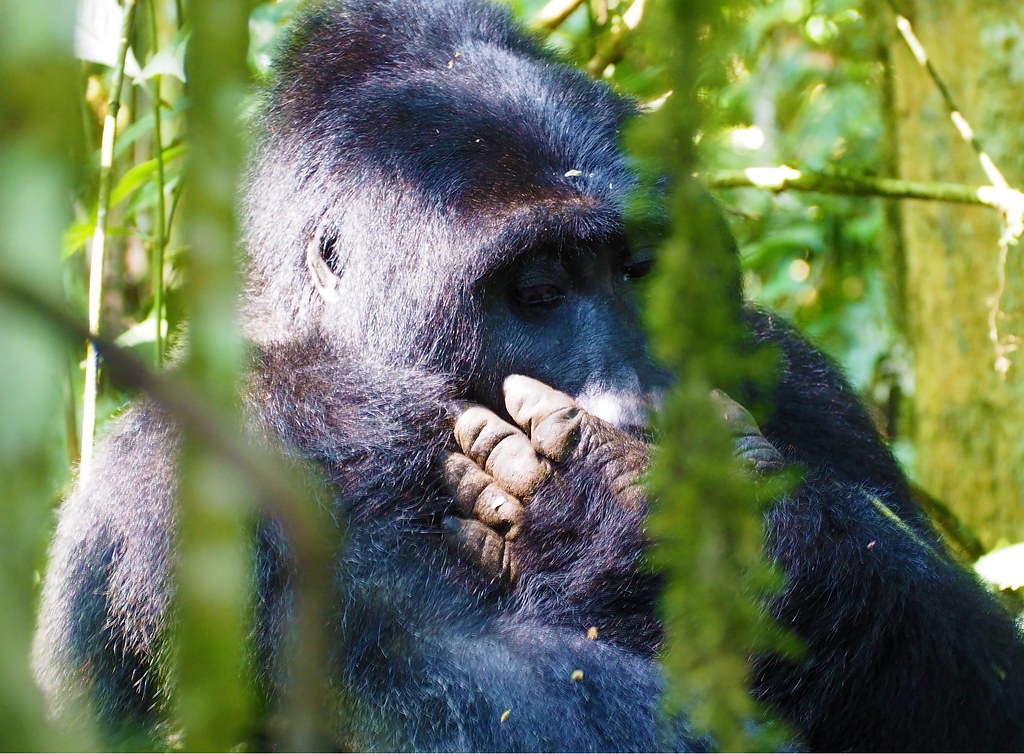
Bwindi History
Bwindi History
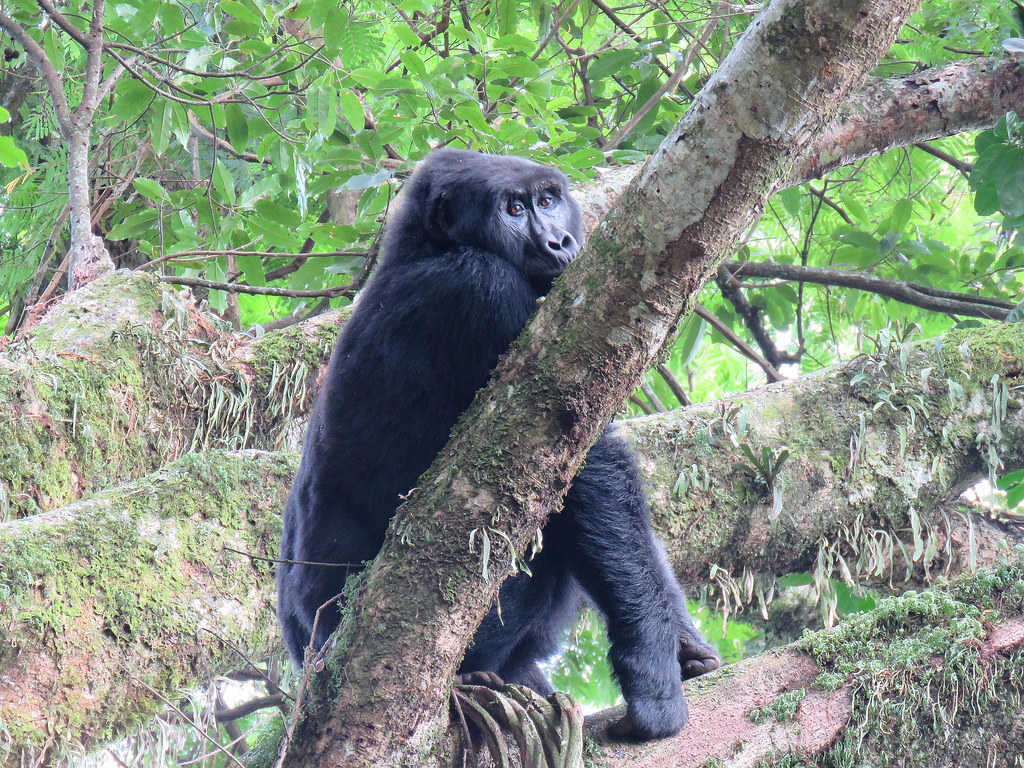
Bwindi Altitude
Bwindi Altitude
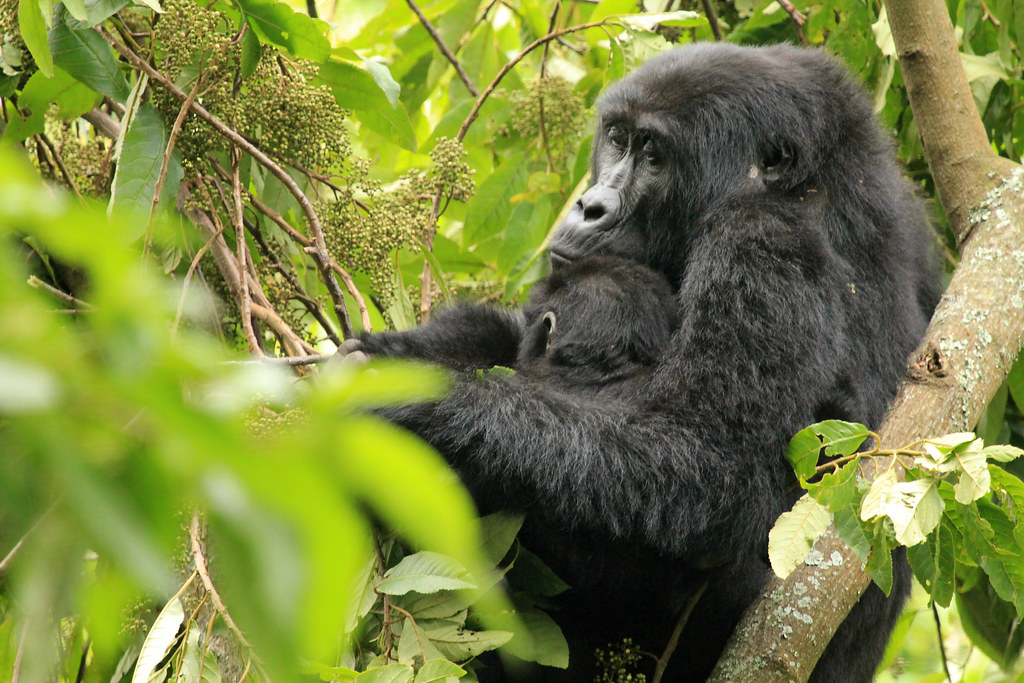
Bwindi Climate
Bwindi Climate
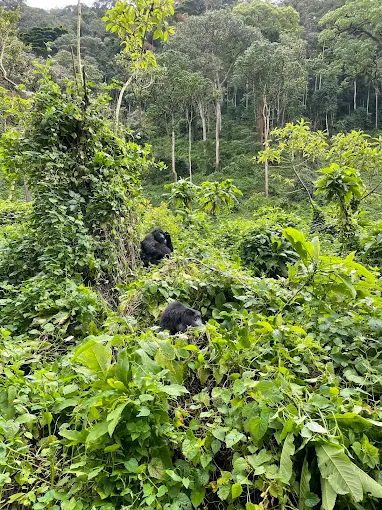
Bwindi Geography
Bwindi Geography
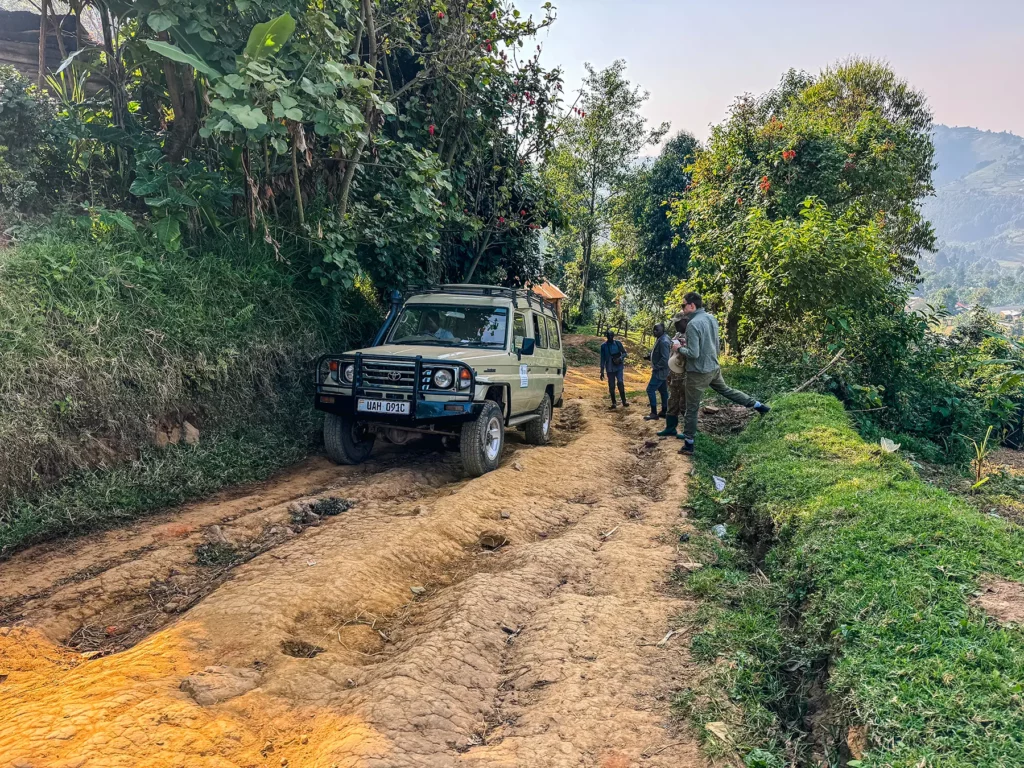
Getting There To Bwindi
Getting There To Bwindi
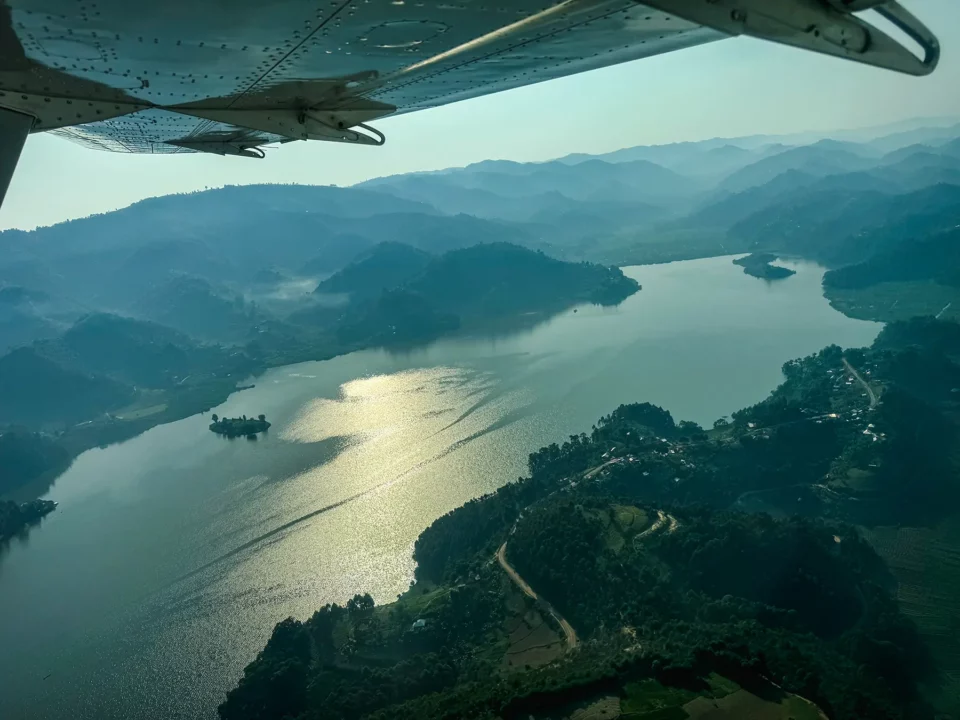
Bwindi Location
Bwindi Location
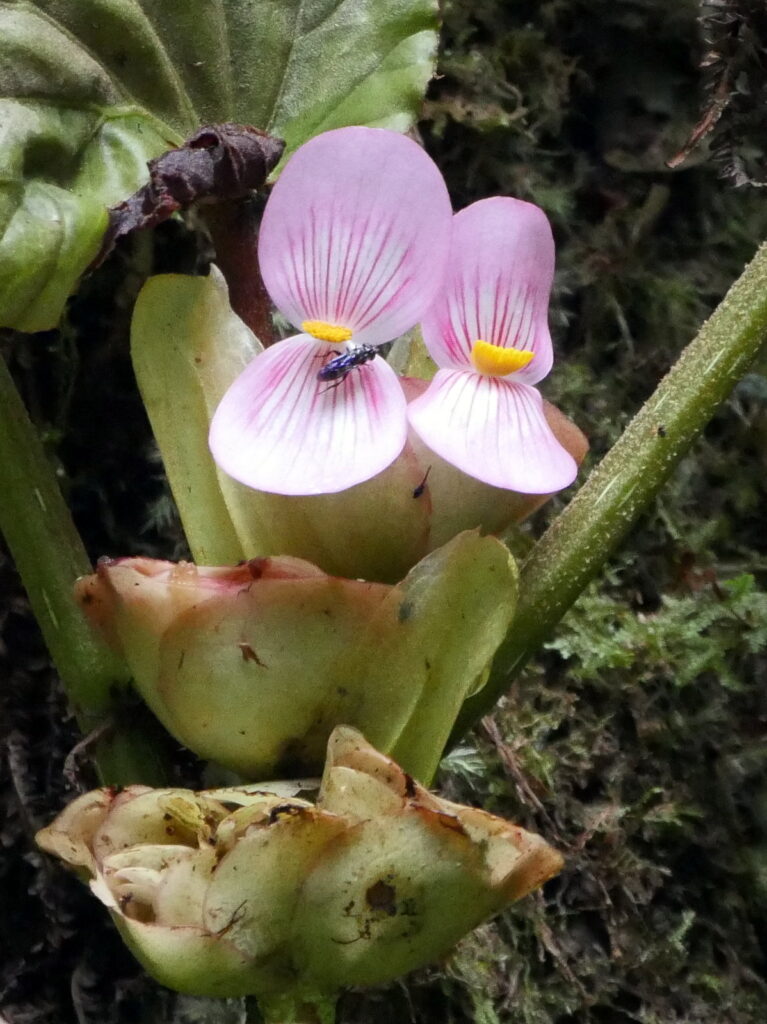
Bwindi Vegetation
Bwindi Vegetation
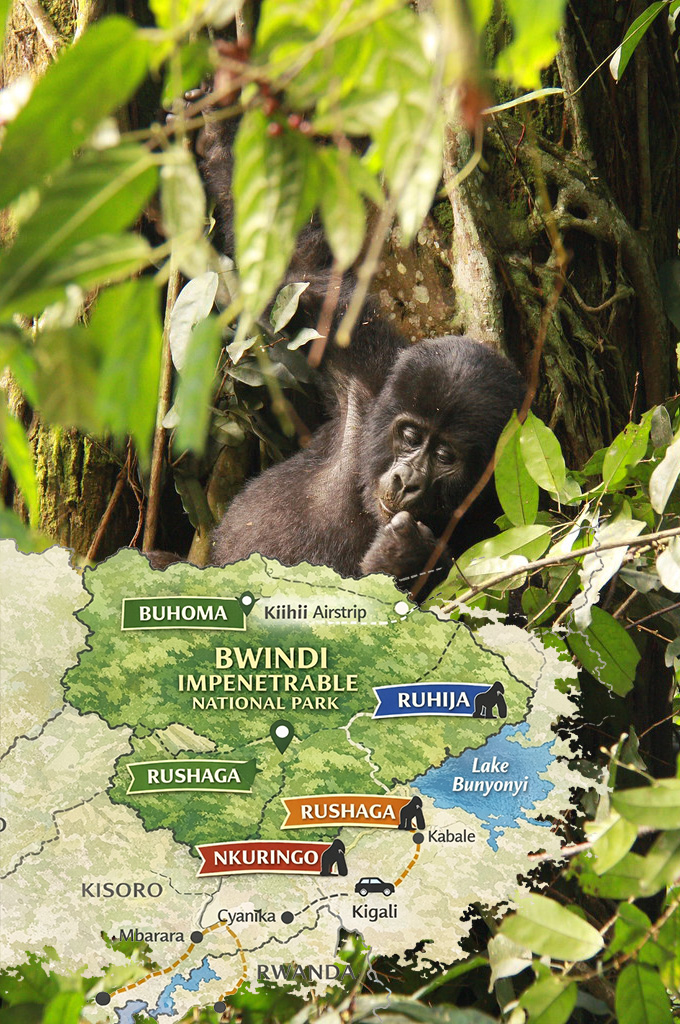
Bwindi Sectors
Bwindi Sectors
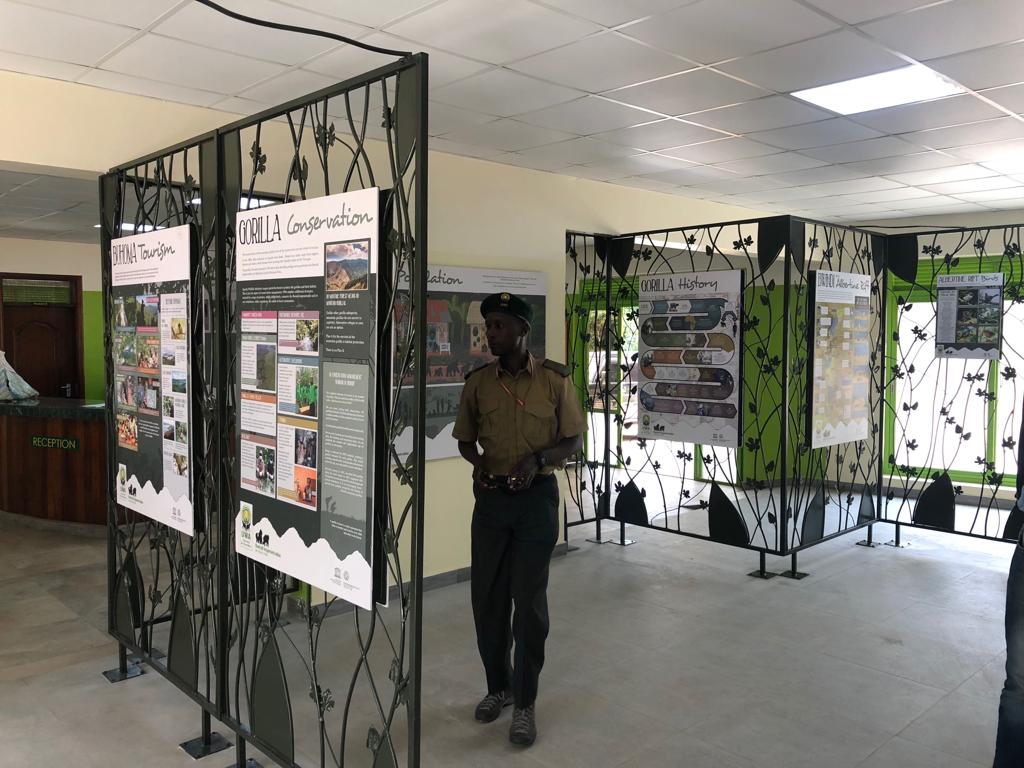
Bwindi Visitor Centres
Bwindi Visitor Centres
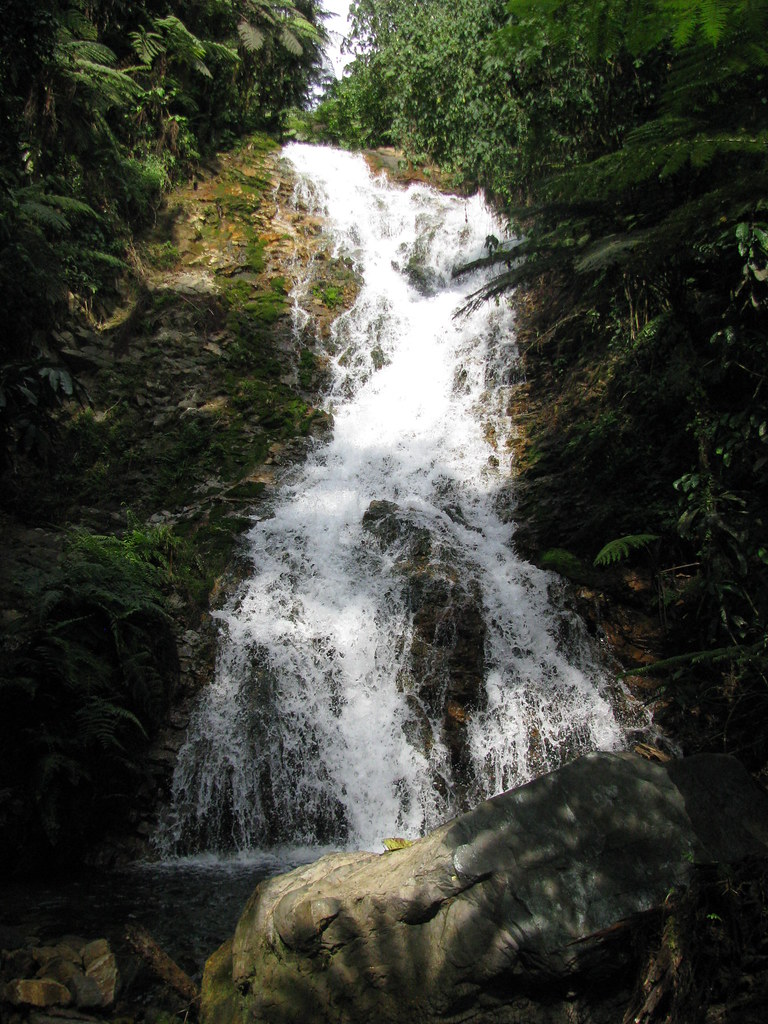
Bwindi Waterfalls
Bwindi Waterfalls
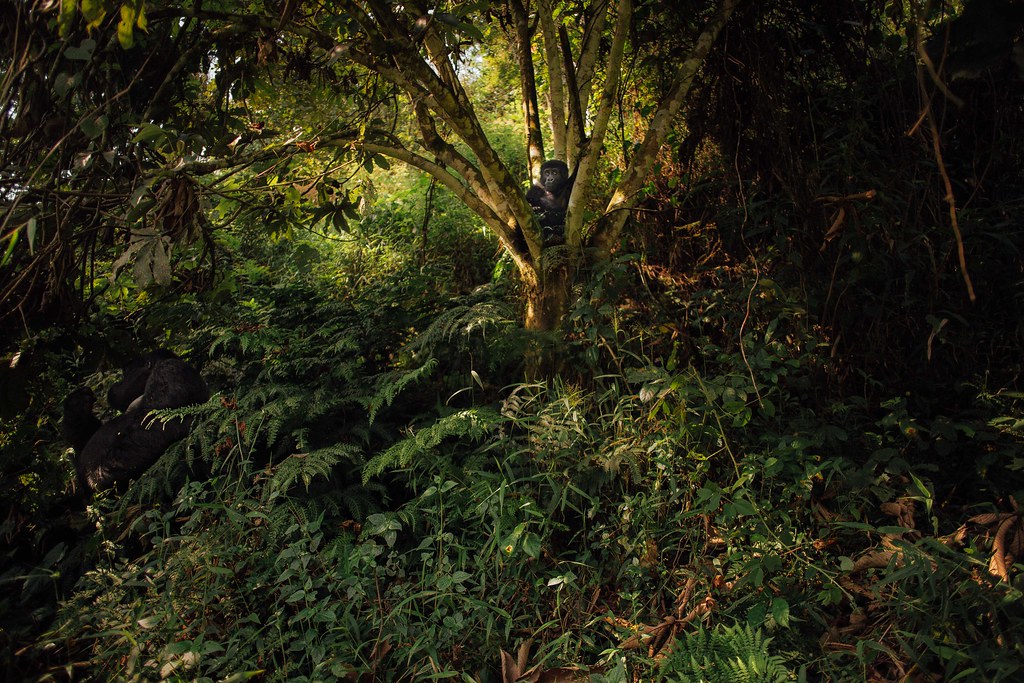
Bwindi Impenetrable Forest
Bwindi Impenetrable Forest
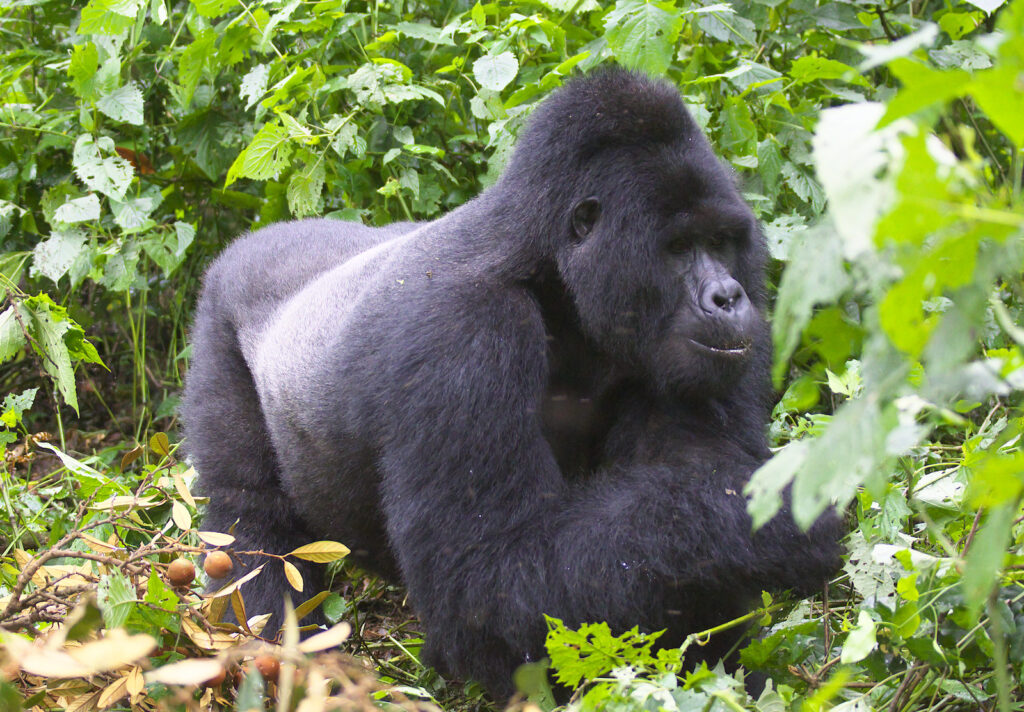
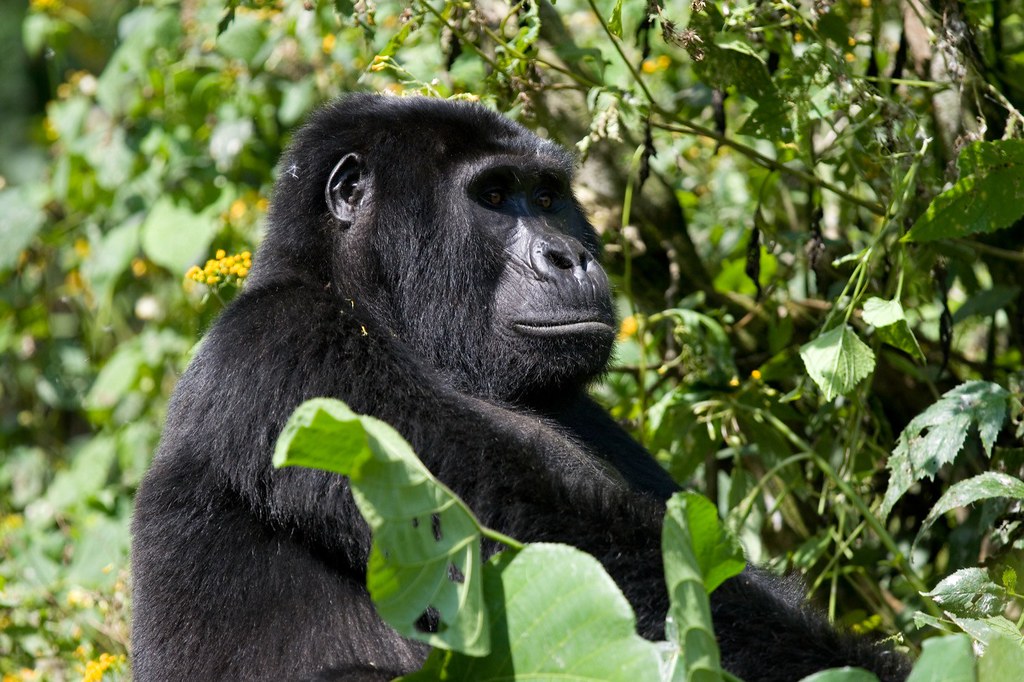
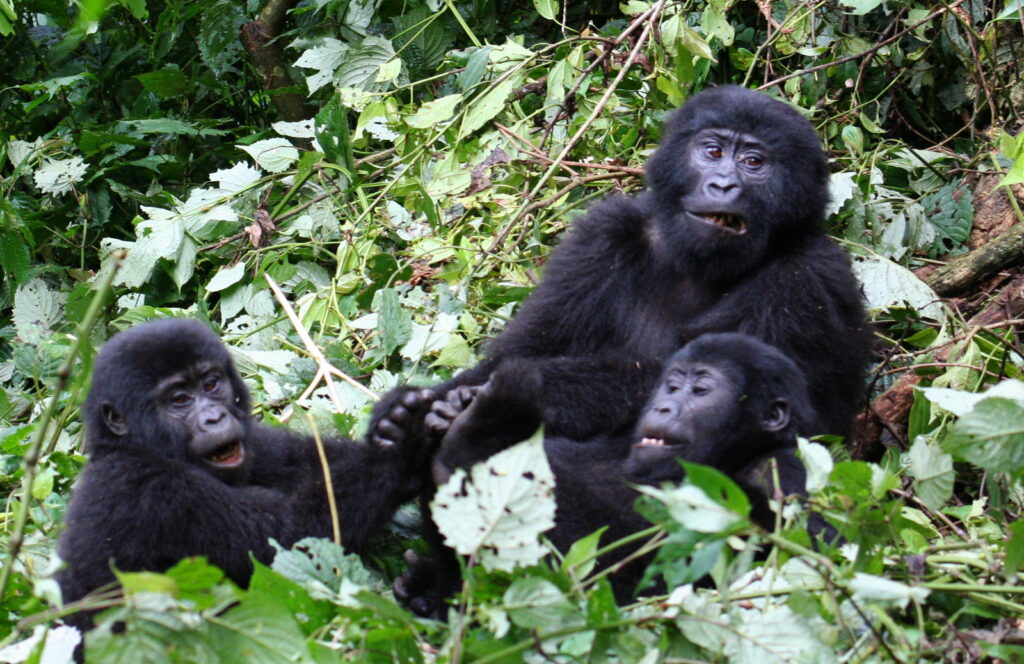
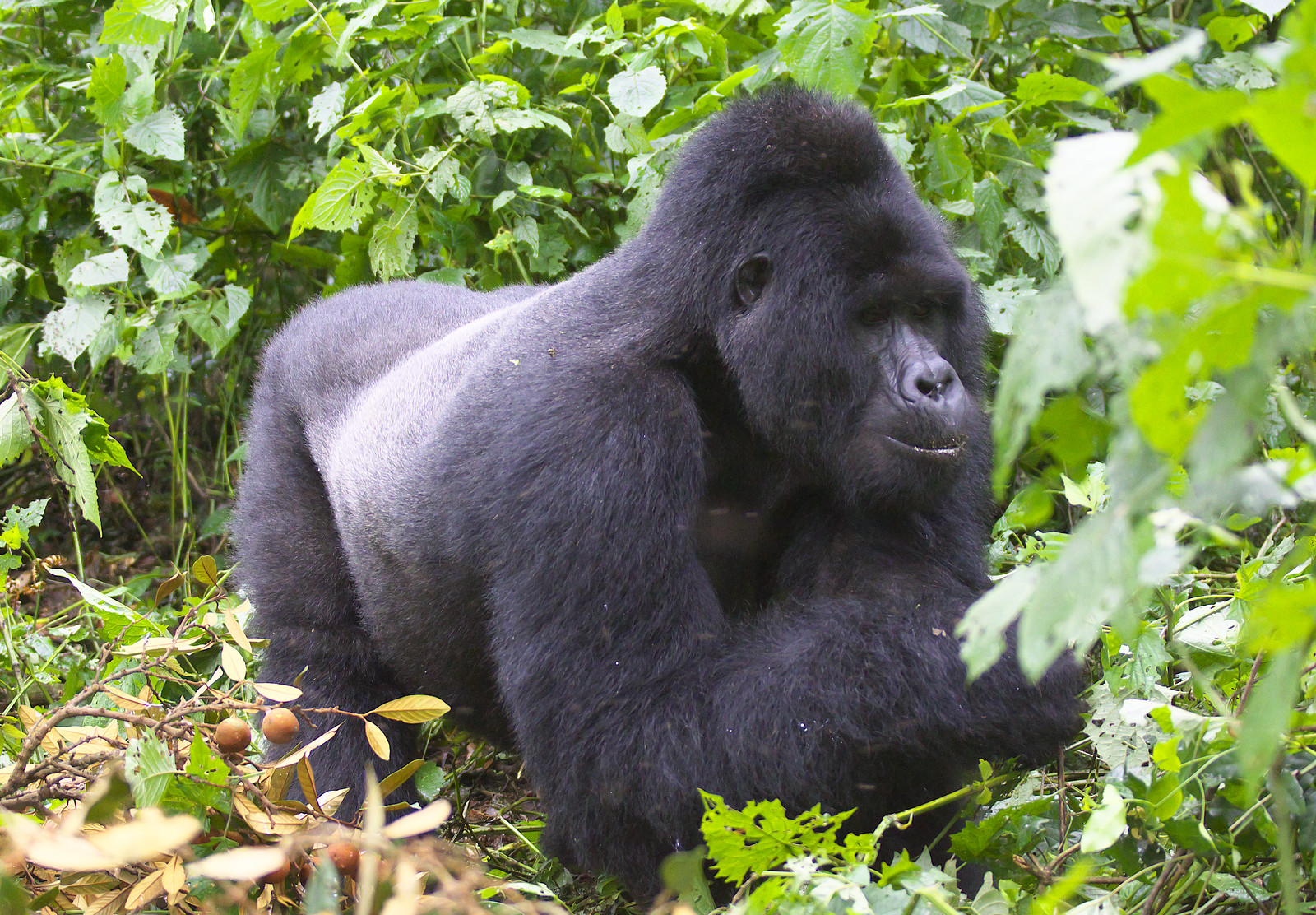
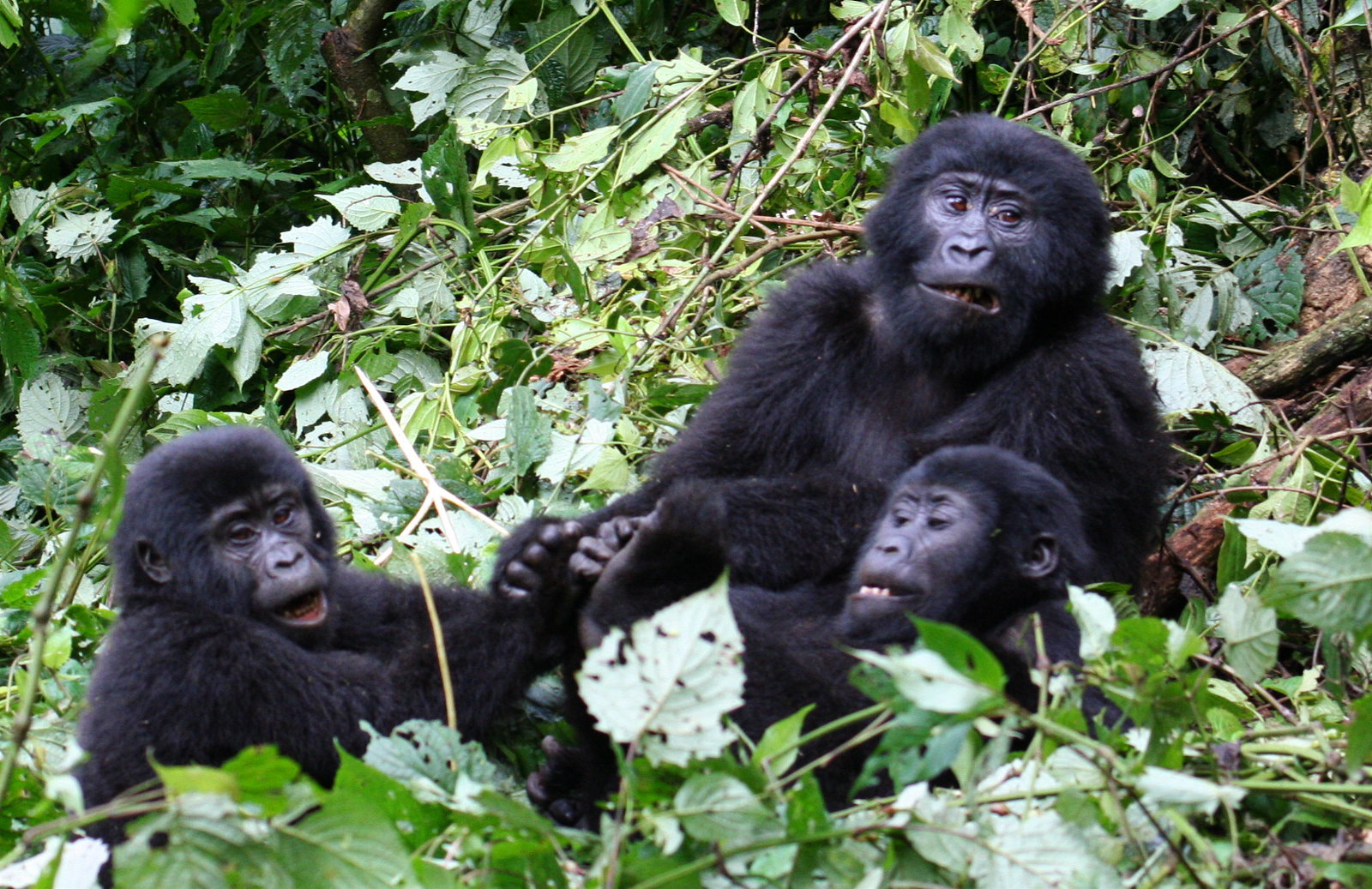
In the Realm of Giants – Bwindi & Mgahinga in Frames.
Wander through an elegant gallery capturing Uganda’s most exclusive gorilla sanctuaries, where ancient forests cradle the last mountain gorillas in a world of mist, mystery, and majesty.
Essential Planning Tips for Visiting Uganda’s National Parks.
Get ready for the wild heart of Africa with expert travel tips on when to visit, what to pack, where to go, and how to make the most of your safari across Uganda’s breathtaking national parks.
Why Uganda for Gorilla Trekking?
Uganda is not just a destination — it's the very soul of gorilla trekking. With over half of the world’s remaining mountain gorillas calling its misty forests home, Uganda offers the rarest encounters in their most authentic setting. Here, your journey is not rushed or crowded. Instead, you’re guided by experienced rangers through pristine jungles where gorillas live as they always have — wild, free, and magnificent
From insider travel insights to unforgettable trekking guides, our blog is your trusted path into Uganda’s wild heart — connecting you with mountain gorillas, breathtaking landscapes, and the soul-stirring adventures that make this land unlike any other.