Kibale National Park Geography
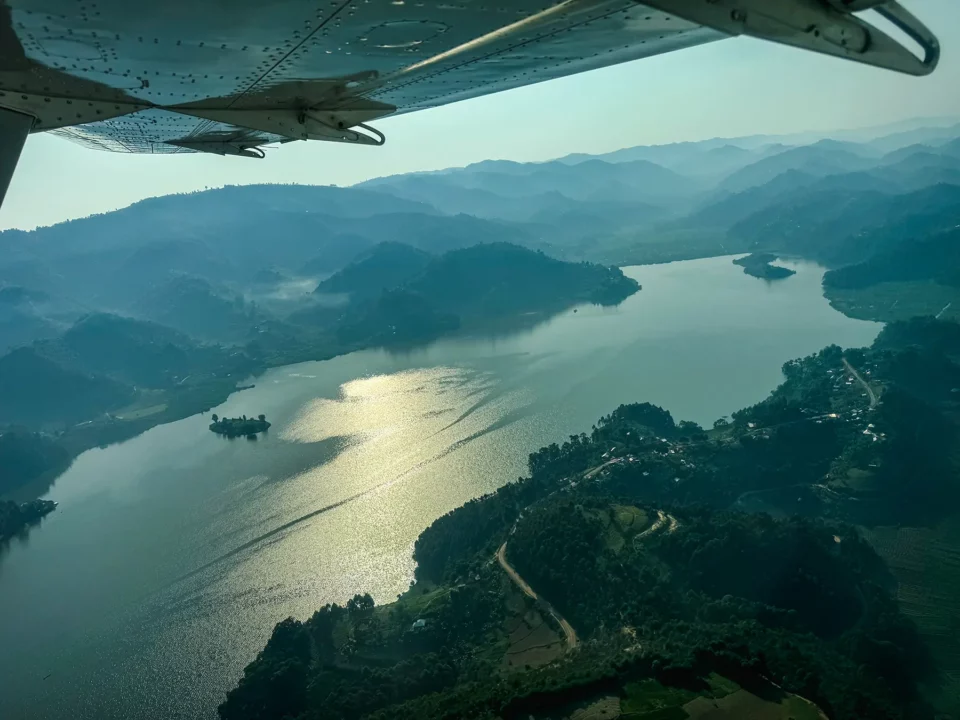
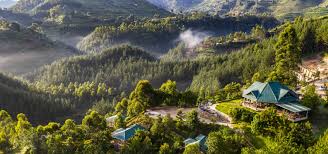
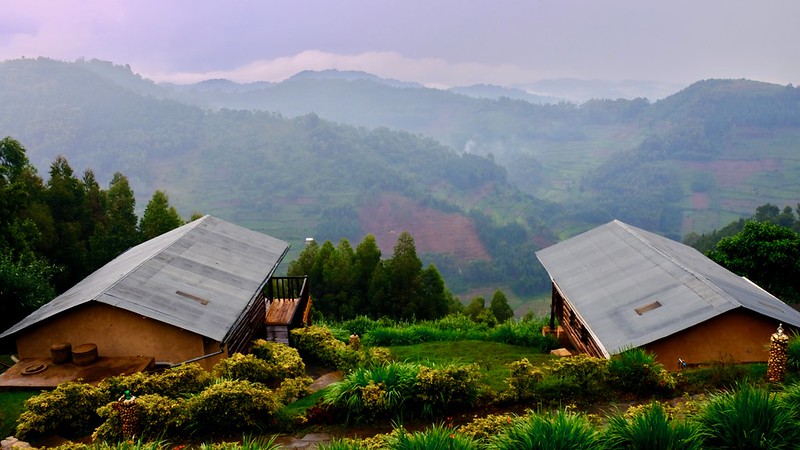
Kibale National Park’s geography presents a striking combination of lowland rainforests, rolling hills, wetlands, and regenerating forests, forming a highly diverse and dynamic ecosystem. Understanding Kibale geography reveals how these landscapes support an extraordinary variety of wildlife, including primates, birds, amphibians, and aquatic species, while interacting closely with climate, hydrology, and human activity.
Topography and Landscape
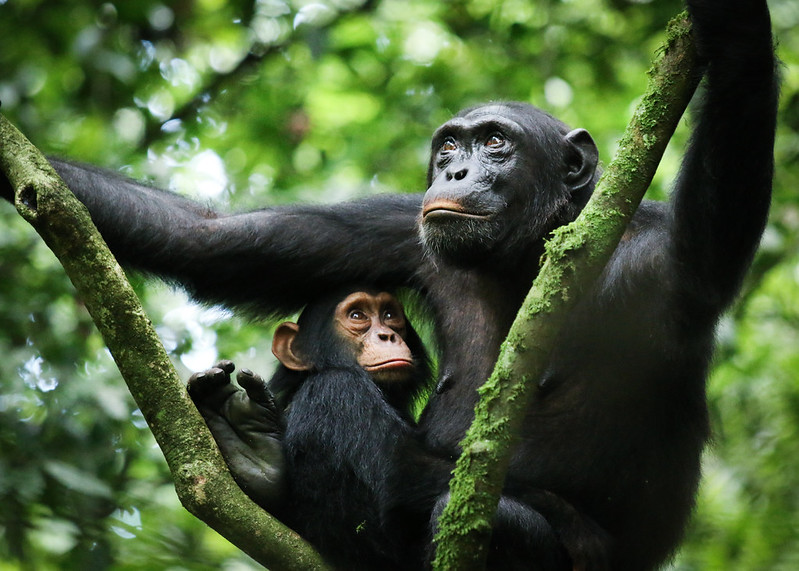
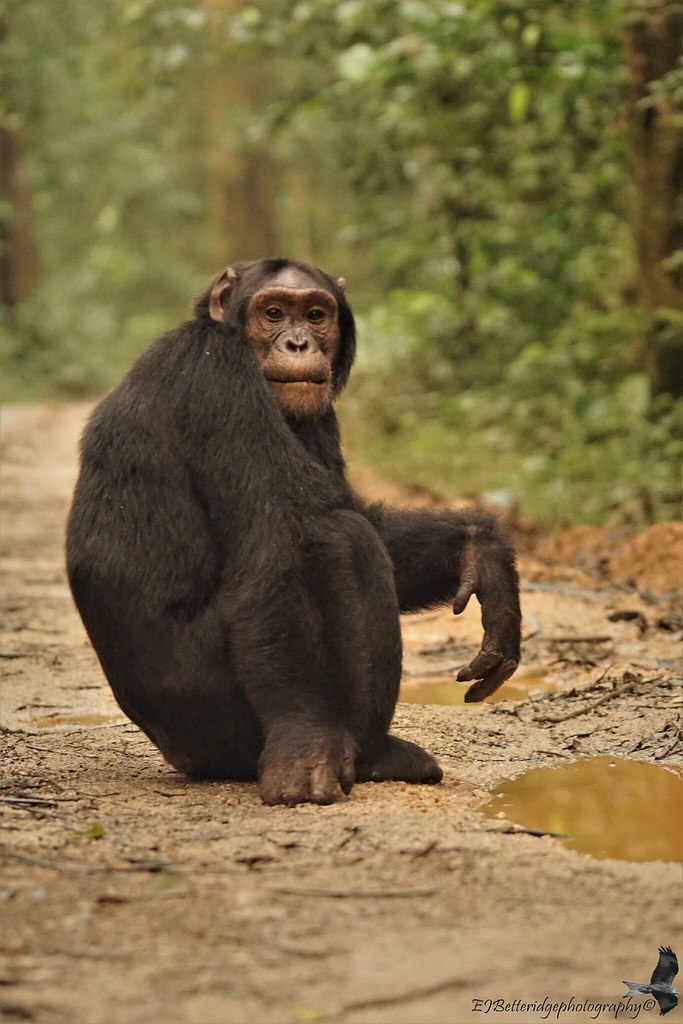
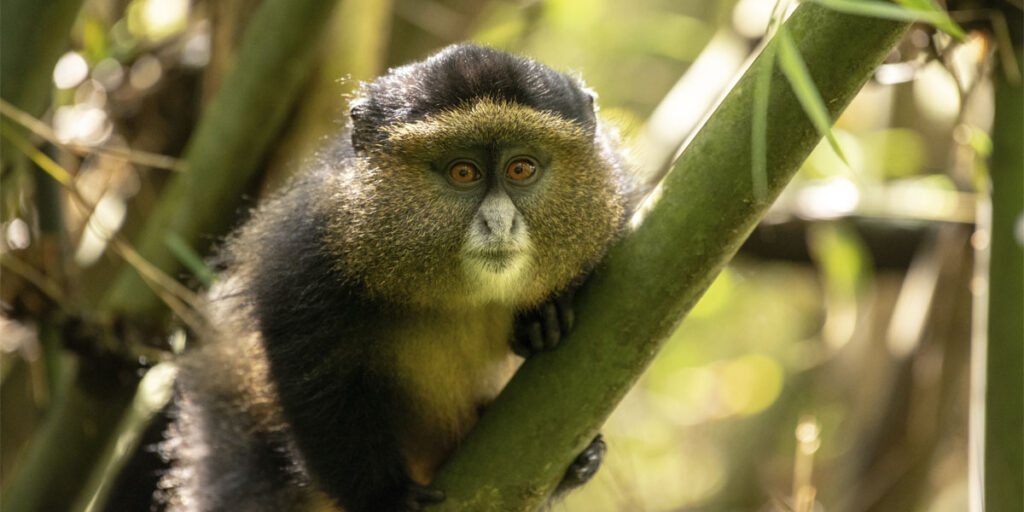
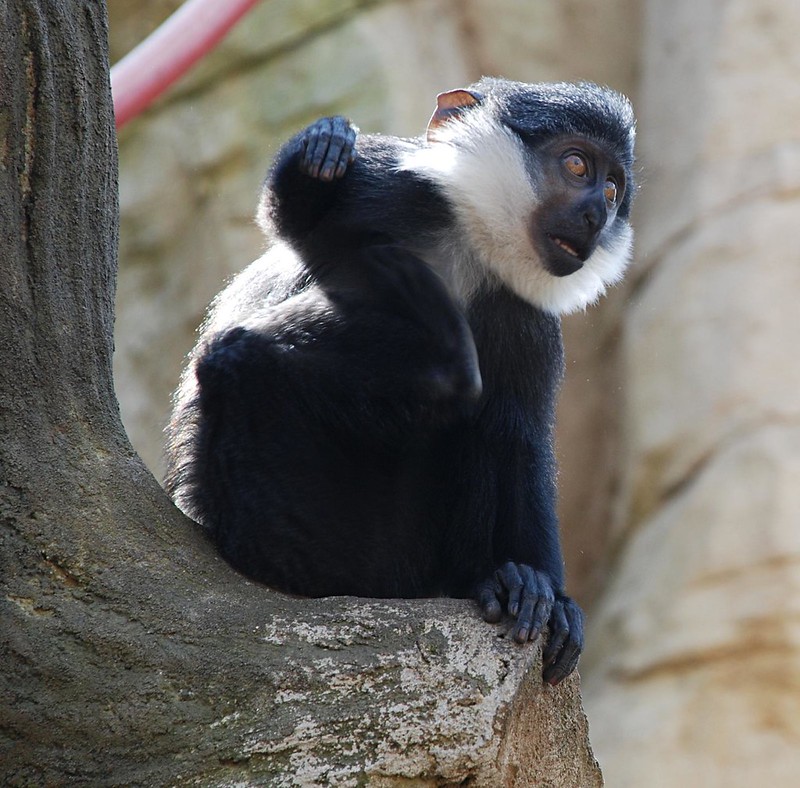
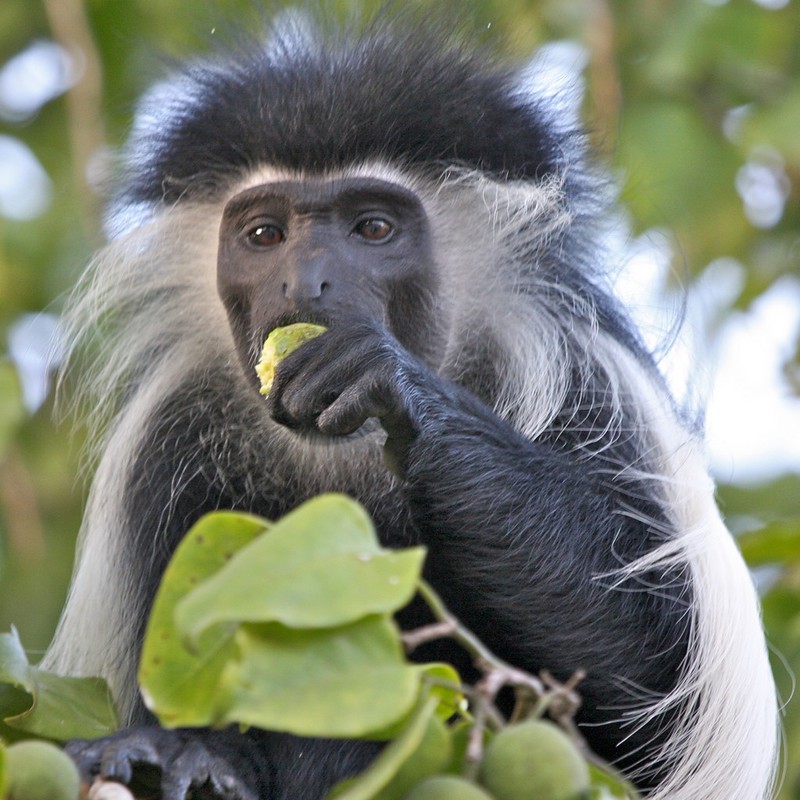
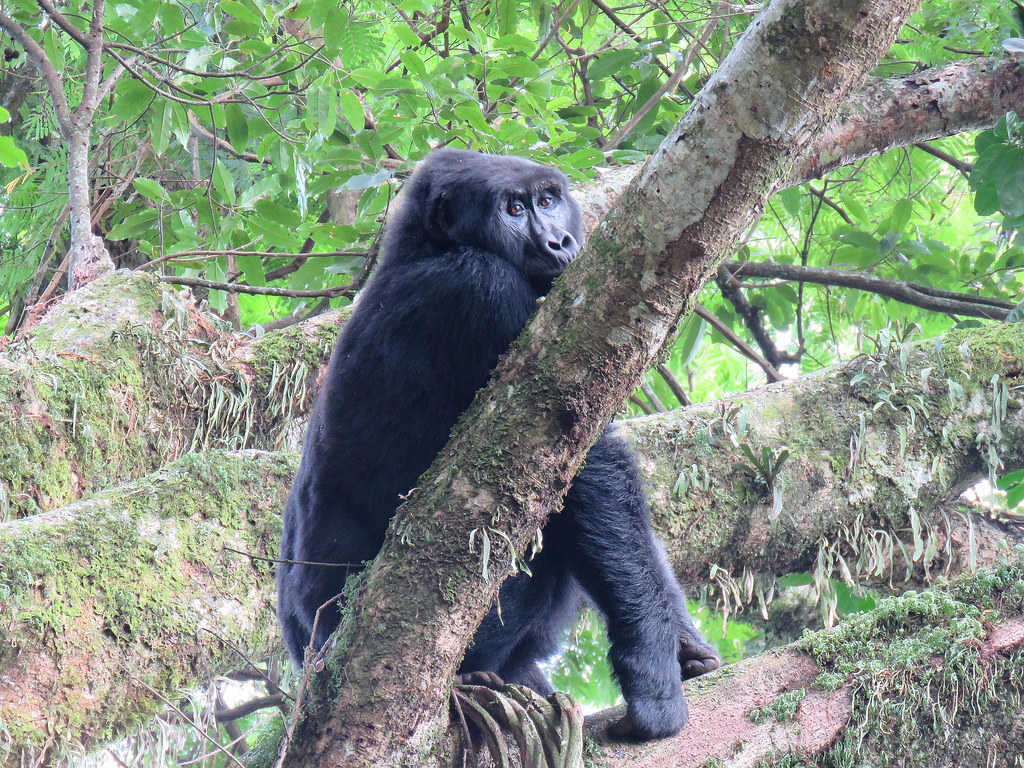
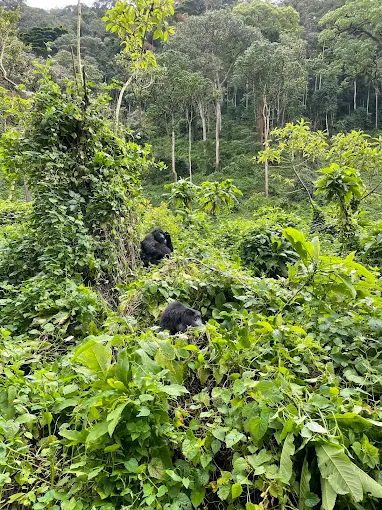
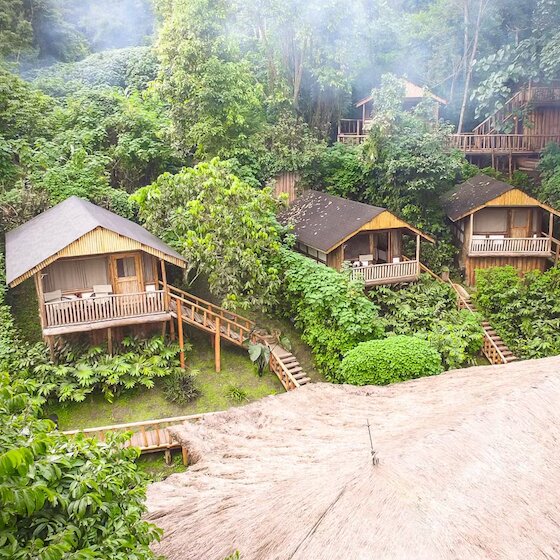
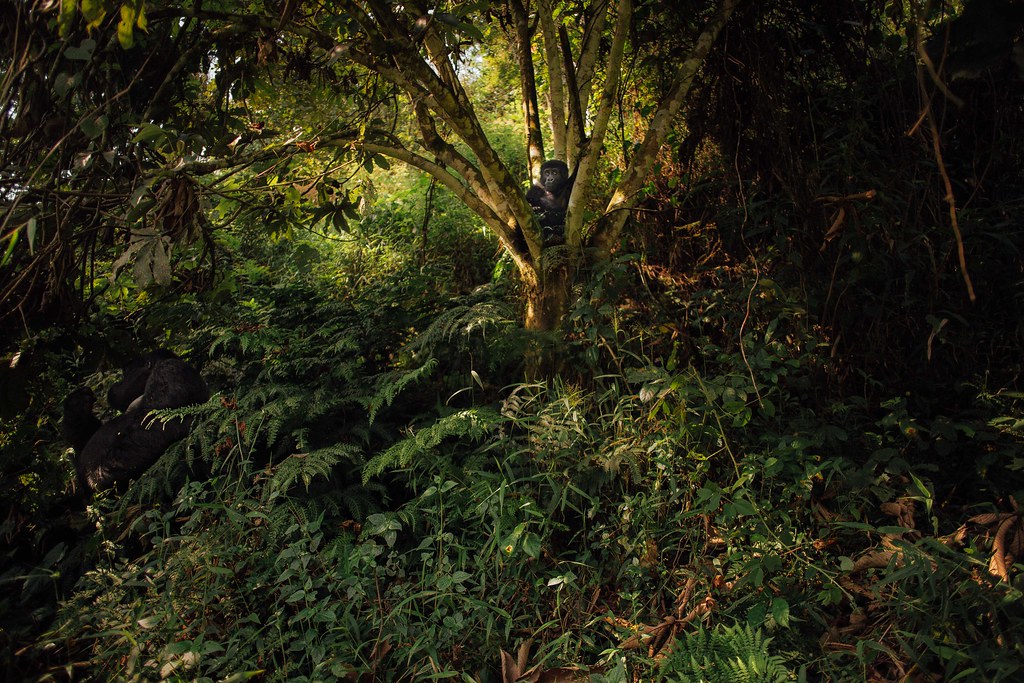
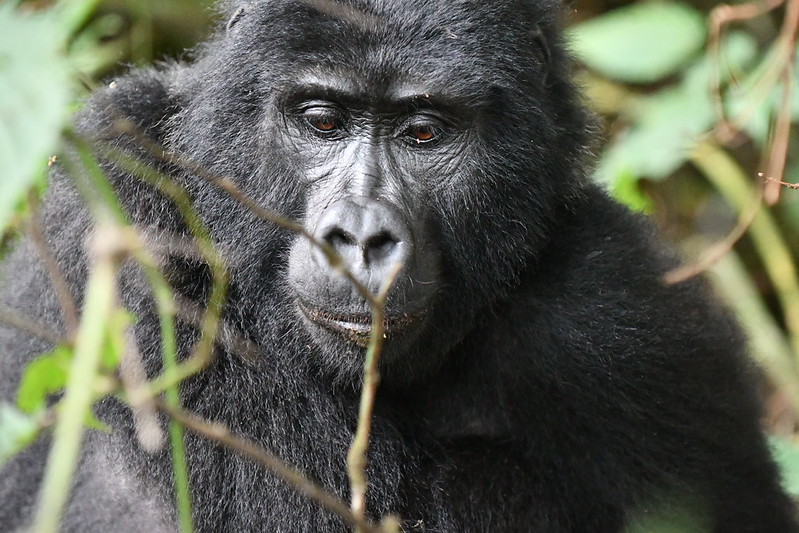
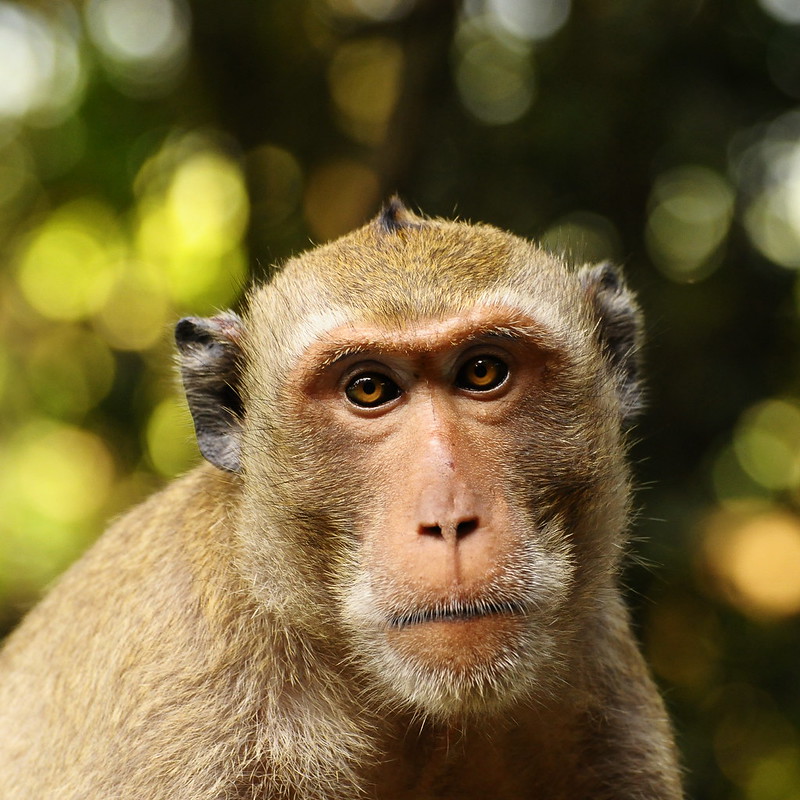
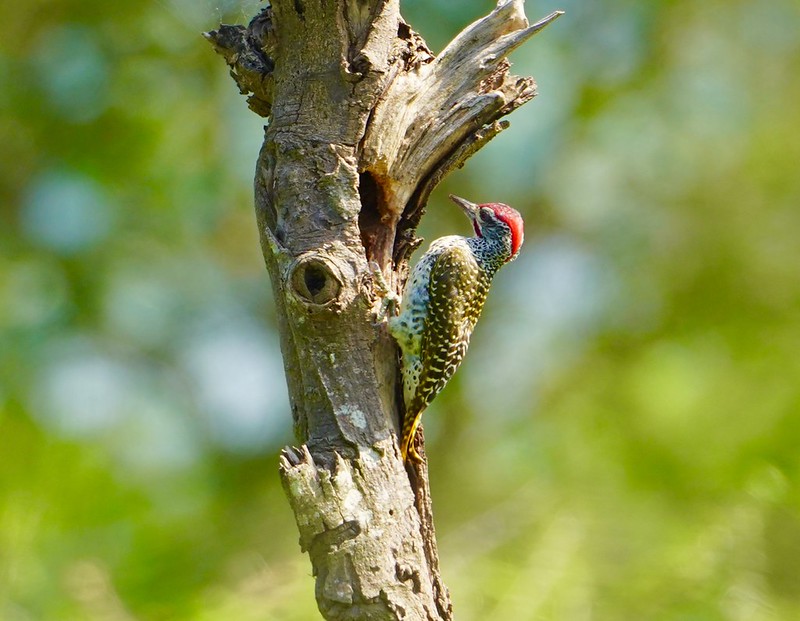
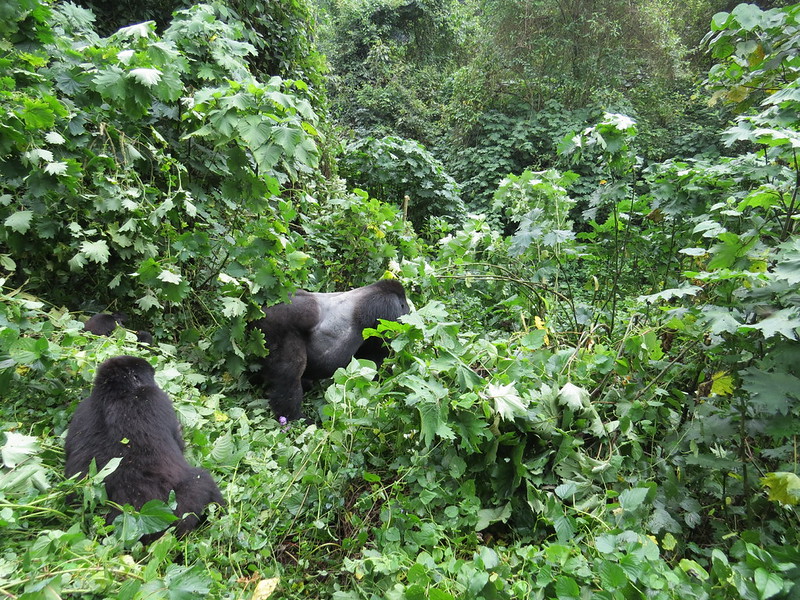
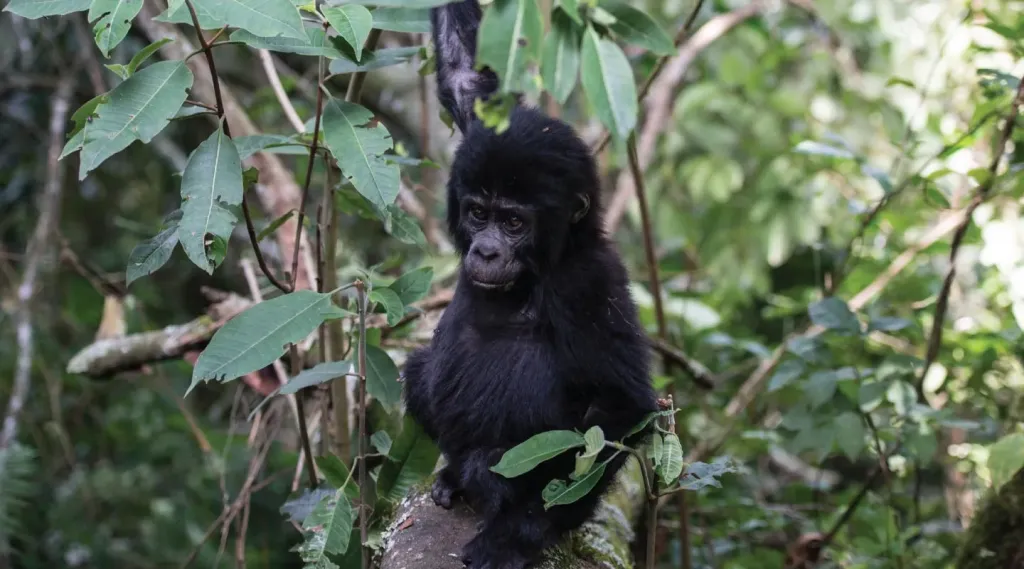
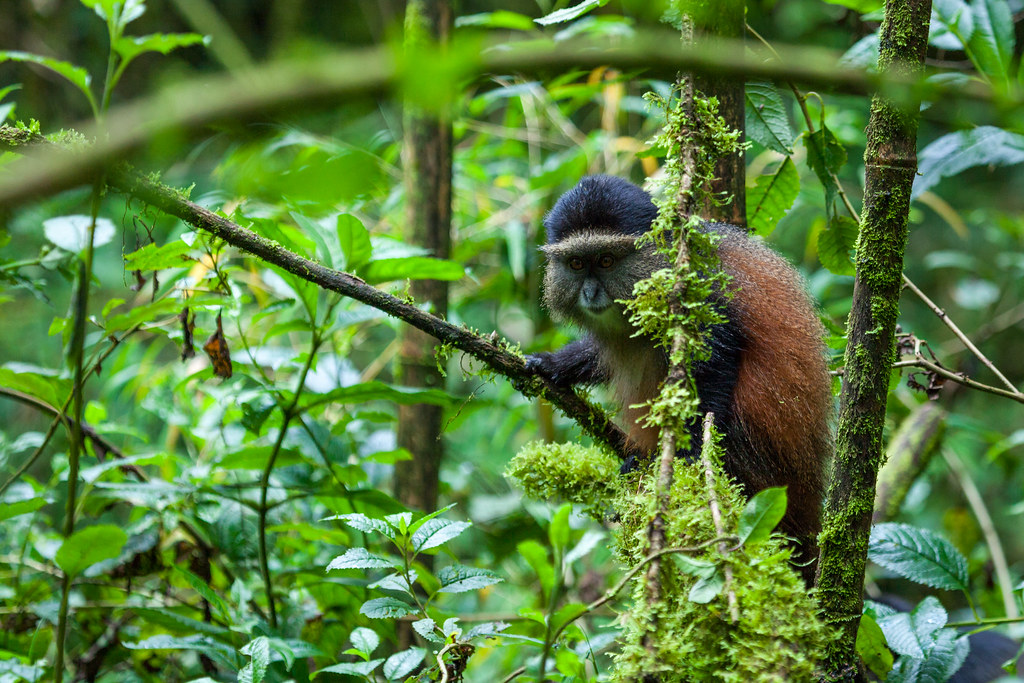
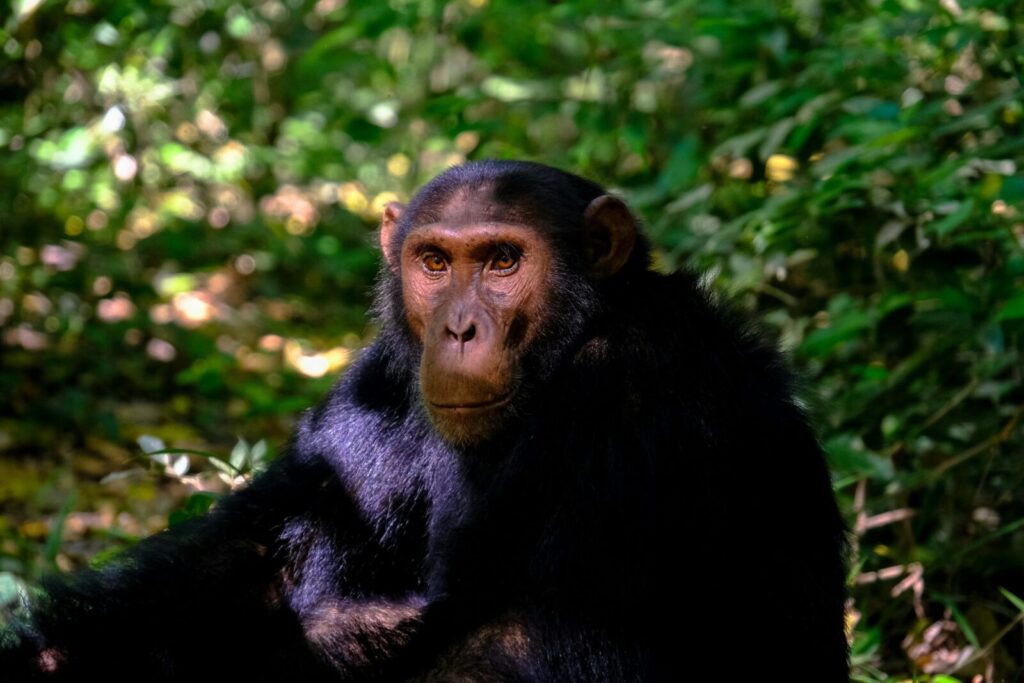
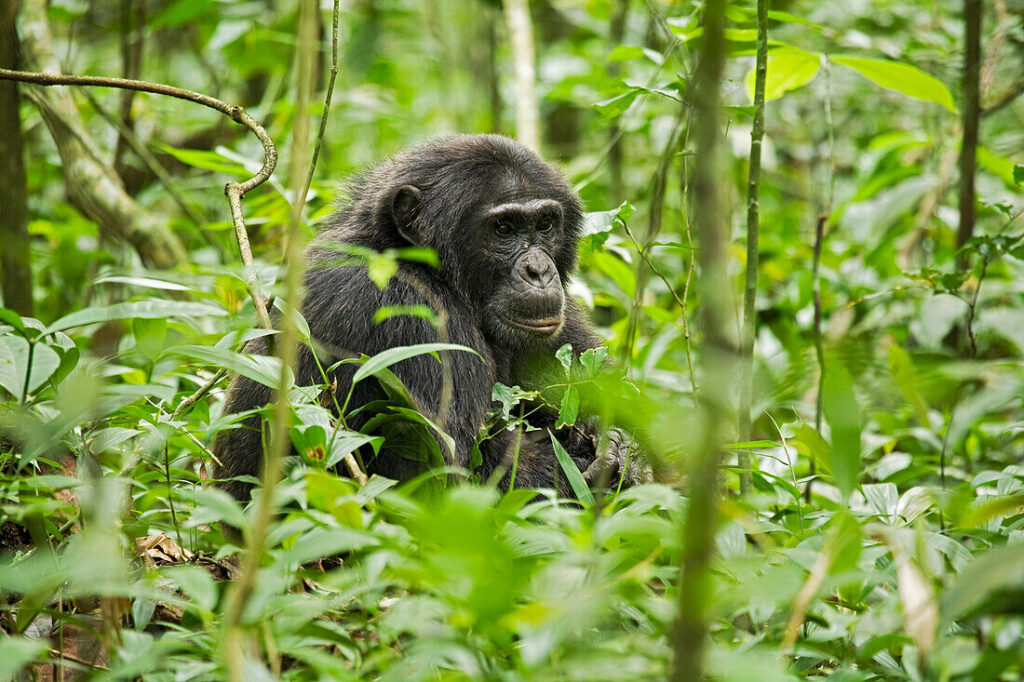
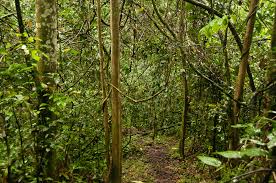
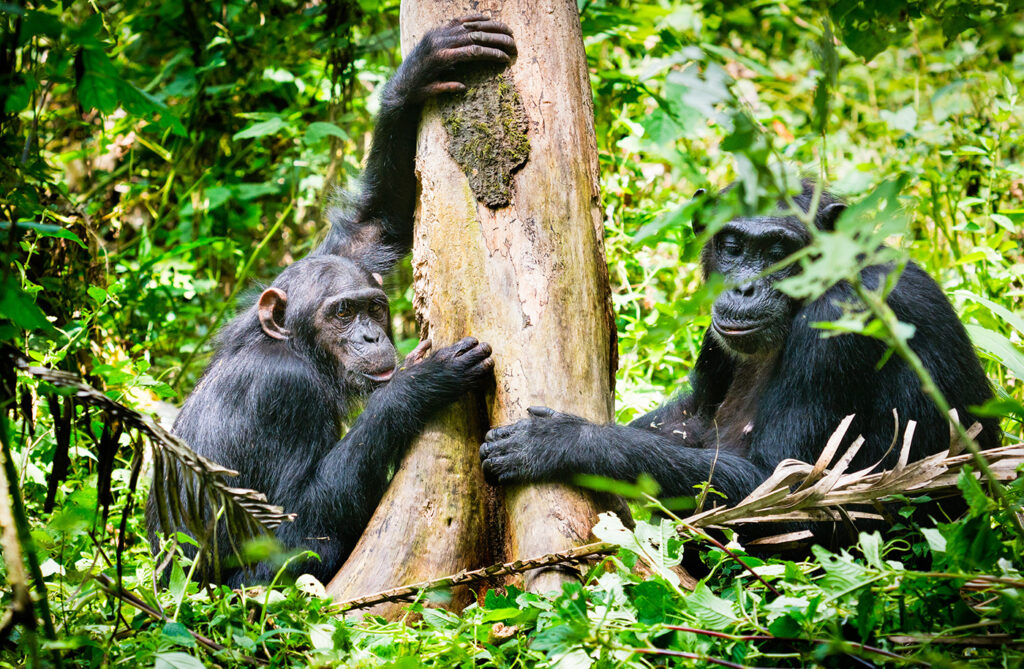
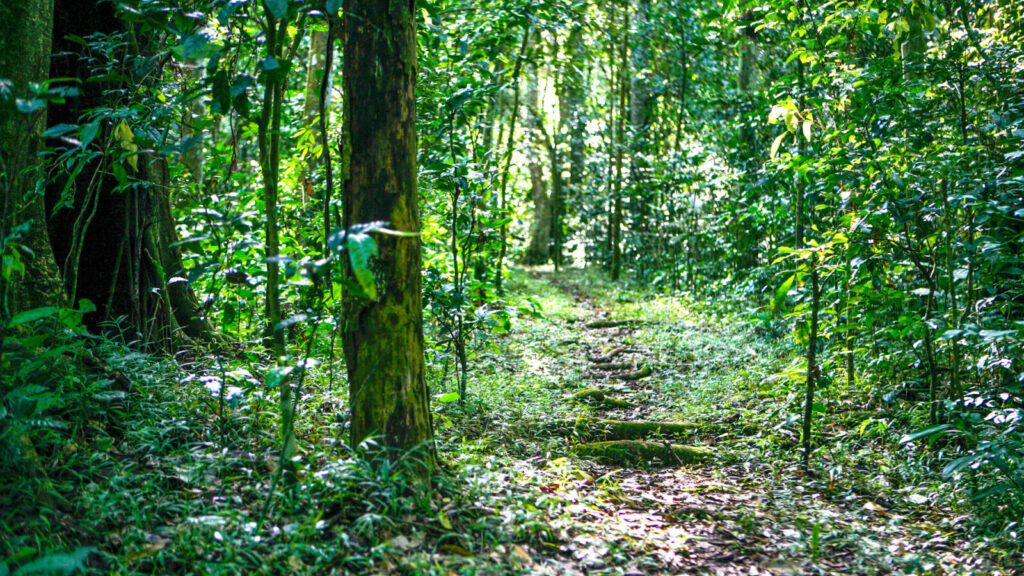
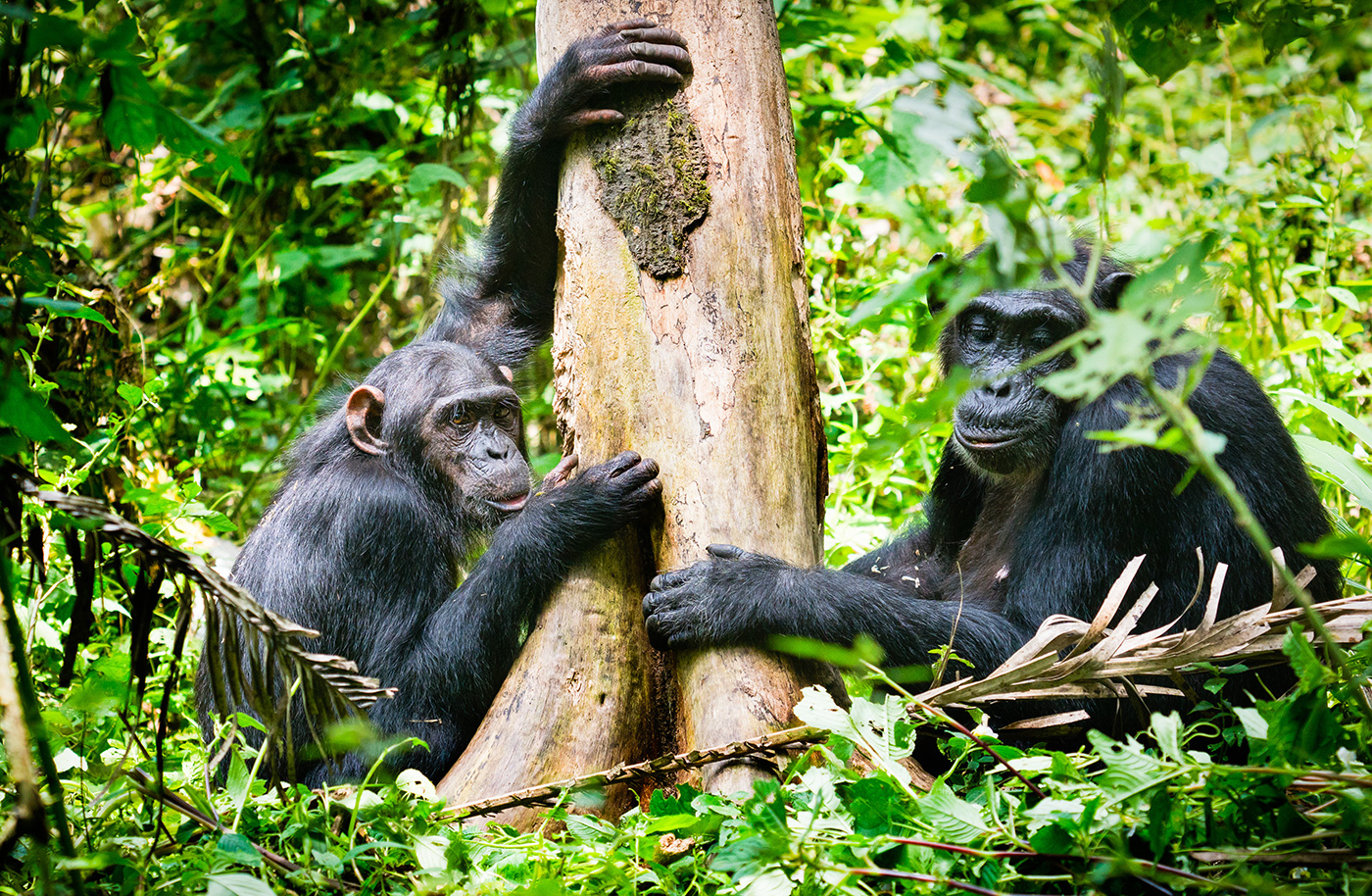
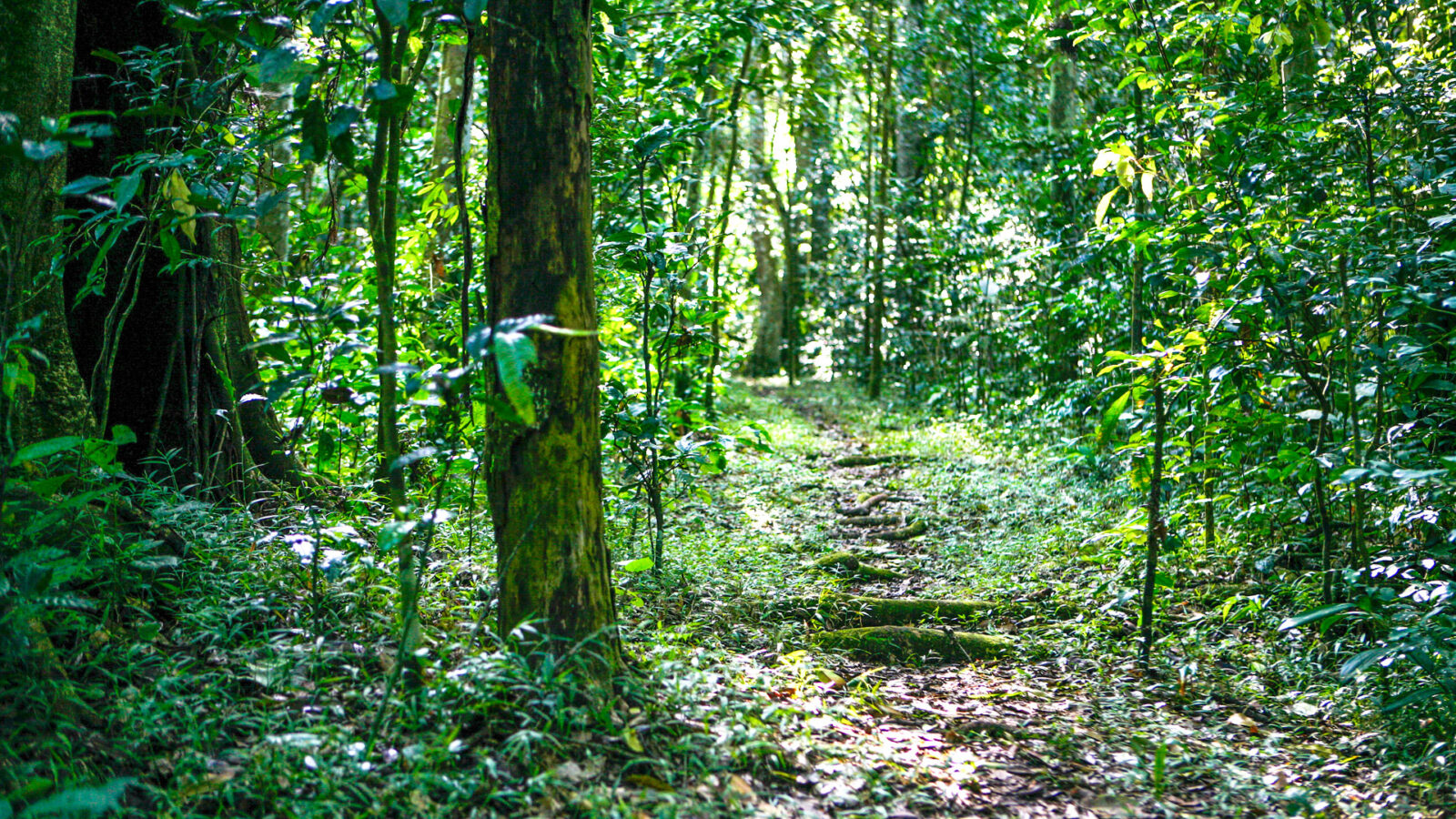
The park’s lowland rainforests dominate much of the terrain, creating dense, evergreen canopies that shelter chimpanzees, red-tailed monkeys, black-and-white colobus monkeys, and numerous bird species. Shaded understory areas sustain ferns, mosses, orchids, and other plants that thrive in high humidity.
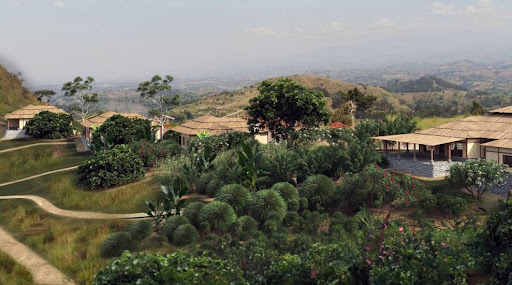
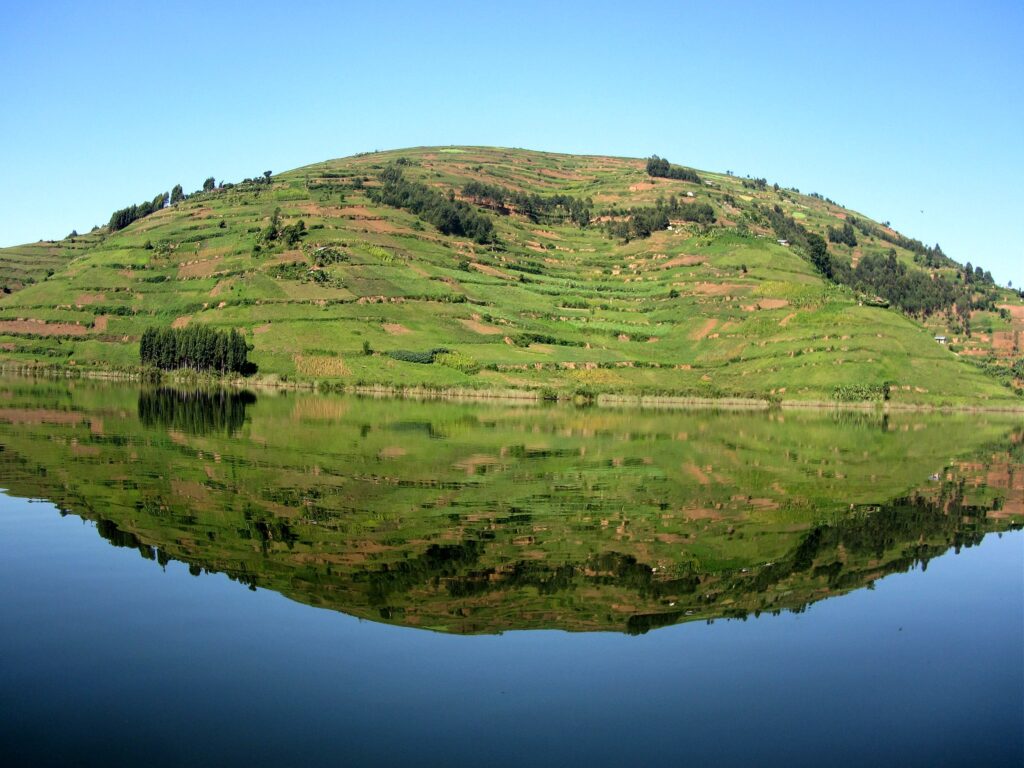
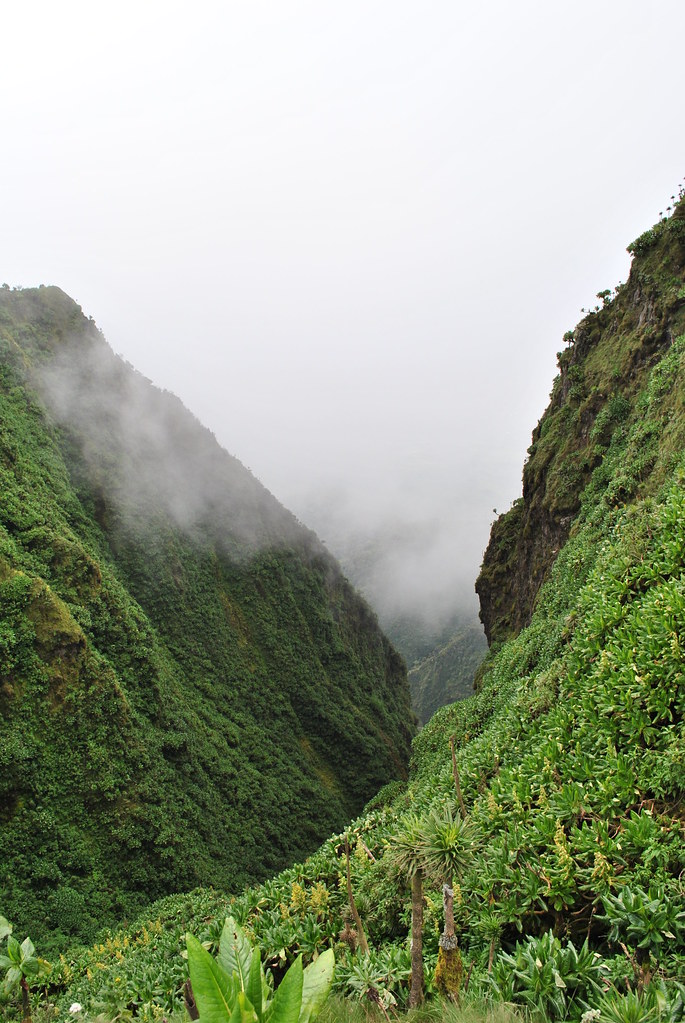
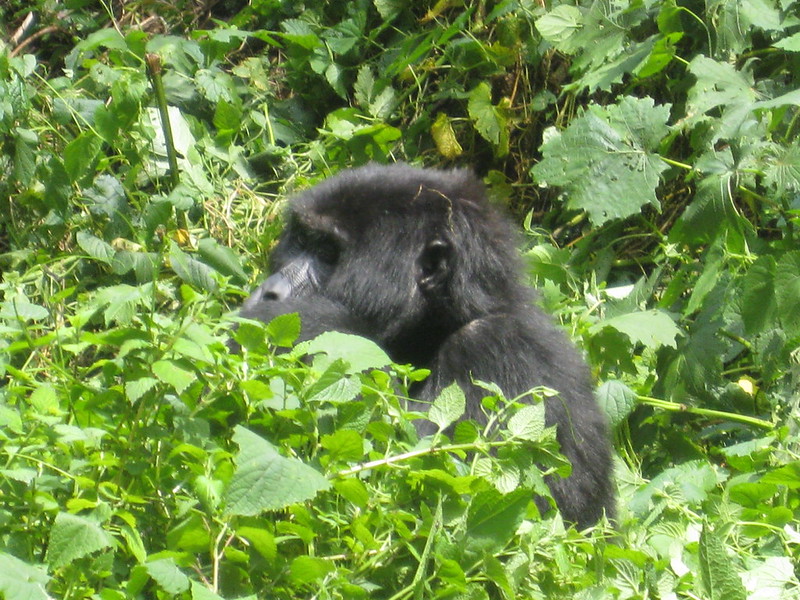
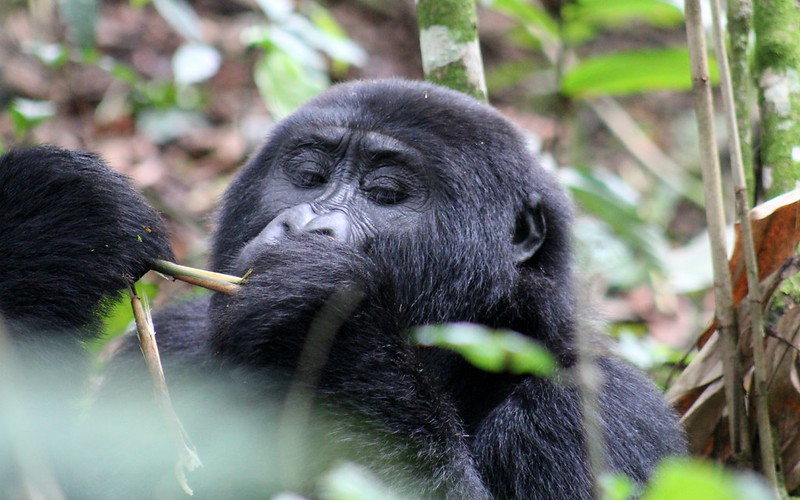
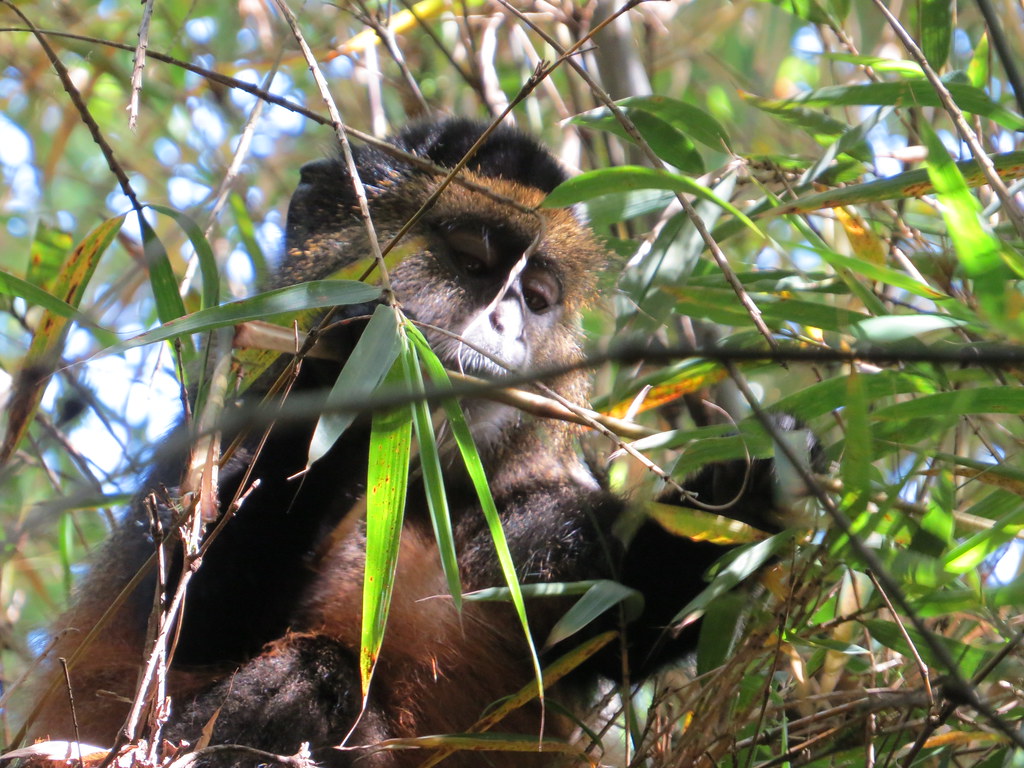
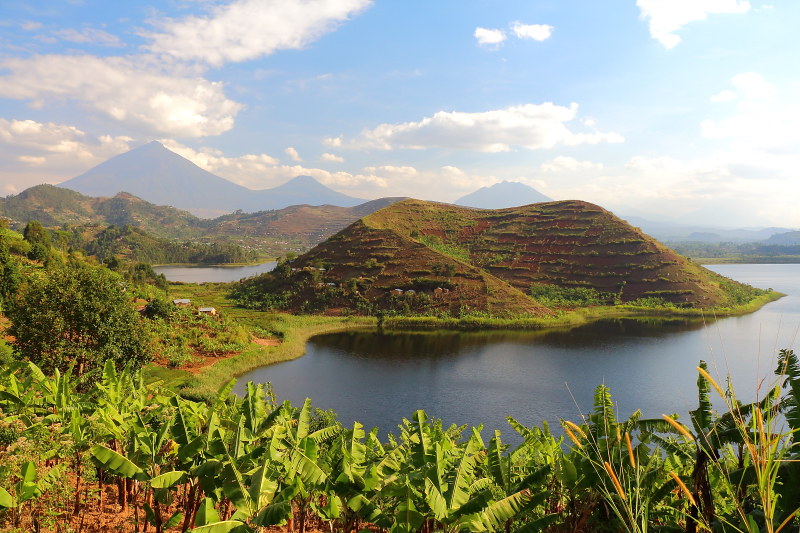
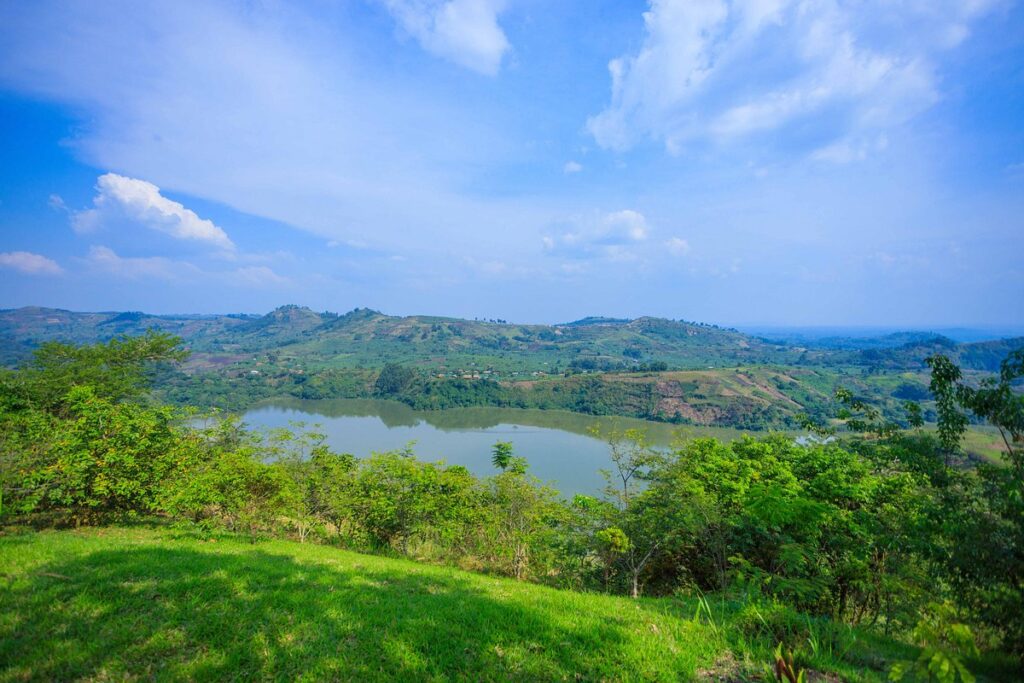
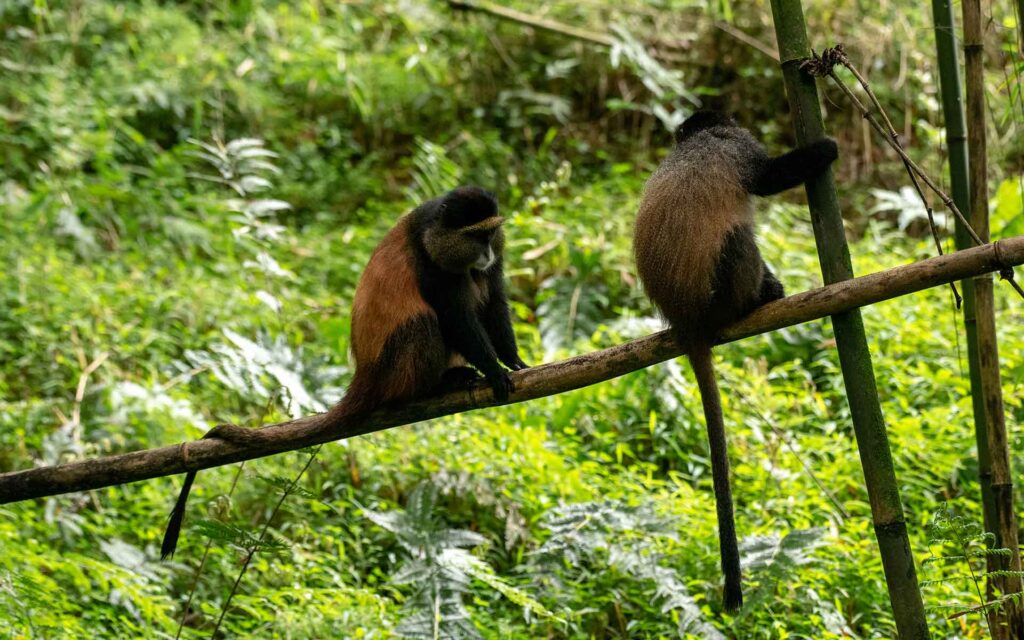
Rolling hills and gentle slopes are interspersed throughout the forest, preventing waterlogging, reducing soil erosion, and maintaining fertile soils. These elevated areas allow for natural forest regeneration and provide movement corridors for terrestrial wildlife. Bamboo groves and open grasslands appear in secondary forest zones and regenerating areas, supporting diverse plant species and creating habitats for smaller mammals, insects, and ground-dwelling birds.
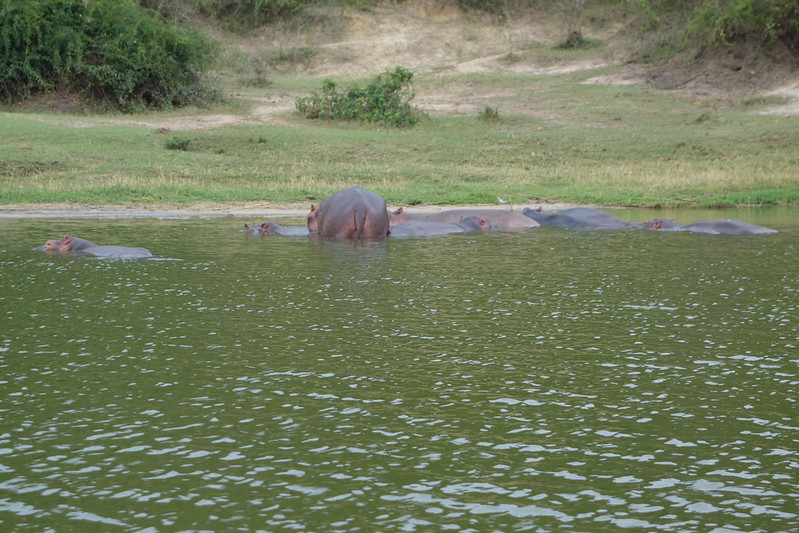
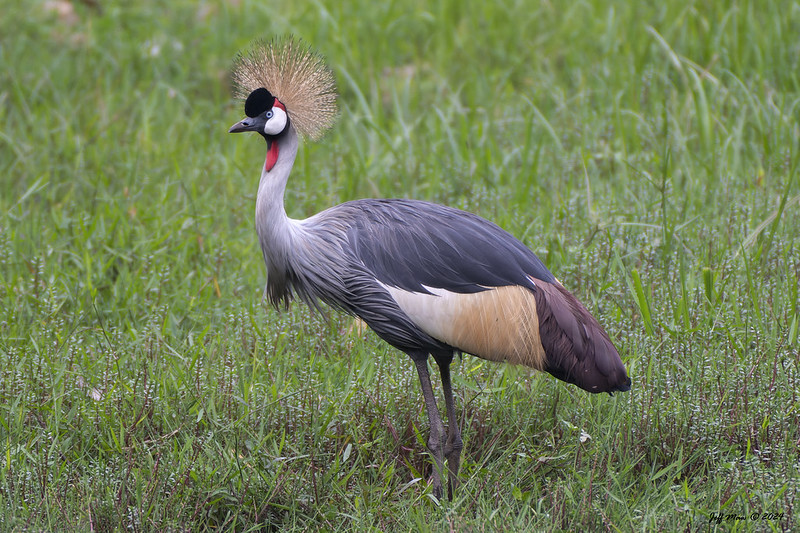
Swampy wetlands, particularly around Bigodi and along forest streams, support papyrus, sedges, and aquatic vegetation. These wetlands serve as crucial habitats for amphibians, wetland birds, and aquatic invertebrates. They also act as natural water regulators, reducing flooding and maintaining hydrological balance within the forest ecosystem.
Water Systems and Hydrology
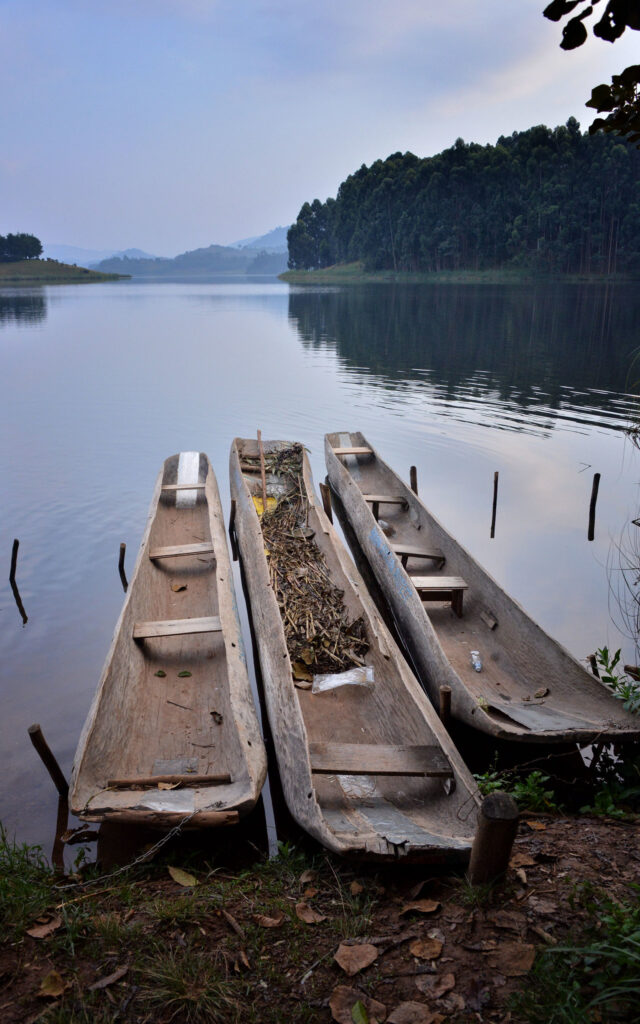
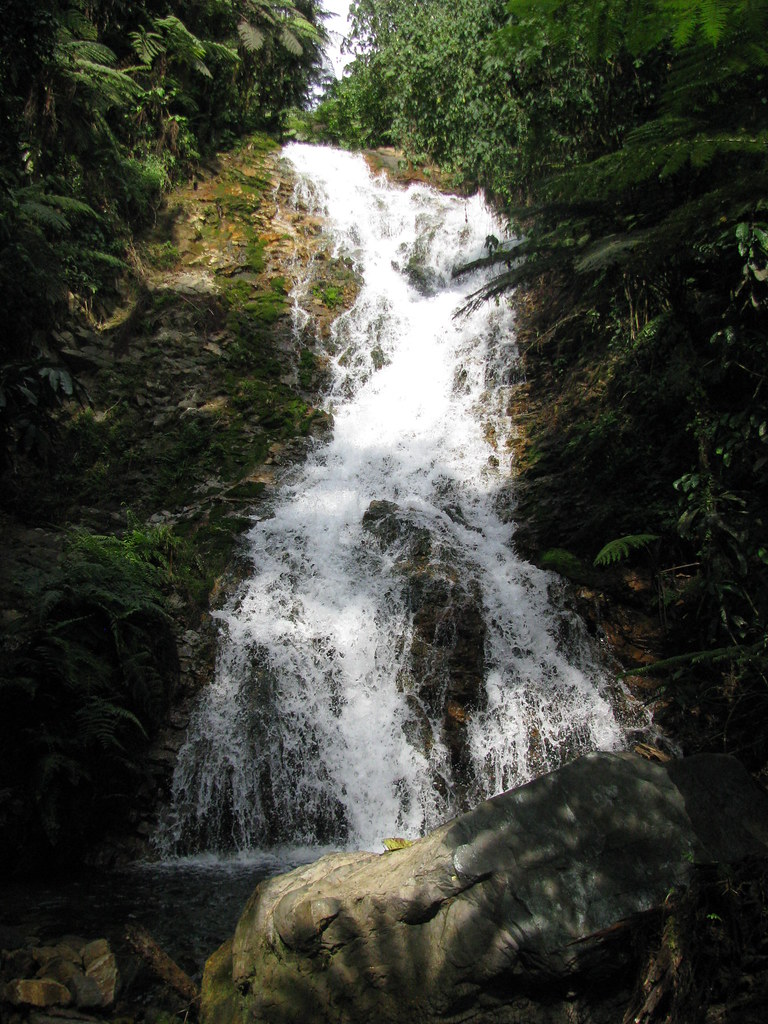
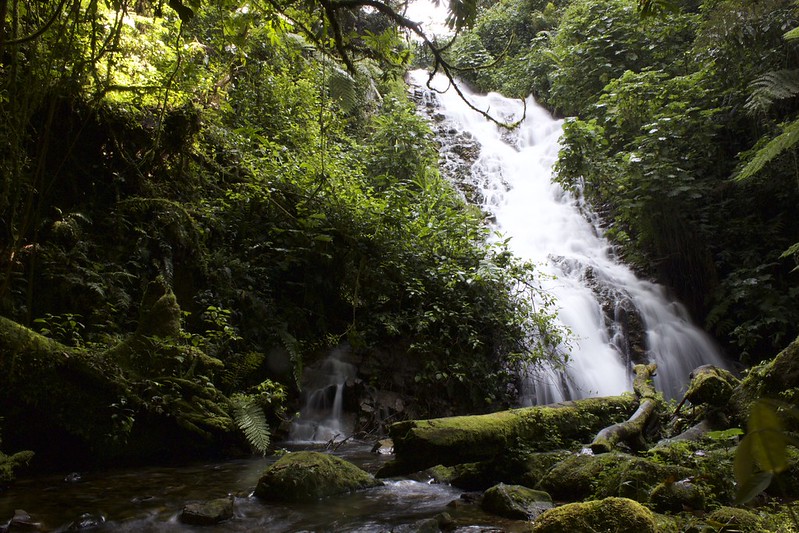
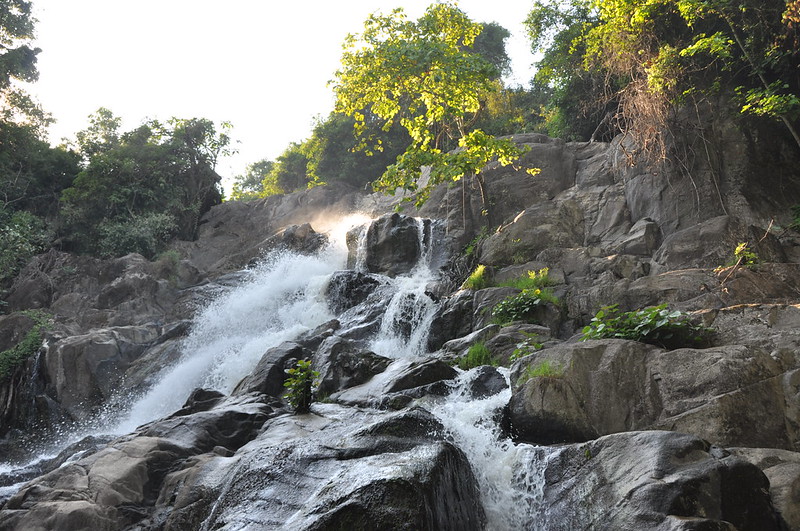
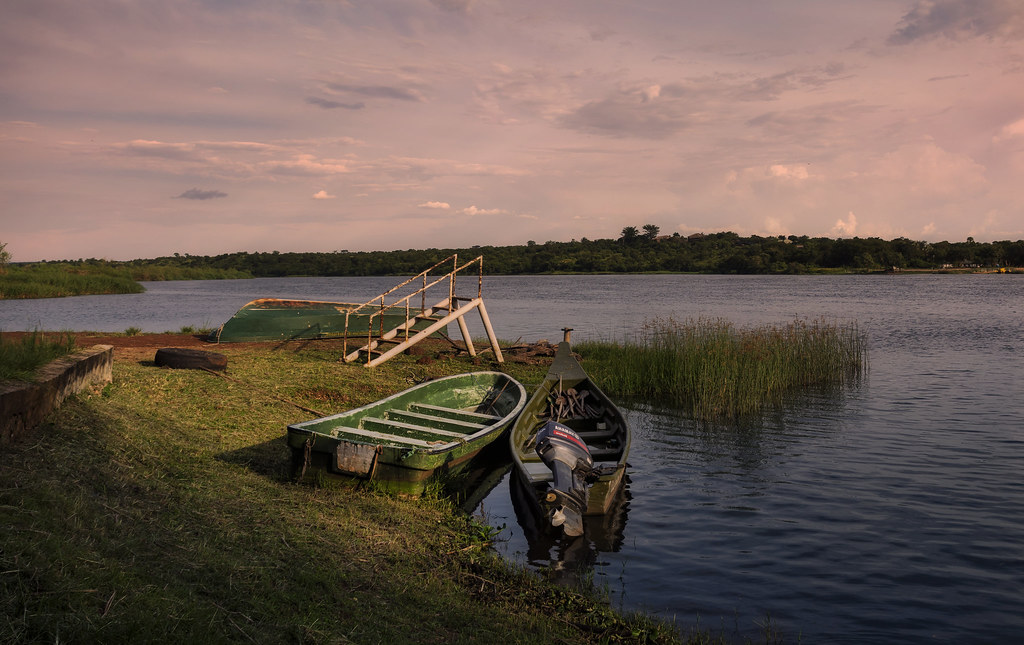
Rivers and streams, including the R. Nkuba and its tributaries, weave through the park, carving valleys and nourishing both forest and wetland habitats. Small crater lakes, ponds, and wetland patches increase habitat complexity, providing niches for rare plant and animal species. Flowing water supports aquatic plants, amphibians, and insects, which in turn provide food for primates, birds, and other wildlife.
The network of water bodies influences soil moisture, vegetation growth, and animal movement patterns. River valleys and stream edges often harbor lush vegetation that differs from the higher, drier slopes, creating distinct ecological zones. Wetlands adjacent to streams form transitional areas where aquatic and terrestrial species interact, adding to the ecological diversity observed in the park.
Climate and Its Influence on Geography
Kibale’s tropical climate interacts closely with its geography, creating conditions favorable to dense forest growth and wetland maintenance. High rainfall sustains the evergreen canopy, while humidity promotes undergrowth and supports a wide variety of species. Hilly terrain enhances drainage, preventing prolonged waterlogging and maintaining soil fertility.
Flora and fauna distributions are closely tied to these climatic and topographical variations. Valleys and lowland wetlands retain moisture and host swamp-adapted plants and animals, whereas hills and slopes support species adapted to slightly drier conditions. Seasonal variations in rainfall and temperature influence water flow in streams and rivers, shaping vegetation growth patterns and animal movement within different zones of the park.
Eco-Tourism and Trail Design
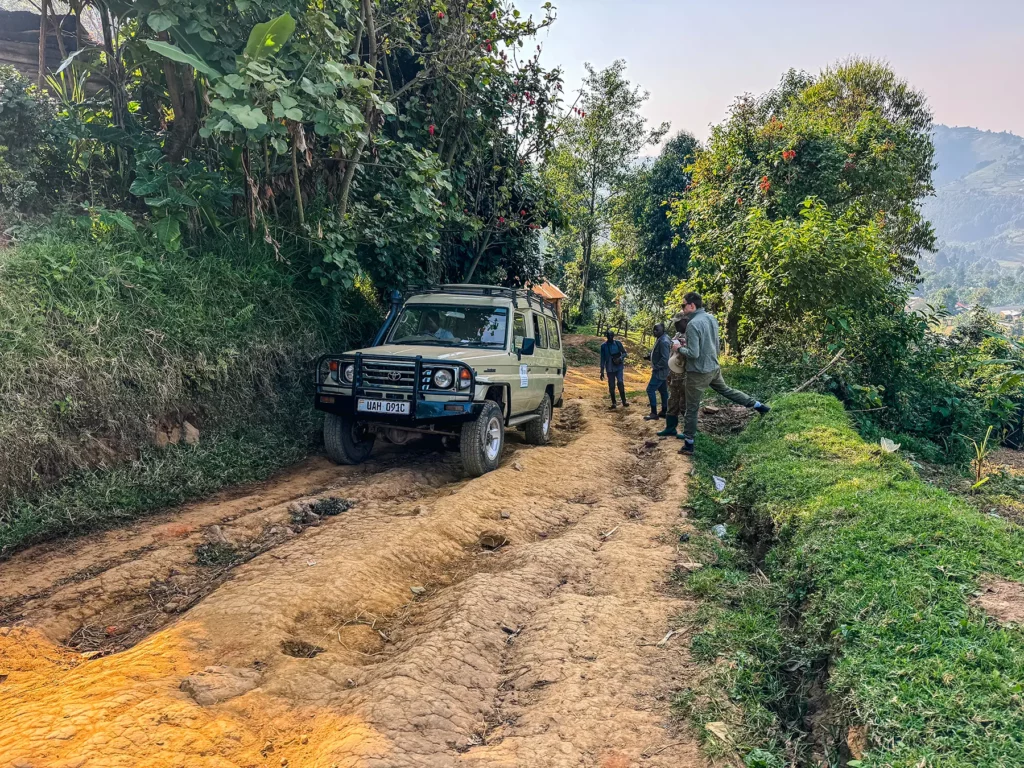
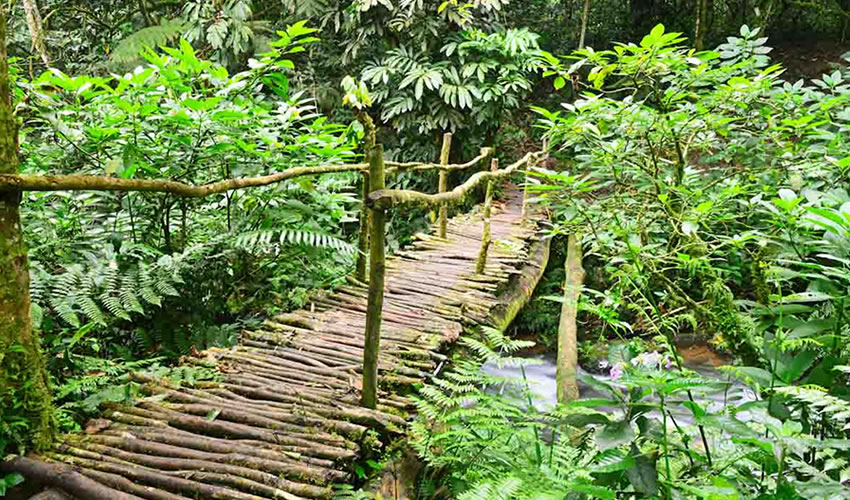
The park’s geographical diversity informs the layout of trails and visitor experiences. Paths for chimpanzee trekking, birdwatching, and nature walks follow natural contours, reducing environmental disturbance while allowing access to key habitats. Elevated hills offer viewpoints for wildlife observation and photography, while wetland areas are traversed via boardwalks to protect fragile ecosystems.
Trails wind through forests, hills, wetlands, and bamboo groves, providing multiple habitat perspectives. Wildlife sightings, including primates, birds, and amphibians, often vary depending on the geographical zone and proximity to water sources. Trail design considers both the topography and safety, enabling visitors to experience the park’s biodiversity while minimizing human impact.
Habitat Zones and Vegetation Distribution
Kibale’s landscape creates several distinct habitat zones. Lowland forests with dense canopy cover provide shelter for canopy-dwelling species. Rolling hills allow for forest regeneration and act as transitional areas between wetlands and lowlands. Wetlands support papyrus, sedges, and aquatic plants, while bamboo groves and grasslands appear in regenerating zones, providing alternative habitats for smaller mammals and ground-dwelling birds.
Vegetation distribution is shaped by soil type, elevation, and moisture availability. Valleys near streams and rivers are densely vegetated with moisture-loving plants, whereas hills and slopes may host species adapted to slightly drier conditions. Seasonal changes in rainfall alter water availability and influence plant growth, which in turn affects animal feeding and movement patterns.
Wildlife Interaction with Geography
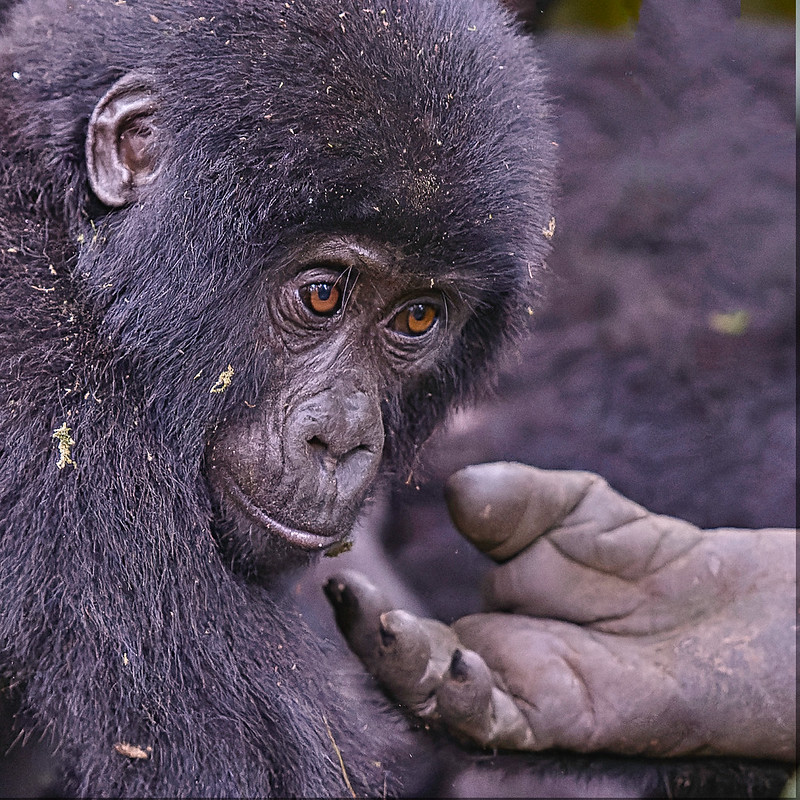
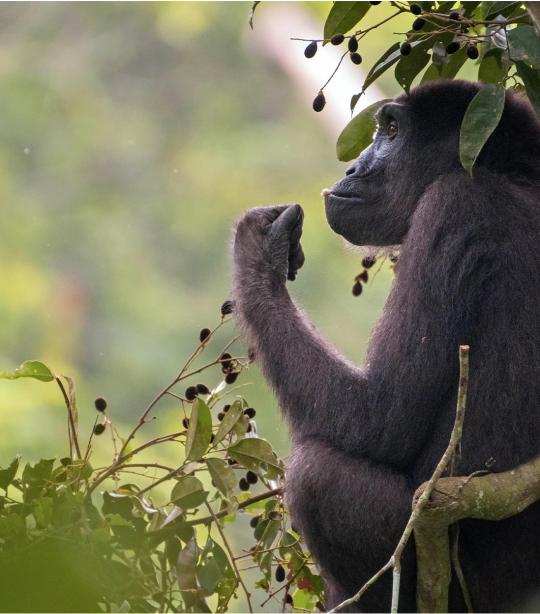
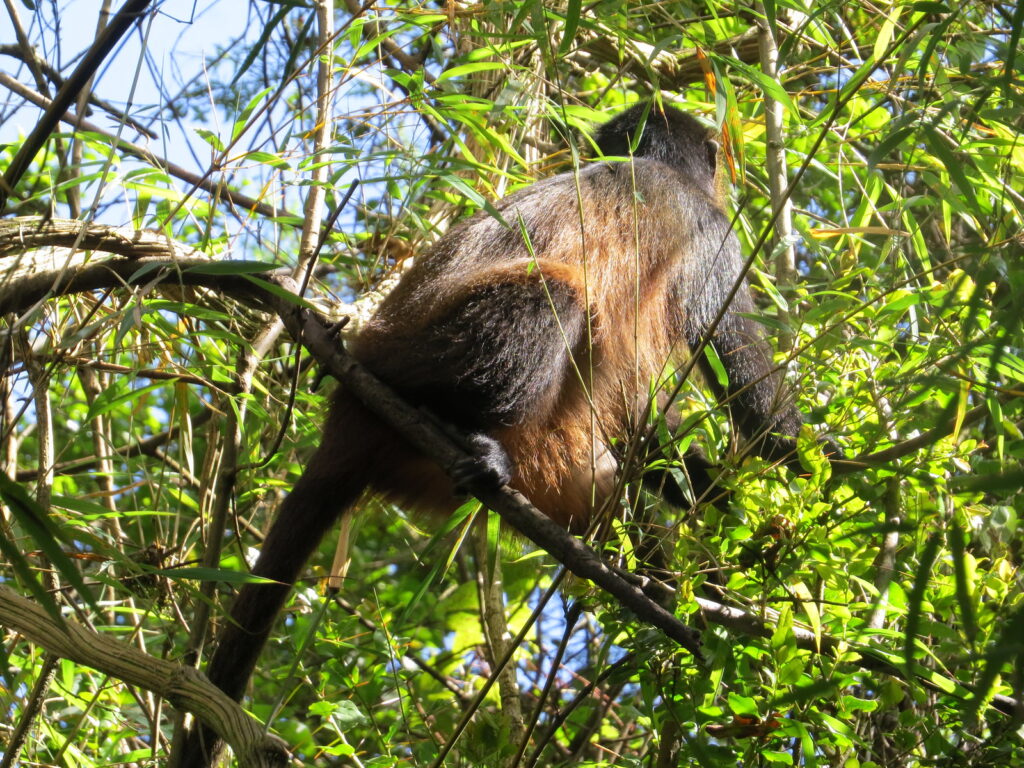
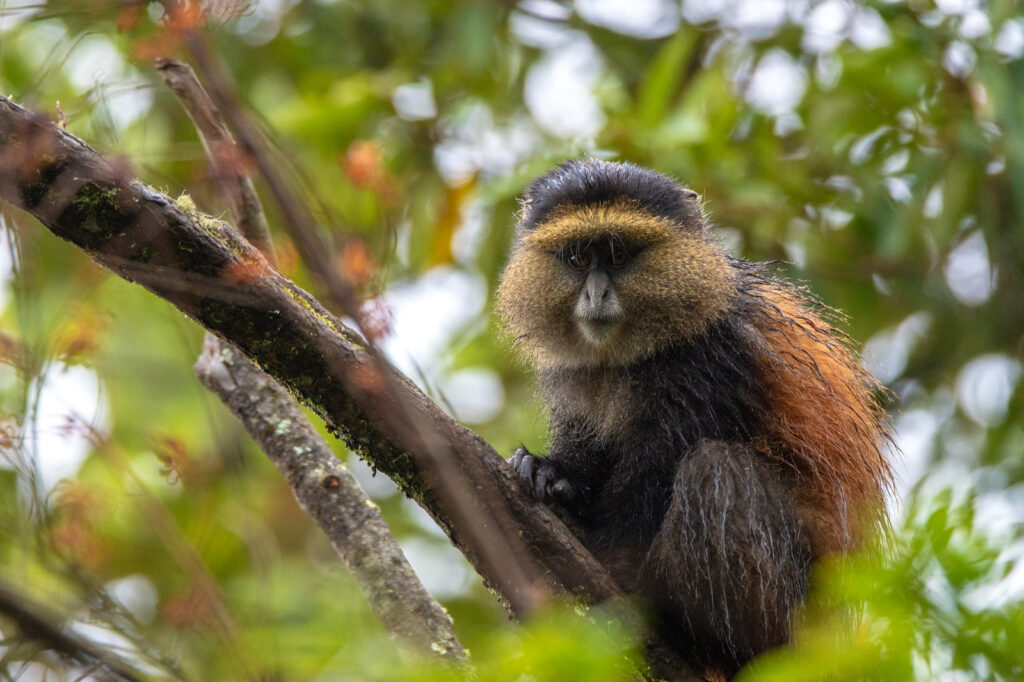
The variety of geographical features in Kibale National Park influences wildlife behavior and distribution. Primates such as chimpanzees and red-tailed monkeys often use the forest canopy along hills and slopes for travel and foraging, while colobus monkeys prefer dense lowland forest areas. Wetlands provide habitats for amphibians, water birds, and aquatic insects. Small mammals, reptiles, and insects use bamboo groves and regenerating grasslands as corridors and for shelter.
Water bodies, hills, and forest density all contribute to the spatial patterns of wildlife. Rivers and wetlands serve as feeding and drinking sites, while hills and slopes offer safe travel routes and resting areas. This complex interaction between geography and wildlife activity underscores the importance of topographical and hydrological diversity in supporting a thriving ecosystem.