
Where the soul of the forest whispers in the mist
Gorilla trekking is one of the most awe inspiring wildlife experiences in the world, offering the rare and humbling chance to observe mountain gorillas in their natural habitat. Deep within the mist covered forests of Bwindi Impenetrable National Park and Mgahinga Gorilla National Park, visitors embark on guided treks through dense vegetation, steep slopes, and muddy trails in search of habituated gorilla families. The moment of encounter, standing quietly just meters away from a silverback and his family, is both powerful and deeply moving, creating memories that last a lifetime.
Understanding what to pack for gorilla trekking is an essential consideration for every visitor because the rainforest environment is unpredictable, humid, and often physically demanding.
From the moment you step onto the forest trail, you begin a journey through thick vegetation, damp undergrowth, slippery pathways, and steep inclines that test both endurance and balance. In destinations such as Bwindi Impenetrable National Park and Volcanoes National Park, the terrain can shift quickly from narrow muddy tracks to tangled sections of vines and shrubs that require careful footing. The rainforest climate adds another layer of unpredictability, with sudden rainfall, humidity, and shifting temperatures shaping the trekking experience.
Having the right gear allows you to move with confidence and stability, protecting yourself from thorns, insects, moisture, and uneven ground. Proper footwear, protective clothing, and essential supplies not only enhance comfort but also reduce the risk of injury or fatigue.
So lace up your boots, grab your camera, and prepare to meet the wild — this is where your gorilla trekking dreams and unforgettable safari adventures truly begin.
Truly Iconic Highlights in Uganda

Trek through Bwindi’s mystical rainforest and meet the endangered mountain gorillas in their breathtaking natural home.
Encounter mountain gorillas and golden monkeys on Mgahinga’s misty volcanic trails, where culture and alpine wildlife thrive together.
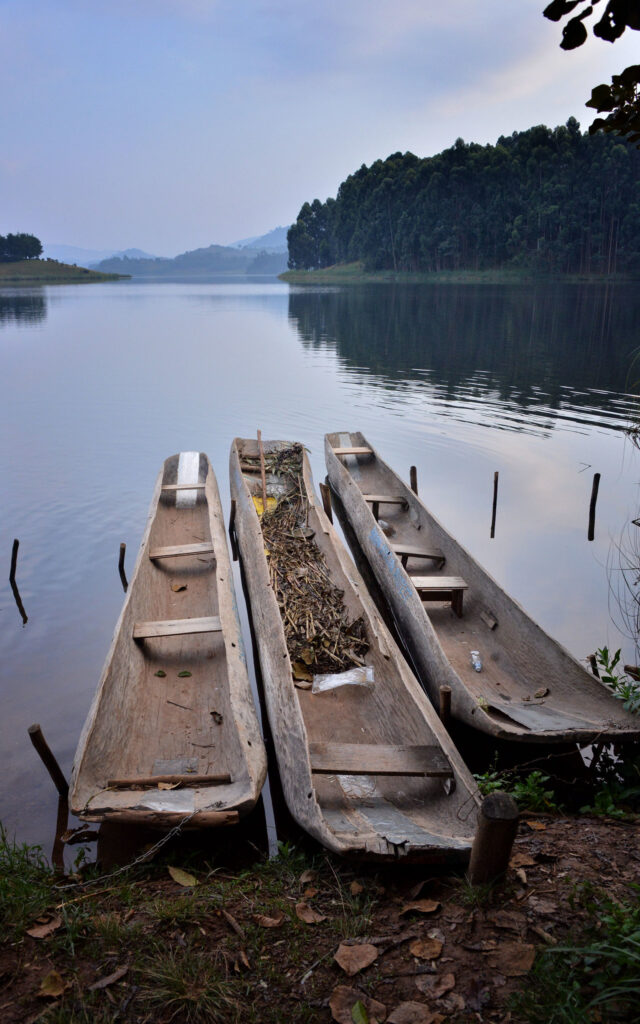
Unwind after your trek with a peaceful canoe ride across Lake Bunyonyi, Uganda’s most tranquil and scenic highland lake.
Enhance your gorilla trekking safari with an optional chimpanzee encounter in Uganda’s lush forests, adding depth and diversity to your primate adventure
Gorilla Trekking Tours in Uganda – Our Most Popular Itineraries.
Explore our gorilla trekking safaris for every traveler—solo, family, budget, or luxury. All tours include permits, transport, accommodation, meals, and park fees. Whether for a quick trip or a deeper adventure, we’ve got you covered.
3-Day Bwindi Gorilla Trekking Safari
3-Day Bwindi Gorilla Trekking Safari
4-Day Uganda Gorilla Trekking Safari
4-Day Uganda Gorilla Trekking Safari
5-Day Gorilla Tracking and Wildlife Safari
5-Day Gorilla Tracking and Wildlife Safari
7-Day Uganda Primate Adventure & Wildlife Safari
7-Day Uganda Primate Adventure & Wildlife Safari
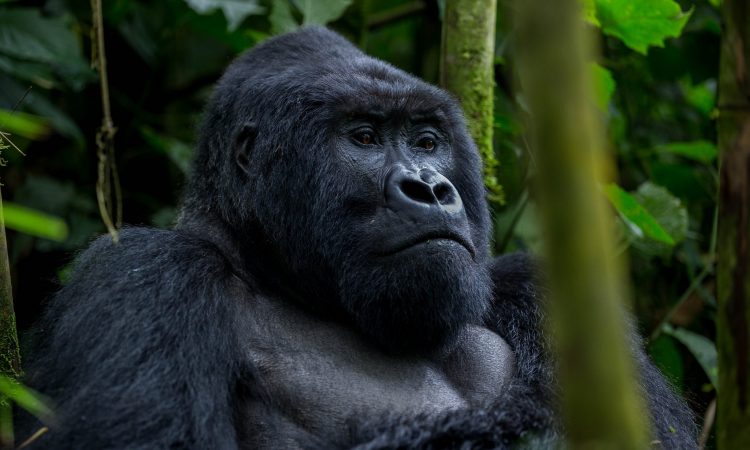
10-Day Gorilla Trekking & Big Five Safari in Uganda
10-Day Gorilla Trekking & Big Five Safari in Uganda
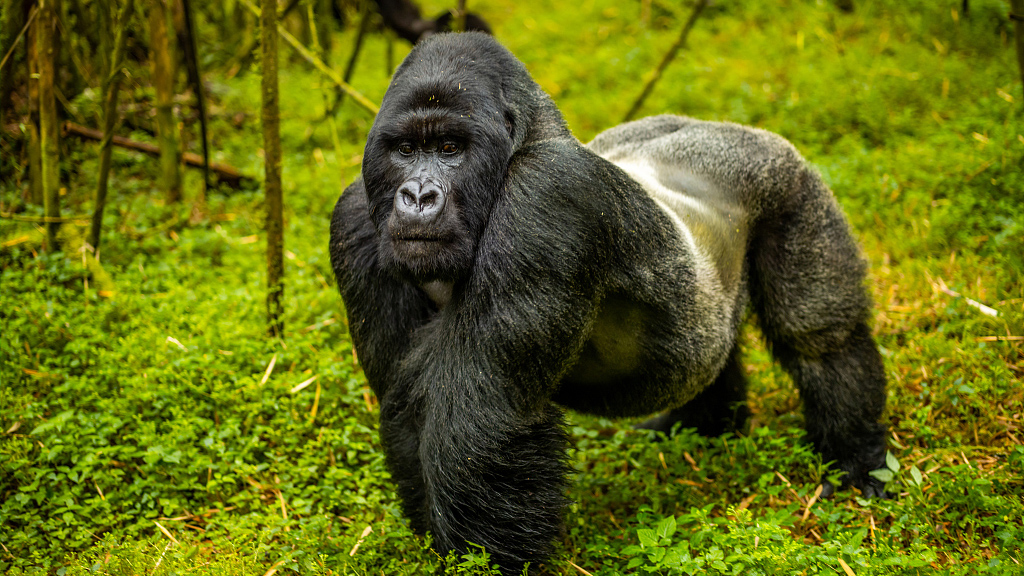
12-Day Uganda Gorilla Trekking, Chimp Tracking & Cultural Safari
12-Day Uganda Gorilla Trekking, Chimp Tracking & Cultural Safari
14-Day Best of Uganda Safari – Gorillas, Wildlife, Cultures
14-Day Best of Uganda Safari – Gorillas, Wildlife, Cultures
Essential Gear and Preparation for a Successful Gorilla Trekking Adventure
Clothing for Gorilla Trekking
Selecting appropriate clothing is essential for both safety and comfort during gorilla trekking. Layers are crucial because rainforest temperatures vary throughout the day, from cool mornings to humid afternoons. Breathable, moisture-wicking fabrics help keep you dry and prevent overheating, while long-sleeved shirts and full-length trousers protect against scratches from dense undergrowth, thorny plants, and insect bites.
A durable, waterproof jacket is indispensable, as rainforest weather can shift suddenly, with unexpected rain showers. For cooler mornings or higher altitude sectors, a light fleece layer provides warmth without excessive bulk. Gloves offer hand protection when navigating rough terrain, and a wide-brimmed hat shields your face and neck from sun exposure in more open canopy areas.
Footwear: The Foundation of Comfort and Safety
Sturdy trekking boots are perhaps the most important item to pack for gorilla trekking. Boots should be waterproof, provide strong ankle support, and have deep treads to maintain stability on slippery, uneven, and muddy forest trails. Many trekkers also use gaiters to prevent mud, twigs, and insects from entering boots, which is especially useful during wetter months. It is important to break in new boots well before your trek to prevent blisters and discomfort during hikes that may last from two to six hours, depending on gorilla location.
Backpacks and Day Essentials
A small to medium backpack is ideal for carrying personal items while leaving your hands free for trekking. Essential items to pack include a reusable water bottle for hydration, light snacks or energy bars for sustained energy, and a rain cover to protect belongings from sudden showers. Trekking poles can assist with balance on steep or muddy slopes, though they remain optional based on personal comfort.
When selecting a backpack, prioritize lightness and organization. Heavy loads can fatigue trekkers before reaching the gorilla family, and poorly organized packs may slow the pace of the group. Items should be easily accessible without disrupting the flow of the trek.
Health, Safety, and Hygiene Essentials
Maintaining health and safety is critical during gorilla trekking. Mosquito repellent reduces the risk of insect bites, and sunscreen protects exposed skin in clearings or open sections of the forest. A compact first aid kit, including bandages, antiseptic, and blister pads, addresses minor injuries along the trail.
For travelers from malaria-prone regions, carrying prescribed anti-malarial medication is recommended. Other personal medications, such as those for allergies or chronic conditions, should also be included. Hand sanitizer and tissues help maintain hygiene, especially when trekking in remote areas without access to proper facilities.
Photography, Observation, and Documentation
Many visitors wish to capture their gorilla encounters, and having the right equipment is important. Cameras, smartphones, and binoculars can enhance observation, but etiquette must always be observed. Flash photography is strictly prohibited, as sudden light can startle gorillas and provoke defensive behavior. Silence and slow, deliberate movements ensure minimal disruption to the animals.
Binoculars allow trekkers to observe distant wildlife, such as birds and monkeys, without encroaching on their space. Keeping equipment lightweight, secure, and readily accessible ensures you can focus on the experience while maintaining safety.
Food, Water, and Energy Management
Gorilla trekking can be physically demanding, so careful management of hydration and energy is vital. Water should be readily available in a reusable bottle to maintain hydration over long hours of walking. Light, high-energy snacks such as nuts, dried fruit, or energy bars help maintain stamina on steep or uneven trails. Eating light before the trek is advisable, as heavy meals can slow movement and cause discomfort during rigorous activity.
Responsible Packing and Environmental Considerations
Packing responsibly extends beyond personal comfort and supports environmental conservation. Avoid single-use plastics and ensure all waste is either packed out or disposed of according to park regulations. Every item brought into the forest should minimize impact on the environment. Efficient, minimal, and thoughtful packing helps align your gorilla trekking experience with conservation goals, supporting the protection of these critical habitats.
Tips for a Successful Gorilla Trekking Experience
Beyond packing, mental and physical preparation are key to a successful trek. Trekkers should be ready for unpredictable forest conditions, including steep climbs, muddy trails, and sudden changes in gorilla locations. Patience, respect, and quiet observation are as important as any gear.
Being fully prepared allows visitors to focus entirely on the privilege of seeing gorillas in their natural habitat, capturing memories safely, and engaging meaningfully with one of the world’s most iconic wildlife experiences. Proper preparation ensures comfort, safety, and a deeper connection to the forest environment, enhancing the overall quality of your gorilla trekking adventure.
More Gorilla Trekking Information to Know.
Gorilla trekking goes far beyond just the hike — it’s a deep, emotional journey into the heart of Africa’s last wild rainforests. Knowing the right timing, permits, fitness tips, and park details can turn your experience from good to unforgettable.
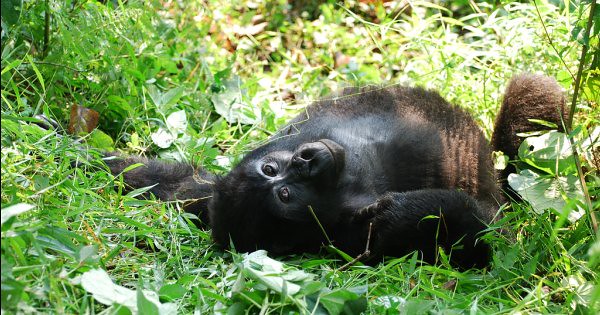
Bwindi Gorilla Trekking — The Four Sectors Explained
Bwindi Gorilla Trekking — The Four Sectors Explained
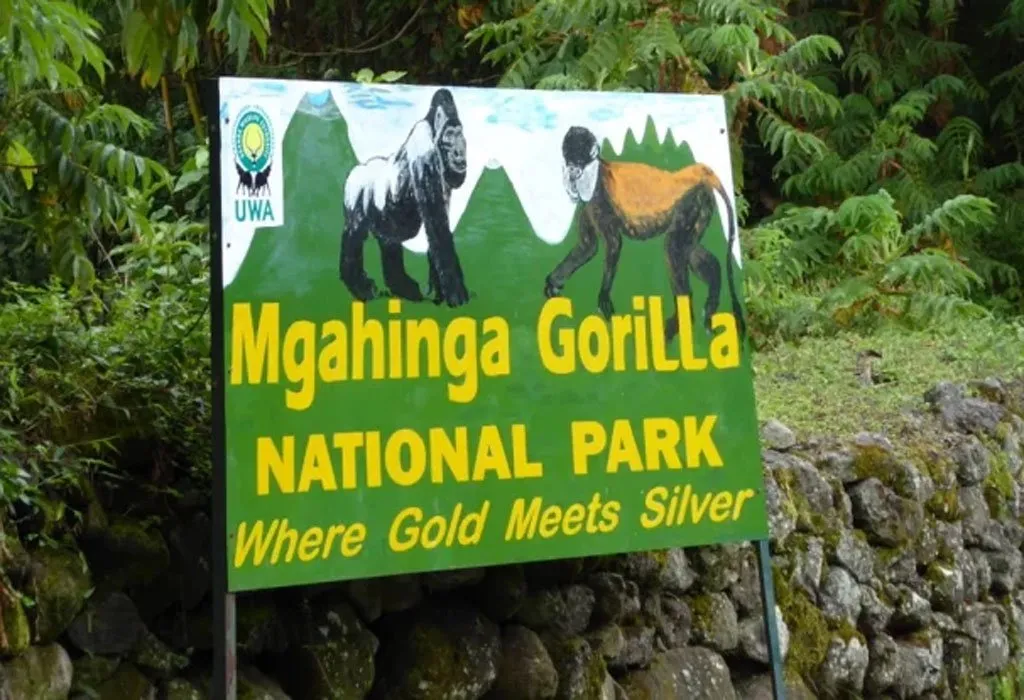
Trekking Gorillas in Mgahinga National Park
Trekking Gorillas in Mgahinga National Park
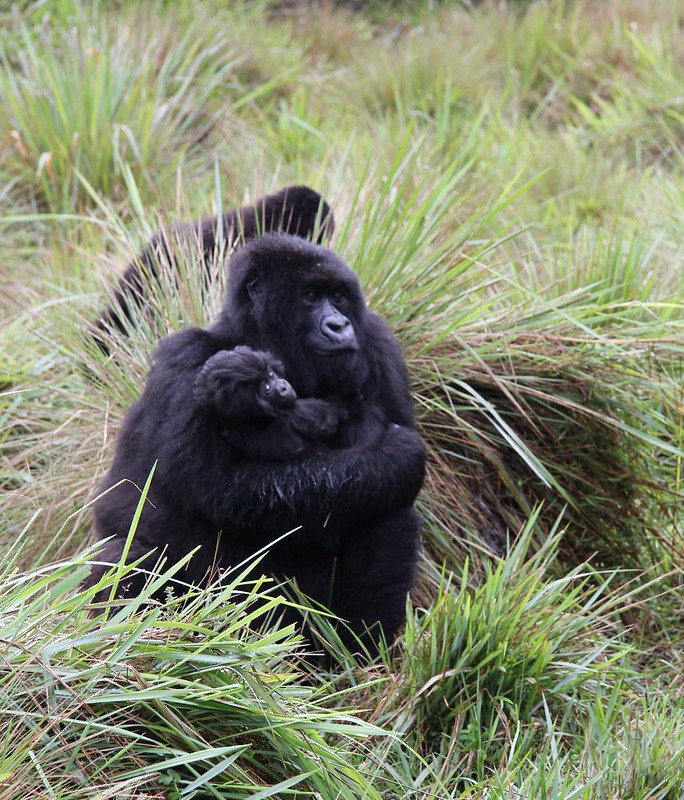
Uganda Gorilla Trekking Permits – Prices, Booking, & Travel Tips
Uganda Gorilla Trekking Permits – Prices, Booking, & Travel Tips
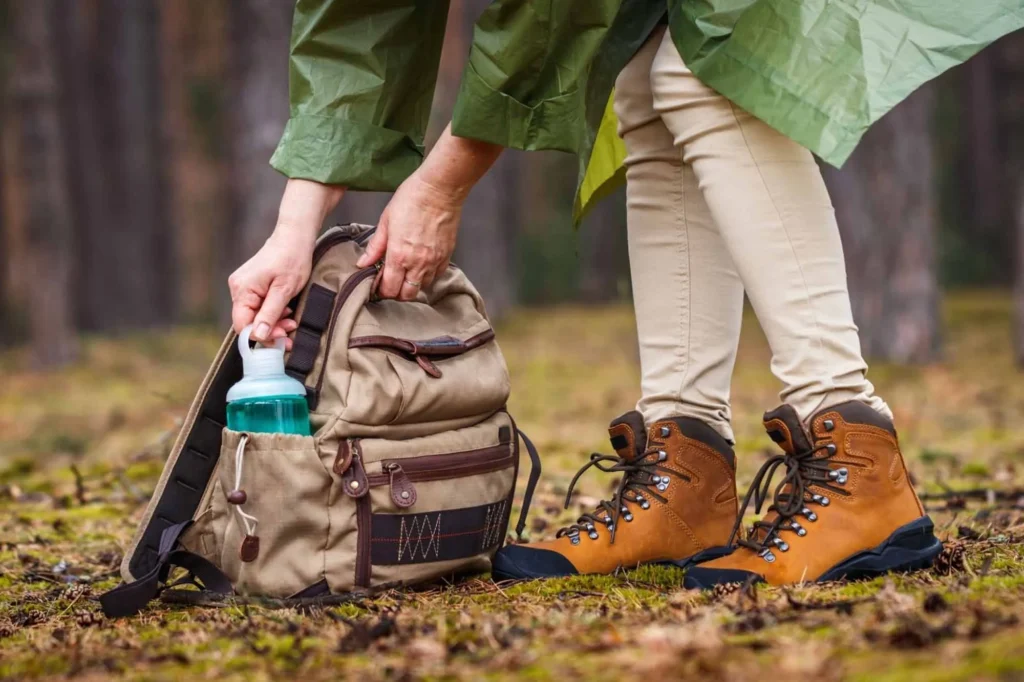
What to Pack for Gorilla Trekking in Uganda – Expert Checklist
What to Pack for Gorilla Trekking in Uganda – Expert Checklist
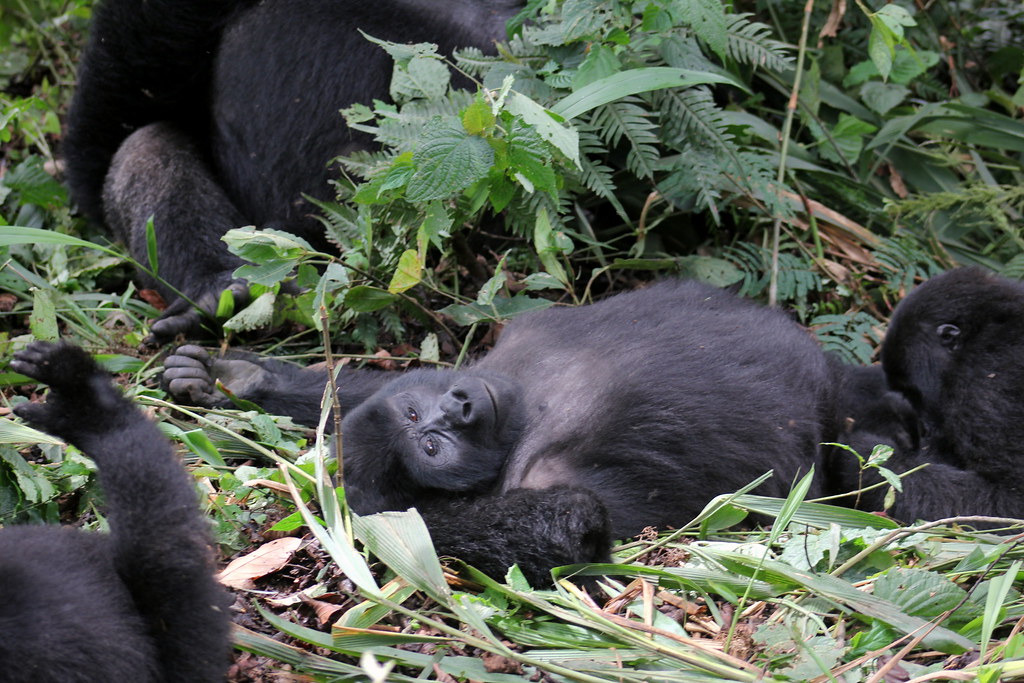
Best Time to Go Gorilla Trekking in Uganda – Weather & Seasons
Best Time to Go Gorilla Trekking in Uganda – Weather & Seasons
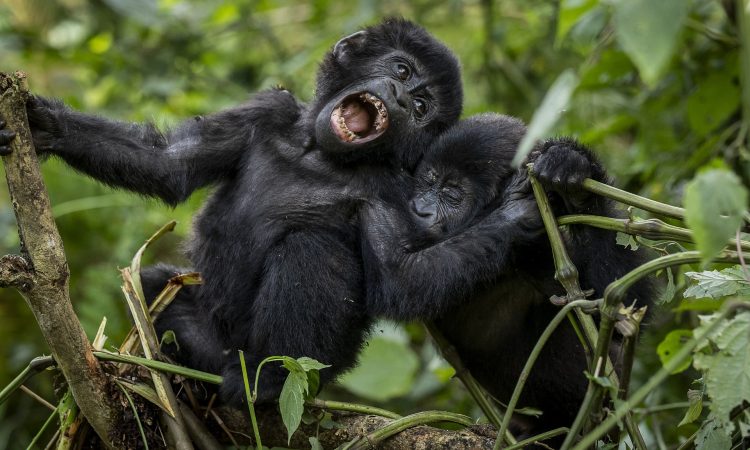
Gorilla Trekking Difficulty in Uganda – Fitness & Trail Guide
Gorilla Trekking Difficulty in Uganda – Fitness & Trail Guide
Gorilla Trekking Rules in Uganda – Safety, Respect & Ethics
Gorilla Trekking Rules in Uganda – Safety, Respect & Ethics
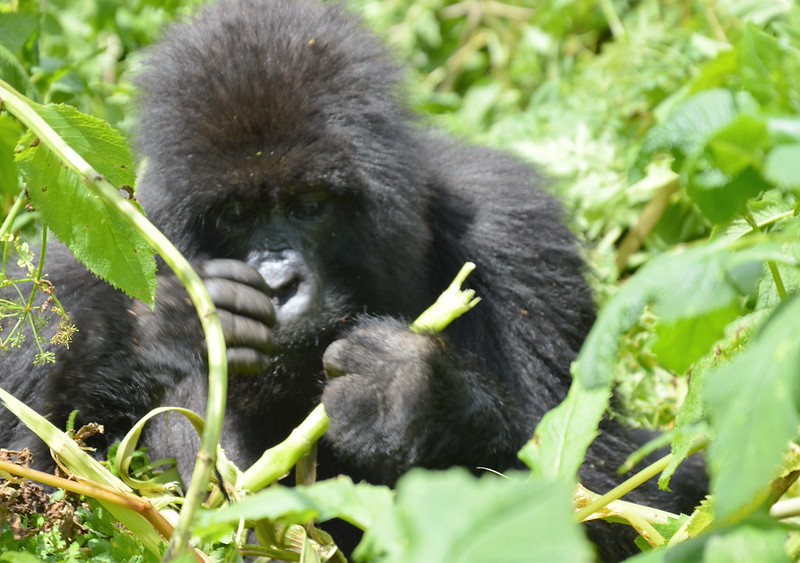
Gorilla Conservation in Uganda – Protecting the Mountain Giants
Gorilla Conservation in Uganda – Protecting the Mountain Giants
Bwindi vs. Mgahinga – Which One to Choose For Gorilla Trekking?
Bwindi vs. Mgahinga – Which One to Choose For Gorilla Trekking?
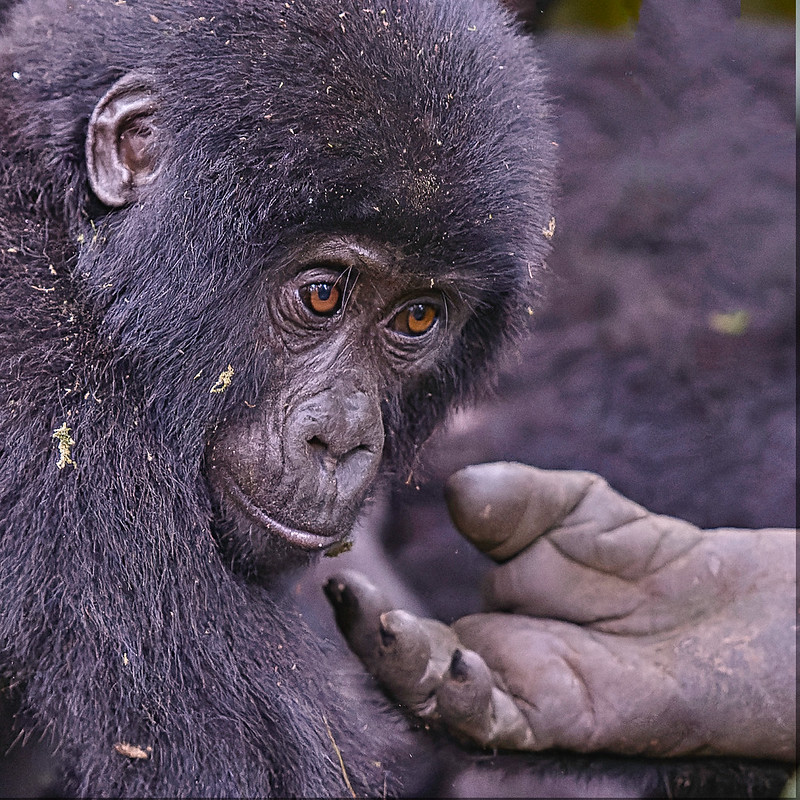
How to Stay Safe and Healthy While Traveling in Uganda
How to Stay Safe and Healthy While Traveling in Uganda
Routes, Tips & Travel Wisdom for Getting to Bwindi or Mgahinga
Routes, Tips & Travel Wisdom for Getting to Bwindi or Mgahinga
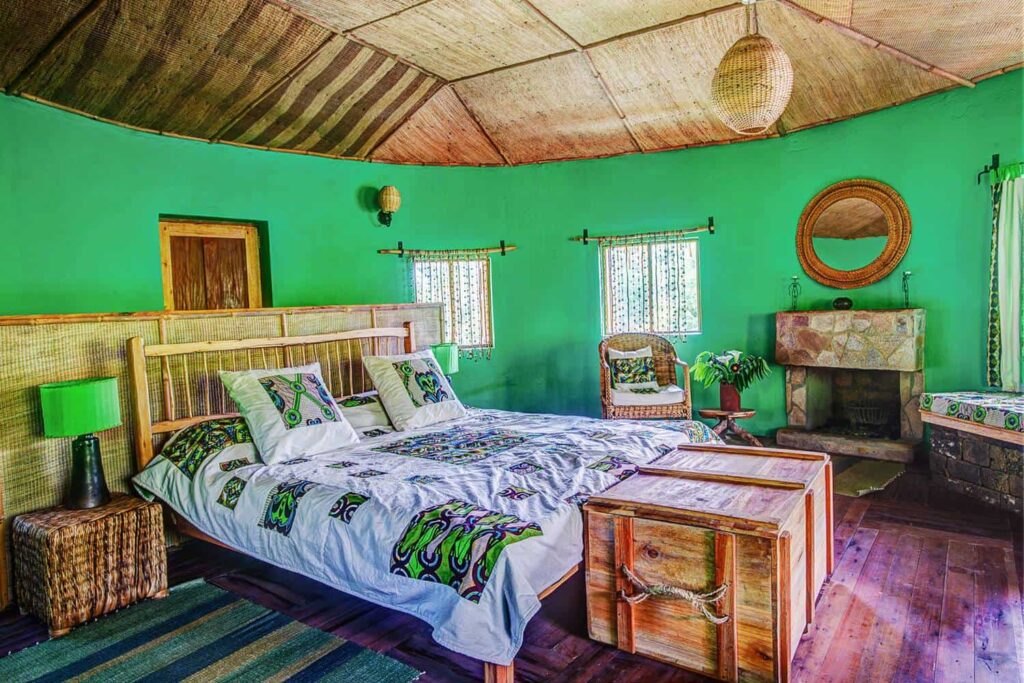
Accommodation Options: Lodges & Camps in Bwindi and Mgahinga
Accommodation Options: Lodges & Camps in Bwindi and Mgahinga
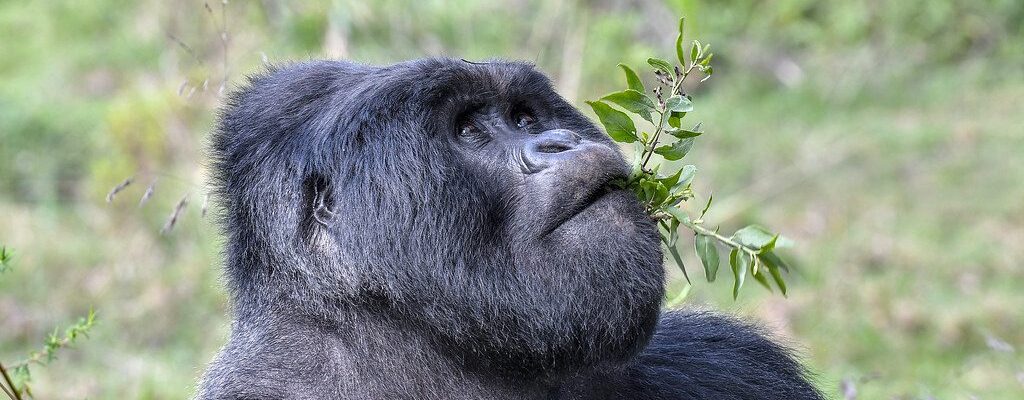
Protecting What You Came to See: Gorilla Conservation & Ethics
Protecting What You Came to See: Gorilla Conservation & Ethics
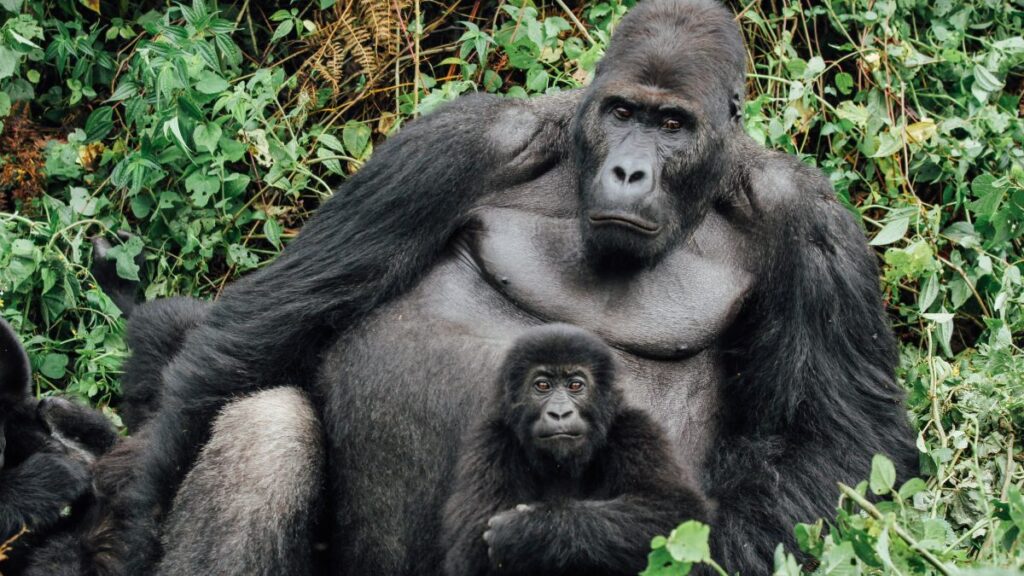
Travel Insurance for Gorilla Treks: Before You Go
Travel Insurance for Gorilla Treks: Before You Go
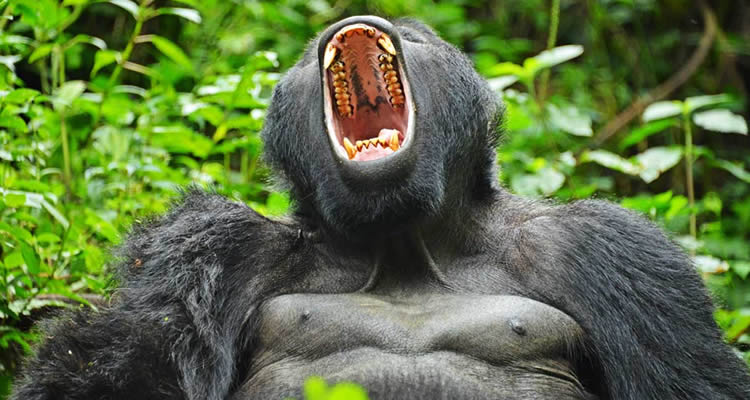
First Time Gorilla Trekking? Here’s Everything I Wish I Knew
First Time Gorilla Trekking? Here’s Everything I Wish I Knew
Step by Step: What Happens During a Gorilla Trekking Day
Step by Step: What Happens During a Gorilla Trekking Day
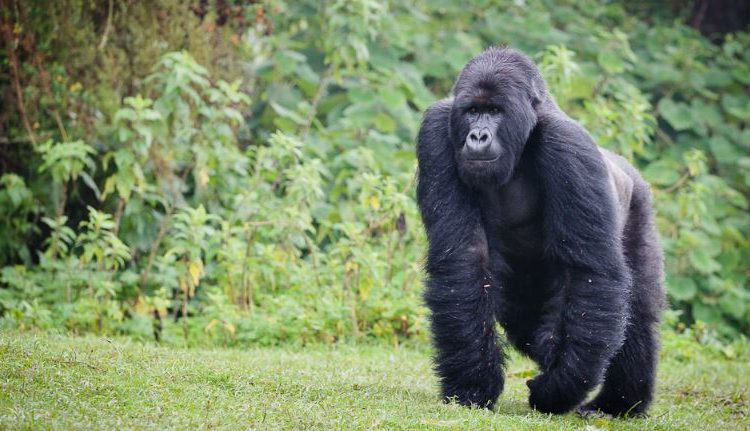
Gorilla Trekking vs. Gorilla Tracking – What’s the Real Difference?
Gorilla Trekking vs. Gorilla Tracking – What’s the Real Difference?
Beyond Gorillas: Other Wildlife You Can See During Your Trek
Beyond Gorillas: Other Wildlife You Can See During Your Trek
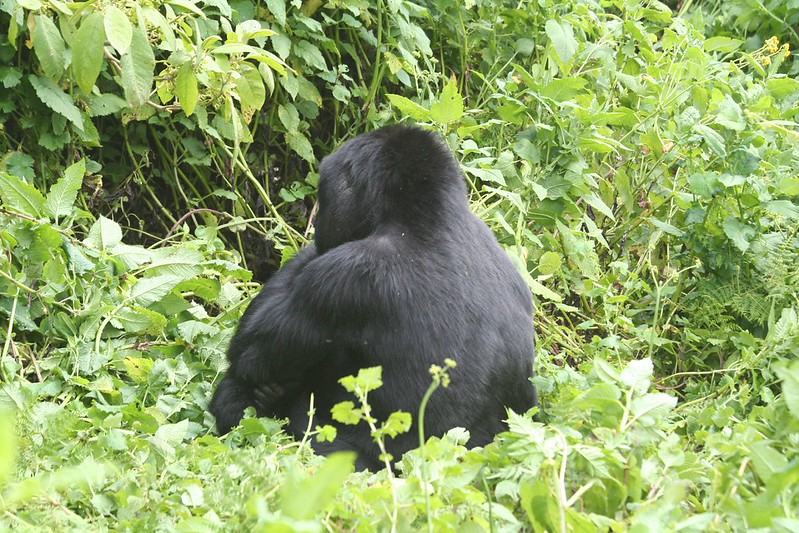
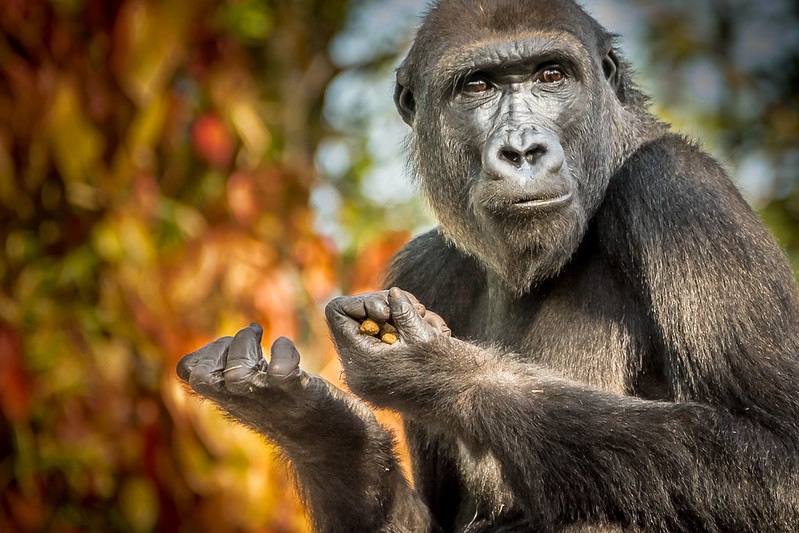
In the Realm of Giants – Bwindi & Mgahinga in Frames.
Wander through an elegant gallery capturing Uganda’s most exclusive gorilla sanctuaries, where ancient forests cradle the last mountain gorillas in a world of mist, mystery, and majesty.
Essential Planning Tips for Visiting Uganda’s National Parks.
Get ready for the wild heart of Africa with expert travel tips on when to visit, what to pack, where to go, and how to make the most of your safari across Uganda’s breathtaking national parks.
Why Uganda for Gorilla Trekking?
Uganda is not just a destination — it's the very soul of gorilla trekking. With over half of the world’s remaining mountain gorillas calling its misty forests home, Uganda offers the rarest encounters in their most authentic setting. Here, your journey is not rushed or crowded. Instead, you’re guided by experienced rangers through pristine jungles where gorillas live as they always have — wild, free, and magnificent
From insider travel insights to unforgettable trekking guides, our blog is your trusted path into Uganda’s wild heart — connecting you with mountain gorillas, breathtaking landscapes, and the soul-stirring adventures that make this land unlike any other.