Updated
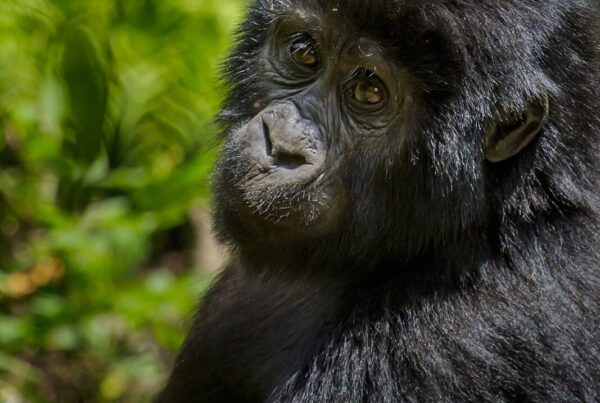
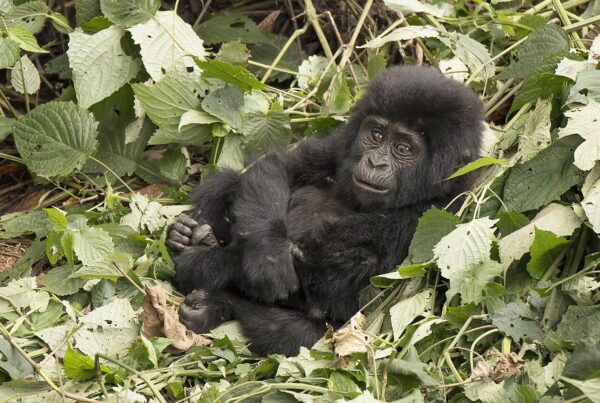
stop waiting book gorilla trekking Uganda is one of Africa’s most extraordinary wildlife experiences, connecting travellers with mountain gorillas in their natural forest habitat. There is no right time — there never has been — and the right time to go gorilla trekking in Uganda is a concept that has kept thousands of people from doing something that they later described as among the most important experiences of their lives, and the only difference between the people who went and the people who are still waiting is that the people who went at some point decided that the conditions for going were good enough — not perfect, good enough — and booked the gorilla permit. Check permit availability: accredited Uganda operators. Read the full cost breakdown.
- Permit cost: USD 800 per person; booked through UWA or an accredited Uganda operator; the permit date is the trip anchor — everything else is arranged around it
- Physical requirement: moderate fitness; the trek can take 30 minutes to 5 hours depending on gorilla location; a porter (USD 15-20) is available and strongly recommended
- Health: yellow fever vaccination required; malaria prophylaxis recommended; respiratory illness bars entry on trek day
- When to book: June-September requires 6-12 months advance booking; other months often available with 4-8 weeks notice; full pre-trip guide
There is no right time. There never has been. The right time to go gorilla trekking in Uganda is a concept that has kept thousands of people from doing something that they later described as among the most important experiences of their lives. The work is always too busy. The money is always almost-but-not-quite sufficient. The family needs are always pressing. The right time is always next year.
Next year the permit costs $800. This year the permit costs $800. The forest is there this year and next year. The gorilla families are traceable and habituated and waiting to be visited. Nothing material changes between this year and next year except that next year is a year farther away from the version of you who could have gone this year and didn’t. That version accumulates. Eventually the accumulation matters.
Stop Waiting for the Right Time: Gorilla Trekking Will Not Be Here Forever
The Conservation Urgency Is Real
The gorilla trekking opportunity you have in 2027 exists because of thirty years of sustained conservation investment that has grown the mountain gorilla population from under 300 individuals to just over 1,000. That investment continues and the trend is positive. But the future is not guaranteed in either direction.
Climate change is warming the highland forests faster than the surrounding lowlands, affecting the vegetation that gorillas depend on. Political instability in the DRC, which borders Uganda and shares the mountain gorilla range, creates periodic uncertainty about cross-border conservation cooperation. Disease — the respiratory illnesses that gorillas share with humans — represents a persistent threat to habituated families who are in contact with visitors. The conservation system managing these risks is professional and effective, but it operates in a genuinely uncertain environment.
This is not a prediction of imminent catastrophe. The mountain gorilla population is more secure today than at any point in the past forty years. But the security is relative and maintained, not absolute and guaranteed. Visiting in 2027 is different from visiting in 2037 — not necessarily worse, but different, and the specific moment of this specific population recovery is something that exists now and will not exist in the same form later.
What Waiting Actually Costs
The cost of waiting is not zero. It is the accumulated cost of experiences deferred, of years spent intending rather than doing, of the specific memories that would have been made in a specific year with a specific set of gorilla families in a specific state of the forest’s ecology. These are not recoverable. You cannot go back to 2027 and have the 2027 gorilla trekking experience. You can only go in 2027.
The calculation that makes waiting feel rational — “the trip will be there next year, I’ll save more money, find a better time, plan more carefully” — ignores the non-zero probability that next year will have the same set of reasons to wait. And the year after. And the year after that. The travellers who have gone describe, almost universally, the same regret: not that they went, but that they didn’t go sooner.
Practical Urgency: Permits in 2027
Beyond the philosophical case for not waiting, there is a practical one. Gorilla trekking permits for popular dates — July, August, December, January, and especially the days around major international holidays — sell out months in advance. If you want to trek in Bwindi’s most popular sectors (Buhoma, Rushaga) on a specific date in peak season, waiting until spring to book a summer trip is often too late.
The $800 permit is fixed. The availability is not. Every day of procrastination reduces the range of dates available for your preferred sector and season. The trip you plan for July 2027 needs to be booked in October or November 2026 for peak dates. The trip that is “next year” in early 2027 may find its preferred dates already sold when it finally becomes this year.
How to Stop Waiting Today
Contact us today. Not to complete a booking — not even necessarily to commit to specific dates. Contact us to find out what is available for the months that work for you in 2027, what the total cost would be for the itinerary that matches your interests and budget, and what the booking process involves. The information you get from that conversation will replace the abstract barrier of uncertainty with the specific, manageable facts of an actual trip.
Most people who have that conversation book within a few weeks. Not because they were pressured, but because the specific, real, planned trip turns out to be less daunting than the abstract, deferred, indefinitely-postponed trip they have been carrying in their heads. The right time to go is now. Contact us and find out why.
What are the most common reasons people delay booking gorilla trekking and are they valid?
The delay reasons are consistent and mostly do not hold up under examination. “I need to save more first”: valid for short-term deferral (6-12 months); the permit is USD 800 and the total trip USD 2,200-5,500 pp depending on style; if this is a genuine saving constraint, a realistic timeline is helpful; indefinite deferral is not a saving plan. “I’m not fit enough”: the trek ranges from 30 minutes to 5+ hours depending on gorilla location; a porter at Bwindi carries your bag and provides physical support; most healthy adults complete the trek; the ranger adjusts pace to the slowest group member. “I’m waiting for the right travel window”: gorilla trekking runs every month; June-September is the driest and most popular; every other month has permits available and produces successful encounters; “right window” deferral is usually deferral by another name. “I want to go with someone specific”: valid; coordinate the date; most gorilla trips are better shared; this is a logistics problem with a practical solution.
Why might gorilla trekking become harder to access in the future?
There are genuine reasons why “go soon” is not merely sales pressure. Permit scarcity: Bwindi allocates a fixed number of permits per family per day (8 people maximum); the total daily permit number is capped for conservation reasons and will not dramatically increase; as global demand for gorilla trekking grows, securing a permit in a specific travel window becomes harder not easier. Price trajectory: the Uganda gorilla permit has increased significantly over time (USD 500 in 2016 to USD 700 in 2017 to USD 800 in 2023); Rwanda increased to USD 1,500 in 2017; future increases in both countries are plausible as demand grows. Conservation status: mountain gorillas are Endangered (IUCN); 1,063 individuals worldwide; the population is currently growing under the protection programme funded by permit revenue; this is a positive trajectory but it is not permanent certainty. Personal window: age and health create a real window for a physically demanding experience — the trek requires sustained effort in steep montane forest; this window is finite for individuals in a way that other travel experiences are not.
What does the gorilla trek actually involve physically?
The physical reality of the trek is specific and worth knowing. Duration: unpredictable in advance; rangers track the gorillas the previous evening and again at dawn on trek day; if the family is close to the trailhead, the hiking portion may be 30-45 minutes; if they have moved deep, 4-5 hours is possible; most treks take 2-3 hours of walking. Terrain: Bwindi is steep montane forest; trails are not paved or improved; roots, wet leaves, steep drops; ankle boots with grip are not optional. Altitude: 1,160-2,607m above sea level in Bwindi; most trekking occurs 1,800-2,200m; some visitors feel mild breathlessness; most adapt quickly. The porter: USD 15-20; carries your day bag; provides physical support on steep sections if needed; direct community income; strongly recommended. See common mistakes and 30 things to know.
Can I visit Bwindi and also see chimps at Kibale on the same Uganda trip?
Yes — the standard Uganda western circuit combines both. The route: Entebbe → Kibale (chimp trek) → Queen Elizabeth NP (game drive) → Bwindi (gorilla trek) → Entebbe; total driving 8-10 days. Kibale chimpanzee trekking: Kibale Forest has the highest density of chimpanzees in East Africa; chimp permit USD 200; the chimpanzee habituation experience at Kibale (4 hours, USD 250) is a different product from the standard 1-hour trek. QENP: Queen Elizabeth NP sits between Kibale and Bwindi on the circuit; Kasenyi plains game drives (lion, leopard, Uganda kob, elephant); Kazinga Channel boat safari (hippo, buffalo, birds at close range). Add-on shoebill: Mabamba Bay is 40 minutes from Entebbe and fits on arrival or departure day. Full itinerary: 7-day Uganda gorilla safari.
Which accredited Uganda tour operator should I use to book gorilla trekking?
The operator choice matters for permit access, logistics quality, and value. What to look for: Uganda Tourism Board accreditation (UTB); Association of Uganda Tour Operators (AUTO) membership; clear itemised quotes with permit confirmation in writing; real review history on TripAdvisor or Google. What they provide: permit booking; accommodation; 4WD transport; ranger and guide liaison; all-in packages or permit-only booking for self-arranging visitors. Our role: we book on behalf of clients and provide trip security — we connect you with vetted accredited Uganda operators rather than operating tours ourselves. Pricing: most operators offer tiered packages; get at least two quotes before committing; see cost breakdown.
- Best Stopovers on the Drive from Kampala to Bwindi: Where to Stop and What to See
- Is There a Waiting List for Gorilla Permits in Uganda?
- Is Uganda Safe to Visit Right Now? Here’s What the Data Actually Says
- The First-Time Africa Traveller’s Guide to Choosing the Right Experience
- The Trip I Almost Did Not Take and Will Never Stop Talking About
- What If You Booked Gorilla Trekking Right Now: Where Would You Be in 3 Months
- Best Time for Gorilla Trekking in Uganda – Monthly Guide to 2025 Seasons
- Wildlife in Uganda – Where Nature Still Roars, Hums, and Soars Free
- The Best Time to Climb or Hike Mount Rwenzori
- Uganda Birding Safari — 22-Days: A Journey Into the Feathered Soul of Africa