Addressing the Question Every First-Time Visitor Asks
Safety is the number one concern for travellers considering Uganda, and it is a completely reasonable question. Uganda is an East African nation with a complex political history, and media coverage often focuses on regional instability rather than the ground reality for tourists. The honest answer in 2026 is that Uganda is generally safe for tourists, particularly those travelling on organised safaris and visiting established tourist destinations. However, like any country, it has specific risks that informed travellers should understand and prepare for.
Overall Safety Assessment for 2026
Uganda is rated by most Western foreign affairs offices, including the UK Foreign Office, the US State Department, and the Australian DFAT, as generally safe for travel with normal precautions for most tourist areas. The main tourist destinations, Entebbe, Bwindi Impenetrable Forest, Queen Elizabeth National Park, Murchison Falls, Kibale Forest, and Jinja, are all classified as low-risk areas with well-established tourism infrastructure.
The areas of concern are limited to specific border regions, particularly the northeastern Karamoja region and parts of the western border with the Democratic Republic of Congo. These areas are not part of standard gorilla trekking or safari itineraries and are rarely visited by tourists.
Safety on Gorilla Trekking Safaris
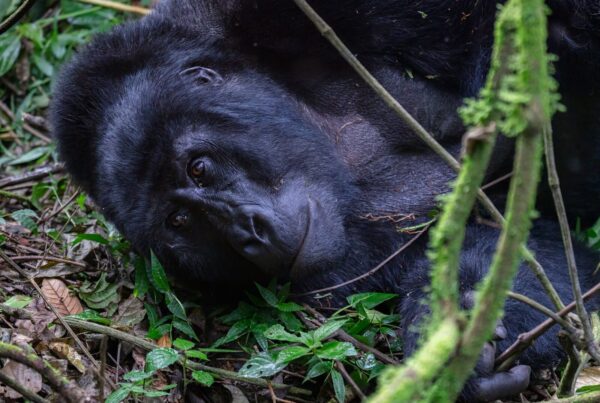
Gorilla trekking in Bwindi is one of the safest wildlife tourism activities in Africa. The trekking trails are patrolled by armed Uganda Wildlife Authority rangers who accompany every trekking group. The local communities around Bwindi benefit economically from gorilla tourism and are actively invested in the safety of visitors. Crime against tourists in the Bwindi area is extremely rare.
The main risks during gorilla trekking are physical rather than security-related: slipping on muddy trails, insect bites, altitude-related fatigue, and the rare possibility of a gorilla charging (which rangers are trained to manage). These are manageable risks that proper preparation and a good guide effectively mitigate.
Road Safety
Road safety is the single biggest risk for tourists in Uganda. Ugandan roads are shared by cars, trucks, buses, motorcycles (boda-bodas), cyclists, pedestrians, and livestock. Driving standards vary widely, and some sections of the highway between Kampala and Bwindi involve narrow roads, steep gradients, and blind corners. Night driving is particularly dangerous due to poor lighting, unmarked speed bumps, and vehicles with broken headlights.
Mitigation: always travel with a reputable tour operator whose drivers are experienced on these roads. Never drive yourself unless you are experienced with African road conditions. Avoid travel after dark. Reputable safari companies use well-maintained 4×4 vehicles with experienced driver-guides who know the roads intimately.
Crime and Personal Safety
Kampala
Kampala is a vibrant, chaotic capital city with the same petty crime risks as any major African city. Pickpocketing, bag snatching, and phone theft occur in crowded areas like Owino Market, taxi parks, and bus stations. Violent crime against tourists is rare but not unheard of, particularly at night in poorly lit areas.
Precautions: do not display expensive jewellery, watches, or phones in crowded areas. Use hotel safes for valuables. Travel by taxi or ride-hailing apps (SafeBoda, Uber, or Bolt) rather than walking at night. Avoid deserted streets after dark. Keep copies of your passport separate from the original.
Entebbe
Entebbe is considerably safer and more relaxed than Kampala. It is a small town with a lower crime rate, and most tourists have no issues walking around during the day. The area around the botanical gardens and the lake shore is pleasant and safe for strolling.
Rural Tourist Areas
Rural areas around Bwindi, Kibale, Queen Elizabeth, and Murchison Falls are generally very safe. Communities are small, people are friendly, and tourists stand out in a way that deters opportunistic crime. Most lodges have security guards, and the tourism areas are well-policed.
Health Risks
Malaria
Malaria is present in Uganda, particularly at lower elevations. Bwindi sits at a higher altitude where malaria risk is lower but not zero. Take antimalarial medication as prescribed by your doctor, use insect repellent with DEET, and sleep under mosquito nets. Most lodges provide treated nets.
Yellow Fever
Yellow fever vaccination is mandatory for entry to Uganda. Get vaccinated at least ten days before travel and carry your International Certificate of Vaccination. The vaccine is effective for life.
Water and Food Safety
Drink only bottled or filtered water. Avoid ice in drinks unless you are at a reputable lodge or restaurant. Eat freshly cooked food and avoid salads or unpeeled fruit from street vendors. Lodges and established restaurants generally maintain good food hygiene standards.
Altitude
Bwindi sits at approximately two thousand to two thousand five hundred metres elevation. Most healthy travellers adapt quickly, but some may experience mild headaches or fatigue. Drink plenty of water and avoid excessive alcohol before the trek.
Political Stability
Uganda has been politically stable for most of the past two decades under President Museveni. Elections can bring heightened tensions and occasional protests, primarily in Kampala, but these rarely affect tourist areas. During election periods, avoid political rallies, stay away from crowds, and monitor local news.
Wildlife Safety
Uganda’s national parks are home to potentially dangerous animals including elephants, hippos, lions, leopards, buffalo, and crocodiles. However, tourists are always accompanied by trained guides or rangers who understand animal behaviour and maintain safe distances. The gorillas themselves are habituated to human presence and are remarkably calm during encounters. Follow your guide’s instructions at all times, and the risk from wildlife is minimal.
LGBTQ+ Travellers
Uganda has some of the most restrictive laws regarding homosexuality in Africa. Same-sex relationships are criminalised, and anti-LGBTQ+ sentiment is widespread. LGBTQ+ travellers should exercise extreme discretion and avoid any public displays of affection. While tourists are unlikely to face legal issues, awareness and caution are essential.
Travel Insurance
Comprehensive travel insurance is essential for any Uganda trip. Ensure your policy covers:
- Medical evacuation (the nearest major hospital to Bwindi is hours away)
- Trip cancellation and interruption
- Lost or stolen belongings
- Adventure activities including gorilla trekking
Medical facilities in rural Uganda are basic. In a serious emergency, evacuation to Kampala or Nairobi may be necessary, and this can cost tens of thousands of dollars without insurance.
Practical Safety Tips for 2026
- Book with a licensed, reviewed tour operator with a physical office in Uganda
- Carry copies of your passport, visa, and insurance documents both digitally and in print
- Register with your country’s embassy in Kampala
- Keep emergency contacts saved in your phone: your operator, your lodge, and your embassy
- Carry a basic first aid kit with plasters, antiseptic, diarrhoea medication, and pain relief
- Use ATMs inside banks or shopping centres rather than standalone street ATMs
- Inform someone at home of your itinerary and check-in schedule
Final Thoughts
Uganda is safe for tourists in 2026, provided you travel with common sense and a reputable operator. The main risks, road safety, petty crime in Kampala, and health hazards, are all manageable with proper preparation. The gorilla trekking areas of southwestern Uganda are among the safest tourist destinations on the continent, with well-trained rangers, welcoming communities, and established infrastructure. Hundreds of thousands of tourists visit Uganda safely every year, and there is every reason for you to join them.