When to Plan Your Uganda Gorilla Trek
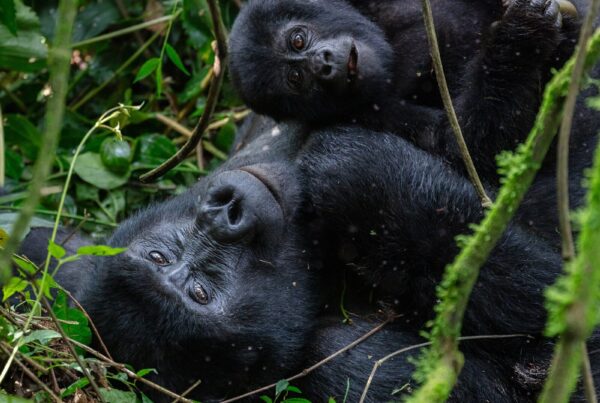
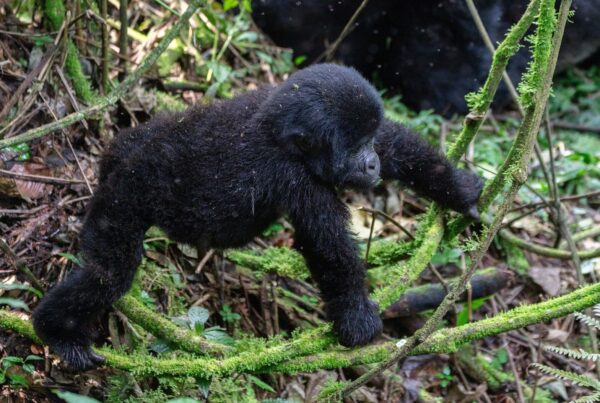
Uganda can be visited for gorilla trekking year-round — the mountain gorillas are in Bwindi Impenetrable National Park every day of the year and permits are issued in all months. But the experience of gorilla trekking varies significantly by season, and the ‘best’ time to visit depends on what trade-offs you are willing to make between weather conditions, permit availability, lodge pricing, and the overall quality of the trekking experience. Understanding Uganda’s seasons and how they affect gorilla trekking is essential preparation for anyone planning a visit.
Uganda’s Two Dry Seasons
Uganda experiences two dry seasons that are generally considered the most comfortable time for gorilla trekking. The long dry season runs from June to August — Uganda’s most popular tourism period and the time when gorilla permit demand is highest. The short dry season runs from December to January, covering the Christmas and New Year period that attracts many visitors combining Uganda with family travel.
During the dry seasons, Bwindi’s forest floor is drier and firmer underfoot, trails are less muddy and slippery, and the physical demands of the trek are lower than in wet season. Visibility in the forest is often better in dry conditions, and skies over the park are more frequently clear in the morning — relevant for landscape photography from lodge grounds and for the helicopter and charter flight operations that depend on weather windows. Temperature in the dry season is pleasant at Bwindi’s altitude (1,100 to 2,600 metres): cool mornings (10 to 15 degrees Celsius at elevation), warm afternoons, and cool evenings that require light layers at night.
The Challenge of Dry Season Trekking
The dry season’s comfortable conditions come with significant trade-offs in terms of visitor experience. June, July, and August are the peak months for gorilla trekking permits in Uganda, and demand consistently exceeds supply for the most popular sectors and families. Permits for these months sell out many months in advance, requiring early planning and booking. Lodge prices reach their annual peak in dry season, with the best properties at or near full occupancy and charging premium seasonal rates. Competition for accommodation at forest-edge properties that allow early morning departure for the trek without a long drive means that good lodges in Buhoma and other sectors are fully booked well ahead.
The practical experience of peak season gorilla trekking at Bwindi also involves more visible tourist infrastructure: larger numbers of vehicles at sector headquarters on trek morning, more groups of visitors in the forest simultaneously (though UWA limits each family to 8 visitors per day, so individual encounters are always intimate), and a more managed, less wild atmosphere than the off-peak experience.
Uganda’s Wet Seasons
Uganda has two rainy seasons: the long rains from March to May and the short rains from September to November. These periods are traditionally considered off-peak for gorilla trekking, and the reduced visitor numbers and lower lodge pricing during wet season reflect this classification. However, for many visitors with the right preparation and expectations, the wet season offers a compelling and sometimes superior gorilla trekking experience.
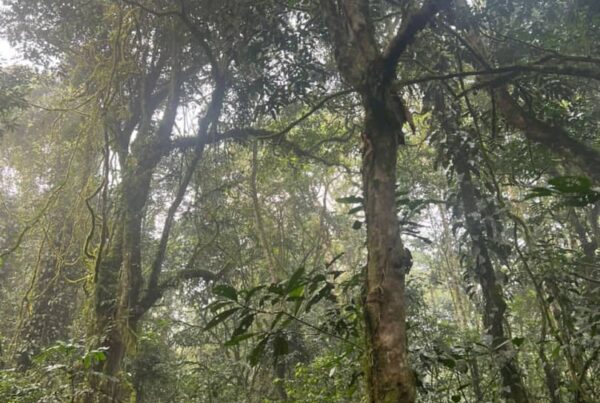
Wet season rains at Bwindi typically come in afternoon and evening showers rather than all-day downpours — mornings are often clear, which is when gorilla trekking occurs. The rain keeps trails wetter and muddier, which makes footing less certain and treks more physically demanding, but it also produces lush vegetation, misty atmospheric forest conditions that many find more visually dramatic than dry-season clarity, and behaviour changes in gorilla families that can mean they are more concentrated in productive feeding areas near lower-elevation vegetation flushes.
Bird activity is often higher in wet season as migratory species supplement the resident populations and breeding season activity increases. For birders combining gorilla trekking with Bwindi’s remarkable bird list, April-May wet season timing can be excellent.
Permit Availability by Season
Gorilla permit availability follows demand: lowest in June-August (peak demand), moderate in December-January (holiday peak), and best in March-May and September-November (wet season). Visitors with fixed dates in peak season should aim to book permits 6 to 12 months in advance. Off-peak season permits are available on shorter notice — sometimes 1 to 3 months ahead — though early booking remains advisable as off-peak demand has grown as gorilla trekking’s popularity has increased globally.
Sector-specific permit availability varies: Buhoma, as the most popular sector, has the tightest permit availability in peak season. Ruhija, the least visited sector, often has better availability even in peak months. Rushaga, with its multiple gorilla families, has the highest daily trekking capacity and therefore better availability than Buhoma or Nkuringo. Visitors with sector preferences who also have flexible dates should check availability across their preferred window before committing to specific dates.
Monthly Guide
January: Short dry season end, generally good trekking conditions. Good availability after New Year holiday peak subsides. February: Transition month — conditions variable, generally drying toward February. Good availability. March: Long rains begin — increasing rainfall but often manageable morning conditions. Permits more available, prices lower. April: Peak of long rains — wettest month at Bwindi. Lush, atmospheric forest. Significant mud. Best permit availability and lowest lodge prices of the year. May: Rains continuing but often beginning to ease in the second half. Good birding. Good availability. June: Long dry season begins. Permit demand increases rapidly. High season begins. July: Peak dry season. Maximum permit demand and lodge prices. Book 6-12 months ahead. August: Continuing peak conditions and demand. September: Short rains begin. Transition from peak — permit availability improving, prices begin to ease. October: Short rain season. Good conditions most mornings despite afternoon rain. Better availability. November: Continuing short rains. Good availability and lower prices. December: Rains easing, short dry season approaching. Christmas-New Year holiday peak for permits and lodge prices.
Weather, Altitude, and Temperature
Bwindi’s altitude means temperatures are consistently cooler than Uganda’s lowland parks regardless of season. Mornings at Buhoma (1,160 metres) are mild (15 to 20 degrees); at Ruhija (2,350 metres), mornings can be genuinely cold (10 to 14 degrees). Visitors from tropical or subtropical climates should bring warm layers for evenings and early mornings regardless of season. Rain gear — a good waterproof jacket and waterproof bags for camera equipment — is essential in all seasons but critical in wet season months.
Final Thoughts
There is no single best time to visit Uganda for gorilla trekking that applies to all visitors. The choice involves priorities: if dry trails, clear skies, and full tourist infrastructure matter most, June-August is your season. If lower prices, better permit availability, lush forest atmosphere, and fewer fellow tourists matter most, April-May or October-November offer these benefits with the trade-off of wetter conditions. Both experiences are valid, and the gorillas themselves are magnificent regardless of whether their forest is wet or dry. Plan for your priorities, prepare for the conditions, and trust that the encounter itself will transcend whatever season you visit in.