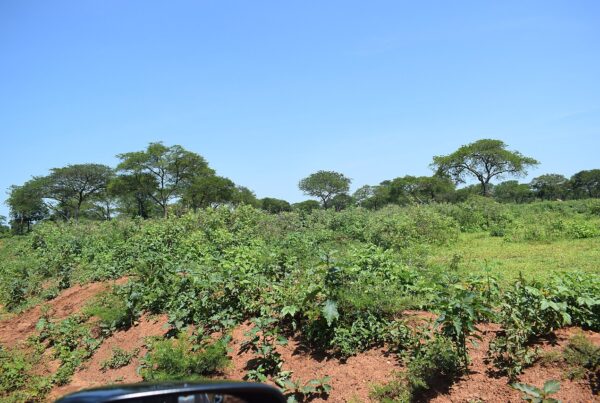
The Rwenzori Mountains near Fort Portal are one of Uganda’s most important Arabica coffee-growing regions, and a coffee farm tour in this area in 2027 is one of the most rewarding agricultural experiences available on a Uganda safari itinerary — for visitors passing through Fort Portal on the way from Kibale National Park to Bwindi Impenetrable Forest (or in the reverse direction), a half-day coffee farm visit in the Rwenzori foothills shows the complete cycle from cherry to cup: walking through coffee trees at 1,400-1,800 metres elevation where the cool temperature and volcanic soil produce a floral, acidic Arabica, seeing the wet processing station where cherries are pulped and fermented, and ending with a cupping of the estate’s own product. Coffee tours enrich Uganda safari itineraries between Kampala and Bwindi gorilla trekking.
- Location: Rwenzori Mountain foothills; accessible from Fort Portal town (Kabarole District); 45-90 minute drive from Fort Portal centre to most farms
- Duration: 2-4 hours for a standard farm walk and cupping; full-day market-to-farm-to-cup options available through Fort Portal operators
- Best time: October-January (main harvest season); cherry picking demonstrations possible; April-June secondary harvest
- Booking: through Fort Portal-based tour operators; some estates take direct bookings; your Uganda safari operator can arrange as a day activity
The Rwenzori Mountains near Fort Portal are one of Uganda’s most important Arabica coffee-growing regions, and a coffee farm tour in this area is one of the most rewarding agricultural experiences available on a Uganda safari itinerary. For visitors passing through Fort Portal on the way to or from Bwindi — or taking the western Uganda circuit that combines Kibale Forest chimp trekking with Queen Elizabeth and Bwindi gorilla trekking — adding a morning coffee tour creates a memorable connection to the country’s most important export crop. This guide covers how these tours work in 2027.
Where Rwenzori Coffee Grows
The Rwenzori Mountains — also called the “Mountains of the Moon” — form one of Uganda’s most dramatic landscapes, rising to over 5,100 meters on the Uganda-DRC border. The lower slopes between 1,500 and 2,200 meters provide ideal conditions for Arabica coffee cultivation: high altitude, rich volcanic soils, consistent rainfall, and cool temperatures that slow bean development and concentrate flavor. Coffee growing is practiced by smallholder farmers on the mountain slopes, often in plots of one to five acres alongside food crops. The Tooro Kingdom, which administers the Fort Portal region, has historically been associated with coffee farming and the local culture reflects this.
What a Coffee Farm Tour Involves
A typical Rwenzori coffee farm tour runs 3 to 5 hours and covers the full coffee production process from cherry to cup. The experience generally includes:
- Walking through coffee bushes and examining the different stages of cherry development — green, yellow, and fully ripe red cherries on the same branch
- Learning to hand-pick ripe cherries (the selective picking method used in specialty production) and filling a basket with your own harvest
- Visiting a wet processing station to see pulping, fermentation, and washing of the beans
- Watching the drying of parchment coffee on raised beds
- Traditional home roasting using a flat iron pan over an open fire — the beans stirred continuously until they reach the desired roast level
- Grinding roasted beans in a wooden mortar
- Brewing the freshly roasted coffee and drinking it with the farming family
How to Book a Coffee Tour Near Fort Portal
Several operators in Fort Portal town offer organized coffee farm tours to properties on the Rwenzori slopes. Your lodge or safari operator in Fort Portal can arrange this as a half-day activity. Some lodges have relationships with specific farms and offer the tour as part of their activities program. Independent travelers can also contact community tourism organizations in Fort Portal that coordinate access to smallholder farms. In 2027 the standard tour costs approximately $25 to $50 per person including transport to the farm, guide fees, and the tasting at the end.
Combining Coffee and Gorilla Trekking
Fort Portal sits between Kibale Forest (for chimp trekking) and the road south to Bwindi (via Kasese and Queen Elizabeth). The western Uganda circuit that most comprehensive gorilla trekking packages use passes through or near Fort Portal. A coffee tour fits naturally into a morning stop in Fort Portal — either before the drive south toward Bwindi or on the return journey back toward Entebbe. It takes 3 to 4 hours and requires a morning start, leaving the afternoon free for the road transfer. Your operator can build this into the itinerary without significant logistical complication.
What You Take Away
Most coffee farm tours end with the opportunity to buy freshly roasted beans directly from the farming family. The price is typically 10,000 to 20,000 UGX per 250 grams — much cheaper than buying packaged Ugandan coffee in a Kampala cafe and significantly fresher. Carrying a bag of beans roasted that morning back home is one of the best food souvenirs available on a Uganda trip. The provenance is specific and the quality is demonstrably high. Wrap the beans in an airtight bag and they remain fresh for two to three weeks after purchase.
A Rwenzori coffee farm tour in 2027 is a 4-hour investment that pays dividends in understanding Uganda. The country’s greatest agricultural export grows on some of its most beautiful landscapes, tended by farming families who have grown it for generations. Tasting coffee made from beans you picked and roasted yourself, sitting in a farmhouse kitchen with a view of the Rwenzori peaks, is one of those experiences that sits beside the gorilla trek in your memory of Uganda.
What does a Rwenzori coffee farm tour include and what will visitors see?
A well-organised Rwenzori coffee farm tour takes visitors through the complete coffee production process in a 2-3 hour experience. The farm walk: walking through coffee trees at 1,400-1,800 metres; the guide explains the differences between Arabica varieties grown in this area (primarily SL14 and SL28 cultivars introduced in the colonial period, increasingly alongside new Ugandan-bred varieties); coffee trees at different stages of fruit development; if visiting during harvest season, watching the cherry picking technique (only red ripe cherries are hand-selected). The processing station: a wet processing station where cherries are fed through a pulper to remove the outer skin; the pulped beans in mucilage ferment in tanks for 12-48 hours; after fermentation the beans are washed and laid on raised drying beds; the guide explains how fermentation time affects flavour. The cupping: a tasting session of coffees from the estate; prepared in the cupping protocol (ground fresh, brewed with hot water, evaluated after 4 minutes); the guide describes the flavour notes specific to Rwenzori Arabica (typically floral, citrus, stone fruit, bright acidity, medium body).
How does Rwenzori Arabica coffee compare to Uganda’s other coffee regions?
Uganda’s three main Arabica regions each produce coffee with distinct characteristics driven by their specific terroir. Rwenzori: altitude 1,400-2,000 metres; volcanic soil from Rwenzori geology; consistent cloud cover and rainfall from the Rwenzori glacier; flavour profile: floral, citrus, mild acidity, medium body; the wetness of the Rwenzori climate supports washed processing that emphasises clarity. Mt Elgon (Sipi Falls): altitude 1,500-2,200 metres; black volcanic soil; dryer climate than Rwenzori; flavour profile: brighter acidity, berry and blackcurrant notes, fuller body than Rwenzori; Bugisu Cooperative Union certifies Elgon Arabica. Kigezi (Kabale/Kisoro): altitude up to 2,000 metres; small production volume; the highest-altitude Uganda Arabica; proximity to Rwanda and Burundi coffee country; flavour profile: complex, wine-like notes when processed well; least developed as a specialty origin but with the most potential. Robusta comparison: all three of these regions produce Arabica; Uganda’s dominant Robusta is grown at lower altitude around Lake Victoria; Arabica from these regions commands premium prices in specialty markets that Robusta cannot.
How does a Rwenzori coffee tour fit into a gorilla trekking safari itinerary?
The Rwenzori coffee region sits geographically between Kibale National Park and the route to Bwindi Impenetrable Forest, making it a natural day activity for travellers on this circuit. The Fort Portal hub: Fort Portal is the gateway town for Kibale National Park (chimpanzee trekking, 30 minutes east); it is also the most convenient base for a Rwenzori coffee farm visit; Fort Portal has good accommodation including Kenjojo Hotel, Hotel Ruwenzori Hills, and several lodges. The two-night Fort Portal stay: the optimal structure is two nights in Fort Portal; day one: Kibale chimpanzee trekking; day two morning: Rwenzori coffee farm tour (2-3 hours); day two afternoon: begin drive south toward Bwindi (2-3 more hours on day three). Before Bwindi direction: Kampala to Fort Portal is approximately 5 hours; Fort Portal to Bwindi Buhoma sector is approximately 5-6 hours; a Fort Portal midpoint with a coffee tour adds half a day of cultural experience to an otherwise purely transportation day. Booking: your Uganda safari operator can incorporate the coffee tour into the itinerary; alternatively, Fort Portal-based Rwenzori Trekking Services and other local operators organise daily tours.
What can visitors buy at Rwenzori coffee farms and how should they transport it?
Buying coffee directly at the source farm is one of the most satisfying souvenir purchases possible on a Uganda trip and the most direct way to support the farming communities. What is available: most farm tours include the opportunity to buy estate-processed coffee; options typically include green (unroasted) beans, home-roasted beans of varying quality, and sometimes machine-roasted packaged coffee; the packaged roasted option is easiest to transport. Green beans option: buying green beans from the farm and roasting at home gives the freshest possible cup from Uganda coffee; green beans keep for 12+ months; home roasting equipment (air popcorn poppers, cast iron skillets) can produce good results; this option is for enthusiasts. Transport considerations: roasted whole beans in sealed vacuum packaging travel well in luggage; green beans in a cloth or paper bag also travel well but are less packaged; customs regulations in most destination countries do not restrict dried coffee beans (check your specific country if uncertain). Quantity to buy: 250g-500g is a typical visitor purchase; 1 kg of specialty Uganda Arabica from the source costs a fraction of what it costs in a specialty coffee shop in Europe or the US.
What other agricultural experiences are available near Fort Portal alongside coffee?
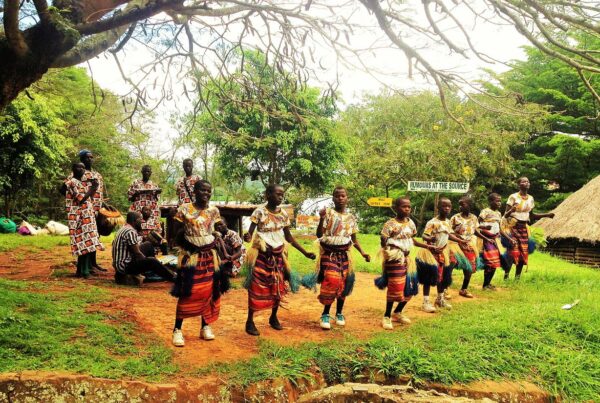
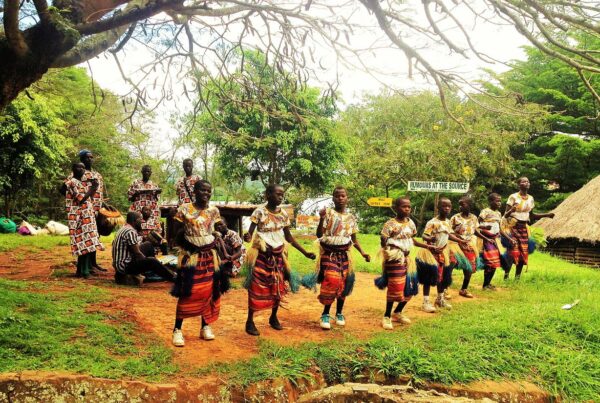
The Fort Portal area and the Tooro Kingdom surrounding it is one of Uganda’s most agriculturally diverse and visually spectacular regions with several farm-based experiences beyond coffee. Tea estates: Fort Portal is in Uganda’s primary tea growing district; the drive to Kibale and in the Fort Portal hills passes extensive tea estates; some tea estate tours are available through Fort Portal operators. Vanilla farming: Uganda is a significant vanilla producer; some farms in the Fort Portal area grow vanilla orchids; a vanilla farm visit shows the labour-intensive hand pollination process that makes vanilla one of the most expensive spices. Crater Lakes exploration: the Fort Portal area has over 50 crater lakes from ancient volcanic activity; Lakes Nyamirima, Nyinabulitwa, and Kifuruka are accessible; crater lake walks show the remarkable landscape that supports the agricultural richness of the area. Tooro Kingdom cultural site: the Tooro Kingdom palace and cultural centre in Fort Portal provides historical context for the region’s political and cultural heritage; the Tooro Kingdom is one of Uganda’s five traditional kingdoms recognised by government.
- Uganda’s coffee culture: from mountain farms to your cup
- Uganda Mountain Gorilla Tours: A Complete Guide
- Gorilla Conservation Success Story: How Tourism Saved Mountain Gorillas
- Gorilla Trekking and Rwenzori Mountain Hiking: The Ultimate 2-Week Uganda Combo
- When Was Gorilla Trekking Invented? A Brief History of Mountain Gorilla Tourism
- How Many Tourists Visit Uganda Each Year for Gorillas? Tourism Statistics Explained
- Rwenzori Mountains Uganda: Trekking the Mountains of the Moon
- Gorilla Trekking Uganda for Hikers: Combine Bwindi With the Rwenzori Mountains
- The Rwenzori Mountains: Africa’s Glaciers You Have Never Heard Of
- Rwenzori Turaco Uganda: Mountain Endemic Bird Complete Guide