TALK TO AN EXPERT +256 716 068 279 WHATSAPP OPEN NOW.
Travel Logistics & FAQs

When Was Gorilla Trekking Invented? A Brief History of Mountain Gorilla Tourism

Home / Travel News, Stories & Tips / Travel Logistics & FAQs / When Was Gorilla Trekking Invented? A Brief History of Mountain Gorilla Tourism

The Story of How Humans First Walked into the Forest to Meet Gorillas

Gorilla trekking did not exist before the 1970s. For most of human history, mountain gorillas were feared, hunted, or simply unknown to the outside world. The idea that tourists would pay to hike into dense jungle for the privilege of sitting quietly with wild gorillas would have seemed absurd to anyone living a century ago. This article traces the remarkable evolution of gorilla trekking from colonial-era hunting expeditions to one of the most sought-after wildlife experiences on Earth.

Early Encounters: Fear and Misunderstanding (1800s-1950s)

The first recorded encounter between Westerners and mountain gorillas occurred in 1902 when German army officer Robert von Beringe shot two gorillas in the Virunga Volcanoes during an expedition to establish the borders of German East Africa. For decades afterwards, gorillas were known primarily through museum specimens and exaggerated stories. King Kong in 1933 cemented the gorilla as a monstrous figure in popular culture, a perception that persisted well into the twentieth century.

Early conservationists like Carl Akeley, who led expeditions to the Virungas in the 1920s, were among the first to recognise the gentle nature of gorillas and advocate for their protection. Akeley convinced King Albert of Belgium to establish Albert National Park in 1925, the first national park in Africa, specifically to protect the mountain gorillas of what is now the DRC.

Dian Fossey and the Birth of Gorilla Habituation (1960s-1970s)

The turning point in gorilla-human relations came with Dian Fossey, the American primatologist who arrived in Rwanda in 1967 and spent the next eighteen years studying mountain gorillas in the Virunga Volcanoes. Fossey’s habituation of gorilla groups, her groundbreaking research into gorilla behaviour, and her fierce anti-poaching efforts transformed scientific and public understanding of these animals.

Fossey habituated several gorilla families to tolerate human observers at close range. By the early 1970s, her research assistants and visiting scientists were regularly observing gorillas from distances of just a few metres. This habituation process, developed through years of patience and trust-building, laid the groundwork for what would eventually become gorilla tourism.

The First Gorilla Tourists: Late 1970s

The first organised gorilla tourism began in the late 1970s in Rwanda’s Volcanoes National Park. The Rwandan government, inspired by Fossey’s research and the growing global interest in conservation, began allowing small numbers of tourists to visit habituated gorilla groups under strict supervision. The early treks were primitive by modern standards: no formal trails, no porters, and minimal infrastructure. Visitors walked into the forest with a guide and hoped to find the gorillas.

Uganda’s gorilla tourism began slightly later. In the early 1980s, researchers at Bwindi Impenetrable Forest began habituating gorilla groups for scientific study. The first tourist visits to Bwindi occurred in the late 1980s and early 1990s, after the Uganda Wildlife Authority recognised the potential of gorilla tourism as both a conservation tool and a source of revenue.

The 1980s: A Decade of Crisis

Despite the promise of gorilla tourism, the 1980s were a dark period for mountain gorillas. Political instability in Rwanda, Uganda, and the DRC made tourism impossible in many areas. Poaching increased dramatically, particularly in the DRC’s Virunga National Park. By the mid-1980s, the total mountain gorilla population had fallen to approximately three hundred and twenty individuals, dangerously close to extinction.

Dian Fossey was murdered at her Karisoke Research Centre in Rwanda in 1985, a crime that remains officially unsolved. Her death brought international attention to the plight of mountain gorillas and galvanised conservation efforts that would prove crucial to the species’ survival.

The 1990s: Gorilla Tourism Takes Shape

The early 1990s saw the formal establishment of gorilla tourism programs in both Rwanda and Uganda. Rules and protocols were developed to protect both gorillas and tourists: limiting groups to eight people, maintaining a seven-metre distance, limiting visits to one hour, and banning flash photography. These rules, refined over decades, remain in place today with minor adjustments.

In 1991, Uganda established Bwindi Impenetrable National Park and Mgahinga Gorilla National Park specifically for gorilla conservation. In 1994, Bwindi was designated a UNESCO World Heritage Site, recognising its exceptional biodiversity and the global importance of its mountain gorilla population.

The 2000s: Growth and Professionalisation

As political stability returned to the region, gorilla tourism grew rapidly. New lodges were built near Bwindi and Volcanoes National Park. Professional tour operators emerged. Marketing campaigns brought gorilla trekking to the attention of global travellers. Permit prices rose as demand increased, from three hundred and fifty dollars in the early 2000s to seven hundred dollars by 2020.

Community tourism programs were integrated into the gorilla trekking experience, with a portion of permit revenue directed to local communities to reduce human-wildlife conflict and incentivise conservation.

2010s to Present: Conservation Success Story

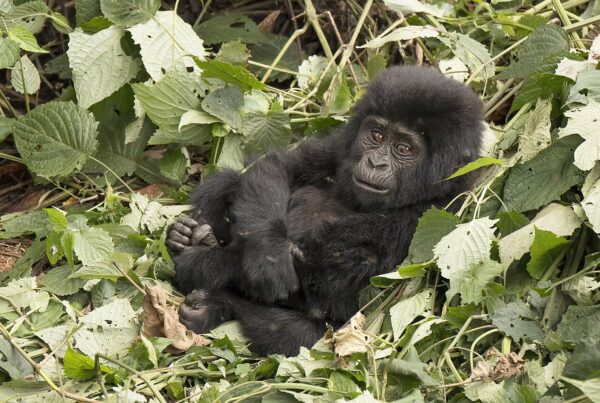
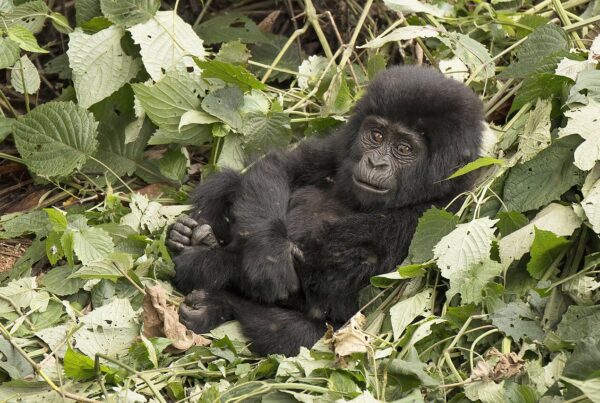
The most remarkable chapter in gorilla trekking history is the conservation success it has helped achieve. From a low of approximately three hundred and twenty individuals in the 1980s, the mountain gorilla population has grown to over one thousand one hundred today. This makes mountain gorillas the only great ape species whose population is increasing, a direct result of the anti-poaching efforts, veterinary care, and habitat protection funded by tourism revenue.

In 2018, the International Union for Conservation of Nature downgraded mountain gorillas from “critically endangered” to “endangered,” a milestone that would have seemed impossible in the 1980s. Gorilla trekking is now widely recognised as one of the most successful examples of conservation tourism in the world.

The Modern Gorilla Trekking Experience

Today’s gorilla trekking experience is a far cry from the primitive expeditions of the 1970s. Modern trekkers benefit from:

  • Professional ranger guides trained in gorilla behaviour and visitor safety
  • Well-established trails and briefing protocols
  • Comfortable lodges ranging from budget to ultra-luxury
  • Reliable transport and logistics
  • Medical evacuation insurance and veterinary support for gorillas
  • Community programs that ensure local benefit from tourism

Final Thoughts

Gorilla trekking was not invented in a single moment. It evolved from decades of scientific research, conservation struggle, and the gradual realisation that wild gorillas could tolerate and even benefit from carefully managed human presence. What began as a scientific curiosity in the 1960s has become a global phenomenon that sustains one of the world’s rarest species. Every gorilla trekker who buys a permit and walks into the forest is participating in one of conservation’s greatest success stories.

Ready to experience Uganda’s mountain gorillas in 2026? Secure your gorilla permits early and let us craft a seamless safari tailored to your travel style, preferred trekking sector, and accommodation level. From luxury lodges to well-designed midrange journeys, every detail is handled for you. Every itinerary is carefully planned to maximize your time in the forest while ensuring comfort, safety, and unforgettable encounters.

Have questions about gorilla permits, travel dates, or the best itinerary for you? Speak with a safari expert and get clear, honest guidance to plan your trip with confidence.

When is the last time you had an adventure? African Gorillas!!! Up Close With Uganda’s Wild Gorillas Touched by a Wild Gorilla: An Unforgettable Encounter Inside Gorilla Families: Bonds, Hierarchies & Jungle Life Face to Face With a Silverback: The Wild Encounter You’ll Never Forget