While Uganda is celebrated internationally for its coffee, tea is the daily drink for most Ugandans — the cup that starts every morning, accompanies every meeting, and marks the end of every working day — and Uganda grows substantial quantities of black CTC tea in its southwestern highlands, primarily in the Fort Portal area of Tooro Kingdom (Kabarole District), the Ankole sub-region around Mbarara, and the Kigezi Highlands near Kabale, on tea estates and smallholder farms at altitudes of 1,200-2,000 metres where the cool temperatures, well-distributed rainfall, and fertile volcanic soils produce a robust black tea that is almost entirely exported in bulk rather than sold as branded specialty tea domestically. Uganda’s tea culture connects Uganda safari and gorilla trekking visitors to everyday Ugandan life.
- Main producing areas: Tooro (Fort Portal/Kabarole), Ankole (Mbarara area), Kigezi (Kabale/Kisoro), West Nile
- Tea type: primarily black CTC (Cut, Tear, Curl) tea; some orthodox tea; minimal white or green tea production
- Export: Uganda is one of Africa’s largest tea exporters; most exported at the Mombasa Tea Auction; blended into British and Pakistani branded teas
- Local drinking: chai (tea with milk and sugar, often spiced) is the standard preparation; drunk multiple times daily throughout Uganda
While Uganda is celebrated internationally for its coffee, tea is the daily drink for most Ugandans — the cup that starts every morning, accompanies every meeting, and marks the end of every working day. Uganda grows substantial quantities of black tea in its southwestern and western highlands and in 2027 the country’s tea industry is a significant contributor to agricultural exports. For visitors, Uganda’s tea culture offers a different but equally compelling food experience from the coffee story, rooted in British colonial history and adapted into something distinctively East African. This guide covers Uganda’s tea, where it grows, and how best to drink it.
Uganda’s Tea History
Tea cultivation in Uganda began during the British colonial period in the early 20th century. The British introduced tea as a plantation crop to the highland regions that had suitable climate and rainfall — primarily the Kigezi highlands of southwestern Uganda (near Kabale), the Ankole area, and the western districts near Fort Portal. Large tea estates were established on land allocated by the colonial administration and the industry developed alongside the Uganda Railway’s commercial infrastructure. After independence, tea estates were nationalized and then partially privatized. In 2027 a mix of commercial estates and smallholder outgrower programs produces Uganda’s tea crop.
Where Uganda’s Tea Grows
Kigezi Highlands
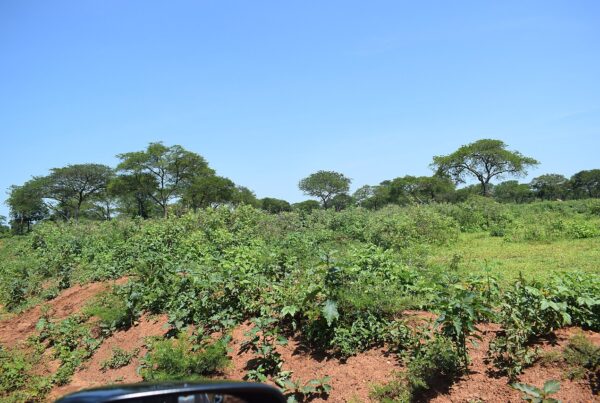
The Kigezi region in southwestern Uganda — the area around Kabale that visitors pass through on the way to Bwindi — is one of Uganda’s primary tea-growing zones. The highlands here sit at 1,800 to 2,200 meters, providing cool temperatures, high rainfall, and well-drained volcanic soils that tea plants favor. The terraced hillsides around Kabale and Kisoro include tea plots alongside food crops. Kibinge Tea Estate and other commercial producers operate in this region. Driving through southwestern Uganda, the green rows of tea bushes on hillsides are visible from the road.
Fort Portal and Western Uganda
The Tooro region around Fort Portal also supports significant tea cultivation. Mabale Growers Tea Factory and other processing facilities operate in western Uganda, buying leaf from smallholder outgrowers and processing it into the black tea that Uganda exports primarily to the UK, Pakistan, and regional East African markets. The rolling hills west of Fort Portal have tea estates with the characteristic low-clipped tea bushes stretching across the landscape.
Ugandan Chai: The Daily Tea Culture
Tea in Uganda is typically drunk as chai — milk tea made by simmering tea leaves or bags in a mixture of water and milk with sugar added generously. The result is a sweet, creamy, warming drink that bears some resemblance to Indian chai but with less spicing. Black pepper or ginger is sometimes added in home preparation but the spice element is usually minimal compared to South Asian versions. Ugandan chai is served in mugs or enamel cups at roadside stalls, guesthouses, offices, and homes throughout the country. It is the default hospitality drink — offering a visitor tea is the standard Ugandan gesture of welcome.
Tea at the Source: Plantation Visits
Several tea estates in Uganda offer visits for tourists interested in the production process. The basic tour includes walking through the tea bushes, learning to hand-pick two leaves and a bud (the standard specialty tea picking method), watching the factory processing line that includes withering, rolling, oxidizing, and drying the leaf into finished black tea, and concluding with a tasting of the finished product. These tours are available through lodges and tour operators in the Fort Portal and Kabale areas. A half-day tea plantation visit pairs well with a morning before driving to Bwindi or as a final activity before returning to Entebbe.
Drinking Tea Well in Uganda
The best tea in Uganda is not necessarily the packaged exports — it is the fresh-brewed chai at a roadside stall where the proprietor makes it in a battered aluminium pot on a charcoal stove, with full-fat local milk and a generous amount of sugar. This is what Ugandans drink and it is what you should drink if you want to understand the country’s tea culture. At Bwindi lodges, tea is typically available throughout the day and is consistently offered to guests returning from a gorilla trek. That first cup of hot sweet tea after several hours of forest trekking is one of the better cups of tea you will ever drink, by virtue of the circumstances in which you drink it.
Uganda’s tea in 2027 is an understated pleasure — simpler in its story than the coffee narrative but equally embedded in the daily life of the country. Drink it the way Ugandans drink it, sweet and milky from a roadside stall, on the drive to Bwindi, and it will make more sense than any amount of reading about it could achieve.
Where are Uganda’s main tea-growing areas and what makes them suitable?
Uganda’s tea is concentrated in the southwestern highlands where altitude, rainfall, and soil conditions match the requirements of Camellia sinensis. Tooro (Fort Portal area): the area around Fort Portal in Kabarole District is Uganda’s largest tea-producing region; the Rwenzori Mountain foothills provide altitude (1,400-1,800 metres) and the Rwenzori generates consistent cloud cover and rainfall; tea estates in this area include the Mubuku Tea Estate and several smaller operations. Ankole region (Mbarara): the highlands of Ankole produce tea at 1,200-1,600 metres; the area is more temperate than the lowland Uganda norm and the well-distributed annual rainfall supports year-round tea flushing. Kigezi Highlands (Kabale/Kisoro): the Kigezi region — adjacent to Bwindi Impenetrable Forest and Mgahinga — is Uganda’s highest tea-growing area at 1,800-2,000 metres; the cool temperatures and frequent rain are ideal for tea; visitors to Bwindi drive through Kigezi tea country on the approach road through Kabale. West Nile: a smaller tea-producing region in northwestern Uganda; lower altitude but adequate rainfall.
How do Ugandans drink tea and what is the chai culture?
Tea in Uganda is drunk primarily as chai — a preparation of black tea brewed with milk and sugar rather than as plain tea with milk and sugar added separately. The standard preparation: loose black tea is added to water and brought to a boil; milk is added (typically powdered milk in rural areas, fresh milk in urban households and lodges); the mixture is simmered briefly; sugar is added to taste — Ugandan chai is often sweet; the result is a milky, warming drink similar to Indian chai or British builders’ tea. Ginger chai: fresh ginger is often added at the boiling stage; ginger chai is the preferred preparation in many households and is considered good for digestion and cold prevention. Occasions: tea accompanies every Ugandan social interaction — a visitor is always offered chai; workers stop for tea in the morning and mid-afternoon; meetings begin with a round of chai; the offering of tea is a fundamental Ugandan hospitality gesture. At lodges: most Uganda safari lodges offer morning tea delivered to your room before sunrise; this often uses better quality Uganda tea than the commodity blends used at home.
Is Uganda tea exported or is good Ugandan tea available locally?
Uganda’s tea production is overwhelmingly exported as bulk commodity tea sold at the Mombasa Tea Auction and blended into British, Pakistani, and Middle Eastern branded teas. The export situation: Uganda produces approximately 60,000-70,000 tonnes of made tea annually (figures vary by year); the majority is sold at the Mombasa auction in undifferentiated lots; this means Uganda tea ends up in British supermarket blends without the Uganda origin being disclosed on the label. Local availability: packaged Uganda tea is available domestically under brands including Kyagalanyi Coffee Ltd, Twinings Uganda (limited), and various smaller brands; these are generally CTC blends sold in supermarkets. Specialty Uganda tea: there is a very small but growing specialty tea movement; some producers in the Kigezi highlands are producing orthodox leaf tea marketed as Uganda specialty; available in some Kampala specialty shops and online. What visitors can buy: packaged Uganda tea is available at Kampala supermarkets and at Entebbe airport; it is inexpensive and represents the everyday Ugandan tea experience more accurately than a specialty version would.
Can visitors visit Uganda tea plantations and what is the experience like?
Tea plantation visits are possible in Uganda’s main growing areas and are most accessible near Fort Portal and the Kigezi region near Bwindi. Fort Portal area: the tea estates around Fort Portal are visible from the main roads and some offer visits through the estate office; a visit to a processing factory during flush season shows the full CTC process — withering, rolling, fermentation, and drying. Kigezi area (Bwindi approach): the road from Kabale to Bwindi Buhoma passes through tea-growing country; smallholder tea farms are visible from the road; a stop at a local buying centre during harvest shows the leaf collection process; this is most active in the morning when pickers bring leaves from the fields. What you see: tea plucking — taking the top two leaves and a bud from each shoot — is done by hand; a skilled plucker in Uganda picks approximately 30-40 kg per day; the green leaf is taken to a factory for processing within a few hours of picking to prevent deterioration. Timing: tea flushes year-round in Uganda’s rainfall climate; there is no single best season to visit; the wettest months produce the most leaf and busiest factory operation.
How does Uganda tea compare to Kenyan and Rwandan tea?
Uganda occupies a specific position in the East African tea landscape alongside Kenya (the region’s largest producer) and Rwanda (a growing specialty origin). Kenya: Kenya is by far the region’s largest tea producer and one of the world’s largest; Kenyan tea — particularly from the Rift Valley Nandi Hills and Kericho area — is known for bright, brisk, high-grown flavour; Kenya is the price-setter in the Mombasa auction; Uganda tea is generally priced below Kenyan. Rwanda: Rwanda has invested heavily in specialty tea positioning in the last decade; Rwandan orthodox tea from the Virunga foothills is sold as specialty with flavour notes marketed to the specialty buyer; Rwanda earns significantly more per kilogram than Uganda for exported tea. Uganda’s position: Uganda tea is a solid commodity origin producing reliable CTC; it lacks Kenya’s volume advantage and Rwanda’s specialty positioning; the opportunity is to develop the Kigezi highland tea as a specialty origin given its altitude and flavour potential — something only beginning to happen in 2027.
- Best Time for Gorilla Trekking in Uganda – Monthly Guide to 2025 Seasons
- The Best Time to Climb or Hike Mount Rwenzori
- Birds of Uganda: The Untamed Symphony of Africa’s Best Birding Paradise
- Cultural Tourism Sites in Uganda – Best Uganda Heritage
- Uganda Is Safe for Gorilla Trekking Again: Why Now Is the Best Time to Visit Bwindi
- Best Places to Travel Solo: Safe, Inspiring & Unforgettable Destinations
- Best Budget Travel Destinations in Africa
- Best Time to Trek Gorillas in Uganda – UK vs USA vs Germany Travel Guide
- Uganda Gorilla Trekking Near Kabale: The Highland Town Base Guide
- Best Time for Uganda Gorilla Trekking 2026: Month-by-Month Breakdown