Updated
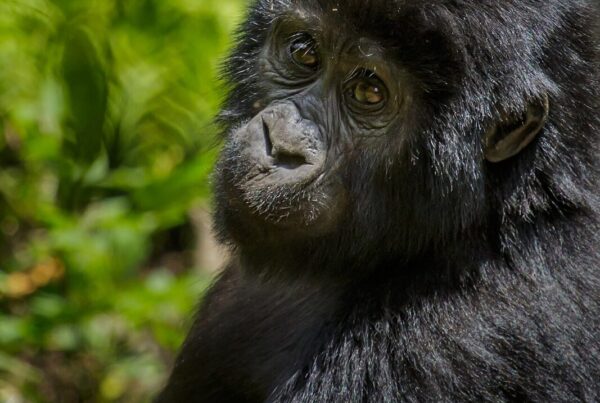
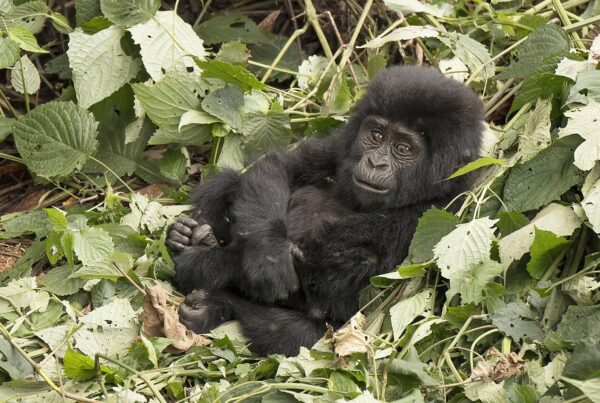
Uganda next destination gorilla trekking first activity is one of Africa’s most extraordinary wildlife experiences, connecting travellers with mountain gorillas in their natural forest habitat. You have been to the easy places — the well-documented destinations where the infrastructure accommodates every kind of visitor with every kind of expectation — and at some point a serious traveller encounters a different category of destination: somewhere that asks more of you, delivers something you did not know you were looking for, and produces a story that no other trip could have given you — and Uganda, with mountain gorilla trekking in Bwindi Impenetrable Forest as its centrepiece and one of Africa’s most concentrated wildlife circuits surrounding it, is that destination. Plan with the 7-day Uganda gorilla safari or 3-day fly-in Bwindi trek.
- Signature experience: mountain gorilla trekking at Bwindi Impenetrable Forest — the only place in East Africa where mountain gorillas can be tracked for USD 800 per permit (Rwanda charges USD 1,500)
- Species density: Uganda has over 1,000 bird species, 13 primate species (more than any other country), and the Big Five; it is one of the most species-rich countries in Africa relative to its size
- Practical access: Entebbe International Airport has direct connections to major European hubs; Uganda e-visa USD 50; drives to Bwindi are 6-8 hours or 1 hour by charter flight
- Infrastructure: national park lodges range from budget guesthouses (USD 80-180/night) to luxury camps (USD 600-1,200/night); the circuit connecting Bwindi, QENP, and Kibale is well-established and routinely managed
You have been to the easy places. The well-documented, well-photographed destinations that appear on every travel list and where the infrastructure accommodates every kind of visitor with every kind of expectation. You have had good experiences in those places. But there comes a point in a serious traveller’s life when the easy places feel insufficient — when the quality of the travel infrastructure starts to feel like a limitation rather than a convenience, when the crowd that knows what you know about a place makes the place feel less like discovery and more like a managed experience of someone else’s discovery.
Uganda is the next destination. Not because it is hard — it is not — but because it is genuinely different from the easy places in ways that matter to travellers at a specific stage of their relationship with travel. It requires more of you, and it gives more back.
Make Uganda Your Next Destination and Gorilla Trekking Your First Activity
Why Gorilla Trekking Is the Right First Activity
Starting a Uganda trip with gorilla trekking — rather than treating it as the conclusion of a longer itinerary — sets the standard for everything that follows. The gorilla encounter provides a reference point of experiential intensity that makes every subsequent activity in Uganda feel like it is part of the same world rather than a different world. The birds visible on the road from Bwindi to Queen Elizabeth National Park mean more because you have been inside the forest. The chimpanzees of Kibale are more remarkable because you have already understood, from the gorilla encounter, what primate intelligence looks like at close range.
Starting with the gorillas also solves the logistics problem that plagues Uganda itineraries: the long drive from Kampala to Bwindi. Eight to ten hours each way is a genuine commitment, and doing it twice — once to get to the gorillas and once to return from them — is more efficient when the gorilla trekking is the first activity rather than the last. Fly in, drive to Bwindi, trek, then travel east and north through Uganda’s other parks as you work your way back toward Kampala and the airport.
What Uganda Offers Beyond the Gorillas
Making Uganda your next destination rather than simply your next gorilla trekking destination opens a broader itinerary. Queen Elizabeth National Park — two to three hours from Bwindi — offers tree-climbing lions, boat safaris on the Kazinga Channel, and some of East Africa’s best birding in the Maramagambo Forest. Kibale Forest National Park is the best place in the world for chimpanzee tracking, with habituation experiences available as well as standard tracking. Murchison Falls National Park has the Nile at its most dramatic and a wildlife recovery story as compelling as the gorilla story, just less celebrated.
Uganda’s birding, for travellers interested in birds, is world-class by any measure — over 1,060 species including dozens of Albertine Rift endemics. The country punches far above its weight in birding diversity relative to its size, and serious birders who come for the gorillas often find that the bird list from a single Uganda trip is the most remarkable of their life.
The Practical Starting Point
Start with us. Contact Uganda Gorilla Trekking for a permit for your preferred 2027 dates at $800 per person, and let us build the broader Uganda itinerary around the gorilla encounter that anchors it. We design itineraries across Uganda’s parks based on your interests, fitness level, and time available — with the gorilla trekking at Bwindi as the centrepiece around which everything else is structured.
Uganda is your next destination. Gorilla trekking is your first activity. Contact us today.
What makes Uganda different from Kenya or Tanzania as a safari destination?
Uganda occupies a different niche in East African safari travel. Primate density: Uganda has 13 primate species — the highest count in any East African country; this includes mountain gorillas, chimpanzees, colobus monkeys, and red-tailed monkeys; primate-focused travellers have more options in Uganda than anywhere else in Africa. Exclusivity: Bwindi limits permits to 8 people per gorilla family per day; the density of visitors at the gorillas is radically lower than a Masai Mara vehicle jam. Savannah comparison: Kenya and Tanzania have superior savannah wildlife by volume — larger herds, more lion prides, better migration access; Uganda’s QENP and Kidepo Valley are excellent but not Mara-scale. Birding: over 1,000 bird species in Uganda including the shoebill at Mabamba Bay and Albertine Rift endemics; competitive with the best birding in Africa. The positioning: Uganda is the right choice for travellers who specifically want gorillas and primates as their primary experience; for those wanting pure savannah scale, Kenya-Tanzania leads.
Is Uganda safe for tourists in 2027?
Uganda is generally safe for tourists in the national park and tourism circuit. Kampala: the capital is a functioning city with normal urban safety considerations; standard precautions apply; most tourists transit through Kampala briefly. Park areas: Bwindi, QENP, Kibale, and Murchison Falls are all well-managed, ranger-patrolled areas with established tourist infrastructure; serious incidents involving tourists are rare. Kidepo Valley NP: the northeastern location near the South Sudan and DRC borders warrants more attention; the park itself is well-managed; most visitors fly in by charter rather than drive. DRC border area: Bwindi is adjacent to the DRC border; the park is inside Uganda and is secure; cross-border movement is not part of any standard tourist itinerary. Check UK FCDO, US State Department, or your government’s travel advisory before travel; as of 2027 Uganda’s main tourism circuit is rated normal precaution.
What is the ideal Uganda itinerary for a first-time visitor?
For a first visit, the classic primate circuit is the best starting point. 7-10 day standard circuit: Day 1-2 Entebbe arrival, Kampala, optional Mabamba Bay shoebill; Day 3-5 Kibale Forest chimp trek plus QENP game drive and Kazinga Channel; Day 6-8 Bwindi gorilla trekking; Day 9-10 return via Kampala. Short version (5-6 days): fly into Kihihi or Kisoro by charter; 3-day Bwindi fly-in plus 2 days QENP; fly out. Sector choice at Bwindi: Buhoma is the best-known and most accessible sector for first-timers; see sector comparison. Full planning: 7-day gorilla trekking itinerary and full cost breakdown.
When is the best time of year to visit Uganda for gorilla trekking?
Uganda is a year-round destination but seasons vary the experience. Dry seasons (peak): June-September and December-February; forest trails at Bwindi are firmer; shorter treks on average; permits book fastest; accommodation prices at peak rates. Wet seasons (shoulder): October-November and March-May; trails are muddier and sometimes slippery; treks can be longer if gorillas move to wetter areas; the forest is lush and atmospheric; accommodation 10-25% cheaper; fewer visitors; excellent birding. What never changes: the gorillas are accessible every day of the year; the 60-minute encounter is the same in any season; the quality of the gorilla encounter does not depend on the weather. Recommendation: first-timers often prefer dry season for easier hiking; experienced walkers and photographers sometimes prefer wet season for the forest atmosphere and lower crowd levels.
How do I book a Uganda gorilla trek package from Europe or the USA?
Booking process for international visitors. Step 1: contact an accredited Uganda tour operator; Uganda Tourism Board accreditation ensures the operator can legally book permits and has the operational capacity to run the trip. Step 2: confirm permit dates; the permit booking date is the fixed anchor of the itinerary; everything else is built around it. Step 3: flights to Entebbe International Airport (EBB); direct from London, Amsterdam, Brussels, and Istanbul; from USA via Nairobi, Addis Ababa, or Amsterdam. Step 4: visa; Uganda e-visa USD 50 online at visas.immigration.go.ug; most nationalities can also get on-arrival at Entebbe. Step 5: health; yellow fever vaccine required; malaria prophylaxis recommended; no other unusual vaccinations required. Read first: 30 things to know and cost breakdown.
- Make Uganda Your Next Destination and Gorilla Trekking Your First Activity
- First Safari? Why Uganda in 2026 Is the Best Decision You’ll Ever Make
- Top Gorilla Trekking Destinations in Uganda – Bwindi vs. Mgahinga 2025
- Uganda Primate Safaris: Journey Into the Forests Where We First Belonged
- Uganda Travel Tips for First-Time Visitors: What You Need to Know Before You Go
- Best Places to Travel Solo: Safe, Inspiring & Unforgettable Destinations
- Best Budget Travel Destinations in Africa
- Uganda gorilla trekking explained: everything a first-timer needs
- What Makes Uganda Gorilla Trekking Different from Any Other Wildlife Trip
- Why Bwindi Gorilla Permits Sell Out for February First (And How to Get One in 2026)