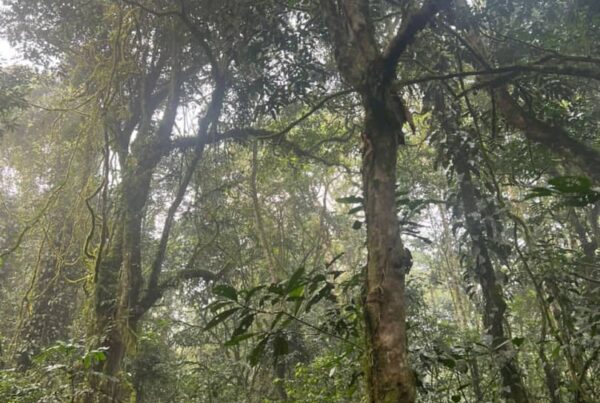
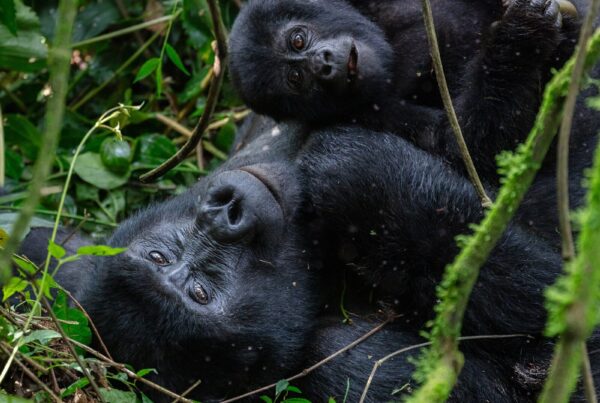
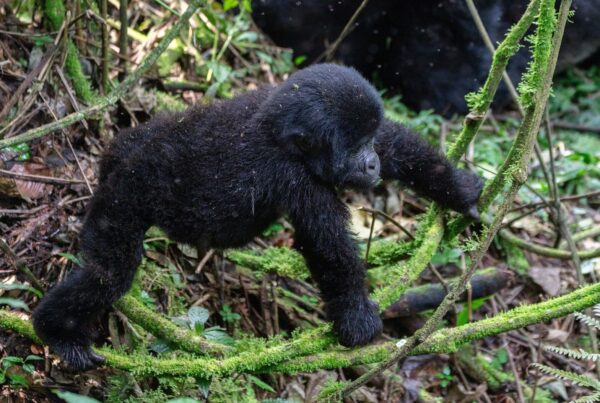
There is always a reason to wait — and the reason always sounds reasonable because it is true: the timing is not perfect, there are other demands on the money, next year might be easier — but the pattern of deferral has an end point that is not “perfect timing” but “didn’t go,” and the people who have trekked gorillas in Bwindi Impenetrable Forest and those who have not are distinguished not by income or health or even opportunity but by whether they chose to act on the interest they already had. Confirm your dates with an accredited Uganda operator and see the gorilla trekking cost.
- Permit price trajectory: USD 500 (2016) → USD 600 (2017) → USD 700 (2018) → USD 800 (current); the price direction is upward as conservation funding requirements grow
- Access quality: the 2027 access situation — 20+ habituated families, stable park management, good accommodation across all Bwindi sectors — represents peak access conditions in the species’ history
- The substitute: there is no substitute for mountain gorilla trekking; no zoo contains mountain gorillas; the encounter is available only in Uganda, Rwanda, and DRC
- Revenue impact: 20% of every permit funds adjacent communities; 80% funds UWA ranger operations; your permit directly maintains the conservation that keeps the gorillas accessible
There is always a reason to wait. The timing is not right. The budget needs more time. The trip deserves more research. Next year will be better. This is how the best experiences in life get postponed indefinitely — not by a single dramatic decision to say no, but by an endless series of small deferrals that add up to a life unlived. Here is why 2027 is not just a fine time to book gorilla trekking in Uganda — it is arguably the best time in a decade.
The Gorilla Population Is at Its Strongest
Mountain gorilla conservation is one of wildlife’s great success stories, and 2027 represents a high point. The global mountain gorilla population has grown from fewer than 650 individuals in the early 2000s to over 1,100 today — an increase of nearly 70 percent. This growth is the result of sustained, multi-decade investment in ranger protection, habitat preservation, veterinary intervention, and community development around the forest.
More gorillas means more habituated families available for trekking, and more robust family structures that produce richer encounter experiences. The gorillas you will meet in Bwindi in 2027 are part of a thriving, growing population. That is a privilege. It was not always this way, and it is not guaranteed to always be this way — but right now, in 2027, the gorillas are doing well. Come and witness that.
Uganda’s Tourism Infrastructure Has Matured
Ten years ago, the lodge options around Bwindi were limited. Today, there are properties at every price point — from intimate luxury camps with forest-edge decks and exceptional service, to comfortable mid-range lodges and community guesthouses that offer genuine value. The roads connecting Bwindi to Kampala and Entebbe have improved significantly. Charter flight options within Uganda have expanded. The whole experience of getting to and from the forest is smoother than it has ever been.
The ranger corps at Uganda Wildlife Authority has grown and professionalized. Trek guides are trained in animal behavior, first aid, and interpretive naturalism. The habituated families are well-managed — gorilla health and trekker safety protocols are rigorous. You are booking into a mature, well-run operation, not a pioneering adventure with unknown variables.
Flight Connectivity to Uganda
Multiple airlines now offer good connections to Entebbe International Airport from Europe, the Middle East, and increasingly from North America. Flight times from London are around nine hours direct. From the US East Coast, a connection through Europe or the Middle East gets you to Entebbe in 16 to 18 hours — long, but manageable, especially when what waits at the other end is what waits at the other end.
The Permit Price Is What It Is
The UWA gorilla permit for international tourists sits at $800 in 2027. This price, while significant, has been stable, and there is no compelling reason to expect it will decrease. Conservation costs do not decrease. The ranger workforce, anti-poaching operations, veterinary care, and community programs funded by permit revenue are growing, not shrinking. If you are waiting for the permit to get cheaper, that wait is likely to be indefinite.
What the $800 buys has not diminished: one hour with a habituated gorilla family, led by experienced rangers, in one of the world’s most biodiverse forests. The value proposition is unchanged. The experience is unchanged. The only thing that might change is availability — and availability tightens, not loosens, as more travelers discover Uganda.
Peak Season Permits Are Already Going
If you are targeting July or August 2027 — the dry-season peak that most travelers prefer — permits are already being claimed. June through August and December see the highest demand, and the available slots are finite: eight trekkers per family per day, across approximately 20 habituated families at Bwindi and Mgahinga. Late bookings in peak season frequently find themselves with no choice of family, sector, or date. The travelers who book now choose. The travelers who wait take what remains.
Uganda Is Gaining Global Recognition
Uganda has appeared on major travel lists with increasing frequency in recent years. It was named among the top destinations to visit by multiple international travel publications. Its combination of gorilla trekking, chimpanzee trekking, birding, and savanna wildlife — all in a single, compact country — is a proposition no other destination can match. As that recognition grows, so does demand. Traveling now, before Uganda becomes a bucket-list cliche, means experiencing it with the intimacy that early adopters always find.
This is not a warning that Uganda will be overrun. The permit system prevents that by design. But it is an observation that the traveler who goes in 2027 experiences Uganda while it is still genuinely off the mainstream tourist circuit — warm, unhurried, and deeply welcoming to visitors who have sought it out rather than stumbled across it.
Your Life Is the Right Time
There is no perfect time to take a trip like this. There is always something — a work project, a family commitment, a financial goal. Waiting for the perfect window means waiting forever. The people who go gorilla trekking are not the ones who had perfect windows. They are the ones who decided that this mattered and found a way to make it work.
In ten years, you will either have gone to Uganda or you will still be thinking about going. One of those is a memory. One is a regret. The gorillas are there now, thriving, in a forest that has existed for 25,000 years. Uganda is ready. The permits are available. The only missing piece is your decision.
Now is the best time in ten years. Book it.
What specifically happens to the gorilla permits and revenue from year to year?
The economics of gorilla permit revenue are transparent. Annual permits issued: approximately 150-200 permits issued daily across all Bwindi sectors and Mgahinga (8 per family per day × 20+ families = capacity for 160+ visitors per day; actual numbers lower off-peak). Annual revenue: at 50% average capacity utilisation, approximately USD 20-25 million annually from gorilla permits in Uganda; this is the primary revenue stream for Uganda Wildlife Authority operations across all parks, not just Bwindi. What it funds: 4,000+ UWA rangers across all parks; patrol vehicles and equipment; gorilla veterinary care team; habituation programme for new families. Why the price increased: each increase (the last in 2018) was to align revenue with conservation programme costs; the direction of permit price has been consistently upward; booking now at USD 800 is booking at the current confirmed price. See gorilla trekking costs.
What is the gorilla trekking experience worth to someone who has done it?
Post-experience assessments are specific and consistent. The return rate: a significant proportion of gorilla trekkers at Bwindi come back within 5 years — not because the first experience was disappointing but because it was more than expected and they want to repeat it. The “worth it” accounts: reviews and accounts of gorilla trekking across all seasons and sectors consistently describe the experience as “worth every penny” at the USD 800 permit price — a rate of satisfaction that is exceptional for a high-cost discretionary experience. What changes: many accounts describe a change in how the person thinks about the natural world and their relationship to it after the encounter; this is not universal but is common enough to be noted as a pattern in gorilla trekking accounts across multiple languages and cultures. See common mistakes and what to expect.
What is the realistic total cost of a Uganda gorilla trekking trip for two people?
For two people flying from Europe, the total budget range for a 7-day Uganda gorilla safari. Flights: USD 700-1,100 per person return from London, Amsterdam, or Brussels to Entebbe; 2 people: USD 1,400-2,200. Gorilla permits: USD 800 × 2 = USD 1,600; non-negotiable. Accommodation (mid-range, 7 nights): USD 120-250 per person per night at mid-range lodges; 2 people sharing: USD 840-1,750 total. Transport (operator vehicle and driver): USD 60-120 per person per day included in most package prices; 7 days: USD 840-1,680 for 2. Meals and extras: USD 30-60 per person per day; 2 people 7 days: USD 420-840. Total estimate: USD 5,100-8,070 for 2 people 7 days mid-range; premium version USD 10,000-16,000+. Full breakdown: gorilla trekking cost and operators.
What documents and preparations do I need before flying to Uganda?
The paperwork is straightforward. Passport: valid for 6 months beyond your departure date from Uganda. Visa: Uganda e-visa at visas.immigration.go.ug; USD 50 per person; processes in 1-5 business days; most nationalities can also get on-arrival at Entebbe; check if your nationality requires advance visa. Yellow fever: certificate of yellow fever vaccination required for entry; get vaccinated at least 10 days before travel. Malaria: prescription prophylaxis recommended for all Uganda; consult your travel clinic 4-6 weeks before departure. Gorilla permit: your name on the permit must match the passport you present at the park gate; verify the permit has the correct name when issued by your operator. Packing: full packing list and mistakes to avoid.
Which Uganda parks can I pair with gorilla trekking in a 7-10 day trip?
The 7-10 day circuit is the sweet spot for a first Uganda visit. The standard circuit: Entebbe arrival → Mabamba Bay shoebill (optional half-day) → Kibale Forest chimp trekking (1-2 days) → QENP (1-2 days) → Bwindi gorilla trekking (1-2 days) → Entebbe departure; 7-9 days total; this is Uganda’s most popular first-visit itinerary. Adding Murchison: add Murchison Falls to the north as an extension; best accessed by charter flight from Entebbe to save the long drive; 2-3 days. Adding Lake Mburo: Lake Mburo NP is 3 hours from Kampala on the road to Bwindi; an overnight here with zebra, impala, and hippo breaks the drive south. See 7-day gorilla itinerary.
- Why Now Is the Best Time to Book Gorilla Trekking Uganda in 10 Years
- Best Time for Gorilla Trekking in Uganda – Monthly Guide to 2025 Seasons
- The Best Time to Climb or Hike Mount Rwenzori
- Uganda Is Safe for Gorilla Trekking Again: Why Now Is the Best Time to Visit Bwindi
- Best Time to Trek Gorillas in Uganda – UK vs USA vs Germany Travel Guide
- Best Time for Uganda Gorilla Trekking 2026: Month-by-Month Breakdown
- Best Time to Visit Uganda for Gorilla Trekking: Month-by-Month Guide
- Best Time of Year for Gorilla Trekking in Uganda: Season Guide
- Best Uganda Safari Books to Read Before You Go
- Uganda Gorilla Trekking: Best Travel Agents and Booking Platforms 2026