Updated
best time book gorilla trekking Uganda 2027 is one of Africa’s most extraordinary wildlife experiences, connecting travellers with mountain gorillas in their natural forest habitat. There is always a reason to wait — the timing is not right, the budget needs more time, next year will be better — and this is how the best experiences in life get postponed indefinitely, not by a single dramatic decision to say no but by the accumulated weight of small deferrals, each of which is entirely reasonable in isolation and collectively amounts to a life lived slightly to the left of what it could have contained. The conservation case for going now: the USD 800 gorilla permit funds the rangers whose presence is why the gorillas at Bwindi are still here to see.
- Conservation status: mountain gorillas are Endangered (IUCN); the 1,063 individual population (2018 census) is growing but the conditions that enable that growth — funded rangers, political stability, tourism revenue — are not permanently guaranteed
- Revenue dependency: the gorilla conservation programme is substantially funded by permit revenue; the COVID-19 period demonstrated both the vulnerability of this system and its resilience with emergency support
- Permit cost: USD 800 per person; full cost breakdown; book via accredited Uganda operator
- Access quality now: over 20 habituated families at Bwindi and Mgahinga; best habituated population in the species’ history; access conditions are as good as they have ever been
There is always a reason to wait. The timing is not right. The budget needs more time. The trip deserves more research. Next year will be better. This is how the best experiences in life get postponed indefinitely — not by a single dramatic decision to say no, but by an endless series of small deferrals that add up to a life unlived. Here is why 2027 is not just a fine time to book gorilla trekking in Uganda — it is arguably the best time in a decade.
Why Now Is the Best Time to Book Gorilla Trekking Uganda in 10 Years
The Gorilla Population Is at Its Strongest
Mountain gorilla conservation is one of wildlife’s great success stories, and 2027 represents a high point. The global mountain gorilla population has grown from fewer than 650 individuals in the early 2000s to over 1,100 today — an increase of nearly 70 percent. This growth is the result of sustained, multi-decade investment in ranger protection, habitat preservation, veterinary intervention, and community development around the forest.
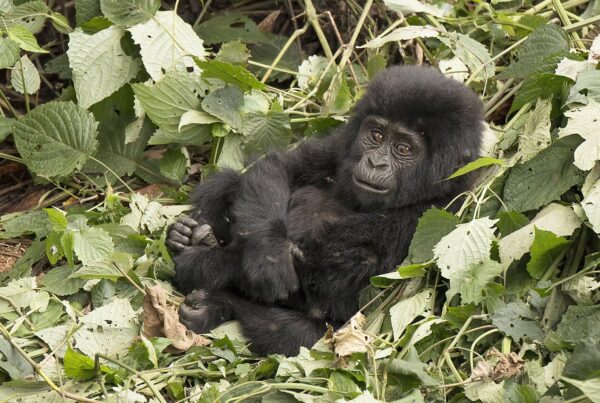
More gorillas means more habituated families available for trekking, and more robust family structures that produce richer encounter experiences. The gorillas you will meet in Bwindi in 2027 are part of a thriving, growing population. That is a privilege. It was not always this way, and it is not guaranteed to always be this way — but right now, in 2027, the gorillas are doing well. Come and witness that.
Uganda’s Tourism Infrastructure Has Matured
Ten years ago, the lodge options around Bwindi were limited. Today, there are properties at every price point — from intimate luxury camps with forest-edge decks and exceptional service, to comfortable mid-range lodges and community guesthouses that offer genuine value. The roads connecting Bwindi to Kampala and Entebbe have improved significantly. Charter flight options within Uganda have expanded. The whole experience of getting to and from the forest is smoother than it has ever been.
The ranger corps at Uganda Wildlife Authority has grown and professionalized. Trek guides are trained in animal behavior, first aid, and interpretive naturalism. The habituated families are well-managed — gorilla health and trekker safety protocols are rigorous. You are booking into a mature, well-run operation, not a pioneering adventure with unknown variables.
Flight Connectivity to Uganda
Multiple airlines now offer good connections to Entebbe International Airport from Europe, the Middle East, and increasingly from North America. Flight times from London are around nine hours direct. From the US East Coast, a connection through Europe or the Middle East gets you to Entebbe in 16 to 18 hours — long, but manageable, especially when what waits at the other end is what waits at the other end.
The Permit Price Is What It Is
The UWA gorilla permit for international tourists sits at $800 in 2027. This price, while significant, has been stable, and there is no compelling reason to expect it will decrease. Conservation costs do not decrease. The ranger workforce, anti-poaching operations, veterinary care, and community programs funded by permit revenue are growing, not shrinking. If you are waiting for the permit to get cheaper, that wait is likely to be indefinite.
What the $800 buys has not diminished: one hour with a habituated gorilla family, led by experienced rangers, in one of the world’s most biodiverse forests. The value proposition is unchanged. The experience is unchanged. The only thing that might change is availability — and availability tightens, not loosens, as more travelers discover Uganda.
Peak Season Permits Are Already Going
If you are targeting July or August 2027 — the dry-season peak that most travelers prefer — permits are already being claimed. June through August and December see the highest demand, and the available slots are finite: eight trekkers per family per day, across approximately 20 habituated families at Bwindi and Mgahinga. Late bookings in peak season frequently find themselves with no choice of family, sector, or date. The travelers who book now choose. The travelers who wait take what remains.
Uganda Is Gaining Global Recognition
Uganda has appeared on major travel lists with increasing frequency in recent years. It was named among the top destinations to visit by multiple international travel publications. Its combination of gorilla trekking, chimpanzee trekking, birding, and savanna wildlife — all in a single, compact country — is a proposition no other destination can match. As that recognition grows, so does demand. Traveling now, before Uganda becomes a bucket-list cliche, means experiencing it with the intimacy that early adopters always find.
This is not a warning that Uganda will be overrun. The permit system prevents that by design. But it is an observation that the traveler who goes in 2027 experiences Uganda while it is still genuinely off the mainstream tourist circuit — warm, unhurried, and deeply welcoming to visitors who have sought it out rather than stumbled across it.
Your Life Is the Right Time
There is no perfect time to take a trip like this. There is always something — a work project, a family commitment, a financial goal. Waiting for the perfect window means waiting forever. The people who go gorilla trekking are not the ones who had perfect windows. They are the ones who decided that this mattered and found a way to make it work.
In ten years, you will either have gone to Uganda or you will still be thinking about going. One of those is a memory. One is a regret. The gorillas are there now, thriving, in a forest that has existed for 25,000 years. Uganda is ready. The permits are available. The only missing piece is your decision.
Now is the best time in ten years. Book it.
Is the mountain gorilla population really safe or is there genuine urgency to go?
The honest answer is: both. The good news: the mountain gorilla population has grown from 254 individuals in 1981 to 1,063 in the 2018 census — the only great ape with a genuinely increasing wild population; IUCN downlisted the species from Critically Endangered to Endangered in 2018 based on this improvement. The real risk: the conservation infrastructure depends on three things that are not guaranteed in perpetuity — political stability in Uganda, Rwanda, and especially DRC; continued funding for the ranger programme (substantially from permit revenue); and habitat integrity at Bwindi. The COVID lesson: during March-June 2020 tourism collapsed; the conservation survived on emergency funding but the structural dependency was clear. The urgency: not because the gorillas will be gone next year — but because the conditions that make access possible (stable parks, funded rangers, habituated families) require ongoing support to maintain, and that support is funded by your permit.
Has the gorilla trekking experience changed over the years and is it better now?
The experience has evolved significantly and is better now than it was in the 1990s. Habituation quality: the first gorilla family habituated at Buhoma (Mubare group) began trekking in 1993; over the subsequent 30 years, the habituation of 20+ families means visitors now have access to a much larger and more diverse gorilla population; the encounter quality has improved because the gorillas are more settled in human presence. Infrastructure: accommodation at Bwindi has improved dramatically; the lodges now range from genuine luxury to comfortable mid-range; the roads have improved. Permit price: the price increased from USD 500 (2016) to USD 600 (2017) to USD 700 (2018) to USD 800 (current); the direction of travel for permit price is upward in line with conservation funding needs; booking now locks in the current price. See full cost breakdown and operators.
What month is statistically best for gorilla trekking in Uganda?
The “best” month depends on your priorities. For ease of trekking: June-September (the main dry season); forest trails are firmer; shorter trek times on average; clearest skies for photography; the most popular and highest-priced period. For cost: October-November and March-May (wet seasons); 10-25% lower accommodation prices; fewer visitors; permits are equally available at Bwindi. For birding: wet season months; migratory species arrive October-November; the forest at Bwindi in green season is extraordinarily atmospheric for photographers. For a first-timer: late June to August combines firm trails with the best chance of morning mist burning off to clear skies for photographs; December-January is the second dry season and usually slightly quieter than June-September. What never varies: the gorilla encounter is the same quality in all seasons; see sector guide.
What exactly does the USD 800 gorilla permit cover?
The permit is specific in what it includes and excludes. What it includes: entry to Bwindi Impenetrable Forest NP for the trek; assignment to one habituated gorilla family; a UWA ranger guiding the group; up to 60 minutes with the gorillas; the tracker team that locates the gorillas before you arrive. What it does not include: transport to the park gate (this is arranged through your operator or independently); porter fee (USD 15-20 extra, voluntary); accommodation; meals; any other park activities (game drives, forest walks are separate fees). Conservation use: 20% (USD 160) goes to adjacent communities; 80% (USD 640) to Uganda Wildlife Authority for ranger salaries, patrol costs, veterinary care, habituation work. See full cost breakdown.
What Uganda experiences sit alongside gorilla trekking for a complete trip?
The gorilla trek is the anchor of a richer circuit. Chimpanzee trekking: Kibale Forest chimpanzee trekking is the natural companion to the gorilla experience; the two parks are connected by the route through QENP; combining all three gives Uganda’s complete wildlife circuit in 7-10 days. Kibale habituation: the Kibale habituation experience offers a full day with a semi-habituated chimp group as an alternative to the standard trek. Birding: Mabamba Bay shoebill on arrival from Entebbe sets the tone for the rest; Bwindi itself has 350+ bird species. Full planning: 7-day gorilla safari itinerary and accredited Uganda operators.
- Why Now Is the Best Time to Book Gorilla Trekking Uganda in 10 Years
- Best Time for Gorilla Trekking in Uganda – Monthly Guide to 2025 Seasons
- The Best Time to Climb or Hike Mount Rwenzori
- Uganda Is Safe for Gorilla Trekking Again: Why Now Is the Best Time to Visit Bwindi
- Best Time to Trek Gorillas in Uganda – UK vs USA vs Germany Travel Guide
- Best Time for Uganda Gorilla Trekking 2026: Month-by-Month Breakdown
- Best Time to Visit Uganda for Gorilla Trekking: Month-by-Month Guide
- Best Time of Year for Gorilla Trekking in Uganda: Season Guide
- Best Uganda Safari Books to Read Before You Go
- Uganda Gorilla Trekking: Best Travel Agents and Booking Platforms 2026