The most damaging gorilla trekking myths are not the dramatic ones (gorillas will attack you, the forest is impenetrable, you need military fitness) but the quiet ones that cause people not to book at all: the myth that only extreme athletes can complete it, that every trek takes 8 hours, that a single rainy day ruins the encounter, that it is cruel to the gorillas, or that you need USD $2,000+ just for the permit — myths that cause a traveller to self-eliminate from an experience they would have managed perfectly well and remembered for the rest of their life. This article works through the most persistent gorilla trekking misconceptions with the actual data: trek duration statistics from Bwindi’s four sectors, what the research actually says about tourism impacts on habituated gorilla groups, the truth about senior and less-fit trekkers’ success rates with porter assistance, and what the permit price actually buys in terms of conservation and community benefit. Every misconception addressed here has been stated by real visitors who were considering the trek — and every correction is based on UWA practice, published conservation biology, or verified field experience. Once you have the accurate picture, see the permit guide for booking and the gorilla families guide for who you will visit.
Common Myths vs Reality
- Myth: You need to be very fit — Reality: Average fitness + porter hire works for most people; treks vary from 1 to 8 hours
- Myth: Gorillas will attack — Reality: Habituated groups are calm; charges are rare mock charges, not attacks
- Myth: Rain makes the trek impossible — Reality: Gorillas don’t cancel for rain; waterproof gear solves the visitor side
- Myth: Trekking is bad for the gorillas — Reality: Tourism revenue funded the population recovery from 254 to 1,063+
- Myth: You need to go to Rwanda — Reality: Uganda has more habituated families and lower permit prices
- Myth: You won’t see them for long — Reality: The 60-minute rule is a minimum standard, enforced to protect the gorillas, not to rush you
Mountain gorilla trekking generates more misconceptions than almost any other wildlife experience. Perhaps because the encounter is so rare and so emotionally charged, people’s imaginations fill the gaps in their knowledge with assumptions that range from mildly inaccurate to completely false. These misconceptions influence decisions about whether to undertake the trek, how to prepare, what to expect, and how much to budget. For every person who books a gorilla trek based on accurate information, another declines because of a myth, or arrives unprepared because they believed something untrue.
This guide addresses the most persistent myths about gorilla trekking in Uganda, examining where they originate, why they persist, and what the reality actually is. Some of these myths are harmless, merely colouring expectations without causing real problems. Others are genuinely damaging, leading people to make poor decisions, pack inappropriate equipment, or miss out on an experience they would have cherished. Separating fact from fiction is an essential part of preparing for what may be the most significant wildlife encounter of your life.

Myth One: Gorilla Trekking Is Only for the Super Fit
Perhaps the most damaging myth about gorilla trekking is that it requires elite athletic conditioning. This misconception prevents thousands of people from even considering the experience, and it is comprehensively false. While the trek can be physically demanding, UWA and tour operators accommodate trekkers across the entire fitness spectrum, from competitive athletes to retirees with modest mobility.
The reality is that trekking difficulty varies enormously by sector and by which gorilla family you are assigned. Some families live within thirty minutes of gentle walking from the trailhead. Others require three or four hours of strenuous hiking. During the pre-trek briefing, rangers ask about fitness levels and allocate families accordingly. If you honestly communicate your capabilities, you will be matched to a trek that suits your condition.
Porters provide transformative assistance for those who need it. For fifteen to twenty dollars, a porter carries your backpack, helps you over difficult sections, and effectively halves the physical effort required. For those with serious mobility limitations, sedan chairs carried by four porters provide access that would otherwise be impossible. These options are not afterthoughts; they are established parts of the trekking system used by hundreds of people each year.
The myth persists because people hear stories about the most challenging treks and assume all treks are equally difficult. They are not. The majority of trekkers complete their hike without extreme exertion, and many describe the experience as manageable rather than gruelling.
Myth Two: The Gorillas Are Dangerous and Might Attack
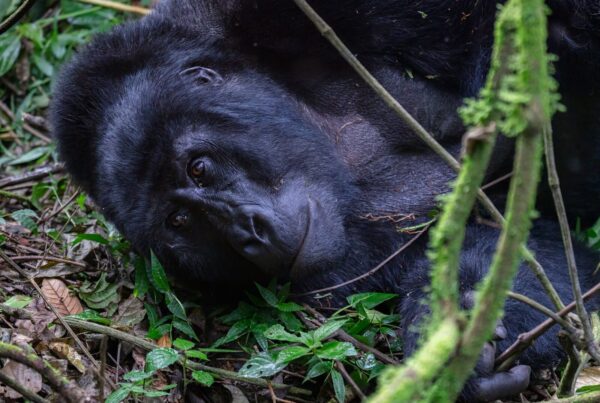
The image of an angry silverback charging through the forest has been reinforced by films, documentaries seeking dramatic footage, and sensationalist media coverage. The reality of habituated gorilla behaviour is almost the opposite. These gorillas have been exposed to human observers daily for years or decades. They tolerate our presence with patience that borders on indifference, occasionally approaching out of curiosity but rarely showing genuine aggression.
UWA’s safety record supports this assessment. In the decades since gorilla tourism began in Uganda, there have been virtually no serious injuries to trekkers from gorillas. The few incidents that have occurred almost invariably involved trekkers who violated the safety rules by approaching too closely, making sudden movements, or attempting to touch the animals. When the seven-metre distance is maintained and guides’ instructions are followed, the risk of aggression is negligible.
Silverback displays that appear aggressive, chest-beating, charging, vocalising, are typically designed to intimidate rather than attack. They are warnings, not assaults. Guides are trained to recognise these displays and manage group behaviour to de-escalate tension. A charge from a habituated silverback is almost always a bluff, a signal for space rather than a genuine attack. Guides have handled thousands of these situations without injury to either gorillas or trekkers.
The myth persists because it aligns with our intuitive sense that large wild animals are dangerous. They can be, but habituation specifically means that these particular gorillas have learned to associate humans with neutral, non-threatening presence. The danger is almost entirely in our imaginations.
Myth Three: You Need Professional Camera Equipment
Many potential trekkers delay or abandon their plans because they believe they need expensive cameras to justify the permit cost. This myth is actively promoted by some photography enthusiasts and equipment retailers who have a vested interest in convincing people that smartphone cameras are inadequate. The reality is that modern smartphones capture excellent gorilla photographs in the forest conditions you will encounter.
The critical factor in gorilla photography is not the camera but the photographer’s understanding of basic principles. Disabling the flash, which is mandatory anyway, keeping the camera steady, and focusing on composition rather than technical perfection will produce better images than an expensive camera in unskilled hands. Many of the most compelling gorilla photographs circulating on social media were taken with smartphones.
Professional cameras do offer advantages in low light and when producing large prints, but these advantages are marginal for most trekkers who will view their photographs on screens and share them digitally. If you already own a quality camera, bring it. If you do not, your smartphone is entirely sufficient. Do not allow equipment anxiety to prevent you from experiencing the gorillas firsthand.
Myth Four: Gorilla Trekking Is Unaffordable for Ordinary Travellers
The eight-hundred-dollar permit price is undeniably significant, and when combined with flights, accommodation, transport, and other expenses, the total trip cost can seem prohibitive. However, the myth that gorilla trekking is exclusively for the wealthy ignores several important realities about how the experience can be made more affordable.
Budget accommodation near Bwindi costs fifty to eighty dollars per night, compared with five hundred to one thousand dollars at luxury lodges. The trekking experience itself is identical regardless of where you sleep. Group tours reduce transport costs by sharing vehicle expenses across multiple participants. Student discounts, medical professional discounts, and East African resident rates reduce permit costs for qualifying individuals. Shoulder season travel in March through May or October through November lowers both permit availability pressure and accommodation pricing.
When compared with other iconic wildlife experiences, gorilla trekking is not disproportionately expensive. A single night at a luxury safari lodge in the Serengeti or Maasai Mara can cost more than an entire three-day gorilla trekking package in Uganda. The permit price funds conservation that has demonstrably saved mountain gorillas from extinction, a moral dimension that justifies the cost in ways that luxury safari pricing cannot claim.
The myth persists because people focus exclusively on the permit price without considering the full context of value, conservation impact, and available cost-saving strategies.
Myth Five: The Gorillas Are in Zoos or Enclosures
A surprising number of people, particularly those from countries without great ape populations, genuinely believe that gorilla trekking involves visiting gorillas in some form of managed environment. This misconception likely arises from confusion with sanctuaries and orphanages that do house gorillas in semi-captive conditions for rehabilitation or research purposes.
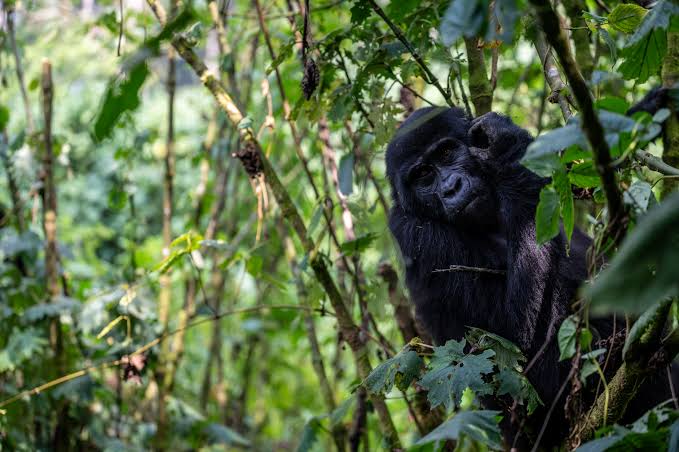
The reality is that gorilla trekking takes place entirely in wild forest. The gorillas you encounter are free-ranging animals who move wherever they choose within their territories. They sleep in nests they build themselves, eat vegetation they select themselves, and interact according to their own social dynamics without human interference. Trackers and guides locate them each morning, but they cannot control where the gorillas go or what they do.
This wildness is precisely what makes the encounter profound. You are not watching trained animals perform for tourists. You are observing autonomous beings living their lives in their home, tolerating your presence as a temporary curiosity. The distinction between wild and captive gorilla encounters could not be more significant, and misunderstanding it fundamentally misrepresents what gorilla trekking offers.
Myth Six: You Can Book Permits on Arrival
Some travellers, particularly those accustomed to spontaneous, unplanned travel, assume that gorilla permits can be purchased on arrival in Uganda or at the park gates on the morning of the trek. This myth leads to disappointment and missed opportunities. Gorilla permits are strictly limited to eight per gorilla family per day, and demand consistently exceeds supply, particularly during peak seasons.
The reality is that permits should be booked months in advance, particularly for peak season travel. Last-minute permits are occasionally available due to cancellations, but relying on this possibility is extremely risky. UWA does not sell permits at park headquarters for same-day trekking. The booking system requires advance payment and confirmation, and the concept of simply showing up and buying a ticket does not exist.
This myth may persist because it applies to many other tourism activities. Safari game drives, boat cruises, and nature walks can often be booked on short notice. Gorilla trekking is fundamentally different because of the permit quota system, and travellers who do not understand this distinction arrive in Uganda to discover that their dream experience is unavailable.
Myth Seven: Gorilla Trekking Harms the Gorillas
Conservation-minded travellers sometimes hesitate to book gorilla treks because they fear tourism harms the animals. This concern is well-intentioned but largely misinformed. The scientific evidence overwhelmingly demonstrates that regulated, habituated gorilla tourism has been instrumental in saving mountain gorillas from extinction.
Before tourism, mountain gorilla populations were declining due to poaching, habitat loss, and human conflict. The revenue generated by permits transformed local economies, creating incentives for communities to protect rather than exploit gorillas. Ranger salaries, anti-poaching patrols, veterinary care, and habitat protection are all funded primarily by permit fees. The population has grown from approximately two hundred fifty individuals in the nineteen eighties to over one thousand today, a recovery directly attributable to tourism-driven conservation funding.
The key qualifier is regulated. UWA enforces strict rules that limit visitor numbers, contact duration, and proximity. Research monitoring shows that habituated gorillas experience elevated stress during encounters, but this stress is within tolerable limits and is offset by the conservation benefits tourism generates. Without tourism, the alternative is not gorillas living peacefully in untouched wilderness; it is gorillas declining toward extinction as human pressures increase unopposed.
Myth Eight: Rwanda Is Always Better Than Uganda
Travel media frequently promotes Rwanda as the premier gorilla trekking destination, often citing easier terrain, more luxurious lodges, and more efficient logistics. While these claims contain elements of truth, the blanket assertion that Rwanda is better than Uganda is a myth that obscures important nuances.
Uganda’s gorilla trekking is generally more physically adventurous than Rwanda’s, reflecting Bwindi’s dense forest versus Volcanoes National Park’s more open bamboo zones. For travellers who genuinely want wilderness experience rather than a sanitised wildlife viewing, Uganda offers authenticity that Rwanda’s more developed infrastructure cannot match. Uganda’s permit price of eight hundred dollars compared to Rwanda’s fifteen hundred dollars makes the experience accessible to a broader range of travellers. Uganda also offers the Gorilla Habituation Experience, which Rwanda does not, allowing four hours with gorillas instead of one.
Rwanda does offer advantages in accessibility and luxury, and for some travellers these factors justify the higher price. But the myth that Rwanda is categorically superior ignores the genuine strengths of Uganda’s offering. The best destination depends on what the individual traveller values, not on a universal hierarchy.
Conclusion
Myths about gorilla trekking persist because the experience is rare, expensive, and emotionally significant. When people lack direct knowledge, they fill gaps with assumptions drawn from other experiences, media representations, and word-of-mouth distortions. These myths influence decisions in ways that can prevent people from undertaking one of the most meaningful experiences available to modern travellers.
The truth about gorilla trekking is simpler than the myths suggest. It is physically accessible to most people, financially manageable with planning, safe when rules are followed, and profoundly beneficial to both gorillas and the humans who come to see them. You do not need to be an athlete, a photographer, or wealthy. You need only a reasonable level of health, a permit booked in advance, and a willingness to walk into the forest not knowing exactly what you will find.
When you finally sit before a silverback, watching him watch you with ancient, intelligent eyes, all the myths dissolve. What remains is the simple, astonishing reality: you are sharing space with a wild being who resembles you more closely than any other creature on Earth, in a forest that exists because people cared enough to protect it. No myth can compete with that.
Frequently Asked Questions
Gorilla trekking with properly habituated groups managed by UWA rangers is not dangerous in any meaningful sense. Habituated gorilla families have been systematically desensitised to human presence over years and treat visitors as neutral presences in their environment. Silverback “charges” — the dramatic lunging display that occasionally alarms first-time visitors — are almost always bluff displays designed to establish dominance and are directed at perceived threats in the gorilla’s social context, not at the visitor group. When they do occur, rangers manage them by instructing the group to crouch, avoid direct eye contact, and remain still. No visitors have been seriously injured by habituated gorilla groups at Bwindi in the programme’s history. The practical safety risks on a gorilla trek are uneven terrain (twisted ankles are the most common medical issue), altitude-related fatigue, and the physical demands of steep forest hiking — none of these are exotic dangers, and all are manageable with appropriate preparation. Does gorilla trekking harm the gorillas? The specific conservation outcome data argues against the “gorilla trekking harms gorillas” thesis: mountain gorilla population grew from 254 individuals (1981) to 1,063 (2018) — a 317% increase over the same period that gorilla tourism was being systematically developed. The tourism revenue that funded ranger anti-poaching patrols, veterinary programmes, and community benefit distributions is the primary causal mechanism for this growth. Without tourism revenue, the ranger infrastructure that protects gorillas from poaching and snares would not exist at current scale. Managed tourism with 7-metre distance rules, mask requirements for visitors showing illness symptoms, 60-minute time limits, and strict group size caps (8 visitors maximum) applies disease transmission risk reduction that keeps the impact of individual visits low. The gorilla trekking model is one of the most studied conservation finance mechanisms in African wildlife biology and the evidence consistently supports it as net positive for the species. Do you really only get 60 minutes with the gorillas? The 60-minute rule is a strict UWA conservation policy designed to limit the stress and disease exposure imposed on habituated gorilla groups by human visitors — it is a protection for the gorillas, not an arbitrary commercial constraint. When 8 visitors spend 60 minutes with a gorilla family, the cumulative respiratory disease transmission risk is significantly lower than if the same group spent 3 hours. The 60-minute timer begins from the moment of first gorilla contact — if the approach trek takes 2 hours, your 60 minutes starts when you see the gorillas, not when you left the briefing station. In practice, the 60 minutes is intense, visually rich, and emotionally concentrated. Virtually every visitor who has completed a gorilla trek reports that the time felt simultaneously both too short and completely sufficient — the encounter is so absorbing that 60 minutes passes in what feels like 15. Is Uganda or Rwanda better for gorilla trekking? Both countries offer genuine mountain gorilla encounters with habituated families in the same Albertine Rift ecosystem — but the experiences differ in character. Uganda has 24+ habituated gorilla families (more total options), a lower permit price (USD $800 vs Rwanda’s USD $1,500), a wider range of lodging from budget to ultra-luxury, and can be combined with a broader wildlife safari circuit (Kibale chimps, Queen Elizabeth, Murchison Falls, Kidepo Valley) in ways that Rwanda cannot match given Rwanda’s smaller land area. Rwanda’s gorilla trekking is faster to access from Kigali (90 minutes to Volcanoes NP vs a full-day drive to Bwindi), the Virunga landscape is more dramatically volcanic and open than Bwindi’s dense forest, and Rwanda’s tourism infrastructure is highly polished. Rwanda is the better choice for a short, pure gorilla-focused trip with a premium experience focus. Uganda is better for a comprehensive East African wildlife safari that includes gorilla trekking as one of multiple highlights. What is the actual success rate for finding gorillas on a Uganda trek? UWA and independent operator tracking data consistently show gorilla encounter success rates of 98–99% across all Bwindi sectors. The high success rate is a product of the daily tracking system — tracker teams locate each habituated family from their overnight nest sites before visitor groups depart, meaning the approach trek begins from a known starting point rather than searching blind. The fraction of visits where the family is not found involves exceptional circumstances: the family moves to a distant part of its range overnight, heavy rain obscures signs, or the family enters extremely dense vegetation that trackers cannot safely navigate at pace. In these rare cases, UWA policy allows permit rescheduling at no additional permit cost. The 98–99% success rate is verified, sustained across all seasons, and is the basis on which the permit system’s value is reasonably assessed. Book your trek with accurate expectations Uganda Gorilla Families — the specific habituated families the myths are describing Gorilla Permit Guide — permit booking with accurate price and process information Bwindi Sector Guide — realistic terrain and trek duration by sector Full Safari Cost Guide — actual total trip cost vs common cost misconceptions Safari Itineraries — what a real Uganda gorilla safari day-by-day looks like Further Reading Uganda Gorilla Trekking Myths: 12 Things People Get Completely Wrong Gorilla Myths and Fascinating Facts: Unveiling the Truth About Africa’s Gentle Giants Silverback Gorilla vs. Grizzly Bear: Strength, Survival, and the Myths of the Wild How People with Limited Mobility Can Trek to See Gorillas The Deadliest Lions That Killed 1,500 People: The Njombe Man-Eaters Gorilla Trekking for People with Disabilities in Uganda Group Gorilla Trekking Uganda: Booking Tips for 8+ People How Many People Are Allowed Per Gorilla Family Per Day: Uganda’s Strict Limit Explained Gorilla Trekking Group Size: Maximum People Per Trek in Uganda Explained The Batwa People: Uganda’s Original Forest Dwellers and Their Story <
The specific conservation outcome data argues against the “gorilla trekking harms gorillas” thesis: mountain gorilla population grew from 254 individuals (1981) to 1,063 (2018) — a 317% increase over the same period that gorilla tourism was being systematically developed. The tourism revenue that funded ranger anti-poaching patrols, veterinary programmes, and community benefit distributions is the primary causal mechanism for this growth. Without tourism revenue, the ranger infrastructure that protects gorillas from poaching and snares would not exist at current scale. Managed tourism with 7-metre distance rules, mask requirements for visitors showing illness symptoms, 60-minute time limits, and strict group size caps (8 visitors maximum) applies disease transmission risk reduction that keeps the impact of individual visits low. The gorilla trekking model is one of the most studied conservation finance mechanisms in African wildlife biology and the evidence consistently supports it as net positive for the species. Do you really only get 60 minutes with the gorillas? The 60-minute rule is a strict UWA conservation policy designed to limit the stress and disease exposure imposed on habituated gorilla groups by human visitors — it is a protection for the gorillas, not an arbitrary commercial constraint. When 8 visitors spend 60 minutes with a gorilla family, the cumulative respiratory disease transmission risk is significantly lower than if the same group spent 3 hours. The 60-minute timer begins from the moment of first gorilla contact — if the approach trek takes 2 hours, your 60 minutes starts when you see the gorillas, not when you left the briefing station. In practice, the 60 minutes is intense, visually rich, and emotionally concentrated. Virtually every visitor who has completed a gorilla trek reports that the time felt simultaneously both too short and completely sufficient — the encounter is so absorbing that 60 minutes passes in what feels like 15. Is Uganda or Rwanda better for gorilla trekking? Both countries offer genuine mountain gorilla encounters with habituated families in the same Albertine Rift ecosystem — but the experiences differ in character. Uganda has 24+ habituated gorilla families (more total options), a lower permit price (USD $800 vs Rwanda’s USD $1,500), a wider range of lodging from budget to ultra-luxury, and can be combined with a broader wildlife safari circuit (Kibale chimps, Queen Elizabeth, Murchison Falls, Kidepo Valley) in ways that Rwanda cannot match given Rwanda’s smaller land area. Rwanda’s gorilla trekking is faster to access from Kigali (90 minutes to Volcanoes NP vs a full-day drive to Bwindi), the Virunga landscape is more dramatically volcanic and open than Bwindi’s dense forest, and Rwanda’s tourism infrastructure is highly polished. Rwanda is the better choice for a short, pure gorilla-focused trip with a premium experience focus. Uganda is better for a comprehensive East African wildlife safari that includes gorilla trekking as one of multiple highlights. What is the actual success rate for finding gorillas on a Uganda trek? UWA and independent operator tracking data consistently show gorilla encounter success rates of 98–99% across all Bwindi sectors. The high success rate is a product of the daily tracking system — tracker teams locate each habituated family from their overnight nest sites before visitor groups depart, meaning the approach trek begins from a known starting point rather than searching blind. The fraction of visits where the family is not found involves exceptional circumstances: the family moves to a distant part of its range overnight, heavy rain obscures signs, or the family enters extremely dense vegetation that trackers cannot safely navigate at pace. In these rare cases, UWA policy allows permit rescheduling at no additional permit cost. The 98–99% success rate is verified, sustained across all seasons, and is the basis on which the permit system’s value is reasonably assessed. Book your trek with accurate expectations Uganda Gorilla Families — the specific habituated families the myths are describing Gorilla Permit Guide — permit booking with accurate price and process information Bwindi Sector Guide — realistic terrain and trek duration by sector Full Safari Cost Guide — actual total trip cost vs common cost misconceptions Safari Itineraries — what a real Uganda gorilla safari day-by-day looks like Further Reading Uganda Gorilla Trekking Myths: 12 Things People Get Completely Wrong Gorilla Myths and Fascinating Facts: Unveiling the Truth About Africa’s Gentle Giants Silverback Gorilla vs. Grizzly Bear: Strength, Survival, and the Myths of the Wild How People with Limited Mobility Can Trek to See Gorillas The Deadliest Lions That Killed 1,500 People: The Njombe Man-Eaters Gorilla Trekking for People with Disabilities in Uganda Group Gorilla Trekking Uganda: Booking Tips for 8+ People How Many People Are Allowed Per Gorilla Family Per Day: Uganda’s Strict Limit Explained Gorilla Trekking Group Size: Maximum People Per Trek in Uganda Explained The Batwa People: Uganda’s Original Forest Dwellers and Their Story <
The 60-minute rule is a strict UWA conservation policy designed to limit the stress and disease exposure imposed on habituated gorilla groups by human visitors — it is a protection for the gorillas, not an arbitrary commercial constraint. When 8 visitors spend 60 minutes with a gorilla family, the cumulative respiratory disease transmission risk is significantly lower than if the same group spent 3 hours. The 60-minute timer begins from the moment of first gorilla contact — if the approach trek takes 2 hours, your 60 minutes starts when you see the gorillas, not when you left the briefing station. In practice, the 60 minutes is intense, visually rich, and emotionally concentrated. Virtually every visitor who has completed a gorilla trek reports that the time felt simultaneously both too short and completely sufficient — the encounter is so absorbing that 60 minutes passes in what feels like 15. Is Uganda or Rwanda better for gorilla trekking? Both countries offer genuine mountain gorilla encounters with habituated families in the same Albertine Rift ecosystem — but the experiences differ in character. Uganda has 24+ habituated gorilla families (more total options), a lower permit price (USD $800 vs Rwanda’s USD $1,500), a wider range of lodging from budget to ultra-luxury, and can be combined with a broader wildlife safari circuit (Kibale chimps, Queen Elizabeth, Murchison Falls, Kidepo Valley) in ways that Rwanda cannot match given Rwanda’s smaller land area. Rwanda’s gorilla trekking is faster to access from Kigali (90 minutes to Volcanoes NP vs a full-day drive to Bwindi), the Virunga landscape is more dramatically volcanic and open than Bwindi’s dense forest, and Rwanda’s tourism infrastructure is highly polished. Rwanda is the better choice for a short, pure gorilla-focused trip with a premium experience focus. Uganda is better for a comprehensive East African wildlife safari that includes gorilla trekking as one of multiple highlights. What is the actual success rate for finding gorillas on a Uganda trek? UWA and independent operator tracking data consistently show gorilla encounter success rates of 98–99% across all Bwindi sectors. The high success rate is a product of the daily tracking system — tracker teams locate each habituated family from their overnight nest sites before visitor groups depart, meaning the approach trek begins from a known starting point rather than searching blind. The fraction of visits where the family is not found involves exceptional circumstances: the family moves to a distant part of its range overnight, heavy rain obscures signs, or the family enters extremely dense vegetation that trackers cannot safely navigate at pace. In these rare cases, UWA policy allows permit rescheduling at no additional permit cost. The 98–99% success rate is verified, sustained across all seasons, and is the basis on which the permit system’s value is reasonably assessed. Book your trek with accurate expectations Uganda Gorilla Families — the specific habituated families the myths are describing Gorilla Permit Guide — permit booking with accurate price and process information Bwindi Sector Guide — realistic terrain and trek duration by sector Full Safari Cost Guide — actual total trip cost vs common cost misconceptions Safari Itineraries — what a real Uganda gorilla safari day-by-day looks like Further Reading Uganda Gorilla Trekking Myths: 12 Things People Get Completely Wrong Gorilla Myths and Fascinating Facts: Unveiling the Truth About Africa’s Gentle Giants Silverback Gorilla vs. Grizzly Bear: Strength, Survival, and the Myths of the Wild How People with Limited Mobility Can Trek to See Gorillas The Deadliest Lions That Killed 1,500 People: The Njombe Man-Eaters Gorilla Trekking for People with Disabilities in Uganda Group Gorilla Trekking Uganda: Booking Tips for 8+ People How Many People Are Allowed Per Gorilla Family Per Day: Uganda’s Strict Limit Explained Gorilla Trekking Group Size: Maximum People Per Trek in Uganda Explained The Batwa People: Uganda’s Original Forest Dwellers and Their Story <
Both countries offer genuine mountain gorilla encounters with habituated families in the same Albertine Rift ecosystem — but the experiences differ in character. Uganda has 24+ habituated gorilla families (more total options), a lower permit price (USD $800 vs Rwanda’s USD $1,500), a wider range of lodging from budget to ultra-luxury, and can be combined with a broader wildlife safari circuit (Kibale chimps, Queen Elizabeth, Murchison Falls, Kidepo Valley) in ways that Rwanda cannot match given Rwanda’s smaller land area. Rwanda’s gorilla trekking is faster to access from Kigali (90 minutes to Volcanoes NP vs a full-day drive to Bwindi), the Virunga landscape is more dramatically volcanic and open than Bwindi’s dense forest, and Rwanda’s tourism infrastructure is highly polished. Rwanda is the better choice for a short, pure gorilla-focused trip with a premium experience focus. Uganda is better for a comprehensive East African wildlife safari that includes gorilla trekking as one of multiple highlights. What is the actual success rate for finding gorillas on a Uganda trek? UWA and independent operator tracking data consistently show gorilla encounter success rates of 98–99% across all Bwindi sectors. The high success rate is a product of the daily tracking system — tracker teams locate each habituated family from their overnight nest sites before visitor groups depart, meaning the approach trek begins from a known starting point rather than searching blind. The fraction of visits where the family is not found involves exceptional circumstances: the family moves to a distant part of its range overnight, heavy rain obscures signs, or the family enters extremely dense vegetation that trackers cannot safely navigate at pace. In these rare cases, UWA policy allows permit rescheduling at no additional permit cost. The 98–99% success rate is verified, sustained across all seasons, and is the basis on which the permit system’s value is reasonably assessed. Book your trek with accurate expectations Uganda Gorilla Families — the specific habituated families the myths are describing Gorilla Permit Guide — permit booking with accurate price and process information Bwindi Sector Guide — realistic terrain and trek duration by sector Full Safari Cost Guide — actual total trip cost vs common cost misconceptions Safari Itineraries — what a real Uganda gorilla safari day-by-day looks like Further Reading Uganda Gorilla Trekking Myths: 12 Things People Get Completely Wrong Gorilla Myths and Fascinating Facts: Unveiling the Truth About Africa’s Gentle Giants Silverback Gorilla vs. Grizzly Bear: Strength, Survival, and the Myths of the Wild How People with Limited Mobility Can Trek to See Gorillas The Deadliest Lions That Killed 1,500 People: The Njombe Man-Eaters Gorilla Trekking for People with Disabilities in Uganda Group Gorilla Trekking Uganda: Booking Tips for 8+ People How Many People Are Allowed Per Gorilla Family Per Day: Uganda’s Strict Limit Explained Gorilla Trekking Group Size: Maximum People Per Trek in Uganda Explained The Batwa People: Uganda’s Original Forest Dwellers and Their Story <
UWA and independent operator tracking data consistently show gorilla encounter success rates of 98–99% across all Bwindi sectors. The high success rate is a product of the daily tracking system — tracker teams locate each habituated family from their overnight nest sites before visitor groups depart, meaning the approach trek begins from a known starting point rather than searching blind. The fraction of visits where the family is not found involves exceptional circumstances: the family moves to a distant part of its range overnight, heavy rain obscures signs, or the family enters extremely dense vegetation that trackers cannot safely navigate at pace. In these rare cases, UWA policy allows permit rescheduling at no additional permit cost. The 98–99% success rate is verified, sustained across all seasons, and is the basis on which the permit system’s value is reasonably assessed. Book your trek with accurate expectations Uganda Gorilla Families — the specific habituated families the myths are describing Gorilla Permit Guide — permit booking with accurate price and process information Bwindi Sector Guide — realistic terrain and trek duration by sector Full Safari Cost Guide — actual total trip cost vs common cost misconceptions Safari Itineraries — what a real Uganda gorilla safari day-by-day looks like Further Reading Uganda Gorilla Trekking Myths: 12 Things People Get Completely Wrong Gorilla Myths and Fascinating Facts: Unveiling the Truth About Africa’s Gentle Giants Silverback Gorilla vs. Grizzly Bear: Strength, Survival, and the Myths of the Wild How People with Limited Mobility Can Trek to See Gorillas The Deadliest Lions That Killed 1,500 People: The Njombe Man-Eaters Gorilla Trekking for People with Disabilities in Uganda Group Gorilla Trekking Uganda: Booking Tips for 8+ People How Many People Are Allowed Per Gorilla Family Per Day: Uganda’s Strict Limit Explained Gorilla Trekking Group Size: Maximum People Per Trek in Uganda Explained The Batwa People: Uganda’s Original Forest Dwellers and Their Story <