Do Gorillas Attack Humans in Uganda? Understanding Gorilla Behaviour, Safety Protocols, and Real Risks
The question of whether gorillas attack humans is one of the most common concerns among first-time trekkers, and the honest answer is both reassuring and nuanced. Wild mountain gorillas in Uganda do not typically attack humans. In fact, there has never been a documented fatal attack by a habituated mountain gorilla on a tourist in Uganda, Rwanda, or the Democratic Republic of Congo in the more than four decades that gorilla tourism has operated. However, gorillas are large, powerful wild animals capable of inflicting serious injury if they feel threatened, and interactions must be managed carefully, respectfully, and in strict accordance with established safety protocols. Understanding gorilla behaviour, why attacks are extraordinarily rare, what specific human behaviours can trigger defensive responses, and how to conduct yourself during an encounter ensures both your safety and the wellbeing of the gorillas you have travelled so far to see.
Why Habituated Gorillas Rarely Show Aggression Toward Humans
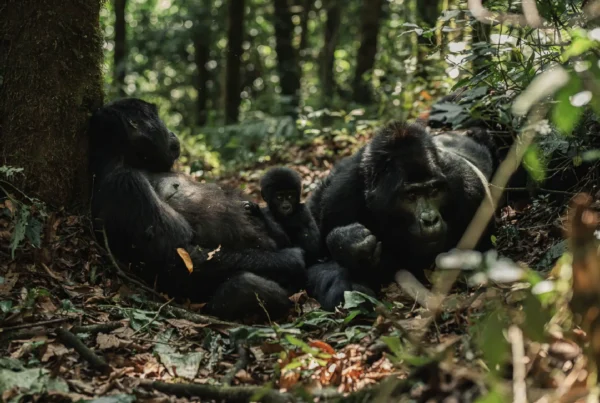
Habituated gorilla families have undergone a gradual, carefully managed process of acclimatisation to human presence that typically takes two to three years of daily, non-threatening contact. During this process, gorillas learn through repeated experience that humans are not predators, not competitors for food, and do not need to be feared or attacked. By the time a family is opened to tourism, the silverback and other group members are generally calm, curious, and tolerant of quiet human observers at the mandated distance. This does not mean they are tame, domesticated, or view humans as friends; they remain fully wild animals with natural instincts, social hierarchies, and boundaries. But the habituation process is remarkably effective at reducing defensive and aggressive behaviours toward humans specifically.
Documented Incidents and Their Context
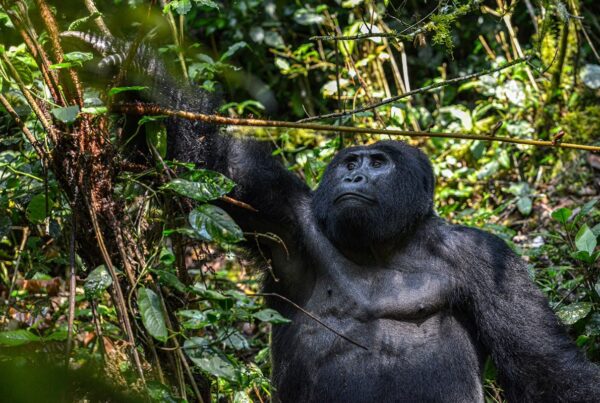
While fatal attacks on tourists have never occurred, there have been isolated incidents of gorillas making physical contact with humans, almost always in situations where trekkers did not follow the rules established during their pre-trek briefing. A silverback may charge to assert dominance if a visitor stands too tall, makes prolonged direct eye contact, points at the gorillas, or gets closer than the mandated seven metres. These charges are almost always bluff displays intended to intimidate and assert authority rather than to injure, and experienced guides know exactly how to de-escalate such situations immediately by instructing visitors to crouch down, avert their gaze, and remain still. Injuries, when they have occurred, have typically been minor and resulted from falls, panic reactions, or accidental contact rather than direct gorilla aggression.
Behaviours That Can Trigger Defensive Responses
Several specific human behaviours can provoke defensive reactions from gorillas. Standing upright and staring directly at a silverback can be interpreted as a challenge to his authority. Sudden movements, shouting, loud laughter, or flash photography can startle the animals and disrupt their natural behaviour. Getting closer than the mandated seven metres increases stress on the gorillas and raises the likelihood of a defensive reaction. Eating or drinking near gorillas is prohibited because food can trigger interest or aggression, particularly from curious juveniles. Following the rules established during your pre-trek briefing virtually eliminates any risk of negative encounters and is the foundation of decades of safe gorilla tourism.
The Critical Role of Guides and Trackers
Your Uganda Wildlife Authority guide is your primary protection and source of knowledge during a gorilla trek. Guides understand the individual personalities, behavioural patterns, current mood, and social dynamics of the gorillas in the family you are visiting. They know when to position the group for optimal viewing, when to move back to give the gorillas space, and how to interpret subtle changes in the silverback’s body language that might indicate rising tension. If a gorilla approaches you, which happens frequently and is one of the most thrilling aspects of the experience, guides will give clear, calm instructions: stay still, crouch down, avoid eye contact, and do not run. These protocols are designed to communicate submission and non-threatening intent to the gorilla, and they work.
Final Thoughts
Gorilla trekking in Uganda is one of the safest wildlife activities available anywhere in Africa when conducted properly with habituated gorillas, experienced guides, and strict adherence to safety protocols. This combination has created a track record of more than forty years of safe, transformative encounters for hundreds of thousands of visitors. Your greatest risk during a gorilla trek is not physical attack; it is the overwhelming emotional impact of sitting mere metres from a wild mountain gorilla, watching a silverback nurse a minor injury while juveniles play in the canopy above, and realising how closely connected we are to these extraordinary beings. Respect the rules, trust your guides implicitly, and embrace one of the most profound wildlife experiences on the planet.