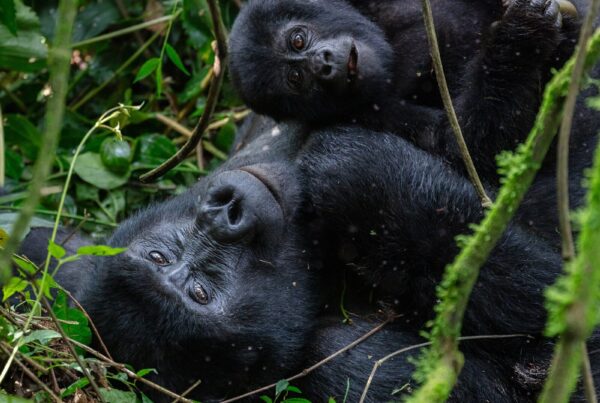
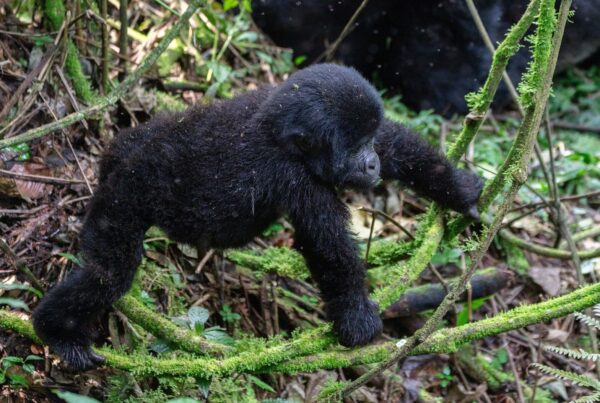
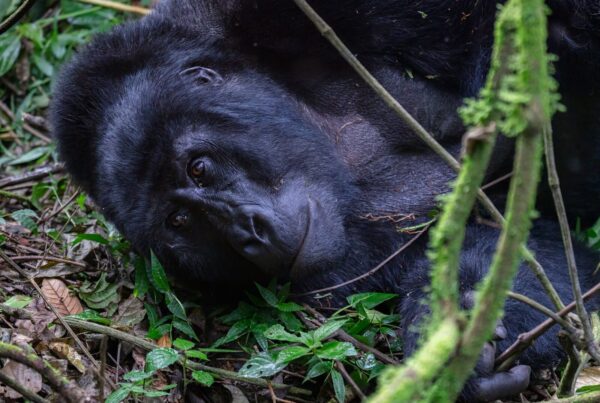
The Morning That Starts Before Dawn
While most of our guests are still asleep in their lodges, the day begins for our team long before the sun touches Bwindi’s canopy. By four-thirty in the morning, our operations manager is already reviewing radio messages from UWA trackers, checking weather forecasts for each trekking sector, and confirming vehicle assignments for the morning transfers. This quiet hour before dawn is when the machinery of a gorilla trekking tour is calibrated, when problems are identified before they become emergencies, and when the thousand small details that separate a good trek from an extraordinary one are put into place.
Running gorilla tours is not merely about booking permits and arranging transport. It is about creating a seamless experience from the moment a guest lands at Entebbe to the moment they depart, emotionally changed by their encounter with mountain gorillas. This guide pulls back the curtain on how we operate, revealing the systems, philosophies, and human connections that make our gorilla tours what they are.
How We Select Guides and Build Relationships
Our guides are the single most important element of any gorilla tour. A knowledgeable, patient, and genuinely enthusiastic guide transforms a trek into an education, a challenge into an adventure, and a disappointment into perspective. We do not hire guides based on qualifications alone. We hire them based on character, curiosity, and their ability to connect with people from wildly different backgrounds.
Every guide on our team has tracked gorillas for a minimum of five years before leading tours independently. This experience is non-negotiable. A guide who has spent five years in Bwindi’s forest understands not just where gorillas are likely to be found, but how they behave in different weather conditions, how family dynamics shift after silverback changes, and how to read subtle signs that less experienced eyes would miss.
What Happens When Things Go Wrong
Even the best-planned tours encounter unexpected challenges. Vehicles break down on mountain roads. Guests fall ill overnight. Weather closes in faster than forecasted. Our response to these moments defines our service more than the smooth days do.
We maintain a twenty-four-hour emergency line that guests can call at any time. Our operations team includes mechanics who can address common vehicle problems in the field, and we keep backup vehicles on standby in key locations. For medical emergencies, we maintain relationships with clinics in Kabale and Kisoro, and for serious cases, we can coordinate evacuation to Kampala via road or air ambulance.
Our Relationship With UWA and Local Communities
We do not operate in isolation. Our tours depend on the Uganda Wildlife Authority’s rangers, trackers, and infrastructure, and we invest significant effort in maintaining positive working relationships with UWA staff at all levels. This is not mere diplomacy; it directly benefits our guests. Guides who are respected by rangers receive better information about gorilla locations. Operators who have strong UWA relationships can resolve permit issues more efficiently. Companies that are known as reliable partners receive priority when special arrangements are needed.
We also recognise that conservation cannot succeed without community support. The people living around Bwindi have historically been among Uganda’s poorest, and their daily lives intersect with conservation in complex ways. We hire locally wherever possible, source supplies from community businesses, and support education and health initiatives through direct contributions and guest-funded programmes.
Final Thoughts
Running gorilla tours is a privilege that carries serious responsibility. Every guest who books with us is entrusting us with their safety, their finances, and their dream of seeing mountain gorillas. We do not take that trust lightly. From the four-thirty morning briefings to the evening debriefs, every decision we make is guided by a simple principle: create experiences that honour the gorillas, support the communities, and transform the travellers who come to meet them.
- The Radio Tracking Device on a Silverback: Technology Behind the Scenes
- Cultural Tours in Uganda: Discover the Soul of the Pearl of Africa
- Uganda Art & Music Scenes to Explore: Where Tradition Meets Vibrant Modernity
- Africa Adventure Safaris and Tours
- Uganda Mountain Gorilla Tours: A Complete Guide
- Guide to Silverback Gorilla Trekking Tours in Uganda
- Self-Drive vs Guided Gorilla Tours in Uganda: Which Is Better?
- Gorilla Trekking Daypack Essentials: What to Carry and What to Leave Behind
- A Silverback Chest Beat Can Be Heard 1km Away: The Science Behind It
- Are Uganda Gorilla Tours Overrated? We Checked the Reviews Honestly