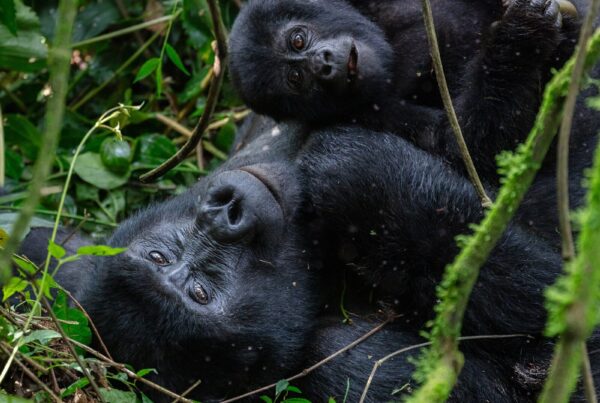
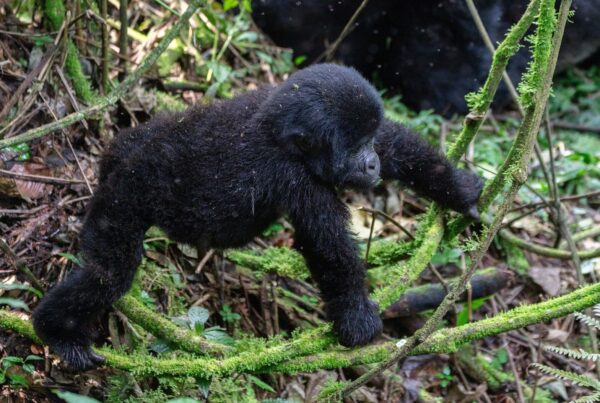
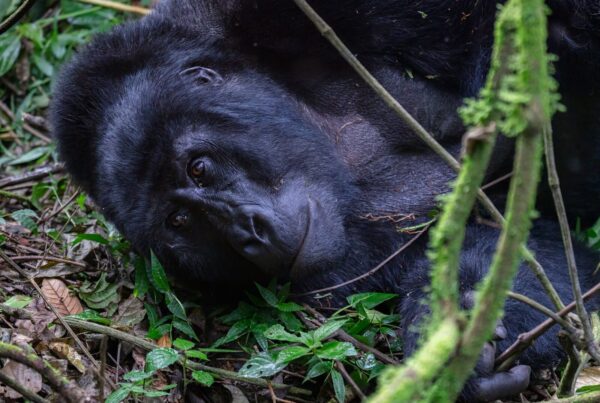
The ethical question about gorilla trekking is not easily resolved by citing population numbers (mountain gorillas grew from 254 individuals in 1981 to 1,063+ in 2018) or by dismissing conservation tourism as wildlife commodification — because both the population recovery data and the genuine ethical concerns about habituated animals’ daily stress, respiratory disease transmission risk, and the fundamental asymmetry between a USD $800 permit and the complex welfare impacts on a wild primate family are real, and any honest ethical assessment requires holding the tension between them rather than selecting only the evidence that supports a pre-determined conclusion. This guide examines the conservation argument for gorilla trekking with the critical apparatus it deserves: the specific research on habituation stress in mountain gorilla groups, the documented disease transmission incidents that give the 7-metre rule its biological weight, the counter-evidence from population recovery trajectories, the funding chain from tourist permit fees to anti-poaching ranger infrastructure, and what the relevant conservation biology literature actually says about gorilla trekking tourism as a conservation mechanism. The goal is to equip you to make a genuinely informed moral decision — not to tell you what to conclude. If you decide to trek, see the gorilla families guide and permit guide.
The Ethical Case: Key Data Points
- Population evidence: mountain gorillas grew from 254 (1981) to 1,063+ (2018) during the same period gorilla tourism was developed
- Funding mechanism: gorilla permit revenue funds UWA ranger anti-poaching patrols and veterinary programmes
- Disease transmission: gorillas share 98% of human DNA — a real risk managed by 7-metre rule and mask requirements
- Habituation stress: documented in cortisol studies; offset by conservation argument but acknowledged, not dismissed
- Alternative scenario: without tourism revenue, ranger infrastructure protecting gorillas from poaching would lose its primary funding source
- The ethical question is genuinely complex — both the case for and the case against involve real evidence
Every traveller who considers gorilla trekking eventually encounters a question that goes deeper than logistics, cost, or physical preparation. Is it ethical to visit mountain gorillas in their natural habitat? Does human presence harm these endangered animals? Does tourism money genuinely support conservation, or does it merely commodify wildlife for wealthy visitors? These questions are not easily answered, and anyone who offers a simple yes or no is oversimplifying a genuinely complex moral landscape.
The ethical status of gorilla trekking has been debated by conservationists, primatologists, animal welfare advocates, and ethicists since tourism began in the 1970s. The arguments on both sides are substantive, and the reality contains elements that support multiple conclusions. This guide examines the ethical arguments honestly, presents the evidence for and against gorilla trekking tourism, and offers a framework for making your own informed moral judgment about whether to participate.
The Case Against Gorilla Trekking
The ethical objections to gorilla trekking are serious and deserve genuine engagement. The most fundamental objection concerns the impact of human presence on wild animals. Mountain gorillas are not domesticated. They are wild creatures who have learned, through a process called habituation, to tolerate human observers without fleeing. But tolerance is not comfort, and the daily intrusion of eight strangers into their habitat inevitably causes stress, however well-managed.
Stress in gorillas manifests in elevated cortisol levels, altered feeding patterns, and modified social behaviours. Research has documented that habituated gorilla groups show different stress responses compared to unhabituated groups, suggesting that the constant human contact required for tourism is not cost-free for the animals. Critics argue that this stress, accumulated over years of daily tourist visits, may affect gorilla health, reproduction, and longevity in ways that are not yet fully understood.
Disease transmission represents another serious ethical concern. Mountain gorillas share ninety-eight percent of their DNA with humans, making them extraordinarily susceptible to human pathogens. Common human respiratory viruses that cause mild symptoms in people can be fatal in gorillas. The 2003 measles outbreak in Rwandan gorillas, which required emergency veterinary intervention, demonstrated how quickly human diseases can spread through vulnerable gorilla populations. Despite the health screening and seven-metre rule, the risk of transmission cannot be eliminated entirely.
Some ethicists argue that gorilla trekking represents a form of exploitation, converting wild animals into entertainment for wealthy tourists from wealthy countries. The eight hundred dollar permit price creates an economic barrier that excludes most Ugandans and most people globally from ever seeing mountain gorillas, raising questions about equity and justice in conservation. If gorillas are a global heritage, why should access be restricted to those who can afford premium prices?
The Case for Gorilla Trekking
The ethical defence of gorilla trekking rests primarily on conservation outcomes. When gorilla tourism began in the 1970s, mountain gorillas were facing imminent extinction. Their population had declined to approximately four hundred individuals, threatened by poaching, habitat loss, and human-wildlife conflict. Today, thanks largely to conservation programmes funded by tourism revenue, the population has grown to approximately one thousand individuals. Gorilla trekking has been instrumental in this recovery.
The mechanism is straightforward and well-documented. Permit revenue funds anti-poaching patrols that protect gorillas from hunters. It pays ranger salaries that ensure continuous monitoring and protection. It supports veterinary interventions that treat injured or ill gorillas. It funds community development projects that reduce local incentives to encroach on gorilla habitat. Without tourism revenue, these conservation activities would depend on unpredictable international aid and philanthropic donations.
Community benefit sharing addresses the equity concerns raised by critics. UWA allocates twenty percent of permit revenue to communities surrounding Bwindi and Mgahinga, funding schools, health clinics, water infrastructure, and income-generating projects. This revenue sharing creates local stakeholders who benefit from gorilla conservation and who therefore support rather than oppose protection efforts. Studies have shown that communities receiving tourism benefits are significantly less likely to engage in poaching or habitat destruction.
The habituation process itself, while ethically debatable, has enabled scientific research that would be impossible with unhabituated groups. Decades of close observation by researchers and veterinarians have produced knowledge about gorilla behaviour, social structure, disease ecology, and reproduction that informs conservation strategies worldwide. This knowledge benefits not only habituated groups but also the species as a whole.
The Evidence on Gorilla Stress and Health
Research on the impacts of habituation and tourism provides a nuanced picture that neither confirms the most pessimistic critics nor validates the most optimistic defenders. Studies comparing habituated and unhabituated groups have found measurable differences in stress hormones, but the clinical significance of these differences remains unclear. Habituated gorillas do not show obvious signs of impaired health, reproduction, or survival compared to unhabituated groups, and in some cases, habituated groups have higher reproductive success because they receive veterinary care and protection that unhabituated groups lack.
The disease transmission risk is real and has resulted in documented gorilla deaths. However, the introduction of strict health protocols, including the seven-metre rule, health screening for trekkers, and mask-wearing requirements during certain periods, has reduced transmission rates significantly. No disease-related gorilla deaths have been definitively linked to tourism since the implementation of these stricter protocols.
Ultimately, the evidence suggests that well-managed gorilla tourism causes modest, measurable stress that does not appear to compromise population health or survival. Poorly managed tourism, with inadequate enforcement of distance rules, failure to screen sick visitors, or excessive group sizes, would likely produce more serious impacts. The ethical acceptability of gorilla trekking thus depends significantly on the quality of management.
Alternative Conservation Models
Some critics argue that tourism is not the only or best way to fund gorilla conservation. Alternative models include pure philanthropic funding, carbon credit schemes, debt-for-nature swaps, and non-tourism revenue generation such as research permits or documentary filming fees. Each of these alternatives has merits and limitations.
Philanthropic funding is inherently unstable, dependent on the priorities of donors and the economic conditions in donor countries. Carbon credit schemes are promising but complex, and the revenue generated is currently insufficient to replace tourism income. Debt-for-nature swaps have helped in some contexts but are limited by the availability of eligible debt and the political will of creditor nations.
Non-tourism revenue from research and filming generates some income but cannot match the scale of tourism revenue. A single documentary crew might pay several thousand dollars for filming rights, but they visit once, whereas tourism provides continuous daily revenue. Research permits are similarly limited in scale.
The reality is that no alternative conservation funding model currently exists that could replace tourism revenue without significantly reducing conservation capacity. This does not mean that tourism is the ideal model, but it does mean that eliminating tourism without a replacement funding source would likely result in increased poaching, reduced protection, and gorilla population decline.
Making Your Own Ethical Decision
Given the genuine ethical complexities, how should a prospective trekker decide whether to participate? The decision ultimately depends on your personal ethical framework, your tolerance for uncertainty, and your assessment of the balance between benefits and harms.
If you believe that any human intrusion into wild animal lives is inherently wrong, then gorilla trekking is ethically problematic regardless of conservation outcomes. This position is consistent and defensible, though it implies that you should also avoid zoos, wildlife documentaries that habituate animals, and any form of human-wildlife interaction.
If you believe that conservation outcomes justify modest intrusions into wild animal lives, then well-managed gorilla trekking is ethically acceptable and possibly obligatory, since your participation directly funds protection. This position is also consistent and defensible, though it requires trusting that management is genuinely effective.
If you are uncertain, consider the specific operator and management practices you will encounter. Uganda Wildlife Authority has a strong track record of adaptive management, continuously adjusting rules based on research findings. Operators who emphasise responsible tourism, enforce rules strictly, and contribute to community development are preferable to those who treat gorilla trekking as mere entertainment.
How to Trek as Ethically as Possible
For those who decide to trek, several practices can minimise your ethical concerns. Follow all rules rigorously, including the seven-metre distance, health screening honesty, and guide instructions. Do not attempt to get closer for better photographs. Do not visit if you have any symptoms of illness, even if it means forfeiting your permit. Choose operators with demonstrated commitment to conservation and community benefit rather than purely profit-driven companies.
Consider offsetting your carbon footprint from international flights to Uganda. Air travel contributes to climate change that threatens gorilla habitat through altered weather patterns and ecosystem disruption. Carbon offset programmes are imperfect but represent an effort to take responsibility for the broader impacts of your travel.
Finally, use your experience to advocate for gorilla conservation. Share what you learned with others. Support organisations that protect mountain gorillas. Your voice, added to the chorus of those who have witnessed these animals in the wild, helps maintain the political and financial support that conservation requires.
Final Thoughts
The ethical status of gorilla trekking cannot be resolved with a simple verdict. It is a practice that causes genuine but apparently manageable stress to wild animals, generates substantial conservation benefits, creates economic opportunities for local communities, and raises uncomfortable questions about equity and commodification. These truths coexist, and honest engagement with all of them is necessary for anyone who cares about both animal welfare and conservation outcomes.
What is clear is that mountain gorillas would almost certainly be extinct today without the conservation system that tourism funds. What is also clear is that this system is not perfect and causes real, if modest, harm to the animals it protects. The question for each prospective trekker is whether the conservation benefits justify the ethical costs, and whether your participation makes the system better or worse.
When you sit before a silverback in Bwindi’s forest, the ethical arguments fade into abstraction. What remains is the living creature before you, the ancient forest around you, and the knowledge that your presence is simultaneously a threat and a protection. That paradox is not comfortable, but it is honest. And in an age of simplistic moral certainties, honesty about complexity may be the most ethical position of all.
Frequently Asked Questions
The most compelling evidence for gorilla trekking’s conservation value is the population trajectory: mountain gorillas numbered 254 individuals in 1981 when the research and early tourism programme was being developed, and numbered 1,063 in the 2018 census — a population recovery that occurred during the same period that gorilla tourism was systematically expanding. The causal chain runs through funding: permit revenue funds the UWA and ORTPN ranger systems that patrol against poachers, snare removal teams, and veterinary rapid-response units that treat injured and diseased gorillas. The International Gorilla Conservation Programme’s analysis consistently identifies funded anti-poaching patrols as the primary proximate cause of the population recovery — and those patrols are funded primarily by tourism revenue. The counterfactual — what would happen to gorilla populations without tourism funding maintaining the ranger infrastructure — is the context in which the ethical case for trekking is most clearly made. Does gorilla trekking cause stress or harm to the gorillas? Research on habituation stress in mountain gorillas is real and should not be dismissed. Studies measuring cortisol levels in habituated versus unhabituated gorilla groups have documented measurable stress hormone differences, and behavioural studies have shown modified feeding and social patterns in groups that receive daily visitor contact. This is genuine evidence of a welfare cost. The ethical framework for gorilla trekking tourism does not require denying this cost — it requires weighing it against the conservation benefit. The position supported by the majority of conservation biologists who study the mountain gorilla population is that the welfare cost of managed tourism (stress from daily human contact, disease transmission risk managed through protocols) is outweighed by the survival benefit funded by that tourism (anti-poaching rangers, veterinary care, habitat protection). This is a cost-benefit assessment, not a claim that tourism causes no harm. The honest ethical position acknowledges both sides. What disease transmission risks does gorilla trekking create? Mountain gorillas share approximately 98% of their DNA with humans and are physiologically susceptible to human respiratory viruses and bacterial pathogens that cause mild or subclinical illness in people but can be severe or fatal in gorillas. The 2003 measles outbreak in Rwandan gorilla groups that required emergency veterinary intervention demonstrated this vulnerability concretely. The rules governing gorilla trekking — the 7-metre minimum approach distance, the prohibition on visiting gorillas if you are symptomatic with respiratory illness, the requirement to wear a mask if you show symptoms, and the 60-minute time limit — all exist specifically to reduce disease transmission probability. These are not arbitrary tourist management rules; they are direct responses to evidence-based disease risk. The 7-metre rule is the product of veterinary risk modelling of respiratory aerosol transmission distances. When a visitor violates the 7-metre rule by approaching closely for a photograph, they are not just breaking a rule — they are increasing the disease transmission risk to an animal that has no immune protection against common human pathogens. Is gorilla trekking more ethical in Uganda than in Rwanda? Both Uganda and Rwanda operate gorilla trekking under comparable conservation management frameworks: both follow IGCP protocols for habituation standards and visitor management, both maintain ranger-guided systems with group size limits, both have veterinary rapid-response capacity, and both use permit revenue to fund anti-poaching infrastructure. The ethical profile of a gorilla trek in Uganda versus Rwanda is broadly similar because the specific welfare and conservation management practices are comparable. Differences exist in permit pricing, the distribution of conservation revenue, community benefit fund mechanisms, and the specific proportion of revenue reaching local communities — these are dimensions where the two programmes differ in ways that may inform an ethical preference. Neither programme is ethically superior on the basic conservation logic; the relevant differences lie in the finer details of economic distribution and community benefit. What can individual trekkers do to minimise their ethical footprint? Individual trekkers can reduce their specific welfare impact through several concrete behaviours: maintain the 7-metre distance rule rigorously even when rangers are not watching and gorillas approach closely (crouch, remain still, let the animal pass without moving toward it); do not trek if you have respiratory symptoms (postpone if possible, or wear a mask for the full encounter if not); follow the ranger’s behavioural instructions regarding eye contact and crouch position during any silverback display; do not use flash photography; book through operators whose fees demonstrably flow to community benefit programmes (ask for specifics, not marketing language); and consider adding a Batwa cultural experience to your itinerary as a direct community benefit contribution. The specific individual behaviours that reduce disease transmission risk — distance rule, masking when symptomatic — have more concrete welfare impact than the broader consumption choices, and are entirely within your control during the encounter. Make your informed decision about gorilla trekking Uganda Gorilla Families — the specific habituated families whose welfare the permit system is designed to protect Gorilla Permit Guide — how permit revenue is structured and what it funds Rwanda Gorilla Families — Rwanda’s comparable habituated population for cross-country comparison Bwindi Sector Guide — the habitats and management context Safari Itineraries — combine gorilla trekking with community benefit experiences like the Batwa trail Further Reading The premium conservation argument: why expensive gorilla lodges justify their price Meet the conservationist protecting mountain gorillas in the heart of the impenetrable forest. Exploring the Uganda Wildlife Conservation Education Centre Uganda gorilla trekking explained: everything a first-timer needs Uganda Gorilla Trekking from Kigali: The Cross-Border Option Explained How Many People Are Allowed Per Gorilla Family Per Day: Uganda’s Strict Limit Explained Gorilla Trekking Group Size: Maximum People Per Trek in Uganda Explained How Long Do You Spend With Gorillas During the Trek? The One-Hour Rule Explained What Time Does Gorilla Trekking Start? Schedules Explained for Uganda Can You Use a Drone in Bwindi? Drone Laws in Uganda Explained <
Research on habituation stress in mountain gorillas is real and should not be dismissed. Studies measuring cortisol levels in habituated versus unhabituated gorilla groups have documented measurable stress hormone differences, and behavioural studies have shown modified feeding and social patterns in groups that receive daily visitor contact. This is genuine evidence of a welfare cost. The ethical framework for gorilla trekking tourism does not require denying this cost — it requires weighing it against the conservation benefit. The position supported by the majority of conservation biologists who study the mountain gorilla population is that the welfare cost of managed tourism (stress from daily human contact, disease transmission risk managed through protocols) is outweighed by the survival benefit funded by that tourism (anti-poaching rangers, veterinary care, habitat protection). This is a cost-benefit assessment, not a claim that tourism causes no harm. The honest ethical position acknowledges both sides. What disease transmission risks does gorilla trekking create? Mountain gorillas share approximately 98% of their DNA with humans and are physiologically susceptible to human respiratory viruses and bacterial pathogens that cause mild or subclinical illness in people but can be severe or fatal in gorillas. The 2003 measles outbreak in Rwandan gorilla groups that required emergency veterinary intervention demonstrated this vulnerability concretely. The rules governing gorilla trekking — the 7-metre minimum approach distance, the prohibition on visiting gorillas if you are symptomatic with respiratory illness, the requirement to wear a mask if you show symptoms, and the 60-minute time limit — all exist specifically to reduce disease transmission probability. These are not arbitrary tourist management rules; they are direct responses to evidence-based disease risk. The 7-metre rule is the product of veterinary risk modelling of respiratory aerosol transmission distances. When a visitor violates the 7-metre rule by approaching closely for a photograph, they are not just breaking a rule — they are increasing the disease transmission risk to an animal that has no immune protection against common human pathogens. Is gorilla trekking more ethical in Uganda than in Rwanda? Both Uganda and Rwanda operate gorilla trekking under comparable conservation management frameworks: both follow IGCP protocols for habituation standards and visitor management, both maintain ranger-guided systems with group size limits, both have veterinary rapid-response capacity, and both use permit revenue to fund anti-poaching infrastructure. The ethical profile of a gorilla trek in Uganda versus Rwanda is broadly similar because the specific welfare and conservation management practices are comparable. Differences exist in permit pricing, the distribution of conservation revenue, community benefit fund mechanisms, and the specific proportion of revenue reaching local communities — these are dimensions where the two programmes differ in ways that may inform an ethical preference. Neither programme is ethically superior on the basic conservation logic; the relevant differences lie in the finer details of economic distribution and community benefit. What can individual trekkers do to minimise their ethical footprint? Individual trekkers can reduce their specific welfare impact through several concrete behaviours: maintain the 7-metre distance rule rigorously even when rangers are not watching and gorillas approach closely (crouch, remain still, let the animal pass without moving toward it); do not trek if you have respiratory symptoms (postpone if possible, or wear a mask for the full encounter if not); follow the ranger’s behavioural instructions regarding eye contact and crouch position during any silverback display; do not use flash photography; book through operators whose fees demonstrably flow to community benefit programmes (ask for specifics, not marketing language); and consider adding a Batwa cultural experience to your itinerary as a direct community benefit contribution. The specific individual behaviours that reduce disease transmission risk — distance rule, masking when symptomatic — have more concrete welfare impact than the broader consumption choices, and are entirely within your control during the encounter. Make your informed decision about gorilla trekking Uganda Gorilla Families — the specific habituated families whose welfare the permit system is designed to protect Gorilla Permit Guide — how permit revenue is structured and what it funds Rwanda Gorilla Families — Rwanda’s comparable habituated population for cross-country comparison Bwindi Sector Guide — the habitats and management context Safari Itineraries — combine gorilla trekking with community benefit experiences like the Batwa trail Further Reading The premium conservation argument: why expensive gorilla lodges justify their price Meet the conservationist protecting mountain gorillas in the heart of the impenetrable forest. Exploring the Uganda Wildlife Conservation Education Centre Uganda gorilla trekking explained: everything a first-timer needs Uganda Gorilla Trekking from Kigali: The Cross-Border Option Explained How Many People Are Allowed Per Gorilla Family Per Day: Uganda’s Strict Limit Explained Gorilla Trekking Group Size: Maximum People Per Trek in Uganda Explained How Long Do You Spend With Gorillas During the Trek? The One-Hour Rule Explained What Time Does Gorilla Trekking Start? Schedules Explained for Uganda Can You Use a Drone in Bwindi? Drone Laws in Uganda Explained <
Mountain gorillas share approximately 98% of their DNA with humans and are physiologically susceptible to human respiratory viruses and bacterial pathogens that cause mild or subclinical illness in people but can be severe or fatal in gorillas. The 2003 measles outbreak in Rwandan gorilla groups that required emergency veterinary intervention demonstrated this vulnerability concretely. The rules governing gorilla trekking — the 7-metre minimum approach distance, the prohibition on visiting gorillas if you are symptomatic with respiratory illness, the requirement to wear a mask if you show symptoms, and the 60-minute time limit — all exist specifically to reduce disease transmission probability. These are not arbitrary tourist management rules; they are direct responses to evidence-based disease risk. The 7-metre rule is the product of veterinary risk modelling of respiratory aerosol transmission distances. When a visitor violates the 7-metre rule by approaching closely for a photograph, they are not just breaking a rule — they are increasing the disease transmission risk to an animal that has no immune protection against common human pathogens. Is gorilla trekking more ethical in Uganda than in Rwanda? Both Uganda and Rwanda operate gorilla trekking under comparable conservation management frameworks: both follow IGCP protocols for habituation standards and visitor management, both maintain ranger-guided systems with group size limits, both have veterinary rapid-response capacity, and both use permit revenue to fund anti-poaching infrastructure. The ethical profile of a gorilla trek in Uganda versus Rwanda is broadly similar because the specific welfare and conservation management practices are comparable. Differences exist in permit pricing, the distribution of conservation revenue, community benefit fund mechanisms, and the specific proportion of revenue reaching local communities — these are dimensions where the two programmes differ in ways that may inform an ethical preference. Neither programme is ethically superior on the basic conservation logic; the relevant differences lie in the finer details of economic distribution and community benefit. What can individual trekkers do to minimise their ethical footprint? Individual trekkers can reduce their specific welfare impact through several concrete behaviours: maintain the 7-metre distance rule rigorously even when rangers are not watching and gorillas approach closely (crouch, remain still, let the animal pass without moving toward it); do not trek if you have respiratory symptoms (postpone if possible, or wear a mask for the full encounter if not); follow the ranger’s behavioural instructions regarding eye contact and crouch position during any silverback display; do not use flash photography; book through operators whose fees demonstrably flow to community benefit programmes (ask for specifics, not marketing language); and consider adding a Batwa cultural experience to your itinerary as a direct community benefit contribution. The specific individual behaviours that reduce disease transmission risk — distance rule, masking when symptomatic — have more concrete welfare impact than the broader consumption choices, and are entirely within your control during the encounter. Make your informed decision about gorilla trekking Uganda Gorilla Families — the specific habituated families whose welfare the permit system is designed to protect Gorilla Permit Guide — how permit revenue is structured and what it funds Rwanda Gorilla Families — Rwanda’s comparable habituated population for cross-country comparison Bwindi Sector Guide — the habitats and management context Safari Itineraries — combine gorilla trekking with community benefit experiences like the Batwa trail Further Reading The premium conservation argument: why expensive gorilla lodges justify their price Meet the conservationist protecting mountain gorillas in the heart of the impenetrable forest. Exploring the Uganda Wildlife Conservation Education Centre Uganda gorilla trekking explained: everything a first-timer needs Uganda Gorilla Trekking from Kigali: The Cross-Border Option Explained How Many People Are Allowed Per Gorilla Family Per Day: Uganda’s Strict Limit Explained Gorilla Trekking Group Size: Maximum People Per Trek in Uganda Explained How Long Do You Spend With Gorillas During the Trek? The One-Hour Rule Explained What Time Does Gorilla Trekking Start? Schedules Explained for Uganda Can You Use a Drone in Bwindi? Drone Laws in Uganda Explained <
Both Uganda and Rwanda operate gorilla trekking under comparable conservation management frameworks: both follow IGCP protocols for habituation standards and visitor management, both maintain ranger-guided systems with group size limits, both have veterinary rapid-response capacity, and both use permit revenue to fund anti-poaching infrastructure. The ethical profile of a gorilla trek in Uganda versus Rwanda is broadly similar because the specific welfare and conservation management practices are comparable. Differences exist in permit pricing, the distribution of conservation revenue, community benefit fund mechanisms, and the specific proportion of revenue reaching local communities — these are dimensions where the two programmes differ in ways that may inform an ethical preference. Neither programme is ethically superior on the basic conservation logic; the relevant differences lie in the finer details of economic distribution and community benefit. What can individual trekkers do to minimise their ethical footprint? Individual trekkers can reduce their specific welfare impact through several concrete behaviours: maintain the 7-metre distance rule rigorously even when rangers are not watching and gorillas approach closely (crouch, remain still, let the animal pass without moving toward it); do not trek if you have respiratory symptoms (postpone if possible, or wear a mask for the full encounter if not); follow the ranger’s behavioural instructions regarding eye contact and crouch position during any silverback display; do not use flash photography; book through operators whose fees demonstrably flow to community benefit programmes (ask for specifics, not marketing language); and consider adding a Batwa cultural experience to your itinerary as a direct community benefit contribution. The specific individual behaviours that reduce disease transmission risk — distance rule, masking when symptomatic — have more concrete welfare impact than the broader consumption choices, and are entirely within your control during the encounter. Make your informed decision about gorilla trekking Uganda Gorilla Families — the specific habituated families whose welfare the permit system is designed to protect Gorilla Permit Guide — how permit revenue is structured and what it funds Rwanda Gorilla Families — Rwanda’s comparable habituated population for cross-country comparison Bwindi Sector Guide — the habitats and management context Safari Itineraries — combine gorilla trekking with community benefit experiences like the Batwa trail Further Reading The premium conservation argument: why expensive gorilla lodges justify their price Meet the conservationist protecting mountain gorillas in the heart of the impenetrable forest. Exploring the Uganda Wildlife Conservation Education Centre Uganda gorilla trekking explained: everything a first-timer needs Uganda Gorilla Trekking from Kigali: The Cross-Border Option Explained How Many People Are Allowed Per Gorilla Family Per Day: Uganda’s Strict Limit Explained Gorilla Trekking Group Size: Maximum People Per Trek in Uganda Explained How Long Do You Spend With Gorillas During the Trek? The One-Hour Rule Explained What Time Does Gorilla Trekking Start? Schedules Explained for Uganda Can You Use a Drone in Bwindi? Drone Laws in Uganda Explained <
Individual trekkers can reduce their specific welfare impact through several concrete behaviours: maintain the 7-metre distance rule rigorously even when rangers are not watching and gorillas approach closely (crouch, remain still, let the animal pass without moving toward it); do not trek if you have respiratory symptoms (postpone if possible, or wear a mask for the full encounter if not); follow the ranger’s behavioural instructions regarding eye contact and crouch position during any silverback display; do not use flash photography; book through operators whose fees demonstrably flow to community benefit programmes (ask for specifics, not marketing language); and consider adding a Batwa cultural experience to your itinerary as a direct community benefit contribution. The specific individual behaviours that reduce disease transmission risk — distance rule, masking when symptomatic — have more concrete welfare impact than the broader consumption choices, and are entirely within your control during the encounter. Make your informed decision about gorilla trekking Uganda Gorilla Families — the specific habituated families whose welfare the permit system is designed to protect Gorilla Permit Guide — how permit revenue is structured and what it funds Rwanda Gorilla Families — Rwanda’s comparable habituated population for cross-country comparison Bwindi Sector Guide — the habitats and management context Safari Itineraries — combine gorilla trekking with community benefit experiences like the Batwa trail Further Reading The premium conservation argument: why expensive gorilla lodges justify their price Meet the conservationist protecting mountain gorillas in the heart of the impenetrable forest. Exploring the Uganda Wildlife Conservation Education Centre Uganda gorilla trekking explained: everything a first-timer needs Uganda Gorilla Trekking from Kigali: The Cross-Border Option Explained How Many People Are Allowed Per Gorilla Family Per Day: Uganda’s Strict Limit Explained Gorilla Trekking Group Size: Maximum People Per Trek in Uganda Explained How Long Do You Spend With Gorillas During the Trek? The One-Hour Rule Explained What Time Does Gorilla Trekking Start? Schedules Explained for Uganda Can You Use a Drone in Bwindi? Drone Laws in Uganda Explained <