Why Rain Gear Is Essential for Gorilla Trekking
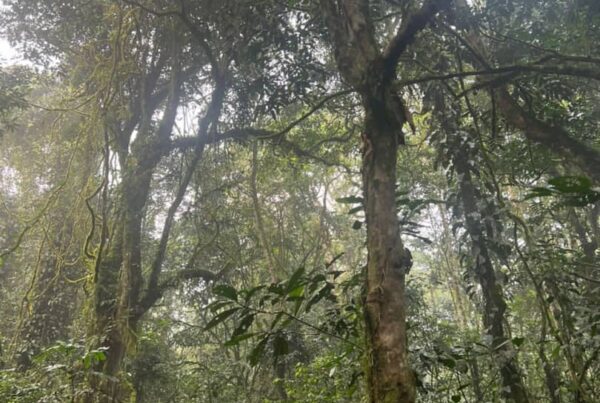
The Bwindi Impenetrable Forest receives rainfall year-round, with annual precipitation exceeding 1,400 millimetres. Even during Uganda’s “dry” seasons, brief afternoon showers are common, and morning mist can soak clothing as effectively as rain. For the two to six hours you’ll spend hiking to and from the gorillas, staying dry isn’t a luxury; it’s a necessity for comfort, safety, and enjoyment.
Choosing between a poncho and a rain jacket is one of the most debated topics among experienced gorilla trekkers. Both have loyal advocates, and both have distinct advantages and disadvantages in Bwindi’s specific conditions. This guide examines each option honestly so you can make the right choice for your trek.
The Poncho: Traditional Favourite
How Trekking Ponchos Work
Gorilla trekking ponchos are not the flimsy plastic sheets sold at festivals. Quality trekking ponchos are made from durable, waterproof material like ripstop nylon or PVC-coated fabric. They drape over your body and backpack, creating a tent-like shelter that covers you from head to mid-thigh or knee.
Advantages of Ponchos
Complete coverage: A good poncho covers your torso, arms, and backpack simultaneously. In Bwindi, where trails are narrow and vegetation constantly brushes against you, this complete coverage keeps both you and your gear dry.
Ventilation: Ponchos are loose-fitting, allowing air to circulate underneath. This ventilation prevents the claustrophobic, sweat-soaked feeling that can occur inside waterproof jackets during strenuous uphill hiking.
Quick on and off: Ponchos slip over everything you’re wearing. When rain starts suddenly, which it does in Bwindi, you can don a poncho in seconds without removing your backpack.
Multi-purpose: During rest stops, a poncho can be spread on wet ground as a groundsheet. If a group member is injured, it can serve as an emergency shelter or stretcher.
Cost-effective: Quality trekking ponchos cost $15-40, significantly less than high-end rain jackets.
Disadvantages of Ponchos
Wind vulnerability: Bwindi’s mountain terrain creates gusts that can blow ponchos around, exposing your sides. Some trekkers find themselves constantly adjusting flapping fabric.
Snagging hazard: Loose material catches on branches and thorns. In dense forest sections, this snagging slows progress and risks tearing the poncho.
Limited leg coverage: Standard ponchos don’t cover legs below the knee. On very wet days, this leaves lower trousers vulnerable.
Less durable: Ponchos generally don’t last as long as quality jackets. Sharp vegetation can puncture lightweight materials.
The Rain Jacket: Modern Alternative
Types of Rain Jackets
Modern rain jackets for trekking use waterproof-breathable membranes like Gore-Tex, eVent, or proprietary alternatives. They range from lightweight emergency shells to heavy-duty mountaineering jackets. For gorilla trekking, a mid-weight hiking rain jacket strikes the right balance.
Advantages of Rain Jackets
Better fit and mobility: Jackets conform to your body, moving with you rather than around you. This fitted design reduces snagging on vegetation and doesn’t flap in wind.
Superior durability: Quality trekking jackets withstand years of abuse. Reinforced shoulders and arms resist abrasion from vegetation and backpack straps.
Adjustable features: Hoods, cuffs, and hems can be tightened to seal out rain. Pit zips provide ventilation without removing the jacket.
Style and versatility: A good rain jacket serves double duty for other activities during your Uganda trip: game drives, boat cruises, or casual wear in Kampala.
Hood design: Jacket hoods fit closely around your face, maintaining visibility in rain. Poncho hoods are looser and can obscure peripheral vision.
Disadvantages of Rain Jackets
Backpack coverage: Standard jackets don’t cover your backpack. You need a separate rain cover for your pack or must store valuables in waterproof bags inside.
Condensation build-up: Even breathable membranes struggle during intense uphill hiking. You may find the inside of your jacket as wet from sweat as the outside is from rain.
Higher cost: Quality waterproof jackets cost $100-400, significantly more than ponchos.
Layering complexity: Putting on a jacket with a backpack requires removing the pack, donning the jacket, then replacing the pack. In sudden rain, this process leaves you temporarily exposed.
What UWA Rangers and Guides Recommend
After observing thousands of treks, most UWA rangers recommend ponchos for gorilla trekking specifically. Their reasoning:
- Bwindi’s dense vegetation makes snagging inevitable, and ponchos handle this better than expensive jackets that might tear
- The complete coverage including backpack protection is more practical than jacket-plus-cover combinations
- Ventilation matters during steep uphill hiking; ponchos breathe better
- Most tourists won’t use their rain gear again after the trek, making ponchos more economical
However, rangers acknowledge that experienced hikers with quality jackets often perform equally well. The key is being prepared, regardless of which system you choose.
Hybrid Solutions
Jacket Plus Pack Cover
Some trekkers combine a lightweight rain jacket with a dedicated backpack rain cover. This approach provides jacket mobility with pack protection but requires managing two separate pieces of gear.
Cape-Style Ponchos
A newer category combines poncho coverage with jacket-like materials. These semi-fitted ponchos use breathable waterproof fabrics and have sleeves rather than open sides. They offer a compromise between the two systems.
Emergency Poncho as Backup
Many trekkers wear quality rain jackets but pack a compact emergency poncho as backup. If the jacket fails or rain is exceptionally heavy, the poncho provides additional protection.
Key Features to Look For
For Ponchos
- Material thickness of at least 0.15mm for durability
- Taped or welded seams (not stitched without sealing)
- Length that covers to at least mid-thigh
- Hood with drawstring adjustment
- Side snaps or fasteners to reduce flapping
- Compact packability for carrying when not in use
For Jackets
- Waterproof rating of 10,000mm or higher
- Breathability rating of 10,000g/m²/24hr or higher
- Taped seams throughout
- Adjustable hood that accommodates head movement
- Pit zips for ventilation
- Adjustable cuffs and hem
Practical Recommendations by Trekker Type
Budget-Conscious Traveller
A quality disposable or reusable poncho ($15-25) is your best option. It provides adequate protection at minimal cost. Pack a backup emergency poncho in case of tears.
Regular Hiker
If you already own a waterproof hiking jacket, bring it. Pair it with a waterproof pack cover or line your pack with a heavy-duty garbage bag. Your existing gear is probably sufficient.
Photography Enthusiast
A jacket offers better camera access. Ponchos make reaching your camera awkward. Choose a jacket with large pockets for lens cloths and batteries, and use a dedicated camera rain cover for your equipment.
Multi-Day Trekker
If you’re trekking multiple days, durability matters more. A quality jacket will last the trip and beyond. Ponchos may not survive multiple treks without tearing.
Additional Wet-Weather Gear
Regardless of your rain protection choice, consider these additions:
- Waterproof trousers: Lightweight over-trousers add leg protection on very wet days
- Gaiters: Keep rain and mud out of your boots
- Waterproof bag for electronics: Phones, cameras, and spare batteries need protection even inside your pack
- Quick-dry towel: Small microfiber towel for drying hands, face, or gear
- Spare socks: In a sealed bag, ready for after the trek
When to Put On Rain Gear
The best time to don rain protection is before you need it. In Bwindi:
- Put rain gear on at the first sign of dark clouds or increased mist
- Don’t wait until you’re already wet; drying off while hiking is nearly impossible
- Keep rain gear easily accessible, not buried in your pack
- Remove layers before putting on rain gear to prevent overheating
Conclusion
The poncho versus jacket debate doesn’t have a universal winner. For most gorilla trekkers, especially first-timers, a quality poncho offers the best combination of coverage, ventilation, and value. For experienced hikers who already own quality rain jackets, your existing gear will serve you well with the addition of pack protection.
What matters most isn’t which system you choose, but that you have a system and use it promptly when conditions change. Standing before a silverback while soaked and shivering distracts from one of life’s most extraordinary moments. Stay dry, stay comfortable, and let the gorillas command your full attention.
- Rain Gear for Gorilla Trekking: Poncho vs Jacket Guide
- Gorilla Trekking Weather and Climate: When Rain and Sun Meet the Forest
- Gorilla Trekking vs Amazon Rainforest: Two Great Nature Experiences
- The African Forest That Produces 40 Percent of the Continent’s Rainfall
- Best camera bag for gorilla trekking: protecting gear on steep forest trails
- Weather at Bwindi Impenetrable Forest: temperature, rainfall and what to expect
- Micro-climates of Bwindi: why it rains in the forest and what to expect
- Shinrin-yoku and forest bathing: applying the Japanese practice in Bwindi’s rainforest
- Rain photography in the gorilla forest: how to turn bad weather into compelling images
- Gorilla trekking with back pain: managing lumbar conditions on uneven forest terrain