Uganda’s national parks and gorilla trekking programme have operated continuously and without security disruption for decades — the parks are professionally managed by Uganda Wildlife Authority with ranger coverage, the gorilla trekking protocol is unchanged and fully operational at all Bwindi sectors and Mgahinga, and the western safari circuit (Queen Elizabeth, Kibale, Bwindi) is accessible by road and domestic flight on the same schedule that has served international visitors throughout the modern gorilla trekking era. Travellers who have encountered conflicting information about Uganda’s safety should assess the current situation from the actual position of the national parks and tourism infrastructure rather than from generalised regional risk assessments that do not distinguish between Uganda’s different geographic zones — the gorilla trekking areas in Uganda’s southwest are among the most stable, well-managed, and consistently accessible areas in the country, with the specific security investment that the gorilla conservation programme receives as part of the UWA ranger deployment. For visitors planning the gorilla trekking trip, the current period offers excellent park conditions, available permits, and the full range of accommodation options. For the permit, see the permit guide.
Uganda Gorilla Trekking: Safety and Operations Status
- Bwindi gorilla trekking: Fully operational at all 4 sectors (Buhoma, Nkuringo, Rushaga, Ruhija)
- Mgahinga gorilla trekking: Fully operational; Nyakagezi family accessible
- Queen Elizabeth NP: Fully operational — game drives, boat safaris, all circuits open
- Kibale Forest: Fully operational — chimpanzee trekking running on normal schedule
- Road access: Western circuit roads accessible year-round; dry season (Jun–Aug, Dec–Feb) best conditions
- UK FCDO, US State Department: Uganda rated Level 1–2 (exercise normal/increased caution) for tourist areas
Uganda stands among Africa’s most authentic safari destinations, known for rare primate encounters, classic Big Five wildlife, and a deep-rooted conservation ethic that places visitor safety at the center of every experience. As global travelers regain confidence, Uganda’s national parks remain open, calm, and professionally managed, welcoming visitors back to its forests and savannahs without disruption. Gorilla trekking has continued smoothly, supported by experienced rangers, clear regulations, and well-established tourism systems that have protected travelers for decades. This period also aligns with a quieter travel season, offering exceptional value, fewer crowds, and a more personal connection to nature. For travelers seeking reassurance, depth, and meaningful wildlife encounters, Uganda presents one of Africa’s strongest choices right now.
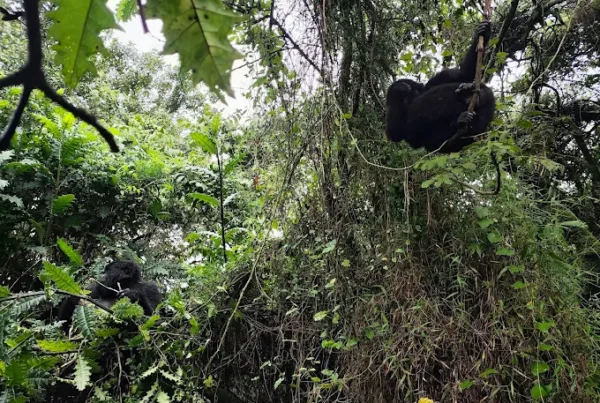
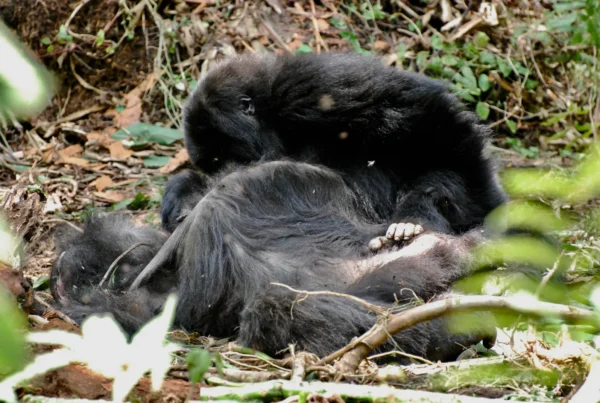
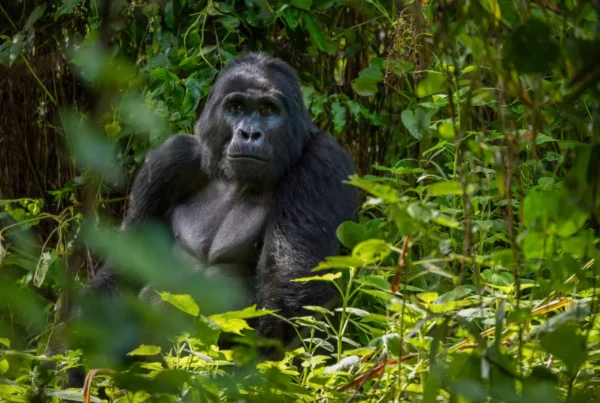
Gorilla trekking in Bwindi Impenetrable National Park remains one of the most carefully regulated wildlife activities anywhere in the world. The park protects nearly half of the world’s remaining mountain gorillas within an ancient rainforest ecosystem that has been conserved through strict management and community involvement. Each trek is planned daily based on gorilla movements, visitor fitness levels, and safety considerations, ensuring a calm and controlled experience. Travelers are guided by professional trackers who know the forest intimately, allowing encounters to unfold naturally while maintaining respectful distance. This structure has made Bwindi a global model for conservation-led tourism.
Safety and Stability for Travelers Visiting Uganda
Uganda’s tourism safety framework is built on long-term systems rather than short-term responses. National parks operate under constant protection from wildlife authorities and tourism police units, with ranger presence visible at all key points, including park gates, briefing areas, and trekking routes. Gorilla trekking zones are treated as high-priority conservation areas, meaning security protocols remain strict regardless of national events elsewhere. Visitors receive daily briefings, move only along approved routes, and are accompanied by trained guides throughout their activities. This creates a predictable, calm, and reassuring environment for travelers, including first-time visitors to Africa.
Outside the parks, Uganda’s tourism infrastructure continues to function normally. Domestic flights support fly-in safaris to western Uganda, while road networks connecting Entebbe, Bwindi, and major savannah parks remain reliable. Lodges across all comfort levels are open, staffed, and operating under international hospitality standards. Guided safaris are planned with careful attention to timing, route choice, and guest comfort, ensuring smooth transitions between destinations. The overall travel experience feels organized and secure, allowing visitors to focus fully on wildlife and landscapes rather than logistics.
Gorilla Trekking in Bwindi: Protected, Regulated, and Unmatched
Bwindi Impenetrable National Park represents one of conservation’s greatest success stories. Gorilla trekking here follows internationally recognized guidelines that limit human impact while maximizing long-term protection. Only a limited number of permits are issued each day, trekking groups are kept small, and encounters are time-controlled to reduce stress on the gorillas. Rangers and trackers monitor gorilla families daily, adjusting trekking plans to ensure safety and respect for wildlife behavior. This level of regulation ensures that every visit contributes positively to conservation outcomes.
During the low season, the experience becomes even more rewarding. Forest trails are quieter, trekking groups are smaller, and encounters feel less rushed. Travelers often find they have more space to observe gorilla behavior, absorb the atmosphere of the forest, and appreciate the effort that goes into protecting these animals. For photographers, conservation-minded travelers, and those seeking depth rather than crowds, Bwindi during this period offers exceptional quality.
Big Five Safaris That Complete the Journey
Uganda is one of the few African destinations where gorilla trekking can be combined seamlessly with classic Big Five safaris. After time in Bwindi’s forest, travelers can transition into vast savannah landscapes filled with elephants, lions, buffalo, and leopards. In Murchison Falls National Park, wildlife viewing is paired with dramatic scenery as the Nile forces its way through a narrow gorge, creating powerful photographic and safari moments. Boat safaris and game drives provide varied perspectives on wildlife and landscapes.
Further south, Queen Elizabeth National Park offers remarkable diversity, from open plains to crater lakes and river channels alive with hippos and crocodiles. The Ishasha sector’s tree-climbing lions add a unique highlight rarely found elsewhere. For travelers seeking raw wilderness and minimal visitor presence, Kidepo Valley National Park delivers wide horizons, exceptional predator sightings, and a sense of true remoteness. All these parks remain secure and professionally managed, making multi-park itineraries smooth and rewarding.
Low Season Travel: More Value, Fewer Crowds, Deeper Experiences
Traveling to Uganda during the low season offers tangible benefits that go beyond pricing. Lodges often provide discounted rates, better room availability, and greater flexibility. Safari vehicles encounter fewer crowds at sightings, allowing guides to position responsibly and unhurriedly. Gorilla permits are often easier to secure, reducing planning pressure and opening opportunities for travelers with flexible schedules.
The atmosphere during this period is calmer and more immersive. Lodges are quieter, staff can offer more personalized service, and travelers often feel more connected to the environment. Weather conditions remain suitable for trekking and game viewing, while forest trails feel fresher and less worn. For travelers who value quality, space, and authenticity, the low season delivers exceptional rewards.
Tourism That Sustains Conservation and Communities
Every gorilla permit purchased in Uganda directly supports conservation, ranger protection, and community development around Bwindi. Tourism revenue funds anti-poaching patrols, habitat preservation, healthcare, and education initiatives for local communities. This model has played a crucial role in stabilizing and increasing mountain gorilla populations over time.
Traveling during quieter months helps sustain these efforts throughout the year. It provides consistent income for guides, lodge staff, artisans, and families who depend on tourism. By choosing to visit now, travelers contribute meaningfully to conservation success while enjoying a more personal and responsible safari experience.
Gratitude to Ugandans for a Peaceful Electoral Period
We extend sincere appreciation to the people of Uganda for their calm, resilience, and hospitality during the recent electoral period, demonstrating a shared commitment to peace, stability, and the continued safety of both citizens and international visitors.
National Leadership and Stability
We also acknowledge the leadership of Yoweri Museveni, whose continued emphasis on national security, conservation, and tourism stability has ensured that Uganda’s protected areas remain safe and accessible to travelers.
Still Wondering If It’s Safe to Trek Gorillas in Uganda?
If you want to trek gorillas but are unsure about your safety, the answer is clear and reassuring: Uganda is safe, very safe for tourism, especially in protected areas such as Bwindi Impenetrable National Park. Gorilla trekking zones operate independently from political activity, are heavily protected by professional rangers, and follow strict daily security and conservation protocols. Thousands of travelers continue to visit Uganda safely each year, escorted by trained guides and supported by one of Africa’s most experienced wildlife management systems. On the ground, the reality is calm, organized, and welcoming.
Practical Safari Tips for First-Time Travelers
Safari travel in Uganda is straightforward when planned correctly. Wearing sturdy hiking shoes, carrying light rain protection, and maintaining good hydration are the most important physical preparations. Gorilla trekking does not require extreme fitness, but patience, flexibility, and a positive mindset greatly enhance the experience. Choosing accommodation close to your trekking sector reduces early-morning travel and allows for a more relaxed start to the day. Working with licensed guides ensures smooth logistics, accurate information, and continuous support throughout your journey.
Where to Start When Planning a Uganda Safari
The best place to start is deciding whether gorilla trekking is your main priority and how much time you have available. From there, park selection, accommodation, and transport fall naturally into place. Many travelers begin with Bwindi Impenetrable National Park and then add a Big Five safari if time allows. Planning with a knowledgeable local safari specialist simplifies permits, routing, and safety considerations, ensuring your itinerary is well-paced and fully supported from arrival to departure.
Who Should Travel to Uganda Now?
This is an ideal time for travelers seeking meaningful wildlife encounters without mass tourism. It suits couples looking for intimate experiences, solo travelers seeking reassurance, photographers wanting quiet trails, and conservation-minded visitors who value responsible travel. Whether your goal is a single gorilla trek or a comprehensive itinerary combining gorillas and Big Five safaris, Uganda is exceptionally well-positioned to deliver safe, rewarding journeys right now.
Plan Your Safari
Uganda’s gorilla trekking and wildlife safaris are open, secure, and operating smoothly. With low-season value, fewer visitors, and uninterrupted access to national parks, now is one of the most rewarding times to book. If you are considering gorilla trekking in Bwindi or combining it with a Big Five safari, this is the moment to travel with confidence, depth, and purpose—while experiencing Uganda at its most authentic.
Frequently asked questions about Uganda safari safety
Is Uganda safe for gorilla trekking tourists?
Uganda is safe for gorilla trekking tourists in the national park areas that form the western safari circuit. The gorilla trekking parks — Bwindi Impenetrable Forest and Mgahinga Gorilla National Park — are among the most consistently stable and professionally managed areas in Uganda, with permanent ranger presence, regular visitor arrivals from multiple international origins, and a security infrastructure that has been in place continuously since the modern gorilla trekking programme was established in 1991. The western safari circuit (Entebbe → Queen Elizabeth National Park → Kibale Forest → Bwindi) uses the same main tarmac roads that have served international visitors for decades and passes through established Uganda towns with normal commercial infrastructure. Uganda’s gorilla trekking parks have operated without significant security incident affecting tourists throughout this period. The current major travel advisory bodies (UK FCDO, US State Department, Australian DFAT) rate the specific western Uganda national park areas at their standard travel caution level, which applies to most international travel destinations and does not represent specific elevated risk. Check your government’s current travel advice immediately before booking for any updates.
What health precautions should you take before visiting Uganda for gorilla trekking?
Health precautions for a Uganda gorilla trekking trip cover vaccination, malaria prevention, and specific gorilla encounter protocols. Vaccinations: yellow fever vaccination is mandatory for Uganda entry and you must carry the physical yellow fever certificate — this is checked at Entebbe airport on arrival and at some border crossings. Recommended but not mandatory vaccinations include: hepatitis A, hepatitis B, typhoid, meningococcal meningitis, and rabies (recommended for extended stays or adventure activities). Consult a travel medicine clinic 6–8 weeks before departure. Malaria prevention: Uganda has year-round malaria risk across most of the country; antimalarial medication is strongly recommended for all visitors. Common prescription options include atovaquone-proguanil (Malarone), doxycycline, and mefloquine — discuss the appropriate option with a travel medicine physician based on your health history. Gorilla encounter protocol: if you develop respiratory symptoms (cold, cough, flu) within 72 hours of your scheduled gorilla trek, you will be turned away at the briefing station — UWA enforces this rule to prevent disease transmission to the gorilla family. Travel insurance that covers permit cancellation due to illness is specifically important for this reason.
Is Bwindi Impenetrable Forest accessible and safe from the DRC border area?
Bwindi Impenetrable Forest is located in southwestern Uganda, with its western boundary bordering the Democratic Republic of Congo across a forested ridge. The DRC’s eastern provinces have experienced ongoing conflict and insecurity that has at various times created concern about proximity to the park. The consistent assessment of Uganda Wildlife Authority, the Ugandan government, and international travel advisory bodies is that Bwindi’s interior and its trekking sectors are secure — the park has maintained active ranger presence throughout the periods of DRC instability, and the gorilla trekking operations at all four sectors have not experienced security disruptions attributable to cross-border insecurity. The nearest DRC border to Bwindi’s main Buhoma sector is several kilometres of forest ridge away, and the Buhoma sector has been consistently open and operationally normal throughout the modern gorilla trekking era. Current specific guidance: check your government’s travel advisory for Uganda in the weeks before travel, specifically noting the advice for the western Uganda border area with DRC. As of the knowledge cutoff of this site, the standard visitor itinerary to Bwindi’s four sectors is operationally safe and the park is fully open to international visitors.
Does travel insurance cover gorilla trekking in Uganda?
Standard travel insurance policies vary in how they cover gorilla trekking specifically. The key coverage question is permit cancellation: if you fall ill and are turned away at the briefing station on your scheduled trek day, the gorilla permit (USD 800) is not automatically refunded by UWA — the permit for that day is forfeited. Standard travel insurance “trip cancellation” coverage may or may not include non-refundable permits in its definition of covered losses, depending on the policy. Before purchasing travel insurance for a Uganda gorilla trekking trip, specifically ask the insurer: “Does your policy cover non-refundable gorilla trekking permits in the event I am unable to trek due to illness?” If the answer is not clearly yes, look for a policy from a travel insurance provider that explicitly covers non-refundable safari permits and activities, or purchase a specialist safari/adventure travel policy. The medical evacuation component is equally important: Bwindi is 6–8 hours from Kampala by road, and the nearest medical facilities of significant capability are in Kampala. Medical evacuation insurance that covers air evacuation from remote Uganda is a practical necessity for any serious medical emergency on the western safari circuit.
What is the best time of year to visit Uganda for safety and park conditions?
Uganda’s gorilla trekking parks operate year-round without seasonal closures — there is no month when safety concerns or park conditions make gorilla trekking impossible. The optimal conditions for the physical trek experience are during the dry seasons: June–August (the long dry season) and December–February (the short dry season). During these periods, the Bwindi forest trails are progressively drier and firmer underfoot, the savannah circuits at Queen Elizabeth are accessible without the mud that can close specific tracks in the wet season, and the road surfaces between parks are in their best condition. The wet seasons (March–May and October–November) produce the heaviest rain, the most challenging trek conditions on steep muddy forest trails, and occasional road access difficulties — but also the most dramatic forest atmosphere and the best photography conditions for misty highland forest landscapes. The decision of when to visit is primarily a trade-off between physical trek conditions (best in dry season) and permit availability and cost (slightly better in wet season) rather than a safety decision — the parks are uniformly safe year-round.
Plan your Uganda gorilla safari with confidence
- Gorilla Permit Guide — current permit availability and booking process for all Bwindi sectors
- Uganda Gorilla Families — the habituated families currently available at each sector
- Bwindi Sector Guide — sector access, accommodation, and current conditions
- Full Safari Cost Guide — current permit prices and trip cost estimates
- Safari Itineraries — Uganda western circuit itineraries currently available for booking
- Best Time to Visit Uganda for Gorilla Trekking: Month-by-Month Guide
- Best Time to Visit Uganda for Gorilla Trekking
- Why Bwindi Forest Was Described as a Cathedral by a First-Time Visitor
- Why Bwindi Forest Was Described as a Cathedral by a First-Time Visitor
- Best time to visit Uganda for gorilla trekking: dry season versus wet season
- Safety in Bwindi: what visitors need to know about security in the gorilla region
- Best Waterfalls Near Bwindi Forest to Visit on Your Gorilla Safari
- Best Time for Gorilla Trekking in Uganda – Monthly Guide to 2025 Seasons
- The Best Time to Climb or Hike Mount Rwenzori
- Uganda Travel Tips for First-Time Visitors: What You Need to Know Before You Go