When a habituated mountain gorilla dies — particularly a silverback patriarch of a well-known family at Bwindi — the news circulates globally within hours, reaching wildlife conservation communities, gorilla trekking visitors who encountered that specific family, journalists, and ordinary people who have no direct connection to Uganda but who feel something at the news because it means the total mountain gorilla population just decreased from a number that is already precarious. The global reaction to individual gorilla deaths is not sentimentality — it is a rational response to the specific vulnerability of a species whose entire world population fits in a single mid-sized football stadium, in which each individual represents a non-trivial fraction of the total, and in which the loss of a breeding silverback disrupts the social structure of a family that may take years to stabilise. This response, and what it means about the state of mountain gorilla conservation in 2026, is the subject of this guide — the specific conservation stakes that make the news of a gorilla’s death globally significant and the conservation system that determines whether the news is an aberration or a trend. For the permit that funds the conservation system this guide describes, see the permit guide.
Mountain Gorilla Conservation Status: 2026
- IUCN status: Endangered (downlisted from Critically Endangered in 2018 — the only great ape to be downlisted)
- Total population (2024 estimate): Over 1,000 individuals across Bwindi and the Virunga range
- Population trend: Slow but consistent growth since the 1990s conservation intervention — approximately 3-4% annual increase
- Primary threats: Respiratory disease transmitted from humans, political instability in DRC, climate change, continued habitat pressure
- Conservation funding: Gorilla trekking permits are the primary revenue mechanism — USD 800 per person per trek
- The conservation is not finished: Endangered is significantly different from safe — the work continues
A Global Reaction to a Powerful Animal
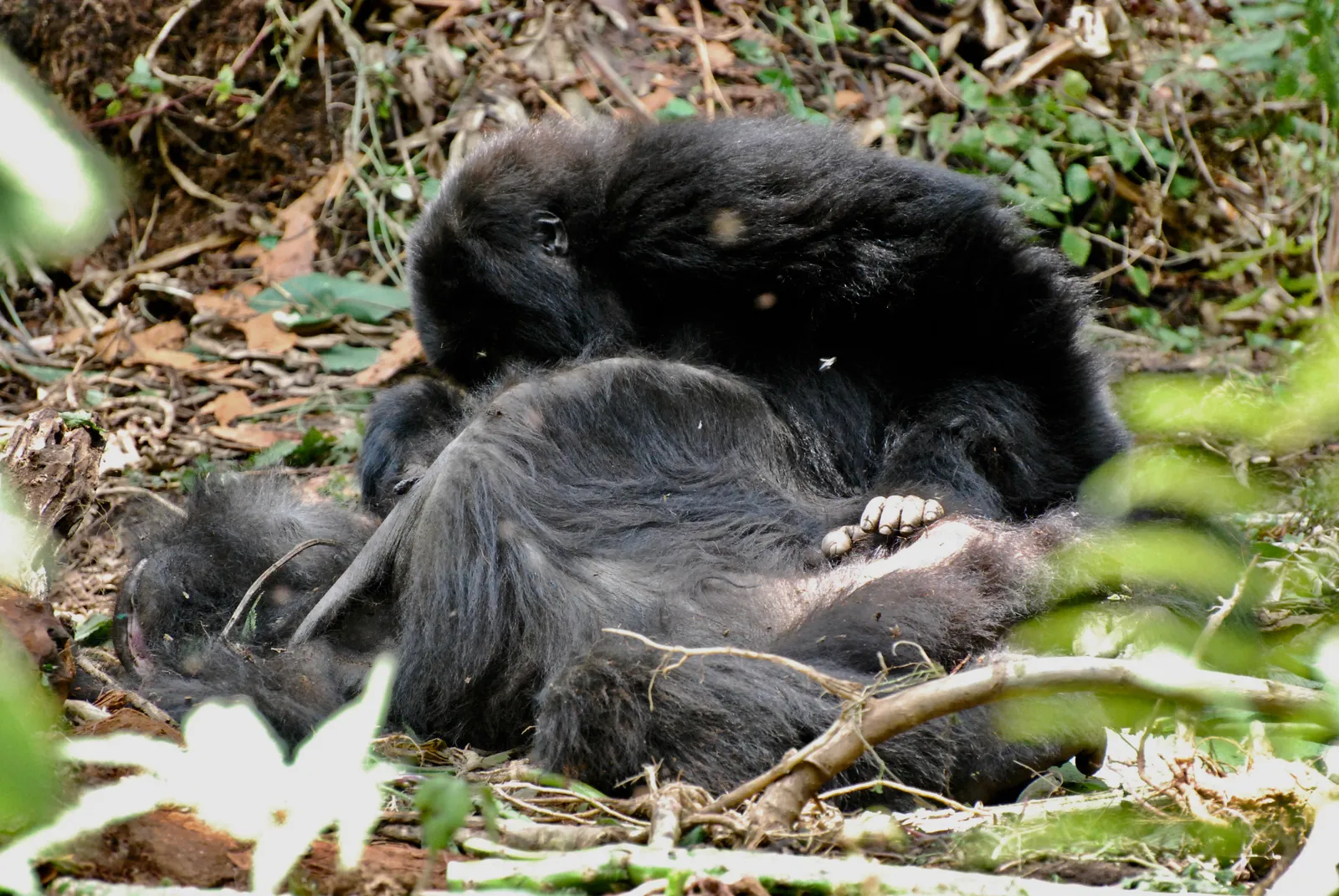
When news breaks that a gorilla has died, the reaction is immediate and emotional. Headlines spread quickly across international media, photographs circulate across social platforms, and conversations begin almost instantly. Gorillas are not ordinary wildlife. They are intelligent, socially complex primates whose expressions, family structures, and behaviors mirror elements of our own humanity. Because of that connection, their loss resonates far beyond the forest or facility where it occurred.
For many readers around the world, especially those who have followed conservation efforts in Africa, such news raises questions about safety, relocation programs, habitat protection, and long-term survival. It also triggers a deeper awareness that mountain gorillas remain one of the rarest large mammals on Earth. When even one individual is lost, the event feels significant.
Yet in moments like these, context is essential. Not every gorilla story reflects the same conservation environment. And not every headline reflects the reality of wild mountain gorilla protection in Uganda.

Understanding Context – Wild Gorillas vs Captive Environments
Many international news stories about gorillas involve captive animals in zoos, wildlife parks, or relocation programs. These situations operate under entirely different conditions than wild mountain gorilla conservation in East Africa. Captive gorillas face unique stress factors, dietary adjustments, climate differences, and relocation challenges that do not apply to their wild counterparts in Uganda’s protected national parks.
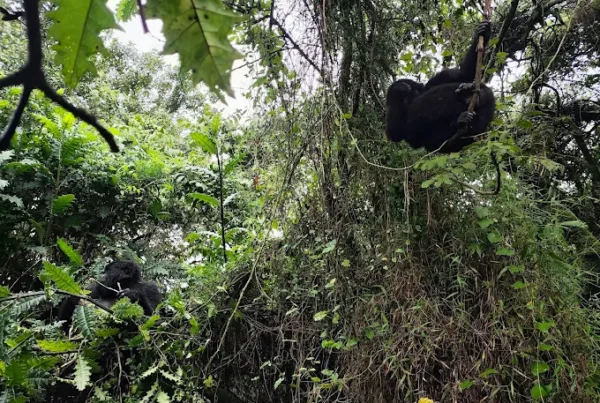
Wild mountain gorillas in Uganda live in their natural habitat, within strictly monitored and carefully regulated ecosystems. Their daily movements are tracked by trained rangers. Their health is observed continuously. Veterinary intervention units exist specifically to respond to injury, illness, or unusual behavior. Tourism in these areas operates under rigid guidelines designed to minimize disturbance and prevent disease transmission.
When a gorilla dies in captivity or during relocation elsewhere in the world, it should not automatically create fear about Uganda’s trekking regions. The systems, environments, and conservation frameworks are fundamentally different.
Uganda’s Conservation Model – A Rare Success Story
Uganda is home to nearly half of the world’s remaining mountain gorillas, primarily found in Bwindi Impenetrable National Park and Mgahinga Gorilla National Park. Unlike many endangered species whose populations continue to decline, mountain gorillas have experienced gradual growth over the past two decades. This growth is not accidental. It is the result of one of the most disciplined conservation models in Africa.
The system is built on controlled tourism, daily monitoring, anti-poaching patrols, veterinary care, and community revenue sharing. Gorilla families that are habituated for trekking are visited by no more than eight tourists per day, and viewing time is strictly limited to one hour. Rangers enforce distance rules, hygiene measures, and behavioral guidelines to protect the animals from stress and disease.
Tourism revenue is reinvested directly into conservation operations. Local communities receive financial benefits from park activities, creating shared interest in protecting gorilla habitat rather than exploiting it. This integrated approach has proven effective and is widely regarded as a global conservation example.
When global news highlights a tragic gorilla death, it also underscores how rare and valuable these animals are. Uganda’s system exists precisely to prevent such losses where possible and to manage risk responsibly.
Why Responsible Tourism Is Part of the Solution
Some readers may instinctively question whether wildlife tourism contributes to stress or vulnerability. In the case of Uganda’s mountain gorillas, the opposite has proven true. Before structured tourism programs were introduced, gorilla populations faced intense poaching pressure, habitat encroachment, and limited funding for protection. Today, tourism provides the financial backbone that sustains ranger salaries, monitoring systems, and community partnerships.
Gorilla trekking is not an open-access activity. It is one of the most tightly regulated wildlife experiences in the world. Visitors must follow strict protocols, including maintaining physical distance, wearing masks when required, and avoiding contact. Groups are intentionally small to reduce impact. Rangers assess the health of visitors before allowing participation in certain cases to protect gorillas from human-transmitted illness.
Without this regulated tourism model, conservation funding would weaken significantly. The presence of responsible travelers creates economic incentive for long-term habitat preservation. In many ways, every permit purchased strengthens the survival network around these primates.
The Emotional Weight of Loss and the Power of Awareness
When a gorilla dies anywhere in the world, it reminds us that their survival is not guaranteed. Mountain gorillas once faced the threat of extinction due to poaching and civil conflict. Today, they remain classified as endangered, and their total global population is still measured in the low thousands.
Public attention during moments of loss often renews interest in conservation. People who may never have considered gorilla trekking begin researching their habitat. Others seek to understand how wildlife protection works in different regions. Awareness grows, and awareness is a critical element of long-term preservation.
For international travelers considering gorilla trekking in Uganda, these moments can serve as a reminder of why ethical travel matters. Choosing regulated trekking in protected parks directly contributes to safeguarding future generations of gorillas.
Safety and Stability in Uganda’s Trekking Regions
It is important to address concerns directly. Uganda’s gorilla trekking regions are among the most secure and monitored conservation areas in East Africa. Rangers operate daily patrols. Gorilla families are located each morning before visitor groups depart. Veterinary response teams remain on standby when needed. Government oversight ensures compliance with conservation standards.
International visitors from the United Kingdom, United States, Germany, Canada, Australia, and across Europe participate in gorilla trekking every year under these protocols. The system has functioned successfully for decades, balancing visitor access with wildlife protection.
Isolated incidents in other parts of the world do not reflect systemic instability within Uganda’s parks. On the contrary, Uganda’s conservation framework is designed precisely to reduce risk and manage unforeseen challenges with professionalism.
Turning Concern into Constructive Action
Grief over a gorilla’s death is natural. But constructive response matters more than emotional reaction alone. Supporting ethical conservation programs, traveling responsibly, and contributing to structured wildlife initiatives provide tangible impact.
For travelers who have felt moved by recent headlines, participating in regulated gorilla trekking in Uganda is not contradictory. It is supportive. It channels concern into direct conservation funding. It reinforces the economic model that protects habitat and deters poaching.
Responsible travel ensures that fewer tragic headlines will appear in the future.
A Broader Perspective on Conservation
Mountain gorillas survive today because global attention, disciplined management, and tourism revenue intersect effectively. The forests of Bwindi and Mgahinga are not untouched wilderness in isolation. They are living ecosystems protected by human commitment and international support.
When a gorilla dies elsewhere, the world is reminded of fragility. But it should also be reminded of resilience. Uganda’s mountain gorilla population growth over recent decades proves that well-structured conservation works.
The focus should not be fear. It should be responsibility.
Final Reflection
A gorilla’s life carries weight far beyond the forest it inhabits. When one is lost, the reaction is global because these animals represent something deeply connected to us. Their survival depends on systems that balance protection with sustainable access.
Uganda’s gorilla trekking program stands as one of the strongest examples of how tourism and conservation can coexist responsibly. Moments of sadness should not discourage engagement. They should encourage informed participation in the very systems designed to protect these extraordinary primates.
In the end, conservation is not built on headlines alone. It is built on consistent action, responsible travel, and global commitment to protecting what remains rare and irreplaceable.
Frequently asked questions about mountain gorilla conservation and population
How many mountain gorillas are left in the wild?
The mountain gorilla (Gorilla beringei beringei) had an estimated total wild population of over 1,000 individuals as of the most recent comprehensive count — a number that represents a significant recovery from the approximately 242 individuals counted in the 1981 Virunga census (the lowest recorded point) and the 620 recorded in the 2003 combined census. The population is split between two geographic groups: the Virunga mountain range (the volcanic highlands shared by Rwanda, Uganda, and the DRC, monitored primarily by the Dian Fossey Gorilla Fund and partner organisations), and Bwindi Impenetrable Forest in southwestern Uganda (monitored by Uganda Wildlife Authority and the Institute of Tropical Forest Conservation). The 2018 combined assessment reached 1,000 individuals for the first time, enabling the IUCN to downlist the subspecies from Critically Endangered to Endangered. The Bwindi population was estimated at over 500 individuals in the most recent (2011) comprehensive Bwindi-specific count, with ongoing monitoring indicating continued slow growth. The Virunga population was estimated at 604 individuals in the 2016 census. Both populations show continued slow growth under the current conservation management. The number is not comfortable — a total wild population of 1,000+ in a restricted highland range remains significantly below the threshold that conservation biologists consider demographically stable against major disease events or habitat disruptions. But the direction of change has been consistently positive since the 1990s, which is the conservation story that makes mountain gorillas unique among great apes.
What is the most significant threat to mountain gorillas in 2026?
The most significant documented threat to habituated mountain gorillas in 2026 is respiratory disease transmitted from humans — a threat that the COVID-19 pandemic made dramatically visible but that has been documented as the primary cause of illness and death in habituated gorilla families since the habituation programmes began. Mountain gorillas share over 98% of their DNA with humans; they are susceptible to every human respiratory pathogen from the common cold to influenza to more serious respiratory viruses. The risk is highest in habituated families because daily human contact creates the transmission pathway that wild unhabituated gorillas do not have. The protective measures: the mandatory health screening before entering the gorilla encounter (visitors with respiratory symptoms are turned away); the 7-metre minimum distance rule (the primary transmission distance buffer); mandatory face masks since the COVID-19 period for all visitors in the encounter; and the veterinary intervention capability that can treat symptomatic gorillas with antibiotics for secondary bacterial infection following a viral respiratory illness. The COVID-19 closure of Bwindi to visitors for over a year (2020-2021) was specifically driven by the documented transmission risk of SARS-CoV-2 to great apes. The measures have significantly reduced but not eliminated the risk — respiratory illness remains the most common cause of gorilla death in habituated families and the most consistent conservation concern for the population’s long-term health.
What happens when a silverback dies in a habituated gorilla family?
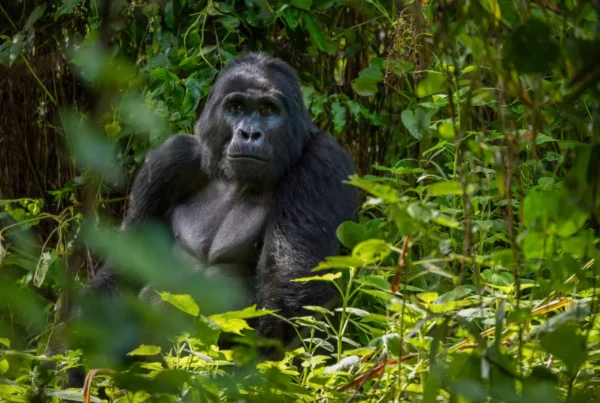
The death of a dominant silverback in a habituated gorilla family produces a period of social instability that can have significant conservation consequences for the family’s long-term viability. A gorilla family’s social structure is organised around the dominant silverback’s authority — his presence mediates conflict between family members, determines ranging decisions, and provides the security signal that females with infants require to remain with the group. When the dominant silverback dies (from old age, illness, or injury), the succession dynamic determines the family’s future. If there is an established subordinate silverback in the family (a younger male who has remained with the natal group rather than dispersing to form his own group), succession may be smooth — the subordinate assumes the dominant role with the family intact. If there is no established succession, the family may fragment — females leave with their infants to join other silverbacks; juveniles may be at risk if a new outside silverback takes over (infanticide by incoming silverbacks to bring females back into reproductive cycle is documented in mountain gorillas). The conservation teams monitor habituated family succession events closely, and the veterinary programme may intervene if illness or injury is the cause of a silverback’s decline. The tourist encounter permits for a family are typically suspended during the social instability period following a silverback death until the family’s new structure is established and the family’s habituation status is confirmed under new leadership.
Why does the death of a single gorilla make international news?
A mountain gorilla’s death makes international news for reasons that are simultaneously emotional and mathematical. Emotionally: the gorilla trekking programme has produced millions of close-encounter visitors over 30+ years of operation, and many of those visitors encountered specific habituated families whose individual members they can name, recognise, and remember. When Makara, or Ruhondeza, or any long-documented silverback dies, the news reaches a global audience of people who were physically in proximity to that individual animal and who carry a personal connection to that specific family. Mathematically: in a species with a total population of just over 1,000, each individual represents roughly 0.1% of the entire wild population — a fraction that has no analogue in any other wildlife news context. When a lion dies in the Serengeti, it is a conservation concern; when a mountain gorilla dies in Bwindi, it is a 0.1% reduction in the total world population of the subspecies and an event that every conservation organisation tracking the population’s trajectory registers. The intersection of the personal connection from the tourism programme (millions of visitors who have met the family) and the population mathematics (every individual matters) produces the global news response that mountain gorilla deaths consistently generate. The response is not disproportionate — it is accurate. The mountain gorilla remains sufficiently close to the edge of viability that individual deaths have genuine population significance.
What can gorilla trekking visitors do to support conservation beyond buying a permit?
Gorilla trekking visitors who want to contribute to mountain gorilla conservation beyond the permit have specific and effective options. Direct donations to the operating conservation organisations: the Dian Fossey Gorilla Fund International funds Karisoke research and community conservation across the Virunga range; the International Gorilla Conservation Programme coordinates multi-country conservation; Gorilla Doctors (the Mountain Gorilla Veterinary Project) funds the veterinary intervention programme that treats injured and ill gorillas. Meaningful tips to ranger tracker guides and porters: the field staff whose daily work produces the encounters that the visit depends on receive base UWA salaries that are meaningful but limited; visitor tips are appreciated and directly supplement the income of the people doing the most important ground-level conservation work. Spending in community enterprises: the women’s craft cooperatives at the sector gates, community walk programmes (Buhoma Community Walk, Batwa Trail), and community-run guesthouses direct visitor spending to the border community members whose economic stake in conservation the revenue-sharing model is designed to create. Responsible sharing of the conservation story alongside the encounter images on social media: the permit income, the ranger workforce, the population recovery narrative extended through visitor social networks reaches audiences who had not engaged with the conservation story before. Return visits: the most impactful single action a visitor can take for mountain gorilla conservation, after the first permit, is to come back — and to bring others who have not been. Every permit is a direct investment in the conservation system that keeps the population growing.
Understand and engage with mountain gorilla conservation
- Uganda Gorilla Families — the specific families whose conservation the permit system supports
- Gorilla Permit Guide — booking the permit that funds the conservation system this guide describes
- Bwindi Sector Guide — the four sectors and their community enterprise options for conservation spending
- Full Safari Cost Guide — full trip cost including conservation contribution options
- Safari Itineraries — Uganda itineraries that include conservation programme visits alongside the gorilla trek
- The World’s Most Famous Gorilla Tracking Experience: Why the USA Chooses Uganda
- Happy World Gorilla Day: Efforts Being Made To Save The Species
- The World Mourns the Death of Chimpanzee Expert Jane Goodall
- The 10 Longest Rivers in the World
- The 10 Hottest Countries in the World (2026)
- The 10 Coldest Countries in the World (2026)
- The 10 Cleanest Countries in the World
- The Biggest Animals in the World (Land & Ocean)
- The 10 Largest Lakes in the World
- World Wildlife Day 2026: Protect Medicinal and Aromatic Plants – Conserving Health, Heritage and Livelihoods in Uganda’s Gorilla Forests