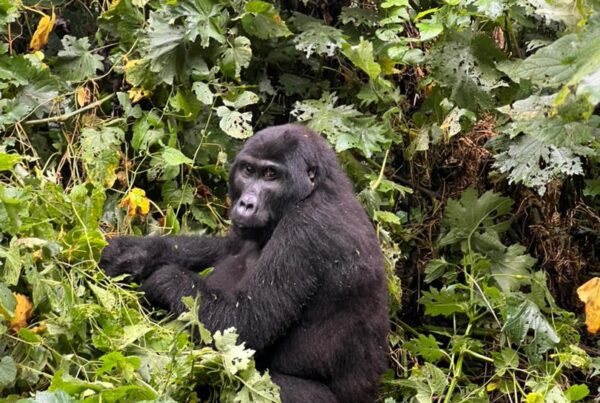
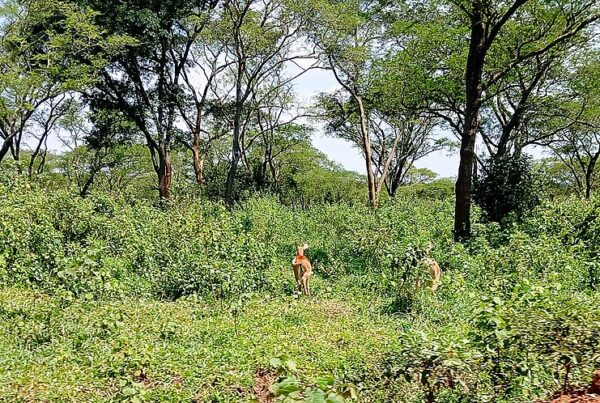
The Buganda Kingdom maintains a vibrant ceremonial calendar that offers some of Uganda’s most authentic and impressive cultural experiences, with Kabaka Ronald Mutebi II’s coronation anniversary on July 31 — the date of his coronation in 1993 — marking one of the most significant days in the Buganda Kingdom’s annual cycle: a day of public ceremony at Lubiri Palace in Mengo, Kampala, attended by thousands of Baganda from across Uganda and the diaspora, featuring traditional dress, clan representative presentations, royal drums, traditional music and dance, and speeches in Luganda that connect the present to five centuries of Buganda history. Cultural events like coronation day enrich Uganda safari visits including gorilla trekking trips.
- Date: July 31 (the date of Kabaka Ronald Mutebi II’s coronation in 1993; observed annually)
- Venue: Lubiri (Kabaka’s Palace), Mengo, Kampala; also celebrations in Buganda towns across the region
- Kabaka: Ronald Muwenda Mutebi II; born 1956; son of Kabaka Mutesa II (the last pre-1966 king)
- What happens: formal royal ceremony; clan representatives present; traditional music including royal drums; cultural performances; public address by the Kabaka
The Buganda Kingdom — Uganda’s largest and historically most powerful kingdom — maintains a vibrant ceremonial calendar that offers some of Uganda’s most authentic and impressive cultural experiences. Among the most significant dates on the Buganda calendar is the Kabaka’s Birthday and Coronation Anniversary, celebrated as Kabaka’s Day each year on August 2 (the birthday of the current Kabaka, Ronald Muwenda Mutebi II, who was born August 2, 1955 and crowned in July 1993). In 2027, this celebration brings together thousands of Buganda Kingdom members from across Uganda in a display of cultural identity that is both politically significant and visually spectacular.
Who is the Kabaka of Buganda?
The Kabaka (king) of Buganda is the constitutional head of the Buganda Kingdom — one of Uganda’s five recognized cultural institutions alongside the kingdoms of Bunyoro, Tooro, Ankole, and the Busoga chieftaincy. The current Kabaka, Ronald Muwenda Mutebi II, was restored to the throne in 1993 after the Ugandan government reinstated cultural kingdoms that had been abolished by Milton Obote in 1967.
The Kabaka holds no formal political power under the Ugandan constitution — Uganda is a republic and the kingdoms function as cultural and traditional institutions rather than governmental ones. However, the Kabaka’s social and cultural authority within Buganda is immense. His pronouncements on matters affecting Buganda land, culture, and community carry enormous weight, and his relationship with the national government is a recurring subject of Ugandan political discussion.
Kabaka’s Birthday celebrations
The August 2 celebrations in Buganda begin building in intensity in the days leading up to the date. Cultural performances, sports events, and community gatherings in the Buganda heartland mark the approach of the celebration. On the day itself, a major official ceremony is held — typically at the Buganda Palace (Lubiri) in Mengo, Kampala, or at a venue announced in advance by the Buganda Kingdom Secretariat.
The official ceremony includes a public address by the Kabaka to the gathered Baganda (Buganda Kingdom members), traditional performances, the royal drum ensemble (Mujaguzo), cultural dances including bakisimba and nankasa, and formal presentations from clan heads and chiefs. Participants dress in traditional attire — men in kanzus and suit jackets, women in gomesis — creating a color spectacle that gives some sense of what the Buganda royal court must have looked like in its pre-colonial heyday.
The Buganda Kingdom Secretariat and cultural programs
The Buganda Kingdom maintains an active secretariat that manages cultural programs, land affairs, educational institutions, and public relations. The Kingdom operates schools, medical facilities, and cultural centers, and maintains the Buganda Kingdom website that provides information on events and programs. For visitors interested in attending Kabaka’s Day celebrations or other Buganda cultural events in 2027, contacting the Buganda Kingdom Secretariat in advance — either directly or through a local tour operator — is the most reliable way to secure appropriate access and interpretation.
Other key dates in the Buganda cultural calendar
Beyond Kabaka’s Birthday, the Buganda Kingdom observes several other significant ceremonial dates.
Buganda Restoration Day — July 31
July 31 marks the restoration of the Buganda Kingdom in 1993 after 26 years of abolition under Obote. The restoration was a moment of profound cultural and emotional significance for the Baganda — the return of an institution that had been at the center of their identity for centuries. Restoration Day events in Buganda are smaller than Kabaka’s Birthday but carry deep historical weight.
Kasubi Royal Tombs commemorations
The Kasubi Tombs, the burial place of four Kabakas and a living spiritual center for Buganda tradition, hosts ceremonial events at various points in the year. Buganda clan heads perform ritual observances, the royal regalia is honored, and the ancestral spirits of the royal lineage are propitiated through specific ceremonies. These are not tourist performances but genuine spiritual practices; visitors are welcome at the public portions while the most sacred inner ceremonies remain restricted to authorized clan members.
Visiting Buganda Kingdom sites in 2027
The key Buganda Kingdom sites accessible to visitors in 2027 in Kampala include: the Kasubi Tombs UNESCO World Heritage Site (Kasubi Hill), the Buganda Palace (Lubiri) in Mengo, the Namirembe Cathedral (Anglican), Rubaga Cathedral (Catholic), and the Uganda Museum on Kira Road which has significant Buganda Kingdom artifacts. Outside Kampala, the Wamala Tombs in Kasangati and various clan shrines in the Buganda heartland offer additional access to the Buganda cultural world that most visitors miss.
For visitors combining Kampala with gorilla trekking in Bwindi ($800 permits in 2027), allocating two full days to Buganda Kingdom cultural sites in Kampala before or after the trekking provides one of the most complete Uganda experiences available — connecting the country’s extraordinary natural heritage with its longest-standing and most elaborately developed human cultural tradition.
Who is Kabaka Ronald Mutebi II and what is his role today?
Kabaka Ronald Muwenda Mutebi II is the 36th Kabaka of Buganda, crowned on July 31, 1993, following the restoration of the Buganda Kingdom by President Museveni’s government. He was born on April 13, 1956, the son of Kabaka Mutesa II (also known as King Freddie), who ruled until the 1966 abolition and died in exile in London in 1969. Ronald Mutebi spent much of his early life in Britain (educated at Magdalen College, Oxford) before his coronation restored him to Uganda. His constitutional role: the Buganda Kingdom is formally a cultural institution under Uganda’s 1995 constitution; the Kabaka has no legislative or executive powers under national law. His actual influence: very significant within Buganda — he is a revered figure for the Baganda people; his public statements on matters affecting Buganda carry political weight that the constitutional framework does not fully capture; the relationship between the Kabaka and President Museveni has moved through periods of alliance and significant tension. The Kabaka is married to Sylvia Nagginda (Lady of Tooro, married 1999); the couple have children including the heir Prince David Wassajja.
Can visitors attend Buganda coronation day celebrations?
The main Buganda coronation day ceremony at Lubiri (the Kabaka’s Palace in Mengo, Kampala) is a royal event that requires an invitation for the formal proceedings at the palace. However, several aspects of the day are accessible to visitors. Public celebrations: many Buganda communities hold public celebrations on July 31 that are open to all — parades, traditional dance performances, community events. Nearby observation: the area around Lubiri has crowds and festivity on coronation day that are observable from public spaces. Buganda cultural events on the periphery of the formal ceremony — markets, traditional craft displays, food vendors, music — are fully public. If you have a Ugandan contact with Buganda connections, an invitation to attend community-level celebrations is not unusual. The Kabaka’s Foundation: the Buganda Kingdom has a development organisation that runs events around ceremonial days; checking their calendar and social media in advance of a July 31 visit can identify accessible public events. Lubiri Palace (Mengo Palace) is open to visitors on non-ceremonial days — it includes a museum with Buganda royal artefacts and is a standard Kampala cultural visit regardless of coronation day timing.
What traditional ceremonies does the Buganda Kingdom hold throughout the year?
Buganda maintains an active ceremonial calendar beyond the coronation anniversary. Key dates and ceremonies: Kabaka’s Birthday (April 13): an annual celebration; public events and official audiences at Lubiri. Buganda Kingdom Day (November 9): marks the founding of the kingdom; formal ceremony at Lubiri. Eid celebrations: Buganda observes Eid al-Fitr and Eid al-Adha in recognition of the Muslim minority within the kingdom, a tradition going back to Kabaka Mutesa I’s 19th-century engagement with Islam. Ssekabaka (royal ancestor) commemoration ceremonies: the Kasubi Tombs, which house the remains of four Kabakas, are the site of specific annual ceremonies conducted by the traditional guardians; these are more restricted than the public kingdom-wide celebrations. Clan ceremonies: Buganda’s 52 clans each maintain their own ceremonial calendar; specific clan ceremonies related to initiation, inheritance, and seasonal observance are held at clan sites throughout Buganda. Bulungi bwansi: the Kabaka periodically calls community work days (see the Ubuntu post); these are observable community events. The Buganda Kingdom’s official website and social media accounts post the current ceremonial calendar; checking these before a Kampala visit in July-August or October-November often reveals accessible public events.
What is Lubiri Palace and what can visitors see there?
Lubiri (meaning “palace” in Luganda) in the Mengo area of Kampala is the official residence and seat of the Kabaka of Buganda. The palace compound contains the Kabaka’s main residence (not publicly accessible), official guest facilities, gardens, and the Buganda Kingdom museums and archives. What visitors can access on non-ceremonial days: the Lubiri Museum, which contains royal artefacts including royal drums (engoma), regalia, photographs of previous Kabakas, documents from the kingdom’s history, and exhibits on Buganda’s political and cultural history. The complex includes buildings that date to the colonial period and were used by British administration as well as the kingdom. Historical significance: during the 1966 crisis, Ugandan army forces under Idi Amin (then an army officer under Obote’s command) attacked Lubiri; Kabaka Mutesa II escaped through the back fence and into exile. The physical damage from that attack is part of the site’s documented history. Entry fee applies; guided tours are available; the guide provides context for the royal artefacts and the kingdom’s history that the museum displays alone do not convey. Located on Kabaka Anjagala Road in Mengo; approximately 3-4 km from central Kampala.
What is the significance of the Buganda royal drums?
The Buganda royal drums (engoma ennume) are among the most sacred objects in the kingdom’s material culture — instruments that announce the Kabaka’s presence and status and that carry specific spiritual significance in Buganda religious and political tradition. The royal drums are not instruments in the general musical sense — they are regalia, and their sounding is a constitutional act: the drums are beaten to announce specific royal events (the Kabaka’s arrival, departures, and at specific ceremonies); unauthorised sounding of a royal drum has historically been treated as a claim to royal authority. The collection of royal drums at the Kasubi Tombs — which housed the drums of the buried Kabakas — was partially destroyed in the 2010 fire; the loss of these specific instruments is a cultural wound that the Buganda Kingdom has not fully addressed in terms of replacement (specific royal drums cannot simply be remade; their history and the ceremonies of installation are part of what makes them what they are). Visitors can hear Buganda royal drum music at cultural performances at Lubiri and at the Ndere Cultural Centre in Kampala, which has a regular programme of Uganda’s traditional music including Buganda royal drum performances.
- The Kingdom That Ruled Uganda for 500 Years: Buganda History
- Buganda Kingdom Culture: The Customs of Uganda’s Largest Ethnic Group
- Kiganda dance: the traditional performance of the Buganda Kingdom
- Uganda’s kingdom system: the Buganda, Ankole, Bunyoro, and Toro kingdoms
- The Buganda kingdom: the most powerful traditional kingdom in Uganda’s history
- Cultural Tours in Uganda: Discover the Soul of the Pearl of Africa
- How to Plan the Batwa Cultural Experience
- What I Expected vs What I Got on a 3-Day Gorilla Trekking and Cultural Safari in Uganda
- Ndere Cultural Center: Uganda’s Living Theatre of Heritage, Rhythm & Unity
- Kabaka’s Palace (Lubiri) – A Regal Journey Through Buganda’s Living Heritage