

Updated
Martyrs Day, on 3 June every year, is a public holiday in Uganda and one of the largest religious gatherings in Africa. Pilgrims, many of whom walk for days from across Uganda and neighbouring countries, gather at the shrines at Namugongo, on the eastern edge of Kampala, to remember the 45 Catholic and Anglican converts killed on the orders of Kabaka Mwanga II of Buganda between 1885 and 1887. Crowds reach into the millions in some years. For travellers, it is a remarkable event to witness, and a day to plan around if you are driving through Kampala.
Who the Uganda Martyrs were
Christian missionaries arrived in the kingdom of Buganda in the late 1870s, and many young pages at the royal court converted. Kabaka Mwanga II, who came to the throne in 1884, saw the new faiths as a threat to his authority, and the converts’ refusal to obey some of his orders deepened the conflict. Between 1885 and 1887, he had dozens of Christians killed. The largest single execution took place at Namugongo on 3 June 1886, when a group of converts was burned to death.
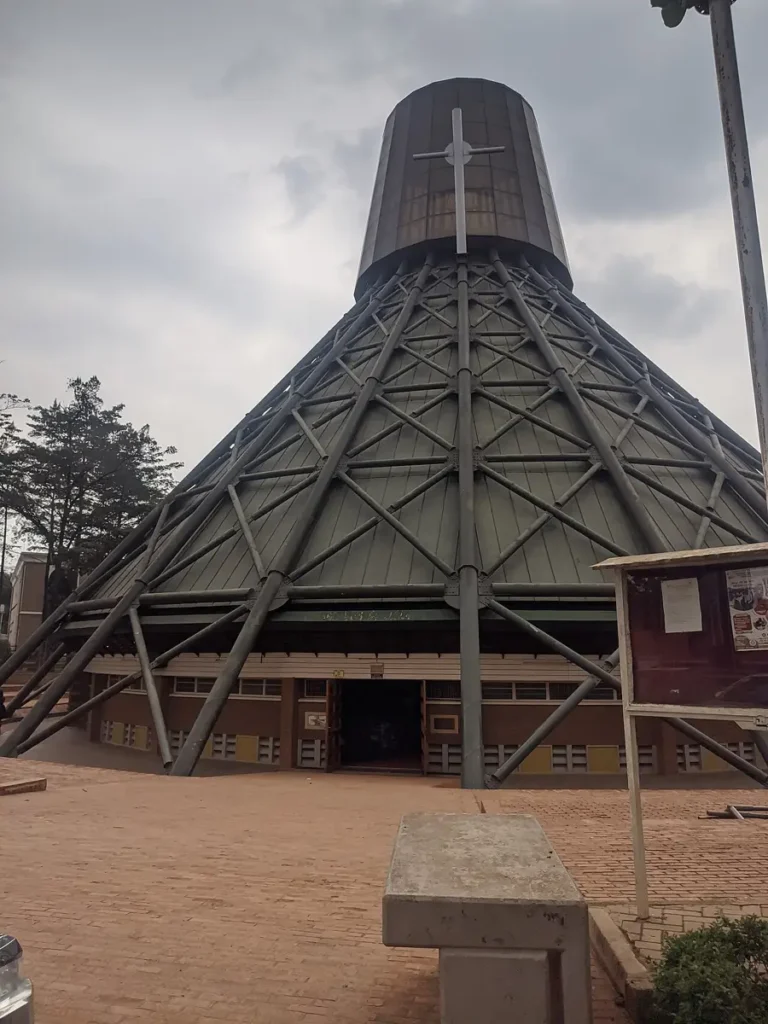
The Catholic Church recognises 22 martyrs, led by Charles Lwanga, who were canonised by Pope Paul VI in 1964; the youngest, Kizito, was about 14. The Anglican Church remembers 23 martyrs. A decade earlier, in 1876, Kabaka Mutesa I had ordered the killing of Muslim converts at court, who are also remembered as martyrs. The martyrs became a foundation of Christianity in Uganda, now one of the most Christian countries in Africa.
The pilgrimage
In the weeks before 3 June, groups of pilgrims set out on foot from all over Uganda and from Kenya, Tanzania, Rwanda, Congo and further away, singing and praying along the roads. By the day itself, the grounds around the Catholic basilica and the Anglican shrine at Namugongo are packed, with camps, food stalls and a huge open-air Mass and Anglican service. Each year a different diocese leads the Catholic celebration. Three popes have visited the shrine: Paul VI in 1969, John Paul II in 1993 and Francis in 2015.
Visiting Namugongo
You can visit the shrines at any time of year, and outside June they are calm and easy to explore. The Catholic basilica, built in the shape of a traditional Kiganda hut, stands over the place where Charles Lwanga was killed, and there is an artificial lake nearby used in the celebrations. The Anglican site has a museum telling the story of the martyrs. Namugongo is about 15 km from central Kampala, so a visit fits easily into a day in the city. Dress modestly and ask before photographing people at prayer.
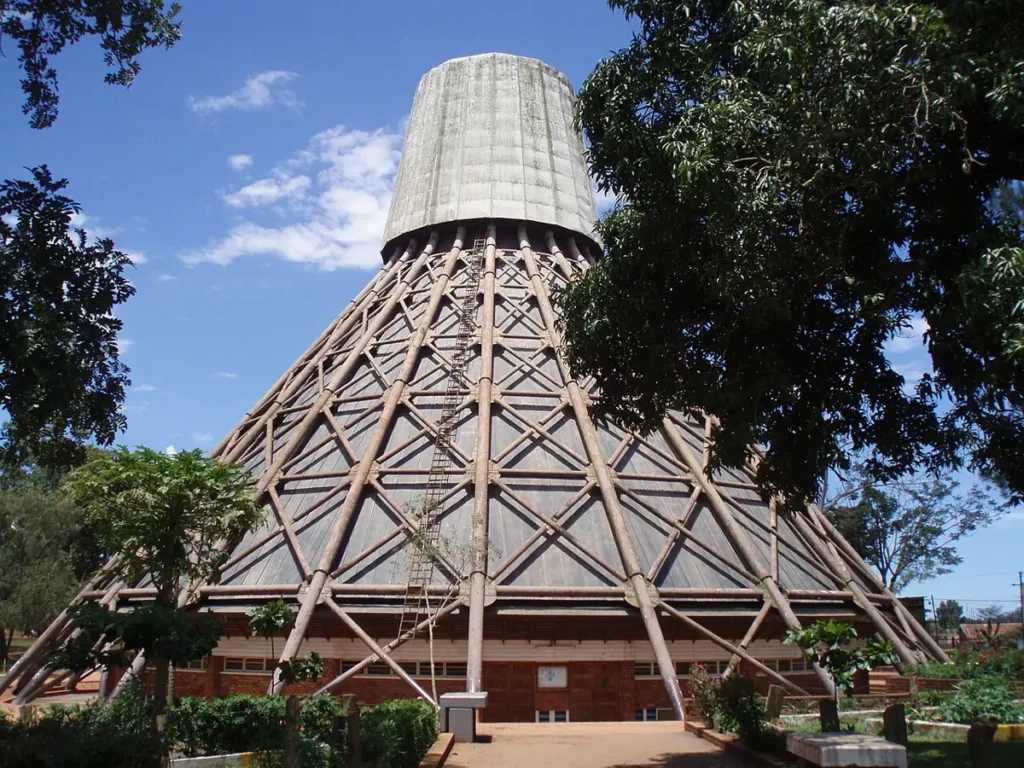
Attending on 3 June itself means enormous crowds, long walks from where vehicles can stop, and few facilities. If you want to go, go with a local guide, keep valuables to a minimum, carry water and agree a meeting point with your group.
Planning a safari around Martyrs Day
Roads east of Kampala and around Namugongo are congested for several days around 3 June, and buses and accommodation in Kampala are busy. If you are landing at Entebbe and heading west to Bwindi or Queen Elizabeth, the impact is mostly on traffic through the city; leaving early in the morning helps. National parks operate normally, and 9 June, National Heroes Day, follows a week later. See our guide to Uganda’s public holidays and our Kampala traffic guide.
Early June is also the start of the drier season and a popular time for gorilla trekking, so book permits early if your trip falls in June; see our guide to the best time for gorilla trekking. For more on local customs, read how to greet someone in Uganda.
Frequently asked questions
3 June every year. It is a public holiday.
On the eastern edge of Kampala, about 15 km from the city centre.
The Catholic Church recognises 22 and the Anglican Church 23, killed between 1885 and 1887.
Yes, all year. Outside June the shrines are quiet; on 3 June expect very large crowds.










