Beyond the Gorillas: Southwestern Uganda’s Treasures
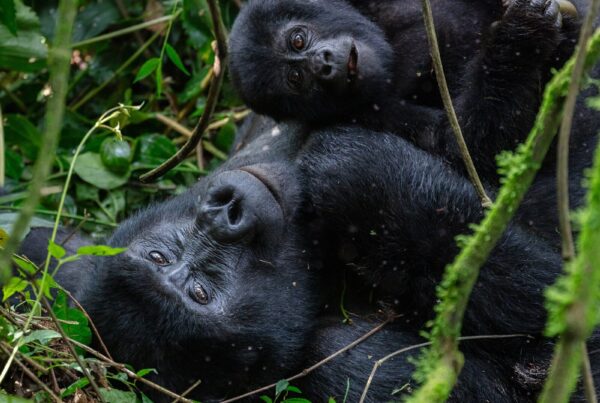
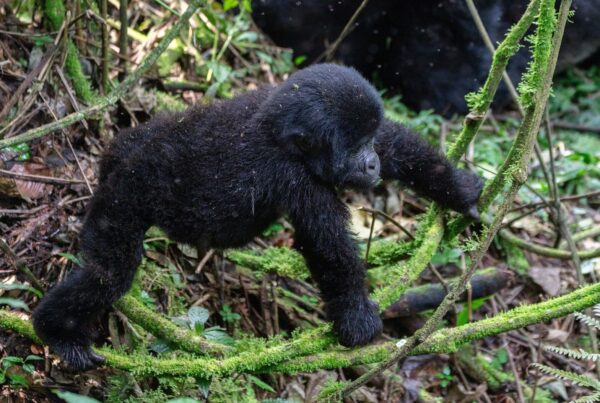
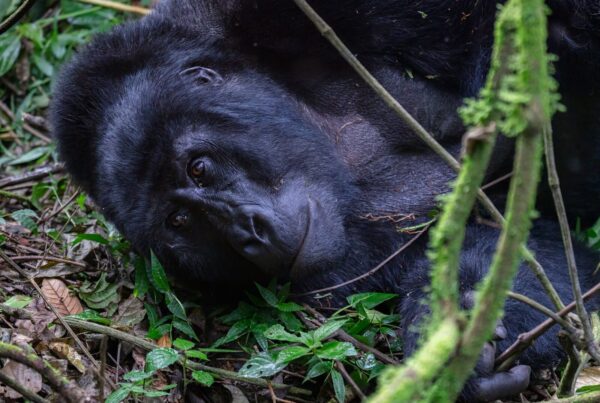
Gorilla trekking is the headline experience of any trip to Bwindi, but the region surrounding the park offers a remarkable diversity of activities that complement and extend the safari experience. Many travellers make the mistake of treating Bwindi as a single-purpose destination, arriving the night before their trek and departing immediately after. This approach misses the extraordinary landscapes, wildlife, and cultural experiences that make southwestern Uganda one of Africa’s most rewarding regions.
This guide presents the best activities to enjoy after your gorilla trek, from adventure sports and wildlife encounters to cultural immersion and relaxation. Each activity adds a different dimension to your understanding of Uganda and transforms a gorilla-focused trip into a comprehensive East African safari.
Lake Bunyonyi: Relaxation and Adventure
Just two hours from Bwindi, Lake Bunyonyi is one of Uganda’s most beautiful and peaceful destinations. The lake’s twenty-nine islands, terraced hillsides, and calm waters create a landscape that feels almost Mediterranean after the dense rainforest of Bwindi. Most travellers spend one to two nights here after trekking, using the lake as a place to recover and reflect.
Canoeing and kayaking are the most popular activities. Traditional dugout canoes, paddled by local guides, offer gentle exploration of the lake’s islands and inlets. For the more adventurous, kayak rentals allow independent exploration of the shoreline and access to smaller islands that larger boats cannot reach.
Swimming in Lake Bunyonyi is safe and refreshing, unlike many Ugandan lakes that harbour bilharzia. The lake’s depth, over nine hundred metres in places, and lack of dangerous wildlife make it ideal for swimming after the physical exertion of gorilla trekking.
Island visits reveal local life and history. Bushara Island hosts a community campsite and forest walk. Akampene Island, historically known as Punishment Island, offers sobering insight into traditional Bakiga culture. Your guide can explain the island’s tragic history and its significance for understanding cultural change in the region.
For active travellers, the hills around Lake Bunyonyi offer excellent hiking and mountain biking. The terraced landscapes provide challenging climbs and spectacular views. Local guides lead walks to view points that overlook the entire lake and its island archipelago.
Golden Monkey Trekking in Mgahinga
Mgahinga Gorilla National Park, located at the junction of Uganda, Rwanda, and the Democratic Republic of Congo, offers golden monkey trekking as an excellent complement to gorilla trekking. These endangered primates, with their distinctive golden-orange fur, live in the bamboo forests of the Virunga volcanoes and are habituated to human presence.
Golden monkey treks are less strenuous than gorilla treks, typically lasting two to four hours, and the monkeys are more active and playful than gorillas. Their acrobatic leaps through bamboo create photographic opportunities that differ from the more sedate gorilla encounter.
The trek also provides access to Mgahinga’s stunning volcanic scenery. The park encompasses three dormant volcanoes, Muhavura, Gahinga, and Sabyinyo, and the trek takes you through high-altitude ecosystems that differ from Bwindi’s forest. On clear days, the views extend across all three countries.
Batwa Cultural Experiences
The Batwa people, indigenous forest dwellers who lived in Bwindi for millennia before being displaced when the national park was created, offer cultural experiences that provide essential context for understanding the park’s human dimensions. Several community-based tourism initiatives allow visitors to learn about Batwa culture, traditions, and the challenges they face as a displaced people.
The Batwa Trail, offered in Mgahinga, involves a guided walk through the forest with Batwa guides who demonstrate traditional hunting techniques, medicinal plant use, and fire-making skills. The experience concludes with traditional music and dance performances that showcase Batwa cultural heritage.
In Bwindi, community walks led by Batwa guides offer similar insights, though without the forest setting since Batwa are no longer permitted to enter the park. These walks visit Batwa settlements and provide opportunities for direct conversation with community members about their history and current circumstances.
These experiences raise complex ethical questions about cultural tourism and displacement. Engage with them thoughtfully, recognising both the value of preserving Batwa culture and the uncomfortable reality that tourism profits from the display of a displaced people. Purchase crafts directly from artisans and tip guides generously to ensure your participation benefits the community.
Birding Around Bwindi
Bwindi Impenetrable Forest is one of Africa’s top birding destinations, with over three hundred fifty recorded species, including twenty-three Albertine Rift endemics found nowhere else on Earth. While some birding occurs within the park on nature trails, excellent birding is also available in the community forests and lodge grounds around the park boundary.
The African green broadbill, one of Africa’s most sought-after birds, inhabits Bwindi’s forest and can be found with patient searching and a knowledgeable guide. Other specialities include the Shelley’s crimsonwing, Chapin’s flycatcher, and Grauer’s broadbill. Even non-birders will appreciate the extraordinary variety and colour of Bwindi’s avian life.
Most lodges can arrange birding walks with local guides who know the best spots for key species. These walks are gentle compared to gorilla trekking and offer a relaxing way to continue engaging with the forest without the physical demands of another trek.
Volcano Hiking
For trekkers whose legs still have energy after gorilla trekking, the Virunga volcanoes offer challenging and rewarding hikes. Mount Muhabura, the highest peak in Mgahinga at four thousand one hundred seventeen metres, provides panoramic views of the entire region on clear days. The hike takes approximately eight to ten hours round trip and requires good fitness and altitude acclimatisation.
Mount Gahinga, at three thousand four hundred seventy-four metres, is a more accessible option, requiring six to seven hours. The hike passes through bamboo forest and giant lobelia zones before reaching the swamp-filled crater at the summit.
Both hikes require advance booking through Uganda Wildlife Authority and are best undertaken with a rest day after gorilla trekking to allow muscle recovery. The altitude and steep terrain make these hikes genuinely challenging, not casual strolls.
Community and Conservation Projects
Several community-based tourism projects near Bwindi offer meaningful engagement with local people and conservation efforts. The Bwindi Community Hospital, supported by tourism donations, welcomes visitors who want to understand rural healthcare provision. Tours explain the hospital’s services, its impact on the community, and how tourism revenue contributes to its operation.
Bwindi Reformed Poachers Project provides alternative livelihoods for former poachers through craft production and guided walks. Visiting this project supports direct conservation outcomes by demonstrating that tourism creates more sustainable income than poaching.
School visits, arranged through lodges or community organisations, allow visitors to meet students and teachers and understand the educational challenges and achievements of rural Uganda. These visits are most meaningful when you come prepared to engage, ask questions, and listen to what students and teachers want to share rather than treating the visit as a photo opportunity.
Final Thoughts
Gorilla trekking is the centrepiece of any visit to Bwindi, but it need not be the only piece. The region’s lakes, volcanoes, cultures, and wildlife create a tapestry of experiences that together form a complete portrait of southwestern Uganda. By extending your stay and exploring beyond the gorillas, you support a broader tourism economy, gain deeper understanding of the region, and return home with memories that extend far beyond a single hour in the forest.
Plan at least two or three days in the Bwindi region after your trek. Use the first day for rest and reflection at Lake Bunyonyi. Use subsequent days for activities that match your interests and energy levels. The gorillas brought you to Uganda. Let the rest of the country show you why you should return.
Frequently Asked Questions
Uganda is home to the mountain gorilla (Gorilla beringei beringei). They live only in the Virunga volcanic highlands (Uganda/Rwanda/DRC) and Bwindi Impenetrable Forest (Uganda only). Mountain gorillas cannot survive in captivity — every individual you trek is a wild animal.
The standard gorilla trekking permit gives you exactly 1 hour with the gorilla family. The walk to find the gorillas can take 30 minutes to 5 hours depending on where the family has moved overnight.
Stay calm, crouch down slowly, avoid direct eye contact, and remain quiet. Do not run. Habituated gorillas almost never make contact; a charging silverback is managed by following ranger instructions immediately.
A maximum of 8 visitors per habituated gorilla family per day for standard trekking. The Gorilla Habituation Experience has a maximum of 4 visitors per family per day.
The standard permit costs $800 per person (foreign non-residents). EAC foreign residents pay $700. Low season (April, May, November) permits are $600. The Gorilla Habituation Experience costs $1,800.