TALK TO AN EXPERT +256 716 068 279 WHATSAPP OPEN NOW.
Flight & Transport Guides

Lake Bunyonyi: Uganda’s most beautiful lake near Bwindi gorilla country

Home / Travel News, Stories & Tips / Tales from the Mist / Lake Bunyonyi: Uganda’s most beautiful lake near Bwindi gorilla country

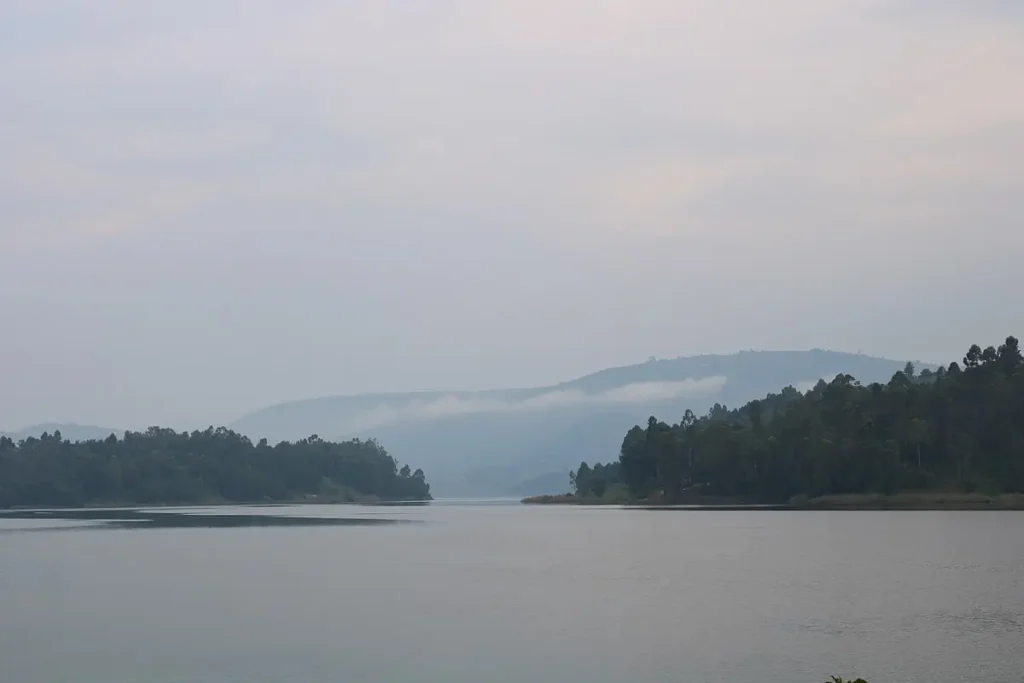
Lake Bunyonyi sits in the highlands of southwestern Uganda near the Rwanda border, approximately ninety minutes from Bwindi Impenetrable National Park. Its Rukiga name means place of many little birds, and the lake earns this designation with ease: resident and migratory waterbirds crowd the reed beds and papyrus fringes of its twenty-nine islands, and the surrounding hillside farmland provides habitat for an impressive terrestrial bird community. But Bunyonyi is more than a birding destination — it is one of the most visually striking lakes in Africa, its dark-green water and terraced hillsides creating a landscape that visitors consistently describe as the most beautiful they encounter in Uganda. For gorilla trekking itineraries, Lake Bunyonyi provides the perfect pre- or post-trek rest destination.

The landscape: terraced hills and island-dotted water

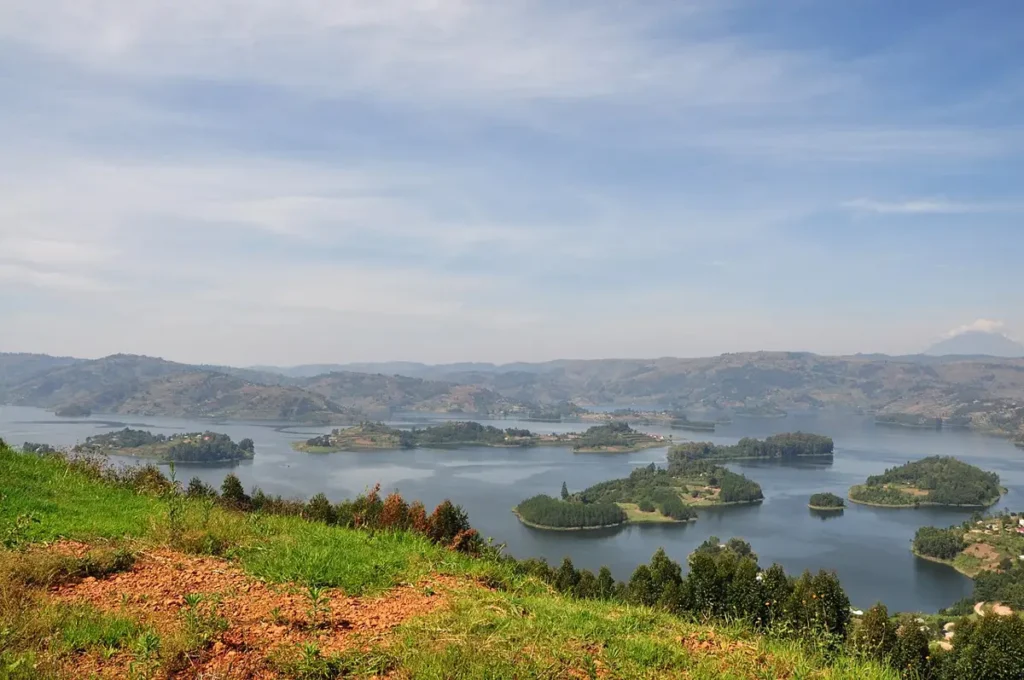
Lake Bunyonyi is one of the deepest lakes in Africa, with a maximum depth of approximately 900 metres according to some measurements, though this figure is debated and the lake remains incompletely surveyed. It was formed by lava dams that blocked river valleys in the volcanic Kigezi highlands, creating a dendritic lake system whose irregular shoreline of bays, peninsulas, and islands produces a visual complexity quite different from the simple ellipses of rift valley lakes. The twenty-nine islands range from tiny rocky outcrops to larger inhabited islands that have their own communities, farmland, and occasionally lodges or camping facilities.

The hillsides surrounding the lake are among the most intensively terraced in Uganda, with cultivated plots climbing steep slopes from the water’s edge to the ridge crests above. This agricultural intensification has been underway for at least several centuries and represents the Bakiga’s adaptation of farming practice to the steep terrain of the Kigezi highlands — an agricultural engineering achievement that has maintained soil productivity on slopes that would otherwise erode rapidly under cultivation. The visual effect of this terracing is a landscape that looks deliberately constructed rather than naturally occurring, with the precision of the terracing lines contrasting with the organic shapes of the lake and hills in a way that photographers consistently find compelling.

The water of Lake Bunyonyi is notably clear and deep in colour, a product of the lake’s depth and the relatively low turbidity that its small watershed and limited agricultural runoff produce. Notably, the lake is bilharzia-free — unusual for a Ugandan freshwater lake — making swimming possible and adding a recreational dimension to a visit that the presence of the parasitic disease in most regional lakes precludes. The swimming opportunity, combined with the scenery and birding, makes Bunyonyi a destination in its own right rather than merely a transit point.

Birdwatching at Lake Bunyonyi

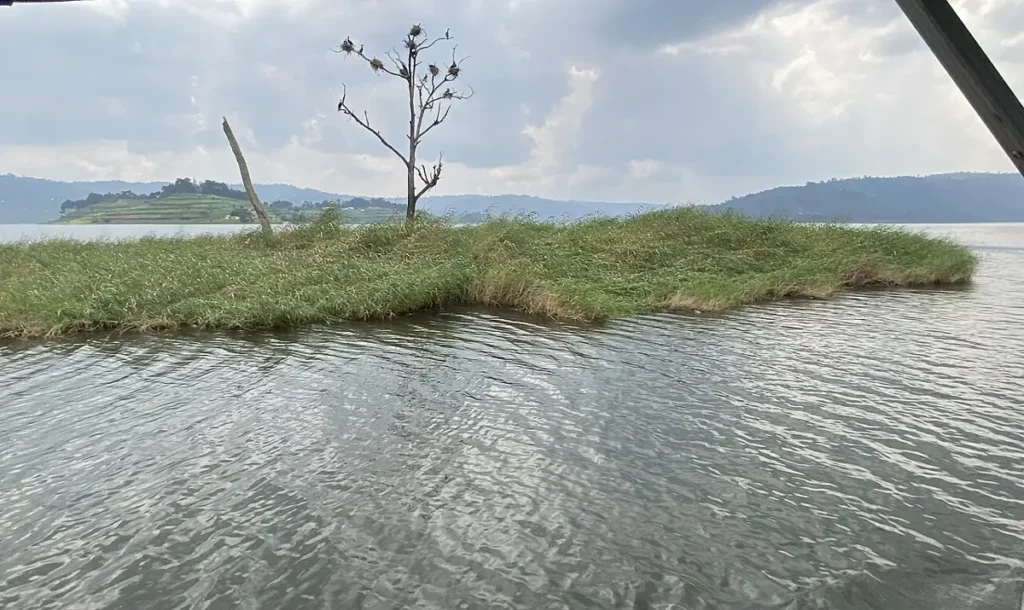
The lake’s bird community combines waterbirds — herons, egrets, kingfishers, cormorants, fish eagles — with the forest and scrub birds of the surrounding hillsides, producing a species diversity that rewards both casual observation from a lakeside lodge garden and more systematic birding on the forested slopes above the lake. Several Albertine Rift endemic species are present in the hillside forests, including species that are shared with Bwindi’s forest community and that provide a complementary birding experience to the forest birding available during a gorilla trek.

Canoe trips on the lake, available through most lodges and through the local fishermen who work the lake daily, provide intimate waterbird observation from water level that shore-based observation cannot replicate. Great blue turacos and Ross’s turacos, large and spectacular fruit-eating birds with vivid green and blue plumage, are regularly seen flying between island trees and lakeside forest patches during canoe trips. African darters drying their wings on lakeside rocks, black crakes picking through shoreline vegetation, and various kingfisher species hunting from low branches over the water complete the typical list from a two-hour canoe excursion.

The islands: community life and cultural context

Several of Lake Bunyonyi’s islands are inhabited by small communities that maintain traditional ways of life adapted to island conditions — reliance on fishing and small-scale agriculture, social organisation through extended family structures, and cultural practices related to the lake including traditional canoe building and use. Organised boat trips to inhabited islands can be arranged through lodges, typically including visits to community members, demonstrations of traditional activities, and opportunities to purchase locally made crafts including baskets, pottery, and woven items that represent Bakiga material culture.

Bwama Island has a particularly interesting history as the site of a leprosy colony established by missionaries in the 1930s, which served as Uganda’s main leprosy treatment centre for several decades. The colony’s buildings, including a church and medical facilities, remain on the island and are accessible to visitors interested in the intersection of colonial-era medicine, missionary activity, and East African social history. This layer of human history adds depth to what might otherwise be a purely scenic lake visit and connects the contemporary landscape to the complex social and colonial forces that shaped twentieth-century Uganda.

Accommodation: from budget to boutique on the lakeside

Lake Bunyonyi’s tourism accommodation sector has developed considerably over the past decade, with options now ranging from camping and basic guesthouses to well-designed boutique lodges that take full advantage of the lake views and terraced hillside settings that give Bunyonyi its distinctive visual character. The most celebrated properties perch on hillside positions above the lake with panoramic views across the water to the terraced hills and distant Virunga volcanoes of Rwanda on clear days, providing sunset viewing experiences that are among Uganda’s finest.

The one to two night rest stop at Lake Bunyonyi that most gorilla trekking itineraries include serves multiple functions simultaneously. It provides physical recovery from the trek before the long return journey to Kampala or Entebbe. It offers a psychologically different environment — open water and sky after days in closed forest — that helps process the forest experience. It introduces a cultural and ecological dimension to the itinerary that differs completely from the gorilla forest context. And it provides the swimming, kayaking, and birding activities that allow visitors to decompress from the concentrated intensity of the gorilla trekking experience in a way that an immediate return to urban Kampala would not.

Lake Bunyonyi is approximately ninety minutes from Bwindi’s Buhoma sector and two hours from Rushaga and Nkuringo sectors by road. Its proximity to the Rwanda border also makes it a natural transit point for visitors combining Uganda’s gorilla trekking with Rwanda’s gorilla circuit or golden monkey tracking at Volcanoes National Park. The road between Bunyonyi and the Cyanika border crossing into Rwanda passes through scenically impressive highland country and is straightforward to navigate for self-driving visitors or those with private driver arrangements. For an itinerary designer, Bunyonyi sits at exactly the right geographic and psychological position in the typical Uganda gorilla trekking circuit to serve as the ideal decompression and beauty stop before the return to ordinary life.

Ready to experience Uganda’s mountain gorillas in 2026? Secure your gorilla permits early and let us craft a seamless safari tailored to your travel style, preferred trekking sector, and accommodation level. From luxury lodges to well-designed midrange journeys, every detail is handled for you. Every itinerary is carefully planned to maximize your time in the forest while ensuring comfort, safety, and unforgettable encounters.

Have questions about gorilla permits, travel dates, or the best itinerary for you? Speak with a safari expert and get clear, honest guidance to plan your trip with confidence.

When is the last time you had an adventure? African Gorillas!!! Up Close With Uganda’s Wild Gorillas Touched by a Wild Gorilla: An Unforgettable Encounter Inside Gorilla Families: Bonds, Hierarchies & Jungle Life Face to Face With a Silverback: The Wild Encounter You’ll Never Forget