Updated
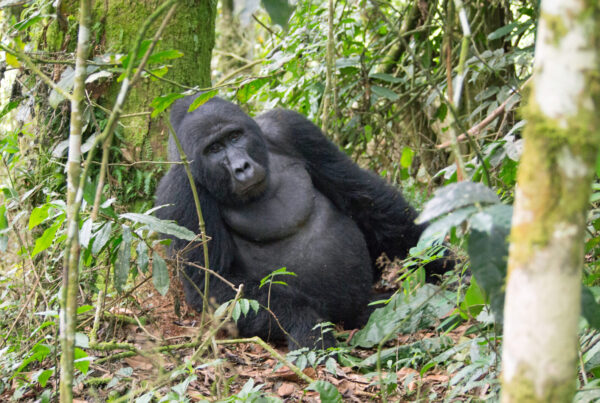
gorilla trekking Uganda no filter authentic experience is one of Africa’s most extraordinary wildlife experiences, connecting travellers with mountain gorillas in their natural forest habitat. Most travel experiences require work after the fact — the photographs need editing, the story requires curation, the narrative must be shaped to convey what the experience actually was — but gorilla trekking at Bwindi is not this: the photographs, unedited, look exactly like the experience looked; the story, told without embellishment, sounds like an embellishment; the reality, reported accurately, is the thing that needs a filter to make it seem plausible rather than the thing that requires a filter to make it seem interesting. The gorilla encounter is rare in this property of being exactly as good as it sounds. Book a gorilla trekking permit or a 7-day Uganda gorilla safari.
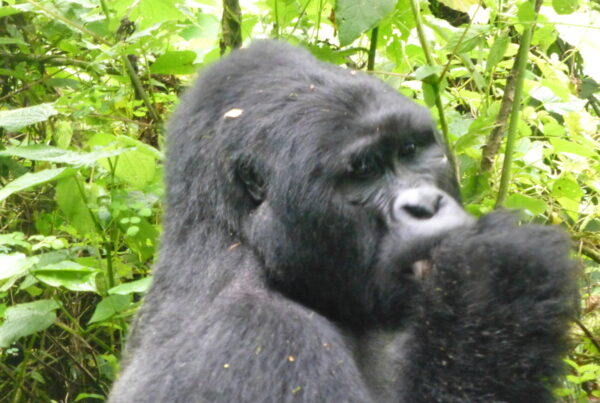
- Photography: smartphone cameras capture meaningful gorilla portraits at 7-10 metres in good forest light; DSLR cameras are not required; the gorillas are close enough for any camera to work well
- Permit: USD 800 per person; see gorilla trekking cost for the full breakdown including transport and accommodation
- Physical reality: the trek is genuinely demanding; 2-8 hours of steep, sometimes muddy hiking; porters are available and highly recommended for less-fit visitors
- The story you’ll tell: the encounter is specific enough that visitors remember particular moments — not general impressions — for years; a silverback’s gaze from 8 metres at any Bwindi sector is not a generic memory
Most travel experiences require work after the fact. The photographs need editing — brightness corrected, colours enhanced, distracting backgrounds removed. The story requires curation — the boring parts omitted, the best moments amplified, the narrative shaped to convey what the experience felt like rather than what it actually consisted of. The explanation requires effort — bridging the gap between what you saw and what the listener can understand without having been there.
The gorilla encounter in Bwindi requires remarkably little of this post-processing. Not because it photographs well — it does not, by the technical standards of open-country wildlife photography. But because the experience is sufficiently specific and sufficiently extraordinary that the unfiltered account is the most compelling version. The unedited story — the morning walk, the moment of finding the family, the sixty minutes, the way the gorilla looked directly at you at the twelve-minute mark — is more interesting than any edited version. The explanation is not required because the listeners lean in when you start talking and the story produces the response it should without additional scaffolding.
The Trip That Needs No Filter, No Edit and No Explanation: Gorilla Trekking
Why Some Experiences Resist Enhancement
The experiences that resist enhancement tend to be experiences that are complete in themselves — that do not need to be made more than they are because what they are is already more than expected. The gorilla encounter is this kind of experience. The reality of the animals, in their forest, at close range, is already extraordinary. Enhancing the photographs makes them technically better but experientially less honest. Editing the story removes the specific, particular details that make it genuinely compelling and replaces them with a generic “and then we found the gorillas and it was amazing” that does not convey what actually happened.
The unfiltered version is better because the unfiltered reality was extraordinary. This is not common. Most experiences benefit from curation because the reality was adequate rather than extraordinary, and the curation is required to produce the impression of something more. When the reality exceeds the curation you would normally apply, curation becomes subtractive rather than additive.
The Specific Details That No Filter Improves
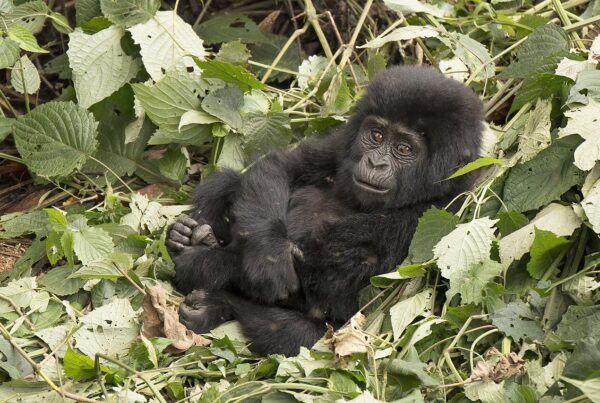
The specific, unfiltered details of the gorilla encounter — the details that resist editing because they are already the most vivid things available — are consistently the details that listeners respond most strongly to. The smell of the forest in the early morning. The sound of the silverback’s chest-drum, felt before it is heard. The specific way the juvenile moved through the undergrowth without looking back. The mud on your boots and the ache in your legs from the climb. These are not photogenic details. They are experiential details — the texture of being there — and they convey the reality of the encounter more accurately than any edited version.
What No Explanation Means
The claim that the gorilla encounter needs no explanation is an overstatement — some context is always helpful. But the core of the encounter is recognisable to anyone who hears it without the need for elaborate explanation, because the core is about a relationship between two kinds of great apes that resonates across any amount of cultural difference. The listener who has never been to Uganda and never thought much about gorillas responds to the account of the eye contact with something genuine. The explanation of why it mattered is less necessary than you might expect, because the thing itself communicates directly.
Book the trip that needs no filter. The $800 permit in 2027 buys access to the unedited version of one of the world’s most extraordinary wildlife experiences. Contact us for availability.
Is gorilla trekking as good as people say it is?
This question gets a consistent answer from return visitors. The expectation gap: most popular wildlife experiences have an expectation gap — the Eiffel Tower is smaller than it looks in photographs; the Colosseum is surrounded by tourist infrastructure; the reverse is true of gorilla trekking: the gorillas are larger than any photograph conveys; the forest is more atmospheric than any description; the encounter is more intimate than any documentary suggests. Specific accounts: the most consistent feedback is that visitors who thought it would be “good” report that it was “the best thing I have ever done”; this upward revision is the rule rather than the exception. What can go wrong: the physical difficulty is sometimes underestimated; rain; longer-than-expected treks; these affect the experience but do not typically change the fundamental verdict. Prepare properly: 30 things to know before your Bwindi gorilla trek.
Can I photograph gorillas on a standard smartphone?
Yes — modern smartphones are sufficient for the gorilla encounter. Distance: the 7-metre minimum approach distance is close enough for a smartphone camera to capture a detailed portrait of a gorilla face; this is not a distance shot. Light: Bwindi is a forest with variable light; on a bright day, light filtering through the canopy is beautiful and camera-friendly; on an overcast day or in valley shade, light is dim and any camera struggles — DSLR and mirrorless cameras handle dim light better than phones. Flash prohibition: no flash photography is permitted; if your phone’s camera auto-enables flash in low light, turn it off manually before the trek. Practical advice: bring a camera you are comfortable using quickly; the gorillas are close and the forest floor is uneven — composing a complicated DSLR shot while kneeling in undergrowth is harder than it sounds; phones are faster to deploy and have produced many of the most widely shared gorilla photographs. See also: what your permit covers.
What is the money from gorilla permits actually spent on?
The USD 800 permit fee is a direct conservation investment. Revenue distribution: 20% goes to communities adjacent to Bwindi and Mgahinga; this is paid as the Revenue Sharing programme; it funds local infrastructure, schools, clinics, and community projects. Uganda Wildlife Authority: the remainder funds UWA operations including ranger salaries, patrol equipment, veterinary care for injured gorillas, and habitat protection. Gorilla health monitoring: UWA funds daily health monitoring of all habituated gorilla families; a vet responds when any gorilla shows illness symptoms; this monitoring is expensive but has prevented multiple outbreak events. The result: your USD 800 permit directly funded the rangers who found the gorillas for you that morning, the monitoring that will check on them this afternoon, and the community income that reduces poaching pressure on the forest boundary.
Are there things about gorilla trekking that people don’t tell you?
A few honest practical realities. The physical difficulty: the trek to reach the gorilla family is described as “moderate” in most tourist literature; this is accurate for a fit regular hiker; for someone who does not regularly hike on steep muddy terrain, it may be genuinely hard; this affects enjoyment. The stinging nettles: the undergrowth at Bwindi includes stinging nettles (Urtica spp.); long trousers and gloves are essential; guides use machetes to clear a path but you will still brush them occasionally. The rain: Bwindi receives 1500-1750mm of rain per year; it rains without notice; a waterproof jacket is not optional. The gorillas move: the family you track will be moving during the day; your 60 minutes may involve following them through difficult terrain; this is part of the experience, not a problem. Full preparation: the 5 most common mistakes and 30 things to know.
How do I plan a gorilla trekking itinerary from Kampala?
The standard Bwindi itinerary from Kampala is 3-5 days. Minimum trip: 3 days — day 1 travel to Bwindi (6-8 hours drive via Kabale, or 1 hour by charter flight); day 2 gorilla trek; day 3 return. Recommended trip: 7-day gorilla safari combines Bwindi with Queen Elizabeth NP (tree-climbing lions, Kazinga Channel) and Kibale Forest (chimpanzee trekking); this is Uganda’s classic primate circuit. Fly-in option: 3-day fly-in Bwindi itinerary for visitors with limited time; charter flight Entebbe to Kihihi or Kisoro airstrip (1 hour) then 30-60 minutes to the sector; significantly more expensive but saves the full-day road drive. Operator booking: use an accredited Uganda tour operator for the full logistical package.
- The Trip That Needs No Filter, No Edit and No Explanation: Gorilla Trekking
- Lake Victoria Fishing Trip
- Uganda gorilla trekking explained: everything a first-timer needs
- What Makes Uganda Gorilla Trekking Different from Any Other Wildlife Trip
- Uganda Gorilla Trekking Luxury Edition: The Premium Experience Guide
- Uganda Gorilla Trekking from London: The Full Trip Plan from Heathrow
- Uganda Gorilla Trekking Near Lake Bunyonyi: Lodges and Day Trips
- 3-Day Bwindi Gorilla Trekking Itinerary: Fly-In Express Trip
- Gorilla Trekking Anniversary Trip: Milestone Celebration Ideas in Uganda
- Gorilla Trekking Gift Experiences: How to Give the Trip of a Lifetime