Updated
one safari gorilla trekking Uganda is one of Africa’s most extraordinary wildlife experiences, connecting travellers with mountain gorillas in their natural forest habitat. If you get one safari — one major wildlife trip, the trip you have been thinking about for years — the question of where to spend it is the question that will shape the most significant travel memory of your life, and the honest answer for most people who have experienced both is that gorilla trekking in Uganda at Bwindi Impenetrable Forest produces something that the spectacular savannah experiences of Kenya and Tanzania cannot produce in the same way: a direct encounter with an individual of another species that looks back at you with something recognisably close to intelligence. Plan with a 7-day Uganda safari or 3-day fly-in Bwindi.
- Uniqueness: mountain gorillas live only in Uganda, Rwanda, and DRC; no zoo contains them; the Bwindi encounter is not replicated anywhere else on Earth at any price point
- Price: USD 800 gorilla permit — less than a Rwanda gorilla permit (USD 1,500); less than a top Serengeti camp night (USD 800-2,000); remarkable value for a genuinely unique experience
- Circuit value: Uganda’s combination of gorillas, chimps, savannah (QENP), and birding (shoebill) makes it one of Africa’s most species-diverse travel circuits for the area covered
- Accessibility: Entebbe has direct connections from major European hubs; e-visa USD 50; accredited Uganda operators handle full logistics
If you get one safari — one major wildlife trip, the trip you have been thinking about for years — the question of where to spend it is the question that will shape the most significant travel memory of your life. Kenya’s Masai Mara is magnificent. The Serengeti is spectacular. The Okavango Delta is unlike anything else in Africa. But if you genuinely have one safari left in you, and you want to use it as well as any single trip can be used, gorilla trekking in Uganda is the answer.
This is not a marketing claim. It is the consistent judgment of travellers who have been everywhere and have been asked this specific question: if you could only do one thing again, what would it be? The answer, with striking regularity, is the gorillas.
If You Only Do One Safari in Your Life, Make It Gorilla Trekking Uganda
What Makes One Thing Better Than Another
Travel quality is not simply a function of how spectacular the destination looks in photographs. Some of the most photographed places in the world produce the most underwhelming experiences — crowded, curated, disconnected from anything genuinely wild. What makes an experience matter is how it connects you with something larger than your ordinary life, how it shifts your understanding of the world and your place in it, and how vividly it remains in memory long after the photographs have been seen and forgotten.
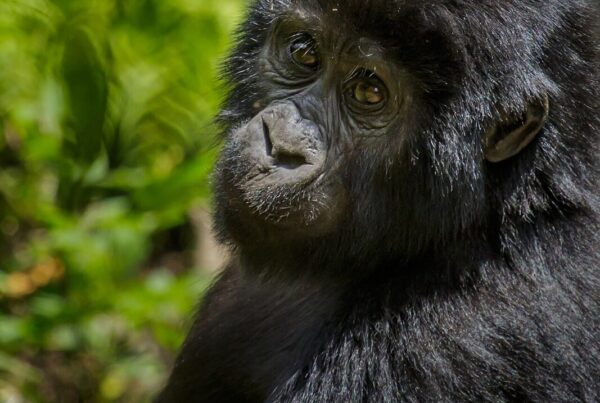
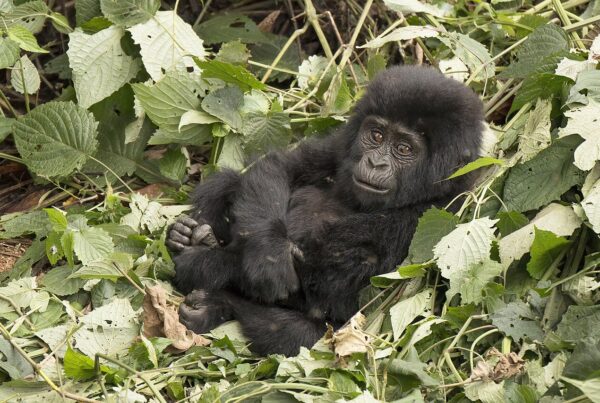
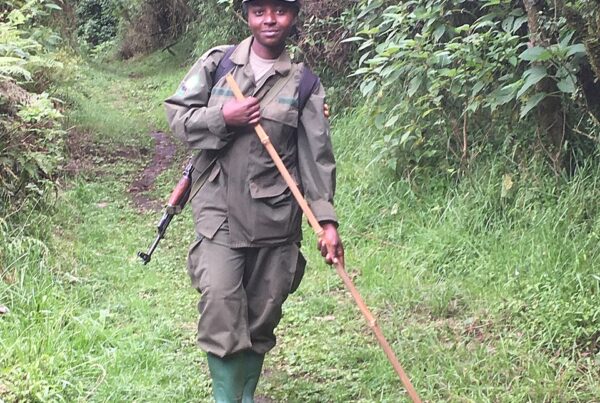
By these measures, gorilla trekking in Uganda is difficult to surpass. The forest walk to find the gorilla family — sometimes an hour, sometimes five — is a journey through one of the most biodiverse ecosystems on Earth, guided by rangers who know every plant and animal the trail passes by. The encounter itself — that moment of finding the family, the first gorilla face turning toward you — produces a response that experienced travellers consistently describe as unlike anything else they have felt in nature. And the memory: ask anyone who went five years ago, ten years ago. They remember it in detail. The specific gorilla that sat near them. The silverback’s weight and presence. The sound of the forest around the family as they went about their morning.
Why Not Kenya or Tanzania
Kenya and Tanzania offer extraordinary wildlife experiences that no serious traveller should dismiss. The Great Migration is one of the most remarkable natural phenomena on Earth. The predator density of the Mara during peak season is unmatched anywhere. The Big Five in concentrated populations are a different experience from anything Uganda offers.
But Kenya and Tanzania are safari experiences — vehicle-based, viewed from a distance, magnificent but external. You are an observer of a scene that goes on with or without you. The gorilla encounter in Uganda is different in its intimacy. You are in the forest, not in a vehicle. The gorillas are looking at you, not at a machine. The experience is participatory in a way that vehicle-based safari cannot be. If you have already done Kenya and Tanzania, Uganda is the natural next step. If you have not done them, Uganda provides something more fundamental that the others cannot.
The Numbers Behind the Decision
Mountain gorillas are critically endangered. Approximately 1,000 individuals survive on Earth, all in the forest highlands of Uganda, Rwanda, and the Democratic Republic of Congo. This population has grown from fewer than 300 in the 1980s — a conservation success story without parallel in African wildlife. The population may continue to grow if the conservation systems that protect it remain funded and effective. It may not.
The gorilla trekking permit at $800 in 2027 provides access to a population of animals that represents approximately 0.000013% of the total number of individual mammals on Earth. The rarity is not abstract. It is the reality of sharing an hour with creatures that exist in such small numbers that every individual is known, named, and monitored. That specificity — the knowledge that you are with a specific family, that the silverback has a name and a known history — transforms the encounter from a wildlife experience into something that feels closer to a meeting.
The Practical Case
Uganda’s gorilla trekking programme is professionally run, increasingly accessible, and designed to deliver a reliable and extraordinary experience to visitors who invest in it. The success rate for finding the gorillas exceeds 98%. The trekking infrastructure — trails, ranger teams, accommodation options — has been developed over thirty years to serve visitors across a range of fitness levels, interests, and budgets. First-time Africa visitors with no safari experience can have an extraordinary gorilla trekking trip. Experienced safari-goers will find that Uganda provides something their previous trips did not.
If you get one safari, make it count. The gorillas of Bwindi will give you an hour that you will carry for the rest of your life. Contact us to book your 2027 permit and plan the trip that belongs at the top of the list.
Why is gorilla trekking recommended over other African safaris as a “one trip” choice?
The recommendation rests on two properties that no other African experience shares. Non-substitutability: mountain gorillas cannot be seen in captivity anywhere; the Bwindi encounter is the only way to see one; if you choose a different safari instead, you have simply deferred the gorilla encounter to another trip — or permanently forgone it. A Serengeti safari, by contrast, can be replicated in multiple parks across East and Southern Africa (Kruger, Etosha, Masai Mara all produce big game encounters). Encounter quality: the intimacy of a gorilla encounter — 8 people, no vehicle, 7-metre proximity, 60 minutes — is at the high end of any wildlife experience; most savannah experiences involve more people, more vehicles, and more distance from the animals. The combination: a Uganda trip built around gorilla trekking can add Kibale chimps, QENP savannah, and Mabamba shoebill in the same circuit; the “one trip” produces multiple major experiences.
What makes Uganda a good choice compared to Rwanda for a first gorilla trip?
Uganda and Rwanda are often compared because they both offer mountain gorilla trekking. Cost: Uganda USD 800 permit vs Rwanda USD 1,500; for a couple, this is USD 1,400 saved on permits alone. Forest: Bwindi is a complex, ancient, biodiversity-rich forest; Rwanda’s Volcanoes NP is more open afromontane habitat; many photographers prefer Bwindi’s atmosphere though Rwanda’s landscape is more dramatic (volcanos visible). Wildlife circuit: Uganda has a richer wildlife circuit beyond gorillas — 13 primate species, 1,000+ bird species, major savannah parks; Rwanda’s wildlife circuit is more limited in breadth. Infrastructure: Rwanda’s Kigali is a more polished international hub; Uganda’s infrastructure is more varied but the tourist circuit is well-developed. The combination: flying into Kigali, crossing to Bwindi by road (2.5 hours), and then doing the Uganda wildlife circuit is one of the best Africa itineraries available.
What is the booking process for a first-time gorilla trekking trip to Uganda?
The process is more straightforward than first-time visitors expect. Step 1 — Contact operator: accredited Uganda tour operators are the most efficient first contact; give your travel period, number of people, and approximate budget; they confirm permit availability and build a package. Step 2 — Confirm permit: the permit date is the non-movable anchor; confirm it first; pay a deposit to hold it. Step 3 — Book flights: Entebbe International is the arrival; book flights once the permit date is locked; the permit date determines your trip dates. Step 4 — Sort visa: Uganda e-visa at visas.immigration.go.ug USD 50; most nationalities also get on-arrival. Step 5 — Health prep: yellow fever vaccination required; malaria prophylaxis. Full guidance: 30 things to know and cost breakdown.
Which Bwindi sector is best for a first-time gorilla trekker?
The sector choice affects logistics, atmosphere, and accommodation. Buhoma (best for first-timers): northwestern Bwindi; most established infrastructure; widest range of accommodation from budget guesthouses to Bwindi Lodge (luxury); most accessible from Kampala via Fort Portal; home to the original Mubare family (habituated 1993); recommended first choice for most visitors. Ruhija: eastern Bwindi; highest altitude; fewer visitors; excellent Albertine Rift birding; 2 families including the Bitukura group. Rushaga: southern Bwindi; the most families of any sector; access to the gorilla habituation experience (USD 1,500 for 4 hours); more budget-friendly accommodation nearby; some operators prefer it for clients coming from Rwanda. Nkuringo: most remote; crater rim views; very limited accommodation; best for those wanting the wildest atmosphere. Full comparison: Bwindi sector guide.
What wildlife could I expect to see on a 7-day Uganda gorilla safari beyond the gorillas?
A 7-day Uganda circuit produces a remarkable species list. Primates: mountain gorilla (gorilla trek); chimpanzee (Kibale); 13 total primate species in Uganda including red colobus, blue monkey, red-tailed monkey, mangabey, l’Hoest’s monkey (all potentially seen on forest walks). Big cats: lion including the tree-climbing Ishasha lions at QENP; leopard (nocturnal, less reliably seen). Large mammals: African elephant, hippo (Kazinga Channel), buffalo, Uganda kob (Kasenyi plains). Birds: shoebill at Mabamba Bay; African fish eagle; Rwenzori turaco; grey-crowned crane; African skimmer; 350+ Bwindi species. See 7-day gorilla itinerary.
- Why Gorilla Trekking Is the Only Safari That Makes People Cry
- What a 3-Day Uganda Wildlife and Cycling Safari Did to My Family Was Beyond Anything We Expected
- Why a 2-Day Uganda Wildlife and Cycling Safari Is the Perfect Business Break
- Why Would My Soul Long for a 9-Day Uganda Gorilla Trekking and Wildlife Safari?
- Murchison Falls Uganda Wildlife Safari — 4-Days: Where the Nile Breaks and the Wild Roars
- Wildlife Safaris: What to See, Expect, Prepare & Plan — Plus Where to Go in Africa
- Safaris That Offer Unique Wildlife Experiences in Uganda: Beyond the Ordinary
- 50 Incredible Safari Animals to See in Africa — A Complete Wildlife Guide
- What Makes Uganda Gorilla Trekking Different from Any Other Wildlife Trip
- Uganda vs Kenya Safari: Which Country Is Better for Wildlife in 2026?