Uganda and Kenya are both East African safari destinations with world-class wildlife, warm hospitality, and well-developed tourism infrastructure. Kenya is the more established brand — the Masai Mara, Karen Blixen, Amboseli elephants with Kilimanjaro behind them — with a tourism industry that has been serving international visitors since the 1970s. Uganda is younger as a safari destination, less immediately famous, and offers something Kenya categorically cannot: gorilla trekking in Bwindi Impenetrable National Park. This honest 2027 comparison examines every dimension of both destinations to help travellers choose, combine, or prioritise.
The Single Biggest Difference: Gorilla Trekking
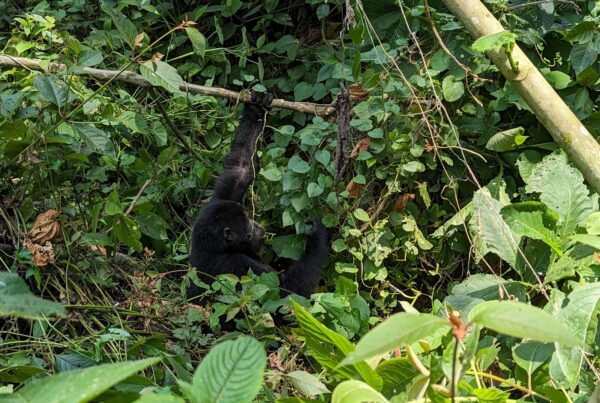
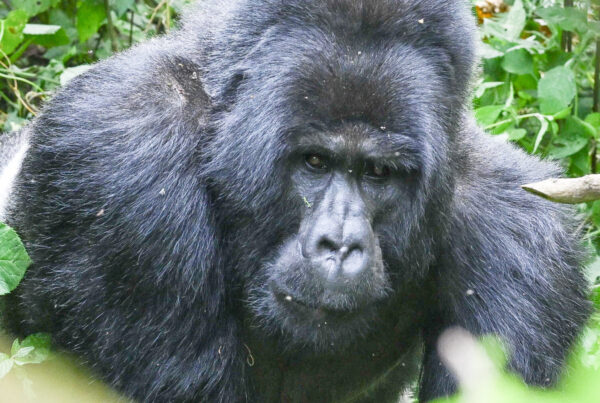
Uganda has mountain gorillas. Kenya does not. This is not a marginal difference — it is the defining feature of Uganda’s safari proposition and the main reason discerning wildlife travellers choose Uganda over Kenya when they can only do one. Gorilla trekking is, by consistent expert consensus, the finest wildlife experience in Africa. If you are choosing between Uganda and Kenya purely on the basis of wildlife experience quality, and gorilla trekking is on your list, Uganda wins.
Kenya wins on open-plains wildlife spectacle: the Masai Mara offers the best Big Five game viewing in East Africa, the best lion prides, and the Great Migration river crossings (July to October) that are among the most photographed wildlife events on earth. If your primary interest is classic African savanna safari — lions, elephants, giraffes, cheetahs against dramatic landscape — Kenya is the superior destination.
Primate Watching Beyond Gorillas
Uganda has the world’s best primate watching overall, not just gorillas. Kibale National Park has the highest density of primate species in Africa — chimpanzee tracking here is second only to gorilla trekking in emotional impact among Uganda’s wildlife experiences. Uganda also has golden monkeys (in Mgahinga), olive baboons, red-tailed monkeys, black-and-white colobus, and grey-cheeked mangabey. Kenya has baboons and colobus monkeys but no chimpanzees and no gorillas. For primate enthusiasts, Uganda is a category-defining destination.
Birding: Uganda Wins
Uganda has recorded over 1,060 bird species — more per square kilometre than any other African country. The Albertine Rift Endemic Bird Area, which includes Bwindi, has more endemic species than any equivalent area in Africa. The Shoebill stork — one of the world’s most sought-after bird species — is reliably found in Uganda’s Mabamba swamp, while Kenya sightings are extremely rare. For birdwatchers, Uganda is the priority destination; Kenya is excellent but secondary.
Tourism Infrastructure
Tourism Infrastructure
Kenya has the more developed safari infrastructure: more lodges, better road access to most parks, more international airline connections to Nairobi, and a longer tradition of international tourism management. Uganda’s infrastructure has improved significantly in recent years — Entebbe International Airport expanded, road access to Bwindi improved, and a new generation of mid-range and luxury lodges opened across Queen Elizabeth and Bwindi. But Kenya remains the easier destination for first-time Africa travellers who want seamless logistics.
Cost Comparison
Kenya is typically more expensive than Uganda for comparable accommodation quality, primarily because the Masai Mara’s popularity has driven lodge prices up significantly in recent years. A mid-range Mara lodge costs USD 400 to 700 per person per night in peak season. Equivalent quality in Uganda’s Queen Elizabeth National Park runs USD 250 to 450. Gorilla trekking permits in Uganda (USD 700) are significantly cheaper than in Rwanda (USD 1,500), and Uganda’s ground costs are generally 20 to 30 percent below Rwanda’s. For value-conscious travellers, Uganda offers more wildlife experience per dollar than either Kenya or Rwanda.
The Combined Itinerary: The Best of Both
Many travellers planning 10 to 14 day East Africa trips combine Uganda and Kenya: two to three days in Bwindi for gorilla trekking, then a flight to Nairobi and onward to the Mara for the Big Five experience. This combination — gorilla trekking intimacy plus savanna spectacle — is arguably the finest two-destination Africa safari itinerary available. Contact us to plan the Uganda component of this combination in 2027, and we will coordinate with Kenya-based operators to make the full itinerary seamless.
Frequently Asked Questions
Uganda is significantly cheaper. Uganda’s standard permit costs $800; Rwanda’s costs $1,500. For 4-hour gorilla habituation, Uganda charges $1,800 — Rwanda has no equivalent experience. The $700 saving on a standard permit is the primary reason most budget-conscious travellers choose Uganda.
Uganda. Bwindi and Mgahinga together have 20+ habituated gorilla families and issue more daily permits than Rwanda’s Volcanoes National Park. Uganda also offers the Gorilla Habituation Experience, which Rwanda does not. Rwanda’s advantage is accessibility — Volcanoes NP is 2 hours from Kigali airport.
Yes — this is a popular combination. The Kigali to Bwindi road journey takes approximately 4 hours via Kabale. Some visitors trek in Mgahinga (Uganda) one day and cross into Rwanda for Volcanoes the next. Note that your Uganda permit cannot be used in Rwanda and vice versa — separate permits are required.
Rwanda’s Volcanoes National Park offers easier access (2 hours from Kigali airport), high-end lodge infrastructure, and the Dian Fossey research legacy. Rwanda also offers golden monkey trekking in the same park. However, at $1,500 per permit, it costs nearly double Uganda’s $800 rate for the same 1-hour trek.
Uganda is home to the mountain gorilla (Gorilla beringei beringei), one of two subspecies of eastern gorilla. They live exclusively in the Virunga volcanic highlands (Uganda/Rwanda/DRC) and Bwindi Impenetrable Forest (Uganda only). Mountain gorillas are the only gorilla subspecies that cannot survive in captivity — every individual you can trek is a wild animal.