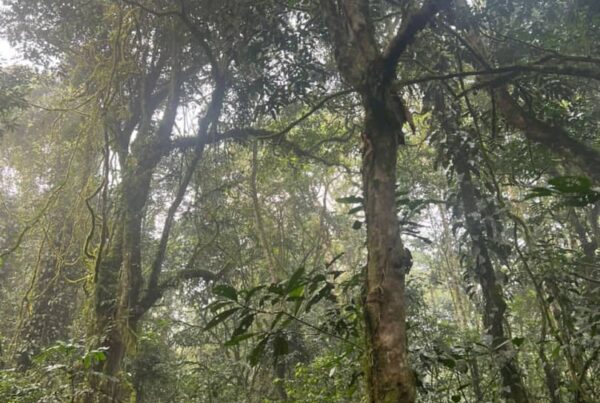
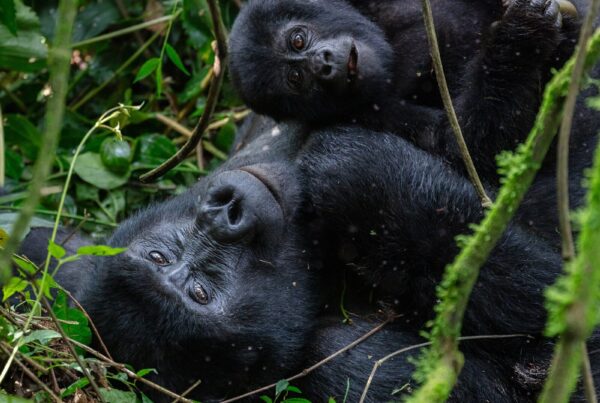
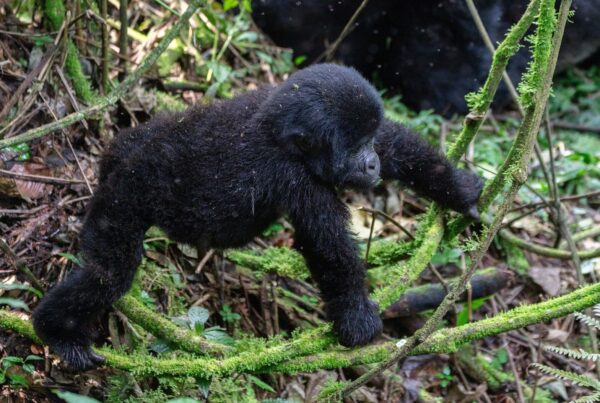
Bwindi Impenetrable National Park is a forest of superlatives that the standard visitor briefing does not have time to convey: one of Africa’s oldest forest ecosystems (persisting through the ice ages that stripped vegetation from much of the continent), one of the most species-rich habitats in the world (more tree species per hectare than most temperate forests hold in total), the home of approximately half the world’s remaining mountain gorilla population, and a UNESCO World Heritage Site whose conservation story is one of the most consequential in African conservation history — moving from a forest that was actively being cleared for agriculture in the 1970s to a protected park whose gorilla population has grown from an estimated 300 individuals in the 1990s to over 500 today. Understanding Bwindi’s ecology, history, and the specific conservation framework that protects it changes the gorilla encounter from a wildlife spectacle to a witness of something specific and hard-won: a functioning conservation model in a landscape under intense demographic pressure. For the trek planning specifics, see the Bwindi sector guide.
Bwindi Impenetrable Forest: Key Facts
- Area: 331 square kilometres — a relatively small forest under intense surrounding land pressure
- Designation: UNESCO World Heritage Site 1994; National Park 1991 (formerly Forest Reserve from 1942)
- Species count: 120+ mammal species, 350+ bird species (including 23 Albertine Rift endemics), 1,000+ plant species
- Mountain gorillas: ~500 individuals — approximately half the total world population of this subspecies
- Age: One of Africa’s last ancient rain forests — persisted through the African Quaternary ice age as a refugium
- Altitude range: 1,160m (valley floor, Buhoma) to 2,607m (Ruhija ridge) — producing exceptional habitat diversity
Bwindi Impenetrable National Park is one of Africa’s most biologically remarkable places. A UNESCO World Heritage Site since 1994, Bwindi protects 321 square kilometres of ancient montane rainforest in southwestern Uganda that has survived for more than 25,000 years — through ice ages that eliminated most of Africa’s equatorial forests — as a refugium for species that evolved over millions of years in the region’s stable climate. Today Bwindi is synonymous worldwide with mountain gorillas, but the park’s ecological complexity extends far beyond its most famous residents. Understanding Bwindi’s ecology, formation, and conservation history provides essential context for anyone visiting to trek its trails.
Geological and Ecological Origins
Bwindi sits in the Albertine Rift Valley, the western arm of the Great Rift Valley system that runs through eastern Africa. The Albertine Rift has been geologically active for millions of years, and its complex topography of rift valley floors, mountain ridges, and volcanic peaks has created extraordinary habitat diversity. The forest occupies a rugged landscape of deeply incised ridges and valleys, with elevations ranging from 1,160 to 2,607 metres above sea level. This elevation range creates distinct forest types — lowland mixed forest in the valleys, mid-altitude montane forest on the main ridges, and high-altitude Afromontane forest above 2,000 metres.
The Pleistocene Refugium
During the Last Glacial Maximum approximately 20,000 years ago, Africa’s equatorial forests contracted dramatically as the climate became cooler and drier. Most of the continent’s forests were replaced by grassland and savanna. Bwindi, protected by its unique topography and the moisture-generating effect of the Albertine Rift’s lakes and mountains, remained forested while surrounding areas cleared. This refugium status allowed Bwindi to serve as a biological Noah’s Ark — accumulating and maintaining species that were eliminated from most of the region. When the climate warmed and forests re-expanded, Bwindi’s accumulated biodiversity seeded the surrounding landscape. This evolutionary history explains why Bwindi has disproportionately high species diversity relative to its size.
Biodiversity: The Numbers Behind the Superlatives
Bwindi is among the most biodiverse protected areas in Africa and the world. The park holds approximately half of the world’s remaining mountain gorilla population — currently around 500 of the estimated 1,000+ individuals. It supports over 350 bird species including 23 Albertine Rift endemics. Over 200 butterfly species, 120 mammal species, 27 frog species, and more than 1,000 flowering plant species have been recorded. Ten primate species share the forest: mountain gorillas, chimpanzees, red-tailed monkeys, L’Hoest’s monkeys, olive baboons, grey-cheeked mangabeys, blue monkeys, black-and-white colobus monkeys, red colobus monkeys, and pottos. This primate community is one of the most diverse anywhere in Africa.
Flora: The Living Foundation
Bwindi’s plant diversity is extraordinary. The forest has been described as one of the most complex botanical environments in Africa, with a high degree of species packing that means walking a short distance can reveal dozens of distinct plant species. Towering trees from the Myrtaceae, Rubiaceae, and Meliaceae families form the upper canopy. Understorey plants include tree ferns, wild bananas, and dense tangles of climbing plants and lianas. The forest floor is covered in mosses, liverworts, ferns, and flowering herbs adapted to the deep shade. This botanical complexity creates the food web that supports the park’s extraordinary animal diversity — including the mountain gorillas whose diet depends on dozens of plant species distributed across different habitat types.
Human History and the Forest
Bwindi’s forest has not always been uninhabited. The Batwa — also known as the Twa or forest pygmies — lived in and around the forest for thousands of years as hunter-gatherers. The Batwa developed intimate knowledge of the forest’s resources, using plants for medicine, food, and spiritual practices that accumulated over millennia. When Bwindi was gazetted as a protected area in 1991, the Batwa were evicted from the forest without compensation — a displacement that continues to generate controversy. Their exclusion remains one of the most discussed and debated conservation ethics cases in Africa, and several organisations now work to restore Batwa access to forest resources and cultural practice in ways compatible with conservation objectives. The Batwa Experience, operated near Bwindi, offers visitors insight into Batwa forest culture and directs proceeds to community support programs.
Colonial Era Forest History
European explorers first encountered Bwindi in the late 19th century. The British colonial administration eventually recognised the forest’s biological value and gazetted portions as Crown Forest Reserves beginning in the 1930s. Agricultural encroachment continued around the forest boundaries throughout the colonial period as Uganda’s population expanded. The forest’s extraordinary biodiversity was only fully documented through mid-20th century research, and the recognition that it harboured a significant proportion of the world’s mountain gorillas drove formal national park designation after Uganda’s independence. Uganda National Parks was established in 1952, and Bwindi was progressively consolidated within the protected area system.
Conservation History
Bwindi’s conservation story over the past 50 years is one of Africa’s most complex and instructive. The park faced severe threats from the 1970s through the 1990s: forest clearing for agriculture, illegal hunting (including the killing of gorillas for trophies and bush meat), gold and coltan mining within the forest, and severe political instability during Uganda’s civil conflicts. The low point came in the 1990s when forest cover was being cleared at alarming rates and the gorilla population was under severe pressure.
The Role of International Conservation
International conservation organisations — most notably the International Gorilla Conservation Programme (IGCP), Wildlife Conservation Society (WCS), and the Dian Fossey Gorilla Fund — partnered with the Uganda Wildlife Authority to build a comprehensive conservation program. Community conservation programs, revenue sharing mechanisms that returned gorilla trekking income to local communities, and anti-poaching operations progressively reduced direct threats to the forest. The establishment of gorilla trekking tourism was not just a wildlife experience — it was a deliberate conservation strategy to create economic value for the forest that would align community interests with protection rather than exploitation.
Community Conservation
Community conservation is now central to Bwindi’s management. Uganda Wildlife Authority shares 20 percent of gorilla permit revenue with communities living around the park. This revenue funds schools, health clinics, water supply infrastructure, and community development projects. Buffer zone management programs support farmers with techniques for reducing crop-raiding by gorillas and other wildlife. The Mountain Gorilla Veterinary Project provides medical care for gorillas that prevents the kind of disease outbreaks that historically caused significant mortality. These interconnected programs have transformed the relationship between Bwindi and surrounding communities from adversarial to broadly collaborative.
The Mountain Gorilla Population Recovery
Perhaps the most remarkable conservation success associated with Bwindi is the recovery of the mountain gorilla population. When systematic gorilla census work began in the 1980s, the total population in the Virungas was estimated at approximately 254 individuals. The combined Bwindi and Virunga population is now estimated to exceed 1,000 individuals — the only great ape subspecies whose population is increasing. This recovery is the direct result of decades of coordinated conservation effort, effective habitat protection, veterinary intervention, and the economic incentives created by gorilla trekking tourism. Bwindi’s gorilla population has more than doubled since serious conservation work began, and the trend continues upward.
Bwindi Today: Challenges and Future
Despite the success of mountain gorilla conservation, Bwindi faces ongoing challenges. Climate change is altering the timing and intensity of rainfall patterns, affecting vegetation and gorilla food availability. Human population growth around the park maintains pressure on the forest boundary. Poverty in surrounding communities creates incentives for illegal resource extraction. And the global tourism industry — the economic foundation of the conservation model — is vulnerable to disruption as demonstrated by the COVID-19 pandemic, which eliminated permit revenue entirely for over a year. Diversifying conservation funding beyond tourism revenue, building community economic resilience, and managing climate adaptation are the central conservation challenges of Bwindi’s next decade. The forest that survived 25,000 years of climate upheaval now faces its most complex challenge — but with a committed conservation community, a recovering gorilla population, and growing global awareness of its irreplaceable value, the prognosis is cautiously optimistic.
Frequently asked questions about Bwindi Impenetrable Forest ecology and conservation
Why is Bwindi called “impenetrable”?
The name “Impenetrable Forest” references the character of Bwindi’s vegetation density at lower elevations and in the valley bottoms — a combination of tall primary forest trees, a dense middle canopy layer, thick undergrowth of shrubs, ferns, and climbing plants, and the interlocking root systems of the valley-floor terrain that produces a forest through which movement off maintained trails requires physical forcing through vegetation rather than walking. The Rukiga language name for Bwindi — “Mubwindi” — translates approximately as “place of darkness” or “place of thick vegetation,” reflecting the same quality of dense forest that the English name captures. The specific vegetation that creates the impenetrable character: Mimulopsis (a spreading shrub that flowers in periodic mass events and dies back creating dense temporary thickets), Dracaena (large understorey plants with stiff blade-like leaves that fill gaps in the vegetation layer), and the climbing plants that tie the understorey together at chest and face height. In practice: the maintained trekking trails through Bwindi are not impenetrable, but moving off-trail in any direction — which is what gorilla tracking routinely requires — involves exactly the physical bush-pushing that the name describes. The trackers who move through the forest off-trail daily develop skills and route-finding ability through the dense vegetation that takes years to acquire; the gardening gloves and long sleeves recommended for the trek exist because the forest is physically resistant to human passage in the way the name promises.
What makes Bwindi one of the world’s most biodiverse forests?
Bwindi’s exceptional species richness has a specific evolutionary explanation: the forest is an ancient refugium — a patch of forest that persisted through the Quaternary ice age periods when cooler, drier conditions stripped vegetation from much of the African continent approximately 12,000-18,000 years ago. While surrounding areas were reduced to open savannah or dry woodland, Bwindi retained forest cover throughout this period, allowing species to survive in the refugium that disappeared elsewhere. When the climate warmed and forest returned to the surrounding landscape, Bwindi retained the accumulated biodiversity of an unbroken evolutionary lineage while surrounding areas were recolonised from refugia like Bwindi. This refugium history explains why Bwindi holds 23 bird species endemic to the Albertine Rift (the geological basin in which Bwindi sits) and why its plant and amphibian diversity is disproportionate to its relatively small size. The altitude gradient (1,160m to 2,607m within 331 square kilometres) adds another dimension to the biodiversity: different vegetation communities exist at different elevations within the single forest block — lowland rain forest species in the valleys, montane forest species on the ridges, and bamboo zones at intermediate elevations — producing a habitat patchwork that supports species with very different ecological requirements within a geographically small area.
What was the conservation crisis that led to Bwindi’s protection?
The conservation history of Bwindi is a story of near-loss followed by one of Africa’s most consequential conservation recoveries — and it is not ancient history. In the 1960s-1970s, the Ugandan government actively promoted agricultural settlement of forest land in the Kigezi district, including within what is now Bwindi National Park. Forest encroachment, charcoal production, hunting, and cultivation pushed into the forest boundary from all sides. The mountain gorilla population, already under pressure from the same processes in the Virunga mountains (the other mountain gorilla habitat), was declining across its range — the famous 1981 census by Ian Redmond and others estimated approximately 242 individuals across the entire Virunga population, a number considered at or near the minimum viable population threshold. Bwindi was designated a Crown Forest Reserve in 1942, which provided nominal protection but was inadequately enforced against the strong land-use pressures of Uganda’s growing population. The National Park designation in 1991 — and the simultaneous development of the gorilla tourism revenue model that made the forest economically valuable standing — transformed the conservation trajectory. The Revenue Sharing Scheme, which returns 20% of park entry fees to border communities, addressed the specific problem that had driven encroachment: communities adjacent to the forest received no economic benefit from forest protection and had strong incentives to convert forest land to agriculture. By making the standing forest more economically valuable to border communities than cleared land, the revenue model aligned conservation with community economic interest in a way that purely prohibitive protection had failed to do.
What birds should gorilla trekkers look for in Bwindi?
Bwindi holds 350+ bird species including 23 Albertine Rift endemics that are inaccessible or rare elsewhere — making the approach trek to the gorilla family a birding opportunity that many visitors with camera equipment entirely overlook. The key species to watch for during the trek: the African Green Broadbill (a small, impossibly vivid green bird found in the mid-elevation forest — one of the most sought Albertine endemics for African birders); the Shelley’s Crimsonwing (a red and green finch of the bamboo zones at mid-altitude); the Grauer’s Warbler (Albertine endemic, found in forest edge and undergrowth); the Black Bee-eater (forest interior species with electric-blue underparts visible in flight); and the various hornbill species audible throughout the forest interior. The specific birding opportunity during the gorilla trek: the early morning approach (6-8am) coincides with the peak of forest bird activity — the dawn chorus and post-dawn foraging period — when species that are silent and inactive later in the day are moving through the understorey and canopy. The approach trek to the gorilla family is conducted in relative quiet (conversation kept low, movement controlled) — conditions that allow bird observation during the walk that would be unavailable if the group was noisy. Dedicated birding in Bwindi requires a separate birding day with a specialist guide; the gorilla trek provides incidental access to forest bird species but is not structured as a birding experience.
What is the relationship between the Batwa and Bwindi Forest?
The Batwa (also known as the Twa) are the indigenous hunter-gatherer people who lived inside Bwindi Forest for an estimated 4,000 years before the 1991 National Park designation excluded them from the forest that had been their home and food source. The Batwa’s eviction from Bwindi at the time of its gazettal as a National Park — without compensation, without alternative land allocation, and without consultation — is the most serious human rights failure in Bwindi’s conservation history, and it remains an active issue in conservation ethics discussions about the intersection of wildlife protection and indigenous rights. The current situation: the Batwa live in communities adjacent to the forest boundary, legally excluded from the forest that their ancestors inhabited, and in conditions of significant poverty relative to the neighbouring Bakiga agricultural communities. Several conservation and community development organisations work specifically on Batwa livelihoods, cultural preservation, and land rights — including the Batwa Development Program operated by IGCP. Visitor engagement with the Batwa: the Batwa Cultural Trail offered at some Bwindi sector gates provides an economic opportunity for Batwa communities and an educational context for visitors — the Batwa guides describe their history, forest knowledge, and traditional practices in a format that both generates community income and communicates the conservation-indigenous rights tension that the Bwindi story includes. Visiting the Batwa Trail alongside the gorilla trek is a meaningful complement to the conservation story the permit itself supports.
Explore Bwindi before and after your gorilla trek
- Bwindi Sector Guide — the four sectors, their habitats, and what to expect at each
- Uganda Gorilla Families — the habituated gorilla families that make the conservation story concrete
- Gorilla Permit Guide — the permit that funds the conservation system this guide describes
- Full Safari Cost Guide — complete trip budget for a Bwindi visit
- Safari Itineraries — Uganda itineraries that include Bwindi birding and cultural visits alongside gorilla trekking
- The History of Bwindi Impenetrable National Park: From Forest to World Heritage Site
- How Old Is the Bwindi Impenetrable Forest? Age and History
- The Bwindi Impenetrable Forest Trust: how local investment sustains conservation
- Bwindi Impenetrable Forest – Gorilla Trekking in Uganda’s UNESCO Jungle
- Meet the conservationist protecting mountain gorillas in the heart of the impenetrable forest.
- Uganda Gorilla Trekking Bwindi Impenetrable Forest: The Complete Guide
- Where Exactly Is Bwindi Impenetrable Forest? Location, Geography, and How to Get There
- Bwindi Impenetrable National Park: Uganda’s Gorilla Forest
- What Bwindi Impenetrable Forest Looks Like From the Air: Drone Footage
- Bwindi Impenetrable Forest: Book Your Gorilla Trek for 2027 Now