Updated
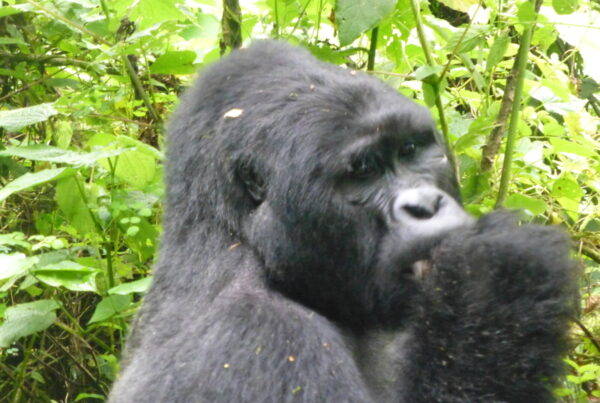
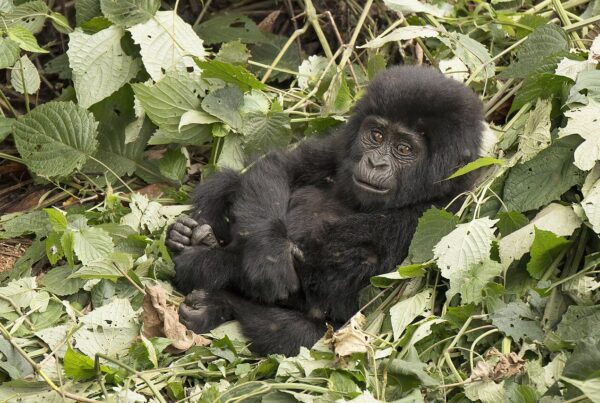
Ruhija Sector Bwindi: High-Altitude Gorillas and Birding The gorilla families Bitukura, opened to visitors in 2008, is known as a relaxed group that habituated unusually quickly. Ruhija, in the east of Bwindi Impenetrable National Park, is the highest of the four gorilla trekking sectors, at around 2,300 m. It has about four habituated families, including Bitukura, Oruzogo, Kyaguliro and Mukiza, fewer lodges and fewer visitors than Buhoma or Rushaga, and the best birding in Bwindi, including the Mubwindi Swamp trail for Albertine Rift endemics. The altitude makes treks feel harder and mornings are cold, and it is a long drive from either airstrip, so Ruhija suits road safaris and birders more than quick fly-in trips.
Ruhija Sector Bwindi: High-Altitude Gorillas and Birding
The gorilla families
Bitukura, opened to visitors in 2008, is known as a relaxed group that habituated unusually quickly. Oruzogo was opened soon afterwards. Kyaguliro has long been studied by researchers from the Institute of Tropical Forest Conservation, based at Ruhija, and later split, with one part becoming the Mukiza family. As in every sector, groups change as gorillas are born, die and move between families, so treat any list or count as a guide.
Rangers assign families at the 7:30 am briefing, and each receives no more than eight visitors a day. Because Ruhija has fewer visitors overall, permits here can sometimes be found when Buhoma is full. Our guide to Bwindi’s gorilla families covers all sectors.
What trekking is like
Ruhija sits on a high ridge, and the families range on the slopes and in the valleys below. Treks often start downhill and finish with a climb back to the road, and at this altitude even fit visitors notice they are short of breath. The forest here is montane, with mossy trees, tree ferns and bamboo in places, and the mornings are often misty and cool, around 10–15°C before the sun comes through. On some days families are close to the road; on others the trek takes most of the day.
Bring a warm layer and a rain jacket, wear waterproof boots with good grip and take a walking stick. A porter, at about US$15–20, is worth it here. Altitude sickness is rare at Ruhija’s height, but take the climb slowly; see our guide to altitude and gorilla trekking.
Birding at Ruhija
Ruhija is the main birding base in Bwindi. The high forest holds many Albertine Rift endemics, birds found only in the mountains along the western arm of the Rift Valley, such as the handsome spurfowl, strange weaver, Rwenzori batis and regal sunbird. The guided walk down to Mubwindi Swamp, a steep half-day or full-day hike, is one of the few places to look for the rare African green broadbill and for Grauer’s swamp warbler. The road between Ruhija and Buhoma, through a narrow strip of forest known as “the Neck”, is also excellent for birds.
Birders usually spend at least two nights at Ruhija, one day trekking gorillas and one birding with a specialist guide. Our guide to all four sectors compared shows how Ruhija fits with the others.
Getting to Ruhija
Ruhija is reached by unpaved mountain roads that are slow, especially after rain. From Kabale, the drive takes roughly 2 hours. From Buhoma, via the Neck, it is about 2–3 hours, and from Rushaga a similar time. The nearest airstrips, Kihihi and Kisoro, are both two to three hours away by road, so flying in saves less time than for other sectors. From Kampala, allow 8–10 hours by road via Mbarara and Kabale, or break the journey at Lake Mburo or Lake Bunyonyi.
Where to stay
Ruhija has a small number of lodges along the ridge, mostly mid-range and budget, plus a few more comfortable options with views over the forest. Rooms are fewer than in Buhoma or Rushaga, so book early for peak dates, and make sure your lodge has warm bedding and hot water, as nights are cold. Staying in Ruhija itself is important: the other sectors are hours away and the briefing starts early. Our guide to the best gorilla trekking lodges lists options by sector.
Booking a Ruhija permit
A standard permit costs US$800 (US$600 in April, May and November), the same in every sector. Book the permit first, specifying Ruhija, then your lodge and transport, allowing for the slow roads in and out. If you are combining Bwindi with a second trek, Ruhija pairs well with Buhoma via the Neck. See our guide to booking a gorilla permit step by step.
Frequently asked questions
Bitukura, Oruzogo, Kyaguliro and Mukiza, though groups change over time.
About 2,300 m, the highest of Bwindi’s four trekking sectors.
Yes, it is Bwindi’s best birding area, with many Albertine Rift endemics and the Mubwindi Swamp trail.
By road, about 2 hours from Kabale or 2–3 hours from Buhoma. Kihihi and Kisoro airstrips are both 2–3 hours away.