Uganda holiday reasons that go beyond the standard safari experience
Uganda holiday reasons are not hard to find — the country offers more compelling arguments for a visit than almost anywhere else in Africa. Yet Uganda remains significantly less visited than Kenya, Tanzania, or South Africa, which means that visitors who make the journey find experiences of extraordinary quality without the crowds, the commercialisation, or the sense of being on a well-worn tourist trail. If you are planning an African trip and wondering whether Uganda deserves a place on your itinerary, here are 10 reasons why it should be at the top of your list — and why it is anything but a safari cliche.
1. Mountain gorilla trekking is available nowhere else like this
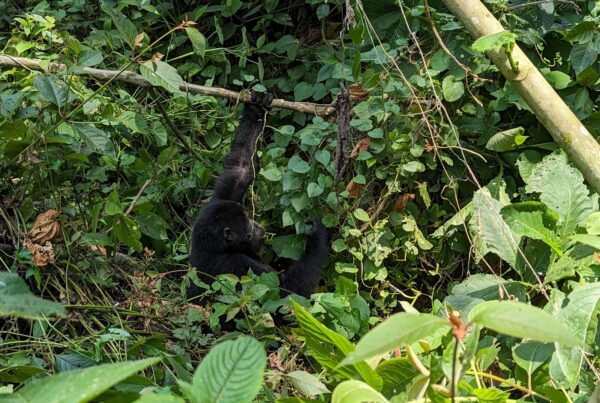
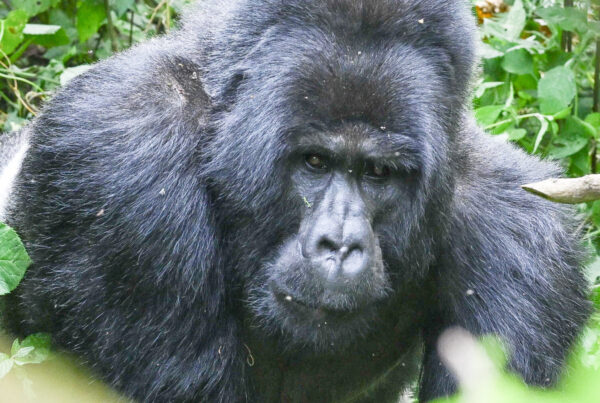
Uganda holds half of the world’s entire mountain gorilla population. Bwindi Impenetrable Forest alone contains over 500 individuals organised into habituated family groups that accept daily visits from small groups of trekking visitors. The permits are available at a price that, while significant, is lower than in Rwanda and considerably lower than the premium experiences increasingly being offered by high-end operators. The encounter — one hour with a wild gorilla family in ancient forest — is genuinely unlike anything available in any other country in the world.
2. The bird diversity is the highest in Africa
Uganda has recorded over 1,060 bird species — more than any other country on the African continent — in a country smaller than the United Kingdom. The density of species per square kilometre is extraordinary by any global standard, and the diversity of habitats — tropical forest, savannah, wetland, montane forest, crater lake, papyrus swamp — means that a single two-week itinerary can produce a species count that dedicated birders would travel to the ends of the earth for. The shoebill stork, one of the world’s most extraordinary birds, is more reliably found in Uganda’s Murchison Falls area and Lake Victoria wetlands than anywhere else in Africa.
3. Chimpanzee tracking in Kibale is world-class
Kibale National Park contains the highest density of primates in Africa, and chimpanzee tracking here produces encounters of a quality and intensity that rival even the gorilla experience. The forest at Kibale is denser and more active than many East African forest environments, and the chimpanzees — habituated through the same multi-year process used for gorillas — move with a speed and social energy that creates encounters of different character but equal power to the gorilla trek.
4. The Nile is here — and it is extraordinary
The Victoria Nile, flowing out of Lake Victoria and through Murchison Falls National Park before entering Lake Albert, is one of the great rivers of the world. Murchison Falls — where the entire river is compressed through a 7-metre gap and explodes in a 45-metre cascade — is among the most powerful waterfalls in the world. Boat safaris on the Nile below the falls deliver hippos, Nile crocodiles, elephants, buffalo, and shoebill storks in concentrations that make Murchison one of Africa’s best all-round wildlife destinations. And the Nile flows through Uganda from south to north, connecting Lake Victoria to Lake Albert in a journey that has shaped the continent’s history and ecology for millennia.
5. The landscapes are more diverse than any single description can capture
Uganda is simultaneously an equatorial forest country, a savannah country, a mountain country, and a great lakes country. The Rwenzori Mountains carry permanent snow and glaciers. Queen Elizabeth National Park contains tree-climbing lions. Lake Victoria is Africa’s largest lake. The Albertine Rift Valley creates a western border of dramatic geological beauty. Crater lake districts in the west produce landscapes of haunting visual power. All of this is accessible within a country that can be driven end-to-end in a day.
6. The food scene in Kampala is genuinely excellent
Kampala has developed a restaurant and food culture over the past decade that surprises most international visitors. The combination of local cuisine — roast plantain, ground nut stew, fresh lake fish, Ugandan coffee — with an increasingly sophisticated international restaurant scene has made Kampala one of East Africa’s more interesting culinary destinations. The city’s food markets, particularly the Owino Market and the food stalls around Garden City, offer local eating experiences of real quality and character.
7. Uganda is safer and more stable than many visitors expect
Uganda has maintained political stability and improving security conditions for over two decades. The Foreign Office travel advice for Uganda — which some potential visitors check with concern before booking — reflects caution about specific border regions but rates the main tourist areas, including Kampala, Bwindi, Queen Elizabeth, Kibale, and Murchison Falls, as safe for travel. Safari operators working in Uganda consistently describe their clients’ experience of personal safety as positive, and the country’s tourism infrastructure — roads, accommodation, healthcare access in the main areas — has improved substantially in the past ten years.
8. The value for money is exceptional
Uganda offers a quality of wildlife experience that is genuinely world-class at prices that are significantly lower than the comparable experience in many other African destinations. Gorilla trekking permits in Uganda cost $800 per person — the same price as permits in the Democratic Republic of Congo, and less than the $1,500 charged in Rwanda. Accommodation options in Uganda range from budget banda-style lodges to genuinely luxurious forest lodges, and the mid-range options in particular offer a quality of experience, food, and location that would cost substantially more in Kenya or Tanzania.
9. The cultural diversity is extraordinary
Uganda contains over 50 distinct ethnic groups, each with their own language, traditions, music, and history. The Buganda kingdom — the largest and most historically influential of Uganda’s pre-colonial kingdoms — has maintained its cultural institutions through to the present day, and visits to the Kasubi Tombs (a UNESCO World Heritage Site) and the Buganda royal palace in Kampala give visitors access to a living cultural tradition of remarkable depth. In western Uganda, Batwa community cultural tours near Bwindi offer an insight into the history and traditions of one of Africa’s oldest forest-dwelling peoples.
10. You will almost certainly have it largely to yourself
Uganda received approximately 1.5 million visitors in 2024. Kenya received over 2 million. Tanzania’s northern circuit — the Serengeti and Ngorongoro — receives hundreds of thousands of visitors per year and is, at peak season, genuinely crowded. Uganda’s national parks, by contrast, operate at a fraction of capacity. Even at Bwindi, where gorilla trekking permits are limited to protect the gorillas, the number of visitors in the forest at any one time is minimal. You will share your hour with the gorilla family with seven other people. You will encounter no other tourist vehicles, no other groups, no competition for the best viewing position. This is what African wildlife travel used to feel like everywhere — and in Uganda, it still does.