Uganda’s music scene is one of East Africa’s most creatively productive, generating internationally recognized artists across Afrobeats, Afropop, dancehall, gospel, and hip-hop from a Kampala ecosystem of recording studios, live music venues, and online distribution networks that have given Ugandan music a reach far beyond its domestic audience — artists like Bobi Wine, Jose Chameleone, Eddy Kenzo, Sheebah Karungi, and A Pass have charted across East Africa and Africa more broadly, while the genre locally called “Afro-Ugandan music” blends Luganda lyrics, traditional rhythmic structures, and contemporary production in a way that is distinctively Ugandan and immediately recognizable. Kampala is a base for most Uganda safari packages including gorilla trekking itineraries.
- Main genre: Afropop (locally called “Ugandan music”); dancehall strongly influenced by Jamaican sound; gospel dominates radio; hip-hop growing
- Language: most commercially successful music is in Luganda; English-language Ugandan music has smaller domestic market but wider international reach
- Key venues: Ange Noir nightclub; The Lawns at Kololo; Lugogo Cricket Oval for concerts; Kampala Serena Hotel jazz sessions
- Notable artists: Bobi Wine (also MP for Kyadondo East, ran for president 2021); Jose Chameleone; Eddy Kenzo; Sheebah Karungi; A Pass; Fik Fameica; Spice Diana
Uganda’s music scene in 2027 is one of the most vibrant and fastest-evolving in East Africa. Kampala has produced internationally recognized artists across Afrobeats, Afropop, dancehall, gospel, and hip-hop, and the city’s live music venues and recording studios buzz with creative energy every night of the week. For visitors combining a gorilla trek or wildlife safari with time in Kampala, engaging with the local music scene offers a dimension of Uganda that no nature experience can replicate — the living sound of a young, urban population creating its own cultural language.
The rise of Ugandan pop: from kadongo kamu to Afrobeats
Uganda’s popular music has evolved through several distinct eras. Kadongo kamu — a gentle acoustic guitar tradition with narrative lyrics that dominated Ugandan popular music from the 1960s through the 1980s — remains beloved among older audiences. Charismatic performers like Bernard Kabanda and Dan Mugula built careers on this warm, storytelling style that addressed everyday Ugandan life in Luganda.
The 1990s and 2000s brought Ugandan dancehall — influenced by Jamaican reggae and dancehall but infused with local rhythms and Luganda lyrics. Artists like Jose Chameleone became massive stars with dancehall-influenced Afropop that mixed English, Luganda, and Swahili in clever, rhythmically sophisticated songs. Chameleone remains a major figure in Ugandan music in 2027, still releasing music and performing to enormous crowds.
Bebe Cool and the Afropop era
Bebe Cool is another giant of Ugandan popular music, known for smooth Afropop productions and a career spanning nearly three decades. His ability to blend Ugandan melodies with pan-African production styles helped define the sound of Ugandan pop in the 2000s and 2010s. The friendly rivalry between Bebe Cool and Jose Chameleone — periodically erupting into public feuds before reconciling — has been a defining drama of Ugandan celebrity culture for a generation.
Contemporary Ugandan artists to know
The 2020s have produced a new wave of Ugandan artists making noise beyond East Africa. Eddy Kenzo, who won the BET Award for Best New International Act in 2015 — the first Ugandan to win a BET Award — continues to be a major force with dancehall-influenced Afrobeats. His energy, stagecraft, and international reach have made him a genuine African music star.
Fik Fameica represents a younger generation of Ugandan hip-hop and Afrobeats artists who grew up consuming American and Nigerian music but have developed distinctly Ugandan sonic identities. His rhythmically complex lyrics in Luganda over contemporary production have built a large regional following. Spice Diana has become one of Uganda’s most successful female artists with a string of Afropop hits that mix English and Luganda with relentless pop instincts.
Gospel music: Uganda’s biggest genre
By sheer volume of releases and audience size, gospel is Uganda’s largest music genre. Uganda is one of the most church-going countries in Africa, and gospel music permeates public space — from taxi radios to roadside speakers to Sunday morning performances in every neighborhood. Artists like Judith Babirye and the late Wilson Bugembe built enormous followings with deeply felt devotional music that crosses ethnic and denominational lines. Contemporary Ugandan gospel blends traditional hymn structures with Afropop production and remains a central part of national musical culture.
Traditional music revival and fusion
Alongside contemporary pop, a significant movement of traditional music revival and fusion has gained momentum in Uganda in recent years. Artists like Myco Ouma blend traditional Acholi instruments and vocal traditions with contemporary production, creating music that sounds deeply Ugandan while being entirely new. The Ndere Troupe has toured internationally while maintaining rigorous fidelity to traditional forms. Academic and cultural institutions in Kampala are documenting endangered musical traditions from smaller ethnic groups before they are lost.
Where to hear live music in Kampala
Kampala has a lively live music scene concentrated in several venues that welcome visitors in 2027. The Ndere Cultural Centre in Ntinda offers traditional music and dance performances on Thursday evenings and Sunday lunchtimes — polished, professional shows that cover the breadth of Ugandan musical traditions. For contemporary music, the bar and club district around Kabalagala and the upscale venues in Kololo and Nakasero host live performances on weekends.
The Serena Hotel and Sheraton Kampala both host occasional live music events. Several jazz and acoustic music venues have developed in the Kisementi area, catering to Kampala’s growing professional and expatriate community with both international and local artists. The Kampala International Arts Festival (typically held in October) brings together musicians, dancers, and visual artists for a week-long program that showcases contemporary Ugandan creativity at its best.
Music streaming: how to discover Ugandan music
Before arriving in Uganda, building a Ugandan music playlist on Spotify or Apple Music is an excellent way to prepare for the experience. Search for “Uganda Afropop,” “Ugandan gospel,” or the names of artists mentioned here. Many major Ugandan artists now have substantial streaming catalogs available internationally. Starting with Jose Chameleone’s classic hits, Eddy Kenzo’s recent releases, and a collection of traditional Ugandan folk recordings will give you a sonic foundation that enriches your experience of the country enormously once you arrive.
Buying music directly from Ugandan artists at performances — CDs are still sold at live shows and craft markets — supports them directly and gives you a souvenir with real cultural weight. Music, like food and crafts, is one of the dimensions of Uganda that goes home with you and keeps giving long after the gorilla photographs have been shared.
Who are the most famous Ugandan musicians internationally?
Bobi Wine (Robert Kyagulanyi) is Uganda’s most internationally recognised music figure, known both for his Afropop and dancehall music and for his political role as opposition leader in the 2021 presidential election. His music — performed in Luganda with a dancehall-influenced production style — documented social and political life in Kampala and produced a global following beyond the East African music audience. Jose Chameleone (Joseph Mayanja) is Uganda’s most commercially dominant pop artist of the 2000s and 2010s; his Luganda-language Afropop has sustained a top-tier career for over two decades. Eddy Kenzo (Edirisa Musuuza) won the 2015 BET Award for Best New International Artist — the first Ugandan to win a BET Award — for his hit “Sitya Loss”; he performs in Luganda. A Pass (Alexander Bagonza) is Uganda’s most technically regarded hip-hop and Afropop artist, known for English-language and Luganda-language work that crosses genre boundaries. Sheebah Karungi and Spice Diana lead the female Afropop sector with commercially dominant dancehall-influenced productions. On the international classical and jazz side, the Kampala Music School has produced classically trained musicians who perform internationally.
What Ugandan music should I listen to before visiting?
A practical listening list for Uganda context before a visit: Eddy Kenzo’s “Sitya Loss” (2014) — the BET Award winner, dancehall-influenced Luganda with a Ugandan village dance sequence in the video that documents a real cultural tradition. Bobi Wine’s “Ghetto” (2015) and “Kyarenga” (2018) — the latter became an unofficial anthem of Uganda’s 2018-2021 political opposition movement. Jose Chameleone’s “Valu Valu” — his biggest regional hit; entirely in Luganda; a reference song for the Kampala sound of the mid-2000s. A Pass “Winner” — English-language Afropop that crosses over to a non-Luganda-speaking audience. For traditional music: recordings of Ugandan adungu harp music; amadinda xylophone recordings (the Buganda court xylophone); and Acholi and Karamojong music from the north are available on ethnomusicology platforms and give context for the traditional music that underlies the commercial scene. The Ugandan radio sound is omnipresent in guesthouses, vehicles, and markets; a basic familiarity with the commercial Luganda pop means you will recognise what you hear rather than experience it as noise.
Where can I hear live music in Kampala?
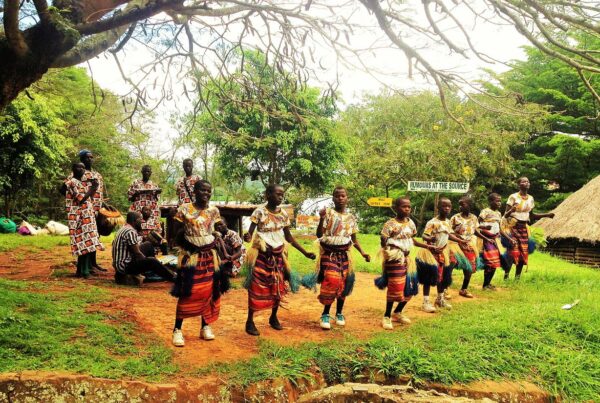
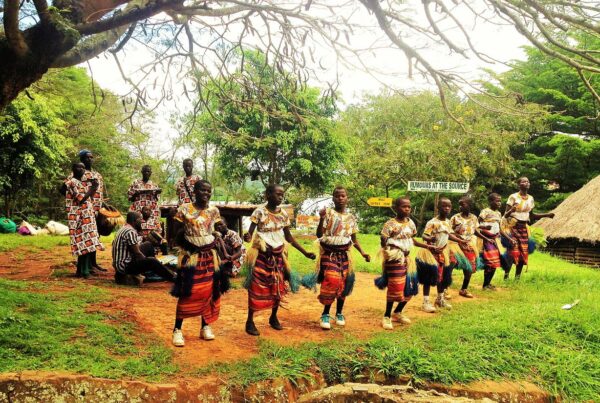
Live music in Kampala is concentrated in Kololo and Kabalagala, with weekend activity being by far the main event. Ange Noir in Kololo is one of the most established live music venues in Kampala — resident DJs and frequent live acts; the crowd tends toward the Kampala professional and middle-class sector. The Lawns at Kololo and outdoor venues around Lugogo Cricket Oval host larger concerts when national or regional artists are performing. Kabalagala has a dense cluster of bars and clubs with live and DJ music on Friday and Saturday nights; it has a more local, affordable character than Kololo. The Serena Hotel Kampala has jazz sessions on specific evenings that attract both a local professional crowd and business visitors — check their current programme. Rooftop bars in Nakasero and Kololo — Cayenne, Cayenne, the Sky Lounge at Skyz Hotel — have DJ sets with views over Kampala. For Uganda music during a safari: most lodges on the western circuit and at Bwindi have cultural evening performances with traditional music and dance; this is different from the commercial Kampala pop scene but provides direct context for Uganda’s regional musical and dance traditions.
What traditional Ugandan music instruments are worth knowing?
Uganda has a rich traditional instrument heritage that is documented and accessible to visitors at cultural centres and during lodge cultural evenings. The adungu is an arched harp played across north and northwestern Uganda, associated with the Alur and other Nile communities; it produces a delicate, complex sound with bass and treble strings played simultaneously. The amadinda and embaire are interlocking-style xylophones associated with the Buganda kingdom; the amadinda is a log xylophone with two or three players playing interlocking rhythmic patterns that produce a composite melody — a style that influenced minimalist composers including Steve Reich after he studied it in Uganda. The endingidi is a tube fiddle (single-string fiddle) from Buganda; the engoma is the general term for drums, of which Buganda has highly formal varieties associated with the royal court (the royal drum collection at Kasubi Tombs was among the cultural treasures lost when the tombs were damaged by fire in 2010 and partially rebuilt). The Ngoma cultural performances at Bwindi lodges, QENP, and Murchison Falls lodges typically include several of these instruments in the evening programme.
How does Uganda’s gospel music scene compare to its secular pop?
Ugandan gospel music is arguably the dominant commercial music genre in terms of radio airplay and cultural pervasiveness. Uganda is one of the most religious countries in Africa — Christianity accounts for approximately 85 percent of the population and church attendance is very high — and gospel music is accordingly woven into daily life in a way that visitors from more secular societies may not expect: it plays on minibus taxi radios, in restaurants, in market spaces, on morning radio during the commute. Uganda’s gospel scene has produced artists with regional African acclaim: Judith Babirye (known as the “Queen of Gospel”), Emmanuel Musindi, and others perform across East Africa. The production quality of Ugandan gospel music has increased significantly over the 2010s and 2020s, with full production values and high-budget videos matching the secular pop sector. For visitors, the Sunday morning church experience in Kampala — at the Pentecostal churches in Kololo and the Anglican cathedral on Namirembe Hill — includes live gospel music performances that are genuinely powerful and publicly accessible. The interface between gospel and secular in Uganda is fluid: several mainstream pop artists have released gospel albums without abandoning their secular careers.
- The Ugandan Music Scene Nobody Outside Africa Knows About
- Uganda Art & Music Scenes to Explore: Where Tradition Meets Vibrant Modernity
- Ugandan music and dance: what to experience in communities near Bwindi
- Ugandan music traditions: from royal drums to Afrobeat on the road to Bwindi
- Ugandan music and cultural performances near Bwindi: the arts of the Bakiga people
- How We Run Our Gorilla Tours: Behind the Scenes
- The Ugandan Woman Who Became the First Female Gorilla Tracker in Bwindi
- How a Ugandan Local Saved Up to Send His Daughter to University Via Tourism
- Why Local Ugandan Guides Give Better Gorilla Treks Than Foreign Ones
- How Gorilla Trekking Gave One Ugandan Guide the Life He Dreamed Of