Uganda’s music scene is one of the most vibrant and original in sub-Saharan Africa — and one of the least known outside the continent. While Afrobeats from Nigeria and Ghana and Bongo Flava from Tanzania have built international audiences, Ugandan music has remained largely domestic in its reach while developing a richness and variety that reflects the country’s complex cultural and ethnic landscape. For visitors who engage with Uganda beyond the national parks, the music offers a window into a country that is more layered and more expressive than its safari reputation suggests.
Kadongo Kamu
Kadongo kamu — literally “one guitar” in Luganda — is Uganda’s traditional popular music form, developed from the 1940s onward as a solo guitar-based genre in which a single performer plays and sings. The kadongo kamu tradition combines Buganda musical sensibility with guitar techniques introduced through East African urban music networks, producing a sound that is intimate, melodic, and often politically engaged. Artists like Paulo Kafeero and Livingstone Kasozi developed the tradition into a sophisticated form with loyal nationwide audiences that crossed ethnic boundaries despite the Luganda language barrier for much of the country.
Kadongo kamu remains an important cultural institution in Uganda, performed at weddings, funerals, and cultural events. Its political history — several artists were censored or harassed during the Amin years for music that commented on political conditions — gives it a dignity and seriousness that purely entertainment-oriented genres lack.
Afrobeat Uganda Style
Contemporary Ugandan popular music — often called Afro-pop or Ugandan Afrobeats to distinguish it from the Nigerian genre — is dominated by artists who blend English, Luganda, and other Ugandan languages over electronic production that draws from Nigerian Afrobeats, Congolese rumba, East African sounds, and American R&B. Artists like Eddy Kenzo, Jose Chameleone, and Bebe Cool have developed national and regional followings that extend into the East African diaspora.
Eddy Kenzo’s international breakthrough — his “Sitya Loss” video became a global viral sensation in 2014 for its extraordinary child dancers — gave Uganda a moment of global visibility that the country’s music had not previously received. The video’s enthusiastic reception opened international doors for Ugandan music while also demonstrating the performance culture — energetic, colourful, technically accomplished — that characterises Ugandan popular music at its best.
Traditional Music and Cultural Performances
Uganda’s ethnic diversity — over forty-five distinct ethnic groups, each with its own musical traditions, instruments, and performance contexts — produces a traditional music landscape of extraordinary variety. The amadinda (xylophone) tradition of Buganda, the endongo (bowl lyre) music of the Acholi, the drumming traditions of the Ankole cattle herders, and the wedding music of the Sabiny highlands in eastern Uganda represent only a fraction of the musical diversity that exists within Uganda’s borders.
Cultural performances at lodges near Bwindi typically include elements of the Bakiga and Bahororo musical traditions of south-western Uganda — drumming, dance, and sung music that reflects the specific cultural heritage of the communities surrounding the park. These performances, when done well and with genuine cultural engagement rather than as a perfunctory tourist show, offer a direct encounter with the musical heritage of the communities that live alongside the gorillas.
Where to Hear It
Kampala is the centre of Uganda’s contemporary music scene, with live music venues, clubs, and radio stations that provide a soundtrack to the city’s social life. The National Theatre hosts traditional and contemporary performances. The bars and clubs of the Kololo and Kabalagala districts feature live music on weekends. For visitors spending time in Kampala before or after a gorilla trek, an evening in one of the city’s live music venues is an accessible and genuinely rewarding cultural experience — the kind that travel writing rarely covers but that distinguishes a trip from merely a visit.
Frequently Asked Questions
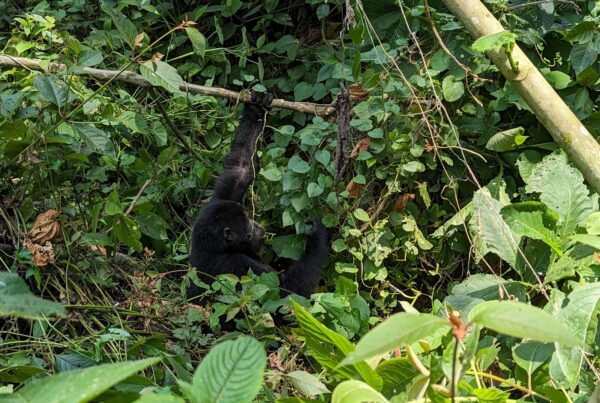
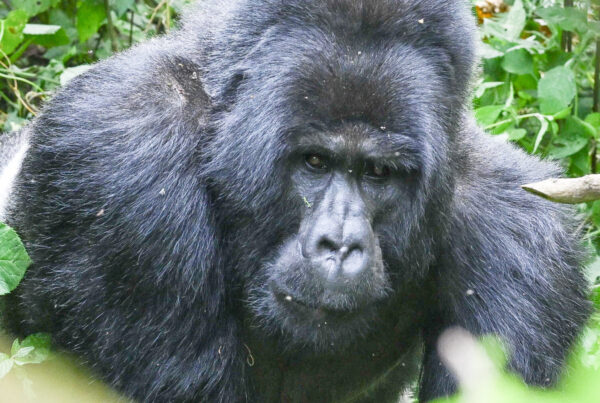
Uganda is home to the mountain gorilla (Gorilla beringei beringei), one of two subspecies of eastern gorilla. They live exclusively in the Virunga volcanic highlands (Uganda/Rwanda/DRC) and Bwindi Impenetrable Forest (Uganda only). Mountain gorillas are the only gorilla subspecies that cannot survive in captivity — every individual you can trek is a wild animal.
The standard gorilla trekking permit gives you exactly 1 hour with the gorilla family. This time begins when you make first contact with the family — the ranger signals the start. The Gorilla Habituation Experience gives 4 hours with a semi-wild family. The walk to find the gorillas can take 30 minutes to 5 hours depending on where the family has moved.
Stay calm, crouch down slowly, avoid direct eye contact, and remain quiet. Do not run — running triggers a chase response. Rangers accompanying your group manage close approaches. Habituated gorillas are accustomed to humans and almost never make contact, but a charging silverback is managed by staying still and following ranger instructions immediately.
A maximum of 8 visitors per habituated gorilla family per day for standard trekking. The Gorilla Habituation Experience has a maximum of 4 visitors per family per day. These limits are set by UWA to minimise stress on the gorilla families and maintain the quality of the experience.
Uganda is home to the mountain gorilla (Gorilla beringei beringei), one of two subspecies of eastern gorilla. They live exclusively in the Virunga volcanic highlands (Uganda/Rwanda/DRC) and Bwindi Impenetrable Forest (Uganda only). Mountain gorillas are the only gorilla subspecies that cannot survive in captivity — every individual you can trek is a wild animal.