The Banyankole are the people of Ankole — the highland grasslands of western Uganda stretching from Mbarara toward the Rwanda border — and their culture is historically organised around cattle, specifically the magnificent Ankole Longhorn breed whose long curved horns can span up to 2.4 metres from tip to tip, making it one of the most visually striking cattle breeds in the world and a living cultural symbol of wealth, status, and identity for a community where the care, celebration, and ceremonial use of cattle has structured social organisation, marriage negotiations, poetry, and religious practice for many centuries. Western Uganda’s pastoral culture enriches any Uganda safari that passes through Ankole toward Bwindi gorilla trekking.
- Location: Ankole sub-region; Mbarara, Ntungamo, Kiruhura, Ibanda, Bushenyi districts; western Uganda
- Population: approximately 3 million Banyankole; one of Uganda’s largest ethnic groups
- The Ankole Longhorn: a distinctive cattle breed with horns spanning up to 2.4 metres; considered sacred; cows are named and sung to
- Historical divisions: the Banyankole traditionally had two groups: the Hima (pastoralists) and the Iru (agriculturalists); today these distinctions are less socially rigid
The Banyankole are the people of Ankole — the highland grasslands of western Uganda stretching from Mbarara toward the Rwanda border. Their culture is historically organized around cattle, specifically the magnificent Ankole Longhorn breed whose long curved horns are one of the most distinctive images of Uganda. Understanding the Banyankole — their cattle culture, their social organization, their food traditions, and their changing relationship with pastoralism in the modern era — gives visitors to southwestern Uganda a cultural context for a landscape that becomes more meaningful when you understand who has shaped it. This guide covers the essential elements of Banyankole culture.
The Ankole Longhorn Cattle
The Ankole Longhorn (Bos taurus ankole) is among the world’s most visually striking cattle breeds. Its horns can reach 2.5 meters in span from tip to tip — among the longest of any cattle breed globally. The Ankole Longhorn is not just aesthetically extraordinary; it is exceptionally well adapted to the highland grassland environment, resistant to local diseases, and capable of thriving on the types of grass and browse found in the Ankole region. For the Banyankole, cattle have historically been the primary measure of wealth, social status, and identity. A man with large herds of Ankole Longhorns commanded respect proportionate to his animals. This relationship between cattle and social standing shapes Banyankole culture in ways that continue to be relevant even as commercialization changes livestock management.
Social Structure: Bahima and Bairu
Historically, Banyankole society was divided into two broad groups: the Bahima (cattle herders) and the Bairu (cultivators). The Bahima were the traditionally dominant class, organized around pastoralism and cattle ownership. The Bairu were the agricultural farming class who grew food crops and exchanged them with the Bahima for dairy products and occasional beef. The relationship between the two groups was hierarchical in pre-colonial times. Ugandan independence and subsequent social changes have substantially reduced these distinctions, but cultural memory of the Bahima-Bairu division persists in the oral history and social consciousness of western Uganda.
Cattle Culture and Its Expressions
Cattle among the Banyankole are named, praised, and celebrated in ways that reflect their cultural centrality. Traditional praise songs (ebyevugo) honor both cattle and their owners, describing the animals’ colors, horn shapes, and behaviors with a poetic specificity that reflects deep knowledge and affection. A Muhima man’s ability to compose and perform praise poetry about his herd was a mark of cultural accomplishment. The cattle are also used in bride wealth — a man demonstrates his worth and seriousness to a potential wife’s family through the quality and quantity of cattle he offers. These practices continue in modified forms in 2027.
Food Culture
Banyankole food culture reflects the pastoral heritage of the Bahima tradition while incorporating the agricultural food of the Bairu. Milk (ente omuzigo) was historically the primary Bahima food — fresh milk, fermented milk (ekikoijo, similar to yogurt), and butter were consumed daily and featured in ceremonies. Beef was eaten at celebrations and as a mark of hospitality but was not an everyday food — cattle were too valuable to slaughter casually. In the Bairu tradition, millet, sorghum, and sweet potatoes were the staples, with beans and vegetables completing the diet. Modern Banyankole food combines both traditions and has absorbed the national Ugandan staples of matoke, posho, and groundnut stew alongside the older cattle-culture foods.
The Ankole Grasslands Today
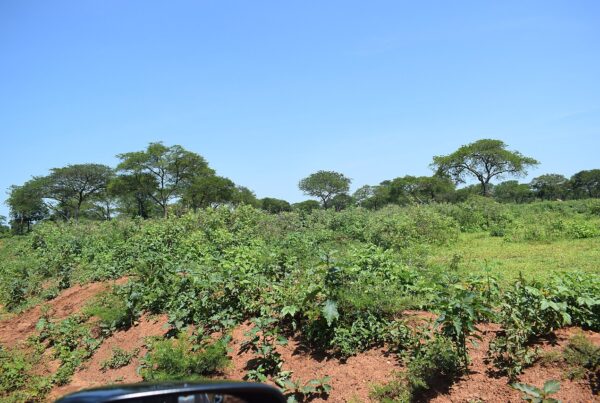
Driving through the Ankole region on the Kampala to Mbarara to Kabale highway — which all gorilla trekking visitors travel — the landscape of rolling grasslands dotted with Ankole Longhorn herds is immediately distinctive. The cattle are the reason the landscape looks as it does. Generations of grazing have shaped the grass species composition and the visual character of the Ankole rangelands. In 2027 the area is shifting rapidly toward commercial ranching and agricultural intensification, with some traditional herders selling Ankole Longhorns in favor of commercial dairy breeds. The landscape is changing, but the cattle and the culture around them remain distinctive enough to define the region.
The Banyankole and their Ankole Longhorns are one of Uganda’s most compelling cultural-agricultural intersections. The cattle you see from the road to Bwindi are not just livestock — they are living symbols of a culture that has organized human life around animal husbandry for centuries. Understanding that makes the drive through Ankole something more than just a long stretch of road between cities.
What is the cultural significance of the Ankole Longhorn cattle?
The Ankole Longhorn (Bos indicus x Bos taurus hybrid, known in Uganda as ente z’Ankole) is simultaneously a livestock breed, a cultural symbol, and a living measure of social status for the Banyankole people. Physical characteristics: the Ankole Longhorn has horns that grow outward and upward in a distinctive lyre shape; champion bulls have horns spanning over 2 metres tip to tip; the cattle are medium-sized with a reddish-brown coat; they are heat and drought-tolerant — well adapted to the semi-arid grasslands of western Uganda. The naming tradition: every cow in a Banyankole herd is named individually; the names describe physical characteristics — coat colour, horn shape, gait — and personality; a herd owner knows every animal by name and by character; this individual relationship between owner and cattle distinguishes the Ankole cattle tradition from purely commercial herding. Cattle songs (ebyevugo): a Banyankole man praises his cattle through ebyevugo — personal praise poetry composed for specific animals that describes their virtues, their beauty, and their owner’s pride in them; ebyevugo is a recognised Banyankole art form. Economic role: cattle are the primary store of wealth in the traditional Banyankole economy; they are used for bride price payment, for compensation in disputes, and for ritual sacrifice at ceremonies; a man’s status is measured by the size and quality of his herd.
What are the traditional social divisions of the Banyankole and do they still matter?
The historical Banyankole society was organised around a significant division between two groups whose roles were economically complementary but socially distinct. The Hima: the Hima were historically the cattle-herding group of the Banyankole; they were the social elite in the traditional Ankole Kingdom structure; the Mugabe (king) of Ankole was Hima; the Hima did not traditionally practise agriculture — their food was meat, milk, and butter; they traded cattle products for grain with the Iru. The Iru: the Iru were the agricultural group; they grew crops including millet, sorghum, and beans; they paid tribute to the Hima elite; the relationship was one of structured hierarchy rather than equality. The contemporary situation: the formal Hima-Iru social hierarchy was substantially disrupted by colonialism and post-independence politics; modern Ugandan law does not recognise such distinctions; intermarriage between Hima and Iru families is common; in practice, the identity still carries some social meaning for older generations in the Ankole heartland but is less significant for younger urban Banyankole. President Museveni: Uganda’s long-serving president Yoweri Museveni is Hima Banyankole from Kiruhura District; his family background is in the cattle-herding tradition of western Uganda.
What Banyankole cultural practices can visitors experience in western Uganda?
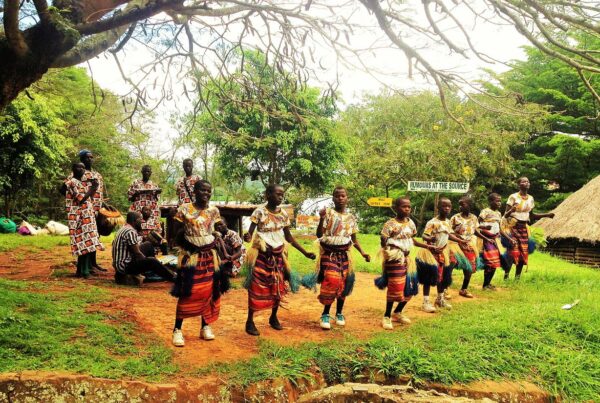
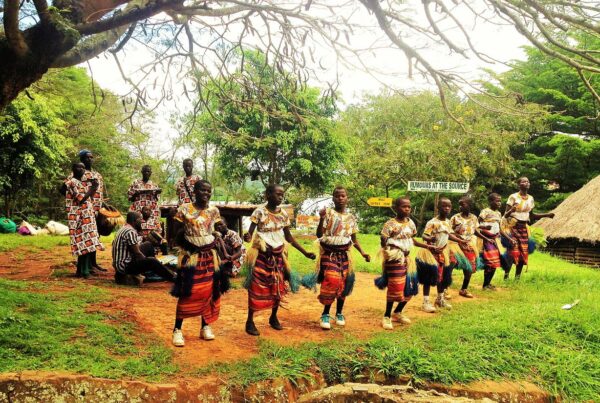
Western Uganda offers opportunities to engage with Banyankole culture at several points on the route between Kampala and the national parks. The Igongo Cultural Centre: located near Mbarara on the Kampala-Mbarara highway; a dedicated cultural centre presenting Ankole cultural history including a well-presented museum with Banyankole artefacts, cattle culture displays, and historical context; a recommended stop on the journey to Bwindi or Lake Mburo. Lake Mburo National Park: Uganda’s smallest savanna park but one with Ankole Longhorn cattle visible from the park borders; game drives show the grassland landscape of Ankole cattle country; boat trips on Lake Mburo show the hippo and bird life of the lakeside environment. The Mbarara area: Mbarara town is the commercial centre of Ankole; a stop of 1-2 hours gives access to local markets, restaurants serving Banyankole food, and the roadside sight of Ankole Longhorn cattle being herded on the grasslands. Cattle market visits: cattle markets operate weekly in rural Ankole towns; a visit shows the active trading culture of the cattle economy.
What does Banyankole food culture involve and what are the traditional foods?
Banyankole food culture reflects the cattle-centred economy of its pastoral history and the agricultural production of the Iru tradition. Milk (amata): fresh milk is central to the Banyankole diet; traditionally the Hima subsisted largely on fresh milk, sour milk (karegyere), and clarified butter (ekyogyo); milk is stored in decorated gourds; the preparation and serving of milk has ceremonial significance. Beef: cattle are slaughtered for celebrations, funerals, and important ceremonies; beef is roasted over an open fire; the roasting and sharing of beef is a community bonding event. Millet and sorghum: millet (obulo) and sorghum are traditional grains of the Iru agricultural tradition; millet porridge is a morning staple; millet is also used to brew kwete (a local beer). Obushera: a fermented millet or sorghum drink, thick and mildly alcoholic; served at celebrations and social gatherings in traditional Banyankole culture. Contemporary food: modern Banyankole urban households eat a mixed diet similar to other Ugandan urban families but may maintain the preference for high-quality fresh milk that reflects the pastoral heritage.
What is the marriage and bride price tradition among the Banyankole?
Banyankole marriage traditions are structured around cattle as the primary currency of bride price and reflect the central role of cattle in the social economy. The bride price (enjugano): the groom’s family pays bride price to the bride’s family as part of the marriage negotiation; in the Banyankole tradition this was historically paid in cattle — the number and quality of the cattle reflected the social standing of both families; today cash is also accepted and the cattle component may be partially symbolic. The negotiation: the bride price negotiation is a serious family matter handled by senior family members on both sides; the groom is not typically present at the initial negotiations; the negotiation involves representation from both families and may take multiple meetings. Contemporary adaptation: educated and urban Banyankole families negotiate bride price that includes cash, clothing, and other goods alongside or instead of cattle; the cultural expectation of bride price payment remains strong even among those who do not keep cattle. Ceremony: the formal introduction ceremony (equivalent to the Buganda kwanjula) is called the kukamba in the Ankole tradition; it involves the same principle of the families meeting formally and the bride being presented to her new family’s representatives.
- Uganda’s Ankole cattle: the long-horned giants of the southwestern highlands
- The Majestic Ankole Cattle of Uganda
- How People with Limited Mobility Can Trek to See Gorillas
- The Deadliest Lions That Killed 1,500 People: The Njombe Man-Eaters
- Uganda Gorilla Trekking Myths: 12 Things People Get Completely Wrong
- Uganda Gorilla Trekking Western Uganda: The Full Regional Circuit Guide
- Gorilla Trekking for People with Disabilities in Uganda
- Group Gorilla Trekking Uganda: Booking Tips for 8+ People
- How Many People Are Allowed Per Gorilla Family Per Day: Uganda’s Strict Limit Explained
- Gorilla Trekking Group Size: Maximum People Per Trek in Uganda Explained