The Eight-Person Rule: Uganda’s Gorilla Trekking Limit
When planning a gorilla trekking experience in Uganda, one of the most important regulations to understand is the visitor limit. Exactly eight visitors are permitted to trek to each gorilla family per day. This strict cap isn’t arbitrary; it’s a carefully calculated number that balances conservation needs with sustainable tourism.
Uganda Wildlife Authority (UWA) enforces this limit rigorously across all habituated gorilla families in Bwindi Impenetrable National Park and Mgahinga Gorilla National Park. No exceptions are made, regardless of demand or willingness to pay premium prices.
Why Only Eight Visitors Per Day?
Conservation Science Behind the Limit
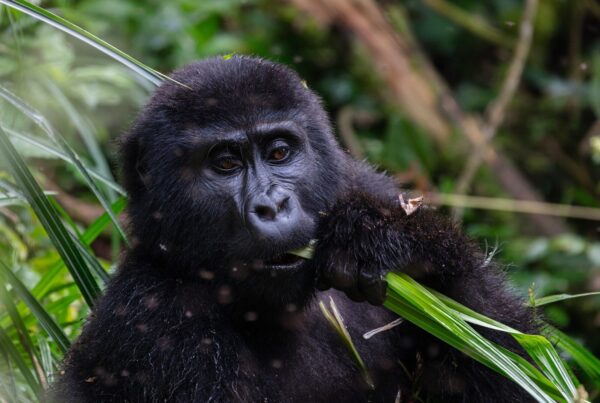
The eight-person limit is rooted in decades of primatological research. Mountain gorillas are susceptible to human diseases, stress from human presence, and behavioural changes caused by regular observation. Studies have shown that larger groups create more disturbance, increase disease transmission risk, and alter natural gorilla behaviour patterns.
Eight visitors represents the maximum number that can observe a gorilla family without causing significant behavioural disruption. This allows gorillas to continue their natural daily routines: feeding, resting, playing, and social interaction without excessive stress.
Disease Transmission Prevention
Mountain gorillas share approximately 98.3% of human DNA, making them vulnerable to human respiratory infections, gastrointestinal illnesses, and other diseases. Each additional person in a trekking group increases the risk of disease transmission. The eight-person limit minimises this risk while allowing meaningful tourism.
All trekkers must be healthy on the day of the trek. Anyone showing cold or flu symptoms is prohibited from participating, even with a valid permit. This health screening, combined with the group size limit, has helped prevent disease outbreaks among Uganda’s gorilla population.
Quality of Experience
Smaller groups provide better viewing opportunities, less crowded viewing positions, and more intimate encounters. With eight visitors, everyone can position themselves to see the gorillas clearly without jostling for position. Guides can manage the group effectively, ensuring all visitors follow regulations while enjoying the experience.
How Many Gorilla Families Can You Trek To?
Uganda currently has over 20 habituated gorilla families available for tourism. Each family receives a maximum of eight visitors per day, meaning roughly 160 permits are available daily across all trekking sectors. This limited supply, combined with high demand, is why permits often sell out months in advance, particularly for peak season (June to September and December to February).
Bwindi Impenetrable National Park Sectors
Bwindi is divided into four main trekking sectors, each hosting multiple gorilla families:
- Buhoma Sector: Northern part of the park, home to families like Mubare, Habinyanja, and Rushegura. This is the original trekking area with well-developed infrastructure.
- Ruhija Sector: Eastern sector, higher altitude, hosting families like Bitukura and Oruzogo. Known for excellent birding opportunities.
- Rushaga Sector: Southern sector with the highest concentration of gorilla families, including Nshongi, Mishaya, and Kahungye.
- Nkuringo Sector: Southern sector offering challenging treks with families like Nkuringo and Christmas.
Mgahinga Gorilla National Park
Mgahinga, though smaller, hosts the Nyakagezi gorilla family. This family is known for its relaxed nature and the presence of multiple silverbacks, offering unique viewing opportunities. Only eight visitors trek to this family each day.
What Happens If More Than Eight Want to Trek?
The eight-person limit is absolute. If your group has more than eight people, you must split into separate trekking groups visiting different gorilla families. This isn’t negotiable or flexible. A group of twelve, for example, would need to book permits for two different families: eight people in one group and four in another.
This splitting often works well for larger groups, as members can later share their different experiences. Each gorilla family has unique dynamics, personalities, and characteristics, so different groups often witness different behaviours and interactions.
The Permit System: How the Limit Is Enforced
Permits are sold on a first-come, first-served basis. Each permit corresponds to a specific gorilla family and date. Once eight permits for a particular family on a particular day are sold, no more are issued. This system ensures the limit is never exceeded.
Permit prices (valid July 2024 to June 2026) are:
- Foreign Non-Resident: $800 USD
- Foreign Resident: $700 USD
- East African Resident: 300,000 UGX
Permits must be booked well in advance, particularly for peak season. Some trekkers book six months to a year ahead to secure their preferred dates and gorilla families.
Who Else Is in the Trekking Group?
While only eight tourists visit each gorilla family, the total group includes additional people:
- UWA Ranger/Guide: Leads the trek, ensures regulations are followed, and provides information about the gorillas and forest.
- Trackers: Advance scouts who locate the gorilla family before tourists arrive. They stay in radio contact with the guide.
- Porters (optional):strong> Local community members who carry your backpack and assist on difficult terrain. Hiring a porter supports local livelihoods.
- Armed Rangers: Present for security, protecting against potential threats from wild animals or poachers.
Despite these additional people, the viewing experience remains intimate. Once the gorillas are located, the eight permit-holders form the primary viewing group, with guides managing positioning and time.
Comparing Uganda’s Limit to Other Countries
Uganda’s eight-person limit is consistent with regulations in Rwanda and the Democratic Republic of Congo. All three mountain gorilla range states adhere to the same standard, established through the Greater Virunga Transboundary Collaboration. This uniformity ensures consistent conservation practices across the gorillas’ entire range.
Rwanda charges $1,500 USD per permit, significantly higher than Uganda’s $800 USD, but the group size limit remains the same. The DRC offers permits at $400 USD, though security concerns have periodically affected tourism there.
Special Cases: Gorilla Habituation Experience
For those seeking a more immersive experience, Uganda offers gorilla habituation trekking. This exclusive activity allows four visitors (not eight) to spend four hours with a gorilla family undergoing habituation. The smaller group size and extended duration reflect the sensitive nature of working with gorillas not yet fully accustomed to human presence.
Habituation permits cost $1,800 USD for foreign non-residents and are available only in Rushaga sector of Bwindi. This experience provides unparalleled insight into the habituation process and gorilla behaviour, but the four-person limit makes these permits even more exclusive.
What This Means for Your Planning
Understanding the eight-person limit affects how you plan your gorilla trek:
- Book early: Limited permits mean popular dates sell out quickly.
- Be flexible: If your preferred family is fully booked, consider alternatives.
- Split large groups: Groups over eight must divide across different families.
- Consider habituation: For a different experience with even smaller groups, explore habituation trekking.
The Bigger Picture: Why Limits Matter
The strict eight-person limit has contributed to mountain gorilla population recovery. From a low of approximately 254 individuals in the 1980s, the population has grown to over 1,000 today. Regulated tourism, combined with anti-poaching efforts and veterinary intervention, has turned mountain gorillas into a rare conservation success story.
Every permit purchased contributes to this success. The revenue funds ranger patrols, community programmes, habitat protection, and gorilla monitoring. The eight-person limit ensures this revenue stream continues without compromising gorilla welfare.
Respecting the Limit, Protecting the Gorillas
When you secure one of the eight permits for a gorilla family, you’re not just buying a wildlife experience; you’re participating in conservation. The limit exists because it works. Gorillas that would have been hunted or displaced now thrive because tourism, properly managed, creates value in their survival.
The eight-person rule is Uganda’s way of ensuring that your children and grandchildren can also experience the wonder of meeting mountain gorillas in the wild. It’s a small price for a privilege that transforms lives.
- How People with Limited Mobility Can Trek to See Gorillas
- Gorilla Trekking Group Size: Maximum People Per Trek in Uganda Explained
- What Is the Gorilla Trekking Age Limit? Uganda Rules Explained
- How Many Tourists Visit Uganda Each Year for Gorillas? Tourism Statistics Explained
- Why People Cry During Gorilla Trekking: The Psychology Explained
- A Gorilla Group Has a Strict Social Hierarchy: Who Eats First Explained
- How We Arrange Gorilla Trekking for People With Limited Mobility
- Gorilla Trekking Uganda: The Guide for People With a Limited Budget
- Book Two Gorilla Treks and Get a Free Night: Limited Offer Explained
- Gorilla Trekking with Kids: Tips for Family-Friendly Adventures in Uganda