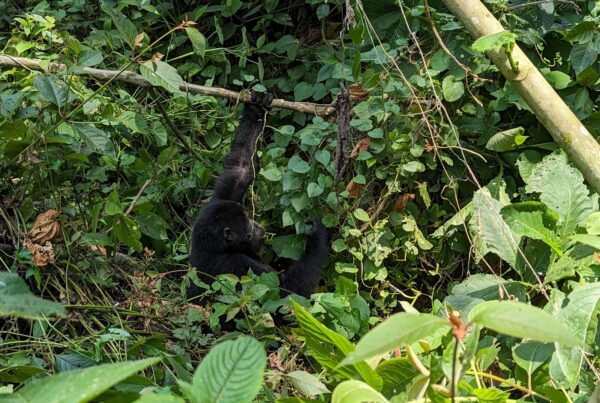
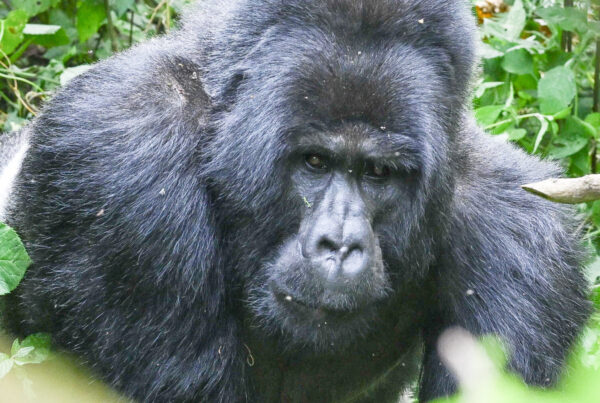
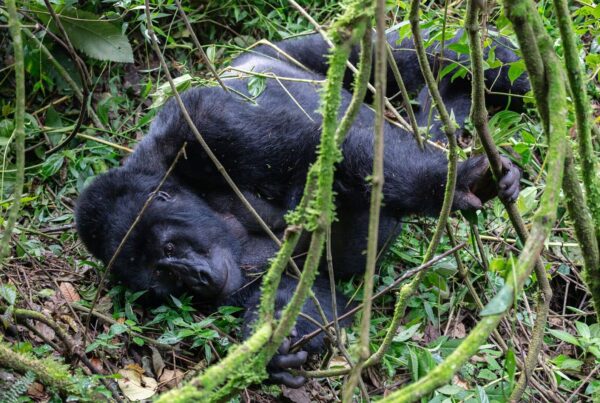
The day after your gorilla trek at Bwindi is one of the highest opportunity-to-experience-per-dollar days in any Uganda safari: you have already paid for the drive, the accommodation, the altitude adjustment, and the mental preparation — staying one more night costs a fraction of what you have already invested but unlocks a full day of activities in one of the most biodiverse ecosystems in Africa, across all four Bwindi sectors (Buhoma, Rushaga, Ruhija, Nkuringo) and the community lands surrounding them, ranging from the Buhoma Community Walk and forest birding (350+ species at Bwindi, including 23 Albertine Rift endemics) to a second gorilla trek with a different family, the Batwa cultural experience at Buniga Forest, and the Gorilla Habituation Experience if you want four hours rather than sixty minutes in the forest. The activities available the day after a gorilla trek are the subject of this guide: what is available in each sector, how physically demanding each is relative to the post-trek body, and how to sequence a next-day itinerary that extends rather than dilutes what the gorilla encounter gave you. For gorilla permit booking (including a second trek or GHE), see the permit guide; for sector-specific activity information, see the sector guide.
Best Day-After Activities by Bwindi Sector
- Buhoma: Buhoma Community Walk (half-day, low effort), Munyaga River Walk (2–3hrs), Rushura Hill Walk (steep, panoramic), forest birding
- Rushaga: Gorilla Habituation Experience (4hrs, high effort), second gorilla trek, Nkuringo community walk
- Ruhija: Mubwindi Swamp birding trail (half-day, Grauer’s swamp warbler and endemics), forest walk
- Nkuringo: Nkuringo Community Walk, views over Congo border hills, Batwa experience nearby
- Buniga Forest Batwa walk: accessible from Buhoma and Nkuringo sectors (2–3hrs, moderate)
- Second gorilla trek: available at all sectors subject to permit availability — book in advance, not same day
The day after your gorilla trek near Bwindi is one of the most underused days in any Uganda safari itinerary. Most visitors rush back to Kampala or connect to a flight before they have absorbed where they are or made the most of what surrounds them. This guide covers the activities available close to all four Bwindi sectors — Buhoma, Rushaga, Ruhija, and Nkuringo — and helps you plan a full, rewarding day that extends the value of your gorilla trekking experience in 2027.
Why Stay an Extra Day at Bwindi
Bwindi Impenetrable National Park is a UNESCO World Heritage Site containing over 350 species of birds, 120 species of mammals, and 1,000 species of flowering plants. The gorillas are the headline attraction but the forest around them is among the most biologically diverse ecosystems in Africa. A single gorilla trek day leaves the overwhelming majority of that experience untouched. The case for an extra day is straightforward: you have already paid for the transport, absorbed the travel, and adjusted to altitude. The marginal cost of one more night is low relative to the additional experience it unlocks.
Practically, the day after a gorilla trek is also a useful recovery day. The trek itself varies from two to eight hours depending on gorilla family location. Your legs may be tired, your pack heavier than you expected, and your enthusiasm for another long drive lower than it was 48 hours earlier. A locally based activity — a forest walk, a village visit, a birding excursion — delivers high experience value with low physical and logistical cost.
Buhoma Sector: Activities the Day After
Buhoma is the most accessible sector and has the widest range of activities beyond gorilla trekking. The Buhoma Community Walk is a guided half-day walk through the community land adjacent to the park boundary. It visits local homesteads, demonstrates traditional crafts, and includes a walk through secondary forest with good birding. The guide is a community member; your fee goes directly to the community association. It is the single highest-value activity in Buhoma for travellers who want cultural immersion at a pace that suits post-trek legs.
Forest walks within the park itself are available from Buhoma. The Munyaga River Walk (4km, 2-3 hours) and the Rushura Hill Walk (steep, half-day, excellent views over the forest canopy) are two specific options. Both require a UWA ranger escort. The Waterfall Trail leads to a waterfall in the forest interior — an easy to moderate walk with good chances of seeing forest birds and duikers. Ask your lodge to arrange these directly with UWA or through their activities desk.
Birding around Buhoma is exceptional even without entering the park. The Mubwindi Swamp (accessible from Buhoma by short drive) is one of the best birding sites in East Africa and is on the list of serious birders visiting Bwindi. Species recorded include African Green Broadbill, Grauer’s Rush Warbler, Shelley’s Crimsonwing, and numerous Albertine Rift endemics. A half-day birding walk with an experienced guide produces 60 to 100 species for a birder of average skill on a typical morning.
Rushaga Sector: Activities the Day After
Rushaga is the largest gorilla trekking sector in Bwindi and is located in the south. It offers the most gorilla families (and therefore the most permit availability) but fewer developed tourist activities than Buhoma. The Nkuringo-Rushaga walk — a guided trail connecting the two sectors across the southern edge of the park — is a full-day activity for fit walkers, offering forest immersion and high-quality birding. It requires advance arrangement and a UWA escort.
The Batwa Cultural Experience is one of the most distinctive activities available anywhere in Uganda and is particularly well-developed near Rushaga. The Batwa are the original forest-dwelling people of Bwindi, displaced when the park was gazetted. The Batwa Trail (run by Bwindi Community Hospital through the Batwa Development Programme) takes visitors into the forest with Batwa guides who demonstrate traditional hunting and gathering methods, plant knowledge, and cultural practices. The experience is handled with dignity and the revenue goes directly to Batwa community livelihoods. It takes approximately three hours.
The Nshongi River Valley Walk follows a river valley inside the park and provides a different forest perspective from the gorilla trek itself. Habituated red-tailed monkeys and L’Hoest’s monkeys are frequently seen. Birding includes several species not reliably found on the gorilla trekking trails. Accommodation in the Rushaga area ranges from Rushaga Gorilla Lodge to Ichumbi Gorilla Lodge, both within walking distance of the briefing point.
Ruhija Sector: Activities the Day After
Ruhija is the most remote Bwindi sector and the least visited by general tourists. It is, however, the sector that serious birders specifically target. The Mubwindi Swamp Trail (3km inside the park from the Ruhija sector) is the single best location in Uganda for Grauer’s Rush Warbler, African Green Broadbill, and Chapins Flycatcher — species that are on the target list of birders who travel specifically to see Albertine Rift endemics. A birding guide from Ruhija will know exactly where to find them.
The Ruhija area is also the highest point in Bwindi (approximately 2,350m), which makes it cooler and cloudier than other sectors — plan for mist and cold mornings. The community around Ruhija is less developed for tourism than Buhoma or Rushaga, which means fewer organized activities but a more genuine encounter with rural highland life. The road from Kabale to Ruhija passes through tea estates and highland farmland that is attractive for slow-paced sightseeing on the drive out.
Nkuringo Sector: Activities the Day After
Nkuringo sits on the southwestern rim of Bwindi at altitude, with dramatic views across the Virunga volcanoes into DRC and Rwanda. The views alone justify a second morning — the light on the volcanoes at dawn is one of the most photogenic scenes in Uganda. Nkuringo Community Campsite (often called Nkuringo Community Tourism) runs guided activities including village walks, banana beer brewing demonstrations, and visits to local schools and farms.
Lake Mutanda, approximately 45 minutes from Nkuringo by road, is one of Uganda’s most beautiful lakes. Framed by the Virunga volcanoes and dotted with small islands, it offers canoe trips, swimming, and some of the best landscape photography in southwestern Uganda. Several small community guesthouses on the lake shore provide simple meals. It is a half-day excursion from Nkuringo and worth the drive. Canoe hire is inexpensive and arranged locally.
Cross-Sector: Lake Bunyonyi
Lake Bunyonyi is within driving distance (1.5 to 2.5 hours depending on sector) from all parts of Bwindi and is the most popular post-trek destination for travellers who want a relaxed, scenic day before onward travel. It is a large crater lake at 1,962m with 29 islands, calm waters ideal for canoeing and kayaking, and a pleasant dry climate. Accommodation ranges from simple camping to comfortable lodges on the lake shore and on islands. It is particularly popular with families and as a pre-flight rest stop before returning to Entebbe.
A half-day on Lake Bunyonyi — canoe trip to Punishment Island, lunch at a lakeside lodge, swim if the weather allows — is an easy and highly satisfying activity that requires no advance booking and no physical preparation. It is the right choice for travellers whose legs are tired but whose appetite for Uganda scenery is not yet satisfied.
Cross-Sector: Mgahinga Gorilla National Park
If you trekked in Rushaga or Nkuringo, Mgahinga Gorilla National Park is approximately 1.5 to 2 hours away and offers golden monkey tracking ($60 USD per person for FNR) and volcano hiking (Mount Sabyinyo, Mount Gahinga, and Mount Muhabura). Golden monkey tracking is a highly underrated activity — the monkeys are habituated, spectacularly coloured, and move in large groups through the bamboo forest on the park’s lower slopes. A morning golden monkey trek and an afternoon at Lake Mutanda constitutes a near-perfect post-gorilla day.
Volcano hiking from Mgahinga requires a full day and reasonable fitness. Mount Gahinga (3,474m) is the easiest and takes approximately 5 to 6 hours round trip. Mount Sabyinyo (3,669m) is harder and offers the experience of standing at the triple border point where Uganda, Rwanda, and DRC meet. Both require a UWA guide and ranger escort included in the hiking fee.
Practical Notes for Planning Your Extra Day
Most activities near Bwindi can be arranged through your lodge or operator the evening before — advance booking is not required for forest walks, village visits, birding guides, or Lake Bunyonyi day trips. The Batwa Trail near Rushaga and guided birding in Ruhija benefit from advance arrangement to ensure guide availability. Chimp trekking in Kibale requires a permit booked in advance through UWA or a licensed operator ($250 USD per person for FNR) — it is not a spontaneous day-of activity.
Transport between sectors or to Lake Bunyonyi is arranged through your driver-guide. If you have a private vehicle and driver for your trek, the same arrangement continues for any post-trek day. If you arrived on a shared transfer, speak to your lodge about local transport options — most lodges have relationships with local drivers for half-day hire.
Tip allocation for the day after: if you hire a Batwa guide, a birding guide, or a community walk guide, a tip of $10 to $20 USD per person is appropriate and significantly meaningful to local livelihoods. These guides are not on fixed salaries — your tip is a meaningful portion of their daily income.
What We Recommend
For most travellers: Batwa Cultural Experience (morning, 3 hours) + Lake Bunyonyi (afternoon). This combination delivers cultural depth, physical accessibility, and the best scenery in the region. It suits all fitness levels, requires minimal advance planning, and leaves you rested for onward travel the following morning.
For birders: Full-day Mubwindi Swamp walk from Ruhija, or half-day forest birding from Buhoma. Arrange your birding guide through your lodge the evening before. Start at 6:30 AM for best activity.
For active travellers: Golden monkey tracking at Mgahinga + Mount Gahinga hike (long day, start early). Or Nkuringo-Rushaga trail walk for experienced trekkers who want more forest time. Confirm fitness requirements with your guide before committing.
We help all our gorilla trekking clients plan their full Bwindi stay, not just the trek day. If you are booking gorilla trekking through us in 2027, ask about our sector-specific post-trek itineraries when you enquire.
Frequently Asked Questions
A second gorilla trek on consecutive days is worth the additional permit cost for most visitors, because the two encounters are almost never alike: different family, different terrain, different light conditions, different gorilla behaviour, and the fundamental difference of experiencing it with the first encounter’s overwhelming novelty replaced by informed attention. Many visitors report that the second trek produces better photographs (more deliberate camera work) and a deeper quality of observation (less overwhelmed by the event, more able to watch specific individuals). The practical consideration is physical — if the first trek was long (5+ hours of forest hiking) and you feel the fatigue, a rest-day activity between treks (community walk, birding) is more sensible than immediate consecutive forest days. The permit for a second trek must be booked in advance, not arranged on the same morning — confirm availability when booking your first permit. What is the Buhoma Community Walk and how long does it take? The Buhoma Community Walk is a guided 2–3 hour walk through the community land adjacent to Bwindi’s northern park boundary, led by local community guides trained through the Buhoma Community Development Association. The walk visits local homesteads, demonstrates traditional crafts and farming practices, passes through secondary forest with excellent birding (the forest edge habitat at Bwindi’s boundary holds many of the park’s endemic species in accessible terrain), and typically includes a visit to a traditional healer’s demonstration garden of medicinal plants. The pace is gentle — the walk is designed to be accessible to visitors the day after a gorilla trek — and the route is on community land paths rather than park forest terrain. The fee goes directly to the community association and represents one of the most financially direct community benefit contributions available to a visitor in the Bwindi area. It is the single most recommended post-trek activity for visitors at Buhoma sector. What birds can you see near Bwindi that are not found in ordinary Uganda birding? Bwindi Impenetrable National Park is one of Africa’s most important birding sites, holding 350+ recorded species including 23 Albertine Rift endemics — birds found nowhere outside the specific highland ecosystem where Uganda, Rwanda, DRC, and Burundi meet. The Albertine Rift endemics at Bwindi that serious birders specifically target include: African Green Broadbill, Shelley’s Crimsonwing, Grauer’s Swamp Warbler (easiest to see at Mubwindi Swamp in the Ruhija sector), Handsome Francolin, African Hill Babbler, Kivu Ground Thrush, Bwindi Warbler (described as a new species in 2005), and the Rwenzori Turaco. For dedicated birders, the day after a gorilla trek is a birding day managed with a specialist guide from the lodge — most Bwindi lodges have access to experienced local birding guides who know current individual bird locations. A half-day forest edge birding walk from any sector can produce 60–80 species for an observer using a checklist and moving steadily along forest trails. What is the Gorilla Habituation Experience and how is it different from a standard trek? The Gorilla Habituation Experience (GHE) gives 4 hours with a gorilla family that is still undergoing the multi-year habituation process rather than the 60 minutes standard with a fully habituated family. The GHE group is limited to 4 visitors (versus 8 for standard trekking), the visit is managed by research staff and habituators rather than standard ranger guides, and the extended time produces a different quality of encounter — the gorillas in habituation are less accustomed to human presence, their behaviour is more raw and unpredictable, and the 4-hour window captures feeding, resting, social interaction, and movement sequences not visible in a 60-minute visit. The GHE is available only at Rushaga sector and is priced above the standard permit. It is physically more demanding than a standard trek because of the duration and because habituation families may range in more difficult terrain. As a day-after activity following a standard trek, the GHE is the highest-intensity option — physically and experientially — and is most appropriate for fit visitors with specific interest in extended gorilla observation or natural history research. What is there to do near Bwindi for visitors who want a completely relaxed rest day? For visitors whose gorilla trek was long or physically demanding and who want a genuinely restful day before the drive back to Entebbe or onward connection, several low-intensity options are available near Bwindi lodges. Most Bwindi lodges have viewpoints or lodge-boundary nature trails that provide birdwatching and forest views without entering the park — the boundary-edge habitat at Bwindi holds significant wildlife visible without a long walk. Lodge meals in the context of Bwindi’s highland setting are a genuine experience in themselves — lodges at Bwindi sit in dramatically scenic positions overlooking the forest canopy, and a morning spent reading and watching the mist clear over the forest is widely described by repeat visitors as one of the most restorative experiences in the safari. If you visit a craft cooperative or community market in the nearest village, the interactions with local craftspeople and the opportunity to buy items made by people whose community your permit fees support adds a final community-connected dimension to the Bwindi experience without requiring any physical exertion. Make the most of your extra day at Bwindi Gorilla Permit Guide — book your second trek or GHE permit at the same time as the first Uganda Gorilla Families — which families will be different on the second day Bwindi Sector Guide — sector-specific activities and community enterprise options Full Safari Cost Guide — additional night and activities cost at Bwindi Safari Itineraries — itineraries with built-in extra Bwindi days Further Reading What to Do After Gorilla Trekking: Top Activities Near Bwindi Best Gorilla Trekking Lodges in Uganda: Where to Stay Near Bwindi Luxury Lodges near Bwindi: Uganda’s Finest Gorilla Accommodation The Gorilla Sanctuary That Just Opened Near Bwindi: What It Offers The Bwindi Tea Factory and the Women Who Run It Near the Forest Where to Eat Near Bwindi Forest: Lodges and Local Spots 2027 Bakiga people: the highland farmers near Bwindi Forest Bakiga culture and the people of Kigezi: meeting the communities near Bwindi Ugandan music and dance: what to experience in communities near Bwindi Lake Bunyonyi: Uganda’s most beautiful lake near Bwindi gorilla country <
The Buhoma Community Walk is a guided 2–3 hour walk through the community land adjacent to Bwindi’s northern park boundary, led by local community guides trained through the Buhoma Community Development Association. The walk visits local homesteads, demonstrates traditional crafts and farming practices, passes through secondary forest with excellent birding (the forest edge habitat at Bwindi’s boundary holds many of the park’s endemic species in accessible terrain), and typically includes a visit to a traditional healer’s demonstration garden of medicinal plants. The pace is gentle — the walk is designed to be accessible to visitors the day after a gorilla trek — and the route is on community land paths rather than park forest terrain. The fee goes directly to the community association and represents one of the most financially direct community benefit contributions available to a visitor in the Bwindi area. It is the single most recommended post-trek activity for visitors at Buhoma sector. What birds can you see near Bwindi that are not found in ordinary Uganda birding? Bwindi Impenetrable National Park is one of Africa’s most important birding sites, holding 350+ recorded species including 23 Albertine Rift endemics — birds found nowhere outside the specific highland ecosystem where Uganda, Rwanda, DRC, and Burundi meet. The Albertine Rift endemics at Bwindi that serious birders specifically target include: African Green Broadbill, Shelley’s Crimsonwing, Grauer’s Swamp Warbler (easiest to see at Mubwindi Swamp in the Ruhija sector), Handsome Francolin, African Hill Babbler, Kivu Ground Thrush, Bwindi Warbler (described as a new species in 2005), and the Rwenzori Turaco. For dedicated birders, the day after a gorilla trek is a birding day managed with a specialist guide from the lodge — most Bwindi lodges have access to experienced local birding guides who know current individual bird locations. A half-day forest edge birding walk from any sector can produce 60–80 species for an observer using a checklist and moving steadily along forest trails. What is the Gorilla Habituation Experience and how is it different from a standard trek? The Gorilla Habituation Experience (GHE) gives 4 hours with a gorilla family that is still undergoing the multi-year habituation process rather than the 60 minutes standard with a fully habituated family. The GHE group is limited to 4 visitors (versus 8 for standard trekking), the visit is managed by research staff and habituators rather than standard ranger guides, and the extended time produces a different quality of encounter — the gorillas in habituation are less accustomed to human presence, their behaviour is more raw and unpredictable, and the 4-hour window captures feeding, resting, social interaction, and movement sequences not visible in a 60-minute visit. The GHE is available only at Rushaga sector and is priced above the standard permit. It is physically more demanding than a standard trek because of the duration and because habituation families may range in more difficult terrain. As a day-after activity following a standard trek, the GHE is the highest-intensity option — physically and experientially — and is most appropriate for fit visitors with specific interest in extended gorilla observation or natural history research. What is there to do near Bwindi for visitors who want a completely relaxed rest day? For visitors whose gorilla trek was long or physically demanding and who want a genuinely restful day before the drive back to Entebbe or onward connection, several low-intensity options are available near Bwindi lodges. Most Bwindi lodges have viewpoints or lodge-boundary nature trails that provide birdwatching and forest views without entering the park — the boundary-edge habitat at Bwindi holds significant wildlife visible without a long walk. Lodge meals in the context of Bwindi’s highland setting are a genuine experience in themselves — lodges at Bwindi sit in dramatically scenic positions overlooking the forest canopy, and a morning spent reading and watching the mist clear over the forest is widely described by repeat visitors as one of the most restorative experiences in the safari. If you visit a craft cooperative or community market in the nearest village, the interactions with local craftspeople and the opportunity to buy items made by people whose community your permit fees support adds a final community-connected dimension to the Bwindi experience without requiring any physical exertion. Make the most of your extra day at Bwindi Gorilla Permit Guide — book your second trek or GHE permit at the same time as the first Uganda Gorilla Families — which families will be different on the second day Bwindi Sector Guide — sector-specific activities and community enterprise options Full Safari Cost Guide — additional night and activities cost at Bwindi Safari Itineraries — itineraries with built-in extra Bwindi days Further Reading What to Do After Gorilla Trekking: Top Activities Near Bwindi Best Gorilla Trekking Lodges in Uganda: Where to Stay Near Bwindi Luxury Lodges near Bwindi: Uganda’s Finest Gorilla Accommodation The Gorilla Sanctuary That Just Opened Near Bwindi: What It Offers The Bwindi Tea Factory and the Women Who Run It Near the Forest Where to Eat Near Bwindi Forest: Lodges and Local Spots 2027 Bakiga people: the highland farmers near Bwindi Forest Bakiga culture and the people of Kigezi: meeting the communities near Bwindi Ugandan music and dance: what to experience in communities near Bwindi Lake Bunyonyi: Uganda’s most beautiful lake near Bwindi gorilla country <
Bwindi Impenetrable National Park is one of Africa’s most important birding sites, holding 350+ recorded species including 23 Albertine Rift endemics — birds found nowhere outside the specific highland ecosystem where Uganda, Rwanda, DRC, and Burundi meet. The Albertine Rift endemics at Bwindi that serious birders specifically target include: African Green Broadbill, Shelley’s Crimsonwing, Grauer’s Swamp Warbler (easiest to see at Mubwindi Swamp in the Ruhija sector), Handsome Francolin, African Hill Babbler, Kivu Ground Thrush, Bwindi Warbler (described as a new species in 2005), and the Rwenzori Turaco. For dedicated birders, the day after a gorilla trek is a birding day managed with a specialist guide from the lodge — most Bwindi lodges have access to experienced local birding guides who know current individual bird locations. A half-day forest edge birding walk from any sector can produce 60–80 species for an observer using a checklist and moving steadily along forest trails. What is the Gorilla Habituation Experience and how is it different from a standard trek? The Gorilla Habituation Experience (GHE) gives 4 hours with a gorilla family that is still undergoing the multi-year habituation process rather than the 60 minutes standard with a fully habituated family. The GHE group is limited to 4 visitors (versus 8 for standard trekking), the visit is managed by research staff and habituators rather than standard ranger guides, and the extended time produces a different quality of encounter — the gorillas in habituation are less accustomed to human presence, their behaviour is more raw and unpredictable, and the 4-hour window captures feeding, resting, social interaction, and movement sequences not visible in a 60-minute visit. The GHE is available only at Rushaga sector and is priced above the standard permit. It is physically more demanding than a standard trek because of the duration and because habituation families may range in more difficult terrain. As a day-after activity following a standard trek, the GHE is the highest-intensity option — physically and experientially — and is most appropriate for fit visitors with specific interest in extended gorilla observation or natural history research. What is there to do near Bwindi for visitors who want a completely relaxed rest day? For visitors whose gorilla trek was long or physically demanding and who want a genuinely restful day before the drive back to Entebbe or onward connection, several low-intensity options are available near Bwindi lodges. Most Bwindi lodges have viewpoints or lodge-boundary nature trails that provide birdwatching and forest views without entering the park — the boundary-edge habitat at Bwindi holds significant wildlife visible without a long walk. Lodge meals in the context of Bwindi’s highland setting are a genuine experience in themselves — lodges at Bwindi sit in dramatically scenic positions overlooking the forest canopy, and a morning spent reading and watching the mist clear over the forest is widely described by repeat visitors as one of the most restorative experiences in the safari. If you visit a craft cooperative or community market in the nearest village, the interactions with local craftspeople and the opportunity to buy items made by people whose community your permit fees support adds a final community-connected dimension to the Bwindi experience without requiring any physical exertion. Make the most of your extra day at Bwindi Gorilla Permit Guide — book your second trek or GHE permit at the same time as the first Uganda Gorilla Families — which families will be different on the second day Bwindi Sector Guide — sector-specific activities and community enterprise options Full Safari Cost Guide — additional night and activities cost at Bwindi Safari Itineraries — itineraries with built-in extra Bwindi days Further Reading What to Do After Gorilla Trekking: Top Activities Near Bwindi Best Gorilla Trekking Lodges in Uganda: Where to Stay Near Bwindi Luxury Lodges near Bwindi: Uganda’s Finest Gorilla Accommodation The Gorilla Sanctuary That Just Opened Near Bwindi: What It Offers The Bwindi Tea Factory and the Women Who Run It Near the Forest Where to Eat Near Bwindi Forest: Lodges and Local Spots 2027 Bakiga people: the highland farmers near Bwindi Forest Bakiga culture and the people of Kigezi: meeting the communities near Bwindi Ugandan music and dance: what to experience in communities near Bwindi Lake Bunyonyi: Uganda’s most beautiful lake near Bwindi gorilla country <
The Gorilla Habituation Experience (GHE) gives 4 hours with a gorilla family that is still undergoing the multi-year habituation process rather than the 60 minutes standard with a fully habituated family. The GHE group is limited to 4 visitors (versus 8 for standard trekking), the visit is managed by research staff and habituators rather than standard ranger guides, and the extended time produces a different quality of encounter — the gorillas in habituation are less accustomed to human presence, their behaviour is more raw and unpredictable, and the 4-hour window captures feeding, resting, social interaction, and movement sequences not visible in a 60-minute visit. The GHE is available only at Rushaga sector and is priced above the standard permit. It is physically more demanding than a standard trek because of the duration and because habituation families may range in more difficult terrain. As a day-after activity following a standard trek, the GHE is the highest-intensity option — physically and experientially — and is most appropriate for fit visitors with specific interest in extended gorilla observation or natural history research. What is there to do near Bwindi for visitors who want a completely relaxed rest day? For visitors whose gorilla trek was long or physically demanding and who want a genuinely restful day before the drive back to Entebbe or onward connection, several low-intensity options are available near Bwindi lodges. Most Bwindi lodges have viewpoints or lodge-boundary nature trails that provide birdwatching and forest views without entering the park — the boundary-edge habitat at Bwindi holds significant wildlife visible without a long walk. Lodge meals in the context of Bwindi’s highland setting are a genuine experience in themselves — lodges at Bwindi sit in dramatically scenic positions overlooking the forest canopy, and a morning spent reading and watching the mist clear over the forest is widely described by repeat visitors as one of the most restorative experiences in the safari. If you visit a craft cooperative or community market in the nearest village, the interactions with local craftspeople and the opportunity to buy items made by people whose community your permit fees support adds a final community-connected dimension to the Bwindi experience without requiring any physical exertion. Make the most of your extra day at Bwindi Gorilla Permit Guide — book your second trek or GHE permit at the same time as the first Uganda Gorilla Families — which families will be different on the second day Bwindi Sector Guide — sector-specific activities and community enterprise options Full Safari Cost Guide — additional night and activities cost at Bwindi Safari Itineraries — itineraries with built-in extra Bwindi days Further Reading What to Do After Gorilla Trekking: Top Activities Near Bwindi Best Gorilla Trekking Lodges in Uganda: Where to Stay Near Bwindi Luxury Lodges near Bwindi: Uganda’s Finest Gorilla Accommodation The Gorilla Sanctuary That Just Opened Near Bwindi: What It Offers The Bwindi Tea Factory and the Women Who Run It Near the Forest Where to Eat Near Bwindi Forest: Lodges and Local Spots 2027 Bakiga people: the highland farmers near Bwindi Forest Bakiga culture and the people of Kigezi: meeting the communities near Bwindi Ugandan music and dance: what to experience in communities near Bwindi Lake Bunyonyi: Uganda’s most beautiful lake near Bwindi gorilla country <
For visitors whose gorilla trek was long or physically demanding and who want a genuinely restful day before the drive back to Entebbe or onward connection, several low-intensity options are available near Bwindi lodges. Most Bwindi lodges have viewpoints or lodge-boundary nature trails that provide birdwatching and forest views without entering the park — the boundary-edge habitat at Bwindi holds significant wildlife visible without a long walk. Lodge meals in the context of Bwindi’s highland setting are a genuine experience in themselves — lodges at Bwindi sit in dramatically scenic positions overlooking the forest canopy, and a morning spent reading and watching the mist clear over the forest is widely described by repeat visitors as one of the most restorative experiences in the safari. If you visit a craft cooperative or community market in the nearest village, the interactions with local craftspeople and the opportunity to buy items made by people whose community your permit fees support adds a final community-connected dimension to the Bwindi experience without requiring any physical exertion. Make the most of your extra day at Bwindi Gorilla Permit Guide — book your second trek or GHE permit at the same time as the first Uganda Gorilla Families — which families will be different on the second day Bwindi Sector Guide — sector-specific activities and community enterprise options Full Safari Cost Guide — additional night and activities cost at Bwindi Safari Itineraries — itineraries with built-in extra Bwindi days Further Reading What to Do After Gorilla Trekking: Top Activities Near Bwindi Best Gorilla Trekking Lodges in Uganda: Where to Stay Near Bwindi Luxury Lodges near Bwindi: Uganda’s Finest Gorilla Accommodation The Gorilla Sanctuary That Just Opened Near Bwindi: What It Offers The Bwindi Tea Factory and the Women Who Run It Near the Forest Where to Eat Near Bwindi Forest: Lodges and Local Spots 2027 Bakiga people: the highland farmers near Bwindi Forest Bakiga culture and the people of Kigezi: meeting the communities near Bwindi Ugandan music and dance: what to experience in communities near Bwindi Lake Bunyonyi: Uganda’s most beautiful lake near Bwindi gorilla country <