Uganda’s entry requirements for most international visitors involve three documentation elements — a valid passport (minimum 6 months validity beyond your travel dates), a tourist e-visa applied for online through the Uganda Immigration Services portal before departure, and a Yellow Fever vaccination certificate (required at the border and regularly enforced) — and the two most common visitor errors are the same ones that cause the most disruption: attempting to get the visa on arrival when the e-visa system is the correct channel, and not carrying the Yellow Fever certificate because it seemed like a bureaucratic formality rather than an enforced entry requirement at Entebbe. This guide covers the complete Uganda entry process: e-visa application step by step, current cost and processing time, Yellow Fever and other health documentation, passport validity requirements, the East Africa Tourist Visa (which covers Uganda, Kenya, and Rwanda on a single multiple-entry document), customs regulations, and what to expect at Entebbe International Airport on arrival. Immigration requirements are updated periodically — verify current requirements with the official Uganda Immigration Services portal or your tour operator close to your departure date. Once you have entry sorted, see the gorilla permit guide for the in-country permit process.
Uganda Entry Requirements: Essentials
- Visa: e-visa required for most nationalities — apply online before travel at Uganda Immigration portal
- Passport validity: minimum 6 months beyond travel dates; minimum 2 blank pages
- Yellow Fever certificate: required and checked — carry the original International Certificate of Vaccination
- East Africa Tourist Visa: single USD $100 visa covers Uganda + Kenya + Rwanda (multiple entry, 90 days)
- EAC citizen exemption: Kenya, Tanzania, Rwanda, Burundi, South Sudan, DRC nationals do not need a visa
- Verify current requirements at official Uganda Immigration Services portal before booking — policies change
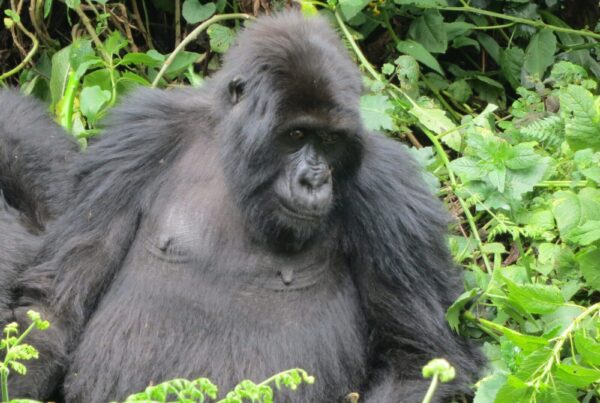
Before you can stand before a mountain gorilla in Bwindi’s forest, you must first navigate Uganda’s immigration system. For most international visitors, this process is straightforward, but it requires attention to detail, correct documentation, and awareness of requirements that change periodically as immigration policies evolve. A mistake at the border, whether an expired passport, an incorrect visa type, or missing vaccination documentation, can derail your entire safari before it begins, leaving you stranded in Entebbe while your gorilla permit expires unused.
This guide provides a comprehensive overview of Uganda’s visa and entry requirements for tourists, covering visa types, application procedures, passport requirements, health documentation, customs regulations, and the practical realities of arrival at Entebbe International Airport. Understanding these requirements before you travel ensures that your entry is smooth, legal, and stress-free, allowing you to focus on the extraordinary experiences that await beyond the immigration desk.
Do You Need a Visa to Enter Uganda?
Most international visitors require a visa to enter Uganda. The country operates an electronic visa system that allows tourists to apply online before travel, eliminating the need to visit a Ugandan embassy or consulate in most cases. The e-visa is the standard entry document for tourists and is valid for tourism purposes including gorilla trekking, wildlife safaris, and general sightseeing.
Citizens of certain East African Community member states, Kenya, Tanzania, Rwanda, Burundi, South Sudan, and the Democratic Republic of Congo, do not require visas to enter Uganda. They may enter using their national identity cards or passports, depending on the specific bilateral agreements in place at the time of travel.
Citizens of some other countries, including certain Commonwealth nations, may have specific visa arrangements that differ from the standard tourist visa. Check the official Uganda Immigration website or consult your nearest Ugandan diplomatic mission for the most current information specific to your nationality, as visa policies change periodically.
The Uganda Tourist E-Visa: Application Process
The Uganda tourist e-visa is a single-entry visa valid for up to ninety days, though most tourists receive stays of thirty to sixty days depending on their stated itinerary. The application is completed entirely online through the official Uganda Immigration portal.
To apply, you need a passport valid for at least six months beyond your intended departure date from Uganda, with at least one blank page for the visa stamp. You also need a recent passport-style photograph in digital format, a copy of your yellow fever vaccination certificate, and a credit or debit card for payment of the visa fee.
The application form requires basic personal information, travel details including your intended dates of entry and exit, accommodation information, and the purpose of your visit. Be accurate and consistent in your responses, as discrepancies may delay processing or result in rejection.
The standard processing time is approximately three to five business days, though it can take longer during busy periods. Apply at least two weeks before your intended travel date to allow adequate processing time. The visa fee for most nationalities is fifty dollars, though this is subject to change and should be verified on the official portal at the time of application.
Once approved, print your e-visa approval letter and carry it with your passport. You will present both documents at immigration upon arrival. The actual visa stamp is placed in your passport at the airport, not issued electronically.
Passport Requirements
Your passport is the most critical document for entry into Uganda, and it must meet several specific requirements. It must be valid for at least six months beyond your planned departure date from Uganda. This means that if you plan to leave Uganda on August first, your passport must be valid until at least February first of the following year. Airlines may deny boarding if your passport does not meet this requirement, even if Uganda immigration might have admitted you.
Your passport must have at least one completely blank page for the visa stamp. If your passport is nearly full, obtain a new one before travel. Uganda immigration places both entry and exit stamps in the passport, and insufficient space creates complications.
The name on your passport must match the name on your gorilla permit, flight bookings, and accommodation reservations exactly. If you have recently changed your name through marriage or legal process, ensure that all documents reflect your current name or carry supporting documentation that explains any discrepancies.
Carry a photocopy of your passport’s data page and visa separately from your passport. If your passport is lost or stolen, this copy facilitates replacement and proves your identity to authorities.
Yellow Fever Vaccination: Mandatory Entry Requirement
Yellow fever vaccination is mandatory for entry into Uganda from most countries, and proof of vaccination is checked at immigration. You must carry your International Certificate of Vaccination or Prophylaxis, commonly known as the yellow card, which documents your yellow fever vaccination.
The vaccination must have been administered at least ten days before entry to be considered valid. If you were vaccinated less than ten days before arrival, you may be denied entry or quarantined until the ten-day period elapses. Plan your vaccination well in advance of travel.
The yellow fever certificate is also required at the gorilla trekking briefing point, as yellow fever can be transmitted between humans and gorillas. Ensure your certificate is easily accessible in your daypack on trek day.
Some travellers cannot receive yellow fever vaccination due to medical contraindications, such as certain immune conditions or pregnancy. In these cases, obtain a medical waiver letter from your physician and carry it with you. However, waiver acceptance is at the discretion of Ugandan immigration officials, and there is no guarantee of entry without vaccination.
Other Recommended Vaccinations and Health Precautions
While only yellow fever is mandatory, several other vaccinations are strongly recommended for travel to Uganda. Hepatitis A and B, typhoid, tetanus, and polio vaccinations protect against common diseases that are preventable but potentially serious. Consult a travel medicine specialist at least six weeks before departure to allow time for vaccination schedules to be completed.
Malaria prophylaxis is essential for most travellers to Uganda. The country has high malaria transmission rates year-round, and Bwindi’s altitude does not eliminate the risk. Consult your physician about appropriate antimalarial medications for your specific health profile and travel dates.
Routine vaccinations, including measles, mumps, rubella, and influenza, should be up to date before travel. These protect not only you but also the gorillas, who are susceptible to human respiratory viruses. The health declaration at the gorilla briefing includes questions about recent illness, and honest answers protect both species.
Customs and Import Regulations
Uganda customs allows personal effects and reasonable quantities of clothing, toiletries, and electronic devices for personal use. Cameras, binoculars, smartphones, and laptops are generally admitted without duty for tourists.
Prohibited items include narcotics, pornography, counterfeit goods, and weapons without proper permits. Drones require specific permits from the Uganda Civil Aviation Authority and should not be brought without advance authorisation.
Currency declaration is required if you are carrying more than ten thousand dollars or equivalent in other currencies. Declare amounts accurately to avoid accusations of money laundering or currency smuggling.
Medication for personal use is permitted in reasonable quantities. Carry medications in their original packaging with prescription labels, and bring a copy of your prescription for any controlled substances. Declare prescription medications if asked by customs officials.
Arrival at Entebbe International Airport
Entebbe International Airport is Uganda’s primary international gateway and the arrival point for virtually all gorilla trekking tourists. The airport is relatively small and manageable compared to major international hubs, but the arrival process still requires patience and preparation.
Upon disembarking, follow signs to immigration. Queue in the appropriate line for your visa status: e-visa holders, visa on arrival applicants, or East African citizens. Have your passport, e-visa approval letter, yellow fever certificate, and arrival card ready for inspection.
Immigration officers may ask basic questions about your visit: purpose, duration, accommodation, and onward travel. Answer clearly and confidently. The process is usually routine for tourists with proper documentation.
After immigration, collect your luggage and proceed through customs. Green channel if you have nothing to declare, red channel if you are carrying goods that require declaration. Random inspections occur, so comply promptly if asked to open your luggage.
Outside the arrivals hall, you will find your tour operator representative, if you have arranged a meet-and-greet, or taxi services if you are travelling independently. Pre-arranged transfers are strongly recommended, particularly for first-time visitors.
Visa Extensions and Overstays
If your travel plans change and you need to stay longer than your visa permits, apply for an extension at the immigration office in Kampala before your current visa expires. Overstaying your visa results in fines, potential detention, and complications for future travel to Uganda.
Extensions are not guaranteed and require justification. Tourist visa extensions are sometimes granted for genuine reasons such as flight changes or medical issues, but immigration officials have discretion to deny requests they consider insufficient.
Final Thoughts
Uganda’s visa and entry requirements are not onerous, but they are non-negotiable. A well-prepared traveller with a valid passport, approved e-visa, yellow fever certificate, and realistic expectations about the arrival process will enter the country smoothly and begin their safari without unnecessary stress.
The time you invest in understanding and complying with these requirements is time well spent. It allows you to arrive focused on what matters: the extraordinary wildlife, landscapes, and cultures that make Uganda one of Africa’s most rewarding destinations. The silverback waiting in Bwindi’s forest cares nothing for your visa status, but without that visa, you will never meet his gaze.
Frequently asked questions about Uganda visa and entry requirements
How do you apply for a Uganda tourist visa?
Uganda’s tourist visa is applied for through the Uganda e-visa portal at the official Uganda Immigration Services website. The application requires: a scanned copy of the photo page of your valid passport, a recent passport-format photograph, your travel itinerary or confirmed hotel bookings (not always strictly required but recommended to have available), and payment by credit or debit card. The standard tourist e-visa is a single-entry document valid for 90 days from issue, typically allowing a stay of 30–60 days depending on the immigration officer’s assessment of your stated itinerary. Processing time is typically 5–10 business days but can vary. Apply at least 2–3 weeks before departure to allow time for processing and any follow-up if additional documents are requested. The e-visa approval email should be printed or saved to your phone — present it at Entebbe Airport immigration alongside your passport. Do not use third-party visa application services that charge above the official fee — the official portal processes all Uganda tourist e-visas directly.
Is Yellow Fever vaccination required to enter Uganda?
Yes — Yellow Fever vaccination is a legal entry requirement for Uganda and is enforced at Entebbe International Airport. You must carry the original International Certificate of Vaccination or Prophylaxis (ICVP, commonly called the Yellow Card) showing your Yellow Fever vaccination. A digital certificate, a photocopy, or a record in your phone’s health app is not accepted as a substitute for the original yellow booklet. The Yellow Fever vaccination requires a single dose and provides lifelong immunity — if you have not been vaccinated previously, get the vaccine 10 days before travel (immunity takes 10 days to develop fully). The vaccine is widely available at travel medicine clinics. Travellers arriving without a valid Yellow Fever certificate can be refused entry or held for vaccination at the airport, which will delay your onward travel and potentially your gorilla permit. Carry the yellow booklet in your travel documents alongside your passport.
What is the East Africa Tourist Visa and is it worth getting?
The East Africa Tourist Visa is a joint visa issued by Uganda, Kenya, and Rwanda that allows multiple entry across all three countries for USD $100 — making it significantly more cost-effective than purchasing individual visas for each country if your itinerary includes two or three of these countries. A standard single-entry Uganda tourist visa costs USD $50; Kenya’s eTA costs USD $30; Rwanda’s tourist visa costs USD $50 — the combined cost of individual visas for all three countries is USD $130 versus USD $100 for the joint visa. The East Africa Tourist Visa is the right choice if your itinerary includes Uganda plus Rwanda gorilla trekking, or Uganda plus a Kenyan safari component, or all three countries. It is valid for 90 days from first entry and allows free movement between the three countries. Apply through the Uganda, Kenya, or Rwanda immigration portal — all three accept the joint visa application. Confirm current pricing and participating countries at the time of application as the scheme’s terms are occasionally updated.
What should you expect at Entebbe International Airport on arrival in Uganda?
Entebbe International Airport (IATA: EBB) processes most international flights at night and in the early morning hours, as the majority of long-haul connections arrive overnight. Immigration queues at Entebbe are manageable compared to larger African hub airports, but the combination of multiple overnight flights arriving simultaneously can create 30–60 minute waits during peak periods. Have ready when approaching the immigration desk: your passport, your e-visa approval printout or digital copy, your Yellow Fever certificate, and a cash USD $50 to cover any incidental fees if a visa on arrival is needed. Immigration officers will verify your e-visa, stamp your passport with an entry permit, and note your stated duration of stay. Proceed to baggage claim (carousels are directly accessible after immigration), then through customs — Uganda’s customs declaration is standard and most tourists have no declarable items. Your operator’s transfer vehicle or meet-and-greet representative will be in the arrivals hall with a name sign. Ensure you have your operator’s local mobile number in case of any delay.
Can you get a Uganda visa on arrival at Entebbe Airport?
Uganda officially discontinued the visa on arrival system in favour of the e-visa system, which requires pre-arrival online application. Arriving at Entebbe without a pre-approved e-visa is a significant risk — immigration may decline entry, require you to complete the e-visa application at the airport (which can take hours and requires reliable internet and a credit card), or in exceptional cases hold you pending processing. Do not rely on receiving a visa on arrival as a fallback. The e-visa system is straightforward, processes in 5–10 days, and eliminates all immigration uncertainty. Apply through the official Uganda Immigration Services e-visa portal well before departure. If you are uncertain whether your nationality requires a visa, verify against the official exclusion list on the immigration portal — citizens of East African Community states (Kenya, Tanzania, Rwanda, Burundi, South Sudan, DRC) are visa-exempt.
Complete your Uganda entry preparation
- Gorilla Permit Guide — the in-country permit process that follows your entry
- Uganda Gorilla Families — what you are entering Uganda to see
- Bwindi Sector Guide — ground logistics from Entebbe to Bwindi
- Full Safari Cost Guide — visa fees, health requirements, and travel insurance as budget items
- Safari Itineraries — multi-country East Africa itineraries that use the joint tourist visa
- Uganda Entry Requirements 2026: Visas, Vaccines and Rules
- Uganda Visa Requirements: Entry Guide for Gorilla Trekkers
- Uganda entry requirements 2025: visas, yellow fever, and what to prepare
- Uganda visa guide for gorilla trekkers: entry requirements by nationality
- Uganda Visa Requirements: Do You Need a Visa for Gorilla Trekking?
- Uganda Tourist Visas
- What is the East Africa Tourist Visa?
- Uganda Gorilla Trekking Physical Requirements: Are You Fit Enough?
- Is It Safe to Travel to Uganda? Safety Advice for Tourists
- Yellow Fever Certificate for Uganda: Requirements and How to Get Vaccinated